
Island · Brazil
Ilha de Antônio Vaz, Recife
Ilha de Antônio Vaz is the historic central island area of Recife, Brazil, spanning Santo Antônio, São José, Cabanga and Ilha Joana Bezerra. Its rivers, bridges, churches, civic buildings and markets explain how Recife expanded beyond its original port settlement.
What this island is
Ilha de Antônio Vaz is not a single attraction or a neat waterfront promenade. It is the historic landmass at the heart of Recife, shaped by the Capibaribe and Beberibe river system and later land reclamation. The modern island area includes Santo Antônio in the north, São José to the south, plus Cabanga and Ilha Joana Bezerra.
Use it as the geographic key to central Recife: streets stop at quays, and bridges carry the route onward to other islands and mainland districts.
The Dutch city underneath
Before the Dutch occupation, the island had little development beyond the Franciscan convent and a small settlement. From 1637, Maurício de Nassau commissioned an urban plan for Mauritsstad (Cidade Maurícia), with drainage, canals, fortifications, public spaces and residences.
The first major connection to the port settlement crossed the Capibaribe in 1642, approximately where the Ponte Maurício de Nassau stands today. The present bridge is a later structure, but the crossing remains the clearest way to read the old relationship between the port island and Antônio Vaz.
Read it north to south
A practical walk is to start around Santo Antônio and work south through São José.
- Santo Antônio: Praça da República, the Palácio do Campo das Princesas, Teatro de Santa Isabel, the Franciscan complex and Capela Dourada mark the former civic and religious core.
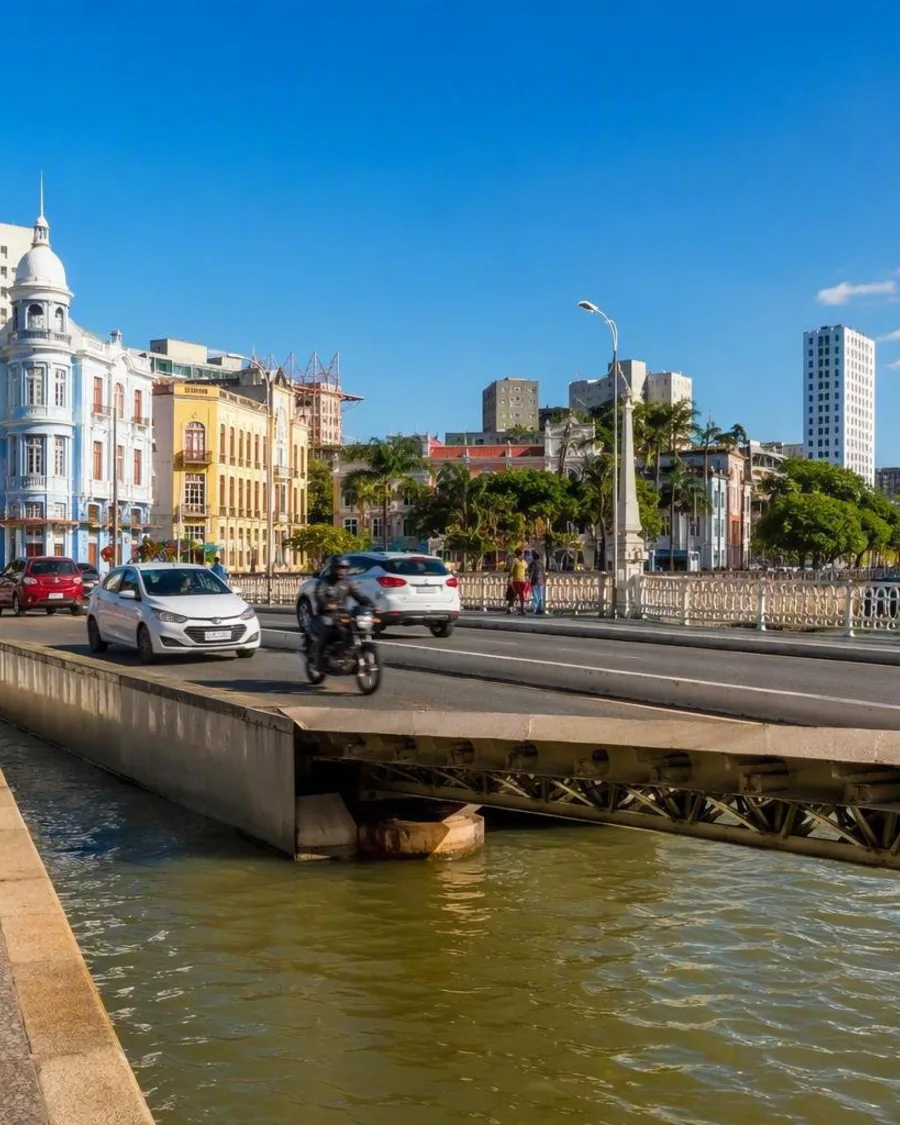
- The bridge and river edge: Cross or pause near Ponte Maurício de Nassau to understand the channel separating Antônio Vaz from Bairro do Recife.
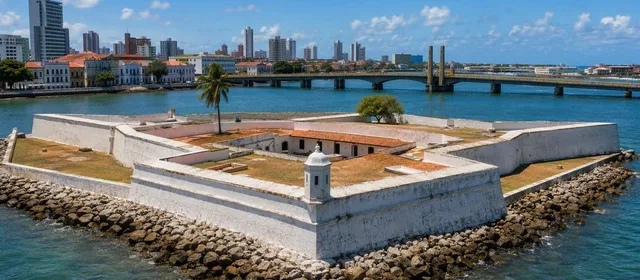
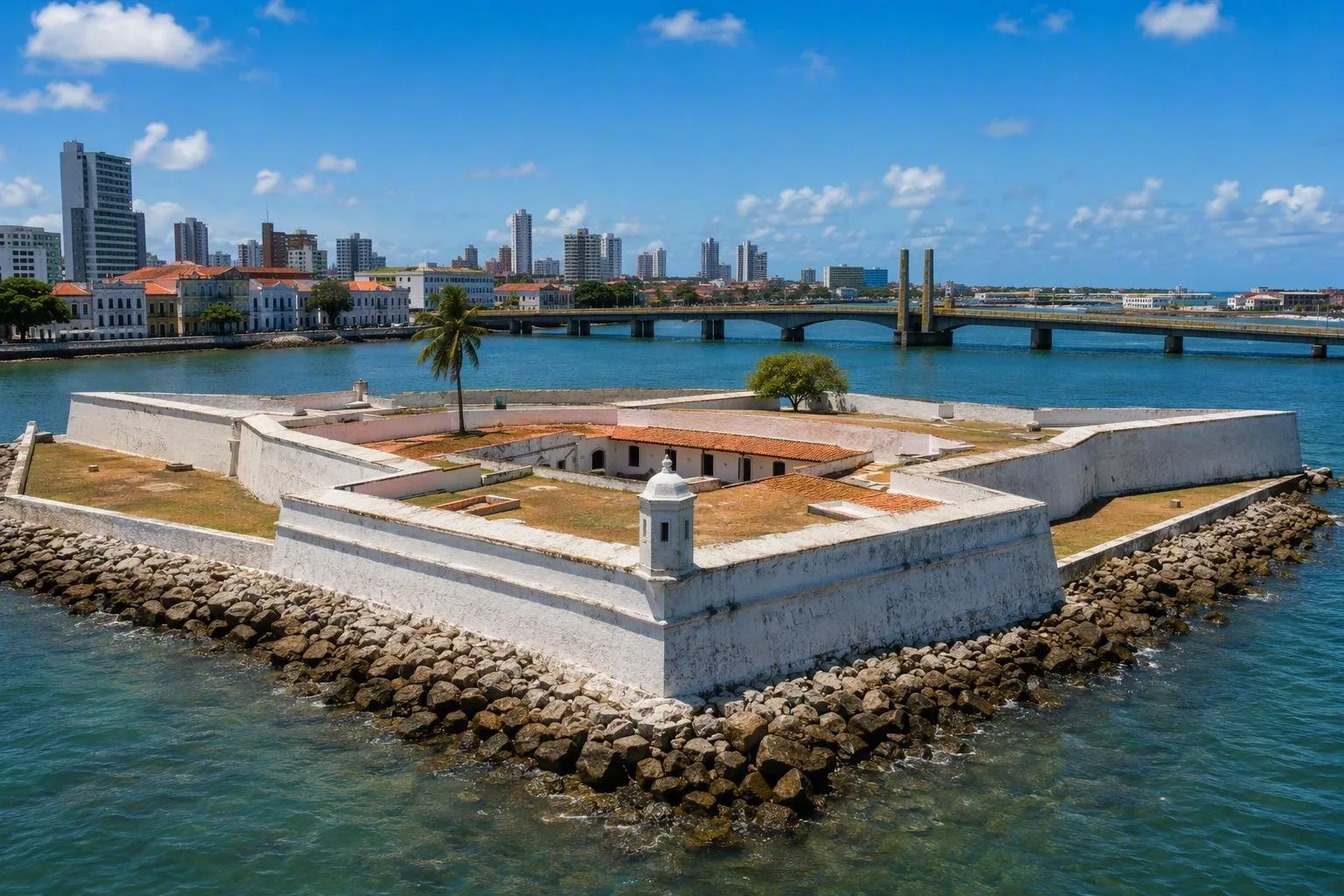
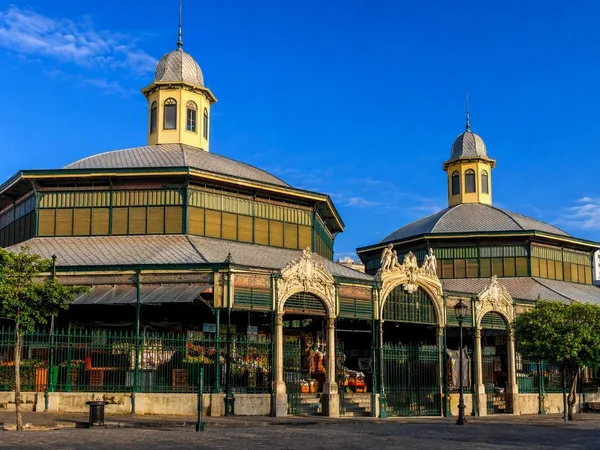
- São José: Continue toward Pátio de São Pedro, the Mercado de São José and Forte das Cinco Pontas. These streets retain the dense commercial and religious fabric that developed after Dutch rule.
Do not mistake Bairro do Recife/Recife Antigo for part of this island: it is the separate port island across the water.
Getting around
This is a walking area, but it is large enough to divide into sections. Follow the river, squares and church towers rather than trying to trace an invisible shoreline. Major roads, especially Avenida Dantas Barreto and Avenida Guararapes, cut across older urban fabric; use marked crossings and allow time for detours.
Bus routes converge around the central avenues and Santa Rita terminal. Recife Metro's Central and Joana Bezerra stations serve the southern side of the island area. For the strongest sense of the historic geography, walk in daylight between Santo Antônio, São José and the bridges rather than treating the area as a quick crossing.
From the magazine
Stories about Ilha de Antônio Vaz, Recife
Editorial stories linked directly to Ilha de Antônio Vaz, Recife.
Routes from our editors
Travel through Ilha de Antônio Vaz, Recife
Editorial routes connecting Ilha de Antônio Vaz, Recife with other countries, cities and hotspots.
No routes through Ilha de Antônio Vaz, Recife have been published yet.
More in Brazil
Related hotspots
Other cities, nature areas and places within Brazil.
Recife
1 linked stories and routes
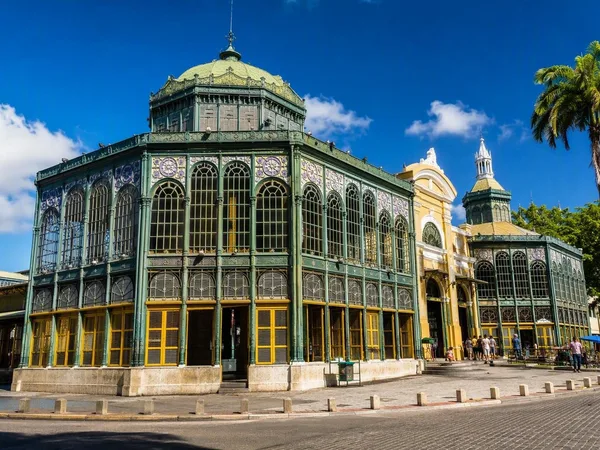
São José
1 linked stories and routes
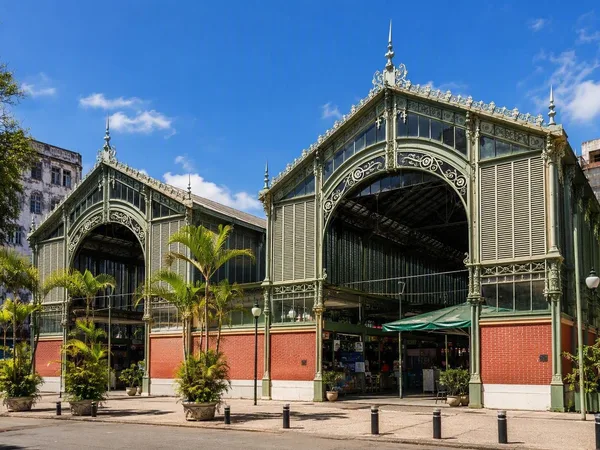
Mercado de São José
1 linked stories and routes
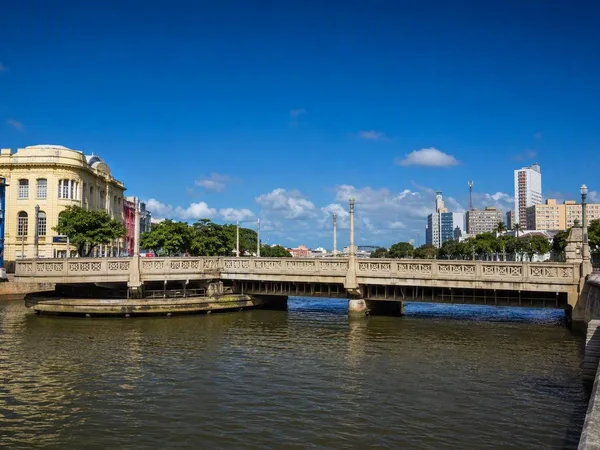
Capibaribe River
1 linked stories and routes
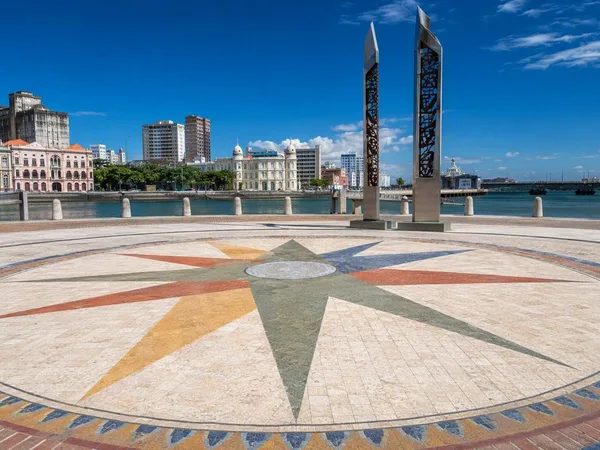
Bairro do Recife (Recife Antigo)
1 linked stories and routes
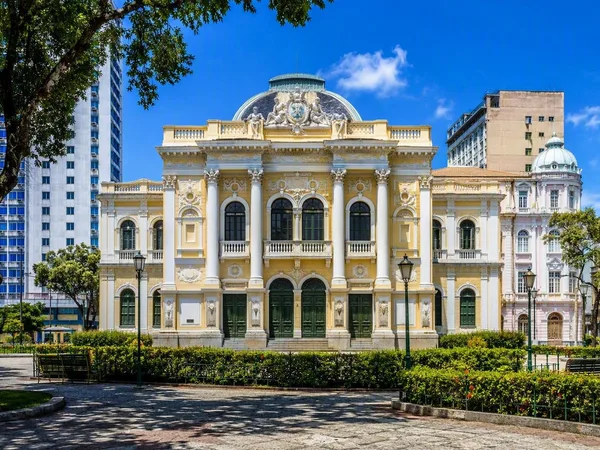
Santo Antônio, Recife
1 linked stories and routes
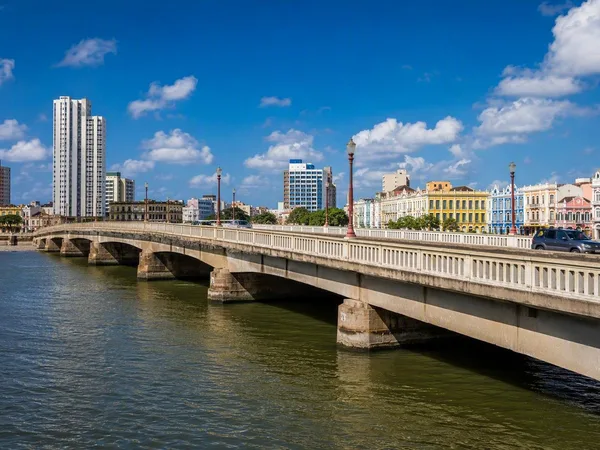
Ponte Giratória
1 linked stories and routes
Cais da Alfândega
1 linked stories and routes
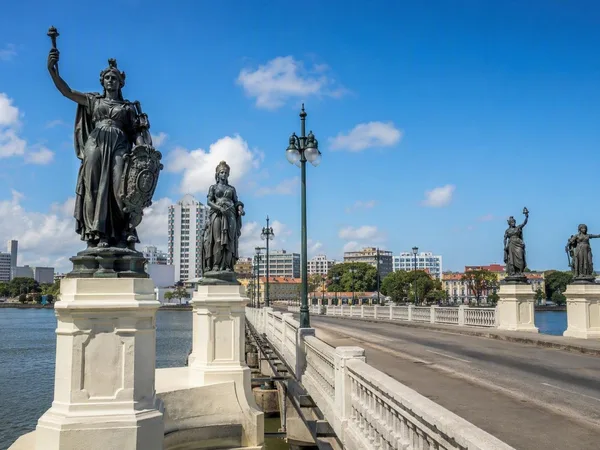
Ponte Maurício de Nassau
1 linked stories and routes
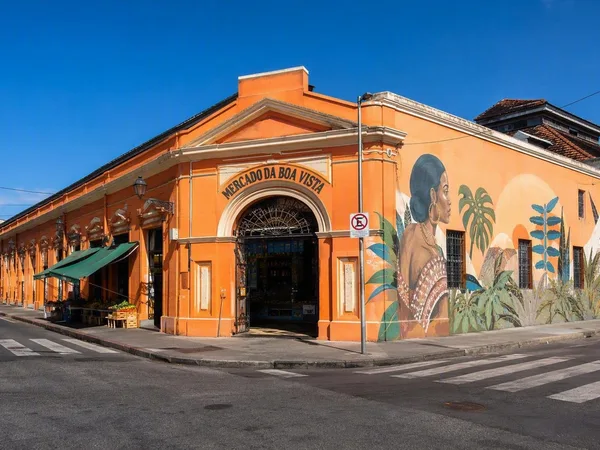
Boa Vista, Recife
1 linked stories and routes
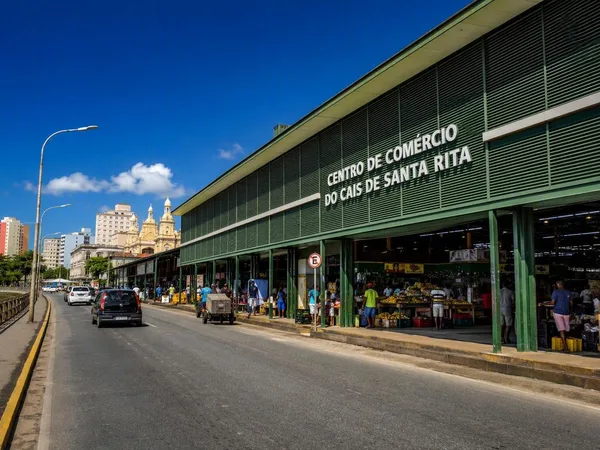
Cais de Santa Rita
1 linked stories and routes
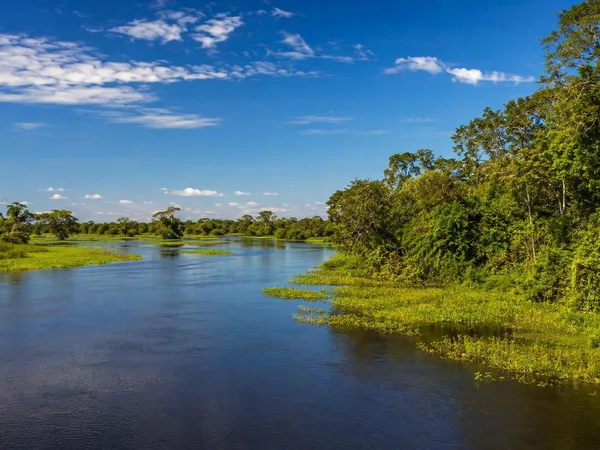
Pantanal, Brazil
1 linked stories and routes
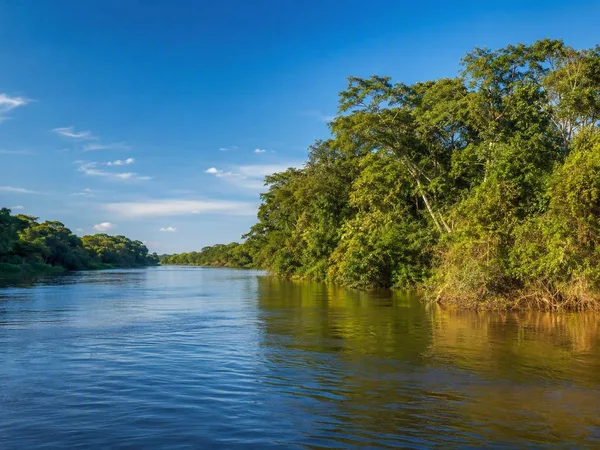
Encontro das Águas State Park
1 linked stories and routes
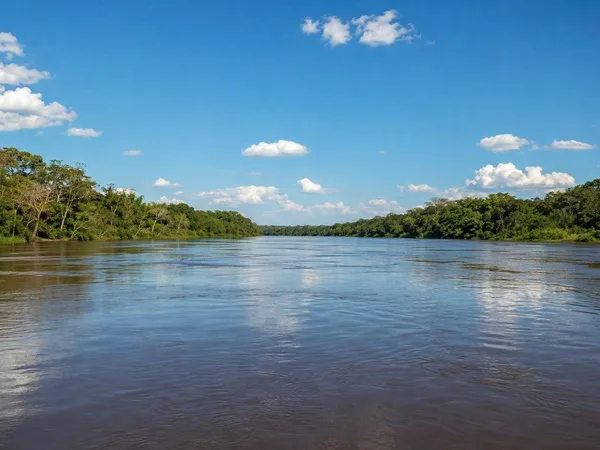
Porto Jofre
1 linked stories and routes
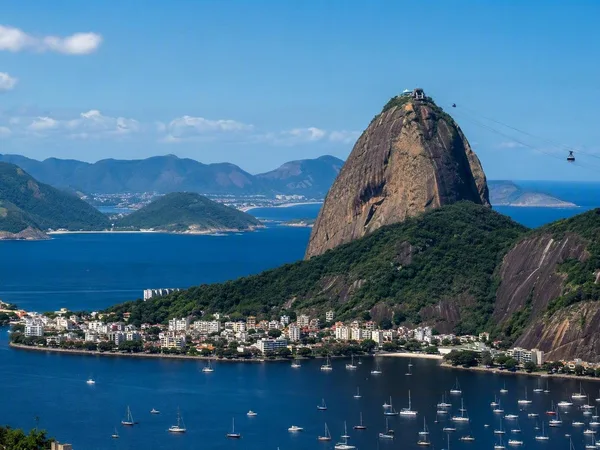
Rio de Janeiro
1 linked stories and routes
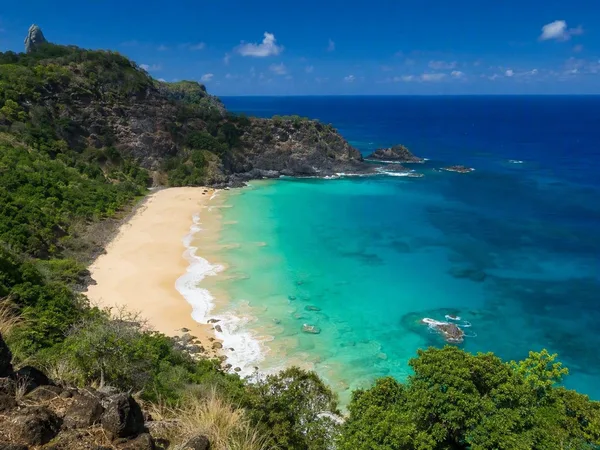
Praia do Sancho
1 linked stories and routes
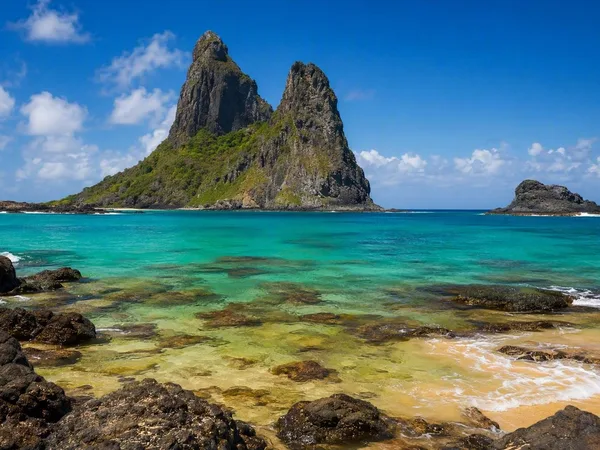
Fernando de Noronha
0 linked stories and routes
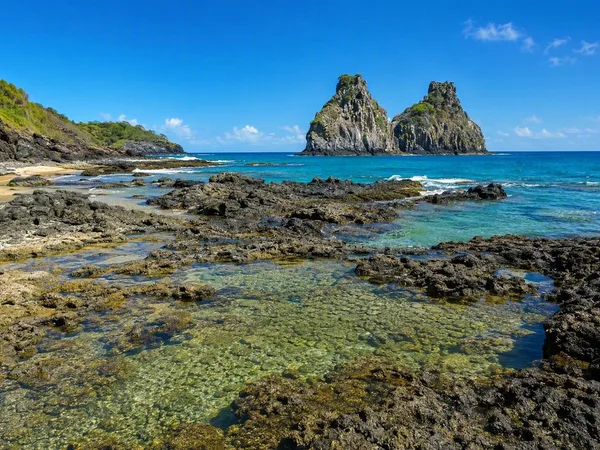
Baía dos Porcos
0 linked stories and routes
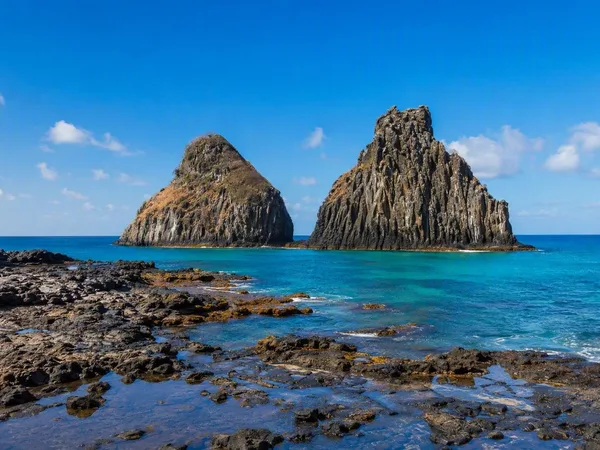
Morro Dois Irmãos
0 linked stories and routes
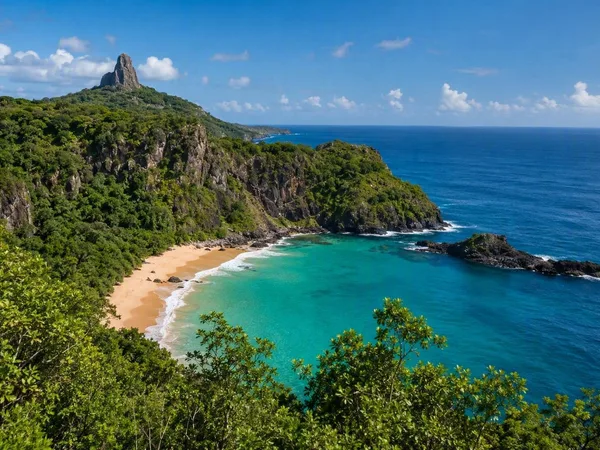
Fernando de Noronha Marine National Park
0 linked stories and routes