
Neighbourhood · Brazil
São José
São José is a historic central neighbourhood of Recife, Brazil, on the old Antônio Vaz island area. Its working streets run from Mercado de São José and Praça Dom Vital towards the Capibaribe waterfront at Cais de Santa Rita.
Orientation
São José occupies the southern part of central Recife, close to the river mouth and separated from neighbouring districts by channels, bridges and quays. It is a compact, intensely urban district rather than a self-contained historic precinct: commerce, churches, transport infrastructure and residential streets sit side by side.
For a useful first walk, start at Praça Dom Vital, continue behind the market along Rua da Praia, and reach Cais de Santa Rita on the Capibaribe. The river is only a short distance from the market square.
Mercado de São José
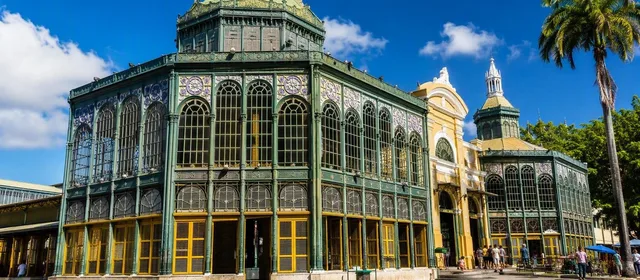
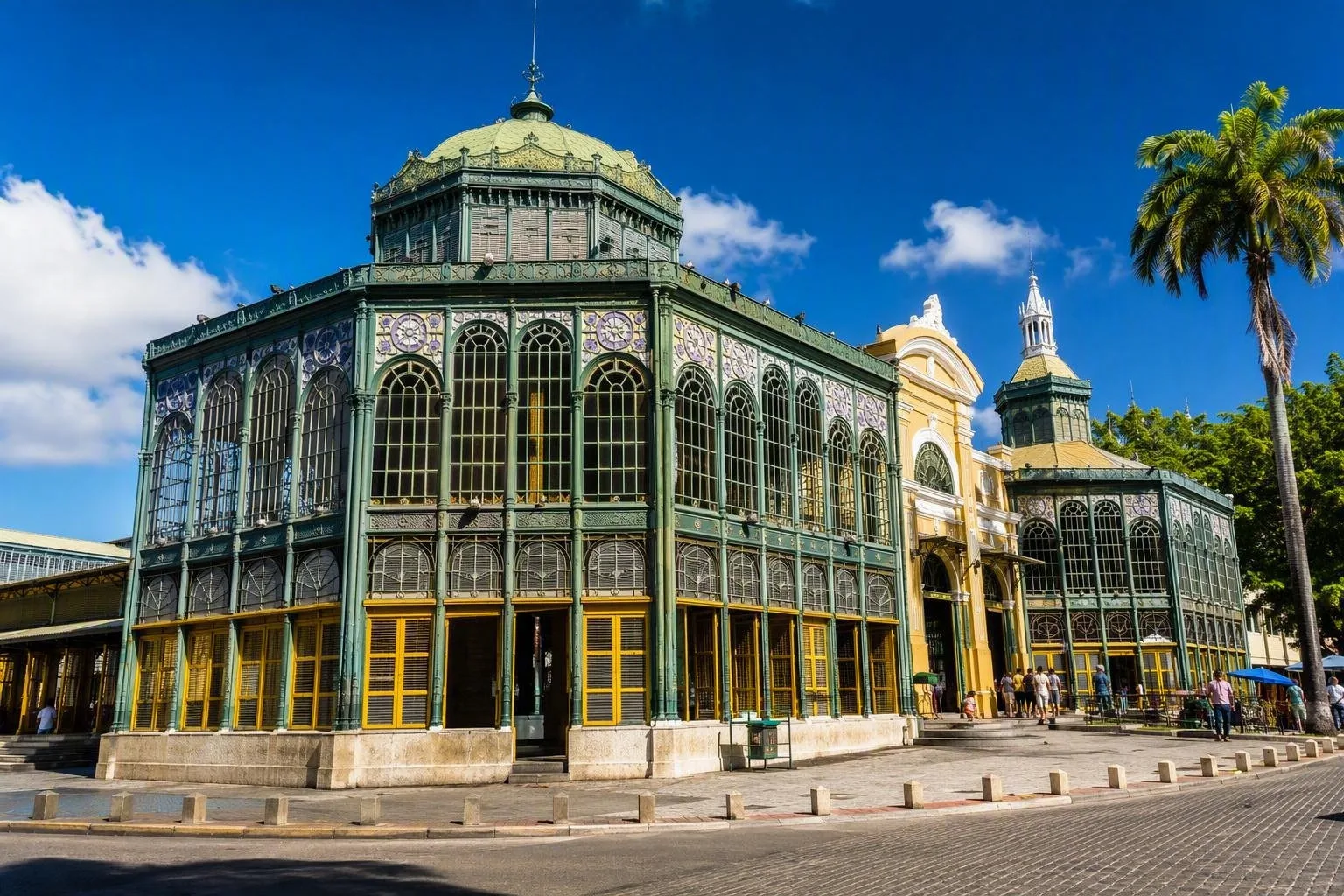
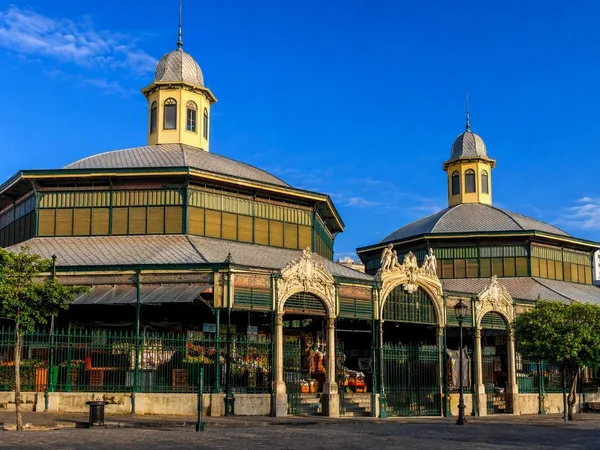
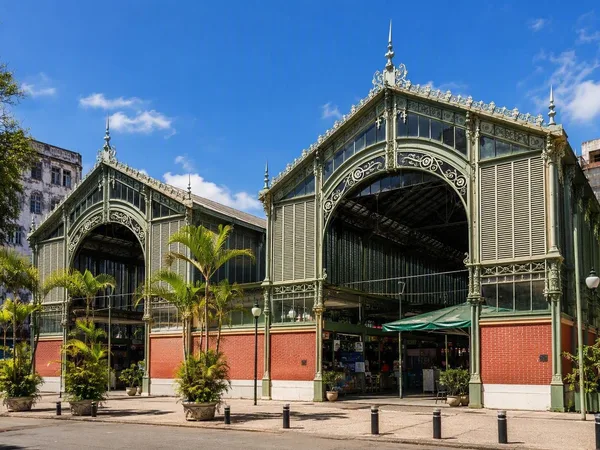
The market is São José’s essential landmark. Opened in 1875 on Praça Dom Vital, its two iron pavilions were inspired by Paris’s former Grenelle market and form one of Brazil’s key nineteenth-century iron structures. The site had already been used for small-scale produce and fish trade when it was known as Ribeira de São José.
Inside, look beyond the stalls to the building itself: cast-iron structure, roof trusses and the central covered passage are the point. The market remains a place for fish and seafood, dried meat, grains, herbs, religious goods and craftwork.
Useful timing: municipal listings give market hours as Monday–Saturday, 06:00–18:00, and Sunday, 06:00–12:00. Morning is the most practical time for food stalls and a less rushed look at the architecture.
Churches and historic fabric
Praça Dom Vital also fronts the Basílica da Penha, part of the Capuchin religious precinct that shaped this corner of the district. São José has several other historic churches, including the Basílica de São José, Igreja de Nossa Senhora do Rosário and Igreja de São José de Ribamar near the Santa Rita quay.
The district’s history is not confined to monuments. It was first occupied by fishers, and its streets long served traders, dockworkers and small businesses. That commercial character remains strongest around the market, Rua das Calçadas, Rua da Concórdia and Rua Imperial.
River edge and crossings
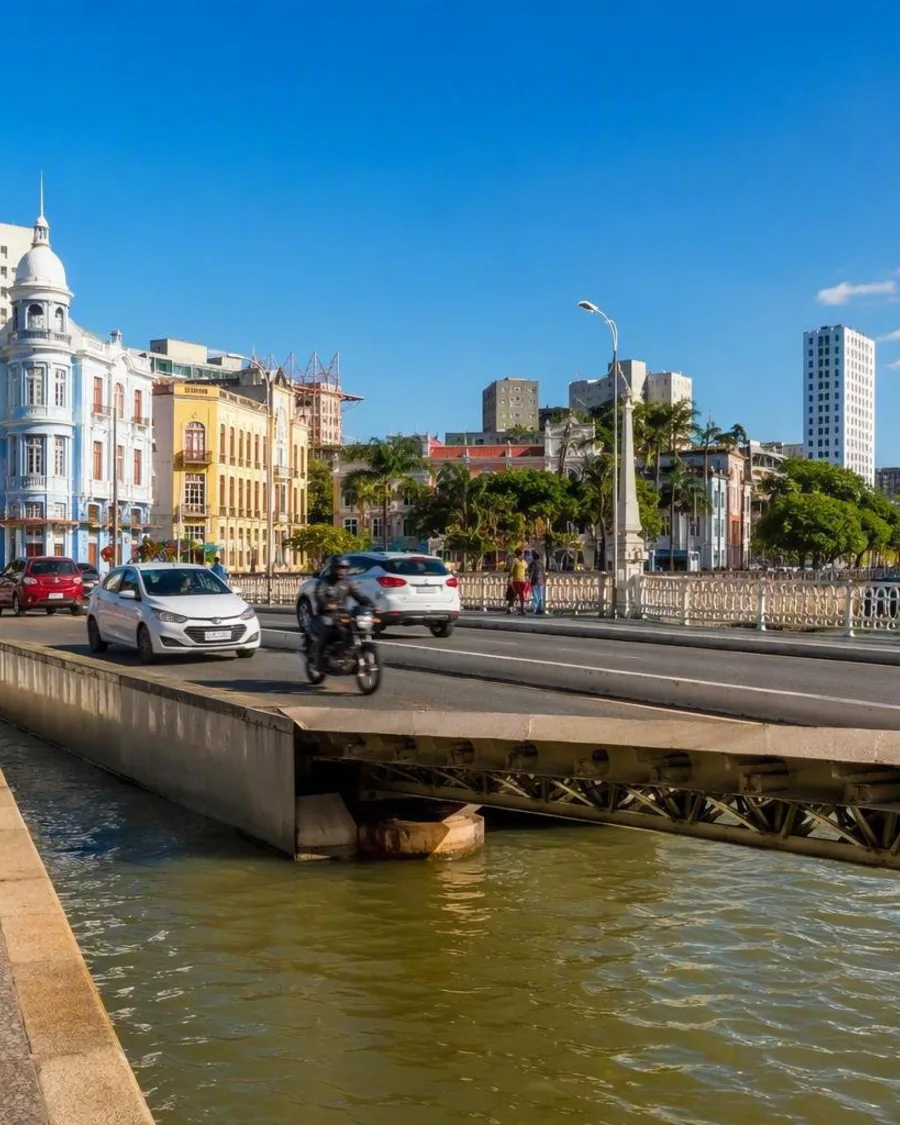
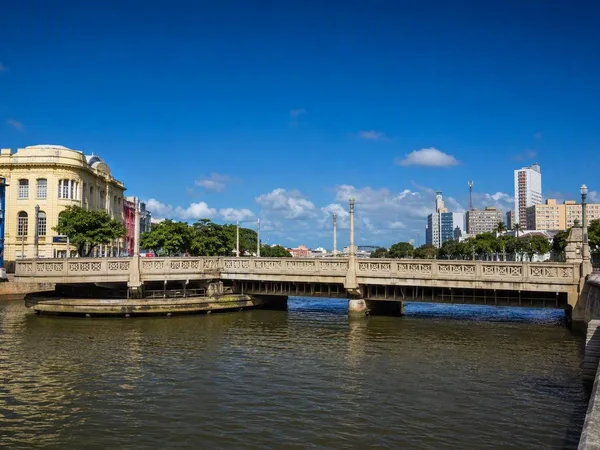
Walk east from the market to Cais de Santa Rita for the hard-edged waterfront, bus-terminal area and views across the channels. Nearby Ponte 12 de Setembro, commonly called Ponte Giratória, links São José to Bairro do Recife, also known as Recife Antigo. Its name recalls an earlier swing bridge that opened to river traffic; the present fixed bridge dates from 1971.
For a different route, head southwest to Forte das Cinco Pontas, a former fort that now houses the city museum. It is a straightforward walk from the market through the southern end of the neighbourhood.
Getting around
São José is best covered on foot in daylight, with the market as the natural navigation point. Streets can be busy with deliveries, buses and dense pedestrian traffic; use marked crossings on larger roads. Cais de Santa Rita is a major public-transport node, making the district easy to combine with Recife Antigo, Santo Antônio and other central areas.
From the magazine
Stories about São José
Editorial stories linked directly to São José.
Routes from our editors
Travel through São José
Editorial routes connecting São José with other countries, cities and hotspots.
No routes through São José have been published yet.
More in Brazil
Related hotspots
Other cities, nature areas and places within Brazil.
Recife
1 linked stories and routes
Mercado de São José
1 linked stories and routes
Capibaribe River
1 linked stories and routes
Bairro do Recife (Recife Antigo)
1 linked stories and routes
Ilha de Antônio Vaz, Recife
1 linked stories and routes
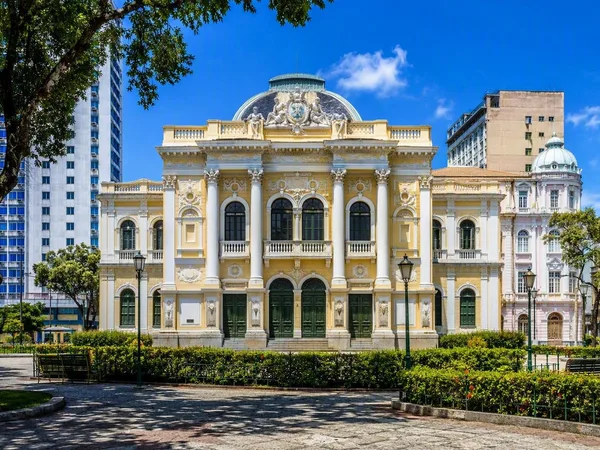
Santo Antônio, Recife
1 linked stories and routes
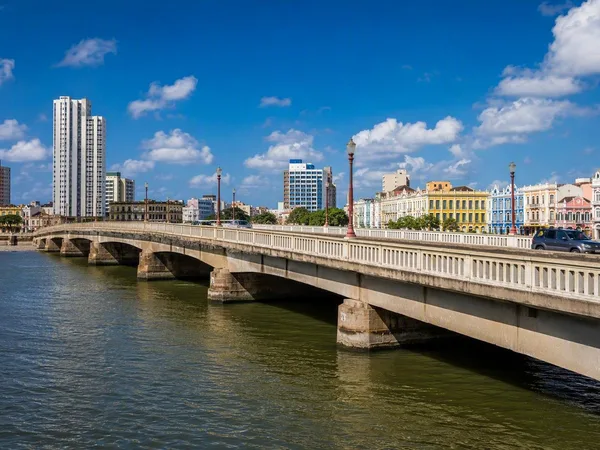
Ponte Giratória
1 linked stories and routes
Cais da Alfândega
1 linked stories and routes
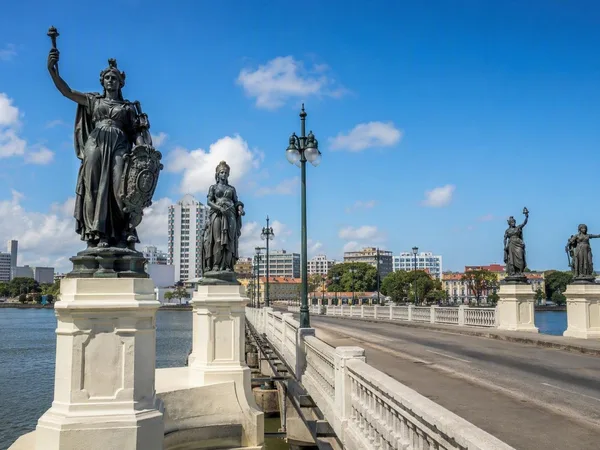
Ponte Maurício de Nassau
1 linked stories and routes
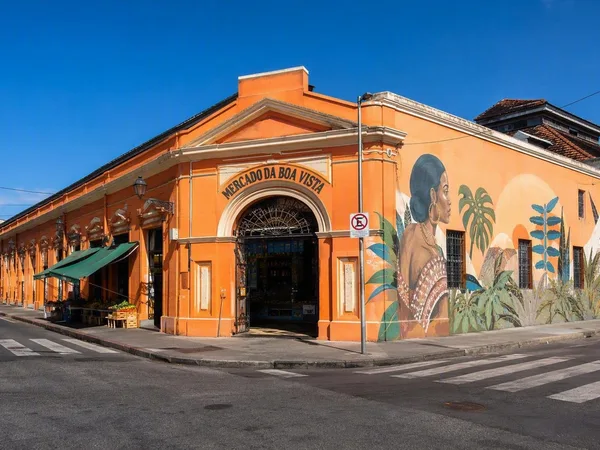
Boa Vista, Recife
1 linked stories and routes
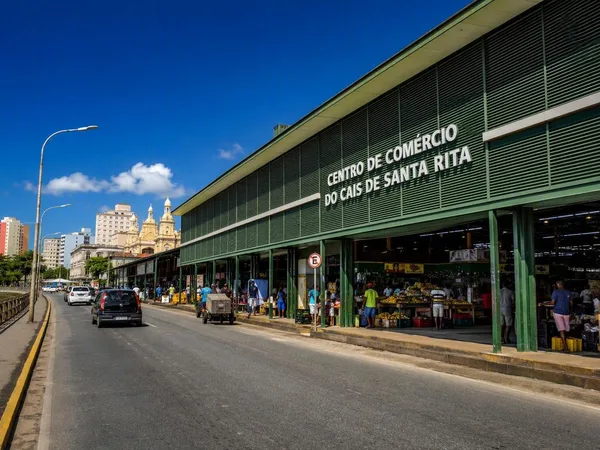
Cais de Santa Rita
1 linked stories and routes
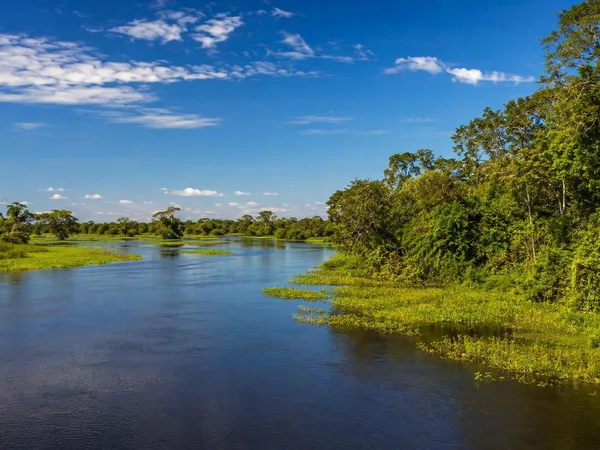
Pantanal, Brazil
1 linked stories and routes
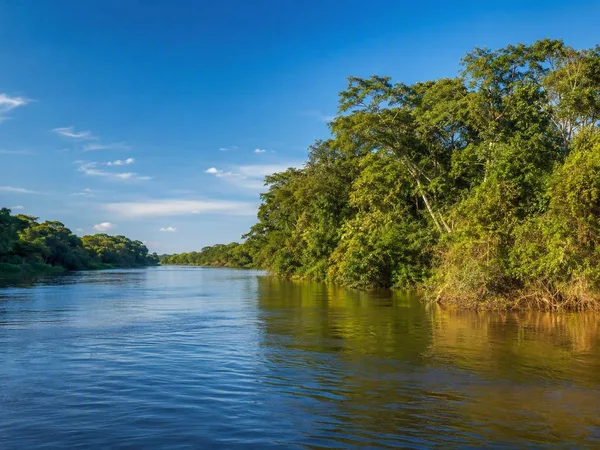
Encontro das Águas State Park
1 linked stories and routes
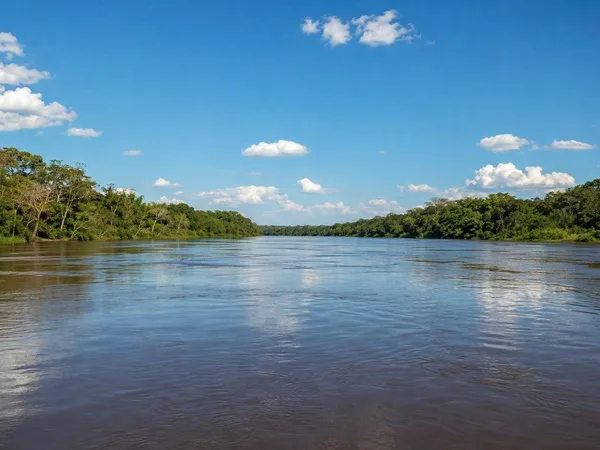
Porto Jofre
1 linked stories and routes
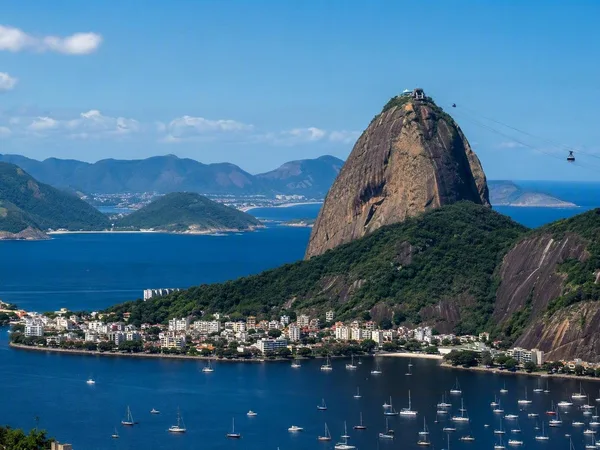
Rio de Janeiro
1 linked stories and routes
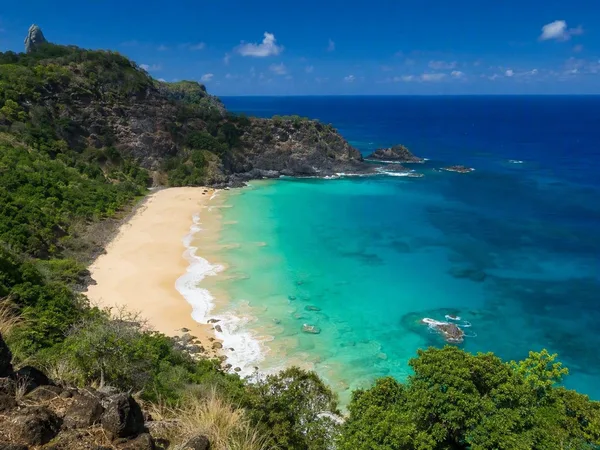
Praia do Sancho
1 linked stories and routes
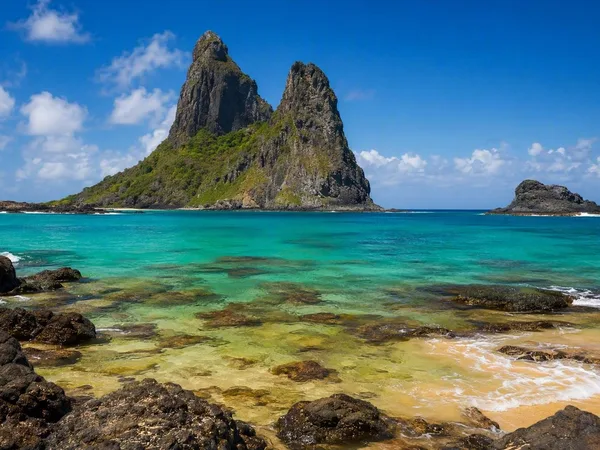
Fernando de Noronha
0 linked stories and routes
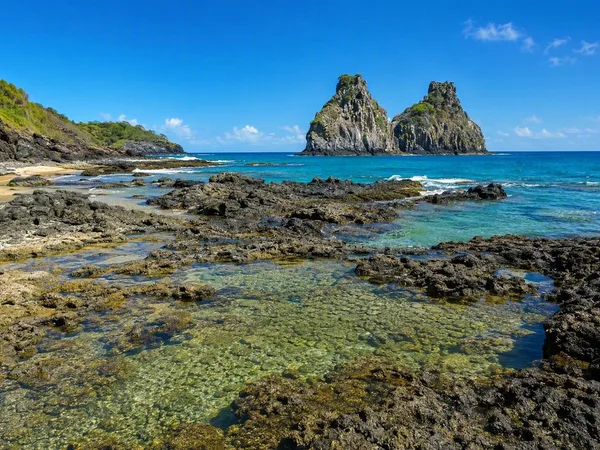
Baía dos Porcos
0 linked stories and routes
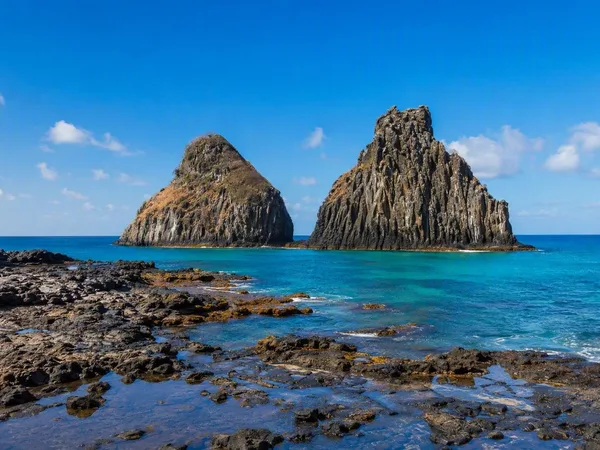
Morro Dois Irmãos
0 linked stories and routes
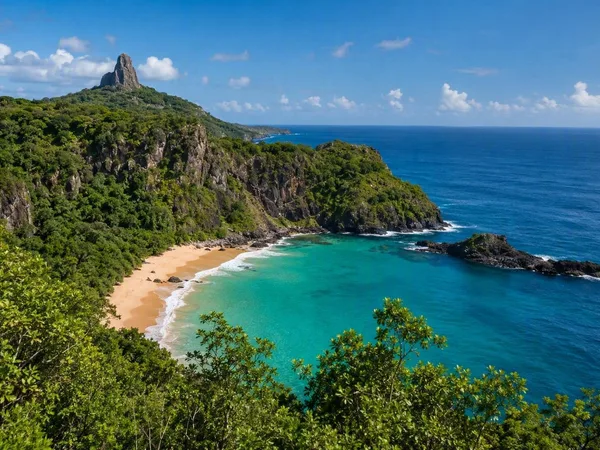
Fernando de Noronha Marine National Park
0 linked stories and routes