
National park · Brazil
Fernando de Noronha Marine National Park
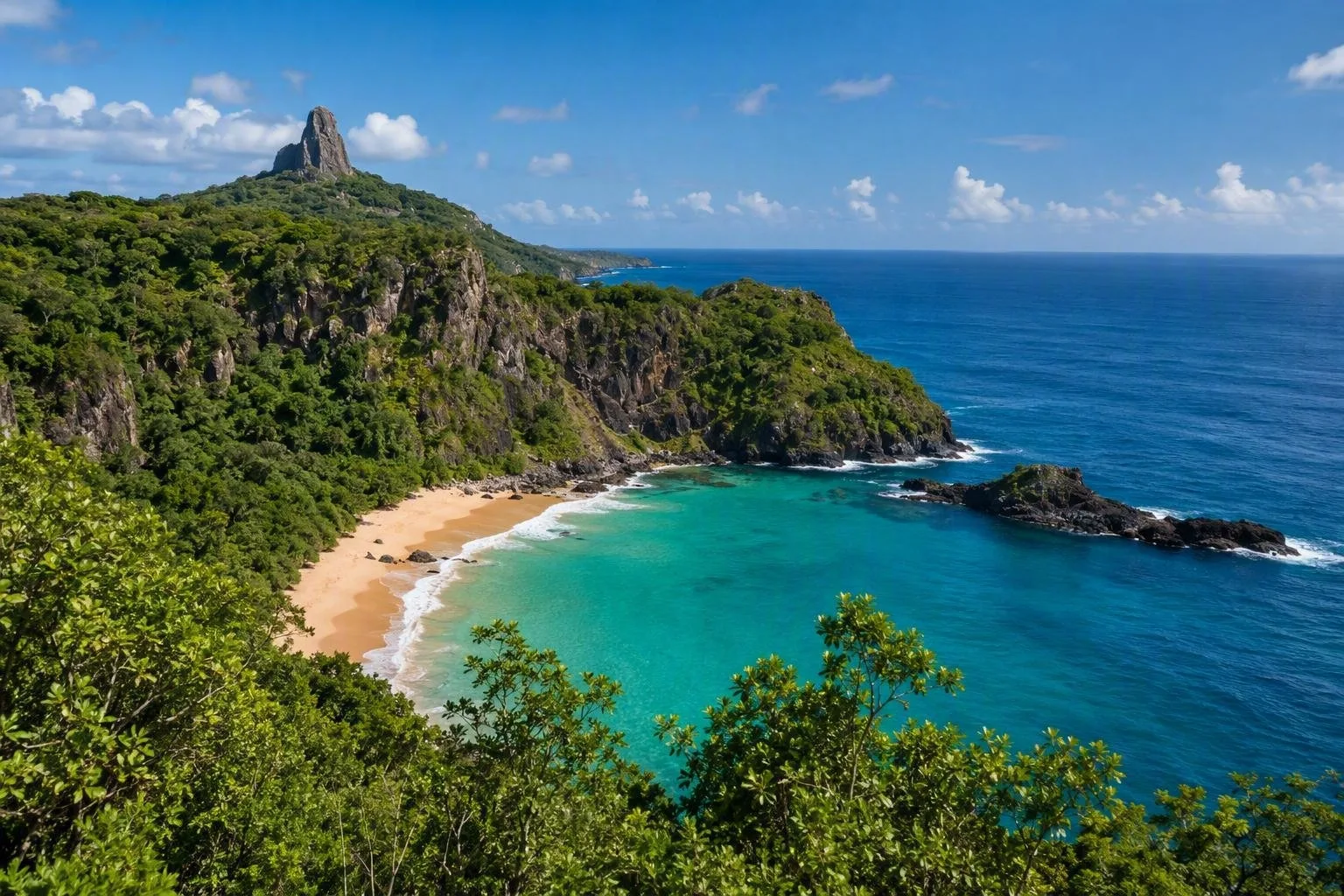
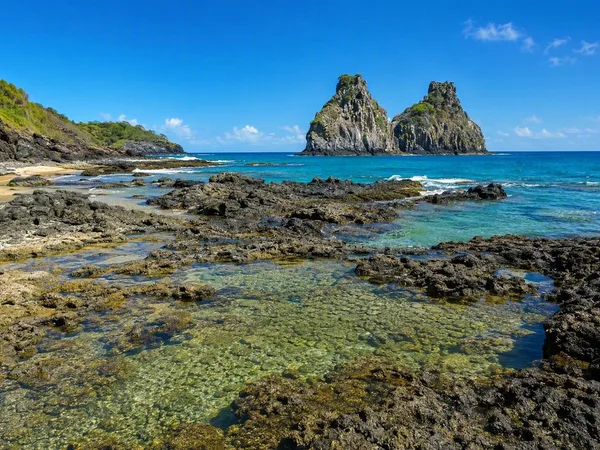
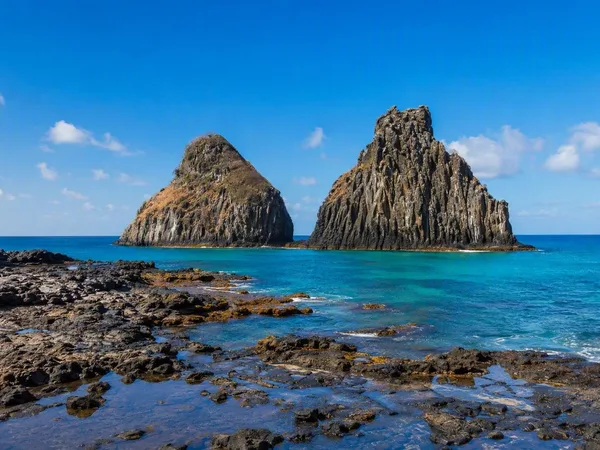
Fernando de Noronha Marine National Park protects much of Brazil’s volcanic Fernando de Noronha archipelago, off Pernambuco in the South Atlantic. Its beaches, tidal pools, trails and reef waters are managed as a single protected landscape.
The park in context
Created in 1988, the park protects marine and terrestrial ecosystems across much of Fernando de Noronha: roughly 70% of the main island, surrounding islands and extensive adjacent waters. The settled central area of the main island lies outside the park in the separate Environmental Protection Area.
This is a protected area, not one beach. Plan it as a collection of regulated coastal sites linked by roads and trails from the inhabited island. The park forms part of the UNESCO-listed Brazilian Atlantic Islands alongside Atol das Rocas.
Beaches, pools and viewpoints
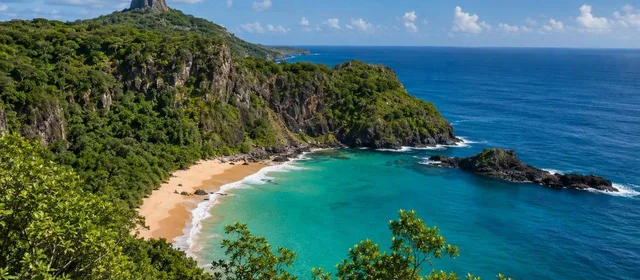
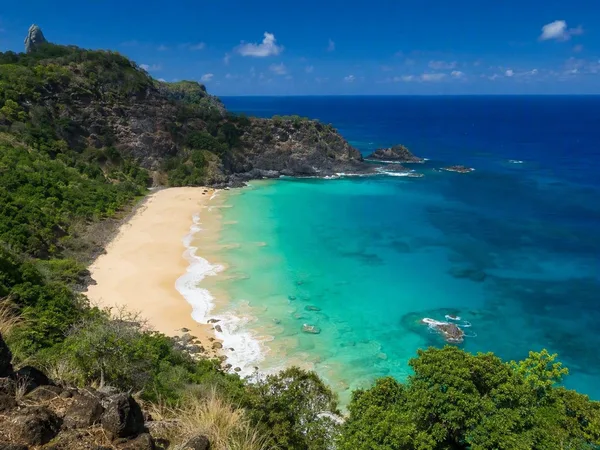
Praia do Sancho is the park’s best-known beach: a sandy cove beneath high vegetated cliffs, reached via the Sancho trail and cliff access. Praia do Leão, on the exposed coast, is another major park beach and an important nesting area for green turtles.
For low-tide marine life, Atalaia has a shallow natural pool where visitor numbers are limited because the habitat is fragile. Baía do Sueste offers a guided underwater trail; turtles, rays, small sharks, octopus, lobsters and reef fish are among the animals recorded there.
At the Baía dos Golfinhos viewpoint, look out over a protected bay used by spinner dolphins. Observation is from land: boats and intentional diving with dolphins are prohibited in the bay.
What the park protects
The archipelago’s reefs, pools and open water support spinner dolphins, sea turtles, rays, sharks and a varied fish fauna. Green, hawksbill, loggerhead and olive ridley turtles are among the protected species. The park also protects fire coral, gorgonians and important seabird habitat on the outlying islands.
Keep wildlife viewing passive. Do not touch, feed, chase or collect animals, plants, shells, rocks or coral. Stay on marked paths and take all litter out with you.
Access and practical planning
Fernando de Noronha is reached by scheduled flights from Recife and Natal. Once on the island, use local transport or a licensed operator to reach trailheads and marine activities.
A park admission ticket is required for public-use areas; it is valid for multiple days, while specialist services such as guided activities are separate. Visitors to the island also pay the Environmental Preservation Fee, calculated by length of stay. Atalaia and some trails have capacity limits, so arrange these early in your stay.
Timing and conditions
The drier period generally runs from September to March; April to August is wetter. Conditions vary sharply by coast, tide and sea state. Time tidal-pool visits for low tide, and follow closures or ranger instructions when weather or conservation conditions restrict access.
From the magazine
Stories about Fernando de Noronha Marine National Park
Editorial stories linked directly to Fernando de Noronha Marine National Park.
No stories about Fernando de Noronha Marine National Park have been published yet.
Routes from our editors
Travel through Fernando de Noronha Marine National Park
Editorial routes connecting Fernando de Noronha Marine National Park with other countries, cities and hotspots.
No routes through Fernando de Noronha Marine National Park have been published yet.
More in Brazil
Related hotspots
Other cities, nature areas and places within Brazil.
Recife
1 linked stories and routes
São José
1 linked stories and routes
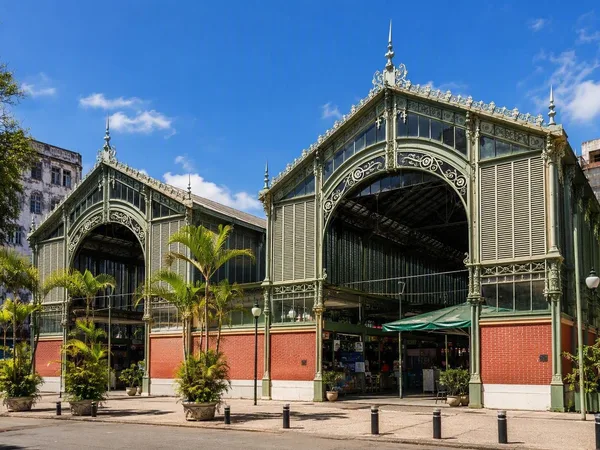
Mercado de São José
1 linked stories and routes
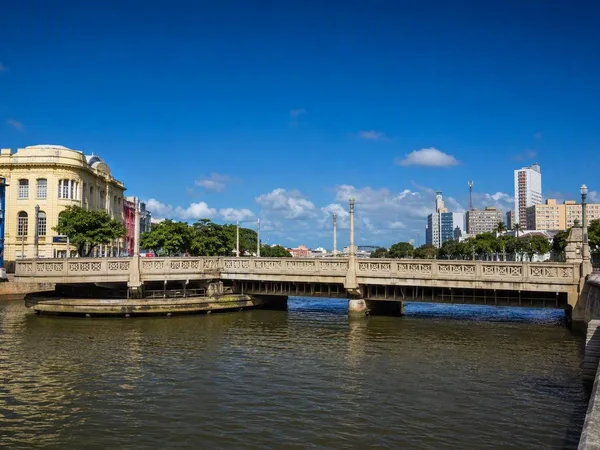
Capibaribe River
1 linked stories and routes
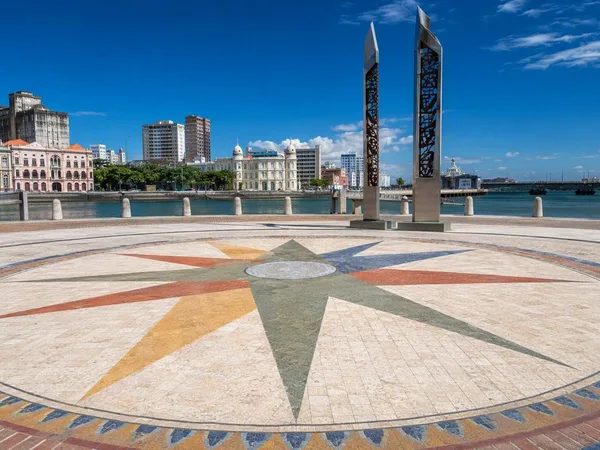
Bairro do Recife (Recife Antigo)
1 linked stories and routes
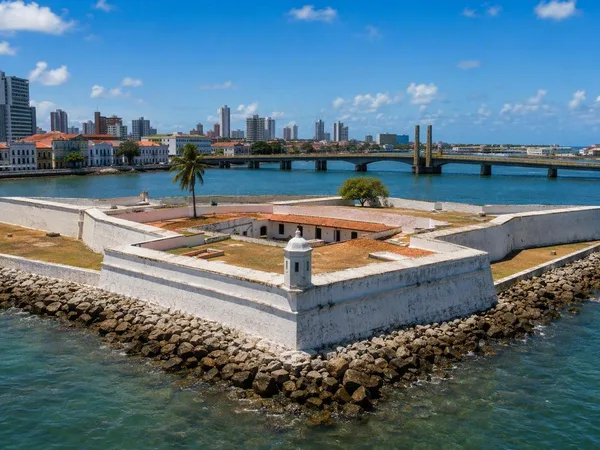
Ilha de Antônio Vaz, Recife
1 linked stories and routes
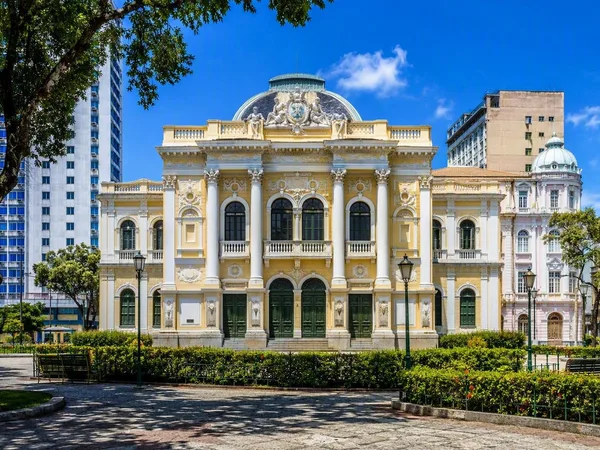
Santo Antônio, Recife
1 linked stories and routes
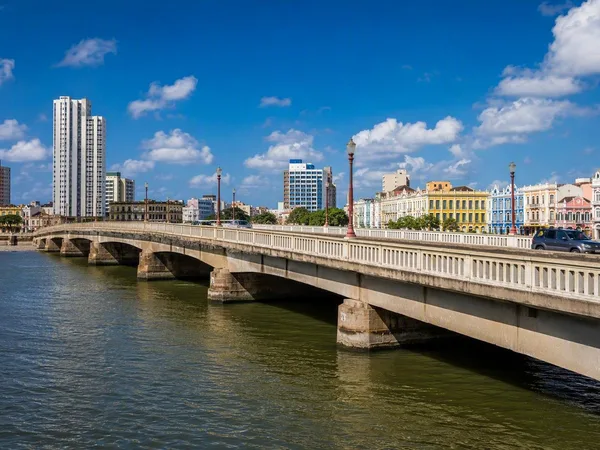
Ponte Giratória
1 linked stories and routes
Cais da Alfândega
1 linked stories and routes
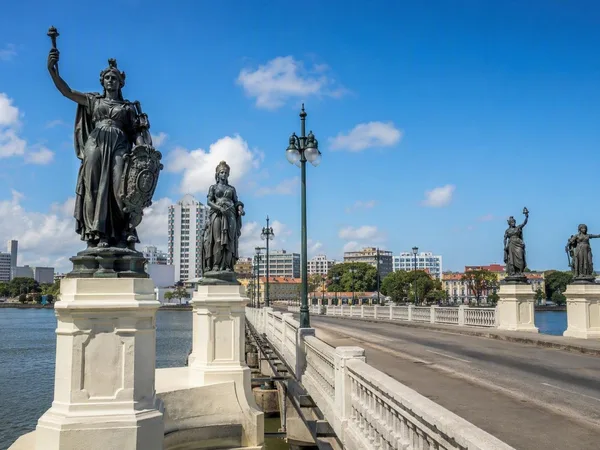
Ponte Maurício de Nassau
1 linked stories and routes
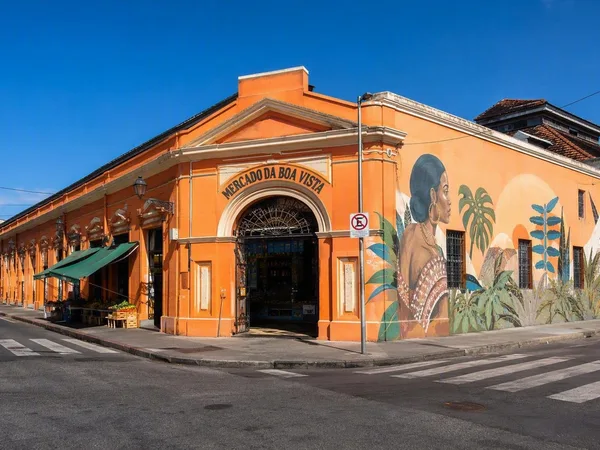
Boa Vista, Recife
1 linked stories and routes
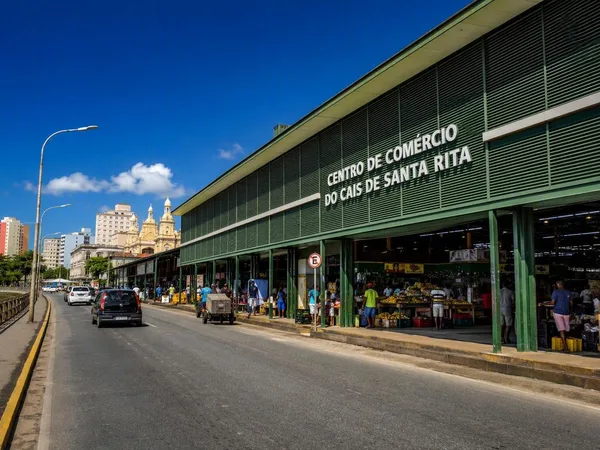
Cais de Santa Rita
1 linked stories and routes
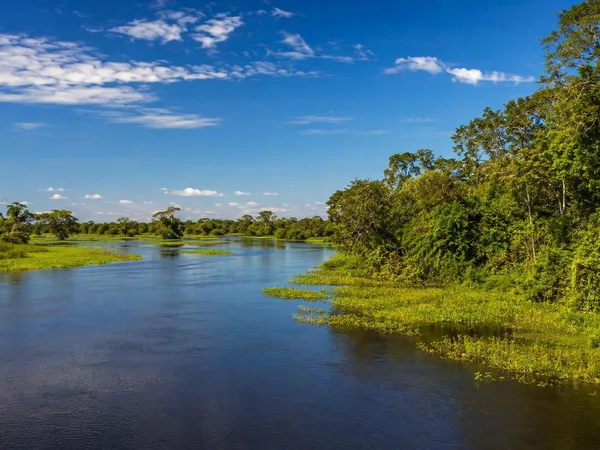
Pantanal, Brazil
1 linked stories and routes
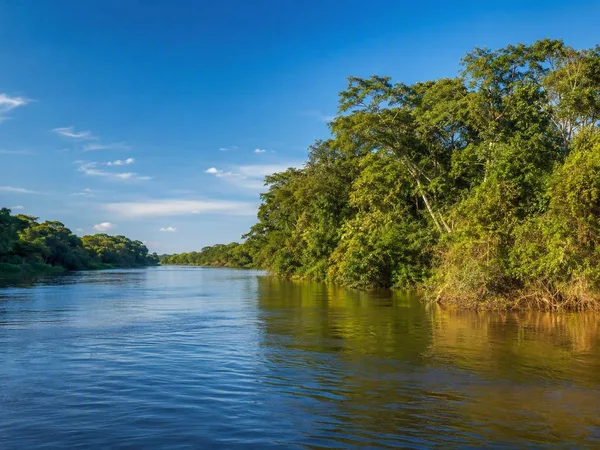
Encontro das Águas State Park
1 linked stories and routes
Porto Jofre
1 linked stories and routes
Rio de Janeiro
1 linked stories and routes
Praia do Sancho
1 linked stories and routes
Fernando de Noronha
0 linked stories and routes
Baía dos Porcos
0 linked stories and routes
Morro Dois Irmãos
0 linked stories and routes