
Sight · Brazil
Ponte Maurício de Nassau
Ponte Maurício de Nassau is the historic crossing over the Capibaribe linking Bairro do Recife with Santo Antônio in central Recife. Its present concrete structure dates from 1917, while the crossing follows a much older colonial route.
What this bridge connects
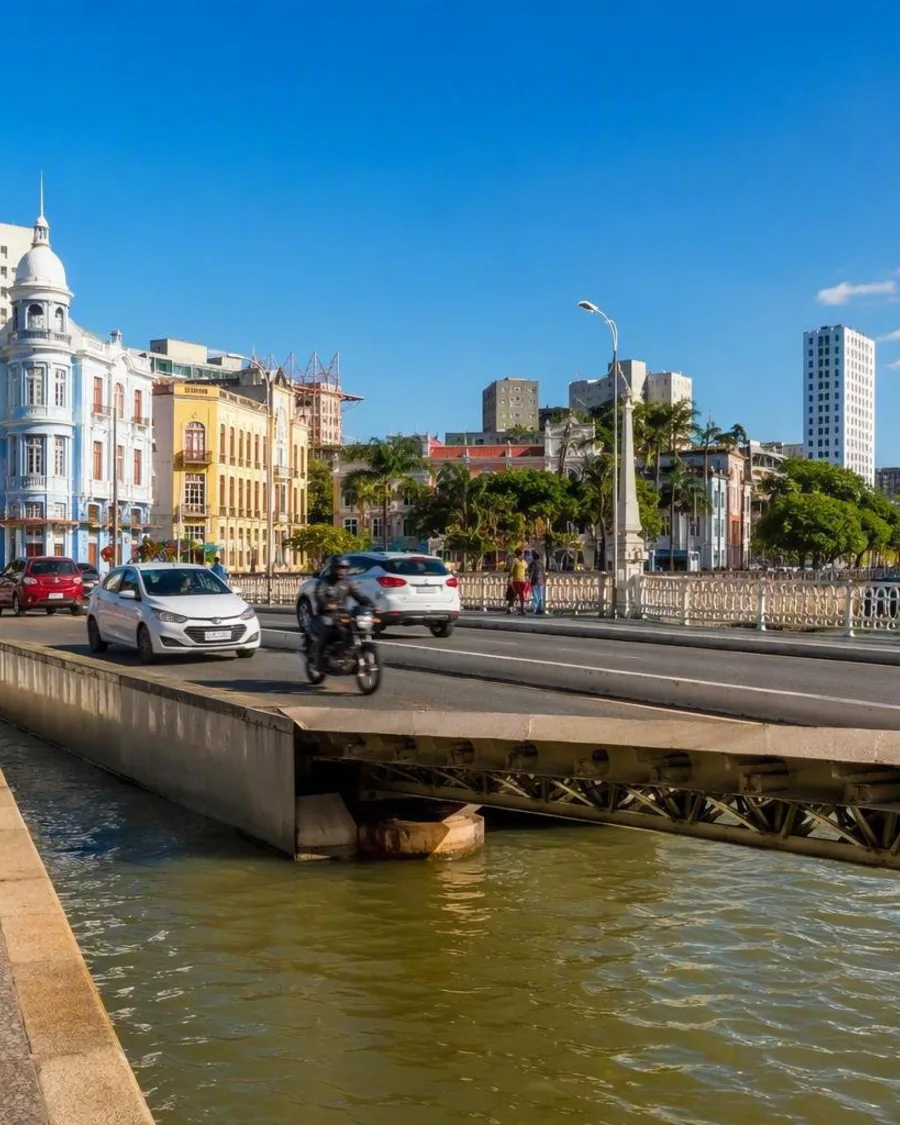
Ponte Maurício de Nassau runs between the old port district of Bairro do Recife and Santo Antônio, across the Capibaribe. It is a working street bridge as well as a compact historic sight: cross it on foot to understand how Recife’s central districts are divided by water and tied together by bridges.
The bridge is public and free to cross. It forms a useful short link when moving between the waterfront around Cais da Alfândega and the streets of Santo Antônio.
Read the structure
Do not mistake the present bridge for an untouched 17th-century survivor. The original crossing was built during the Dutch period; the current reinforced-concrete bridge was rebuilt in 1917. Its importance lies in the continuity of this precise route, which connected the port settlement with the island that became Santo Antônio.
The name recalls Count João Maurício de Nassau. At the original bridge’s opening, the story of the Boi Voador—a stuffed ox hauled across on ropes to draw a toll-paying crowd—became part of Recife’s civic folklore.
Look for the statues
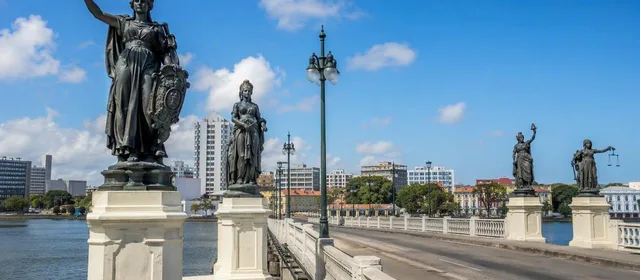
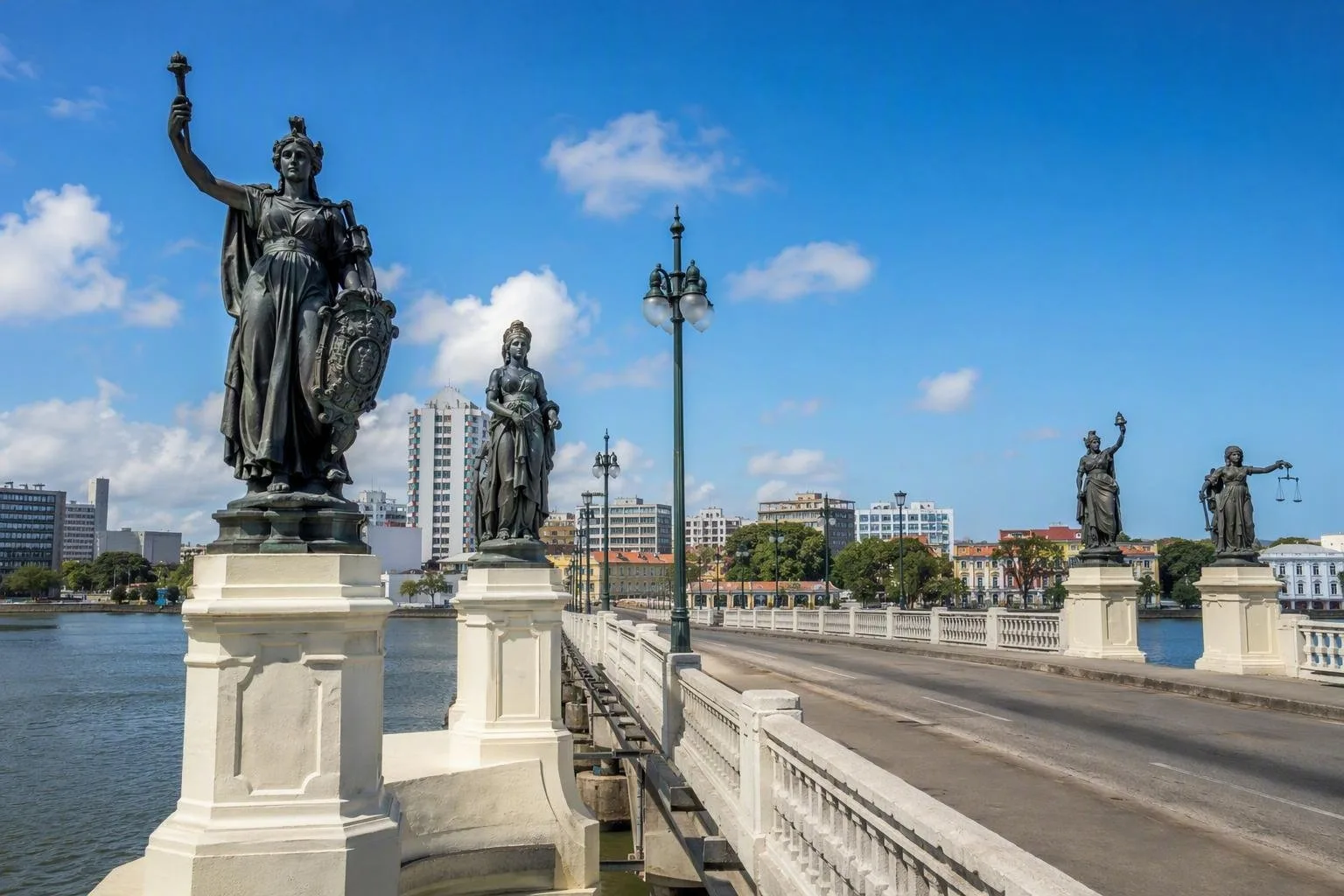
The key details stand at the two ends of the bridge. Four cast-iron female allegories, made in Paris, sit on tall pedestals:
- Minerva, for wisdom, and Ceres, for agriculture, on the Bairro do Recife side.
- Commerce and Justice on the Santo Antônio side.
They are not incidental decoration. The statues and the 1917 reconstruction gave the bridge its deliberately monumental, early-20th-century character. Pause at both ends rather than treating the crossing as a quick river view.
Walking the crossing
Approach from Cais da Alfândega or Rua Madre de Deus on the Bairro do Recife side; the bridge leads into Santo Antônio around Rua Primeiro de Março. The walk is short, so combine it with the adjacent streets rather than making a dedicated detour.
Best use: daylight, when the statues, railings and riverbanks are easiest to inspect. The bridge carries road traffic; stay on the pavement and use the crossing as a passage, not a place to stand in the carriageway.
A central route, still in use
This is one of Recife’s oldest bridge sites and remains part of the city’s everyday circulation. That dual role is the point: the view takes in the Capibaribe and central waterfront, while the traffic and pedestrians show that this is infrastructure first, monument second.
From the magazine
Stories about Ponte Maurício de Nassau
Editorial stories linked directly to Ponte Maurício de Nassau.
Routes from our editors
Travel through Ponte Maurício de Nassau
Editorial routes connecting Ponte Maurício de Nassau with other countries, cities and hotspots.
No routes through Ponte Maurício de Nassau have been published yet.
More in Brazil
Related hotspots
Other cities, nature areas and places within Brazil.
Recife
1 linked stories and routes
São José
1 linked stories and routes
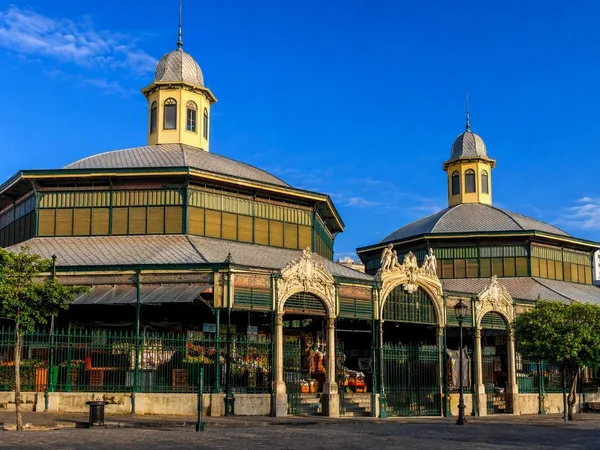
Mercado de São José
1 linked stories and routes
Capibaribe River
1 linked stories and routes
Bairro do Recife (Recife Antigo)
1 linked stories and routes
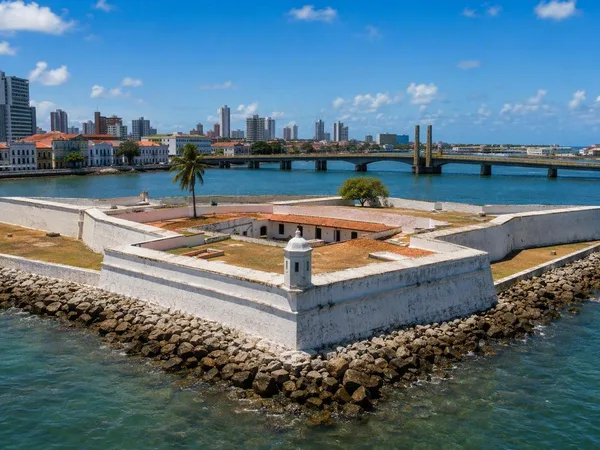
Ilha de Antônio Vaz, Recife
1 linked stories and routes
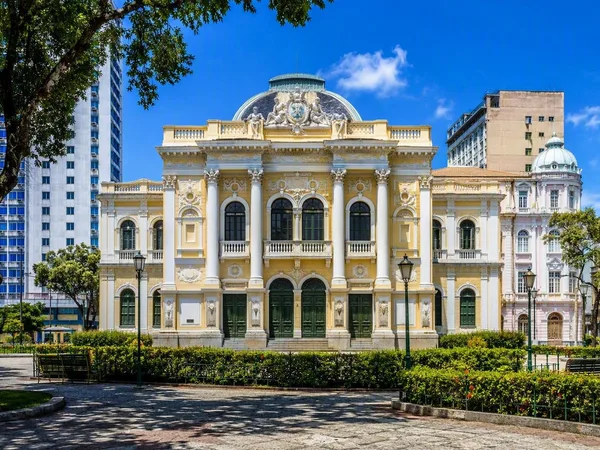
Santo Antônio, Recife
1 linked stories and routes
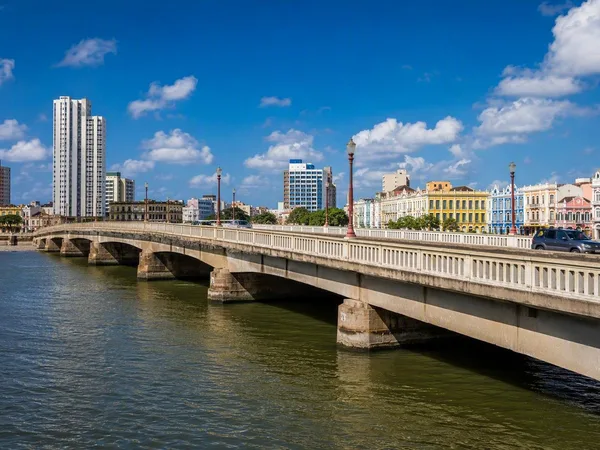
Ponte Giratória
1 linked stories and routes
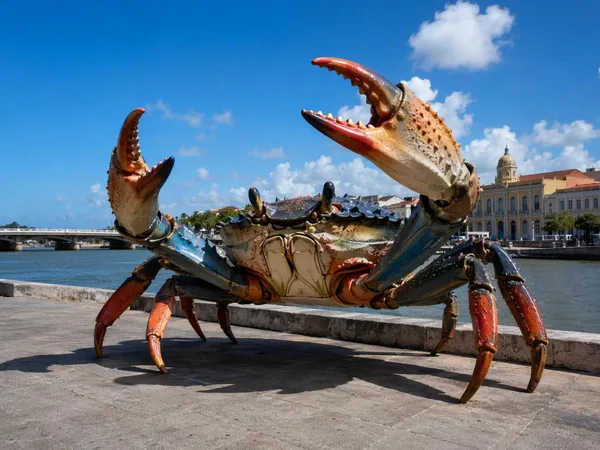
Cais da Alfândega
1 linked stories and routes
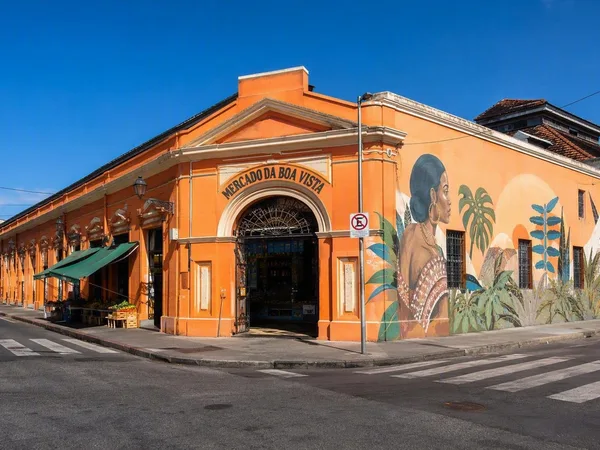
Boa Vista, Recife
1 linked stories and routes
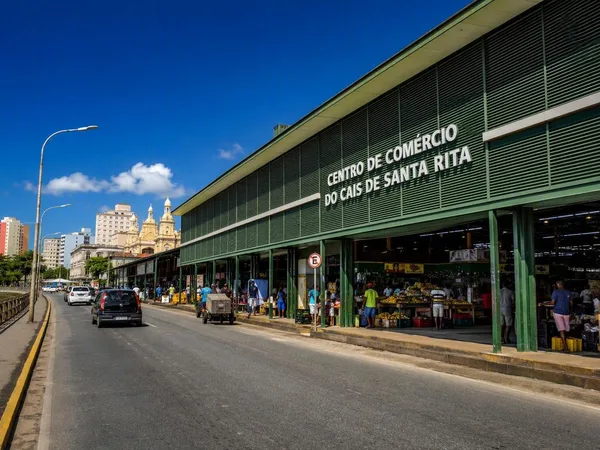
Cais de Santa Rita
1 linked stories and routes

Pantanal, Brazil
1 linked stories and routes
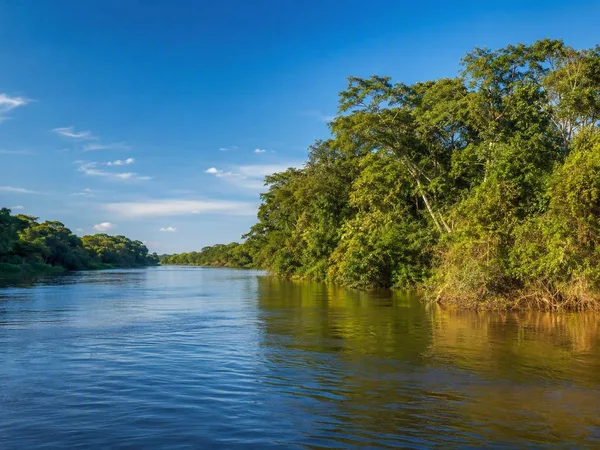
Encontro das Águas State Park
1 linked stories and routes
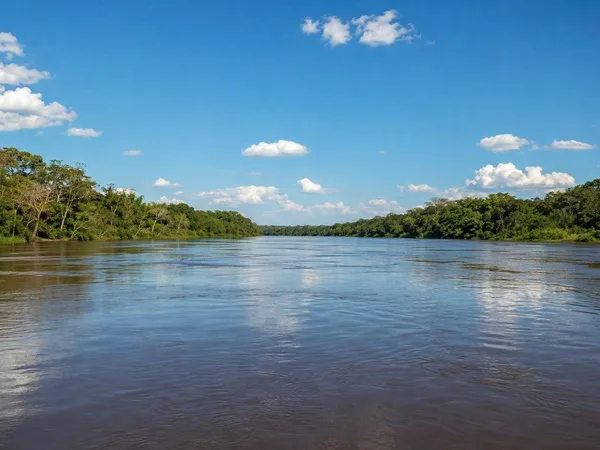
Porto Jofre
1 linked stories and routes
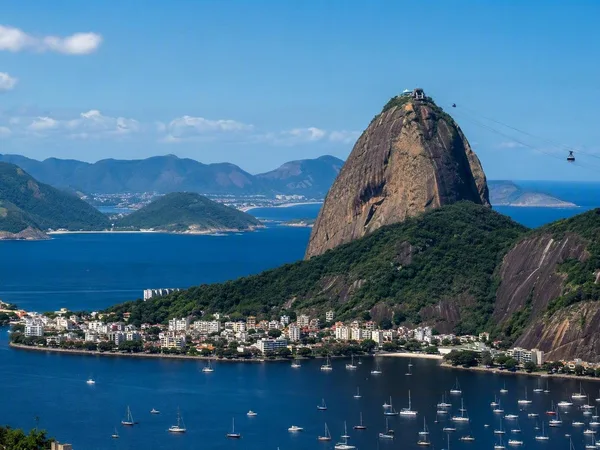
Rio de Janeiro
1 linked stories and routes

Praia do Sancho
1 linked stories and routes
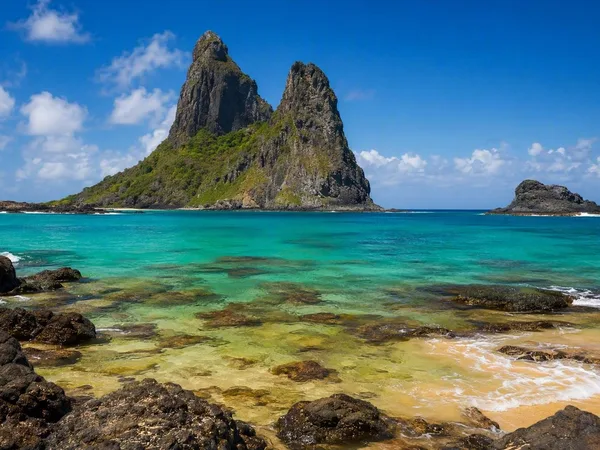
Fernando de Noronha
0 linked stories and routes
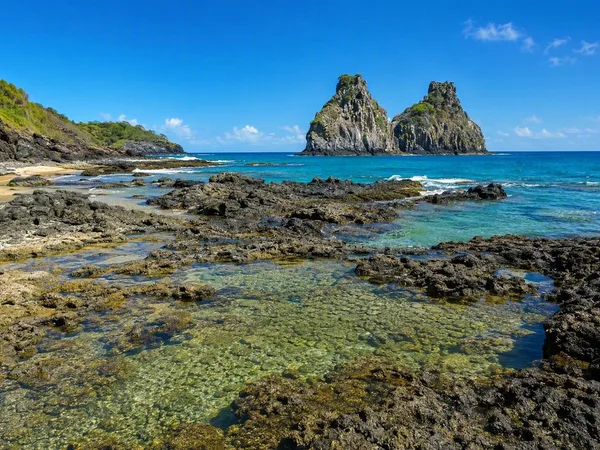
Baía dos Porcos
0 linked stories and routes
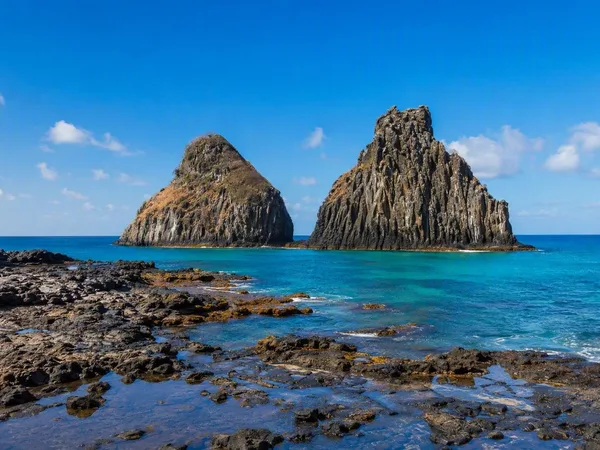
Morro Dois Irmãos
0 linked stories and routes
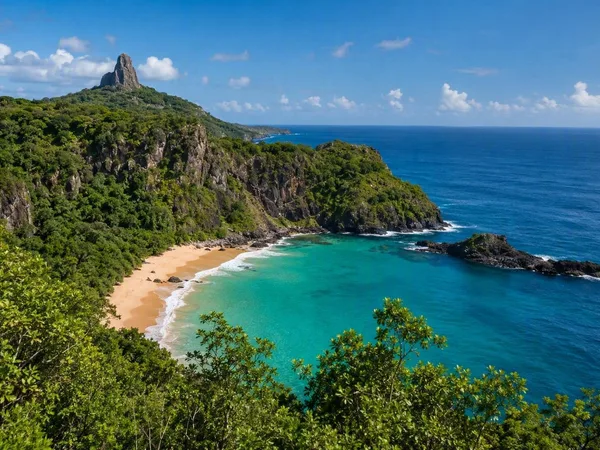
Fernando de Noronha Marine National Park
0 linked stories and routes