
Neighbourhood · Portugal
Marvila
Marvila is Lisbon’s eastern riverside parish, where former farms, convents and industrial buildings meet workshops and large-scale creative spaces. It lies between the Tagus and the residential valleys of eastern Lisbon.
Read the district first
Marvila is not a compact old-town quarter. It is a broad eastern Lisbon district of steep changes in scale: narrow lanes and former estates sit beside rail infrastructure, wide avenues, social-housing neighbourhoods and industrial plots. The Tagus forms its eastern edge; Poço do Bispo, Marvila Velha, Braço de Prata and Chelas are useful place names when navigating.
This is a working residential district, not a museum precinct. Treat its industrial past and its newer cultural uses as parts of the same landscape.
From estates to industry
For centuries, fertile riverside land supported quintas and market gardens. After the 1755 earthquake, textile-printing factories appeared on abandoned noble estates; rail service from 1856 accelerated industrialisation. Warehouses, wine businesses and the former Braço de Prata military works still give the lower district its physical character.
Start around Rua do Açúcar and Praça David Leandro da Silva, where the old industrial and commercial fabric is easiest to read. Look up at the early-20th-century Abel Pereira da Fonseca complex and the José Domingos Barreiros building; the latter retains a tiled entrance and stairway dating from 1928.
Buildings worth finding
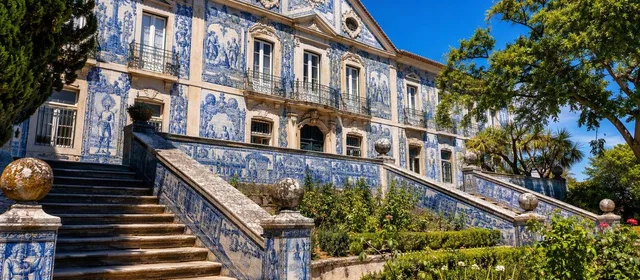
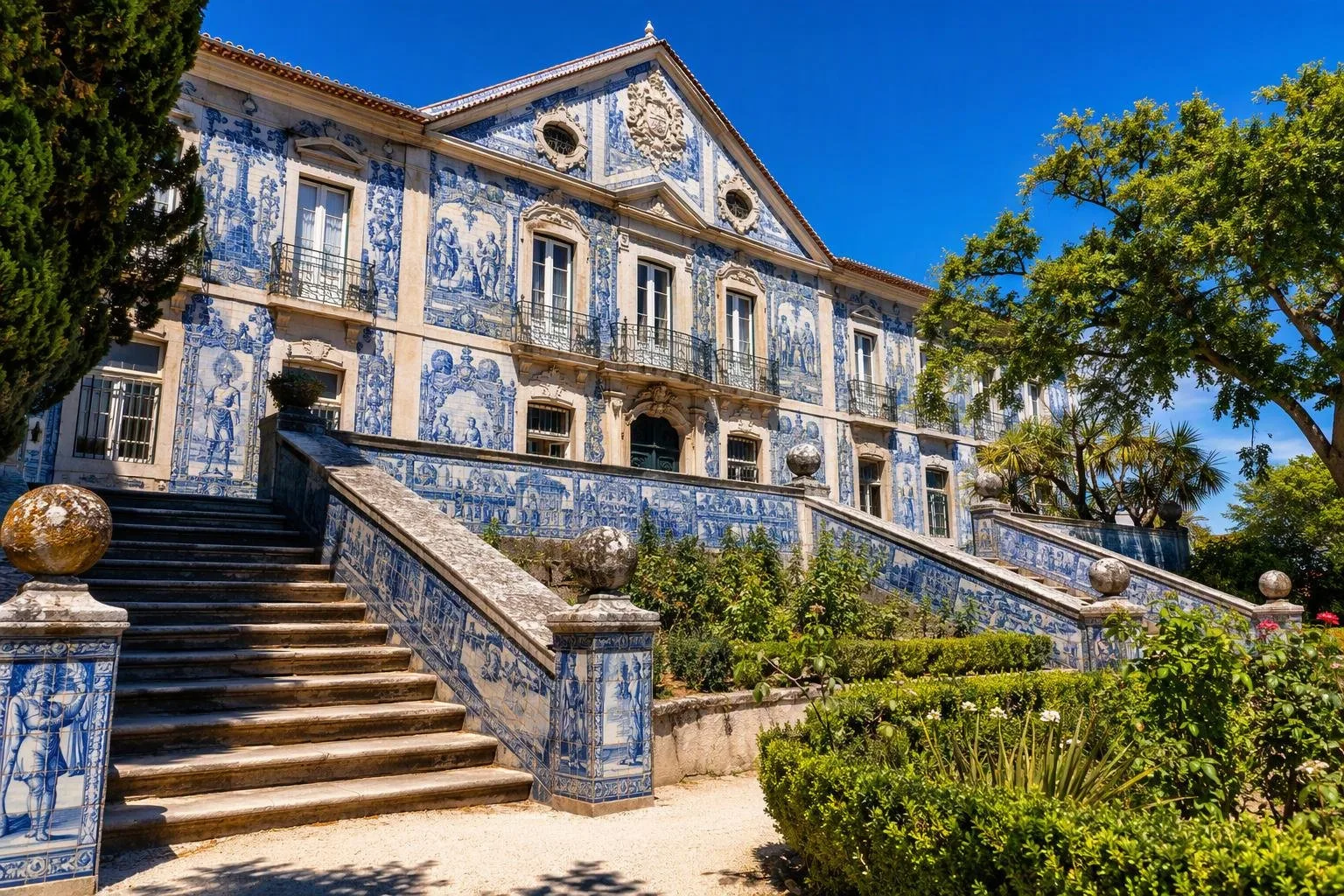
- Palácio da Mitra, Rua do Açúcar 64: a late-17th-century palace remodelled in the 18th century. It later contained metalworking and other industrial uses; its tiled rooms, painted ceilings and upper garden panel explain Marvila’s layered history. Admire it from outside unless access is explicitly available.
- Former Convent of Nossa Senhora da Conceição, on Rua Direita de Marvila: founded in 1660 and badly damaged in 1755. Its cloister, tiles and church interiors survive within the present complex, so do not assume public entry.
- Convent of São Félix and Santo Adrião, at Largo de Chelas: its Manueline portal and gallery are protected as a national monument.
Working with tiles
Marvila’s craft economy is best understood through studios rather than souvenir shops. Tardoz, the ceramic workshop of Isabel Colher, makes hand-produced tile replicas for conservation work as well as limited collections and commissioned wall coverings. Majolica, cuerda seca, raised-line work, stencil printing and relief modelling are all part of its practice. Production follows drying and firing times; arrange a visit before turning up.
Getting there and around
Bus 728 is the simplest riverside link from Cais do Sodré, Praça do Comércio and Santa Apolónia, stopping at Palácio Mitra, Poço do Bispo and Fábrica Braço de Prata before continuing towards Parque das Nações. Marvila is also served by Lisbon’s urban rail network. Distances inside the parish are substantial: combine transit with a deliberate walk rather than expecting one short circuit.
From the magazine
Stories about Marvila
Editorial stories linked directly to Marvila.
No stories about Marvila have been published yet.
Routes from our editors
Travel through Marvila
Editorial routes connecting Marvila with other countries, cities and hotspots.
No routes through Marvila have been published yet.
More in Portugal
Related hotspots
Other cities, nature areas and places within Portugal.
Lisbon
8 linked stories and routes
Douro
4 linked stories and routes
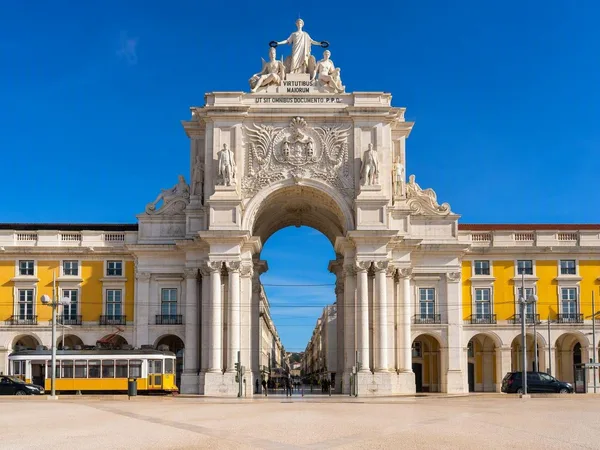
Baixa
3 linked stories and routes
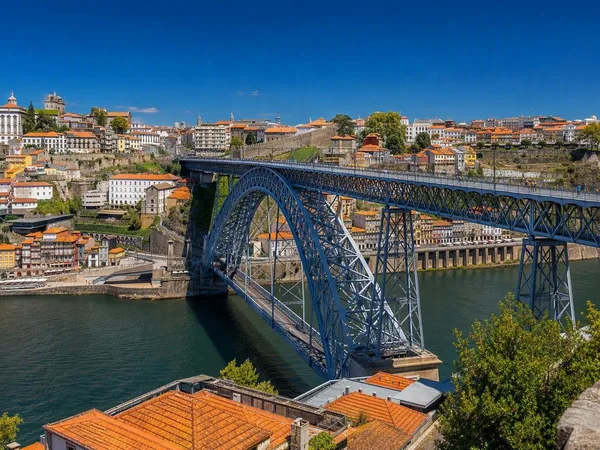
Porto
3 linked stories and routes
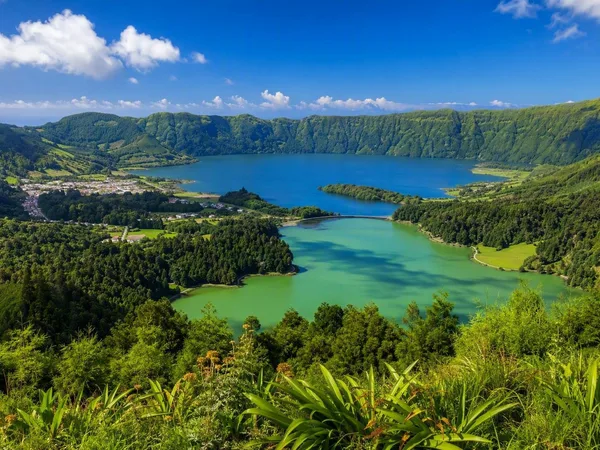
Azores
3 linked stories and routes
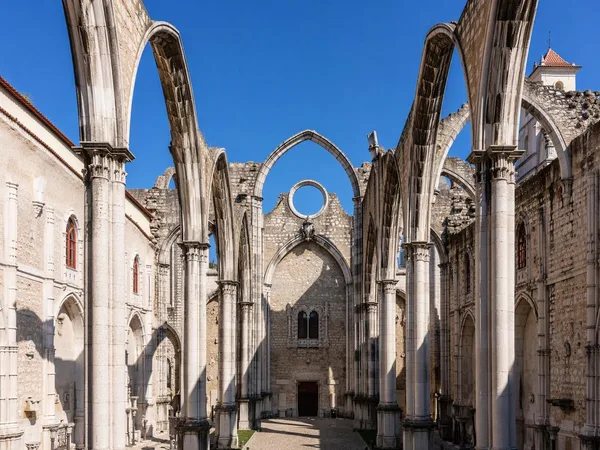
Chiado
2 linked stories and routes
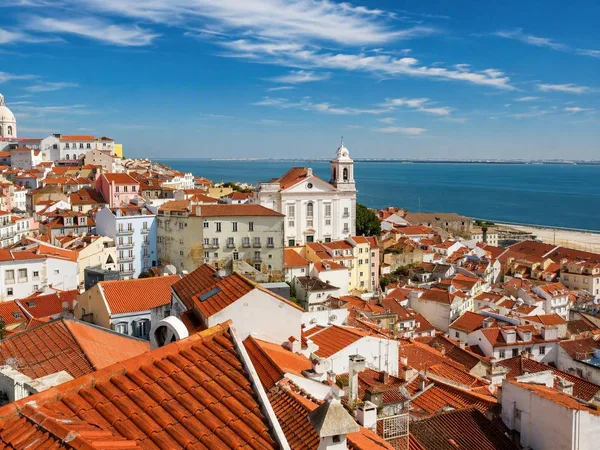
Alfama
1 linked stories and routes
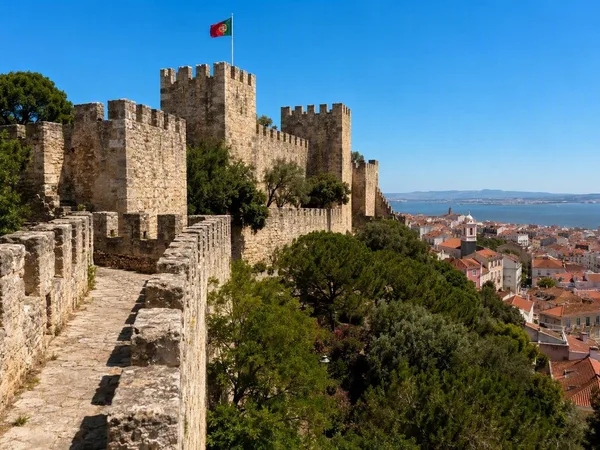
Castelo de São Jorge
1 linked stories and routes
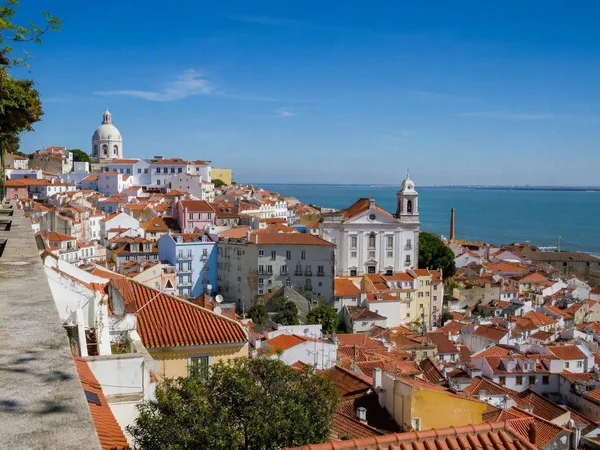
Miradouro das Portas do Sol
1 linked stories and routes
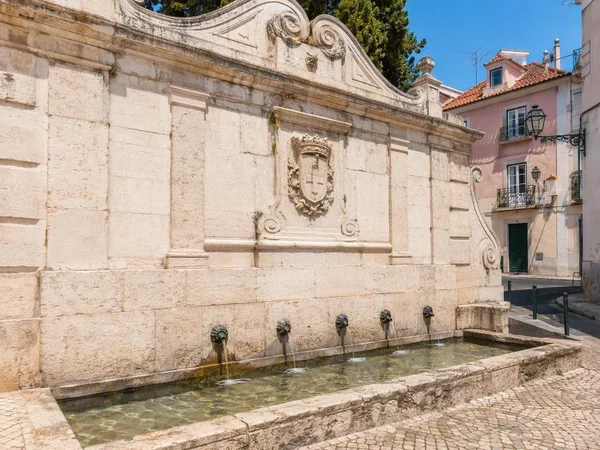
Largo do Chafariz de Dentro
1 linked stories and routes
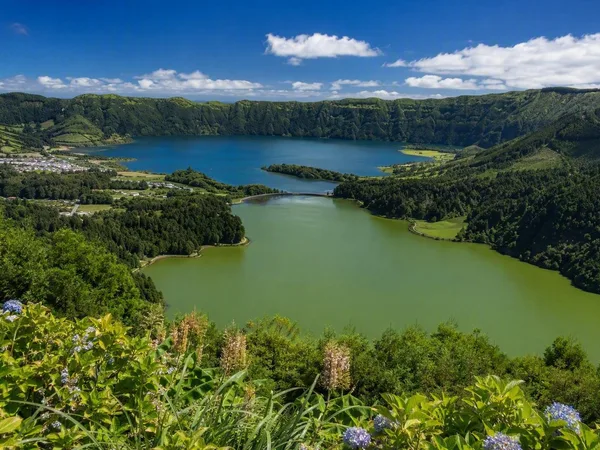
São Miguel
1 linked stories and routes
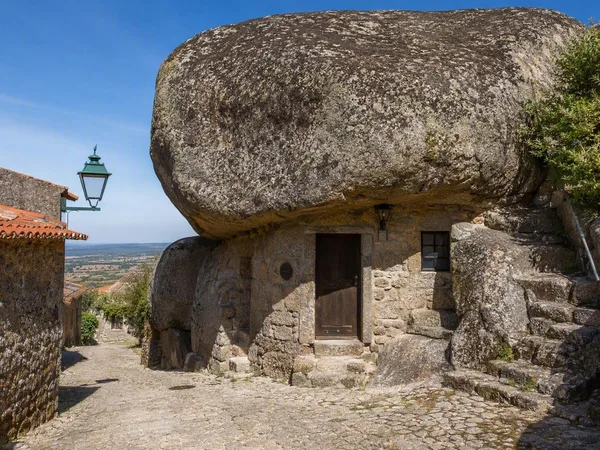
Monsanto
1 linked stories and routes
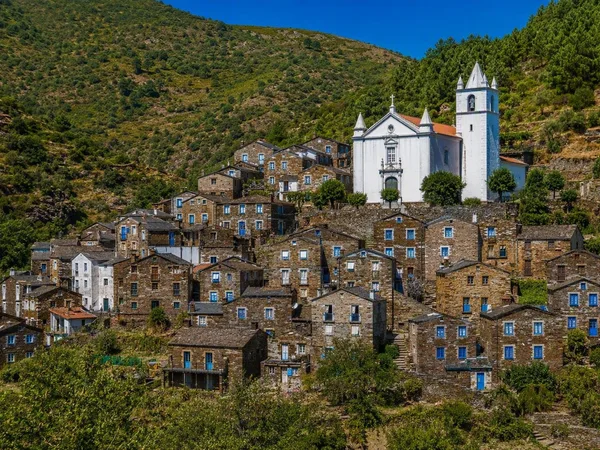
Piódão
1 linked stories and routes
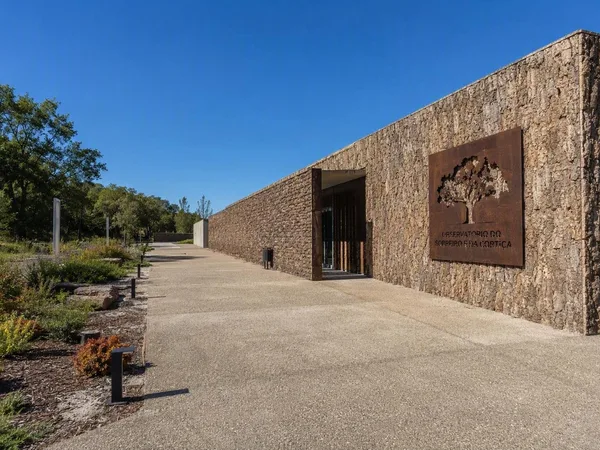
Coruche
1 linked stories and routes
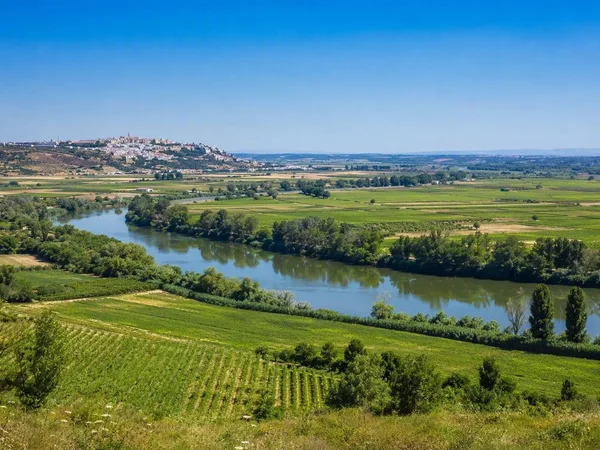
Ribatejo
1 linked stories and routes

Alentejo
1 linked stories and routes
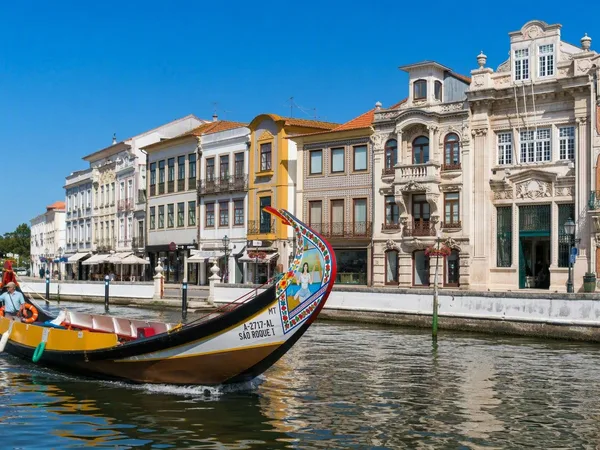
Aveiro
1 linked stories and routes
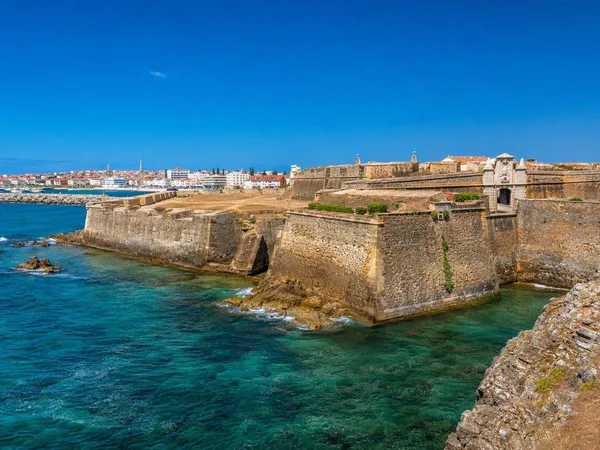
Peniche
1 linked stories and routes
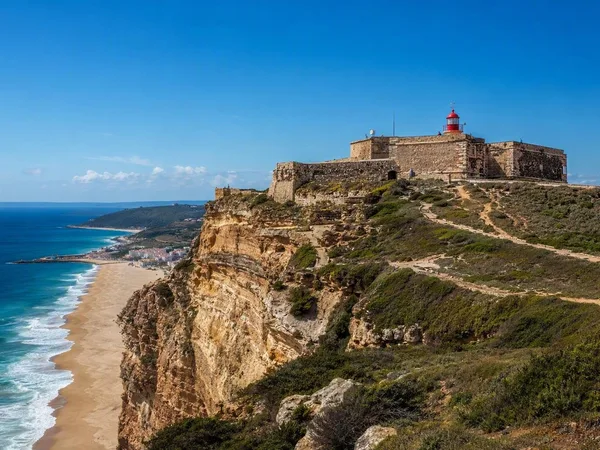
Nazaré
1 linked stories and routes
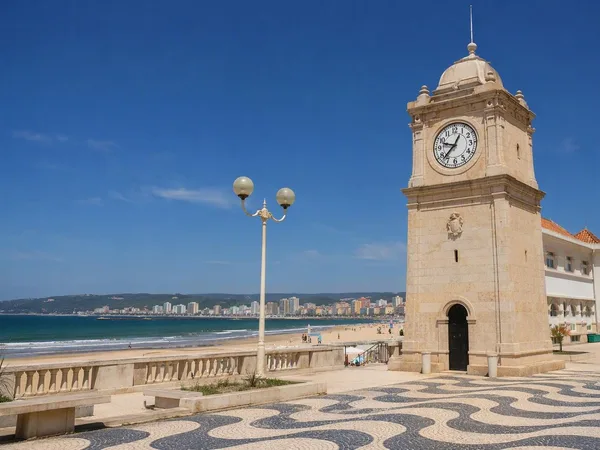
Figueira da Foz
1 linked stories and routes
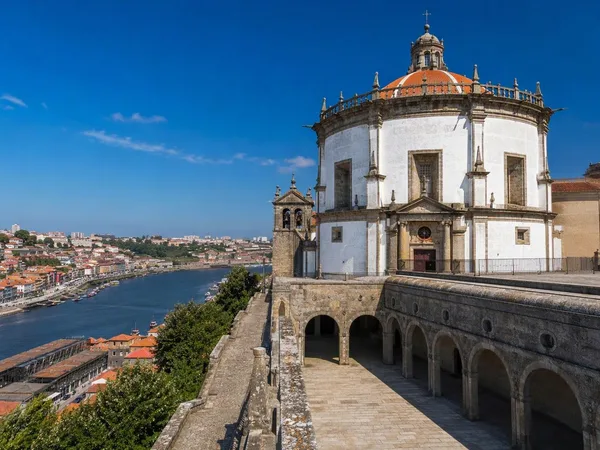
Vila Nova de Gaia
1 linked stories and routes
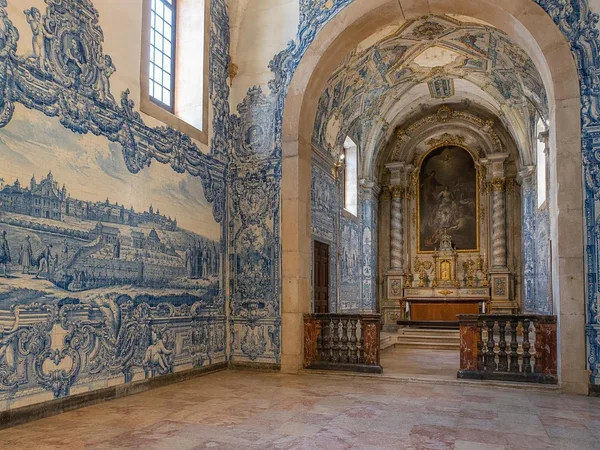
Museu Nacional do Azulejo
1 linked stories and routes
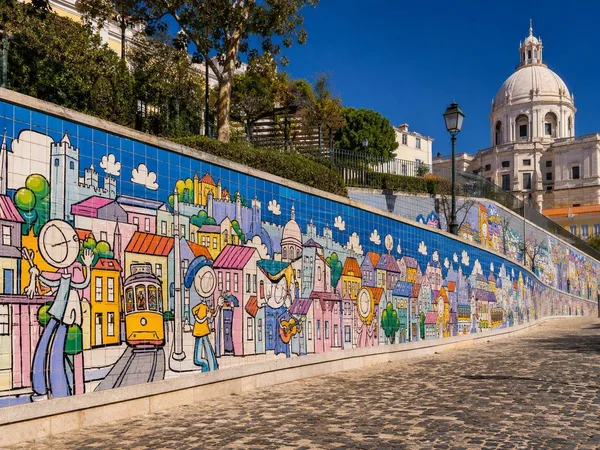
Santa Clara, Lisbon
1 linked stories and routes
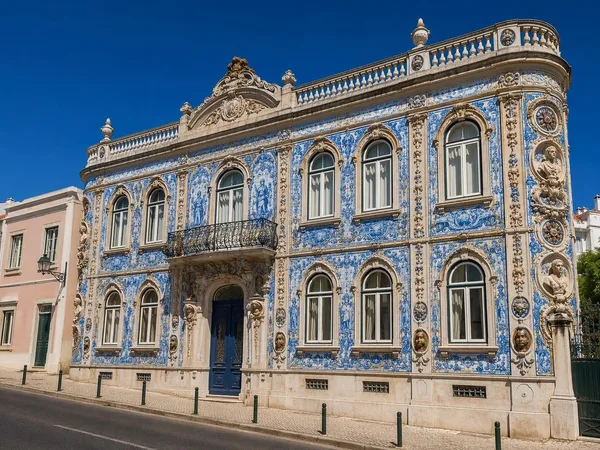
Lapa
1 linked stories and routes
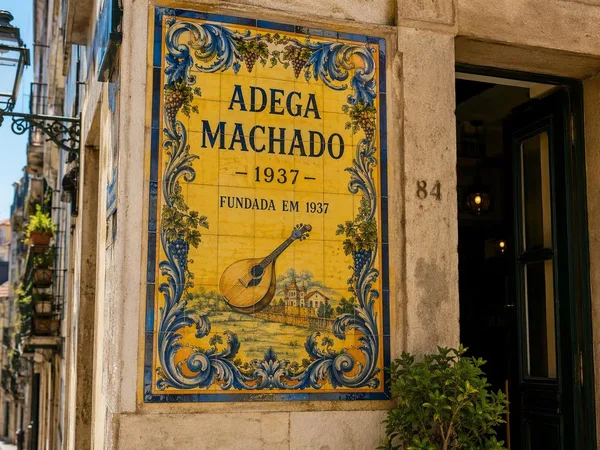
Bairro Alto
1 linked stories and routes
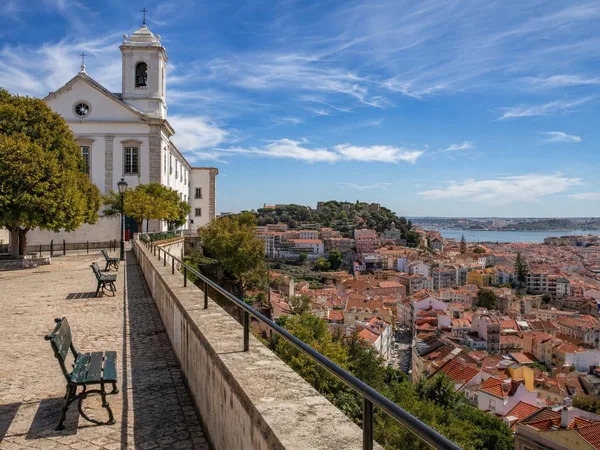
Graça, Lisbon
1 linked stories and routes
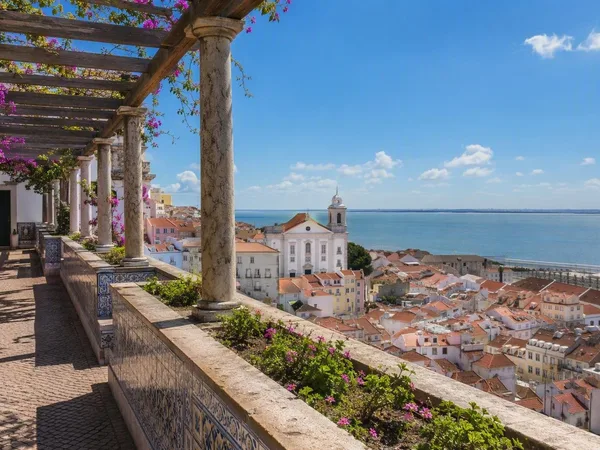
Santa Luzia
0 linked stories and routes