
City · Portugal
Aveiro
Aveiro is a low-lying city on Portugal’s central coast, set beside the Ria de Aveiro lagoon. Its urban canals, moliceiro boats, salt-making heritage and Art Nouveau architecture make the compact centre easy to explore on foot.
Get your bearings
Aveiro sits beside the Ria de Aveiro, the lagoon where the Vouga’s fresh water meets the sea. Three lagoon channels enter the city: Canal das Pirâmides becomes Canal Central; Canal de São Roque runs along the salt pans to the north-west; and Canal dos Santos Mártires heads south-west.
Use Canal Central as the main reference line. The older Beira-Mar quarter and fish-market area lie on its western side; the Convent of Jesus and the city museum are on the opposite side. The centre is flat and compact, so walking is the most efficient way to cover it.
Canals and moliceiros
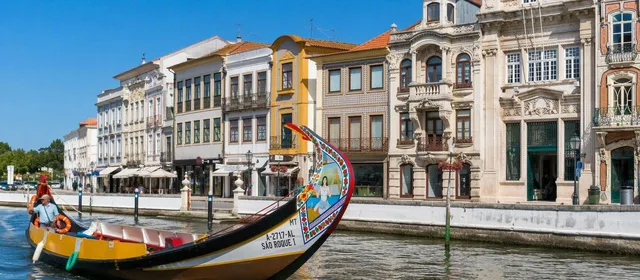
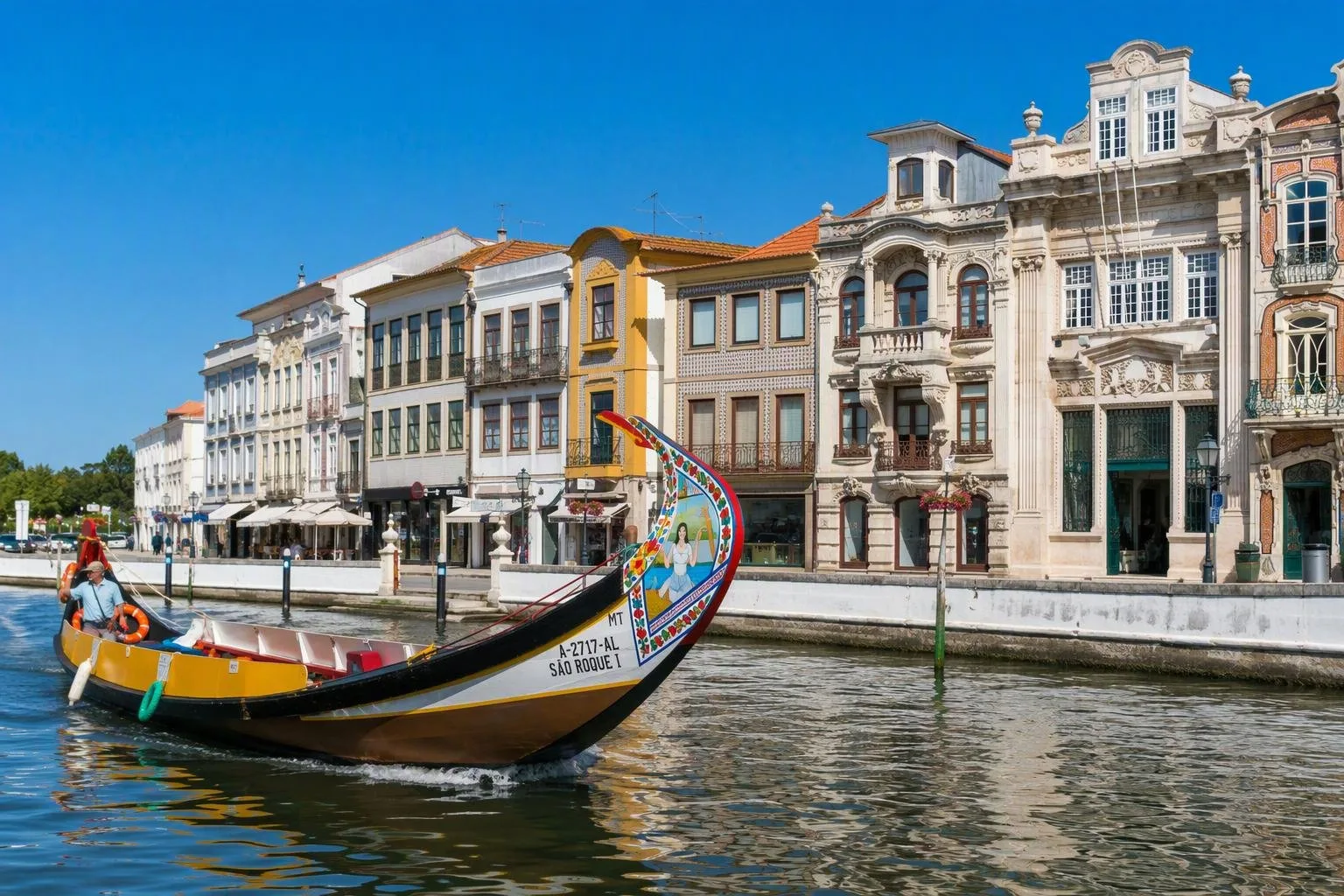
The slender, brightly painted moliceiro is Aveiro’s defining boat. It was built to collect algae and seaweed from the lagoon; today it carries sightseeing trips through the canals. A ride gives a useful first orientation, but walk the canal banks as well—the water-level views and façades are easily missed from a boat.
Follow Canal Central past its bridges, then continue into the smaller waterways around Beira-Mar. The canals are not decorative additions: they are part of the Ria’s water system and remain subject to water-level management.
Architecture and heritage
Canal Central is the best place to spot Aveiro’s Art Nouveau buildings. Look for tiled façades, iron balconies, curved window frames and floral details; the dedicated Art Nouveau museum provides the context if you want more than a street-level look.
For a contrasting stop, visit the Museu de Aveiro, housed in the former Convent of Jesus. Its church preserves extensive gilded woodwork and the mausoleum of Princess Saint Joana. This is the city’s key historic interior; allow time for it rather than treating it as a quick photo stop.
Salt and local food
Salt-making is central to Aveiro’s identity. The Ria’s salt pans have operated for centuries, and summer drying produces the distinctive white salt pyramids. Canal de São Roque marks the edge between the built-up city and this working landscape.
Try ovos moles, the local sweet of egg yolk and sugar, usually sold in thin wafer shells or small wooden barrels. For savoury food, local menus commonly feature fresh fish, shellfish and eel prepared in stew or escabeche.
Arriving and moving around
Aveiro is on Portugal’s Northern rail line and is also reached by the A1 and A25 roads. From the station, the canal centre is a straightforward walk. Local buses cover wider city journeys.
For short distances, stay on foot. Cycling also works well on the level terrain; the municipal BUGA bicycle scheme is an established option. Pavements are generally easy-going, though some historic streets use uneven stone paving and have narrow passages around outdoor tables.
From the magazine
Stories about Aveiro
Editorial stories linked directly to Aveiro.
No stories about Aveiro have been published yet.
Routes from our editors
Travel through Aveiro
Editorial routes connecting Aveiro with other countries, cities and hotspots.
No routes through Aveiro have been published yet.
More in Portugal
Related hotspots
Other cities, nature areas and places within Portugal.
Lisbon
8 linked stories and routes
Douro
4 linked stories and routes
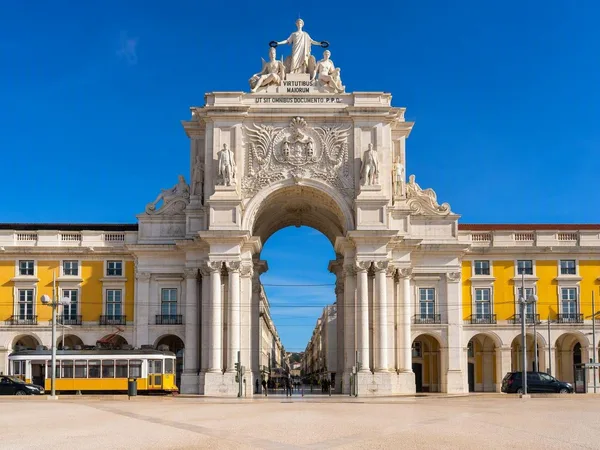
Baixa
3 linked stories and routes
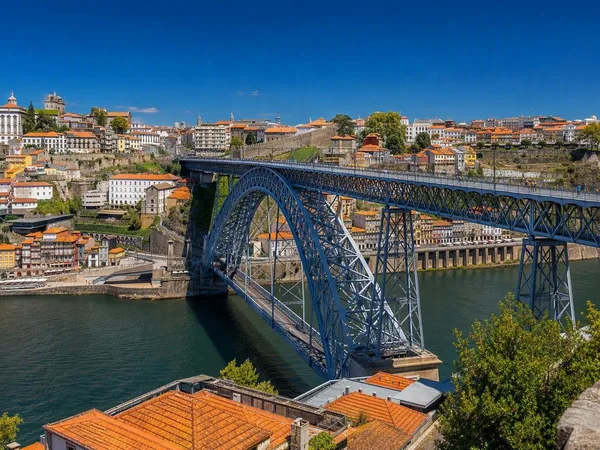
Porto
3 linked stories and routes
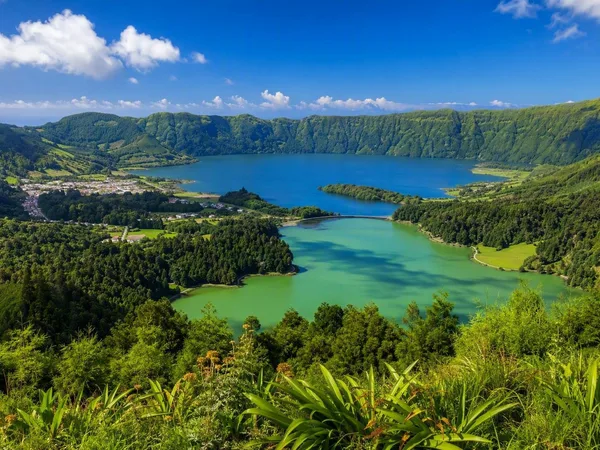
Azores
3 linked stories and routes
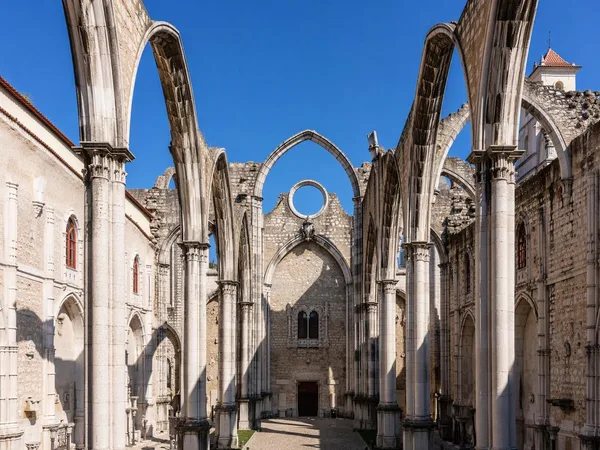
Chiado
2 linked stories and routes
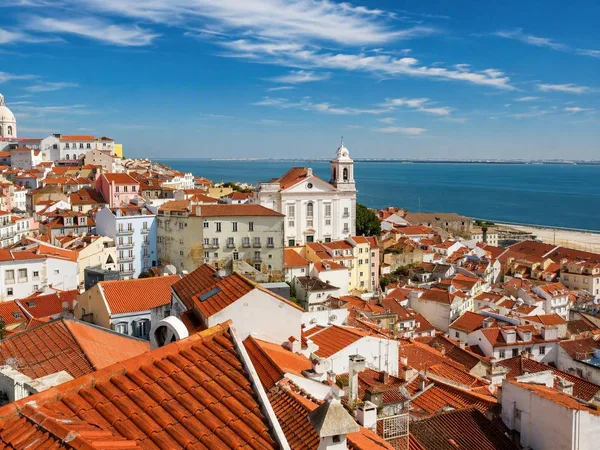
Alfama
1 linked stories and routes
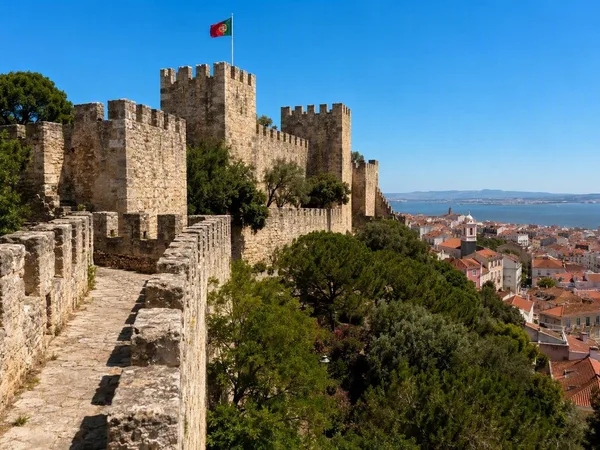
Castelo de São Jorge
1 linked stories and routes
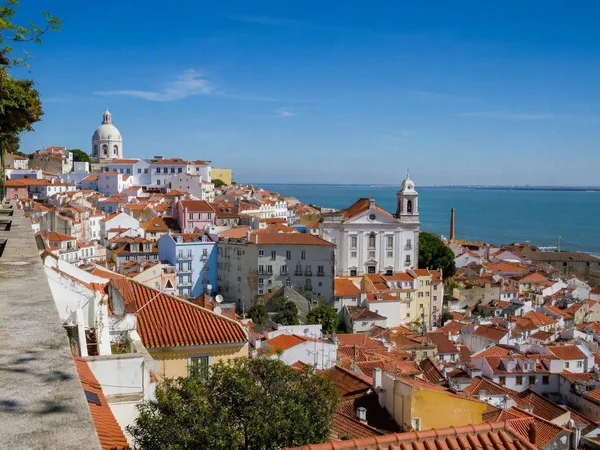
Miradouro das Portas do Sol
1 linked stories and routes
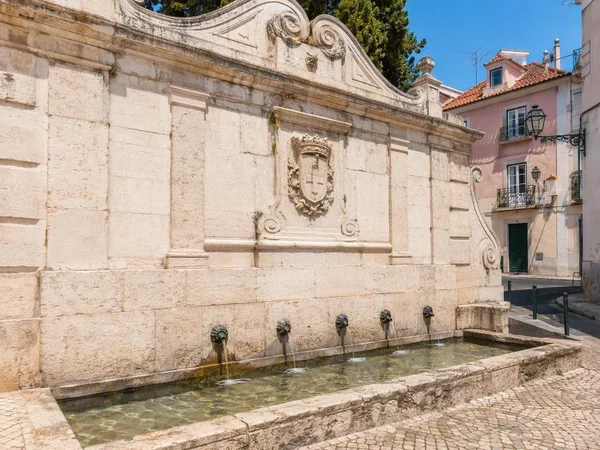
Largo do Chafariz de Dentro
1 linked stories and routes
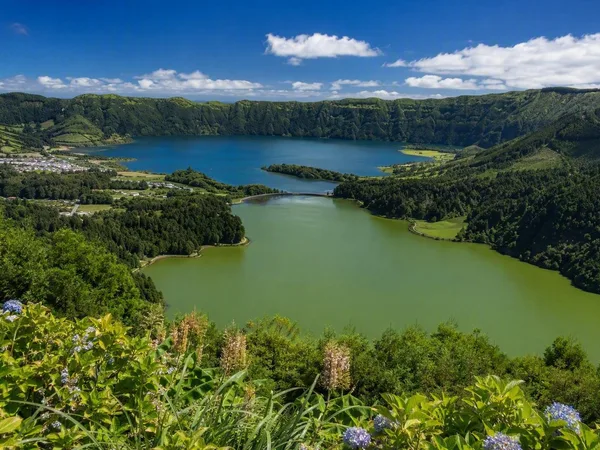
São Miguel
1 linked stories and routes
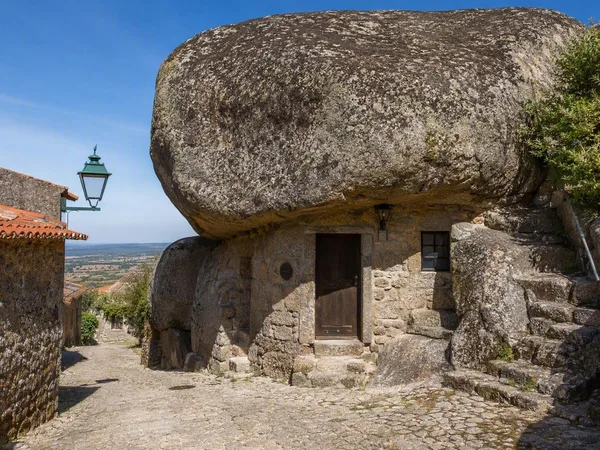
Monsanto
1 linked stories and routes
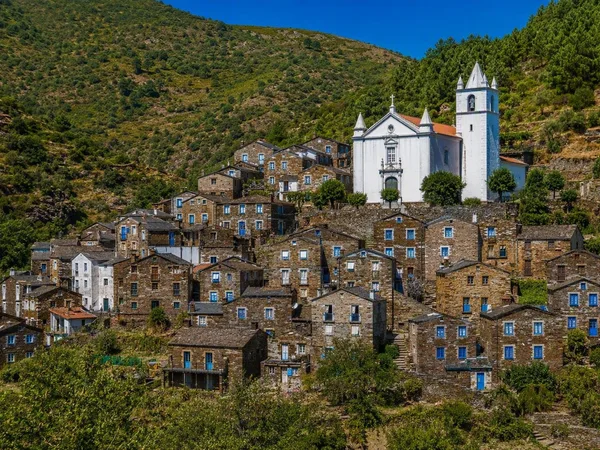
Piódão
1 linked stories and routes
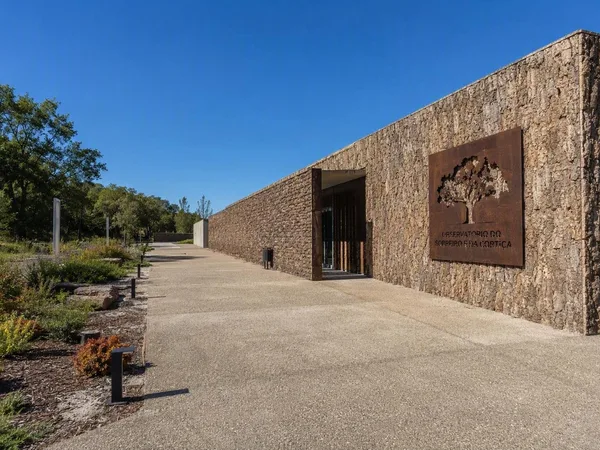
Coruche
1 linked stories and routes
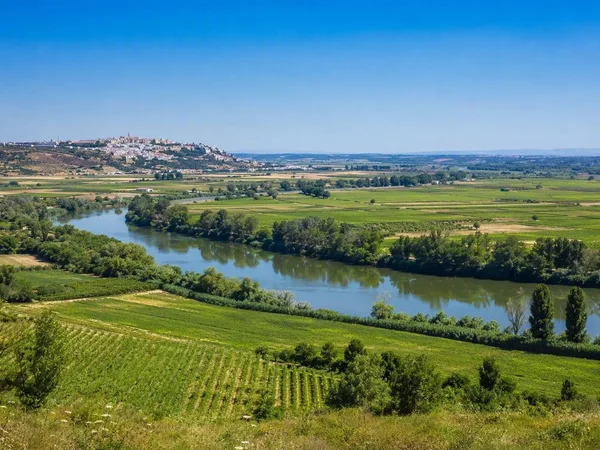
Ribatejo
1 linked stories and routes
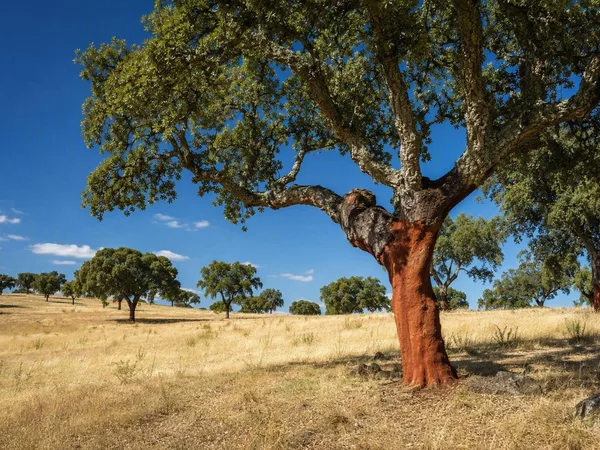
Alentejo
1 linked stories and routes
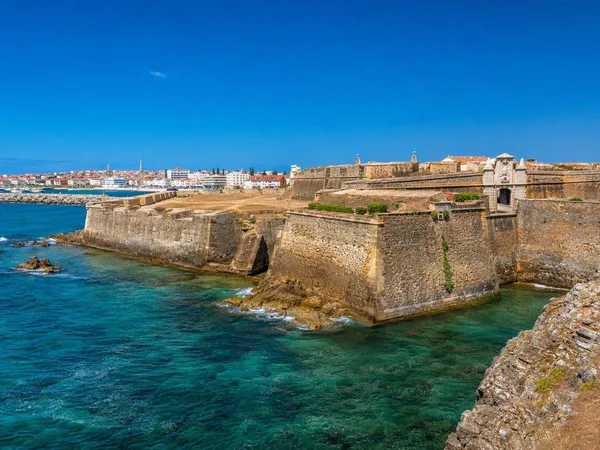
Peniche
1 linked stories and routes
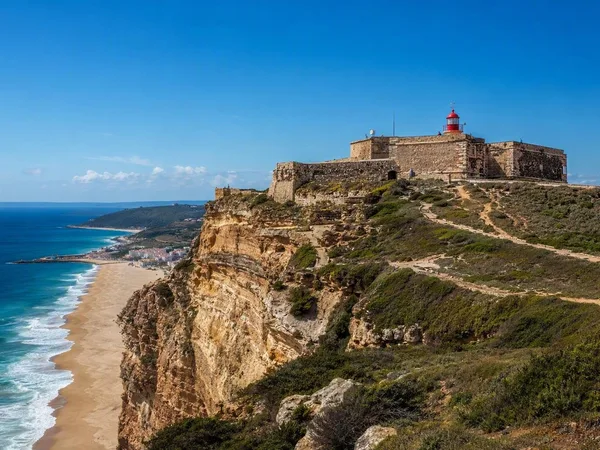
Nazaré
1 linked stories and routes
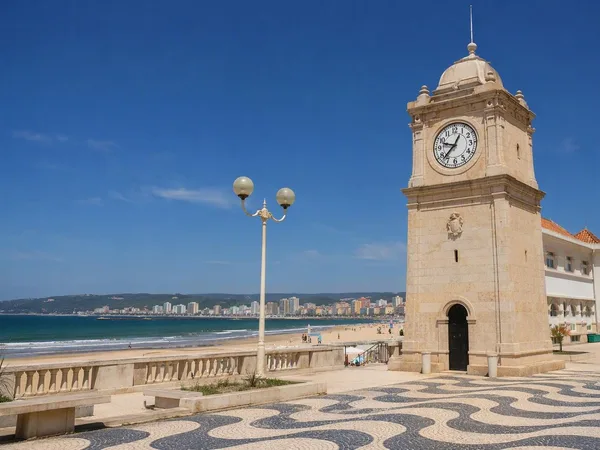
Figueira da Foz
1 linked stories and routes
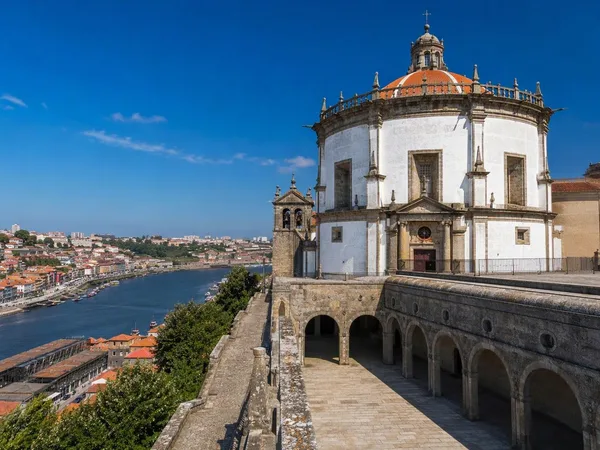
Vila Nova de Gaia
1 linked stories and routes
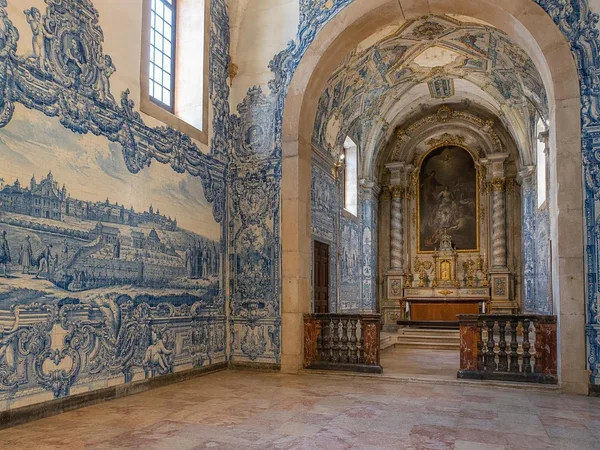
Museu Nacional do Azulejo
1 linked stories and routes
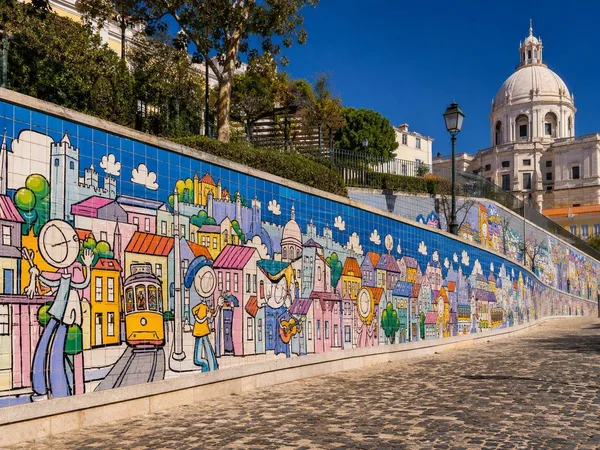
Santa Clara, Lisbon
1 linked stories and routes
Marvila
1 linked stories and routes
Lapa
1 linked stories and routes
Bairro Alto
1 linked stories and routes
Graça, Lisbon
1 linked stories and routes
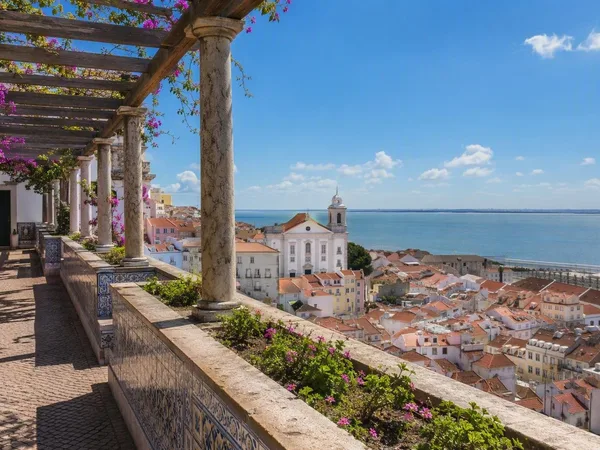
Santa Luzia
0 linked stories and routes