
Neighbourhood · Portugal
Lapa
Lapa is a residential hillside neighbourhood in western central Lisbon, now within Estrela. Its quiet streets reveal tiled houses, diplomatic residences and late-19th-century palacetes above the Tagus.
Orientation
Lapa occupies the slope between Estrela and the riverside districts of Santos and Janelas Verdes. It was once its own civil parish; today it forms part of Estrela. The terrain matters: streets descend sharply towards the Tagus, and a short distance on the map can mean a steep climb.
This is a neighbourhood for looking at the city’s domestic architecture rather than ticking off a single monument. Grand houses, embassy buildings and ordinary residential façades sit close together, often behind walls or gates. Keep the focus on the public street; many of the most striking buildings remain private or diplomatic premises.
Read the façades
Start on Rua de São Domingos à Lapa and walk slowly downhill or uphill rather than treating it as a through-route. Look above ground-floor level for patterned tile fields, floral decoration and repeated geometric designs. In Lapa, azulejos are part of the working fabric of housing, not confined to church interiors or museum displays.
Tiles can be painted, printed or moulded, and their colour comes from glaze and mineral oxides. That wider palette—blue, green, brown, black and yellow—helps explain why the neighbourhood offers more than Lisbon’s familiar blue-and-white schemes.
Casa Visconde de Sacavém
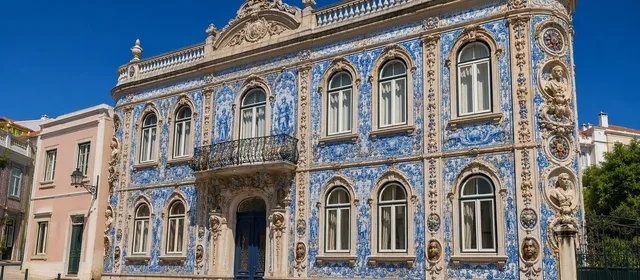
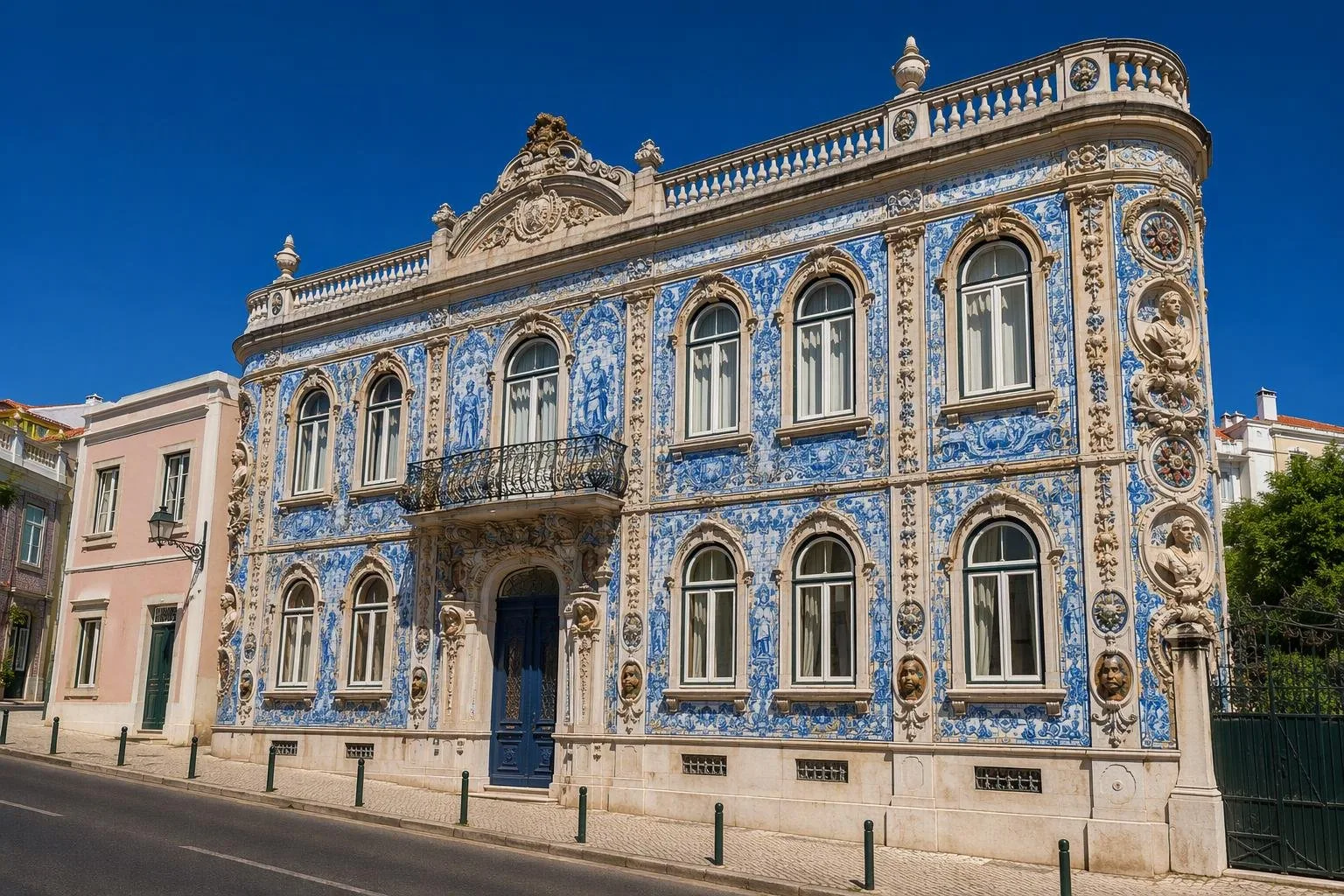
On Rua do Sacramento à Lapa 22–28, Casa Visconde de Sacavém is the essential close look. Commissioned in 1897 by José Joaquim Pinto da Silva, the second Viscount of Sacavém, it was completed around 1900 and is protected as a municipal monument.
Its façade is a compact catalogue of ceramic decoration: blue-and-white tile panels beneath the upper windows, coloured round corner pieces, relief ornament, busts and naturalistic forms. The window surrounds borrow neo-Manueline rope-and-knot motifs. Ceramic pieces associated with the house were made through the Viscount’s Campolide ceramics factory, giving the building unusual coherence: architecture and ornament were conceived together.
Stand across the street to take in the full elevation, then move closer for the relief work. The façade is the sight; do not expect an interior visit.
A practical walk
Link Rua de São Domingos à Lapa with Rua do Sacramento à Lapa, then continue downhill towards Janelas Verdes if you want to extend the walk. Allow 45–60 minutes for the two streets, longer if you are photographing details.
- Best approach: begin high and walk downhill; save your legs for the return.
- Underfoot: Portuguese paving can be uneven and slippery when wet; wear shoes with grip.
- Pace: morning or late afternoon gives the clearest angled light on tiled façades.
- Street etiquette: keep doorways clear and photograph homes and diplomatic buildings from the public pavement.
Nearby context
Lapa’s streets make more sense alongside the larger institutions around them. The neighbourhood includes the Palácio de São Bento area and is one of Lisbon’s embassy concentrations. Towards the lower edge, the National Museum of Ancient Art anchors the Janelas Verdes side of the hill. These are useful bearings, but Lapa’s distinct reward is the sequence of façades between them.
From the magazine
Stories about Lapa
Editorial stories linked directly to Lapa.
No stories about Lapa have been published yet.
Routes from our editors
Travel through Lapa
Editorial routes connecting Lapa with other countries, cities and hotspots.
No routes through Lapa have been published yet.
More in Portugal
Related hotspots
Other cities, nature areas and places within Portugal.

Lisbon
8 linked stories and routes
Douro
4 linked stories and routes
Baixa
3 linked stories and routes
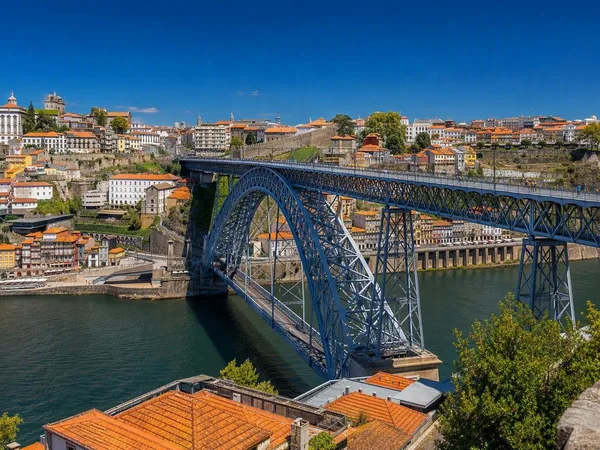
Porto
3 linked stories and routes

Azores
3 linked stories and routes
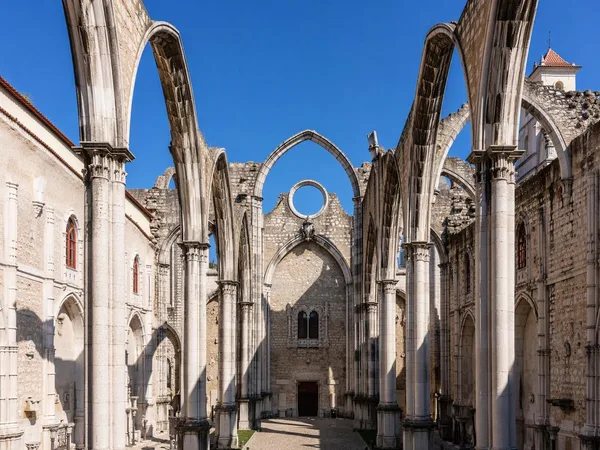
Chiado
2 linked stories and routes
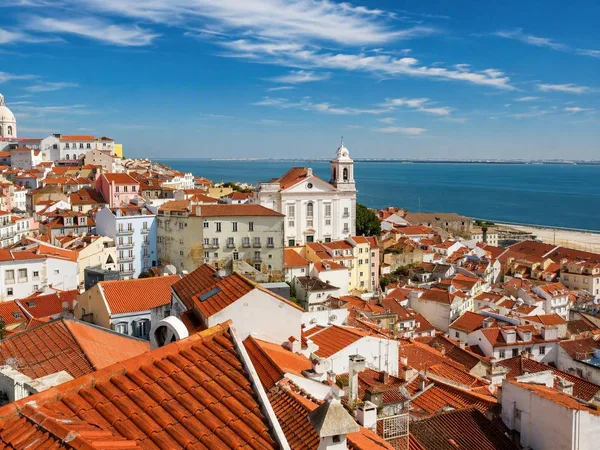
Alfama
1 linked stories and routes
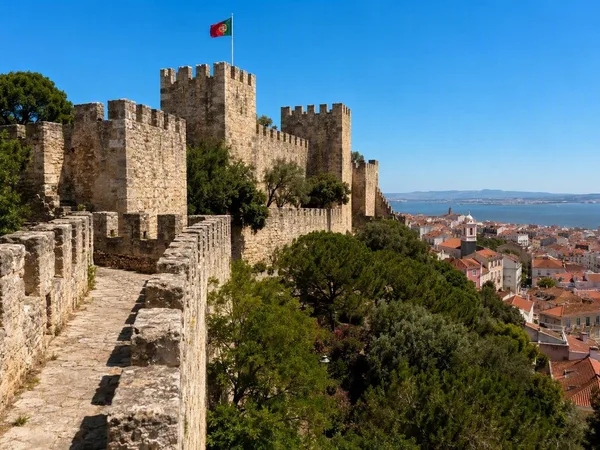
Castelo de São Jorge
1 linked stories and routes
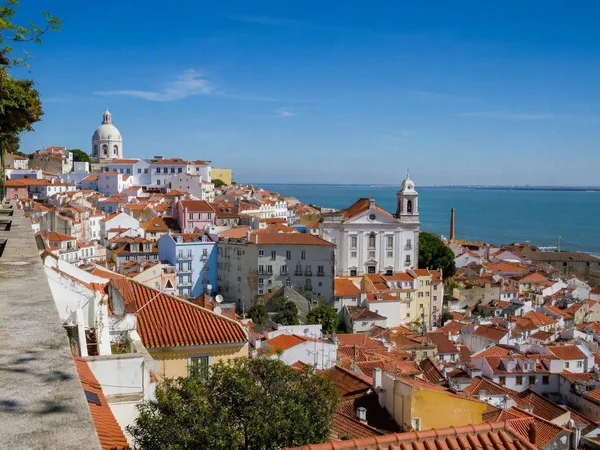
Miradouro das Portas do Sol
1 linked stories and routes
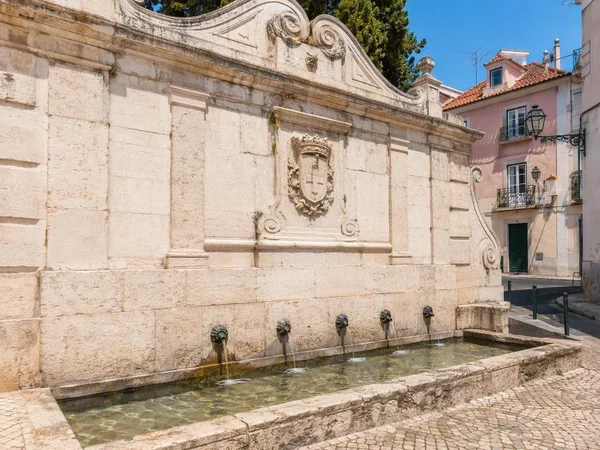
Largo do Chafariz de Dentro
1 linked stories and routes

São Miguel
1 linked stories and routes
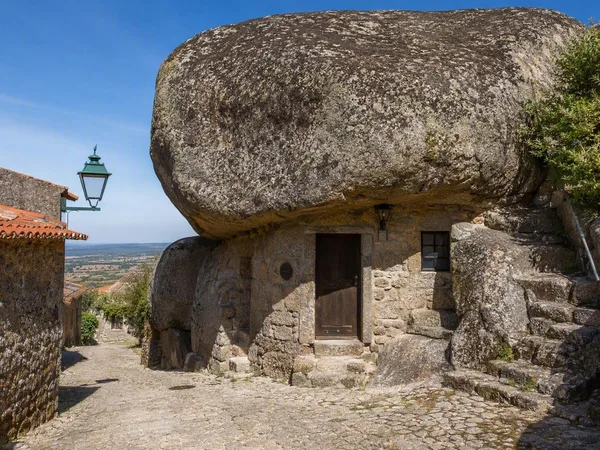
Monsanto
1 linked stories and routes
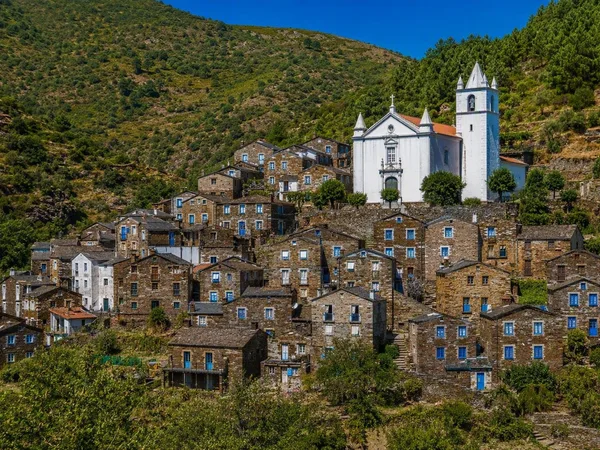
Piódão
1 linked stories and routes
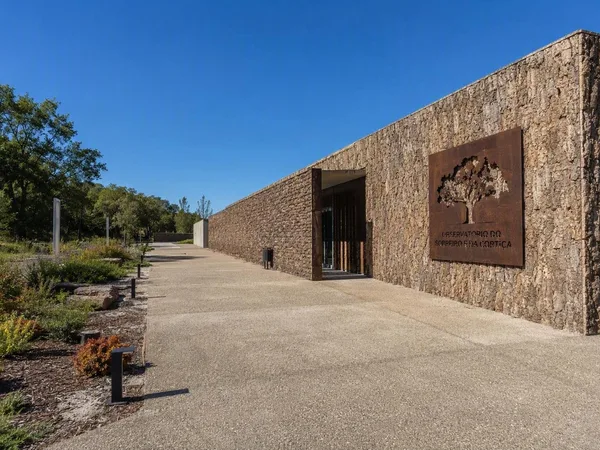
Coruche
1 linked stories and routes
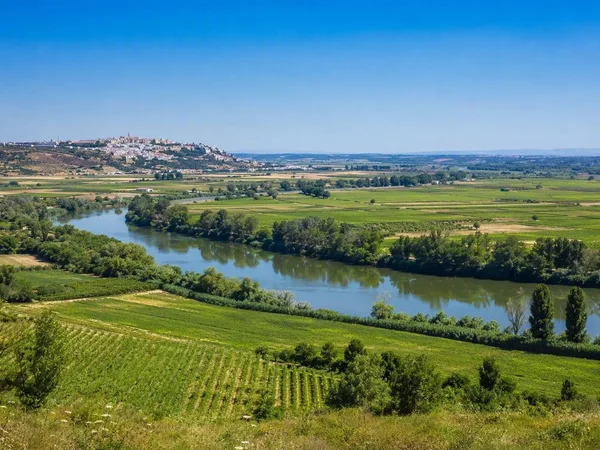
Ribatejo
1 linked stories and routes

Alentejo
1 linked stories and routes
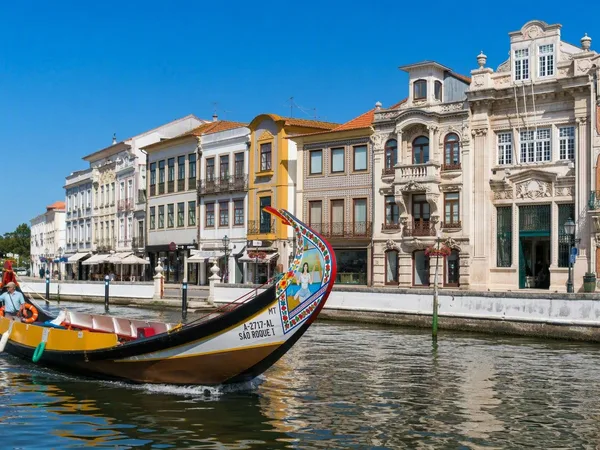
Aveiro
1 linked stories and routes
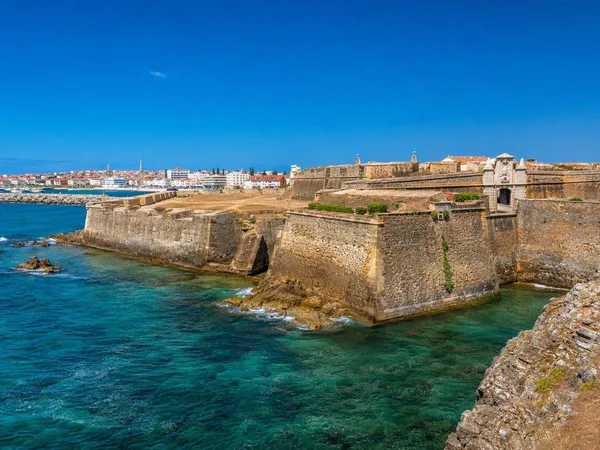
Peniche
1 linked stories and routes
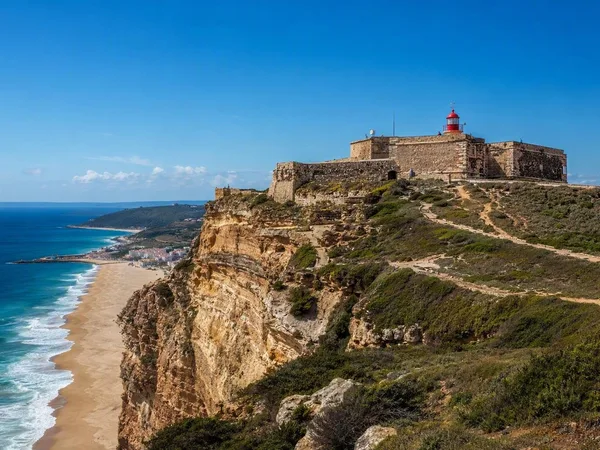
Nazaré
1 linked stories and routes
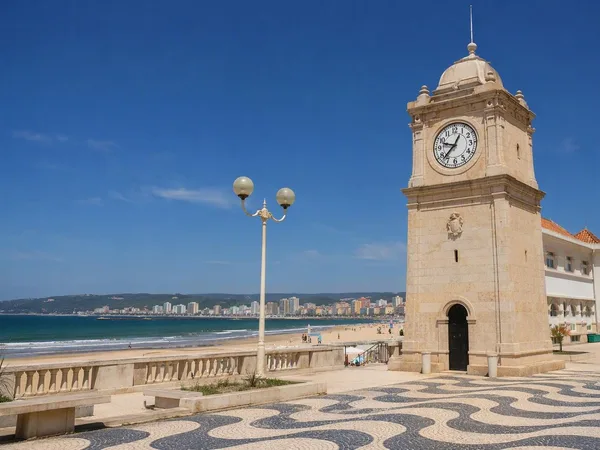
Figueira da Foz
1 linked stories and routes
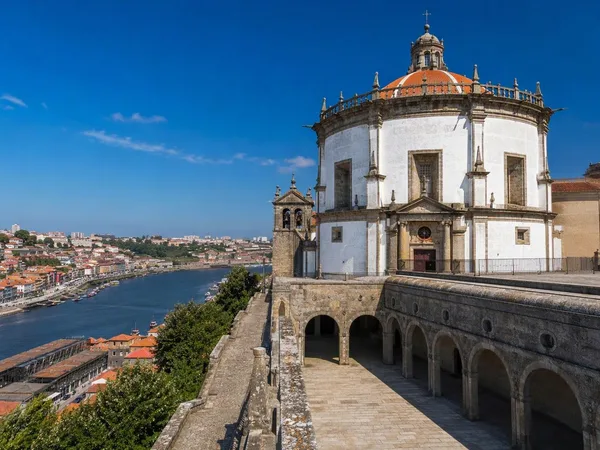
Vila Nova de Gaia
1 linked stories and routes
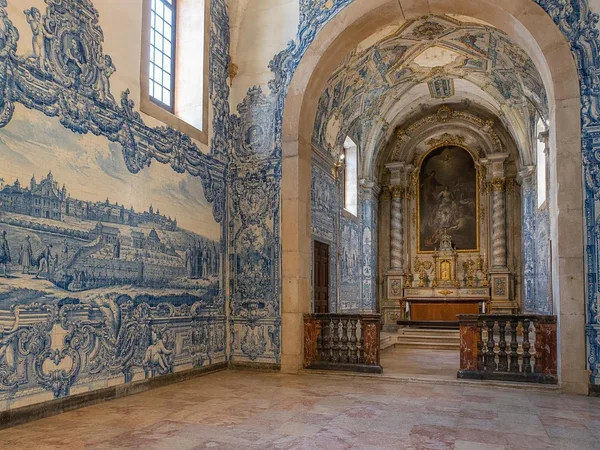
Museu Nacional do Azulejo
1 linked stories and routes
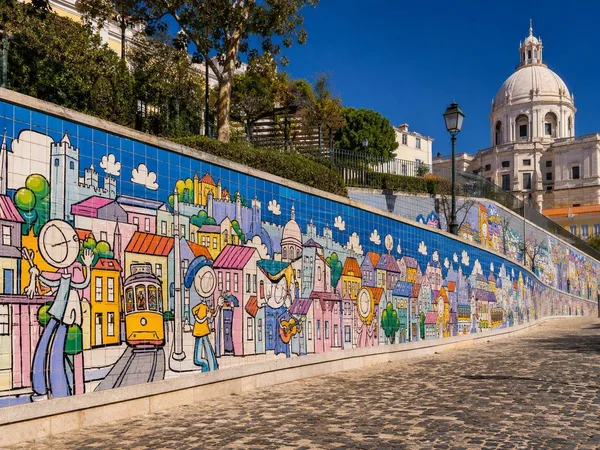
Santa Clara, Lisbon
1 linked stories and routes
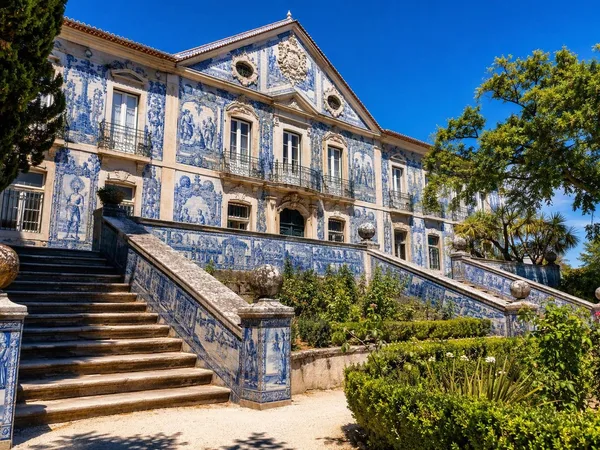
Marvila
1 linked stories and routes
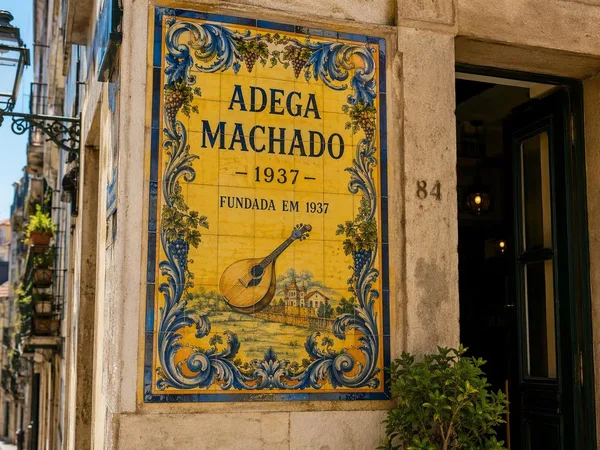
Bairro Alto
1 linked stories and routes
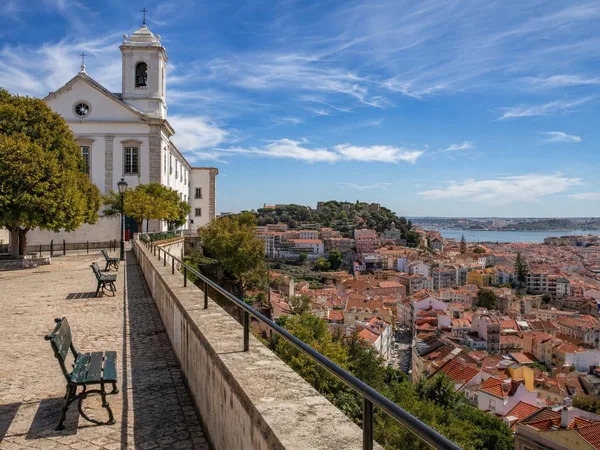
Graça, Lisbon
1 linked stories and routes
Santa Luzia
0 linked stories and routes