
Neighbourhood · Portugal
Bairro Alto
Bairro Alto is Lisbon’s historic upper-quarter neighbourhood, above Chiado and west of Baixa. Its tight, gridded streets combine tiled façades, fado houses, small shops, restaurants and a nightlife that takes over after dark.
Read the street plan
Bairro Alto is a compact historic neighbourhood in central Lisbon’s Misericórdia parish. It was laid out as a near-orthogonal urban extension from the 16th century, rather than growing as a medieval maze. Rua da Rosa cuts through its middle; narrow streets and travessas run off it in a clear but hilly grid.
The heritage ensemble is bounded by Rua do Século to the west, Rua de D. Pedro V to the north, Rua da Misericórdia and Rua de São Pedro de Alcântara to the east, and the Calçada do Combro–Rua do Loreto axis to the south. Keep the visit within these streets: Bica, Chiado and Príncipe Real are adjoining areas, not Bairro Alto itself.
Look beyond the bars
Walk the lanes in daylight to notice the district’s fabric: slim three- and four-storey houses, balconies, small shopfronts and azulejo façades. Rua do Diário de Notícias and Rua do Século preserve the names of the newspapers and print trade once concentrated here.
Two worthwhile interiors and façades give the neighbourhood more weight than its late-night reputation:
- Igreja de São Roque: a restrained exterior conceals an exceptionally rich church interior.
- Cervejaria Trindade: occupies parts of the former Convento da Santíssima Trindade, including church, cloister and refectory. Its dining rooms retain 19th-century tile panels by Luís Ferreira depicting the four elements and four seasons, alongside later mosaics by Maria Keil.
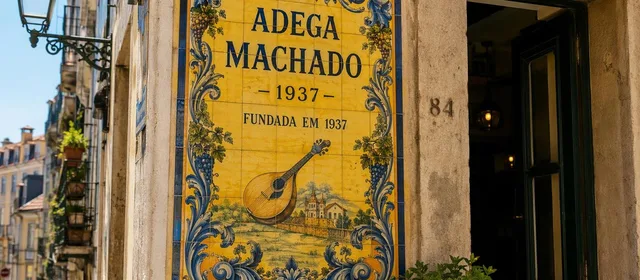
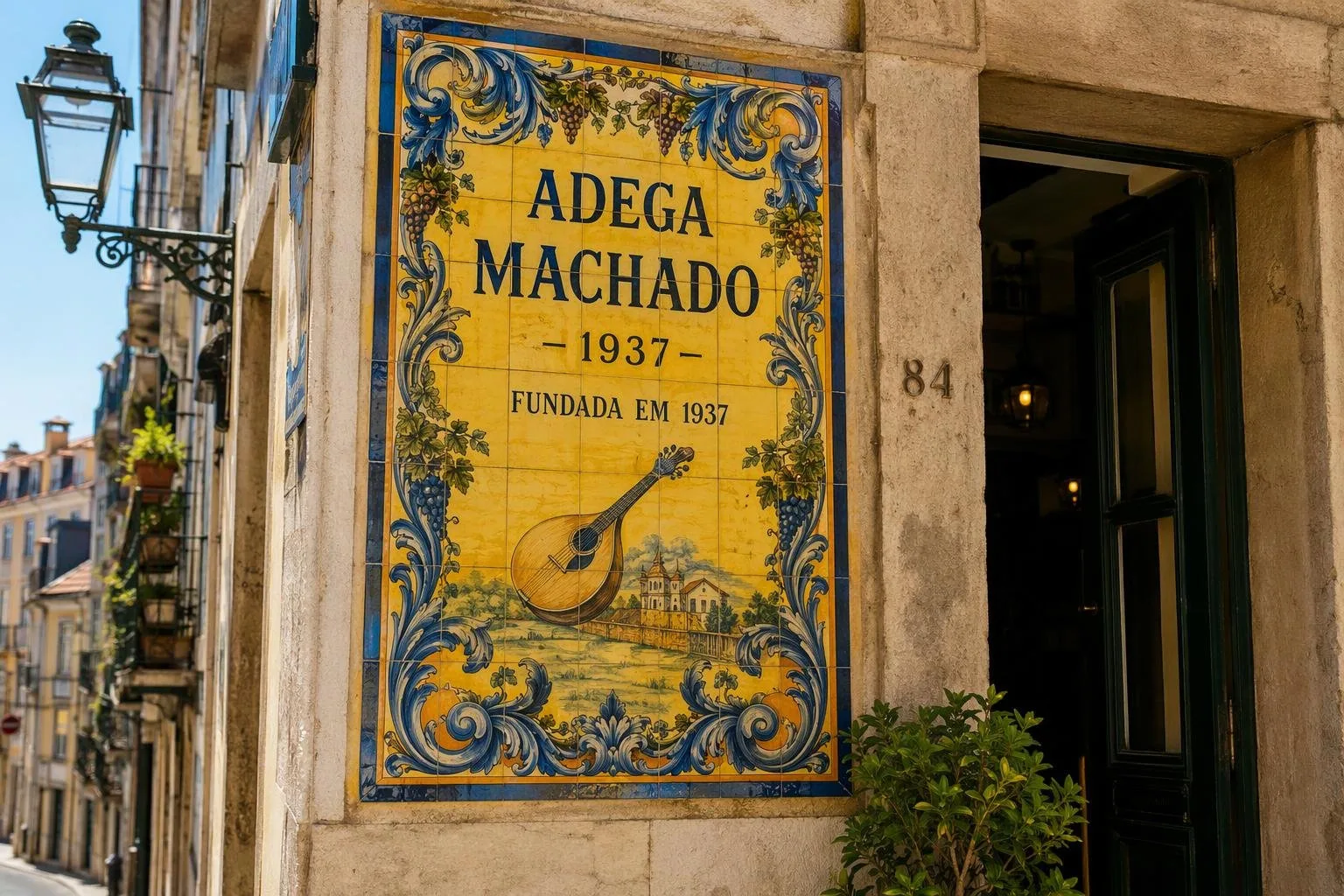
- Adega Machado: a fado house on Rua do Norte, founded in 1937. Its yellow 1937 tile panel by Thomaz de Mello is a sharp piece of street-level graphic design.
Fado and the evening shift
Bairro Alto changes use rather than closing down: daytime brings independent shops and quieter streets; evening brings restaurant tables, fado performances and dense bar traffic. For a formal fado dinner, Adega Machado presents music between courses. In any fado room, keep conversation and phone use to a minimum while singers perform.
The neighbourhood’s bar scene spills into narrow public streets. Choose a table or venue if you want a calmer evening; walking routes become slow and crowded later at night.
Get in and get around
Arrive on foot from Chiado, or use the Glória funicular from Restauradores to reach the eastern edge near São Pedro de Alcântara. The Bica funicular reaches the southern edge at Largo do Calhariz. Once inside, walk: the streets are short, narrow and often steep, making cars poor tools for exploration.
Wear shoes with grip for Portuguese stone paving, especially on slopes. Start in late afternoon for architecture and shops, then stay into the evening for fado or dinner. The neighbourhood itself has no admission charge; venues set their own entry, dining and performance terms.
From the magazine
Stories about Bairro Alto
Editorial stories linked directly to Bairro Alto.
No stories about Bairro Alto have been published yet.
Routes from our editors
Travel through Bairro Alto
Editorial routes connecting Bairro Alto with other countries, cities and hotspots.
No routes through Bairro Alto have been published yet.
More in Portugal
Related hotspots
Other cities, nature areas and places within Portugal.
Lisbon
8 linked stories and routes
Douro
4 linked stories and routes
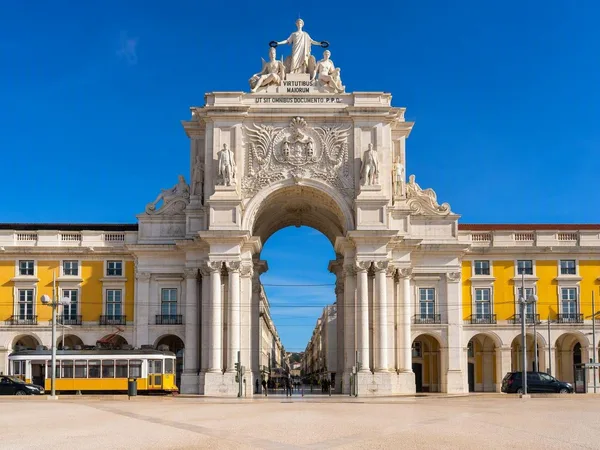
Baixa
3 linked stories and routes
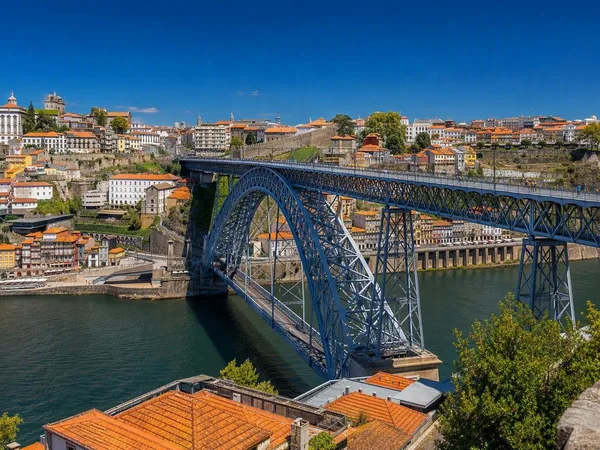
Porto
3 linked stories and routes
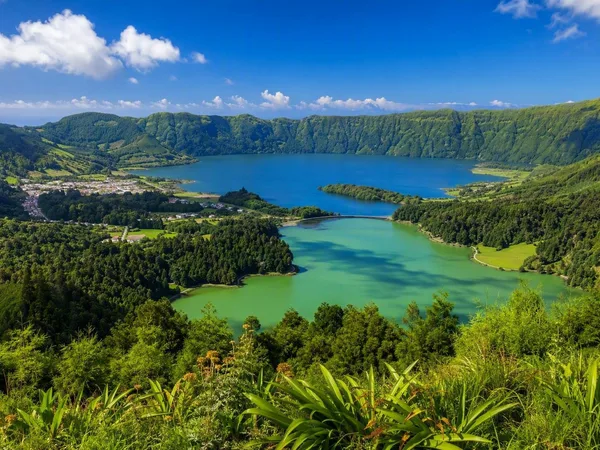
Azores
3 linked stories and routes
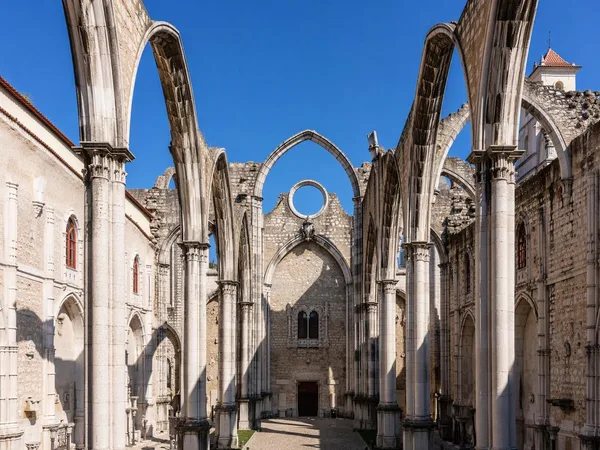
Chiado
2 linked stories and routes
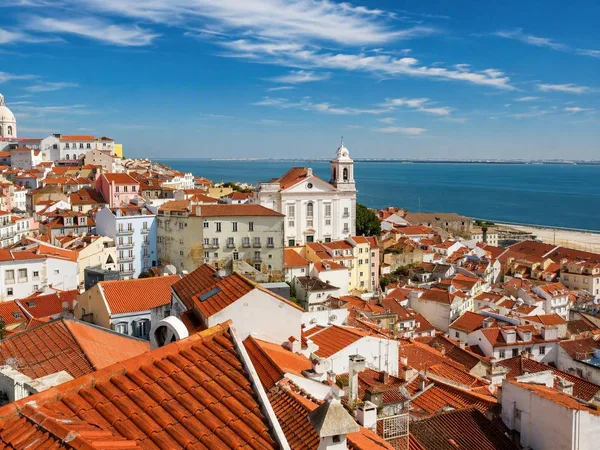
Alfama
1 linked stories and routes
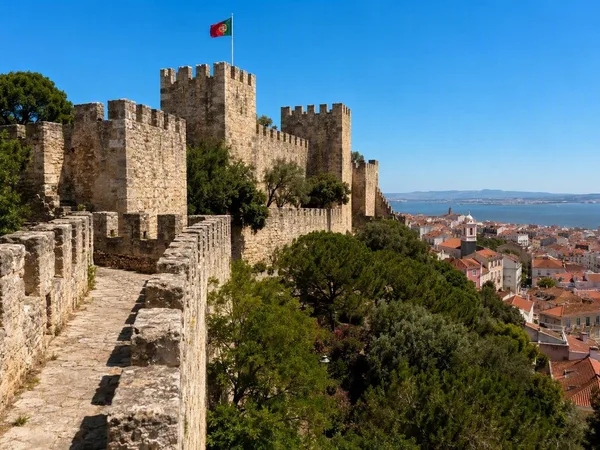
Castelo de São Jorge
1 linked stories and routes
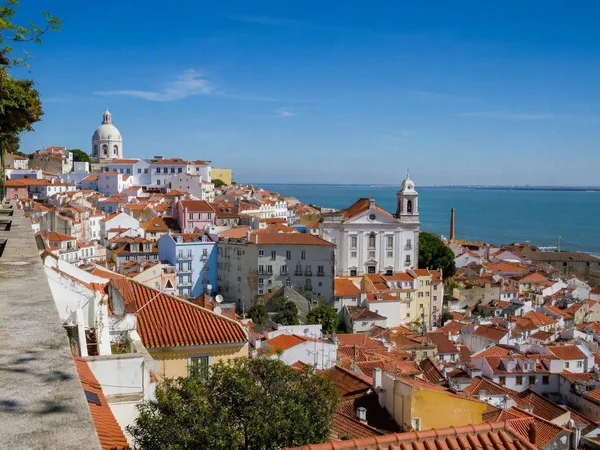
Miradouro das Portas do Sol
1 linked stories and routes
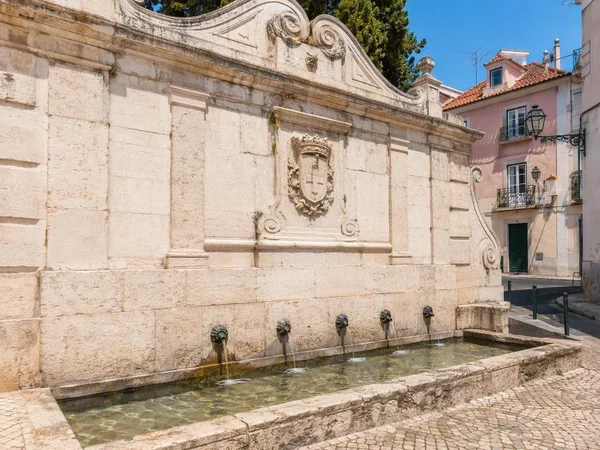
Largo do Chafariz de Dentro
1 linked stories and routes
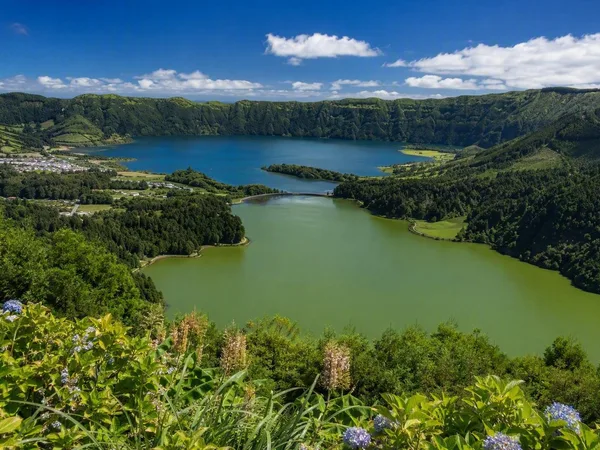
São Miguel
1 linked stories and routes
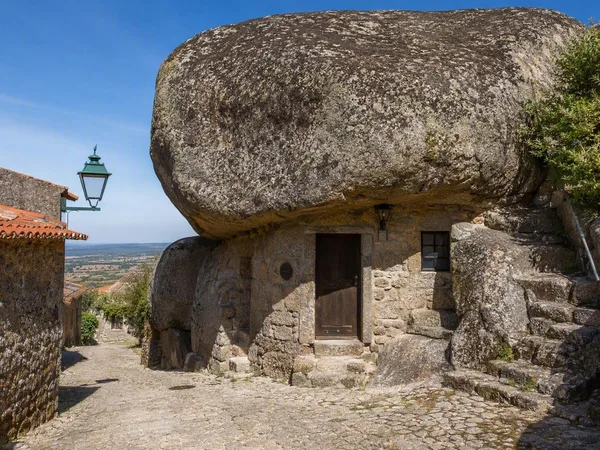
Monsanto
1 linked stories and routes
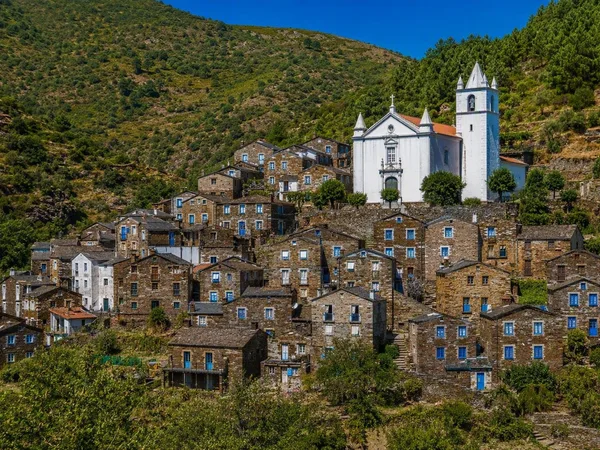
Piódão
1 linked stories and routes
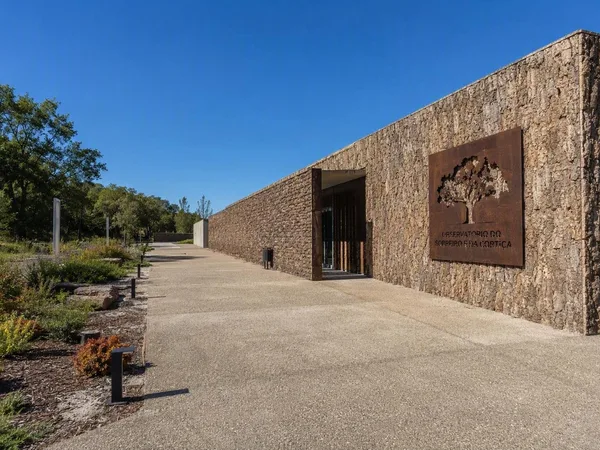
Coruche
1 linked stories and routes
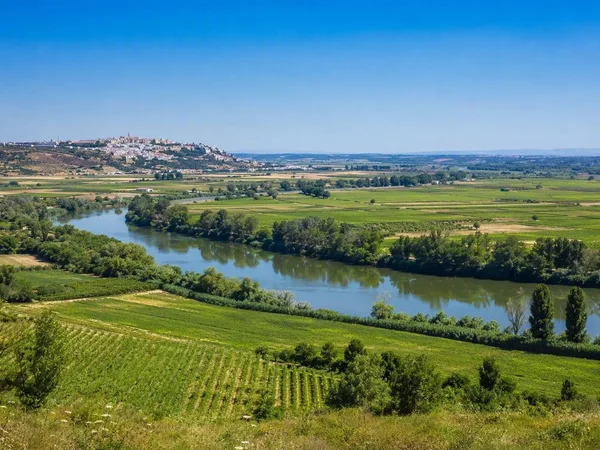
Ribatejo
1 linked stories and routes
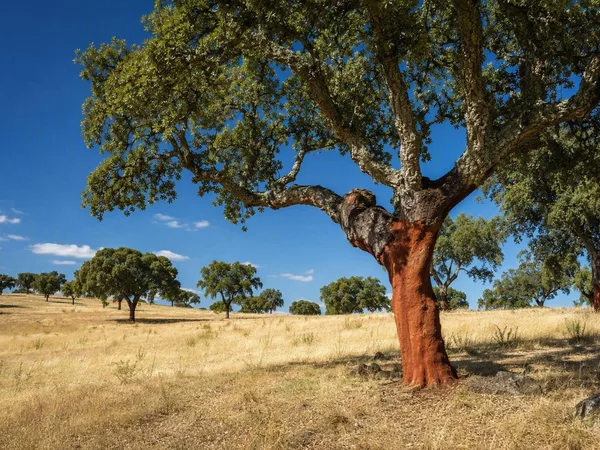
Alentejo
1 linked stories and routes
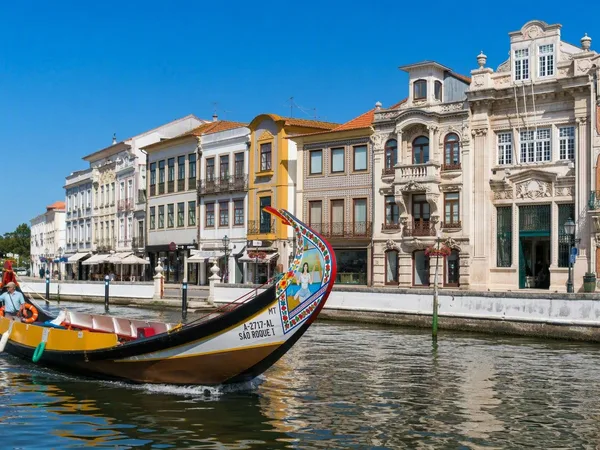
Aveiro
1 linked stories and routes
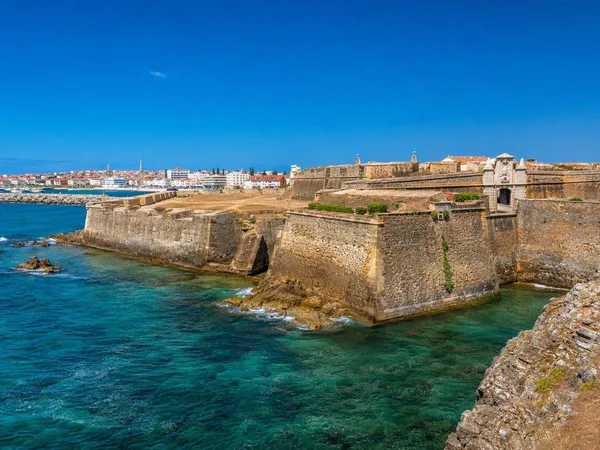
Peniche
1 linked stories and routes
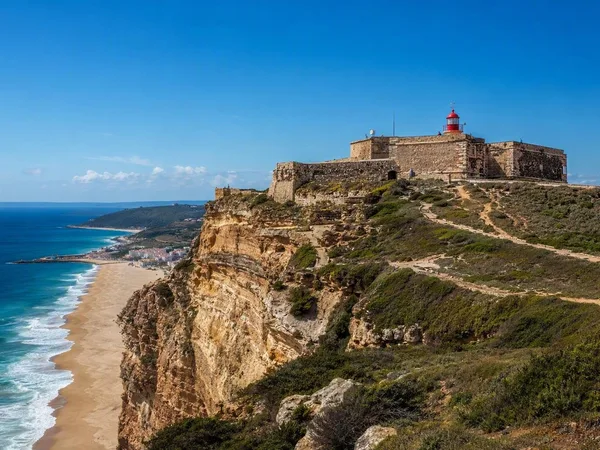
Nazaré
1 linked stories and routes
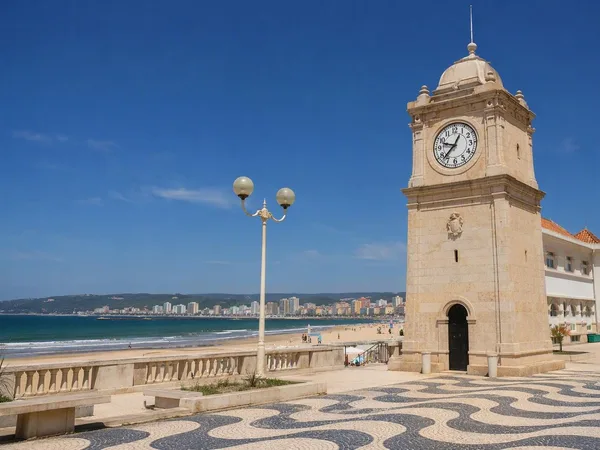
Figueira da Foz
1 linked stories and routes
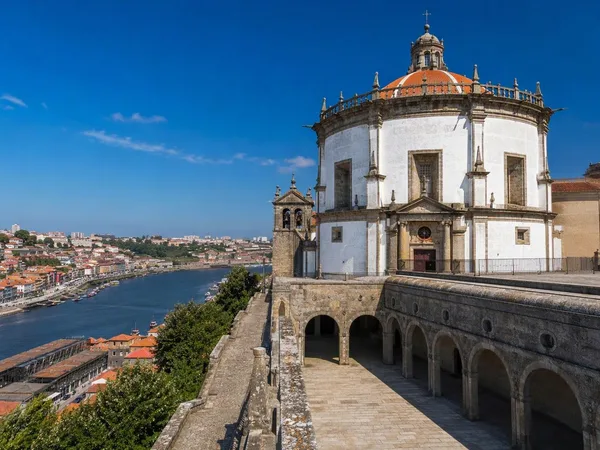
Vila Nova de Gaia
1 linked stories and routes
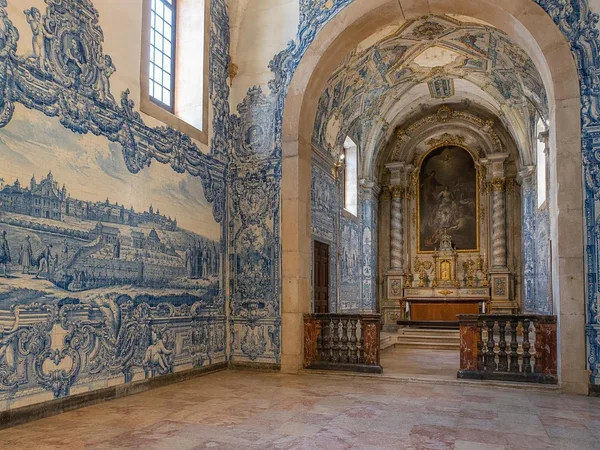
Museu Nacional do Azulejo
1 linked stories and routes
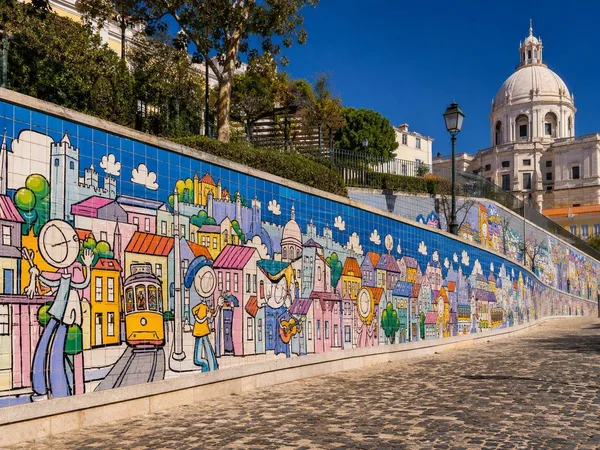
Santa Clara, Lisbon
1 linked stories and routes
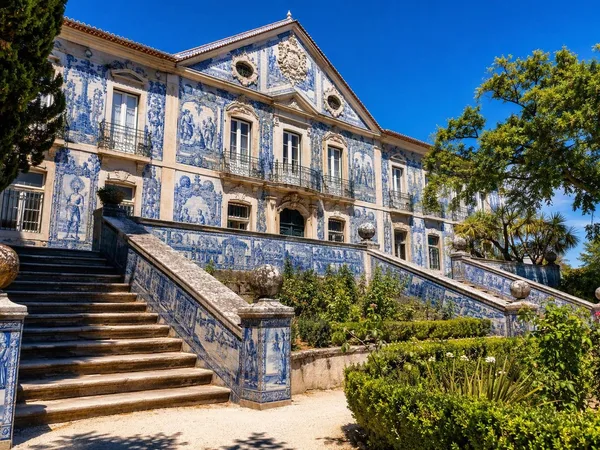
Marvila
1 linked stories and routes
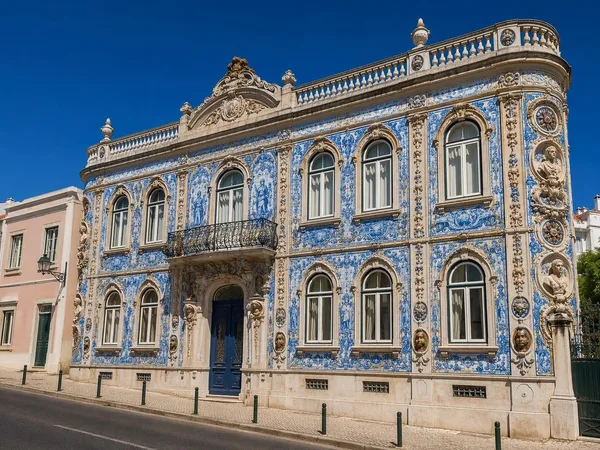
Lapa
1 linked stories and routes
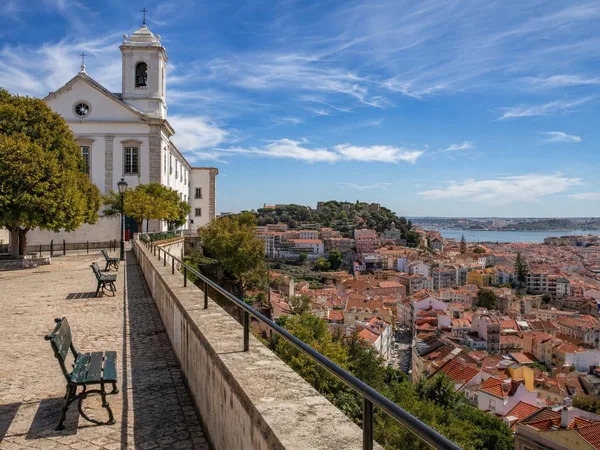
Graça, Lisbon
1 linked stories and routes
Santa Luzia
0 linked stories and routes