Montenegro

Adriatic towns beneath limestone peaks

Montenegro

In Montenegro, walled coastal towns, mountain villages and deep river canyons sit only a few hours apart.

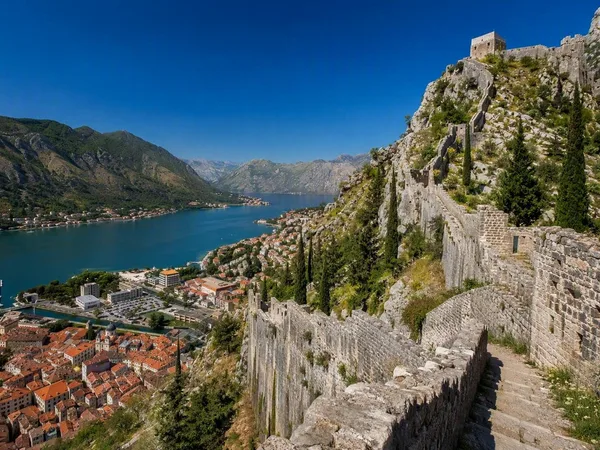
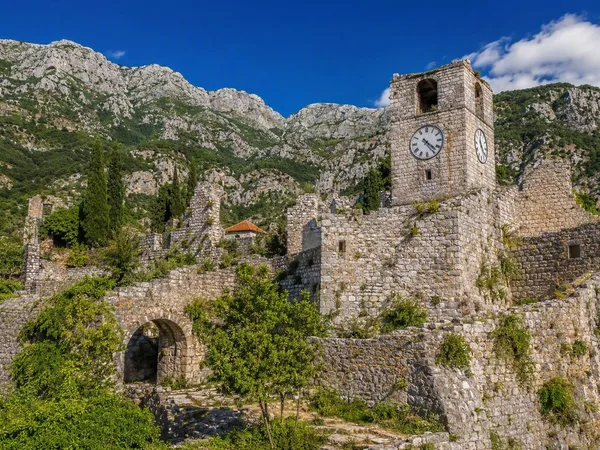
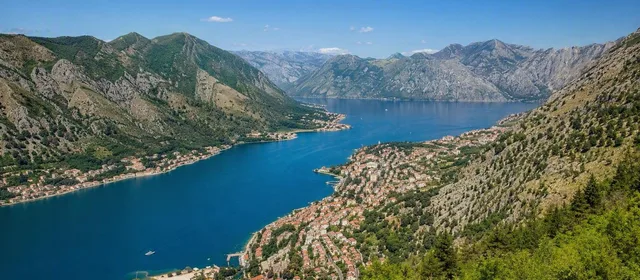
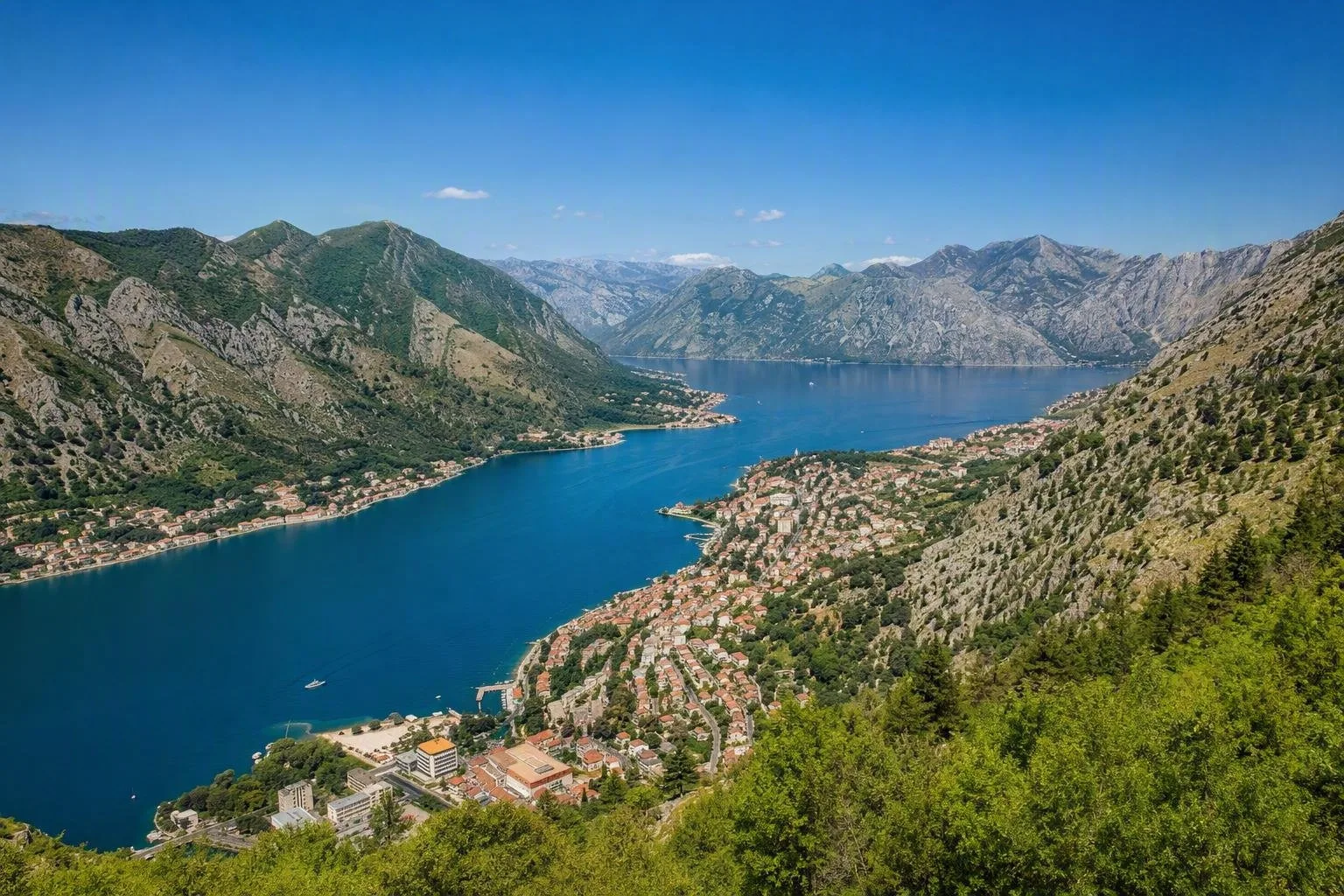
Montenegro packs a striking change of scenery into a small space. The Bay of Kotor curves below steep limestone slopes, with red-roofed towns, stone quays and church towers along the water. Kotor’s fortified lanes and Herceg Novi’s stepped streets show the coast’s Venetian past. Above them, the road to Lovćen climbs quickly from sea level into bare rock and high ground.

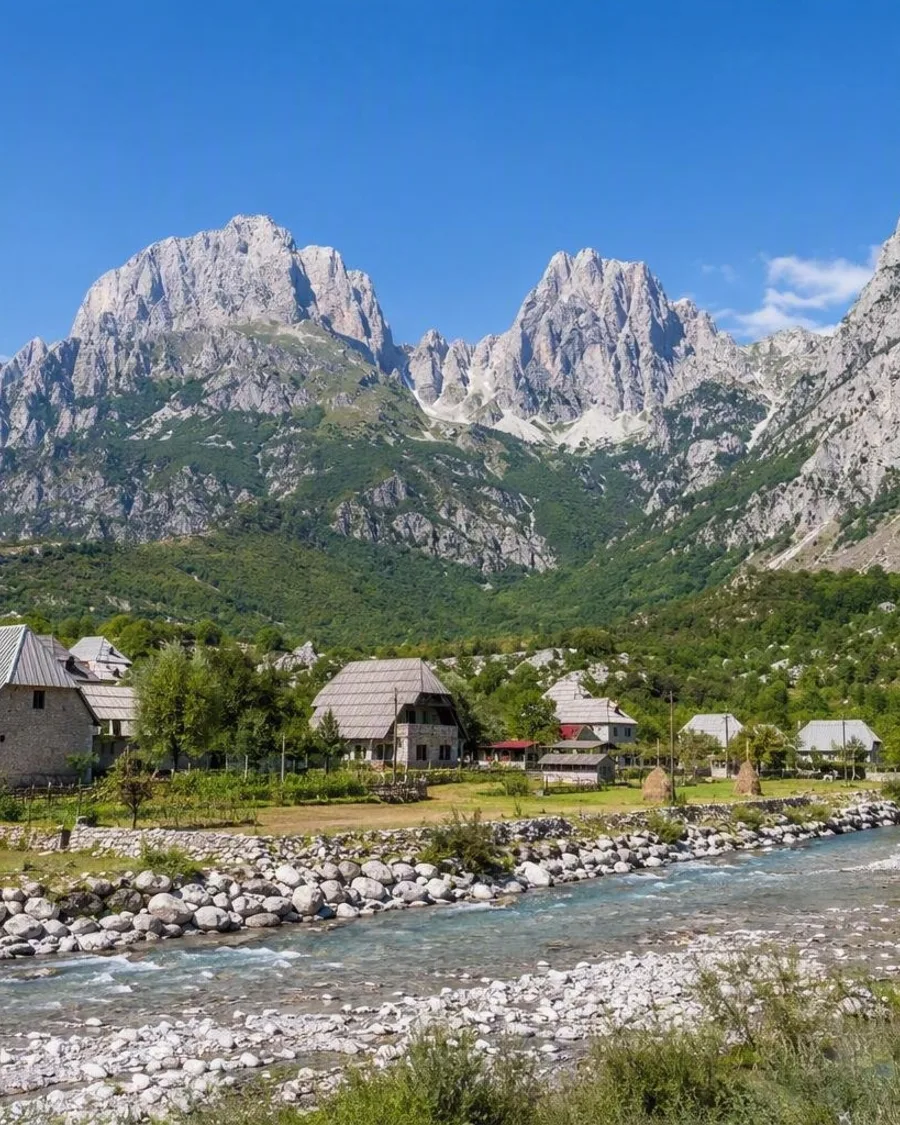
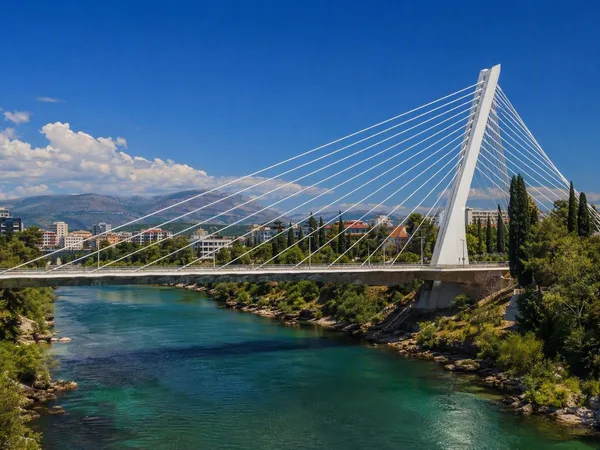
The interior looks and feels different. Cetinje holds former royal buildings and monasteries from Montenegro’s years as an independent principality and kingdom. Podgorica has broad streets, busy cafés and a mix of Ottoman, socialist and newer buildings. Further north, Durmitor’s high pastures and glacial lakes lie near the wooded Tara canyon.

Food changes with the landscape. Coastal kitchens cook fish with olive oil and herbs; inland tables serve smoked ham, lamb, beans and local cheeses. Fishing villages line the wetlands of Lake Skadar, where pelicans and other waterbirds gather. Leave time for an old-town walk, a roadside lunch and a mountain stop. Montenegro suits travellers who want the sea, stone towns and high country in the same trip.

When to go

Best time to travel

Monthly values are indicative average maximum temperatures for Podgorica. Conditions vary meaningfully between the Adriatic coast, the central lowlands and the cooler northern mountains. Monthly values are indicative average maximum temperatures for Podgorica. Conditions vary meaningfully between the Adriatic coast, the central lowlands and the cooler northern mountains.

jan10.4°C feb12.4°C mar16°C apr20.3°C may25.2°C jun29.3°C jul32.5°C aug32.7°C sep27.7°C oct22°C nov15.7°C dec11.3°C

Weather in the capital

Practical Montenegro

On every country page we show the current weather for the capital.

Podgorica
Morning20°Cclear
Afternoon29°Cclear
Evening24°Cpartly cloudy
today29°C / 18°Chigh and low

Current forecast by Open-Meteo

Visa and entry documents

Entry requirements depend on nationality, travel purpose and length of stay. Check the current details with the Ministry of Foreign Affairs, Montenegro before departure.

Getting around

Buses link the main towns and coastal resorts. Trains connect Bar, Podgorica and Nikšić, with a northern line towards Serbia. A car helps in mountain areas, while coastal roads carry heavy traffic in summer.

Paying in Montenegro

Montenegro uses the euro. Cards work in many towns and resorts, but cash helps with small cafés, markets, bus tickets and rural businesses. Larger settlements have ATMs.

Where to stay

The coast has hotels, apartments and guesthouses, with the highest demand in July and August. Durmitor and Prokletije have lodges, cabins and family-run stays; some only open for the warmer months.

Before you leave

Worth knowing

A practical starting point for your trip. Check current conditions and local information before you leave.

01

Calling code

Montenegro’s international calling code is +382.

02

Driving side

Traffic keeps right. Vehicles have the steering wheel on the left.

03

Languages in use

Montenegrin is the official language. Serbian, Bosnian, Albanian and Croatian are also in official use.

04

Writing systems

Montenegrin appears in both Latin and Cyrillic scripts. Latin script is common on tourism signs, in business and in everyday public use.

05

Tipping

In restaurants, people often leave around 5–10% when service is not included. Customers commonly round up taxi and café bills.

06

Meals and cafés

Lunch is often the main meal. On the coast, summer dinners often begin later in the evening. Cafés are a regular part of daily social life.

07

Opening hours

Shops usually open from morning until evening, Monday to Saturday. Restaurants often open later and may trade every day; resort schedules change with the season.

08

Intercity buses

Most intercity tickets are sold at bus stations. Some stations charge a small platform fee, and operators may charge separately for luggage.

09

Rail travel

Montenegro has a limited rail network centred on Podgorica. Services run to Bar and Nikšić, and north towards Serbia on the Belgrade route.

10

Bay of Kotor ferry

The Kamenari–Lepetane vehicle ferry crosses the Verige Strait and cuts the drive around the Bay of Kotor.

11

Measurements

Montenegro uses the metric system: kilometres, metres, litres and degrees Celsius.

12

Mobile connections

Mobile coverage is strong in towns and along main roads, but it can weaken in remote mountain areas. Shops and mobile operators sell local prepaid SIM cards.

Cities and hotspots

Places worth saving

From city to nature reserve: places with stories, facts and tips.