
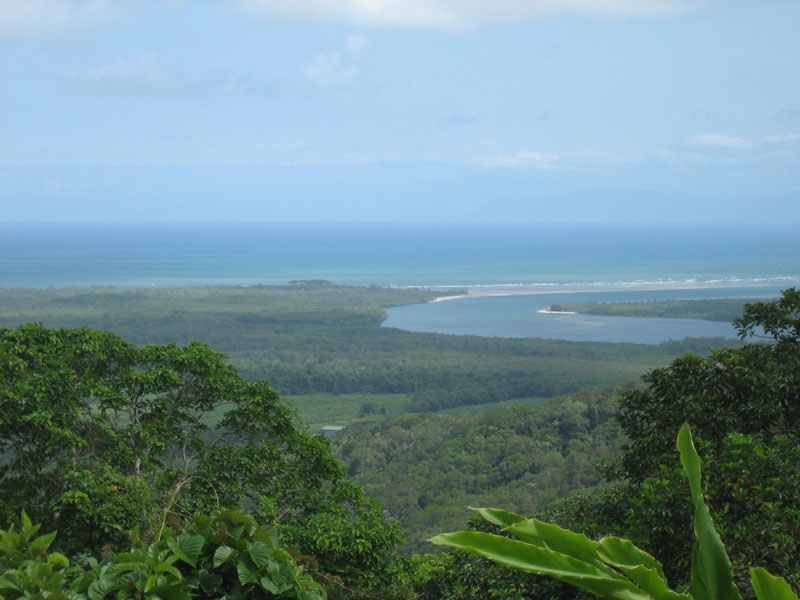
Mountain · Montenegro
Lovćen
Lovćen is Montenegro’s defining limestone mountain massif above Cetinje, Kotor and the Bay of Kotor. Its protected central highlands combine karst terrain, mountain roads and the Njegoš Mausoleum on Jezerski vrh.
The mountain at a glance
Lovćen rises sharply from Montenegro’s Adriatic hinterland and forms the high limestone backdrop to Kotor and Cetinje. Its highest summit is Štirovnik (1,749m); Jezerski vrh (1,657m) is the peak most visitors know, crowned by the mausoleum of Petar II Petrović-Njegoš.
The national park, established in 1952, protects the central and highest 6,220 hectares of the massif. Expect bare karst rock, wooded slopes, meadows and sudden changes between coastal and upland conditions.
Jezerski vrh and the mausoleum
The mausoleum is Lovćen’s essential cultural stop. It holds the tomb of Petar II Petrović-Njegoš, Montenegro’s 19th-century ruler, bishop and poet. A tunnel and 461 steps lead from the upper parking area to the monument.
Inside, the building uses dark stone, a large seated figure of Njegoš and a gold-mosaic ceiling. Continue to the circular viewing area behind it: on a clear day, the perspective reaches over the Bay of Kotor, the Adriatic and Montenegro’s interior.
This is an exposed high-altitude site. Bring a warm layer even when the coast is hot, and use shoes with grip for the stone steps and uneven ground.
Landscape and walking
Lovćen is a karst mountain rather than a single roadside viewpoint. Limestone fissures, hollows and rocky pasture define the higher ground, while forest and meadow occupy more sheltered areas. Ivanova Korita, within the park, is the practical base for short walks and for finding route information.
For a simple visit, combine the mausoleum with time outdoors around the plateau. More experienced walkers can use marked mountain routes, but should treat the terrain as proper upland country: routes cross exposed rock and weather can change rapidly.
Roads and approach
Most visitors arrive by car or organised transport from Cetinje or Kotor. The Cetinje side gives the more direct approach to the park plateau. From Kotor, the historic road climbs through the Lovćen serpentines towards Njeguši; its tight bends and narrow sections require patient, defensive driving.
Njeguši makes a useful break between the coast and the highlands. It is associated with the Petrović-Njegoš dynasty and with locally cured Njeguški pršut. Keep stops brief if you are driving the mountain roads in changeable weather.
Practical timing
Allow at least half a day for the mountain, mausoleum and roads; a full day works better when combining Lovćen with Cetinje or Kotor. Clear conditions matter more than the clock for long views. Snow and poor visibility can make higher roads and walking routes difficult, so plan the mountain portion for stable weather.
From the magazine
Stories about Lovćen
Editorial stories linked directly to Lovćen.
No stories about Lovćen have been published yet.
Routes from our editors
Travel through Lovćen
Editorial routes connecting Lovćen with other countries, cities and hotspots.
No routes through Lovćen have been published yet.
More in Montenegro
Related hotspots
Other cities, nature areas and places within Montenegro.
Podgorica
5 linked stories and routes
Cetinje
4 linked stories and routes
Kotor
2 linked stories and routes
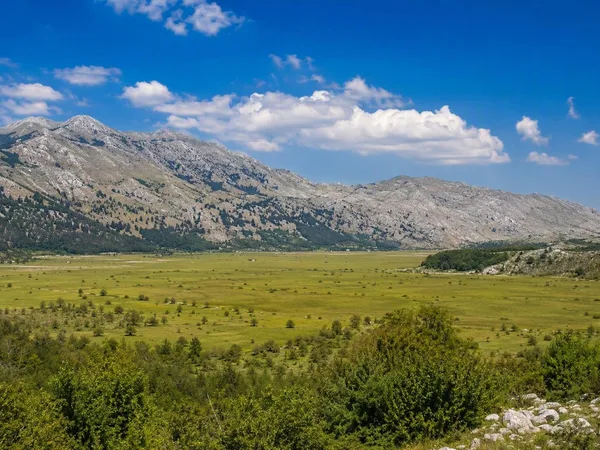
Cetinjsko polje
2 linked stories and routes
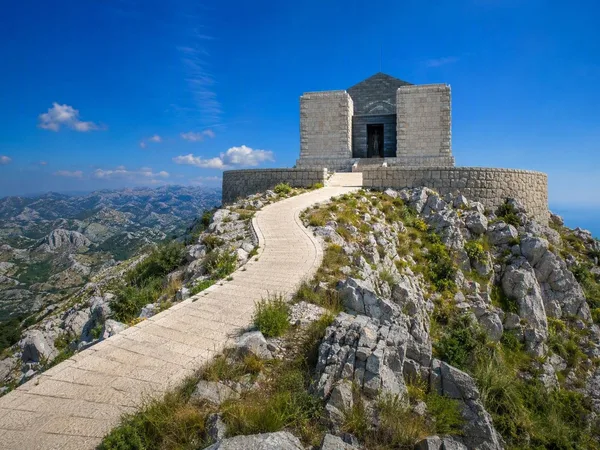
Jezerski vrh
1 linked stories and routes
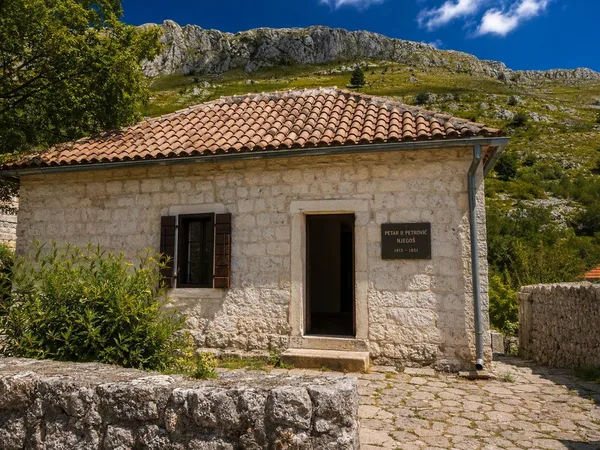
Njeguši
1 linked stories and routes
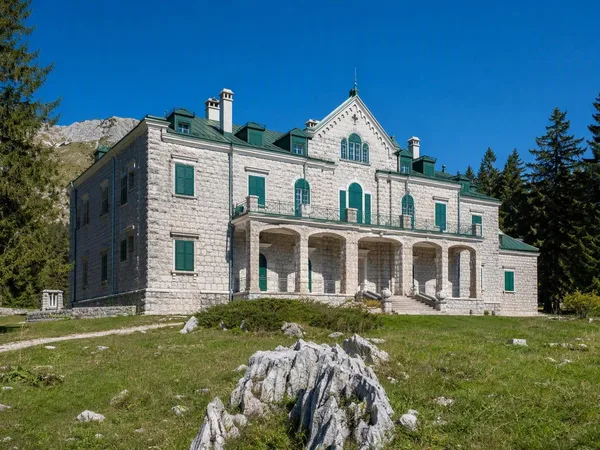
Ivanova Korita
1 linked stories and routes
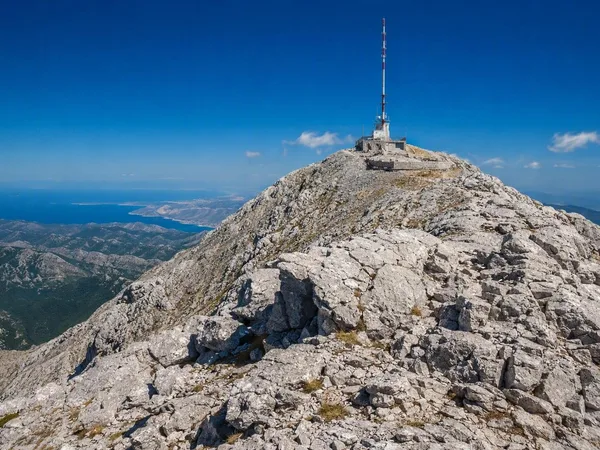
Štirovnik
1 linked stories and routes
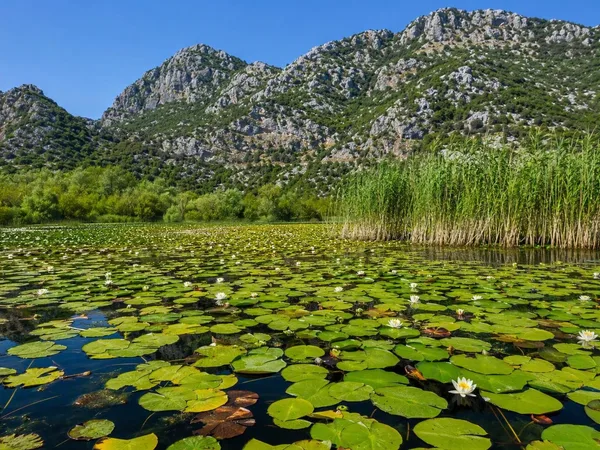
Skadar Lake
1 linked stories and routes
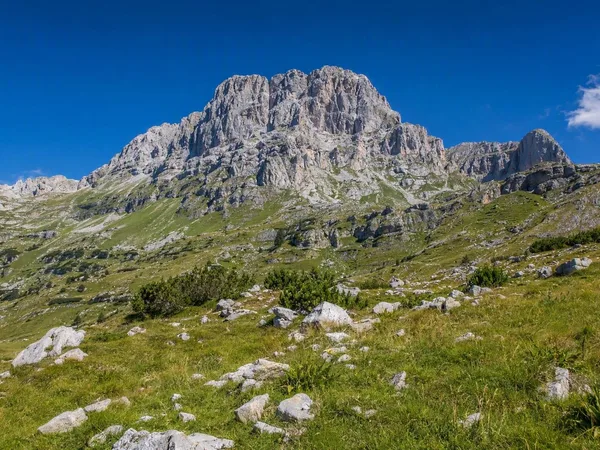
Durmitor Massif
1 linked stories and routes
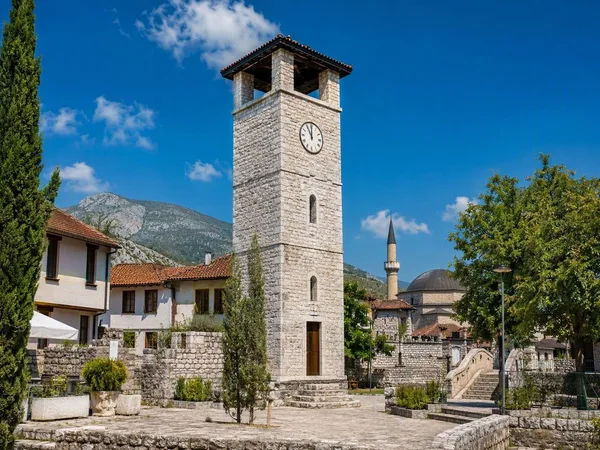
Stara Varoš, Podgorica
1 linked stories and routes
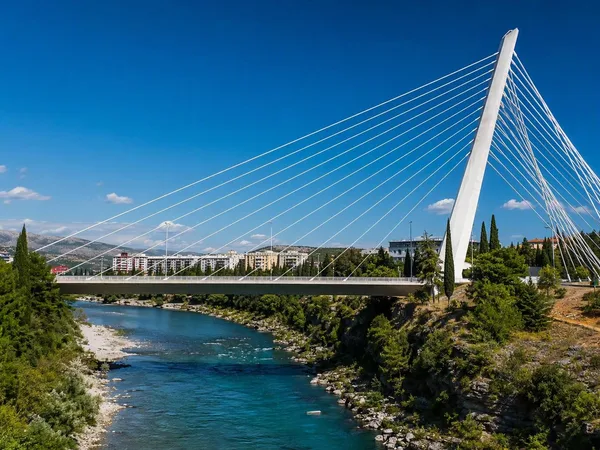
New Podgorica
1 linked stories and routes
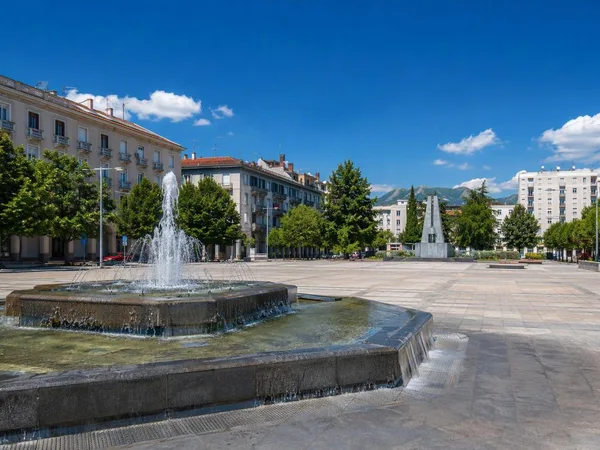
Nova Varoš, Podgorica
1 linked stories and routes
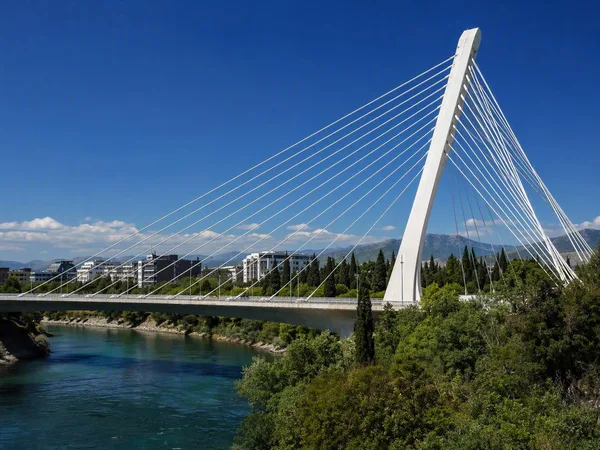
Millennium Bridge
1 linked stories and routes
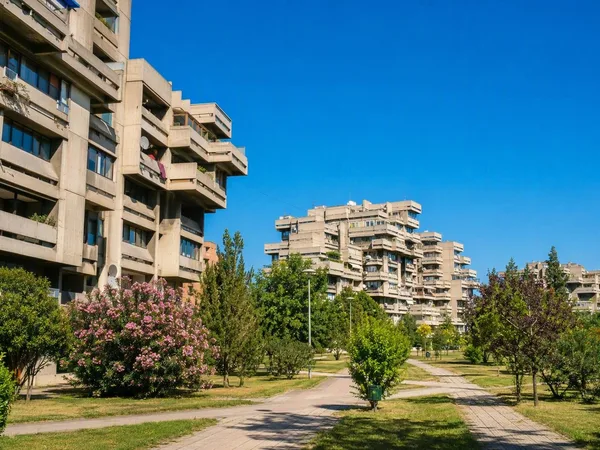
Blok 5
1 linked stories and routes
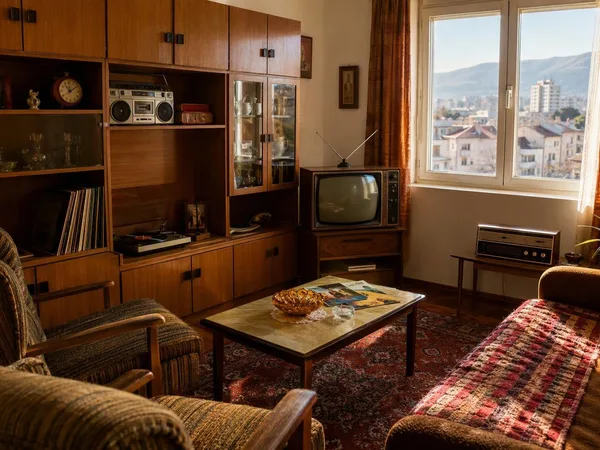
Titograd 80s Museum
1 linked stories and routes
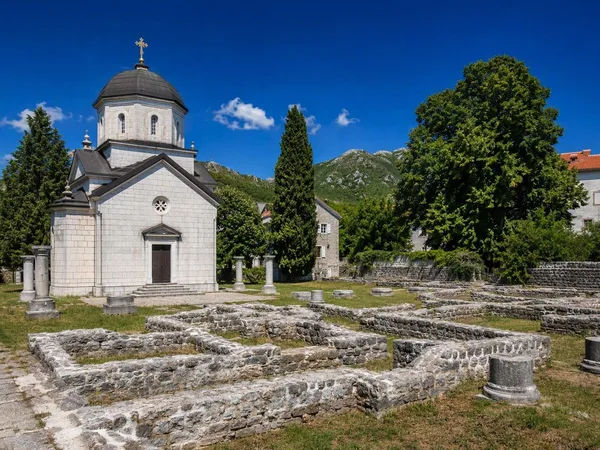
Ćipur, Cetinje
1 linked stories and routes
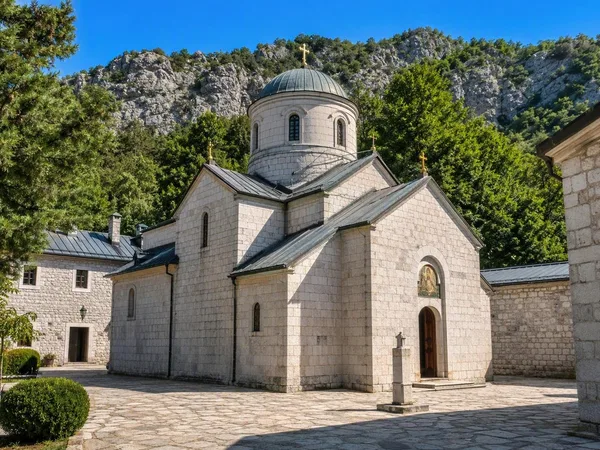
Cetinje Monastery
1 linked stories and routes
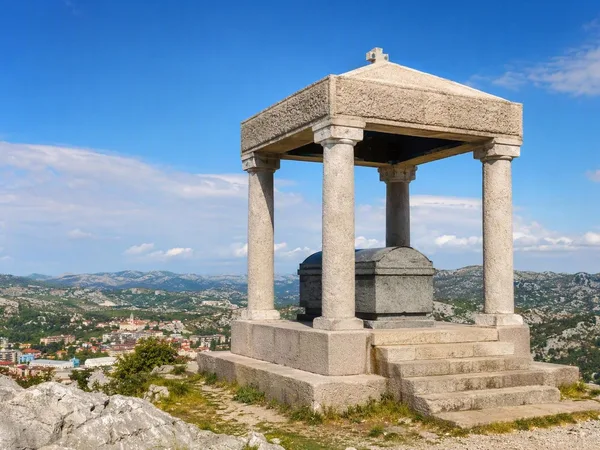
Orlov krš
1 linked stories and routes
Bar
0 linked stories and routes