
Neighbourhood · Montenegro
Blok 5
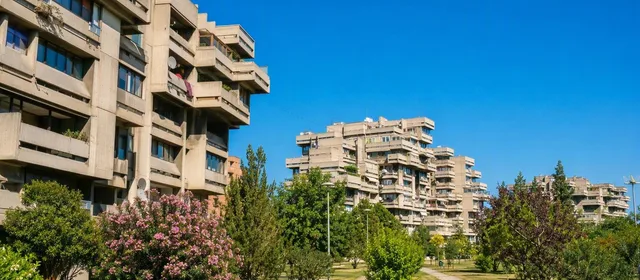
Blok 5 is a late-socialist residential neighbourhood in western Podgorica, Montenegro. Built from 1977 to 1984, its bold concrete housing, green gaps and pedestrian routes make it a defining piece of the city once known as Titograd.
Orientation
Blok 5 lies in western Podgorica, bounded by Bulevar Mihajla Lalića, Bulevar Džordža Vašingtona, Dalmatinska Street and Meše Selimovića Street. It is a working residential district, not a museum: come to read its street plan and architecture at walking pace.
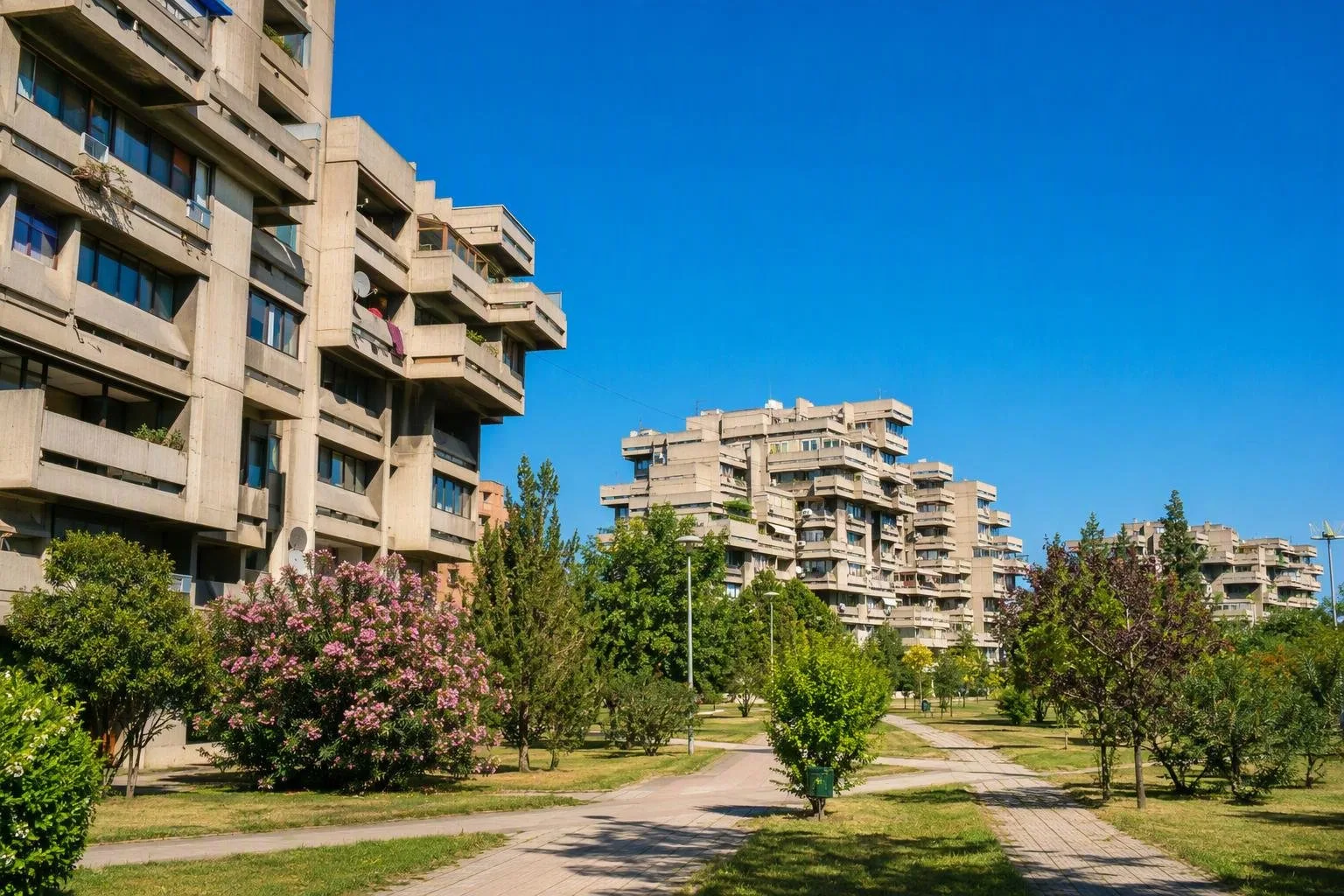
The quarter was planned as part of Podgorica’s expansion across the Morača. Its 13 residential buildings—slabs, towers and lower service structures—stand apart rather than forming a continuous street wall. That spacing is the point: it leaves room for trees, paths and everyday neighbourhood life.
Why it matters
Construction began in 1977 and was completed by 1984. Urban planner Vukota “Tupa” Vukotić devised the plan, while Mileta Bojović created the architectural design. With about 1,800 apartments, Blok 5 was the capital’s largest housing project of its day.
It is a substantial example of Yugoslav self-managed mass housing. The project paired homes with local functions: shops, schools, kindergartens and health services. Public space was designed as infrastructure, not leftover land.
Reading the architecture
Start at the boulevard edge, then turn into the internal footpaths. Look for:
- Offset volumes: the buildings are arranged to appear in motion rather than as repeated parallel blocks.
- Deep concrete projections: balconies and extended façades give the buildings their strong horizontal shadows.
- Low communal buildings: these anchor daily services beneath the taller housing.
- Resident alterations: enclosed balconies and additions show how a planned housing system has changed through use.
The experience is strongest from ground level. Walk between buildings rather than trying to understand the district from a single roadside viewpoint.
How to visit
Reach Blok 5 on foot or by city transport from central Podgorica; its boulevard edges make it easy to locate. Dalmatinska Street leads toward the interior, while the main boulevards define the perimeter.
Allow 45–60 minutes for an unhurried circuit. Daylight is best for seeing the façade relief and the relationship between towers, greenery and paths. This is private residential space: stay on public routes, keep noise down and do not enter apartment buildings or enclosed courtyards.
What to combine it with
Blok 5 works well as one stop in a walk through Podgorica’s post-war cityscape. The contrast is clearest when you approach from the denser central districts: here, traffic remains on the edges and the interior opens into a loose network of pedestrian space.
From the magazine
Stories about Blok 5
Editorial stories linked directly to Blok 5.
No stories about Blok 5 have been published yet.
Routes from our editors
Travel through Blok 5
Editorial routes connecting Blok 5 with other countries, cities and hotspots.
No routes through Blok 5 have been published yet.
More in Montenegro
Related hotspots
Other cities, nature areas and places within Montenegro.
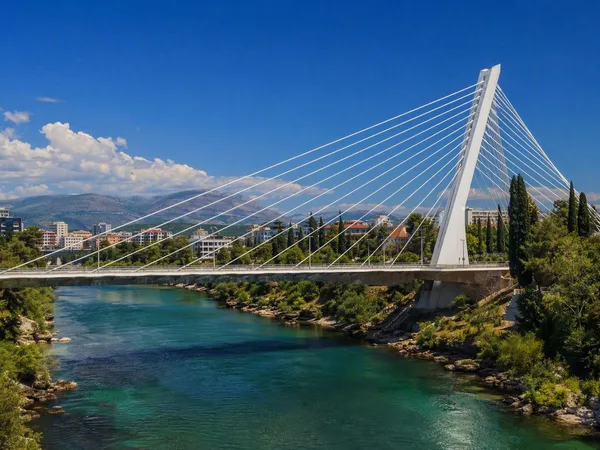
Podgorica
5 linked stories and routes
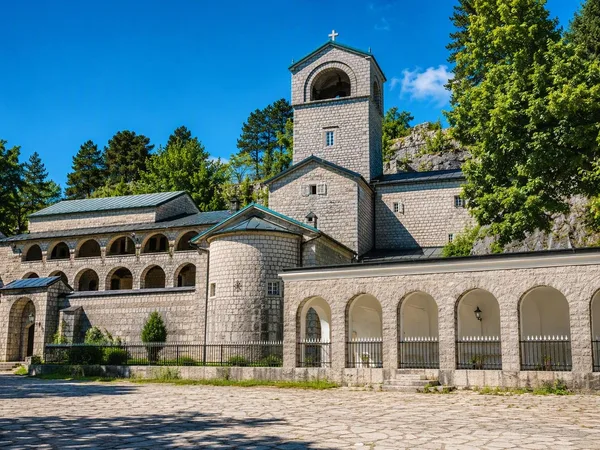
Cetinje
4 linked stories and routes
Lovćen
4 linked stories and routes
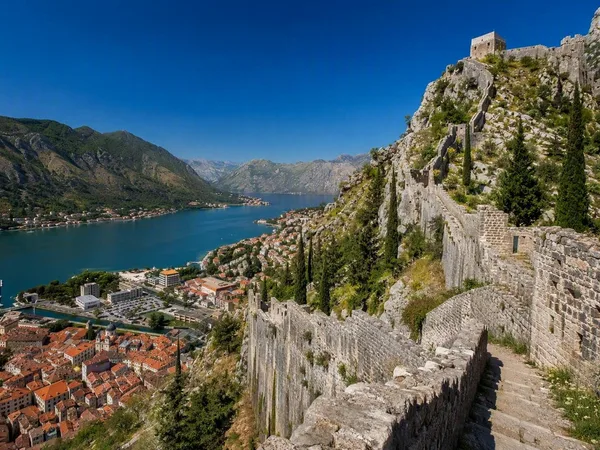
Kotor
2 linked stories and routes
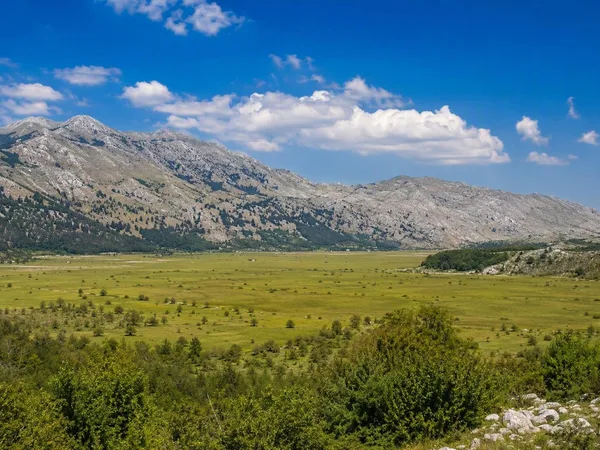
Cetinjsko polje
2 linked stories and routes
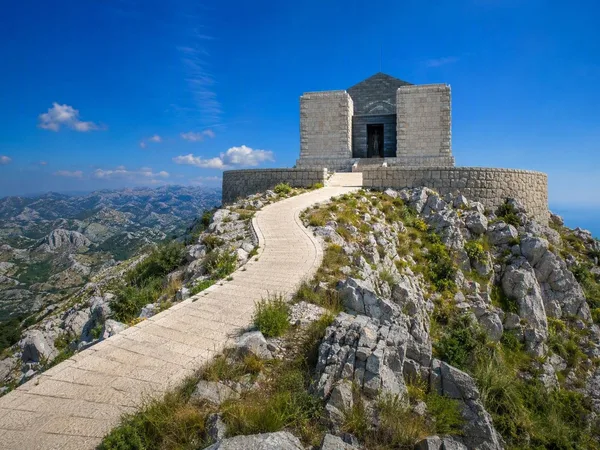
Jezerski vrh
1 linked stories and routes
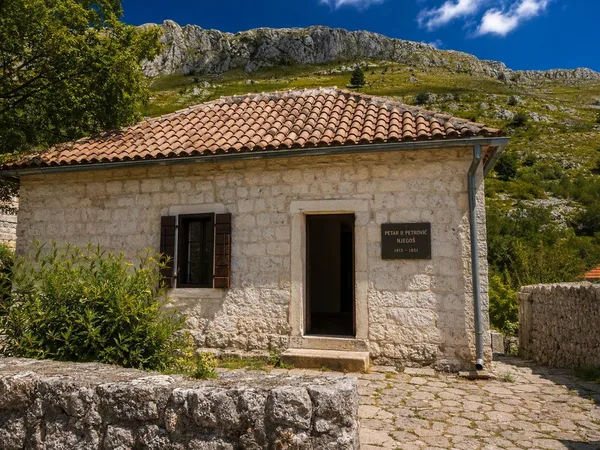
Njeguši
1 linked stories and routes
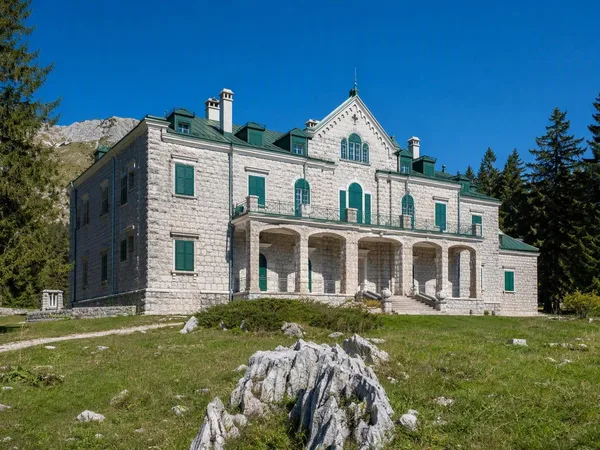
Ivanova Korita
1 linked stories and routes
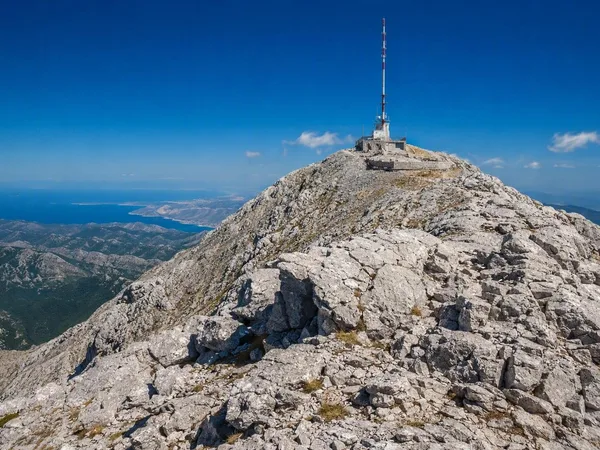
Štirovnik
1 linked stories and routes
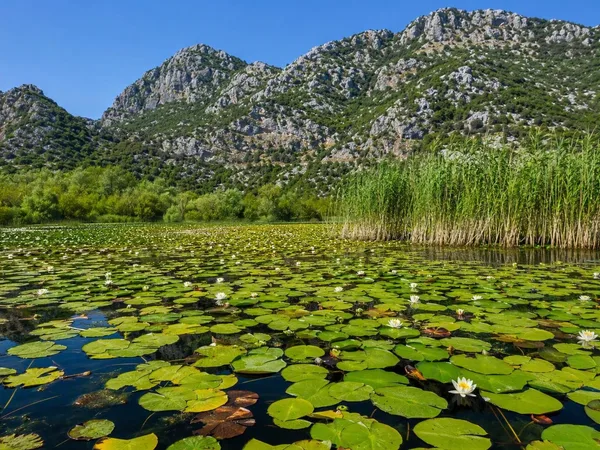
Skadar Lake
1 linked stories and routes
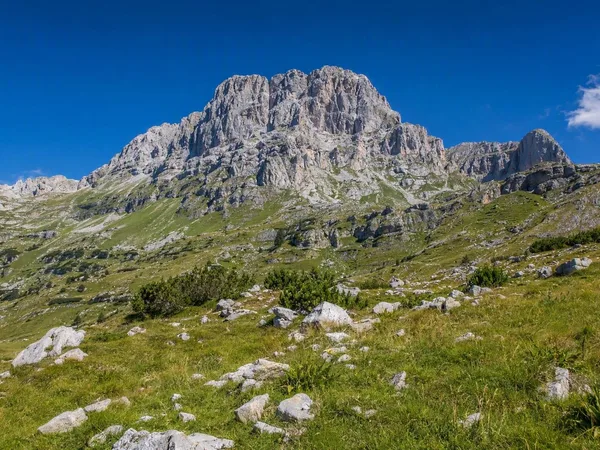
Durmitor Massif
1 linked stories and routes
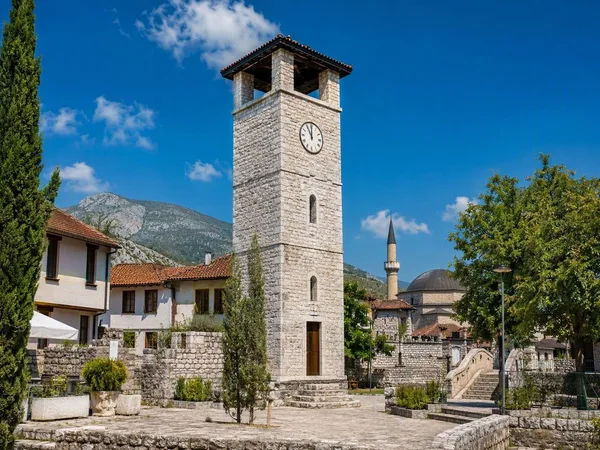
Stara Varoš, Podgorica
1 linked stories and routes
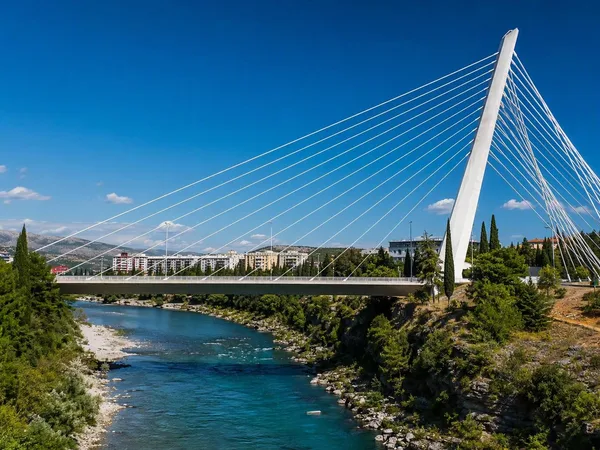
New Podgorica
1 linked stories and routes
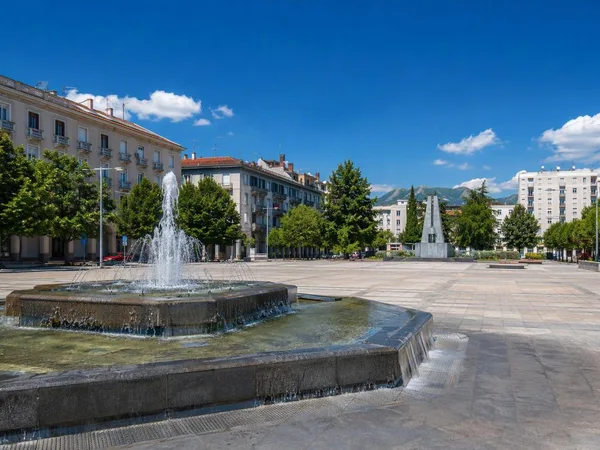
Nova Varoš, Podgorica
1 linked stories and routes
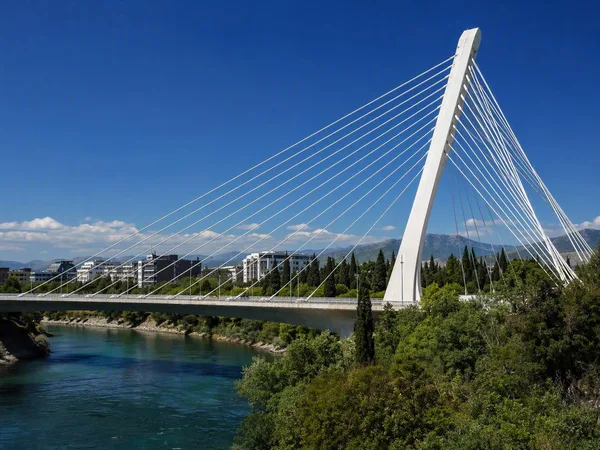
Millennium Bridge
1 linked stories and routes
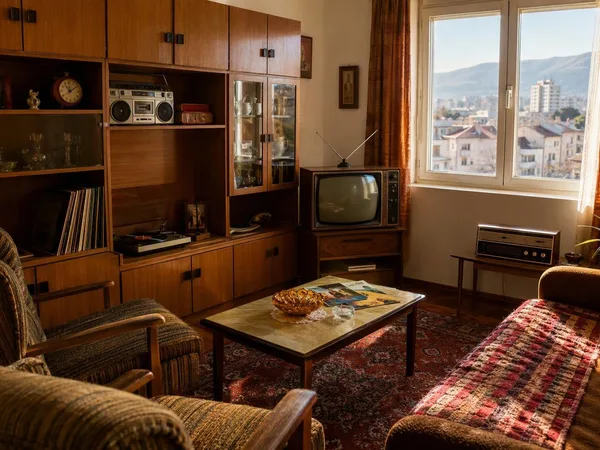
Titograd 80s Museum
1 linked stories and routes
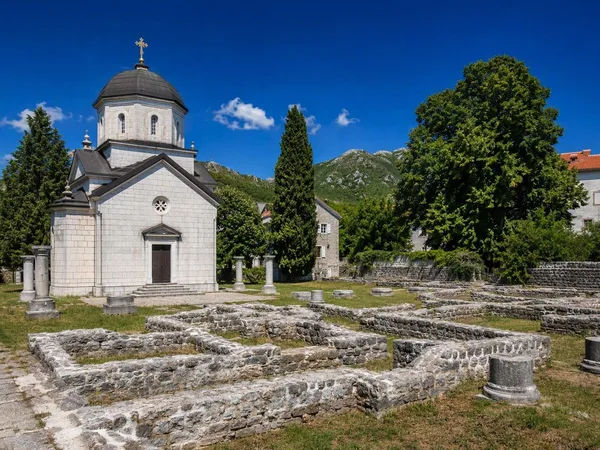
Ćipur, Cetinje
1 linked stories and routes
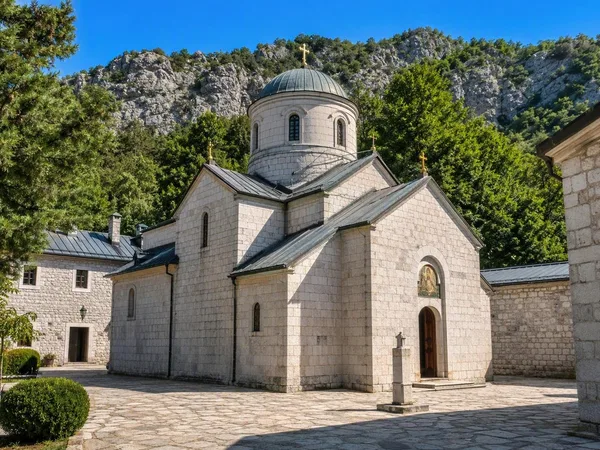
Cetinje Monastery
1 linked stories and routes
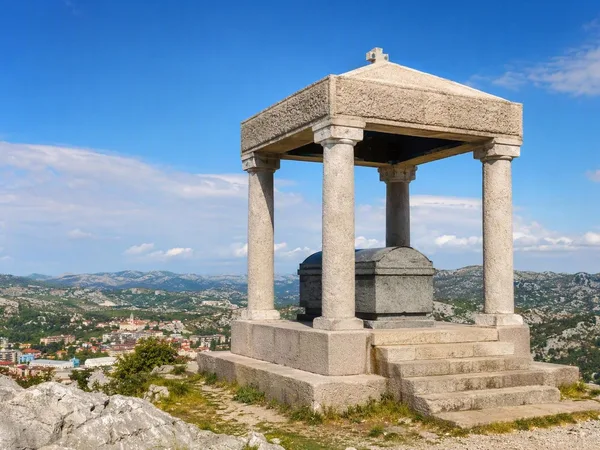
Orlov krš
1 linked stories and routes
Bar
0 linked stories and routes