
Sight · Montenegro
Cetinje Monastery
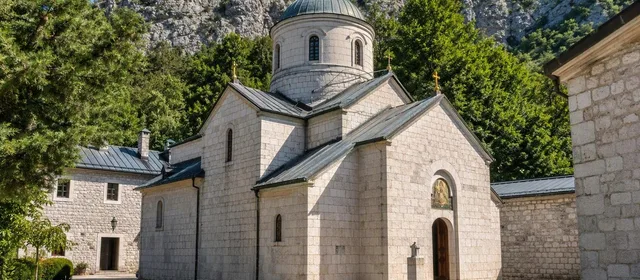
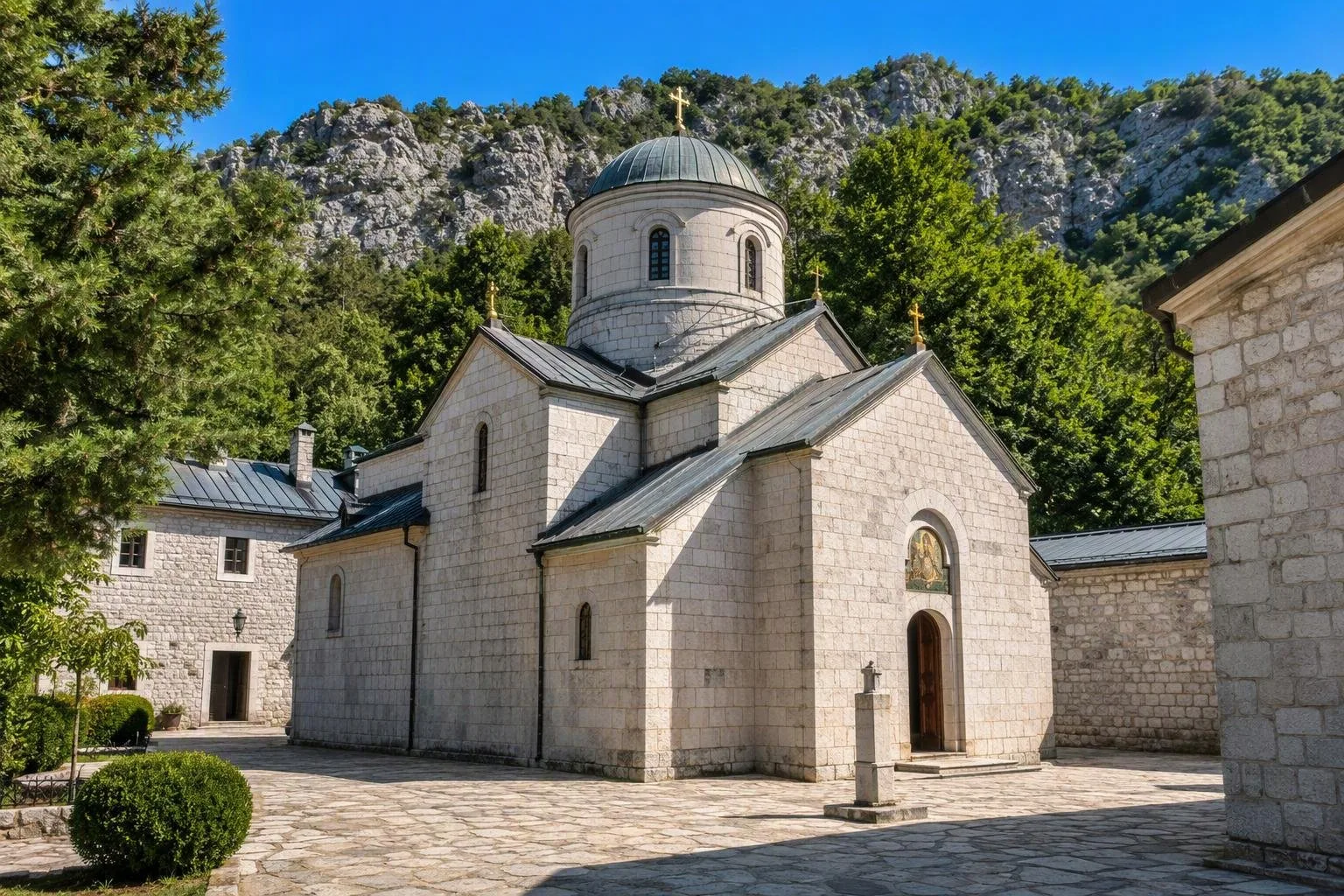
Cetinje Monastery is an active Orthodox monastery at the foot of Orlov Krš in Cetinje, Montenegro’s old royal capital. Founded in the late 15th century and rebuilt after destruction, it remains a major place of worship and a compact record of Montenegrin history.
Why it matters
Cetinje Monastery was founded by Ivan Crnojević around 1484 as the ecclesiastical centre of Zeta. The original complex stood at Ćipur nearby and was destroyed in 1692. Metropolitan Danilo Petrović-Njegoš rebuilt the monastery between 1701 and 1704 on the site of Crnojević’s former court, incorporating stone from the earlier foundation.
The present complex is not grand in scale. Its importance lies in its role as a working monastery and historic religious seat in the old capital. Look above the church entrance for Ivan Crnojević’s founder’s inscription, transferred from the original monastery.
The church and relics
The core is the Church of the Nativity of the Virgin Mary, a modest stone church with a 19th-century iconostasis by Greek craftsmen. In the southern choir is the shrine of Saint Peter of Cetinje. The monastery also keeps the right hand of Saint John the Baptist and a fragment of the Holy Cross; these are objects of Orthodox veneration, not museum displays.
Near the entrance are the graves of Prince Danilo and Duke Mirko Petrović. The small scale rewards a slow circuit of the church, courtyard and stone buildings rather than a rushed tick-box visit.
Treasury and printed heritage
The treasury occupies the Njegoš Konak, once the metropolitan residence. Its holdings include manuscripts, old printed books and liturgical objects. Of particular historical weight are books associated with the Crnojević press, active in the late 15th century and responsible for early Cyrillic printing in the South Slavic lands.
Treasury access is principally arranged for groups in the morning. Do not assume that it is open for a walk-in visit.
Visiting well
The church and grounds are listed as open daily from 08:00 to 18:00, with free entry. Allow 30–45 minutes for the church and courtyard; add time only if treasury access has been arranged.
- Dress: Cover shoulders and knees. Women are asked to wear a headscarf in the church.
- Conduct: This is an active sacred site. Keep voices low and do not enter closed areas.
- Photography: Photograph the exterior and courtyard only; do not photograph inside the church or around the relics.
- Access: The courtyard is comparatively straightforward, but the church interior has steps and narrow passages.
The monastery stands in Cetinje’s compact historic centre, a short walk from the former royal and diplomatic quarter. Orlov Krš rises directly above it; the short climb to its viewpoint is separate from the monastery visit.
From the magazine
Stories about Cetinje Monastery
Editorial stories linked directly to Cetinje Monastery.
No stories about Cetinje Monastery have been published yet.
Routes from our editors
Travel through Cetinje Monastery
Editorial routes connecting Cetinje Monastery with other countries, cities and hotspots.
No routes through Cetinje Monastery have been published yet.
More in Montenegro
Related hotspots
Other cities, nature areas and places within Montenegro.
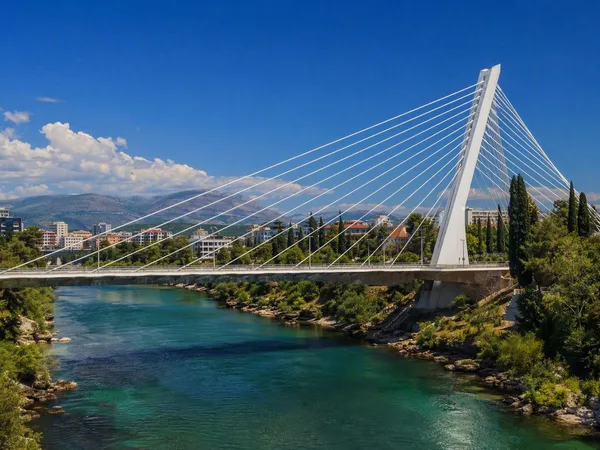
Podgorica
5 linked stories and routes
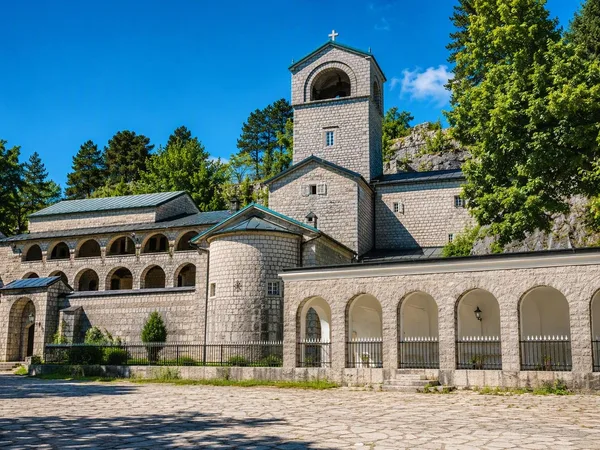
Cetinje
4 linked stories and routes
Lovćen
4 linked stories and routes
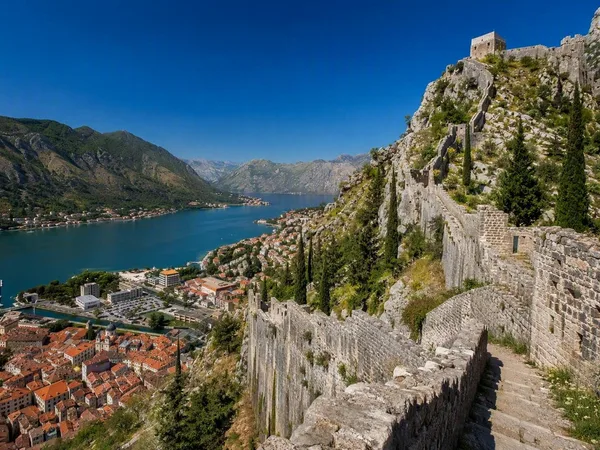
Kotor
2 linked stories and routes
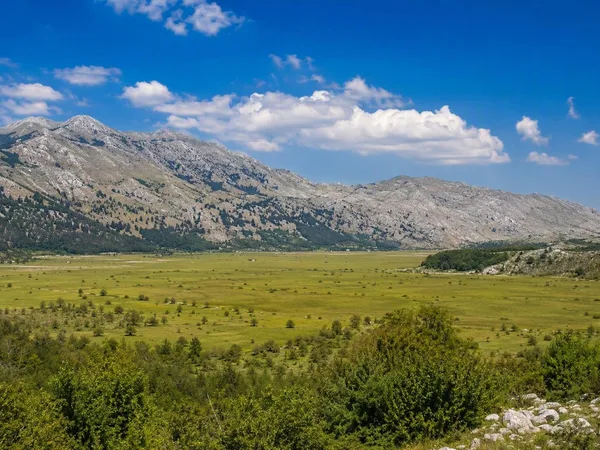
Cetinjsko polje
2 linked stories and routes
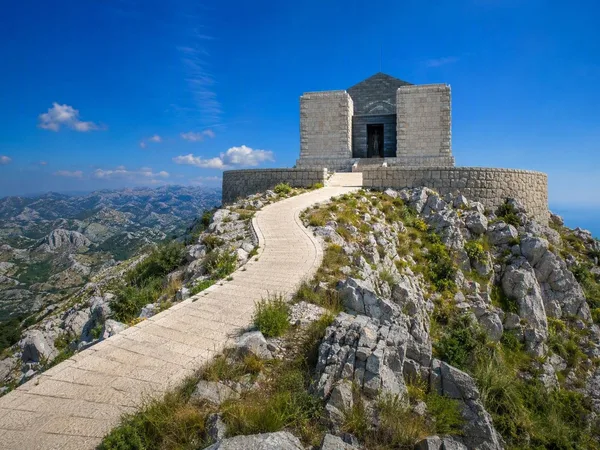
Jezerski vrh
1 linked stories and routes
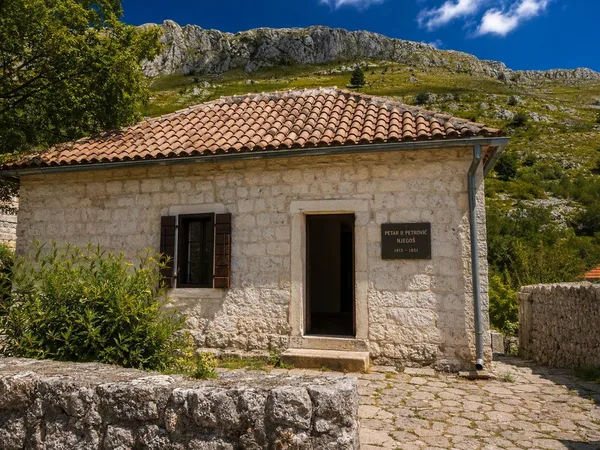
Njeguši
1 linked stories and routes
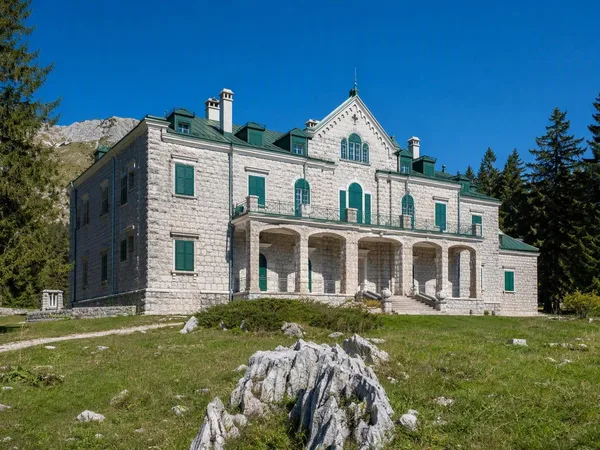
Ivanova Korita
1 linked stories and routes
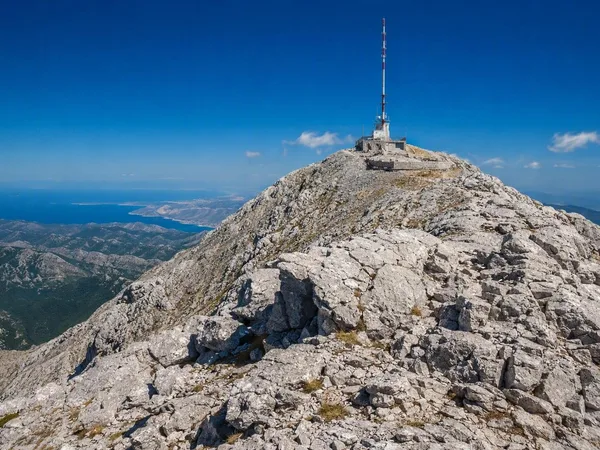
Štirovnik
1 linked stories and routes
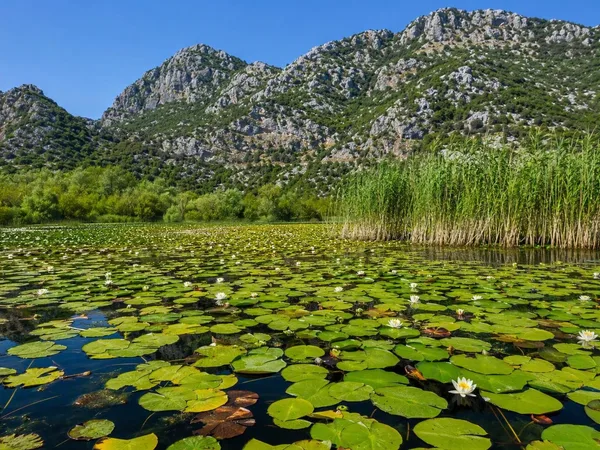
Skadar Lake
1 linked stories and routes
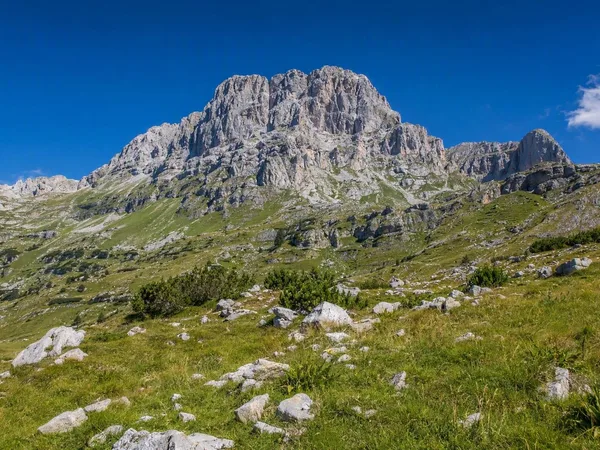
Durmitor Massif
1 linked stories and routes
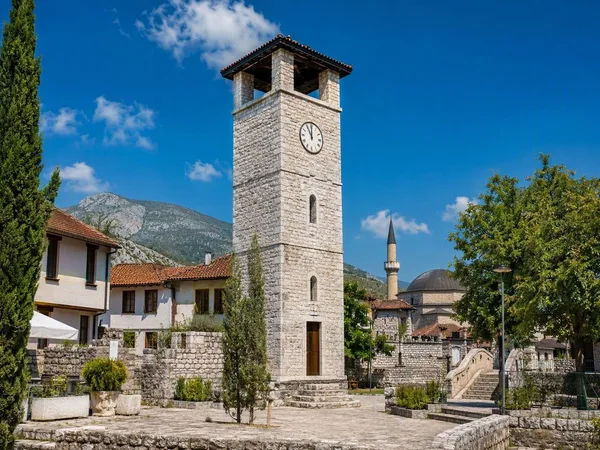
Stara Varoš, Podgorica
1 linked stories and routes
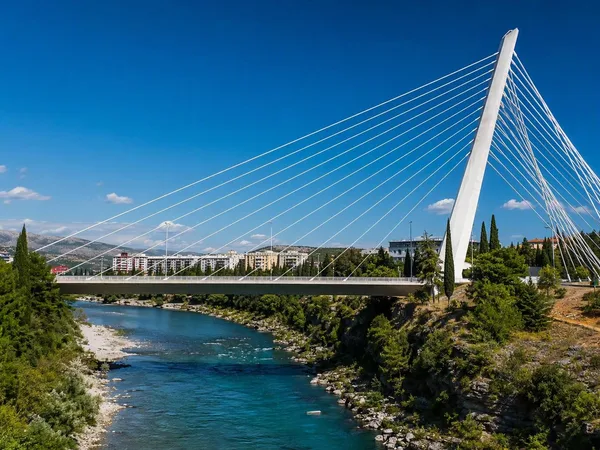
New Podgorica
1 linked stories and routes
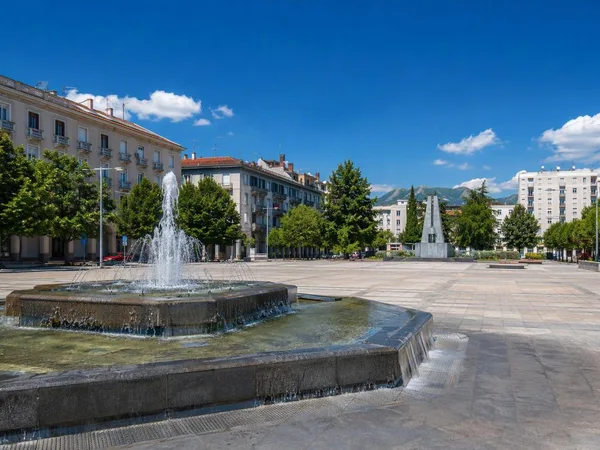
Nova Varoš, Podgorica
1 linked stories and routes
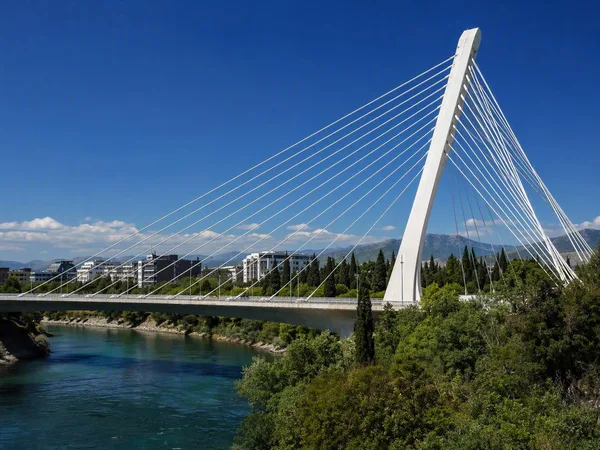
Millennium Bridge
1 linked stories and routes
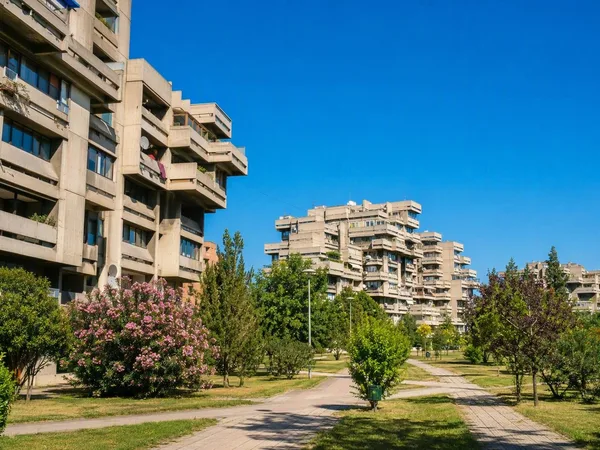
Blok 5
1 linked stories and routes
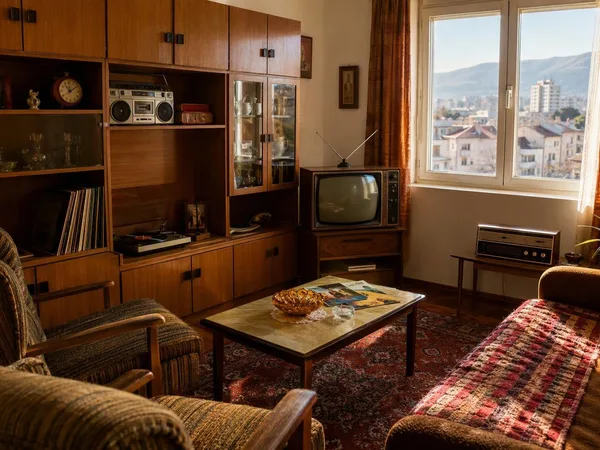
Titograd 80s Museum
1 linked stories and routes
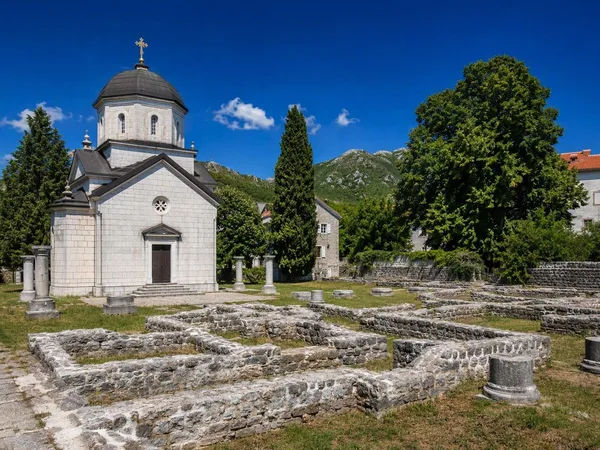
Ćipur, Cetinje
1 linked stories and routes
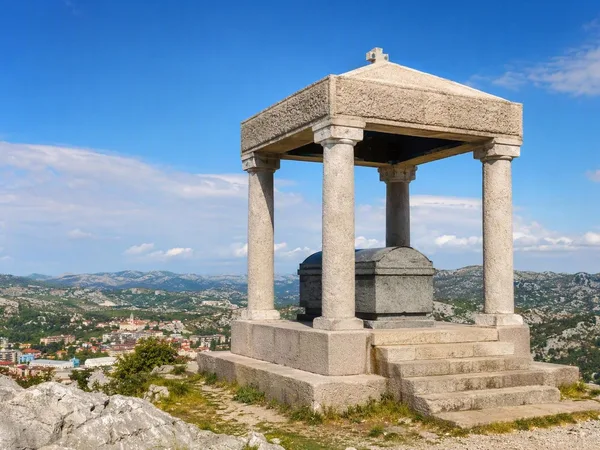
Orlov krš
1 linked stories and routes
Bar
0 linked stories and routes