
City · Montenegro
Cetinje
Cetinje is Montenegro’s old royal capital, set in a karst basin beneath Lovćen. Its compact centre brings together a working monastery, royal residences, former legations and national collections.
Orientation
Cetinje sits at 672 metres in a limestone basin below Lovćen. It is Montenegro’s Old Royal Capital: the administrative capital is Podgorica, but Cetinje remains a concentrated record of state, church and cultural history.
The centre is low-rise and compact. Use Njegoševa Street as the pedestrian spine, then branch off toward the monastery, Biljarda, King Nikola’s Palace and the former legation quarter. Most core sights are close enough for a half-day walk; museums turn that into a full day.
From mountain seat to royal capital
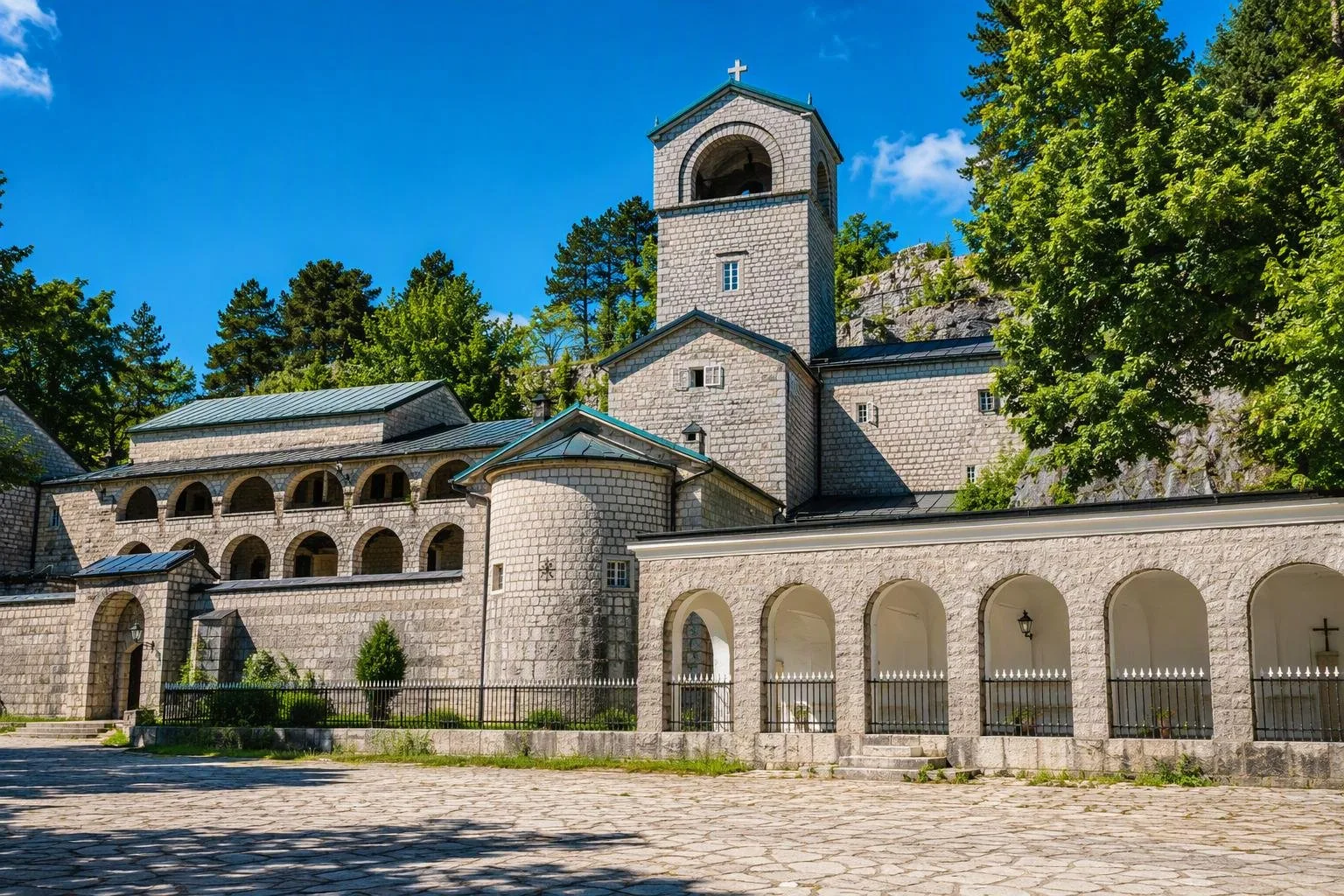
Ivan Crnojević established his court on Cetinje Field in 1482 and founded a monastery two years later. The monastery became both a religious centre and a seat of political authority during the prince-bishop era.
Petar II Petrović-Njegoš built Biljarda in 1838 as his residence and government seat. Its name comes from the billiard table installed there. Later, the royal period added King Nikola’s Palace, the Blue Palace and government buildings. After Montenegro’s international recognition in 1878, European powers opened legations here; their varied façades still give the town its unusual diplomatic streetscape.
The essential stops
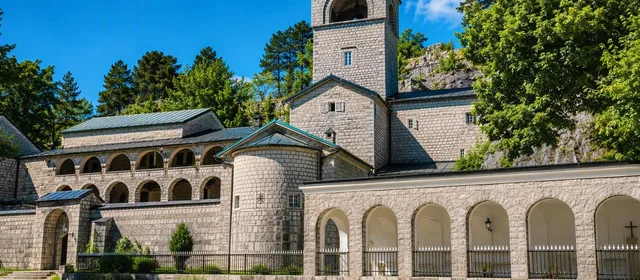
- Cetinje Monastery: an active Orthodox monastery holding major Christian relics, including the right hand of St John the Baptist and a fragment of the Holy Cross.
- Biljarda: the former residence of Njegoš, now part of the National Museum network; do not miss the large relief map of Montenegro.
- King Nikola’s Palace: the royal residence, preserved as a museum with state and court collections.
- Former legations: walk the boulevard and side streets for the British, French, Russian and other diplomatic buildings. The former British Legation is now the Music Academy; the former French Legation houses the National Library.
A working arts city
Cetinje is not only a museum town. The University of Montenegro’s Faculty of Fine Arts teaches painting, sculpture, graphic design, and conservation and restoration here. Its activity extends through studios, workshops and exhibition spaces including Galerie 42 and Alatnica in the historic centre.
That academic presence explains why contemporary exhibitions and student work appear alongside palaces and legations. Look for current programmes at galleries and cultural venues while walking the centre, rather than treating the city solely as a sequence of historic interiors.
Visiting well
Start at the monastery in the morning, then continue to Biljarda and the palace museums before taking Njegoševa Street back through town. Museum opening times vary by season.
At the monastery: dress modestly, keep voices low and respect services. Photography may be restricted inside. Cetinje’s elevation makes it noticeably cooler and wetter than the coast, so carry a layer even on a coastal day trip.
Lovćen National Park rises above the town but is a separate mountain excursion, not part of the walkable centre.
From the magazine
Stories about Cetinje
Editorial stories linked directly to Cetinje.
No stories about Cetinje have been published yet.
Routes from our editors
Travel through Cetinje
Editorial routes connecting Cetinje with other countries, cities and hotspots.
No routes through Cetinje have been published yet.
More in Montenegro
Related hotspots
Other cities, nature areas and places within Montenegro.
Podgorica
5 linked stories and routes
Lovćen
4 linked stories and routes
Kotor
2 linked stories and routes
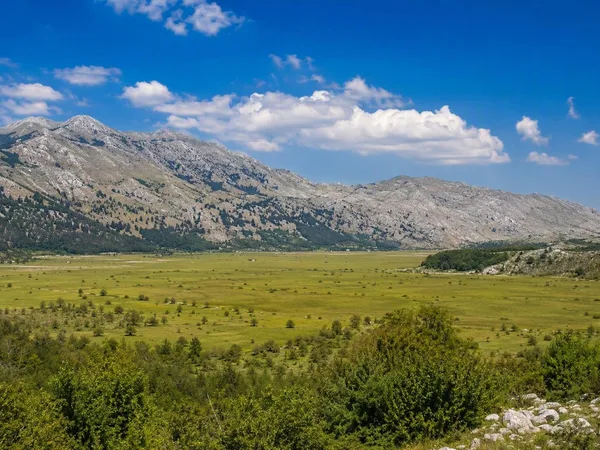
Cetinjsko polje
2 linked stories and routes
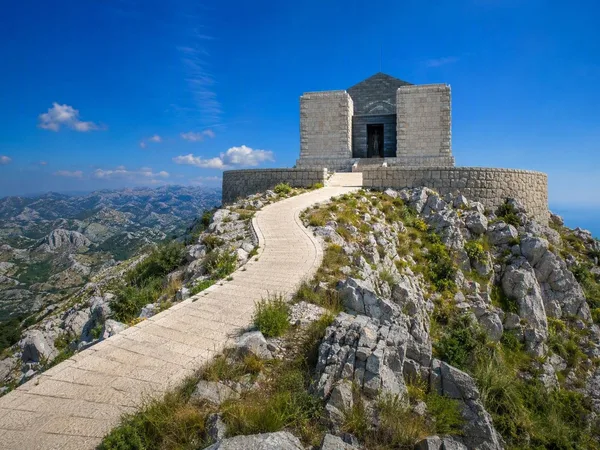
Jezerski vrh
1 linked stories and routes
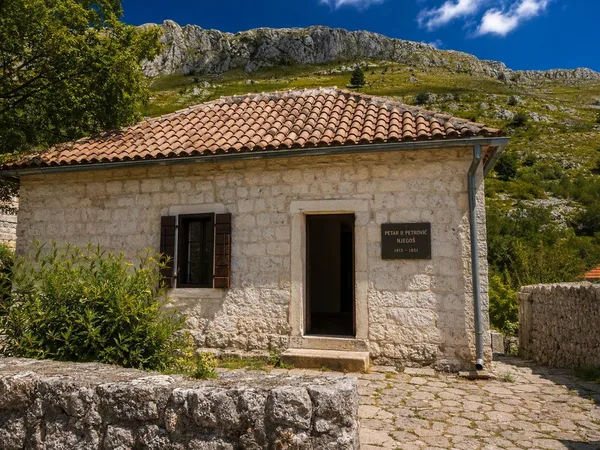
Njeguši
1 linked stories and routes
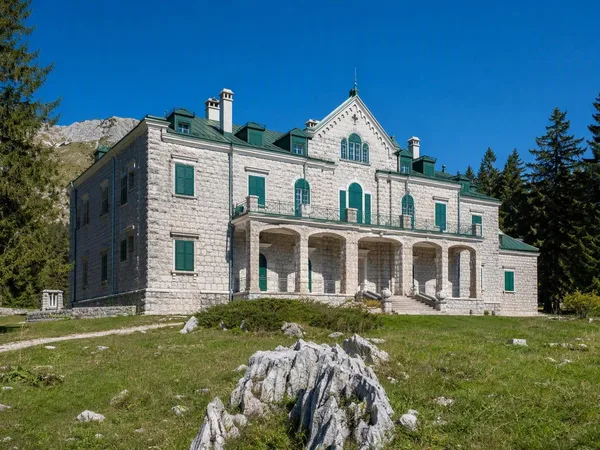
Ivanova Korita
1 linked stories and routes
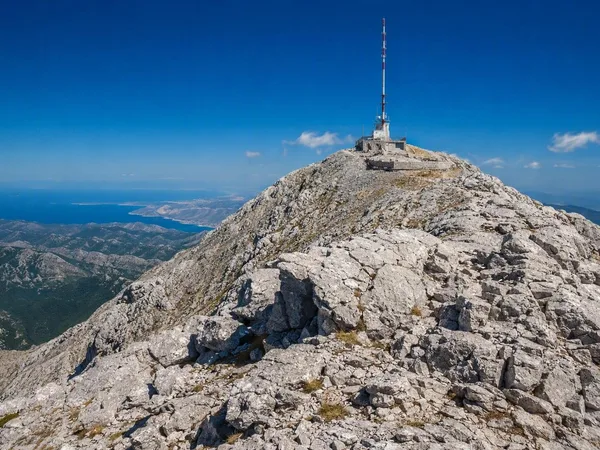
Štirovnik
1 linked stories and routes
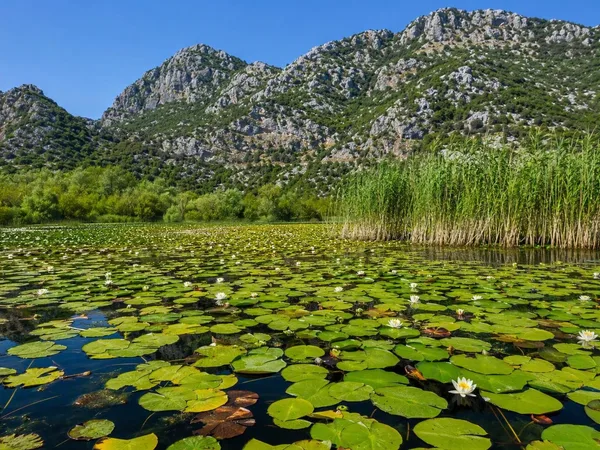
Skadar Lake
1 linked stories and routes
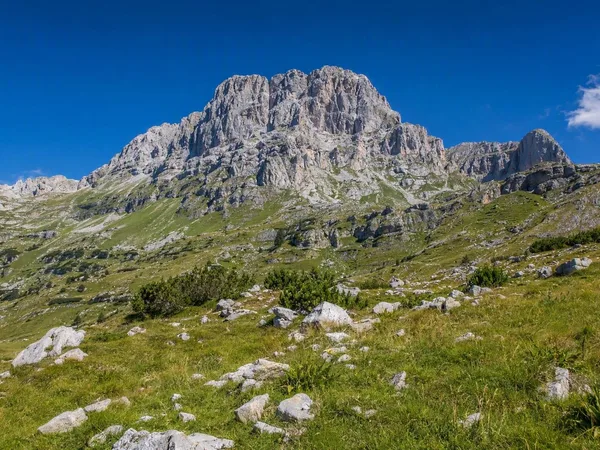
Durmitor Massif
1 linked stories and routes
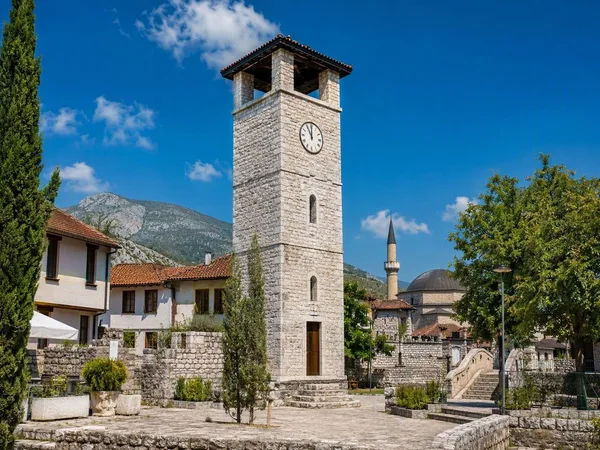
Stara Varoš, Podgorica
1 linked stories and routes
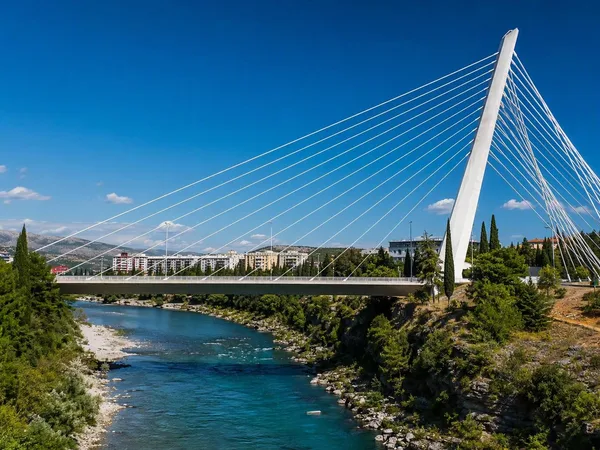
New Podgorica
1 linked stories and routes
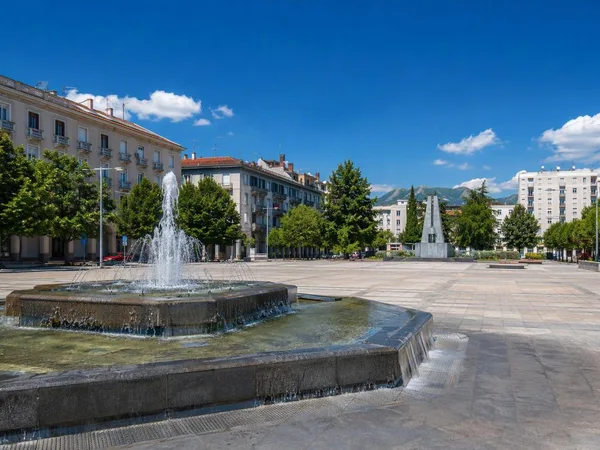
Nova Varoš, Podgorica
1 linked stories and routes
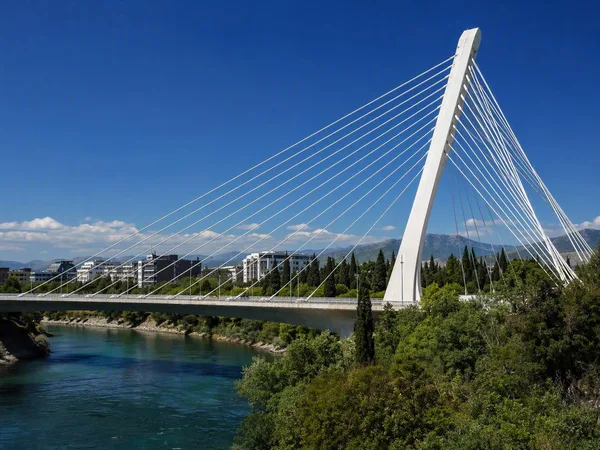
Millennium Bridge
1 linked stories and routes
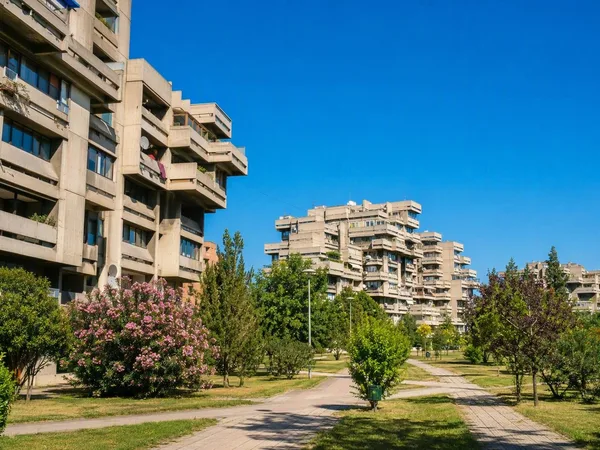
Blok 5
1 linked stories and routes
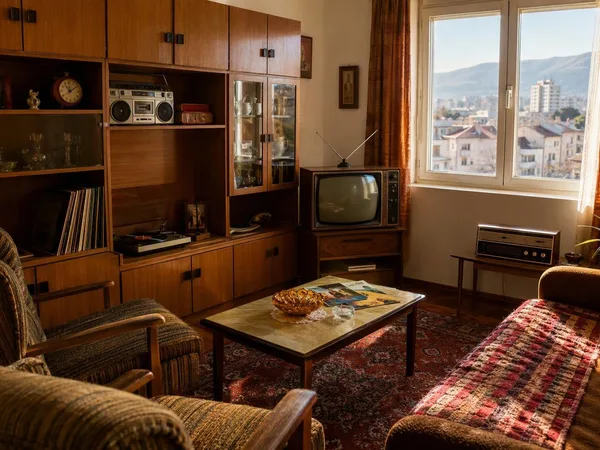
Titograd 80s Museum
1 linked stories and routes
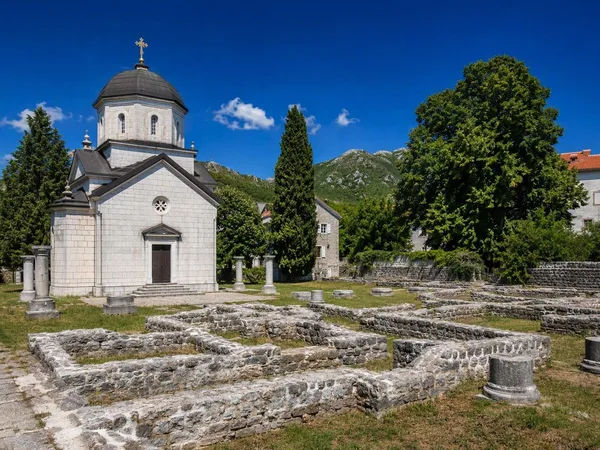
Ćipur, Cetinje
1 linked stories and routes
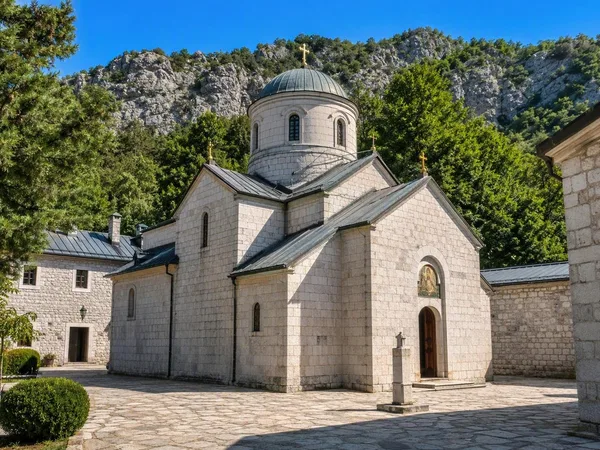
Cetinje Monastery
1 linked stories and routes
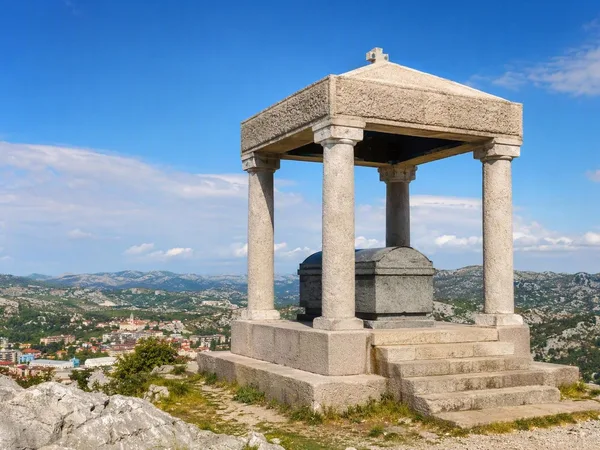
Orlov krš
1 linked stories and routes
Bar
0 linked stories and routes