
Nature area · Montenegro
Skadar Lake
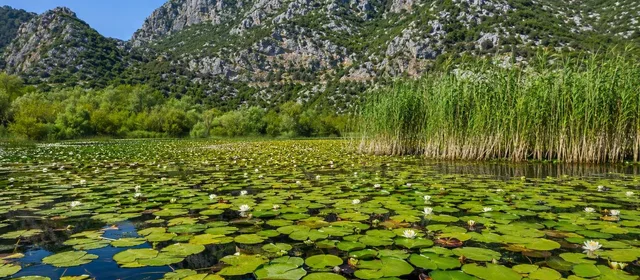
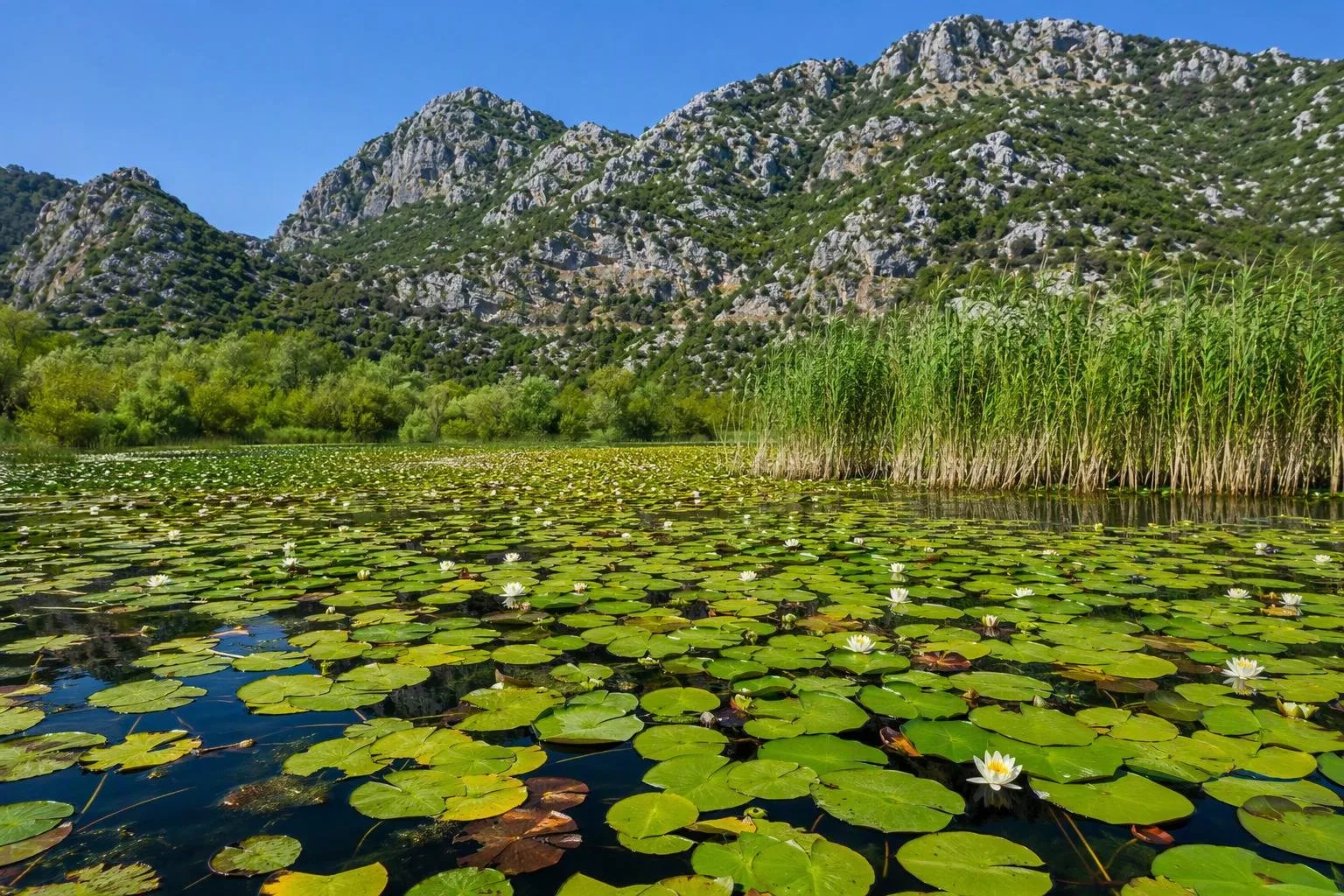
Skadar Lake is a vast freshwater lake on the Montenegro–Albania border, with most of its surface in Montenegro. Its Montenegrin shore combines broad wetlands, water-lily channels, island monasteries and stark karst slopes.
The lake at a glance
Skadar Lake—Skadarsko jezero in Montenegrin—is the largest lake in the Balkans. It is a tectonic-karst lake whose waterline and area change sharply with the season: roughly 370 km² in summer and up to about 540 km² in winter.
The Montenegrin section and its shores have been protected as Skadar Lake National Park since 1983. The lake’s northern edge is low, marshy and thick with reeds; its southern shore is steeper, rockier and broken into bays and islands.
Start from the right shore
Virpazar is the practical main gateway. It has a harbour, visitor facilities and the widest choice of boats and kayaks. It suits a first visit focused on open water, lilies and a short cruise.
For different approaches, use:
- Vranjina: useful for park orientation and access to the northern side.
- Rijeka Crnojevića: a quieter northern approach via a winding river arm; combine it with the river’s well-known horseshoe-bend viewpoint.
- Murići: on the southern shore, for a slower lakeside approach and access to the water away from Virpazar.
The lake is large and its shoreline is not a simple circuit. Choose one access point and build the day around it rather than trying to drive around the entire lake.
On the water
A boat is the most direct way to understand Skadar: reed channels open into wide water, while small islands carry monasteries and fortifications. From Virpazar, routes commonly head toward Grmožur, a former island prison-fortress, or the island monasteries of Starčevo, Beška, Moračnik and Kom.
Kayaking is better for a close look at the lily fields and narrow channels. Keep clear of reedbeds and bird concentrations; they are habitat, not shortcuts. Open boats offer little shade, so take water, sun protection and a dry layer for wind on the lake.
Birds, wetlands and timing
This is a major wetland for nesting, migrating and wintering waterbirds, with around 280 recorded bird species. The Dalmatian pelican and pygmy cormorant are among its notable residents. Bring binoculars: birds are often distant across open water.
Spring and autumn are strongest for birdwatching. Summer brings warm water, boating and extensive lilies, but also stronger sun and more traffic at Virpazar. Morning is the sensible time for a boat or kayak trip, before heat and afternoon wind build.
Use the protected landscape properly
The lake is shared by Montenegro and Albania; this guide concerns the Montenegrin side. Treat reserves and nesting areas as no-disturbance space, follow your skipper’s route, and do not land on islands unless the visit permits it. Fishing requires the appropriate permit.
For a land-based finish, head into the Crmnica hills behind Virpazar, where vineyards and old stone villages look back across the wetland.
From the magazine
Stories about Skadar Lake
Editorial stories linked directly to Skadar Lake.
No stories about Skadar Lake have been published yet.
Routes from our editors
Travel through Skadar Lake
Editorial routes connecting Skadar Lake with other countries, cities and hotspots.
No routes through Skadar Lake have been published yet.
More in Montenegro
Related hotspots
Other cities, nature areas and places within Montenegro.
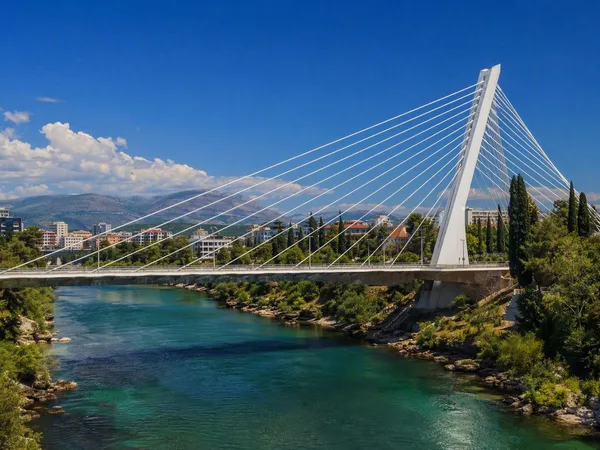
Podgorica
5 linked stories and routes
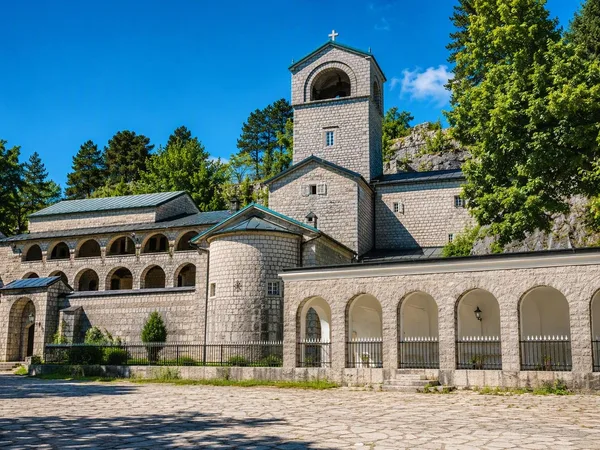
Cetinje
4 linked stories and routes
Lovćen
4 linked stories and routes
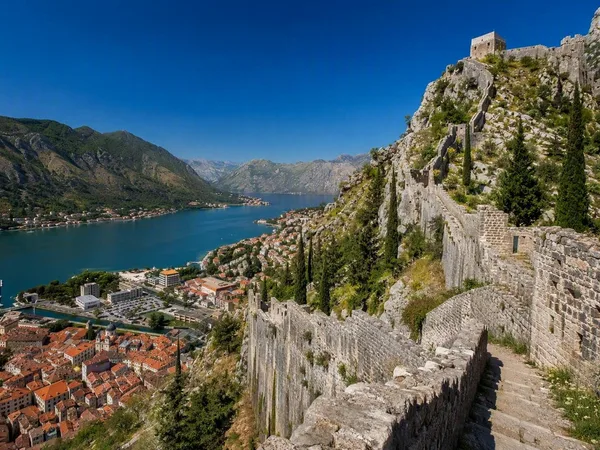
Kotor
2 linked stories and routes
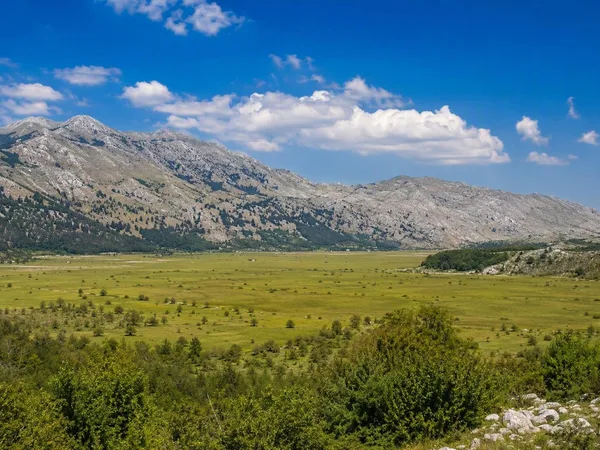
Cetinjsko polje
2 linked stories and routes
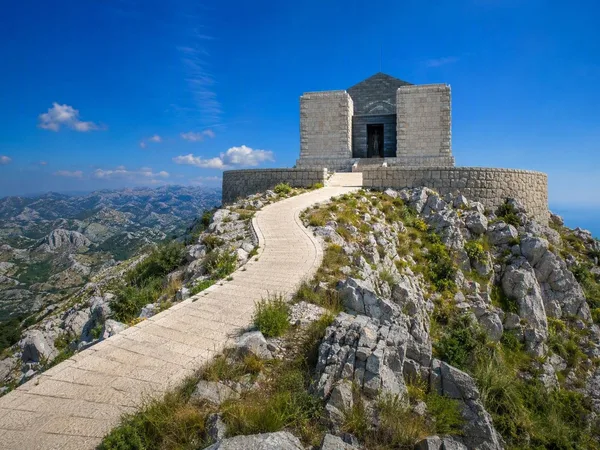
Jezerski vrh
1 linked stories and routes
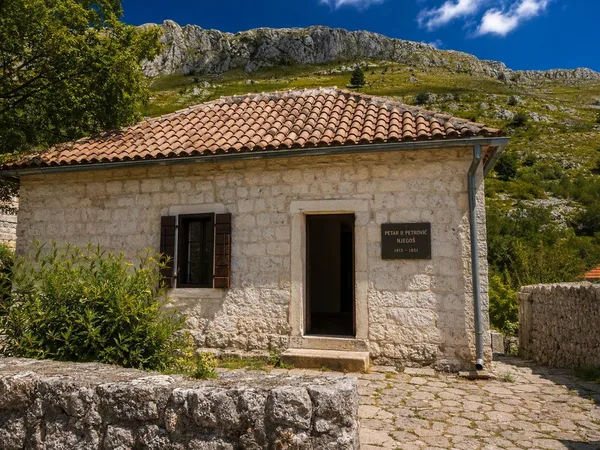
Njeguši
1 linked stories and routes
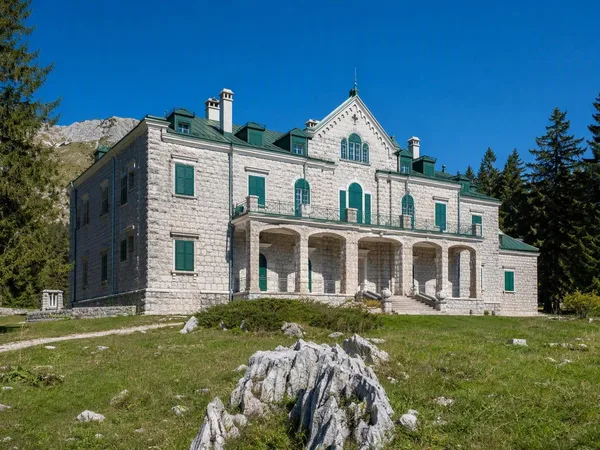
Ivanova Korita
1 linked stories and routes
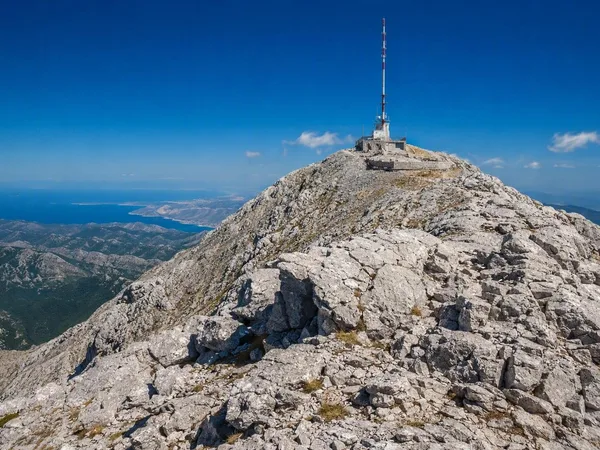
Štirovnik
1 linked stories and routes
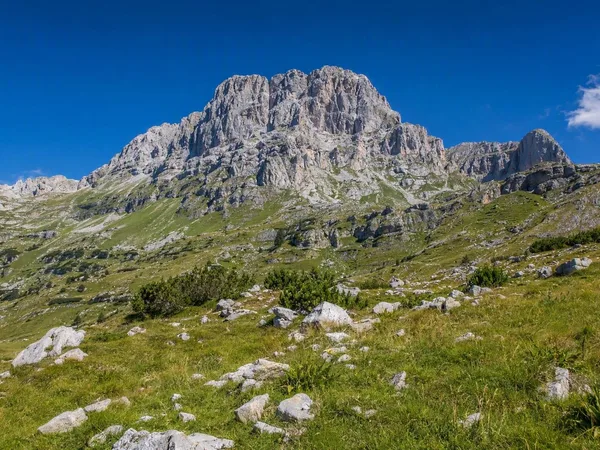
Durmitor Massif
1 linked stories and routes
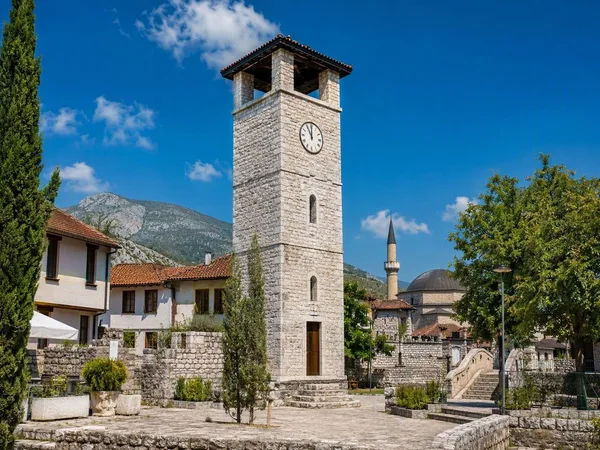
Stara Varoš, Podgorica
1 linked stories and routes
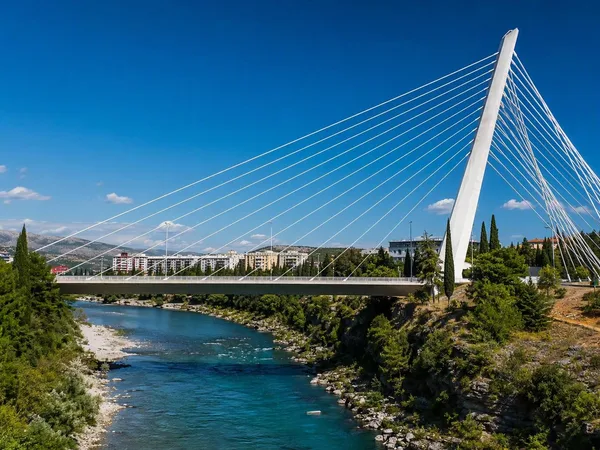
New Podgorica
1 linked stories and routes
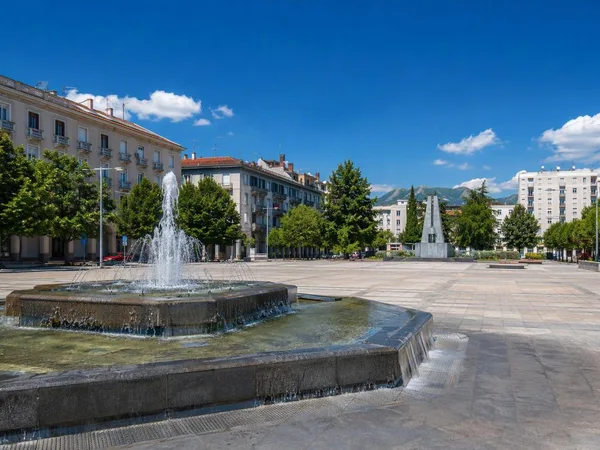
Nova Varoš, Podgorica
1 linked stories and routes
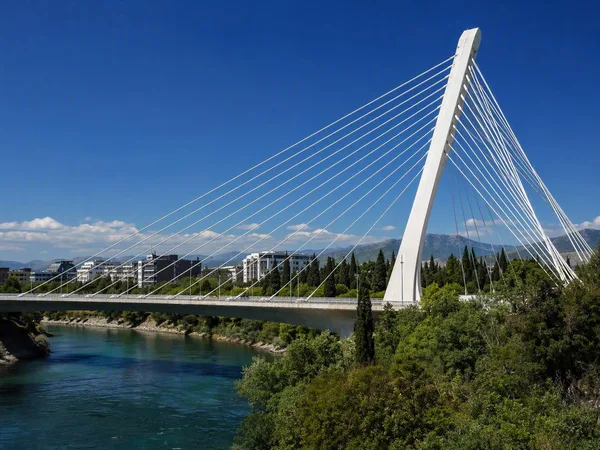
Millennium Bridge
1 linked stories and routes
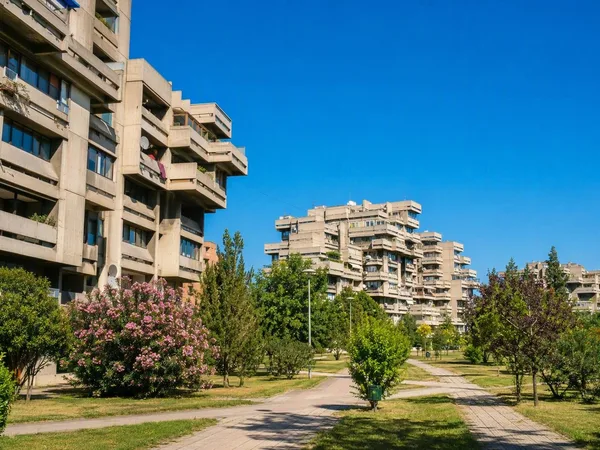
Blok 5
1 linked stories and routes
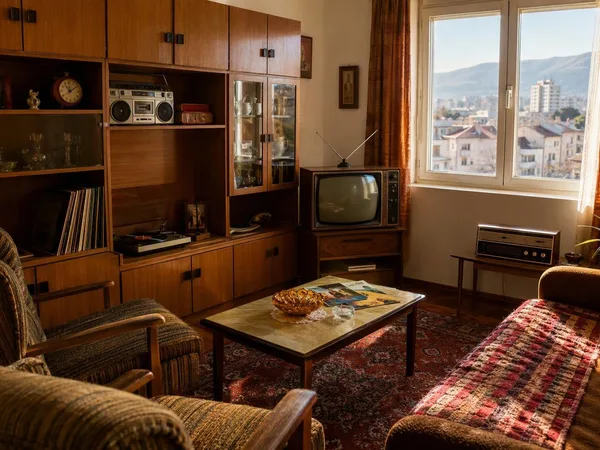
Titograd 80s Museum
1 linked stories and routes
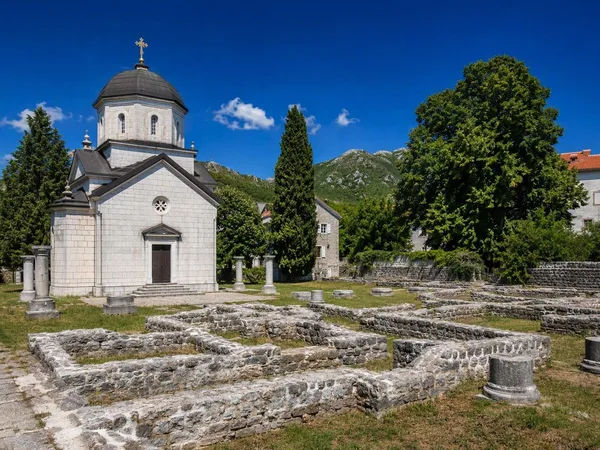
Ćipur, Cetinje
1 linked stories and routes
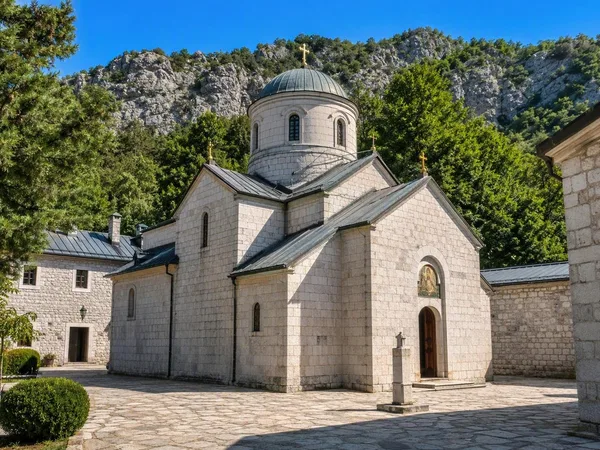
Cetinje Monastery
1 linked stories and routes
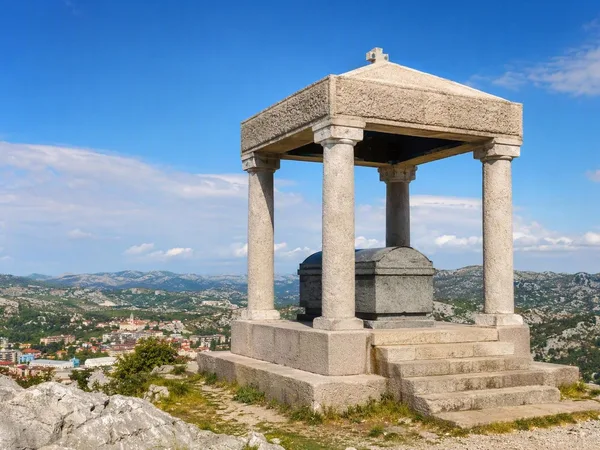
Orlov krš
1 linked stories and routes
Bar
0 linked stories and routes