
Mountain · Montenegro
Štirovnik
Štirovnik is the 1,749-metre high point of Montenegro’s Lovćen massif, in Lovćen National Park above the Bay of Kotor and Cetinje. It is the mountain’s true summit, distinct from nearby Jezerski vrh and its mausoleum.
The high point of Lovćen
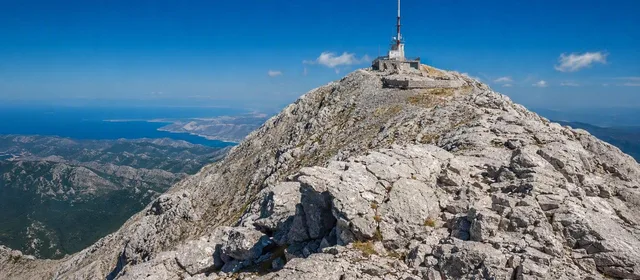
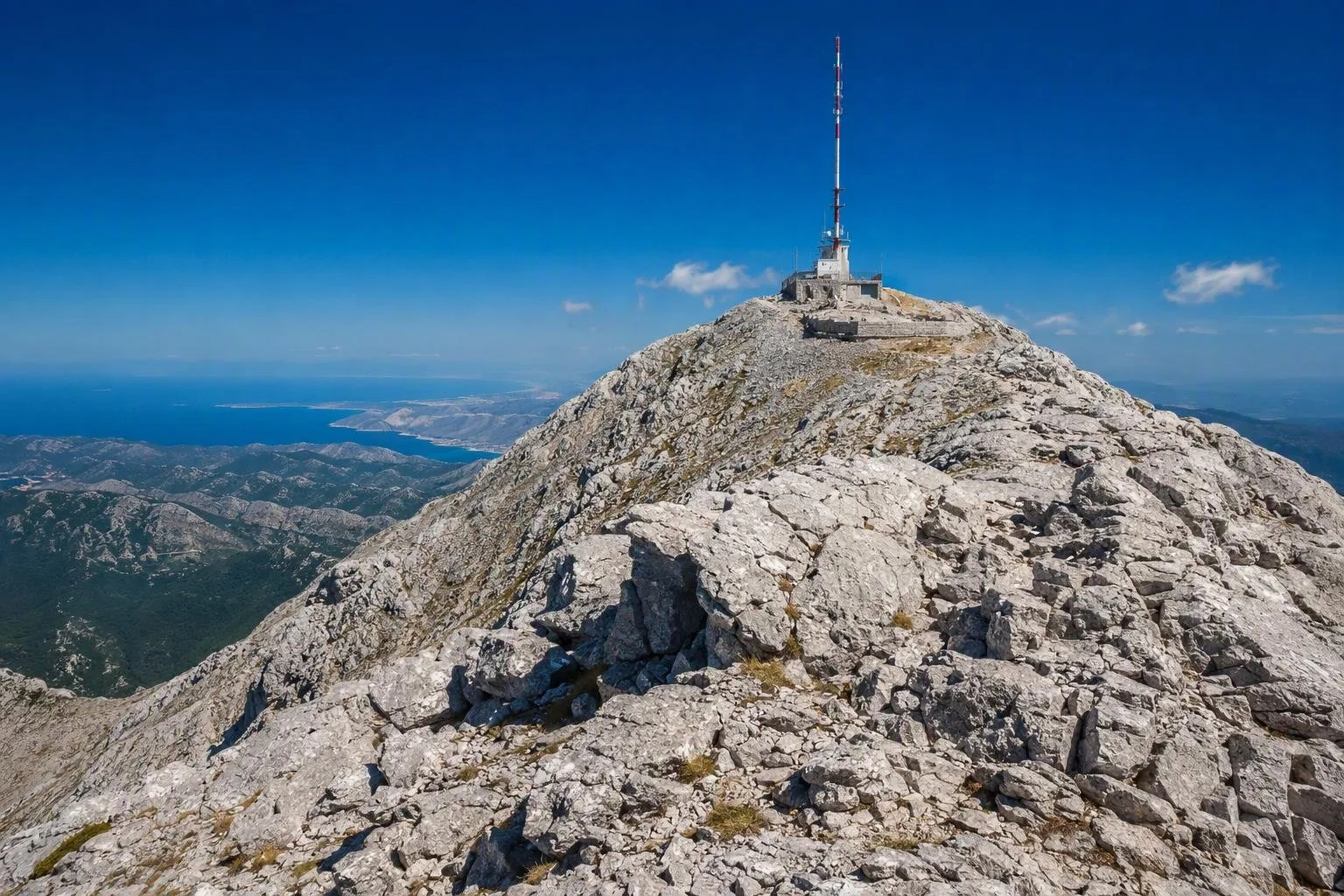
Štirovnik is the highest summit in Lovćen National Park, reaching 1,749 metres. Although the Adriatic is only four to five kilometres away at its nearest, the upper mountain is a high karst landscape: pale limestone, fissures, hollows and open rocky ground. The contrast between coast and upland is the point here.
Lovćen occupies the divide between the Bay of Kotor and coast to the west, and the Skadar Lake basin and Montenegro’s interior to the east. On a clear day, that geography is legible from the high ground: sea and bay on one side, ridges and inland basins on the other.
Know which summit you are visiting
Štirovnik is often confused with Jezerski vrh, the 1,657-metre peak carrying the Njegoš Mausoleum. They are separate summits. The mausoleum, its road access and its 461-step approach belong to Jezerski vrh; Štirovnik is the higher, more natural summit.
The summit ridge carries telecommunications infrastructure. Treat it as a mountain viewpoint rather than a monument stop, and do not enter operational or restricted installations.
Walking terrain and route planning
Use Ivanova Korita as the practical base. The visitor centre is the place to get current trail information, and the park maintains marked walking routes through the central massif. Expect a proper mountain outing rather than a roadside viewpoint.
The ground changes from beech woodland and grassland to exposed karst. Useful kit is straightforward:
- sturdy shoes with grip for uneven limestone;
- water and windproof layer, even after a hot day on the coast;
- offline navigation or a paper map for cloud or poor visibility.
Stay on marked paths. Karst hollows and broken rock make shortcuts slow and needlessly risky.
Reaching the park
The usual road approaches are from Cetinje or via the old Kotor–Njeguši road. The Kotor side is the dramatic one: 25 hairpins climb from the bay and sections are narrow. Cetinje gives the calmer approach to Ivanova Korita and the park interior.
The Kotor–Lovćen cable car reaches Kuk, not Štirovnik itself. It can be part of a walking day, but it does not eliminate the need to cover mountain ground on foot.
Timing and access
Late spring to early autumn is the dependable walking season. In winter, snow and road closures can affect access to the upper park. Conditions can differ sharply from Kotor on the same day: cloud, wind and low temperature arrive quickly on the ridge.
A park admission ticket is required. The visitor centre at Ivanova Korita can provide maps, equipment rental and current route advice.
From the magazine
Stories about Štirovnik
Editorial stories linked directly to Štirovnik.
No stories about Štirovnik have been published yet.
Routes from our editors
Travel through Štirovnik
Editorial routes connecting Štirovnik with other countries, cities and hotspots.
No routes through Štirovnik have been published yet.
More in Montenegro
Related hotspots
Other cities, nature areas and places within Montenegro.
Podgorica
5 linked stories and routes
Cetinje
4 linked stories and routes
Lovćen
4 linked stories and routes
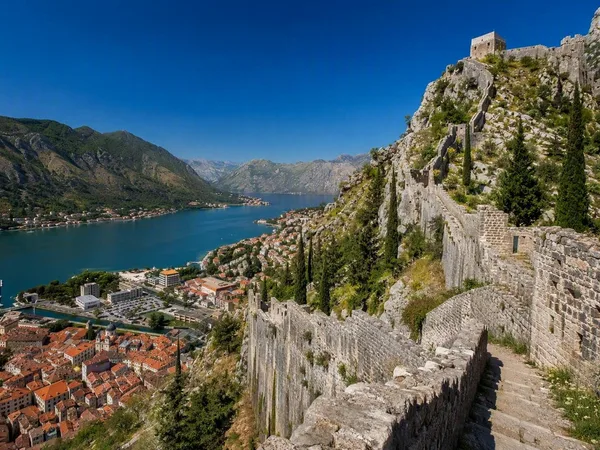
Kotor
2 linked stories and routes
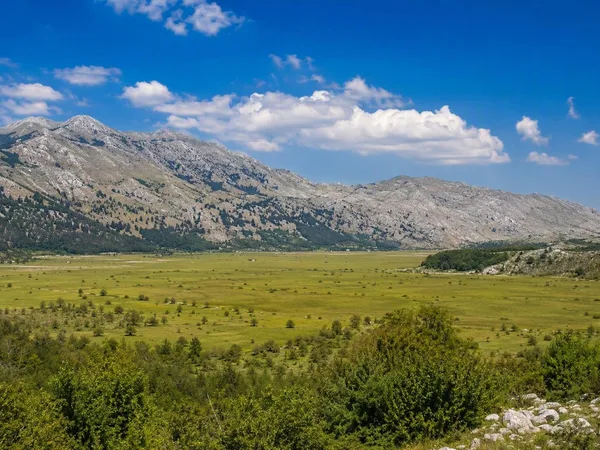
Cetinjsko polje
2 linked stories and routes
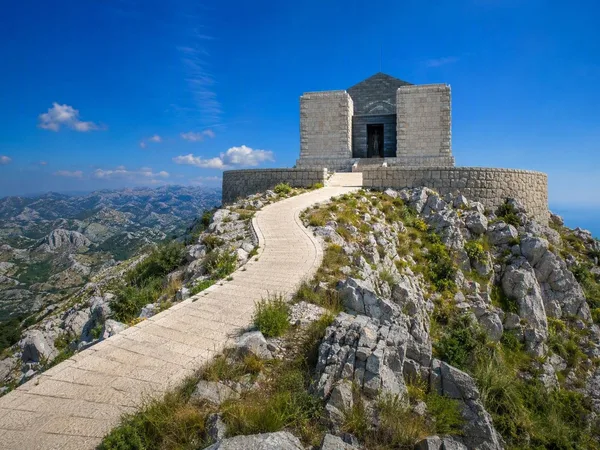
Jezerski vrh
1 linked stories and routes
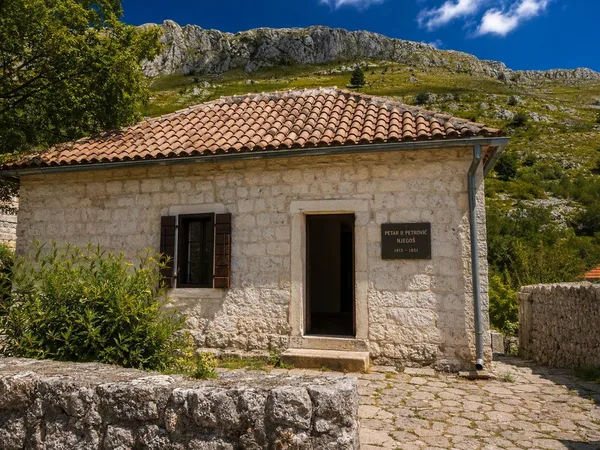
Njeguši
1 linked stories and routes
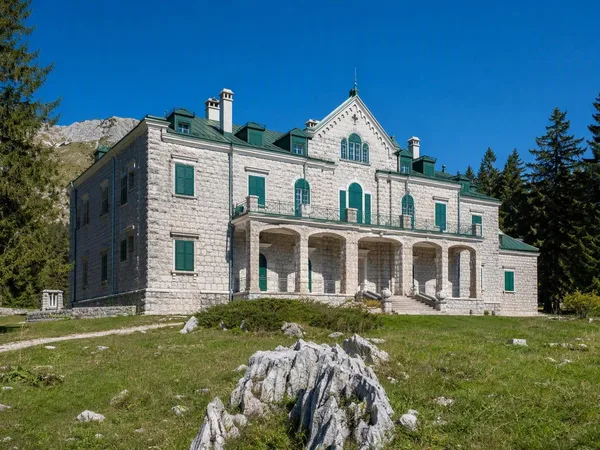
Ivanova Korita
1 linked stories and routes
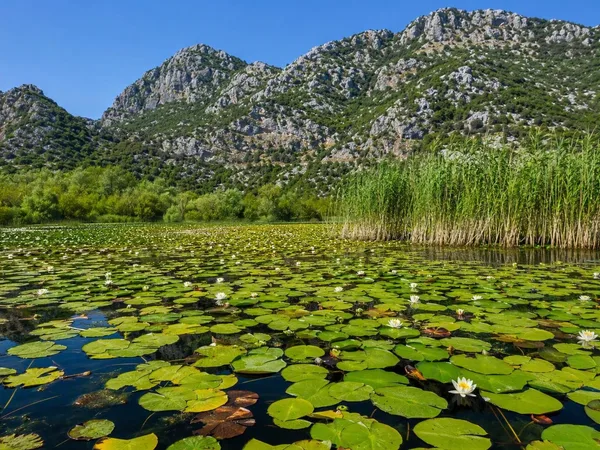
Skadar Lake
1 linked stories and routes
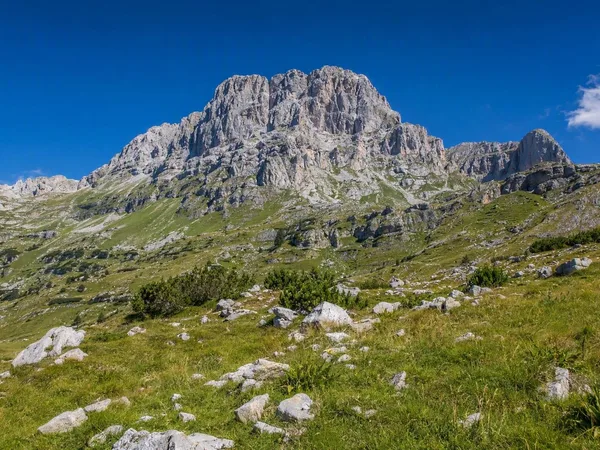
Durmitor Massif
1 linked stories and routes
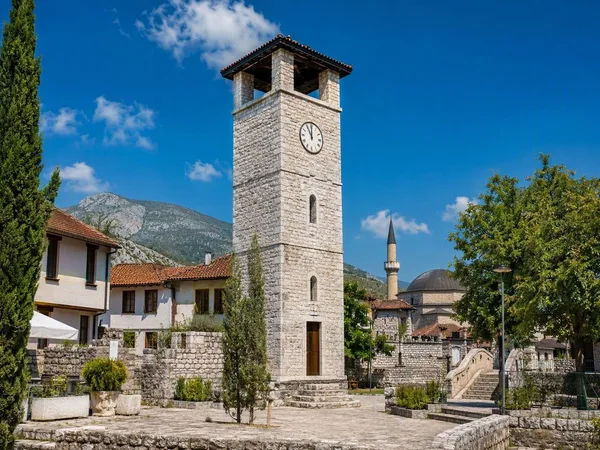
Stara Varoš, Podgorica
1 linked stories and routes
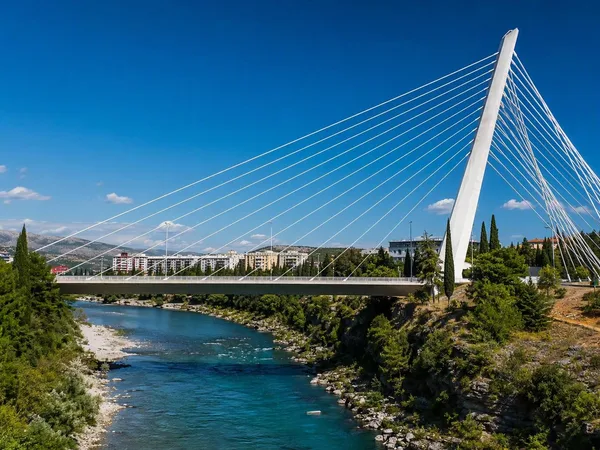
New Podgorica
1 linked stories and routes
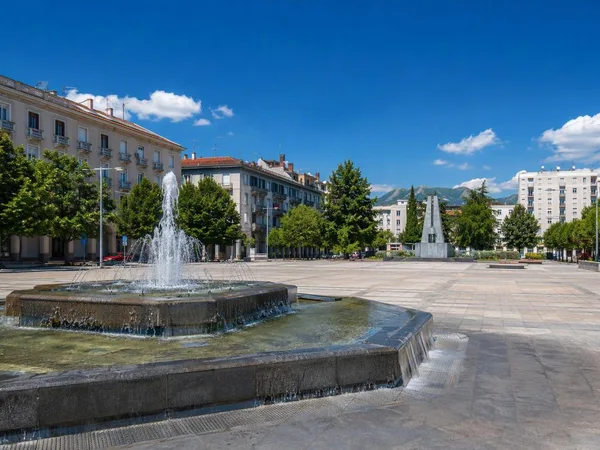
Nova Varoš, Podgorica
1 linked stories and routes
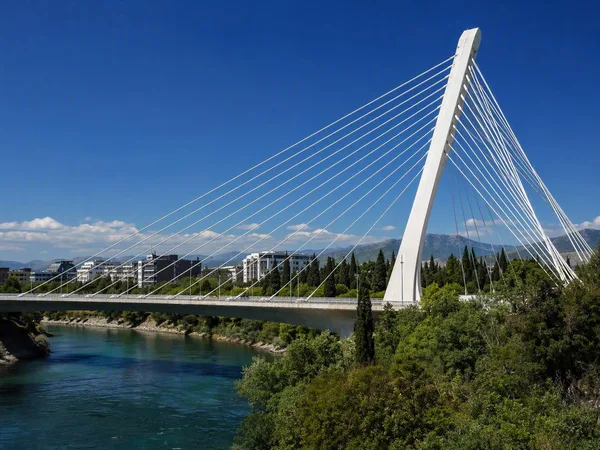
Millennium Bridge
1 linked stories and routes
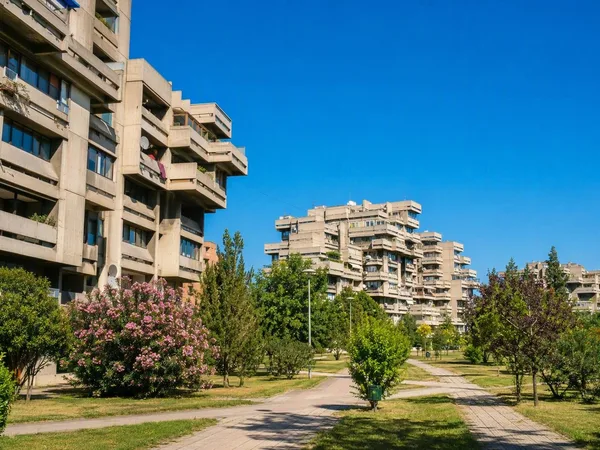
Blok 5
1 linked stories and routes
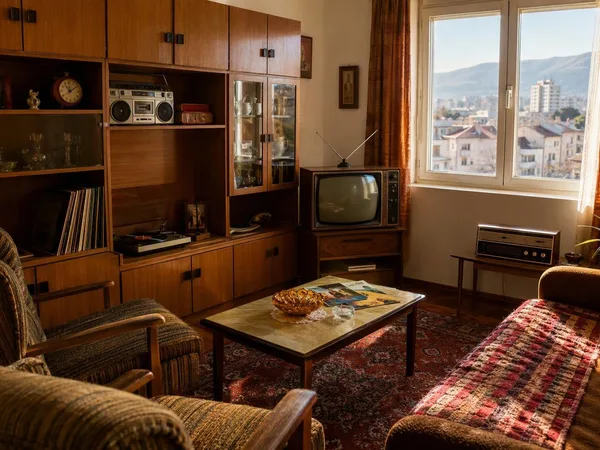
Titograd 80s Museum
1 linked stories and routes
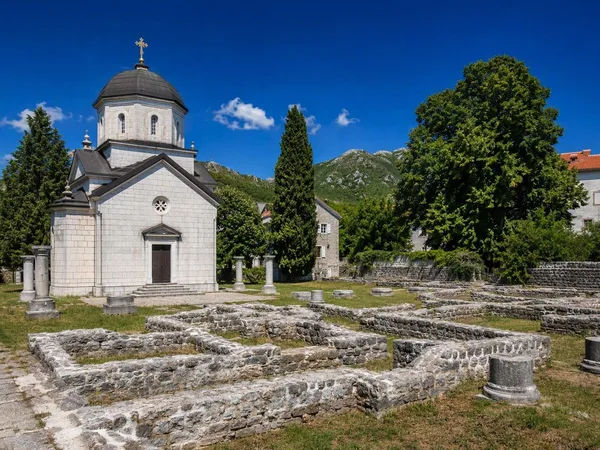
Ćipur, Cetinje
1 linked stories and routes
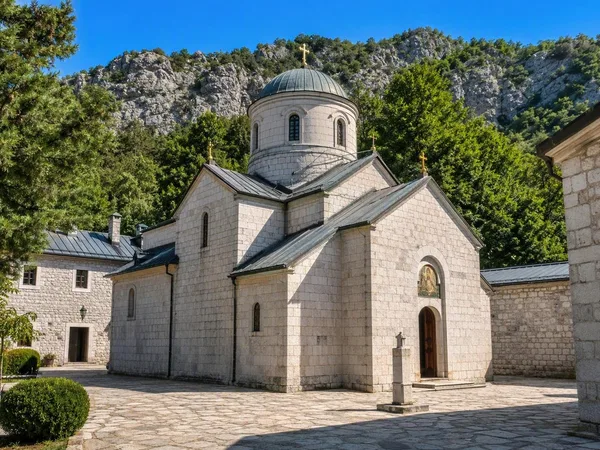
Cetinje Monastery
1 linked stories and routes
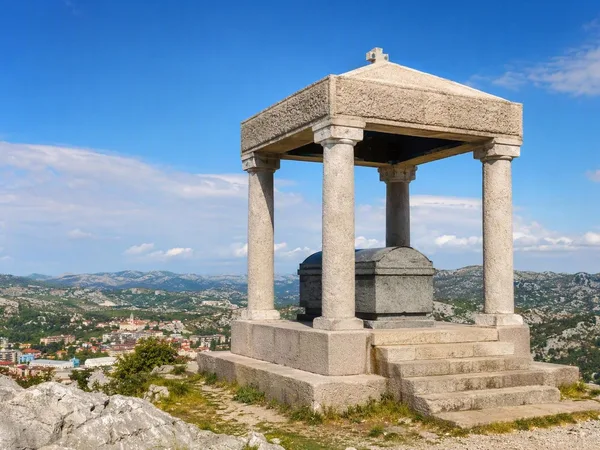
Orlov krš
1 linked stories and routes
Bar
0 linked stories and routes