
City · Italy
Rimini
Rimini is an Adriatic city in Emilia-Romagna, Italy, where a long beach strip meets a compact centre of Roman monuments, Malatesta architecture and Fellini-related sites.
Get your bearings
Rimini has two useful faces. The historic centre sits inland from the beach and is where Roman Ariminum, Renaissance Rimini and the main museums concentrate. The seafront runs along the Adriatic through Marina Centro and a chain of beach districts north and south of the canal harbour.
Treat them as separate walking areas. The station lies between the old town and the sea, making it a practical base for both. Rimini was founded as the Roman colony of Ariminum in 268 BC and became a key road junction: the Via Flaminia ended here, while the Via Aemilia began here.
Walk the Roman axis
Start at the Arch of Augustus, erected in 27 BC at the end of the Via Flaminia. Follow Corso d'Augusto through Piazza Tre Martiri, the site of the Roman forum, towards Piazza Cavour and the canal.
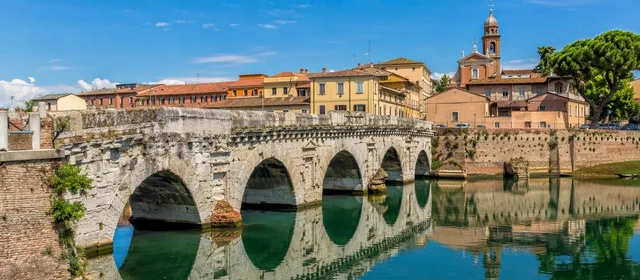
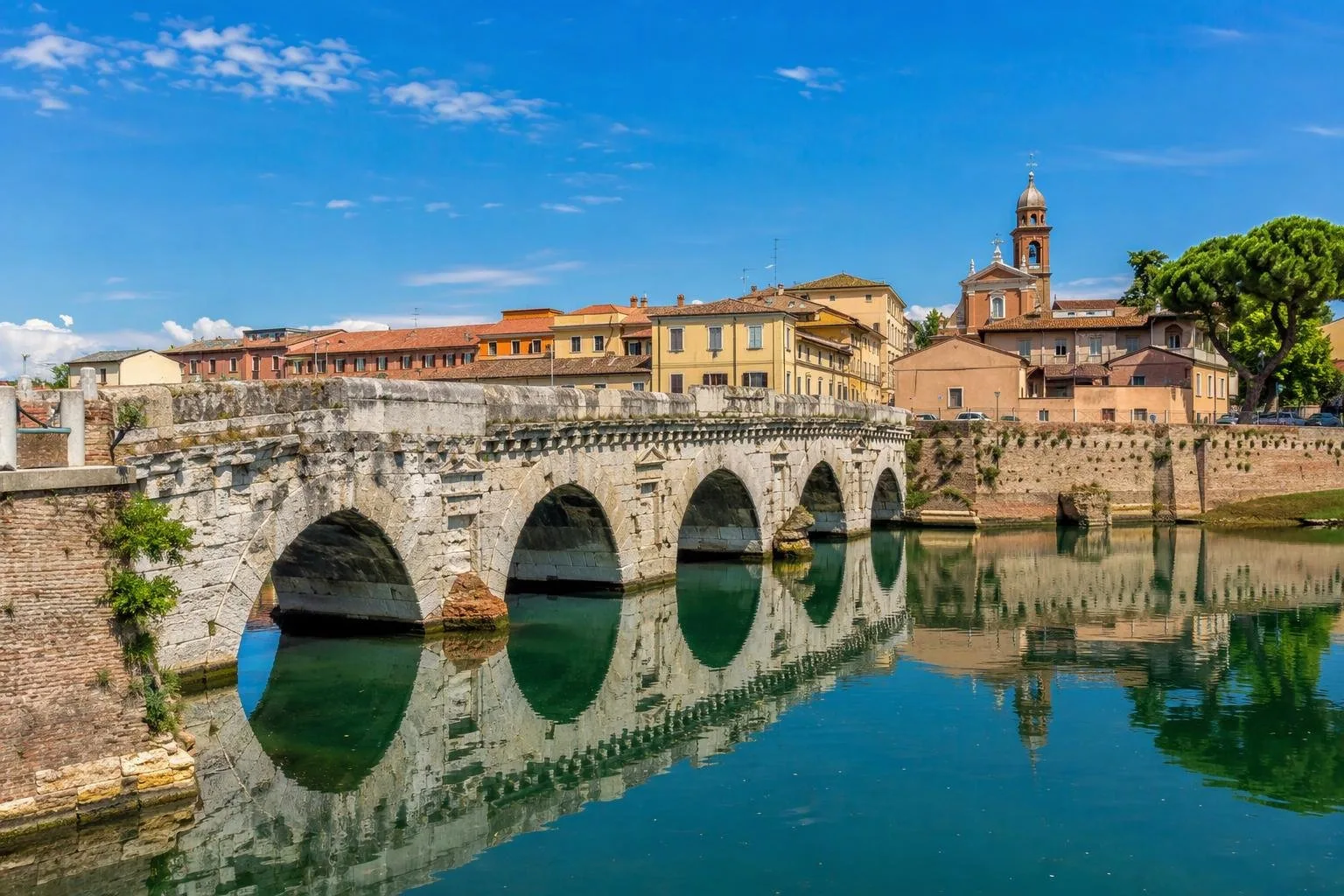
Finish at Ponte di Tiberio. Begun under Augustus in AD 14 and completed under Tiberius in AD 21, its five Istrian-stone arches still connect the centre with Borgo San Giuliano. The waterside around Piazza sull'Acqua gives the clearest side view of the bridge.
For archaeology beyond the street monuments, visit the Domus del Chirurgo on Piazza Ferrari. This excavated Roman house preserves rooms, mosaics and the remains of a medical practice; the associated surgical instruments are displayed in the nearby City Museum. The surviving Roman amphitheatre is worth a short detour, but expect fragments rather than an intact arena.
Malatesta, Fellini and the centre
Rimini’s 15th-century Malatesta rulers left two essential landmarks. Tempio Malatestiano is the city cathedral, with Leon Battista Alberti’s unfinished marble façade, Giotto’s crucifix and Piero della Francesca’s fresco of Sigismondo Pandolfo Malatesta. As an active church, sightseeing pauses around services.
At Piazza Malatesta, Castel Sismondo is the surviving core of Sigismondo’s fortified residence. It now forms part of the Fellini Museum, a multi-site museum spread across the castle, Palazzo del Fulgor and the square. Palazzo del Fulgor also contains Cinema Fulgor, where Federico Fellini watched films as a child. Allow time for the museum rather than treating it as a quick castle visit.
Sea, transport and practical rhythm
Rimini’s coast is built around organised bathing establishments; choose a beach district by proximity to your accommodation rather than trying to cover the entire shoreline on foot. The pedestrian-friendly historic centre is best explored on foot or by bike.
By train: Rimini station is on the Adriatic rail route. Along the coast: Metromare links Rimini and Riccione stations on a dedicated corridor, with stops serving beach districts, Miramare and the airport area. Local buses cover the wider city.
If driving, use the A14’s Rimini Nord or Rimini Sud exits and park outside the restricted-traffic core. Do not drive into the historic centre without confirming access rules; its monuments make a much better walking route.
From the magazine
Stories about Rimini
Editorial stories linked directly to Rimini.
No stories about Rimini have been published yet.
Routes from our editors
Travel through Rimini
Editorial routes connecting Rimini with other countries, cities and hotspots.
No routes through Rimini have been published yet.
More in Italy
Related hotspots
Other cities, nature areas and places within Italy.
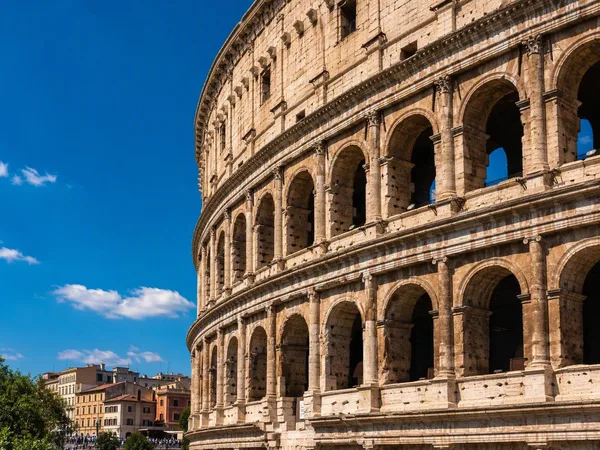
Rome
7 linked stories and routes
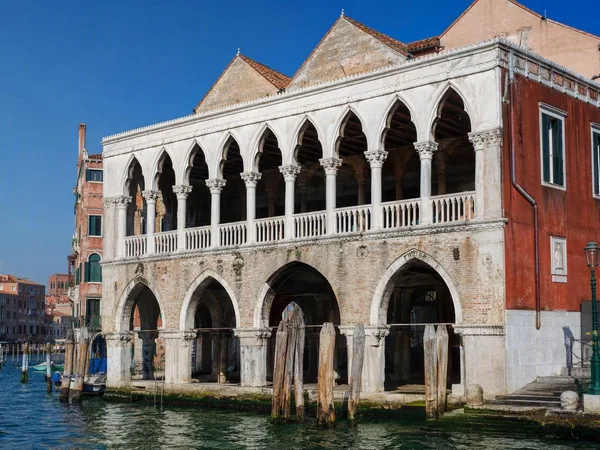
Venice
6 linked stories and routes
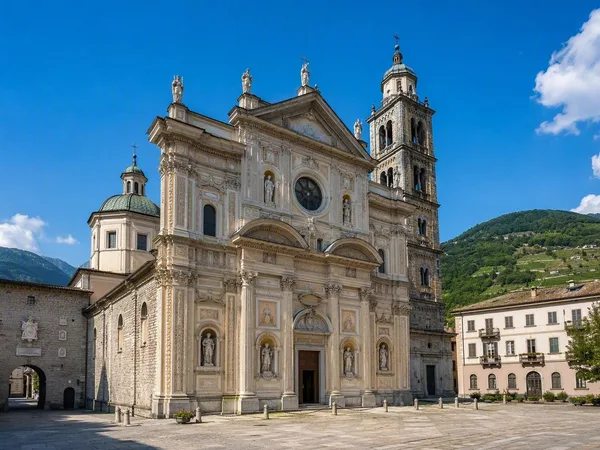
Tirano
2 linked stories and routes
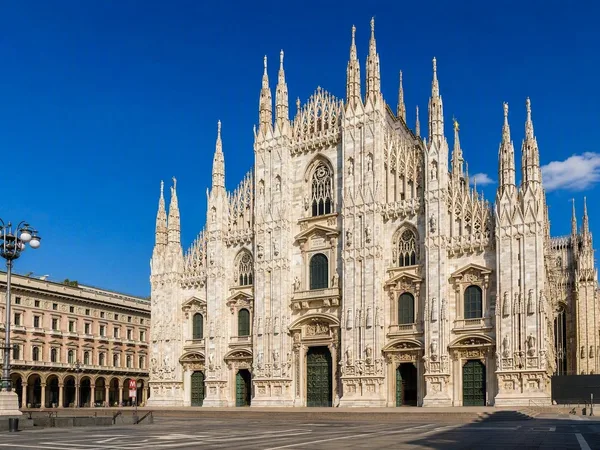
Milan
2 linked stories and routes
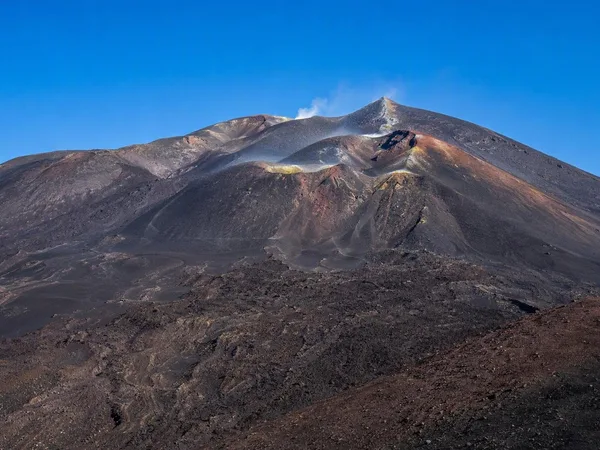
Sicily
2 linked stories and routes
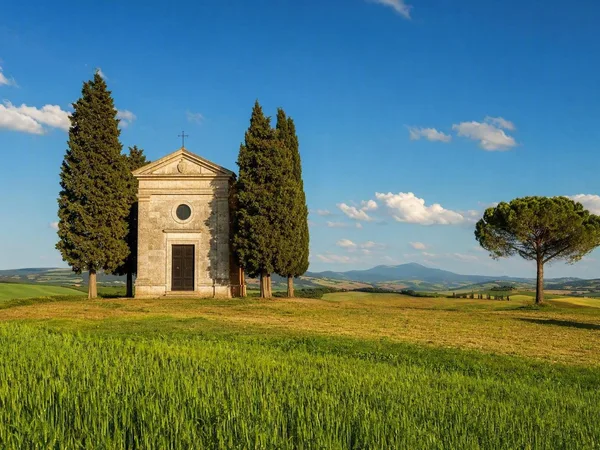
Val d’Orcia
1 linked stories and routes
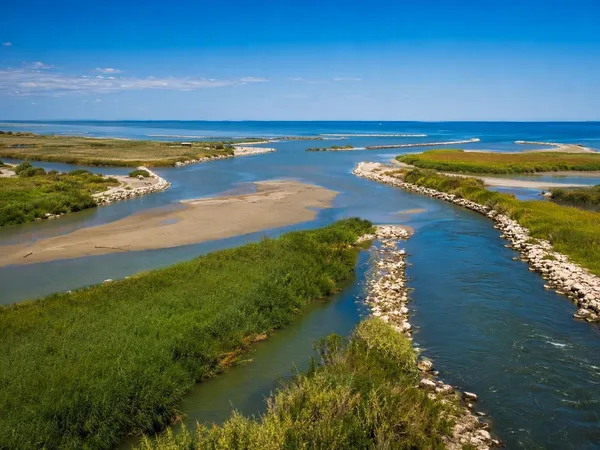
Po Delta
1 linked stories and routes
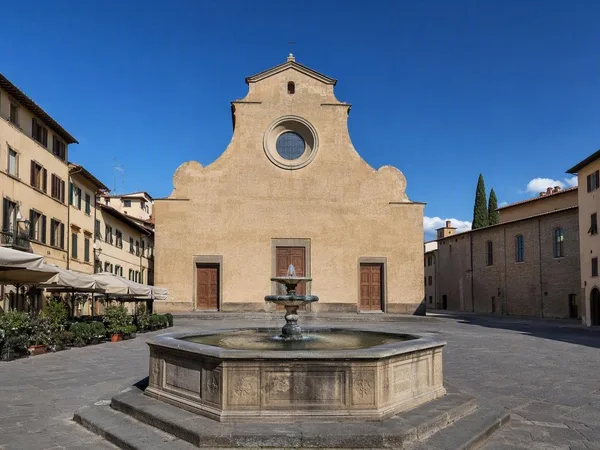
Piazza Santo Spirito
1 linked stories and routes
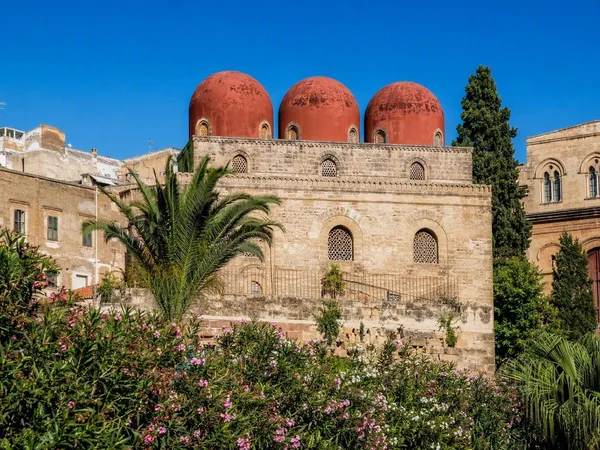
Piazza Bellini, Palermo
1 linked stories and routes
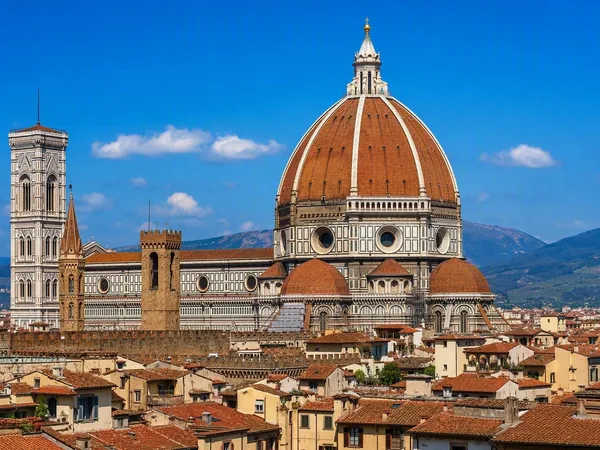
Florence
1 linked stories and routes
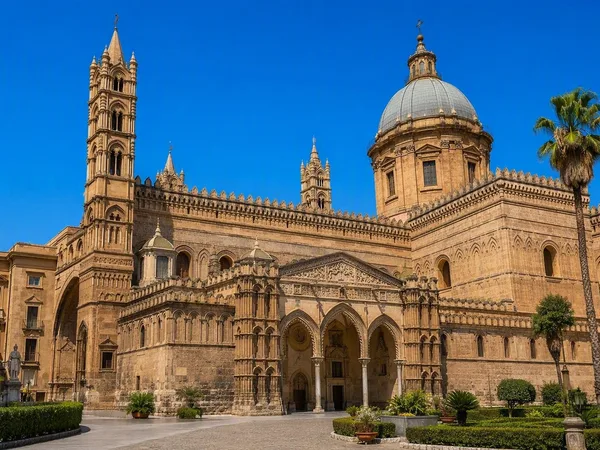
Palermo
1 linked stories and routes
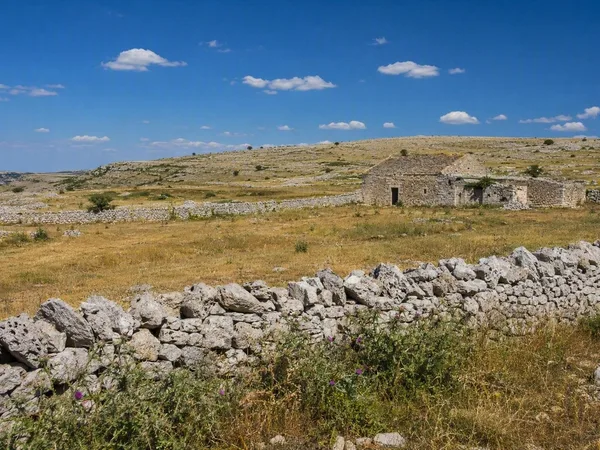
Murgia
1 linked stories and routes
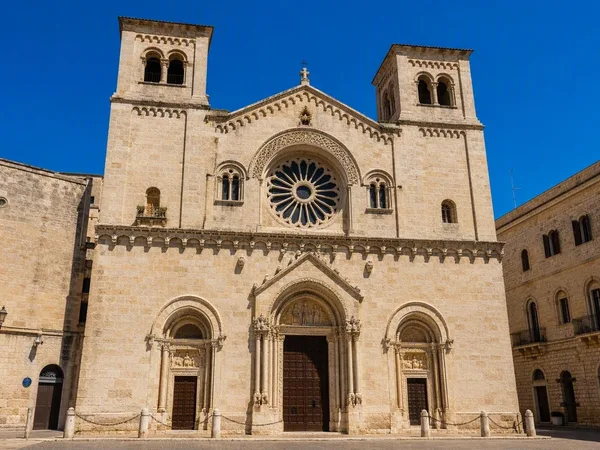
Altamura
1 linked stories and routes
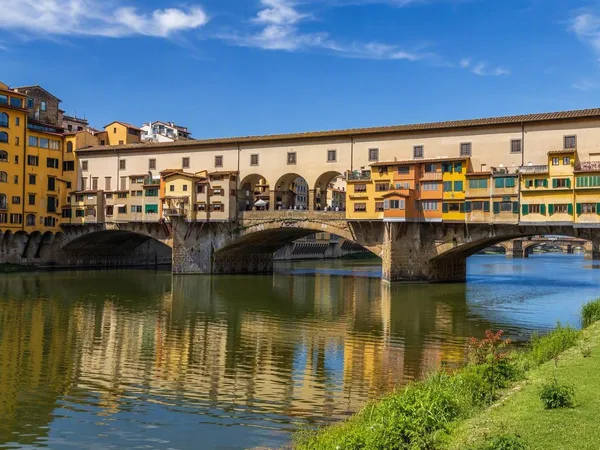
Ponte Vecchio
1 linked stories and routes
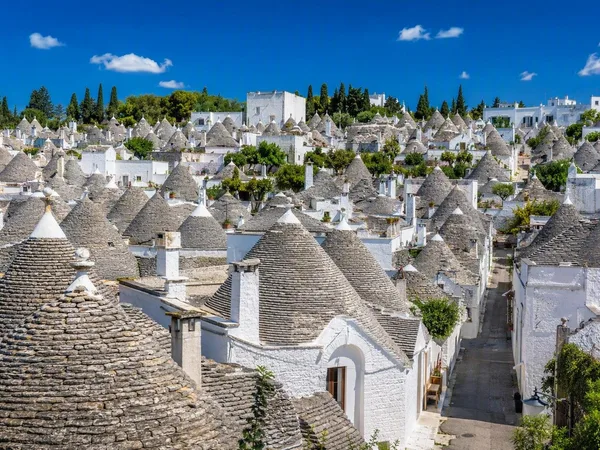
Alberobello
1 linked stories and routes
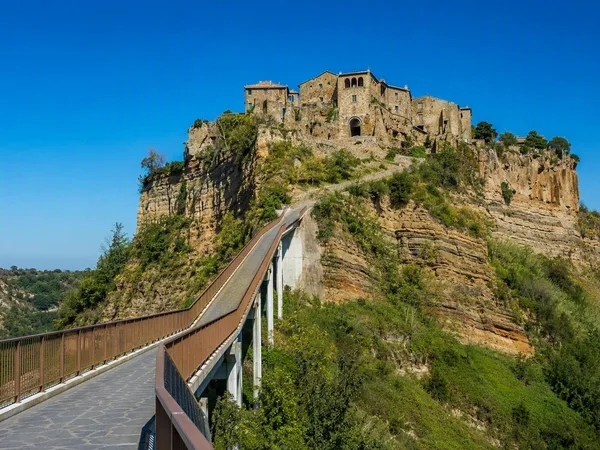
Civita di Bagnoregio
1 linked stories and routes
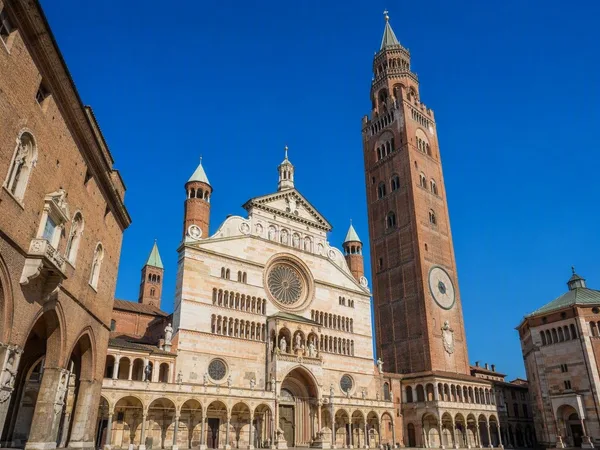
Cremona
1 linked stories and routes
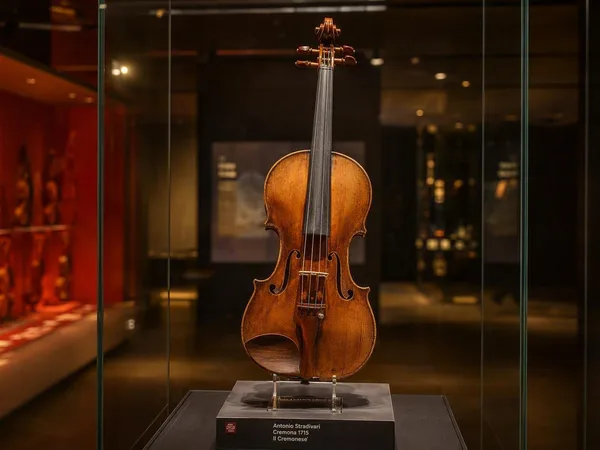
Museo del Violino
1 linked stories and routes
Romagna
1 linked stories and routes
Marche
1 linked stories and routes