
City · Netherlands
The Hague
The Hague is the Netherlands’ seat of government on the North Sea coast, combining the historic Binnenhof, royal streets, major art collections and the beach at Scheveningen.
Get your bearings
The Hague is a working government city as much as a visitor destination. Its oldest quarter gathers around the Binnenhof and Hofvijver; the compact shopping core runs south through Grote Marktstraat and Spui, while Noordeinde leads west toward the palace district. Scheveningen lies on the coast, beyond the centre rather than within it.
Start around Den Haag Centraal if arriving by train. From there, the Binnenhof, Mauritshuis, Lange Voorhout and central shopping streets are within walking distance. The city is broad enough to reward tram travel, but the historic centre is best handled on foot.
Politics, royalty and art
The Binnenhof, Ridderzaal, prime minister’s Torentje and Hofvijver form the visual and political centre of the Netherlands. The complex is undergoing a major renovation, so use the surrounding streets and the renovation information centre for context rather than expecting normal access through the courtyards.
A tight central circuit works well:
- Mauritshuis: Dutch Golden Age painting beside the Hofvijver, including Vermeer’s Girl with a Pearl Earring.
- Noordeinde: the King’s working palace stands on an elegant shopping street; continue into the public Palace Garden behind it.
- Lange Voorhout: a tree-lined avenue with Escher in Het Paleis at its northern end.
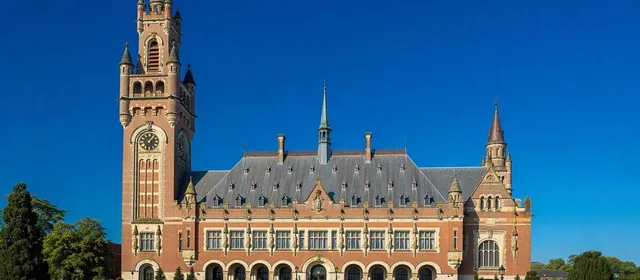
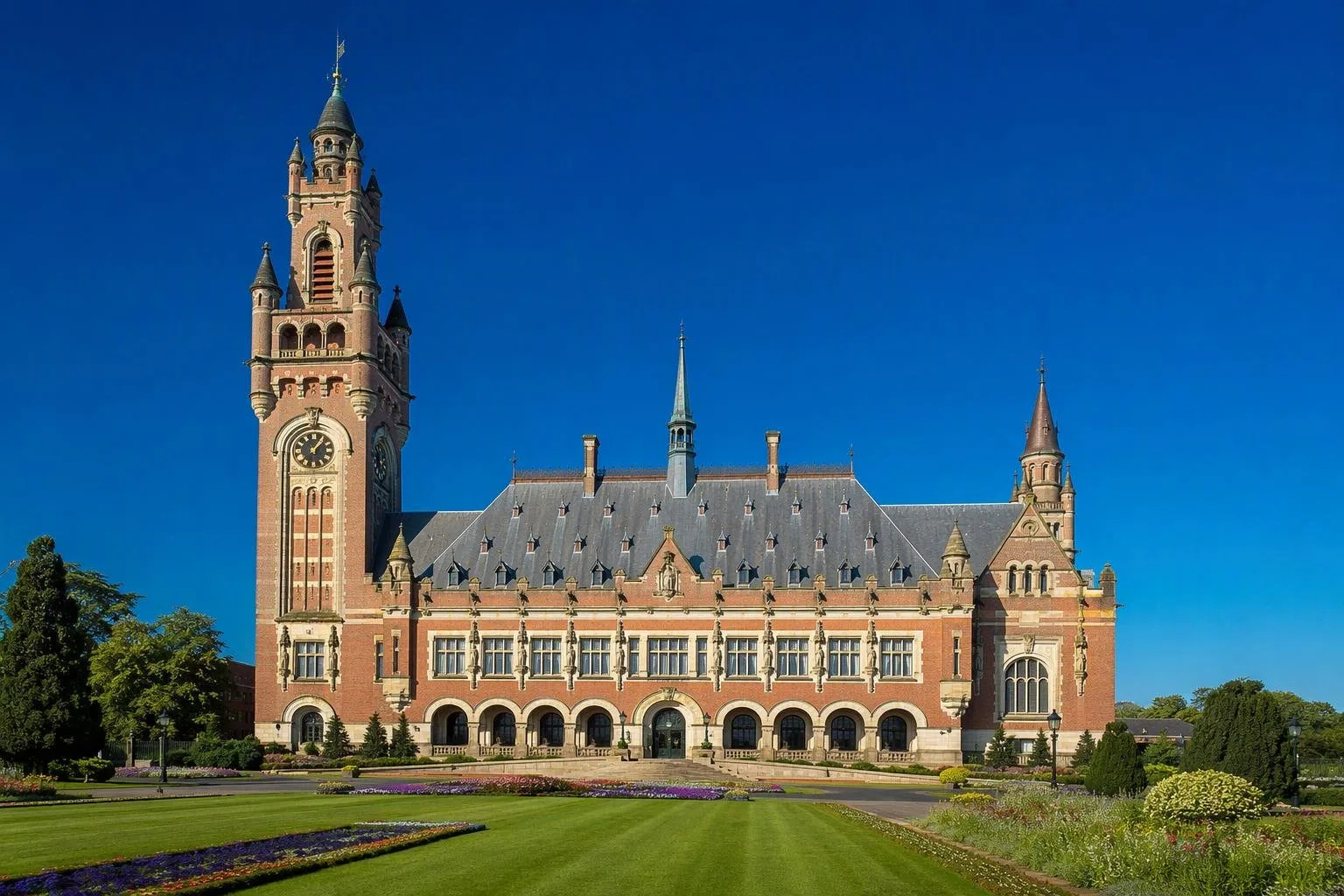
- Peace Palace: west of the centre, it houses the International Court of Justice and the Permanent Court of Arbitration. Its exterior and visitor centre make the strongest stop here.
Streets, courts and neighbourhood texture
For mainstream shops, use Grote Marktstraat, Spui and the covered Passage. For independent shops and galleries, move through the Hofkwartier, Noordeinde and Denneweg. Grote Markt is the practical evening square for cafés; Plein and Plaats sit closer to the Binnenhof.
Look for hofjes in the older streets, especially around Paviljoensgracht and the lanes south of Grote Markt. These charitable housing courts were built around private gardens and many remain homes. A closed gate is not an invitation to enter; view façades from the street and treat resident privacy as the rule.
Coast and parks
Scheveningen gives The Hague its direct sea connection: beach, promenade, Kurhaus and Pier are concentrated around the resort frontage. For a less built-up shoreline, use the dunes and beach farther south toward Kijkduin or Zuiderstrand.
From Den Haag Centraal, tram 9 and bus 22 serve Scheveningen; the ride typically takes 15–20 minutes. Tram and bus stops at Spui, Centrum, Kalvermarkt-Stadhuis and Nieuwe Haven are useful for the central area. Contactless OVpay, an OV-chipkaart or HTM tickets cover local public transport.
Practical rhythm
Give the centre one full day: Binnenhof and Hofvijver in the morning, Mauritshuis or Escher in the afternoon, then the Hofkwartier or Grote Markt after dark. Add a second day for the Peace Palace, Kunstmuseum area or the coast. Wind is part of the coastal city’s weather; bring a layer for the beach even after a warm day in town.
From the magazine
Stories about The Hague
Editorial stories linked directly to The Hague.
No stories about The Hague have been published yet.
Routes from our editors
Travel through The Hague
Editorial routes connecting The Hague with other countries, cities and hotspots.
No routes through The Hague have been published yet.
More in Netherlands
Related hotspots
Other cities, nature areas and places within Netherlands.
Amsterdam
9 linked stories and routes
Curaçao
2 linked stories and routes
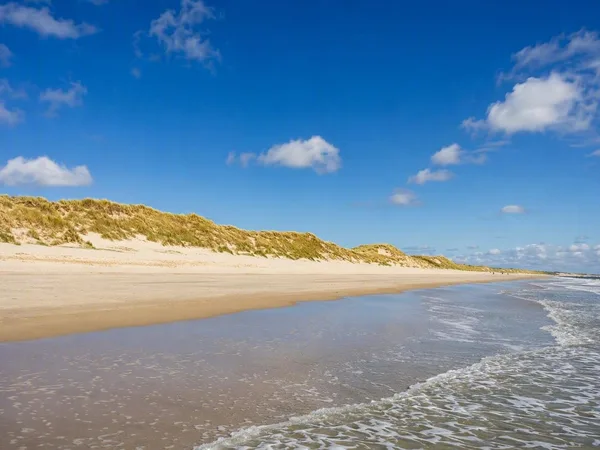
Schiermonnikoog
2 linked stories and routes
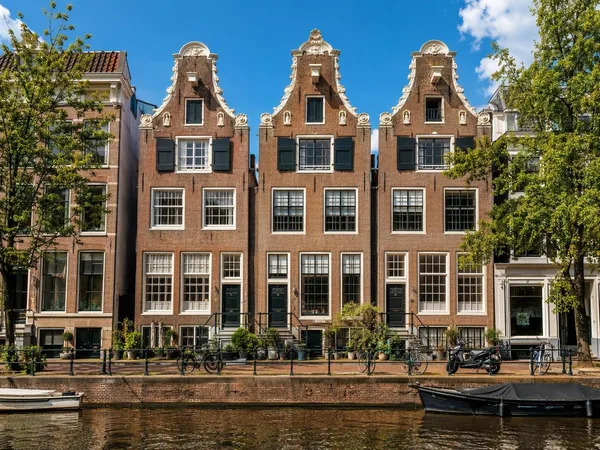
Jordaan
2 linked stories and routes
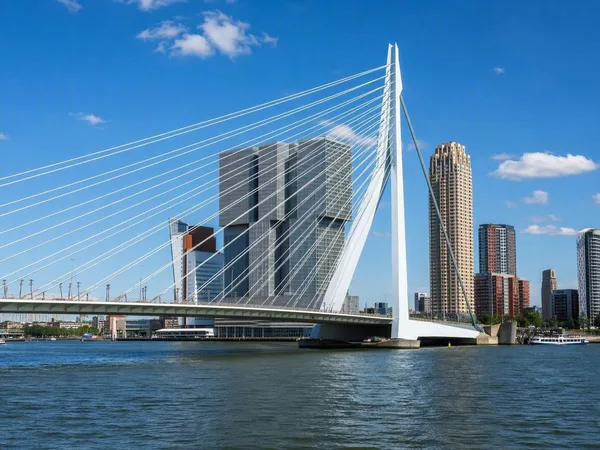
Rotterdam
1 linked stories and routes
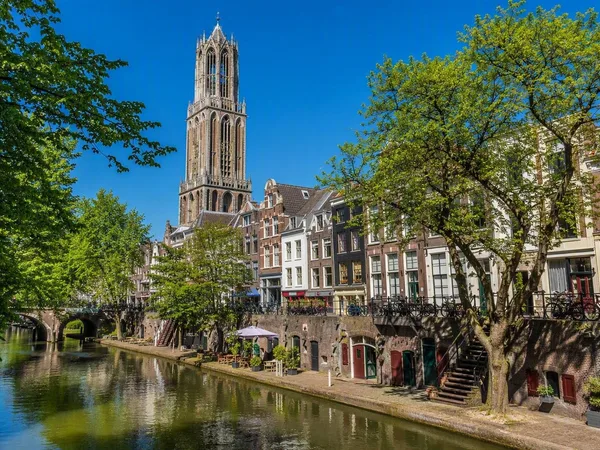
Utrecht
1 linked stories and routes
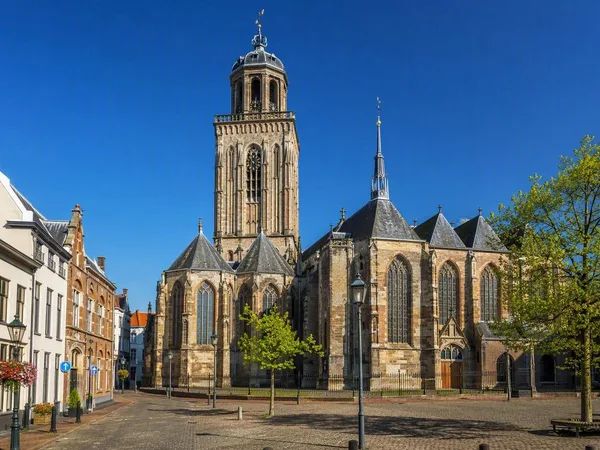
Deventer
1 linked stories and routes
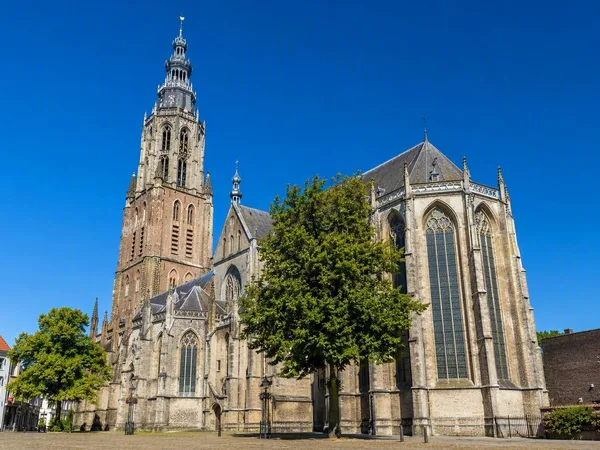
Zutphen
1 linked stories and routes
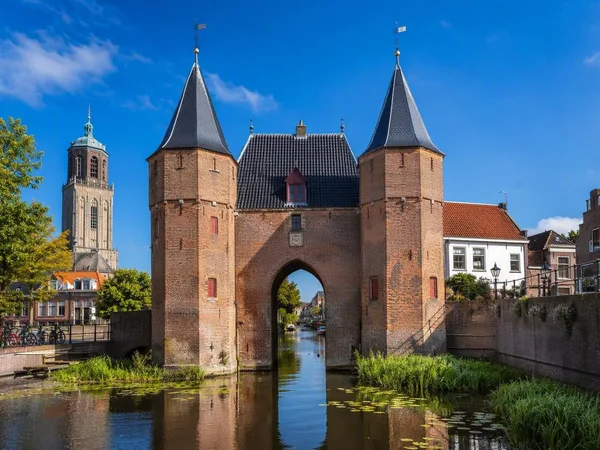
Zwolle
1 linked stories and routes
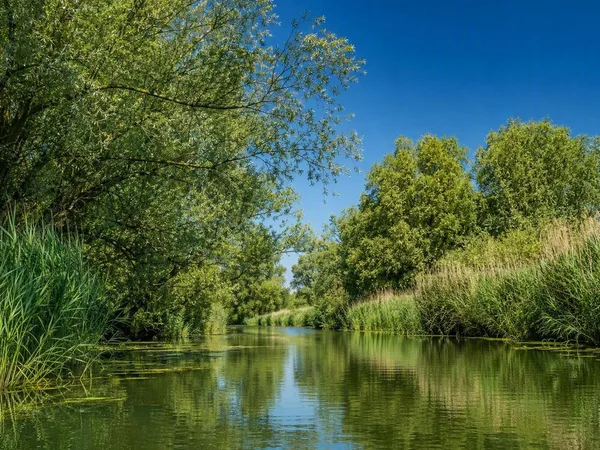
Biesbosch
1 linked stories and routes
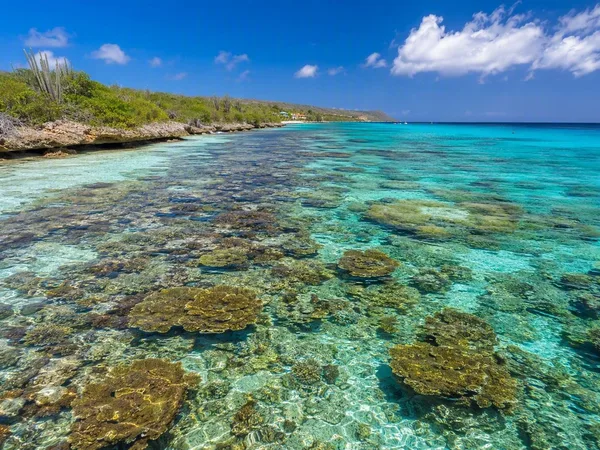
Bonaire
1 linked stories and routes
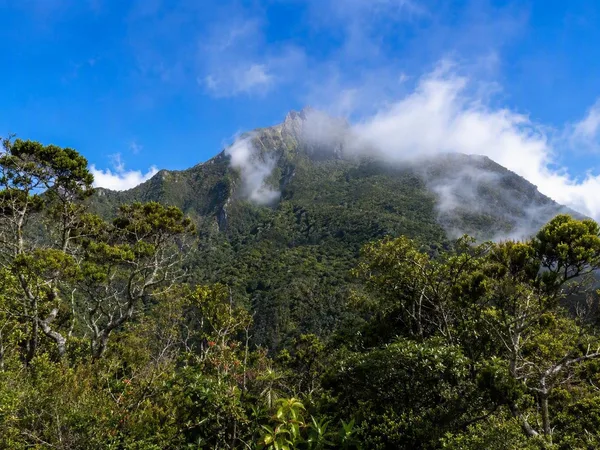
Saba
1 linked stories and routes
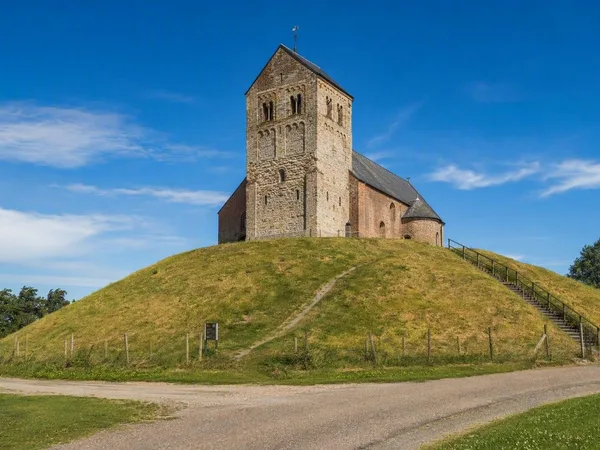
Hegebeintum
1 linked stories and routes
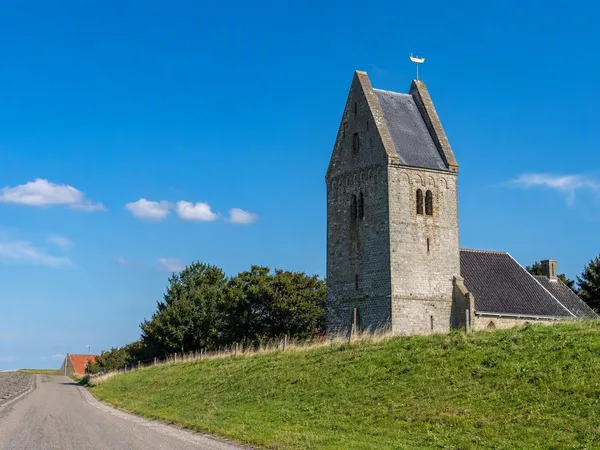
Wierum
1 linked stories and routes
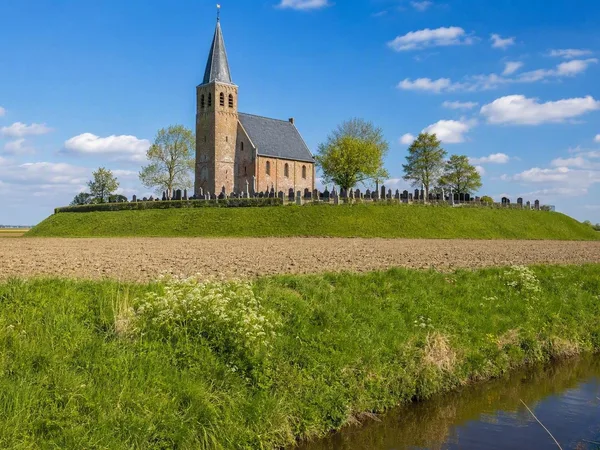
Friesland
1 linked stories and routes
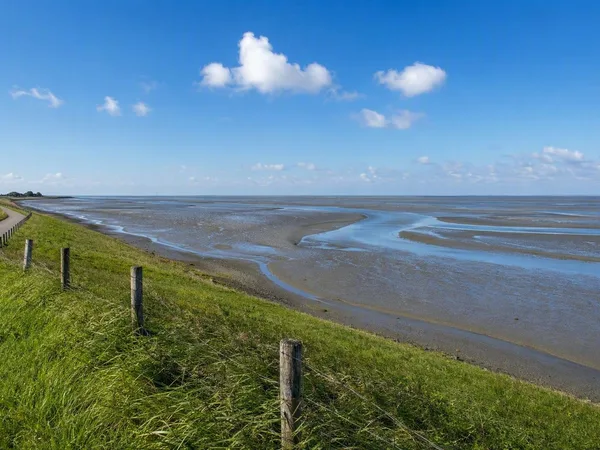
Wadden Sea, Netherlands
1 linked stories and routes
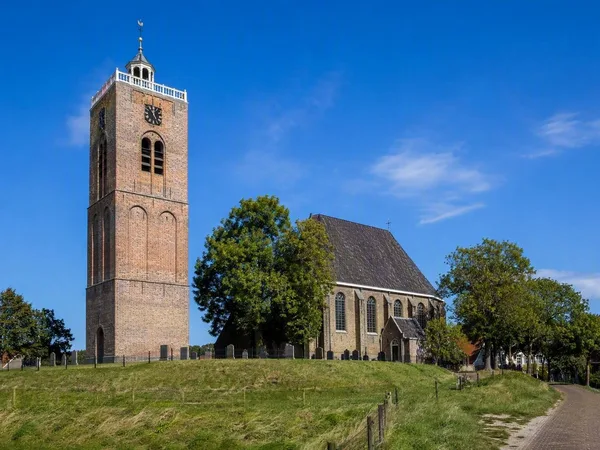
Holwerd
1 linked stories and routes
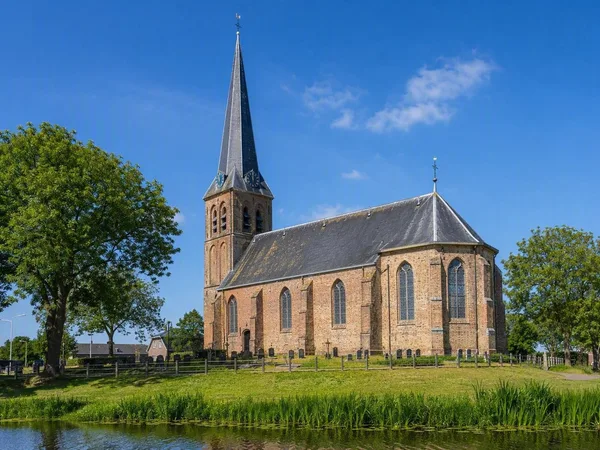
Ternaard
1 linked stories and routes
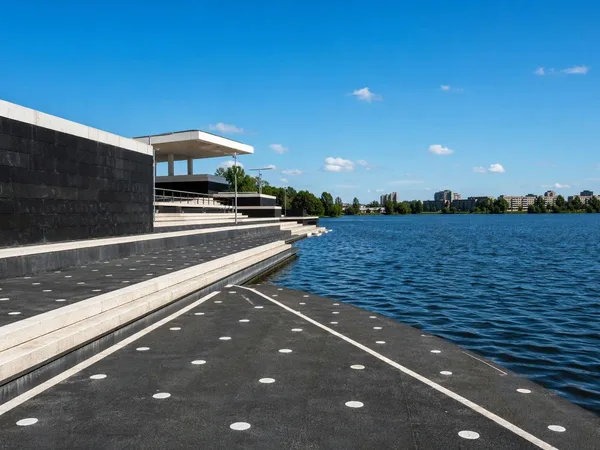
Sloterplas
1 linked stories and routes
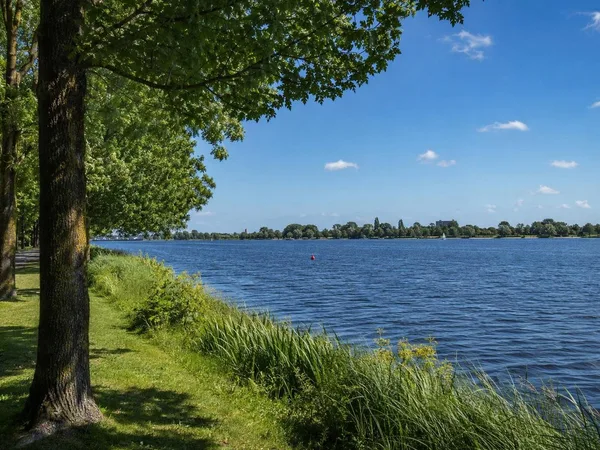
Sloterpark
1 linked stories and routes
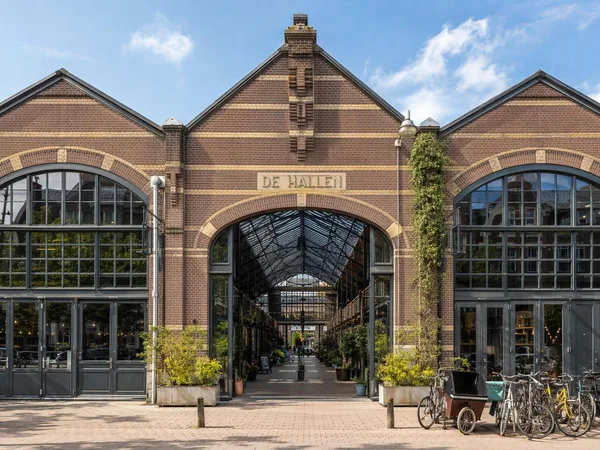
Oud-West
1 linked stories and routes
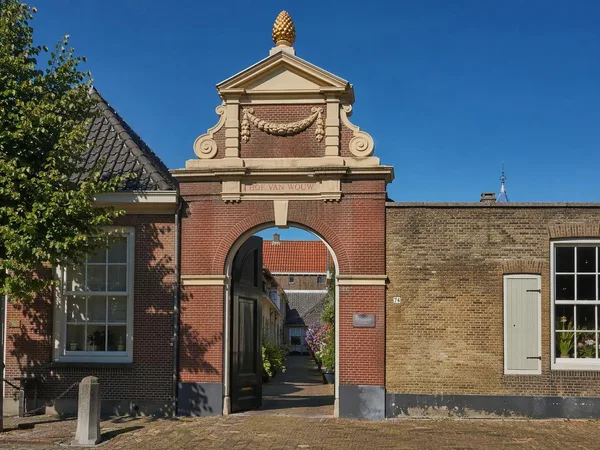
Hof van Wouw
1 linked stories and routes
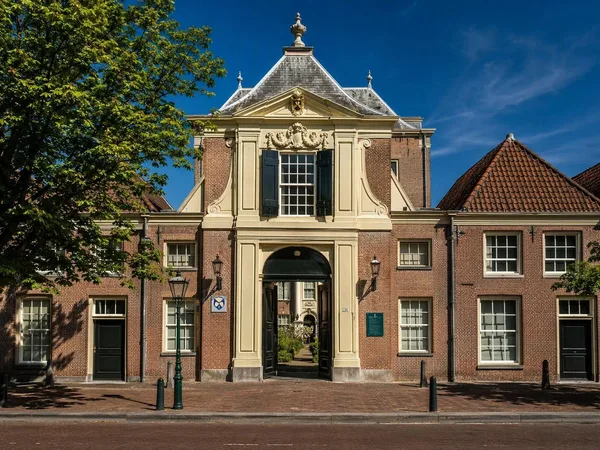
Heilige Geesthofje
1 linked stories and routes
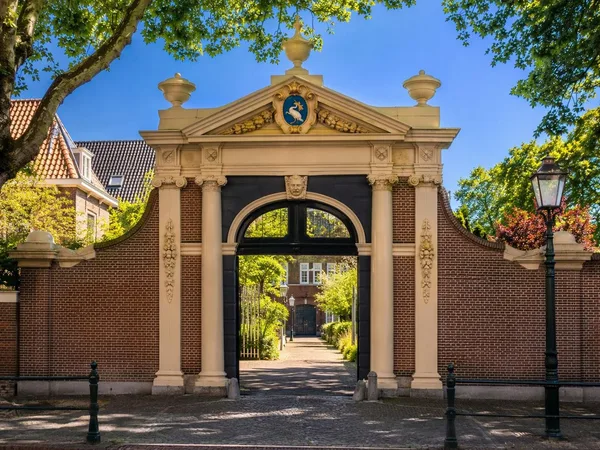
Hofje van Nieuwkoop
1 linked stories and routes
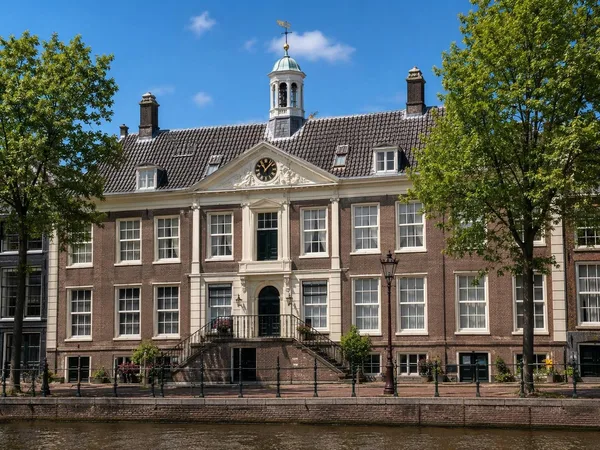
Hofje van Brienen
1 linked stories and routes
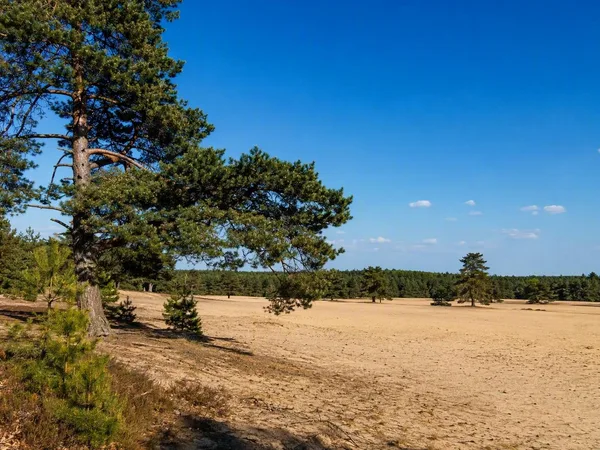
Veluwe
0 linked stories and routes