
Neighbourhood · Netherlands
Jordaan
The Jordaan is Amsterdam’s historic inner-city neighbourhood, west of the Prinsengracht. Its close-set streets, canals, markets and courtyard housing reward an unhurried walk.
Orientation
The Jordaan occupies the western side of Amsterdam’s historic centre. It is a compact neighbourhood of narrow streets and small canals, bounded broadly by the Brouwersgracht in the north, the Leidsegracht in the south, the Prinsengracht to the east and the Singelgracht/Lijnbaansgracht side to the west.
It began as a working-class district and its tight urban grain remains its defining feature. Do not treat it as a single sight: the point is to walk its canals, cross its bridges and follow the changing scale from broad streets to short alleyways.
Start with the canals
Use Bloemgracht, Egelantiersgracht and Lauriergracht as the spine of a walk. The Bloemgracht was laid out in 1612 and is the oldest of the Jordaan’s flower-named canals.
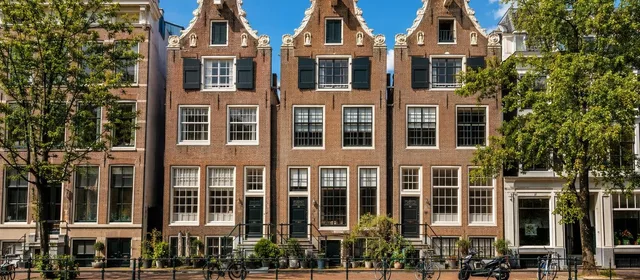
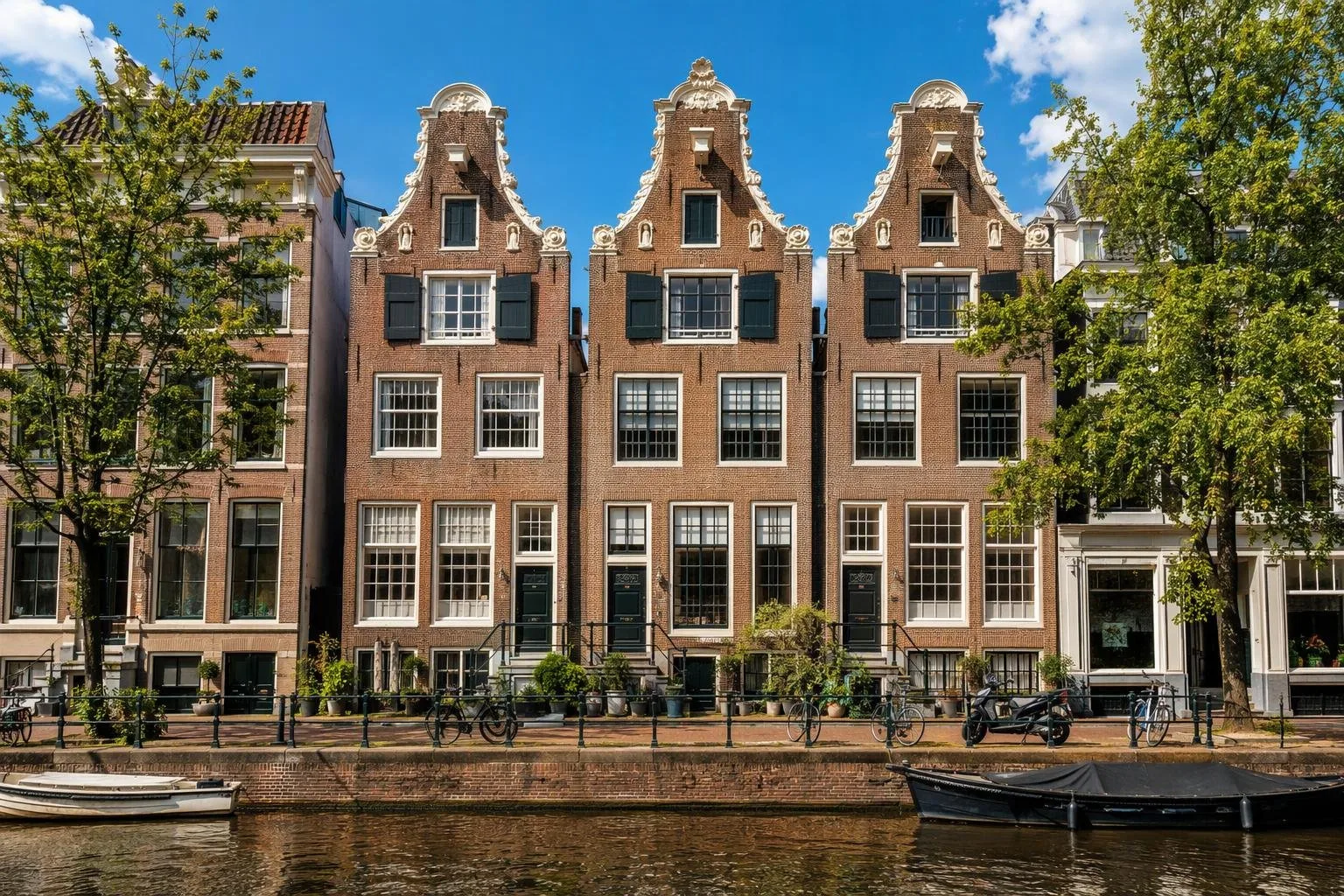
At Bloemgracht 87–91, look up at De Drie Hendricken: three rare, adjoining 17th-century stepped-gable houses. Their individual façades give a clear read of the neighbourhood’s historic building scale.
The Prinsengracht forms the eastern edge and offers the widest water views. It is also where the Anne Frank House stands; its subject matter and timed museum entry make it a separate, substantial visit rather than a casual stop on a canal stroll.
Markets and local institutions
The northern Jordaan centres on Noordermarkt and the Noorderkerk. The square has a flea market on Monday and a farmers’ market on Saturday. Nearby Lindengracht hosts its weekly general market on Saturday, while Westerstraat has a fabric market on Monday.
For a quieter counterpoint, seek out a hofje—a small residential almshouse courtyard. These were founded from the early 17th century for people with limited means. Some are accessible to visitors, but they remain homes: enter only where permitted, keep voices low and do not block doorways.
Museums, galleries and cafés
The Jordaan’s modest-scale museums suit short, focused stops. The Pianola Museum on Westerstraat presents self-playing pianos and a large roll library. The Tulip Museum on Prinsengracht covers the flower’s Dutch history. Small contemporary galleries are concentrated around Elandsgracht and Hazenstraat.
Traditional brown cafés remain part of the district’s social fabric. They are best approached as local bars, not set dressing: order, take a seat and keep pavement space clear.
Getting around
Walk the Jordaan. Its short blocks make routes flexible, and the neighbourhood connects easily with the central canal belt. Cycling is practical only if you are comfortable sharing narrow streets with local bike traffic and pedestrians. On market days, walking is the efficient choice; stalls and crowds constrict the main streets.
Give the area at least two to three hours without a museum visit. Choose Saturday for food and market activity, or a weekday morning for clearer canal views and a quieter look at the streetscape.
From the magazine
Stories about Jordaan
Editorial stories linked directly to Jordaan.
No stories about Jordaan have been published yet.
Routes from our editors
Travel through Jordaan
Editorial routes connecting Jordaan with other countries, cities and hotspots.
No routes through Jordaan have been published yet.
More in Netherlands
Related hotspots
Other cities, nature areas and places within Netherlands.
Amsterdam
9 linked stories and routes
Curaçao
2 linked stories and routes
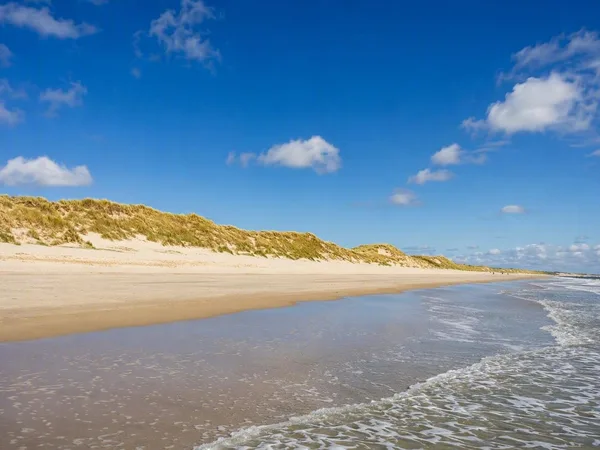
Schiermonnikoog
2 linked stories and routes
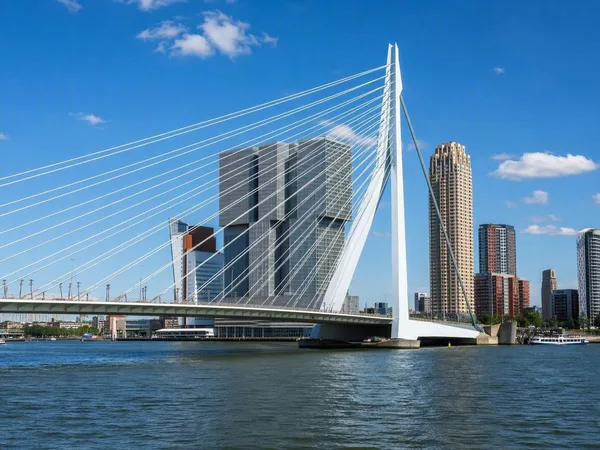
Rotterdam
1 linked stories and routes
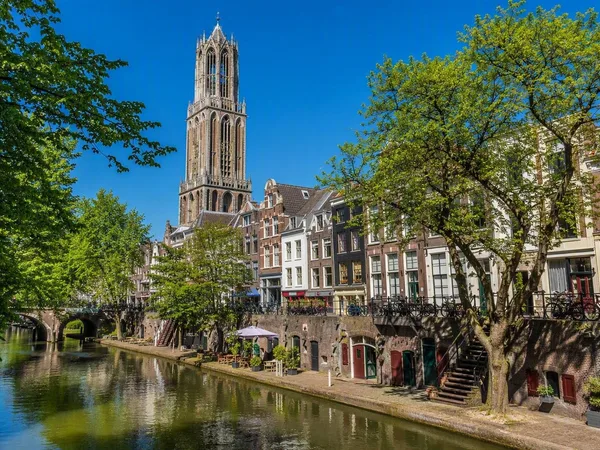
Utrecht
1 linked stories and routes
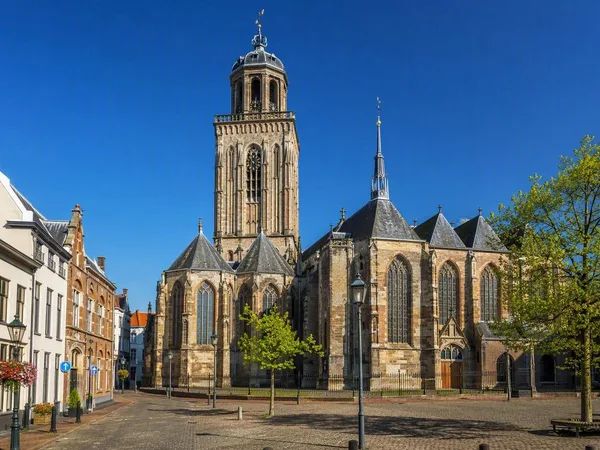
Deventer
1 linked stories and routes
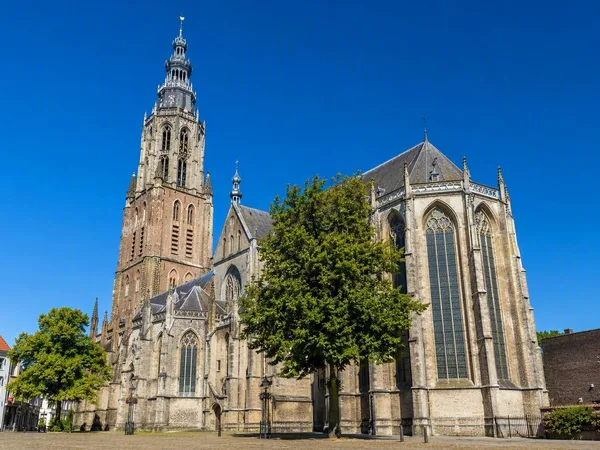
Zutphen
1 linked stories and routes
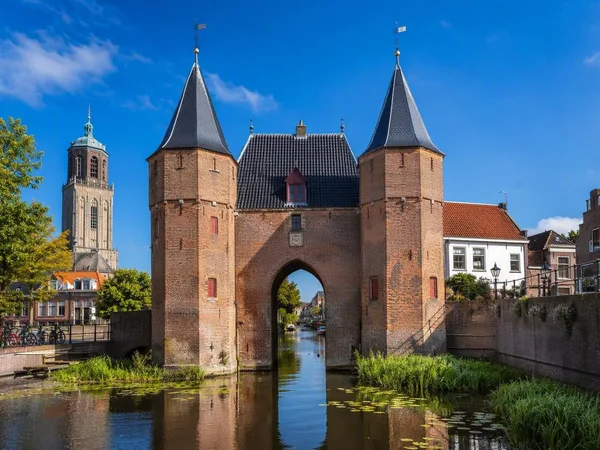
Zwolle
1 linked stories and routes
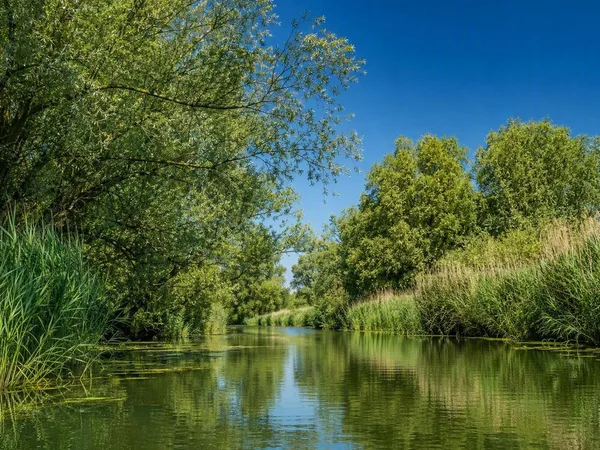
Biesbosch
1 linked stories and routes
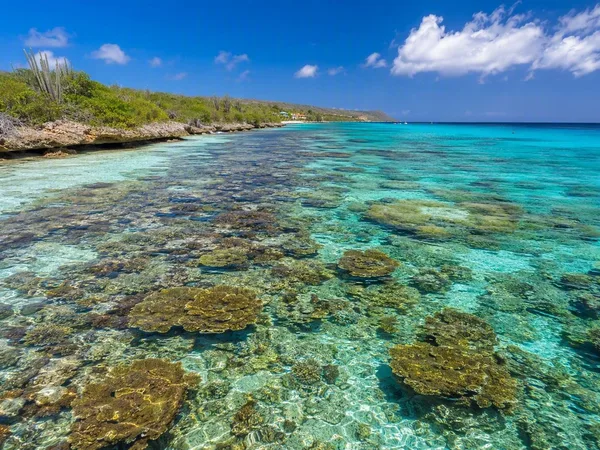
Bonaire
1 linked stories and routes
Saba
1 linked stories and routes
Hegebeintum
1 linked stories and routes
Wierum
1 linked stories and routes
Friesland
1 linked stories and routes
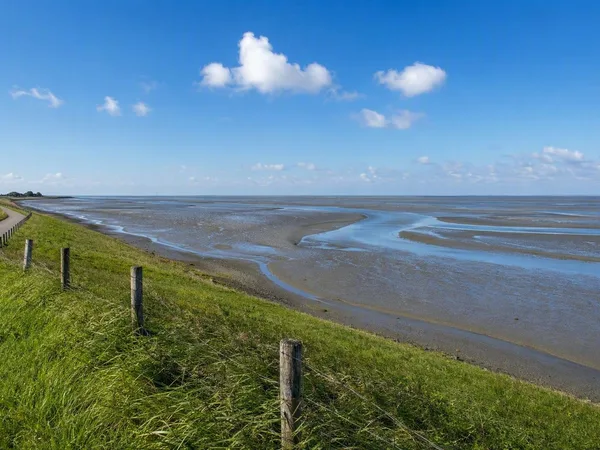
Wadden Sea, Netherlands
1 linked stories and routes
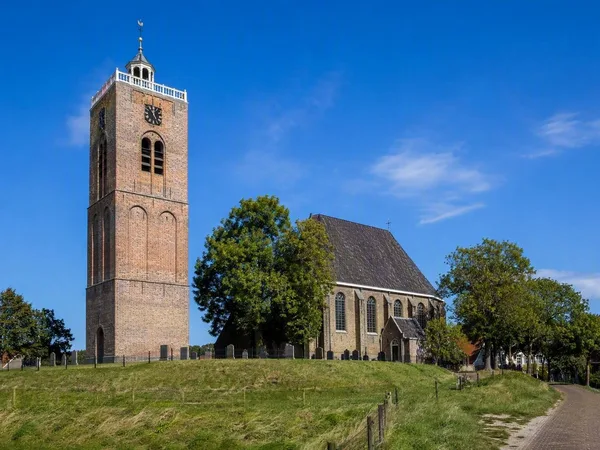
Holwerd
1 linked stories and routes
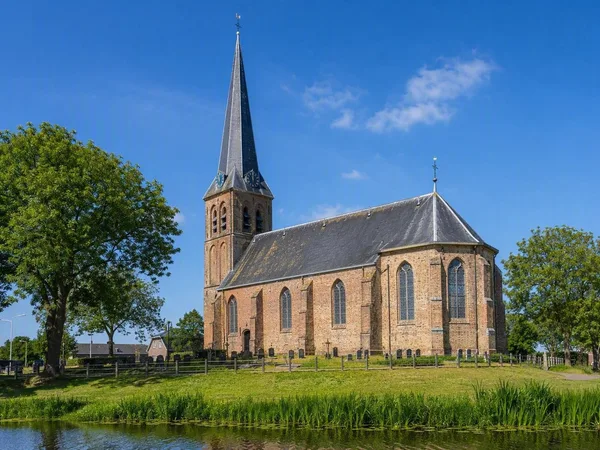
Ternaard
1 linked stories and routes
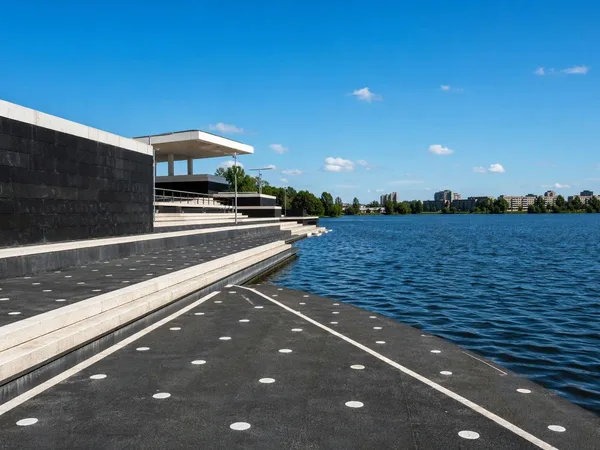
Sloterplas
1 linked stories and routes
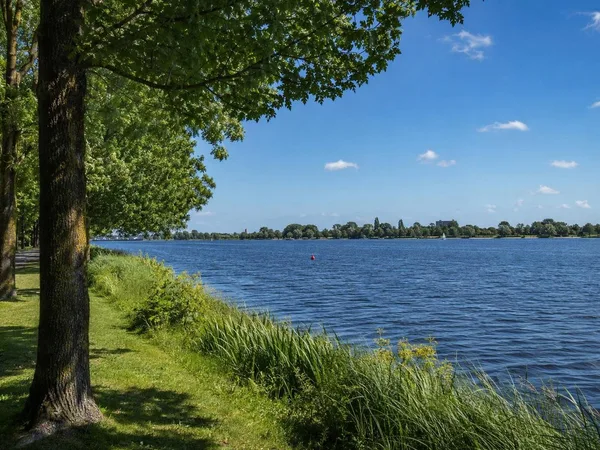
Sloterpark
1 linked stories and routes
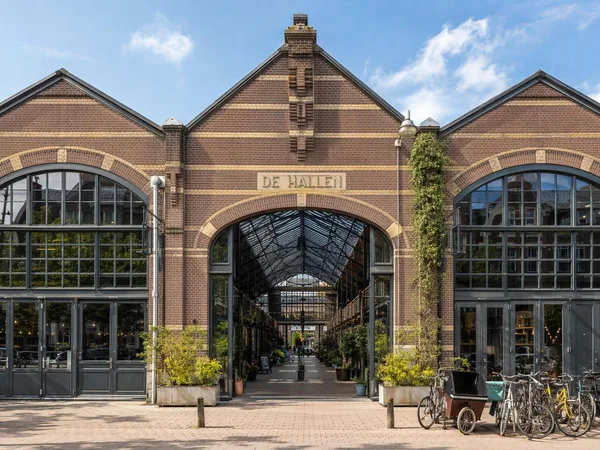
Oud-West
1 linked stories and routes
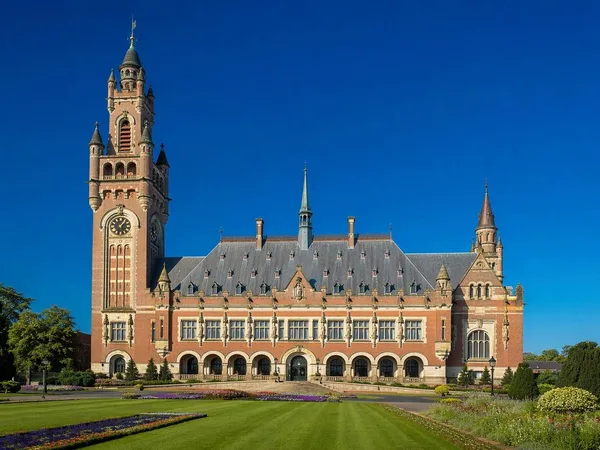
The Hague
1 linked stories and routes
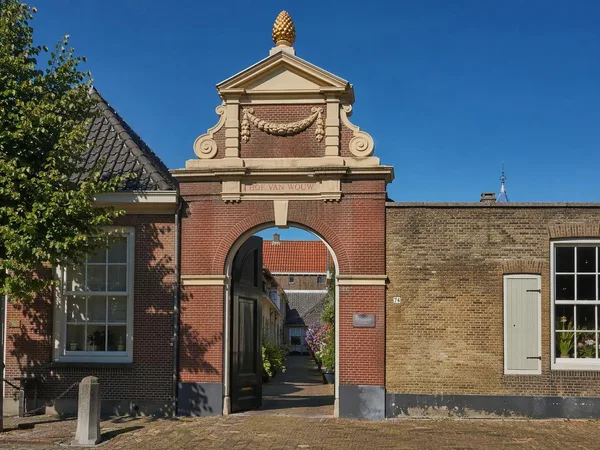
Hof van Wouw
1 linked stories and routes
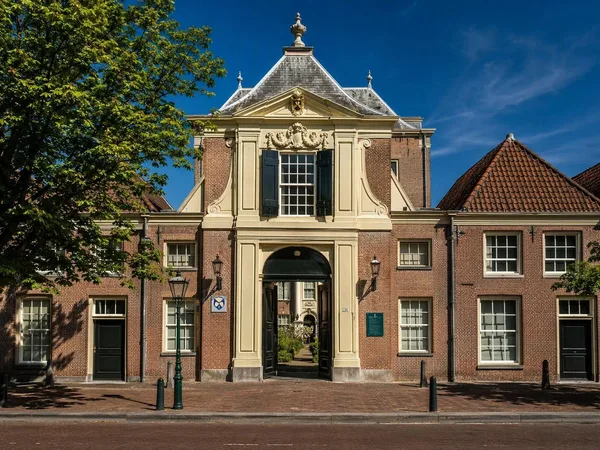
Heilige Geesthofje
1 linked stories and routes
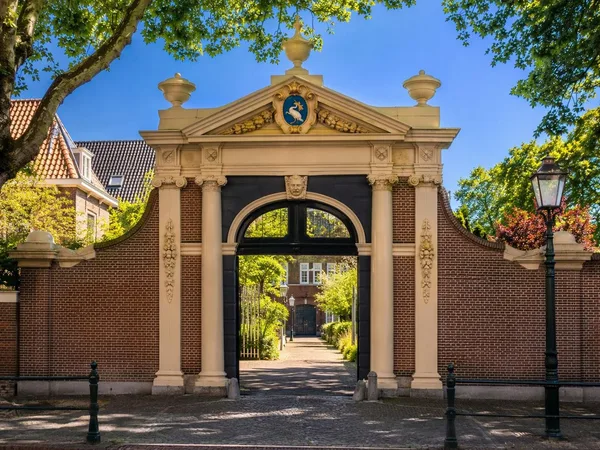
Hofje van Nieuwkoop
1 linked stories and routes
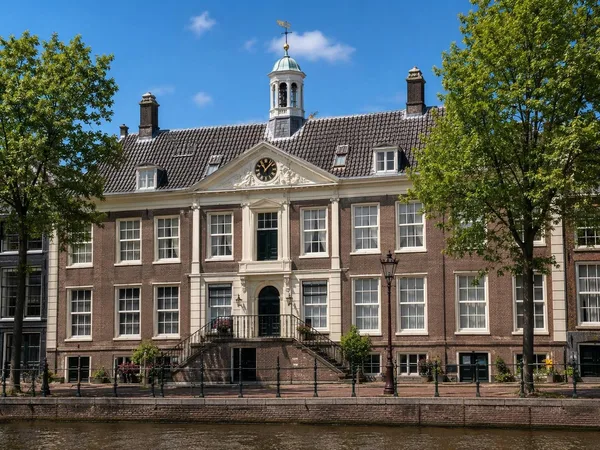
Hofje van Brienen
1 linked stories and routes
Veluwe
0 linked stories and routes