
Neighbourhood · Bosnia and Herzegovina
Mojmilo
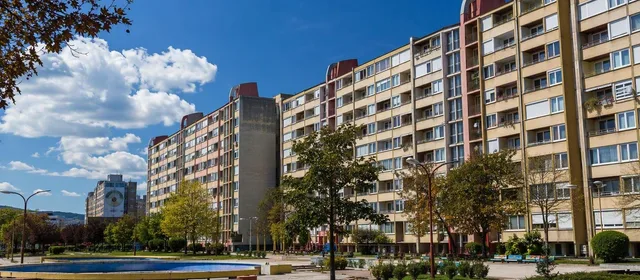
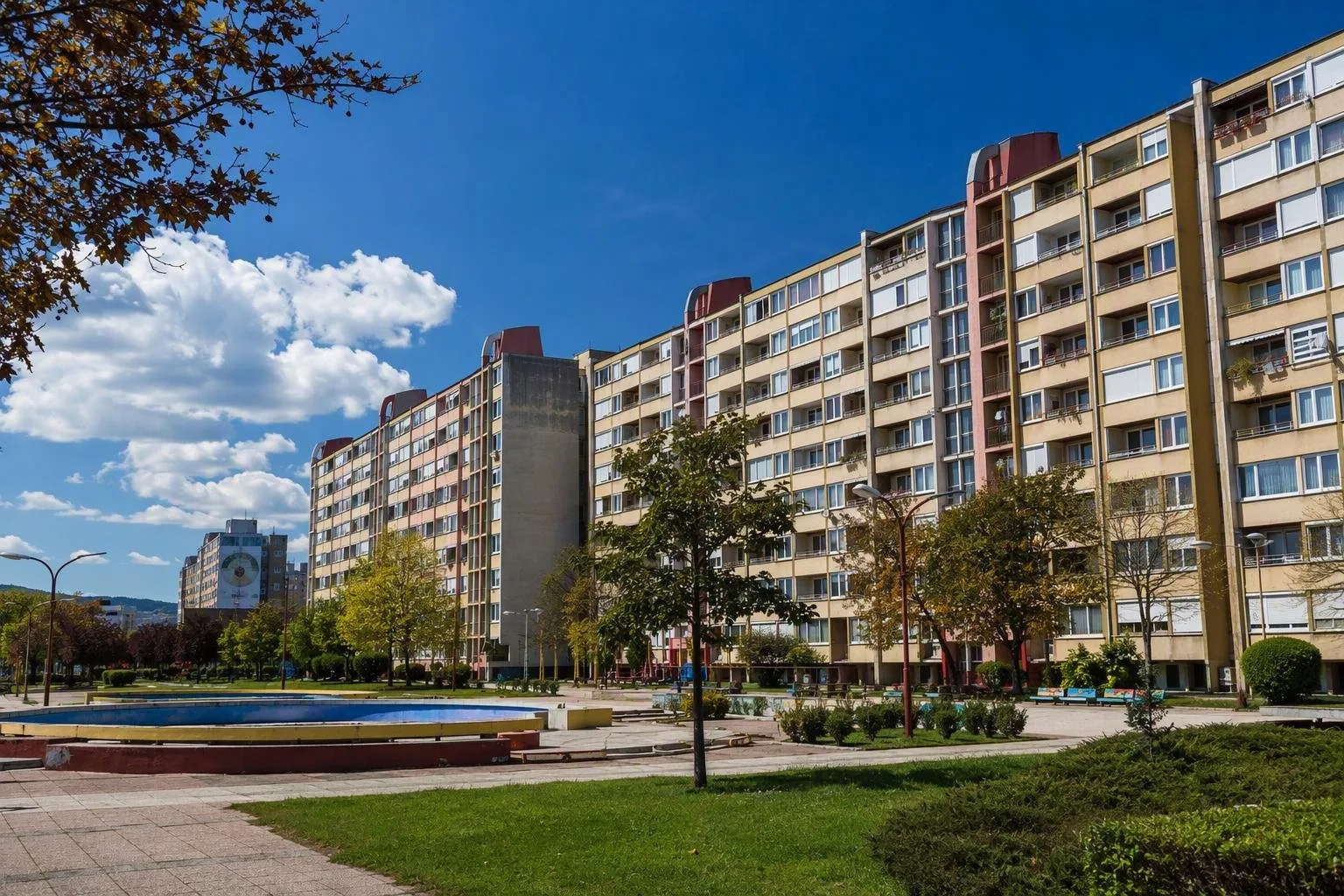
Mojmilo is a residential neighbourhood in western Sarajevo, built as the athletes’ village for the 1984 Winter Olympics. Its large-scale modernist housing and Barcelona Square make the Olympic legacy visible in everyday city life.
What Mojmilo is
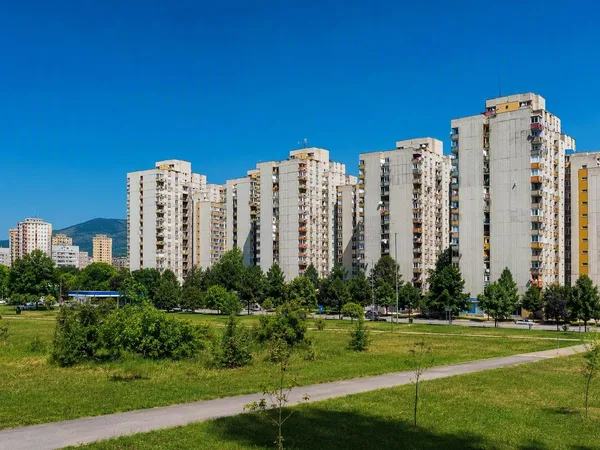
Mojmilo, also known as the Olympic Village, lies in Sarajevo’s Novi Grad municipality, west of the historic centre and on the route towards Dobrinja. It was built for the 1984 Winter Olympics, but not as a short-lived event compound: the plan from the outset was for a permanent residential district.
This is a lived-in neighbourhood, not a preserved Olympic site or a conventional attraction. Come for Sarajevo’s urban history, postwar reconstruction and a clear example of how Olympic infrastructure became housing.
The 1984 Olympic Village
Architect Milan Medić led the project, completed between 1982 and 1983. Across 12 hectares, 24 buildings contained 639 apartments in five residential rows. During the Games, the village housed roughly 2,250 athletes and officials.
The layout was organised around a central pedestrian square, then called the Youth Forum. Look for the long, linked rows of concrete housing rather than a single monumental building; that connected modernist composition is Mojmilo’s defining feature.
Facilities were designed with their second use already in mind:
- The Olympic restaurant was intended to become a neighbourhood food shop.
- The accreditation hall was designed for conversion into a cinema.
- The leisure centre was planned as nursery and childcare space.
The apartments entered Sarajevo’s public housing stock after the Games.
War, rebuilding and Barcelona Square
Mojmilo was badly damaged during the Bosnian War. Reconstruction ran from 1996 to 1999 with major support from Barcelona. The central square was subsequently renamed Barcelona Square, and murals in the neighbourhood commemorate that link.
That history gives the district more weight than its concrete architecture initially suggests. It is a practical place to read three layers of Sarajevo at once: late-Yugoslav mass housing, the 1984 Games and postwar recovery. Keep to public paths and treat courtyards, entrances and residential areas as residents’ space.
Getting there
Mojmilo is best reached by trolleybus from the main city transport corridor. Trolleybus 108 runs between Otoka and Dobrinja and stops at Mojmilo and Mojmilo II; it is useful for arriving from Otoka or continuing towards Dobrinja. Trolleybus 103 links Dobrinja with Trg Austrije near the old-town side of central Sarajevo.
From Baščaršija, take tram 3 west to Otoka, then change for the 108. A standard GRAS single ticket costs 2.20 KM and a day ticket costs 7.10 KM. Tickets are sold at GRAS kiosks including Baščaršija, Otoka and the Dobrinja terminal.
How to visit
Allow 30 to 45 minutes for a purposeful walk around the central blocks and square. Pair Mojmilo with Dobrinja if you want to trace the two residential districts created for the Olympics: Mojmilo housed athletes, while Dobrinja served the press corps.
There is no ticketed Olympic complex here, so daytime is the most practical time to walk, photograph the public-facing architecture and use local shops or transport connections.
From the magazine
Stories about Mojmilo
Editorial stories linked directly to Mojmilo.
No stories about Mojmilo have been published yet.
Routes from our editors
Travel through Mojmilo
Editorial routes connecting Mojmilo with other countries, cities and hotspots.
No routes through Mojmilo have been published yet.
More in Bosnia and Herzegovina
Related hotspots
Other cities, nature areas and places within Bosnia and Herzegovina.
Sarajevo
6 linked stories and routes
Baščaršija, Sarajevo
4 linked stories and routes
Igman
2 linked stories and routes
Trebević
2 linked stories and routes
Stari Grad, Sarajevo
2 linked stories and routes
Alipašino Polje
2 linked stories and routes
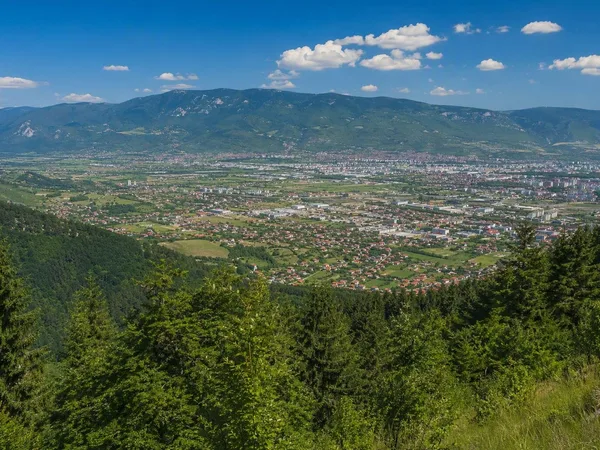
Sarajevsko polje
2 linked stories and routes
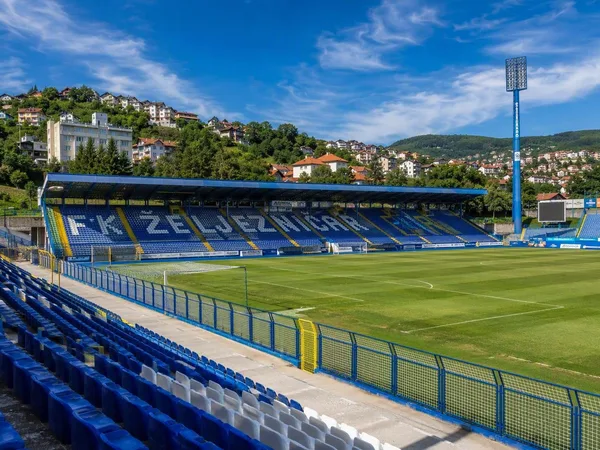
Novo Sarajevo
2 linked stories and routes
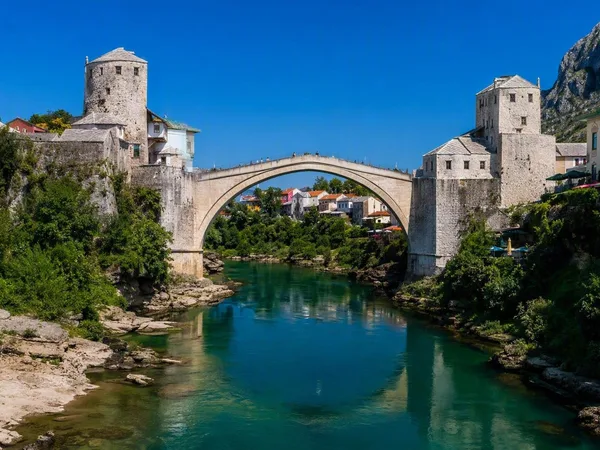
Stari Most (Old Bridge)
1 linked stories and routes
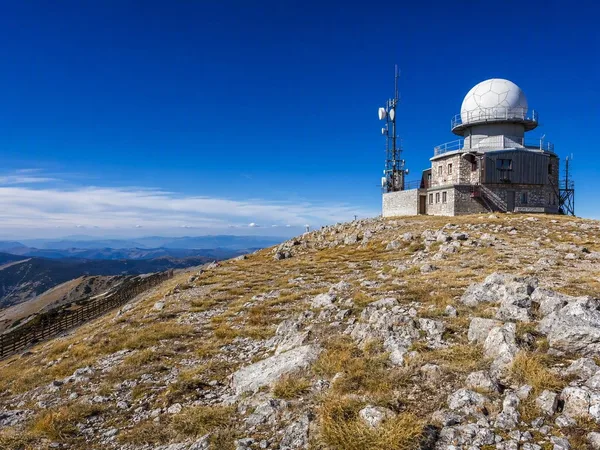
Bjelašnica Mountain
1 linked stories and routes
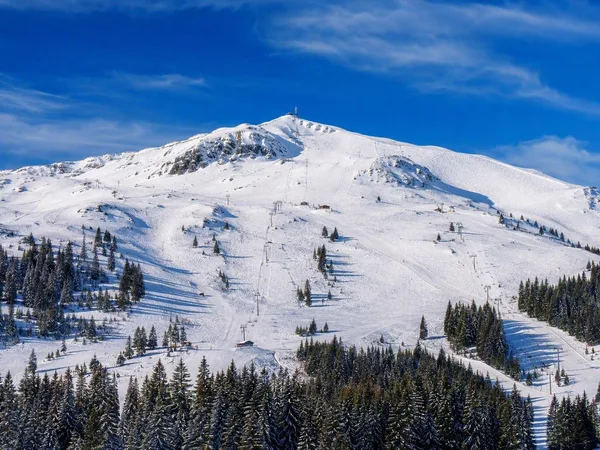
Jahorina
1 linked stories and routes
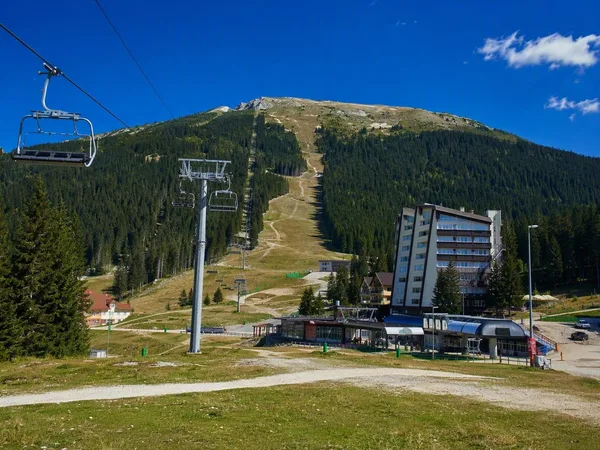
Babin Do, Bjelašnica
1 linked stories and routes
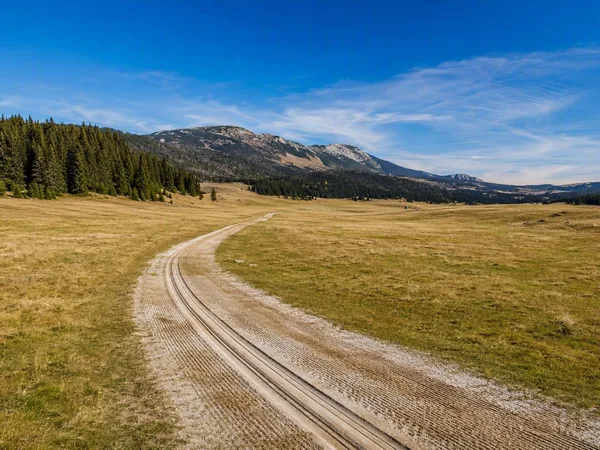
Veliko Polje, Igman
1 linked stories and routes
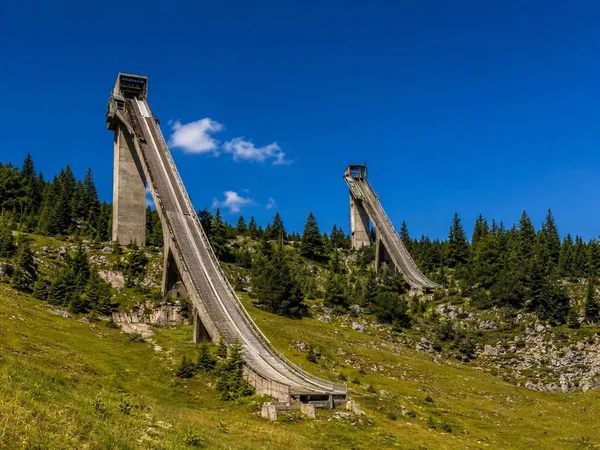
Malo Polje Ski Jumps
1 linked stories and routes
War Childhood Museum
1 linked stories and routes
Dobrinja
1 linked stories and routes
Grbavica
1 linked stories and routes
Hrasno, Sarajevo
1 linked stories and routes
Novi Grad, Sarajevo
1 linked stories and routes
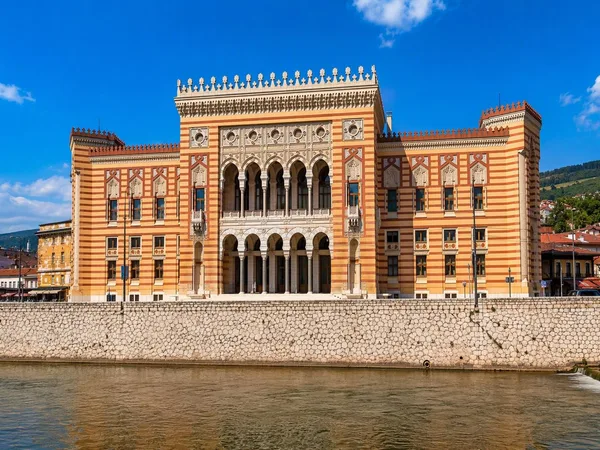
Vijećnica (Sarajevo City Hall)
1 linked stories and routes
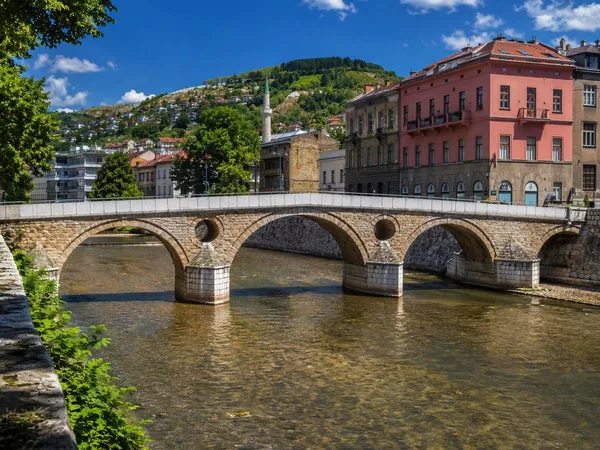
Latin Bridge
1 linked stories and routes
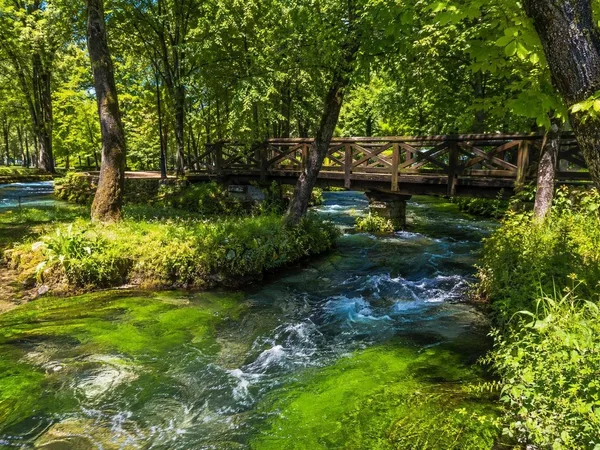
Vrelo Bosne
1 linked stories and routes
Marijin Dvor
1 linked stories and routes
Ilidža
1 linked stories and routes
Mostar
0 linked stories and routes