
Neighbourhood · Bosnia and Herzegovina
Marijin Dvor
Marijin Dvor is Sarajevo’s central administrative and business district, west of the old core along the main tram corridor. Its streets compress Austro-Hungarian housing, Olympic-era architecture, government buildings and major cultural institutions into a compact urban walk.
Read the district
Marijin Dvor marks the point where Sarajevo’s streets broaden and the city changes scale. It sits in Centar municipality, on the main east–west corridor between the old centre and the newer districts toward Ilidža. This is a working district of offices, institutions, hotels, shops and heavy tram traffic rather than a preserved historic quarter.
Use the tram line as your bearing: Maršala Tita Street approaches from the east, then the corridor continues west as Zmaja od Bosne. The Marijin Dvor and Tehnička škola stops put the district’s principal sights within a short walk.
The building behind the name
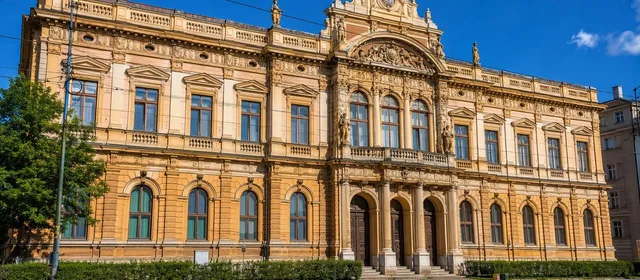
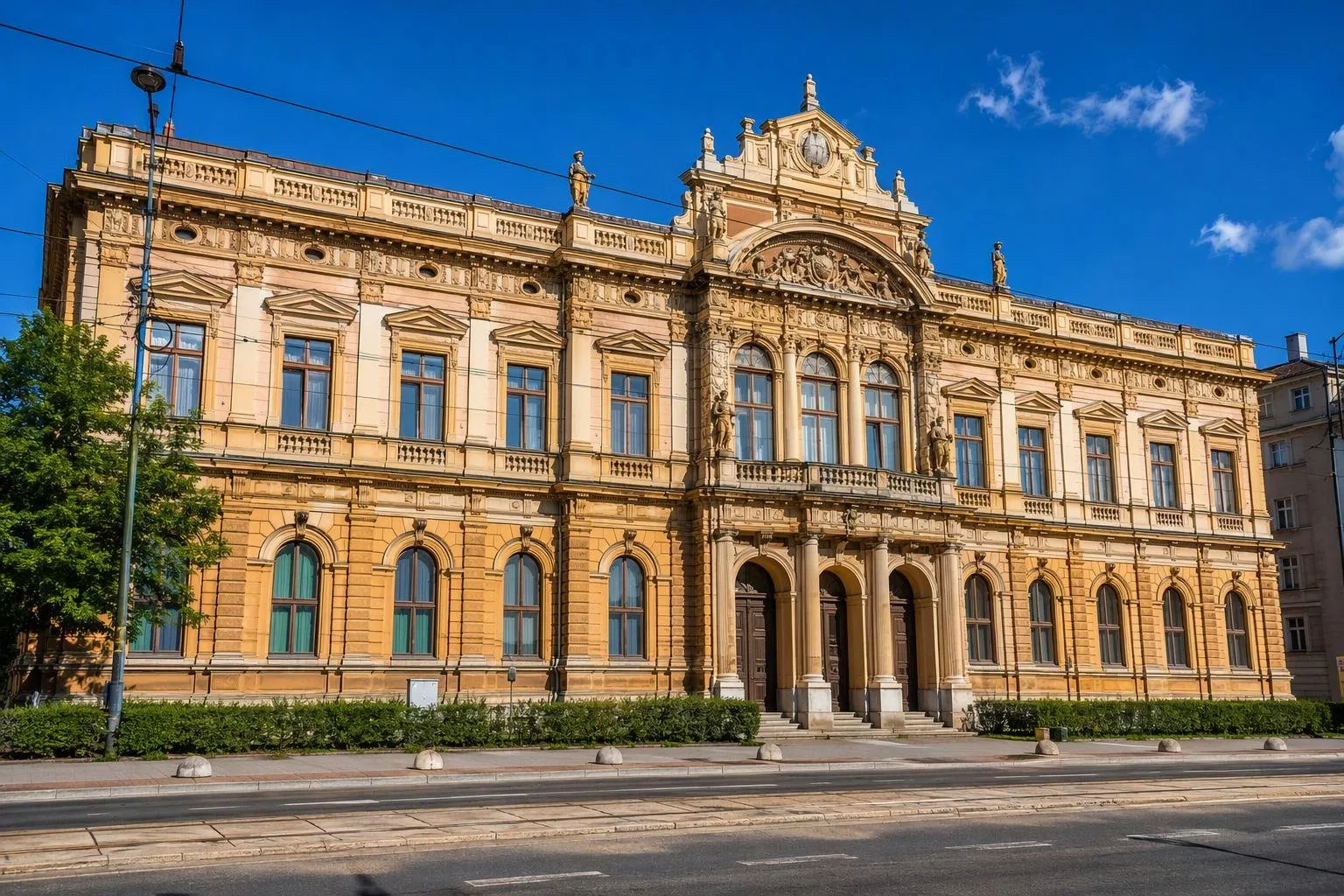
The district is named for Marijin Dvor, the large residential-and-commercial palace built for construction-materials industrialist August Braun and named for his wife Marija. Completed in 1899 after staged construction, it occupies the block between Maršala Tita, Kralja Tvrtka, Augusta Brauna and Dolina streets.
Look at the street-facing façades rather than expecting a museum interior: the palace remains part of the city’s everyday fabric. Its enclosed block, large internal courtyard and historicist, neo-Renaissance character show the apartment-house model that accompanied Sarajevo’s Austro-Hungarian expansion. The building is a national monument.
Architecture in successive layers
Walk west along the boulevard to see how later Sarajevo built around the older block.
- UNITIC towers: the paired commercial towers, completed in 1986, are widely known locally as Momo and Uzeir. Their vertical profile is the district’s clearest late-Yugoslav landmark.
- Hotel Holiday: the bold yellow hotel was constructed for the 1984 Winter Olympics. It stands beside the museum and the parliamentary complex.
- Parliamentary and government buildings: these give the area its institutional character; treat the surrounding streets as functioning civic space, not an attraction precinct.
- Sarajevo City Center and Alta: retail and food options cluster around the main junction, useful for a practical break between sights.
National Museum of Bosnia and Herzegovina
At Zmaja od Bosne 3, the National Museum is the district’s essential cultural stop. Its four-pavilion complex encloses a botanical garden and holds archaeology, ethnology and natural-history collections. The Sarajevo Haggadah is displayed at specified times and has separate access arrangements.
The museum is generally open Tuesday to Friday from 10:00 to 19:00 and Saturday–Sunday from 10:00 to 18:00; Monday is closed. Allow time for the gardens and the full complex, not only a single gallery. Photography is restricted in parts of the museum.
Getting there and moving around
Trams connect Marijin Dvor directly with Baščaršija, the railway-station area and Ilidža; the main network runs across the city’s right bank. A single GRAS tram ticket costs 2.20 BAM. Buy before boarding where possible and keep the ticket.
On foot, the terrain here is largely level and the core sights are close together. Cross the multi-lane roads only at marked crossings: traffic, tram tracks and large junctions make this a less forgiving walking environment than the pedestrian streets of the old town.
From the magazine
Stories about Marijin Dvor
Editorial stories linked directly to Marijin Dvor.
No stories about Marijin Dvor have been published yet.
Routes from our editors
Travel through Marijin Dvor
Editorial routes connecting Marijin Dvor with other countries, cities and hotspots.
No routes through Marijin Dvor have been published yet.
More in Bosnia and Herzegovina
Related hotspots
Other cities, nature areas and places within Bosnia and Herzegovina.
Sarajevo
6 linked stories and routes
Baščaršija, Sarajevo
4 linked stories and routes
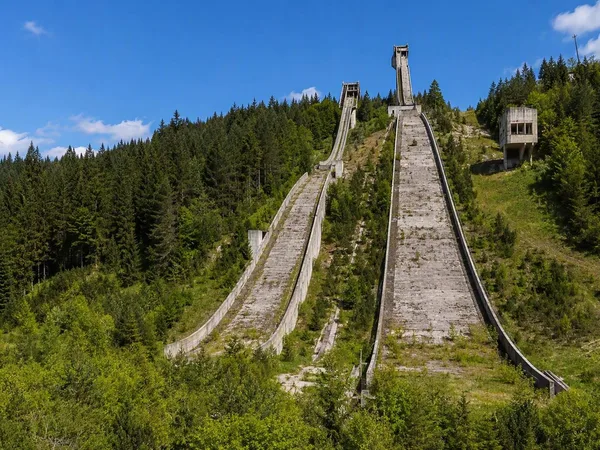
Igman
2 linked stories and routes
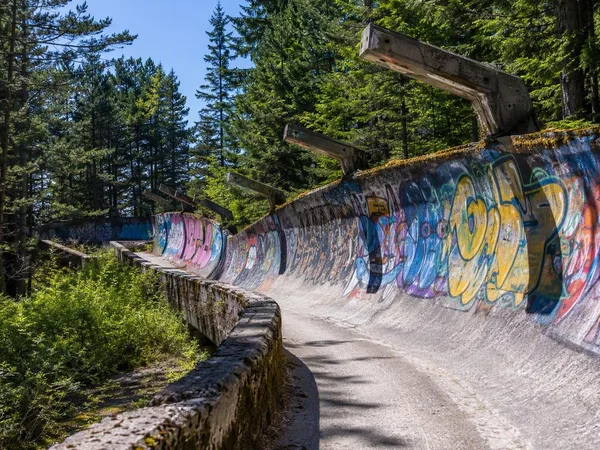
Trebević
2 linked stories and routes
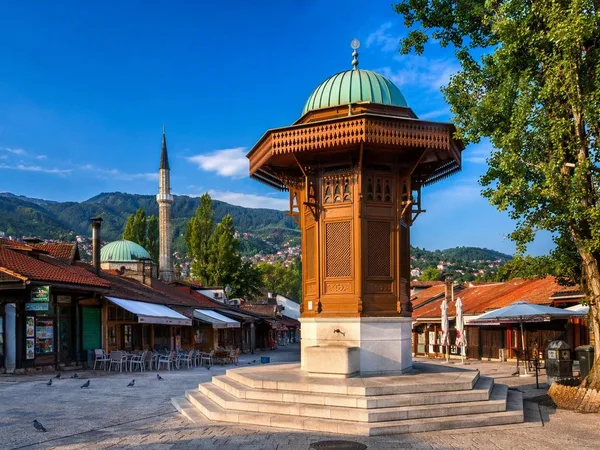
Stari Grad, Sarajevo
2 linked stories and routes
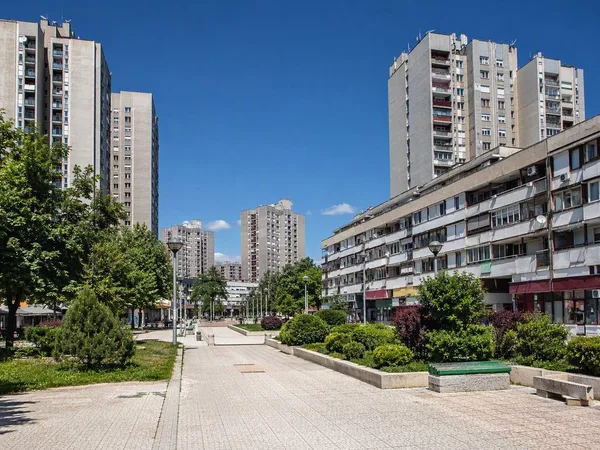
Alipašino Polje
2 linked stories and routes
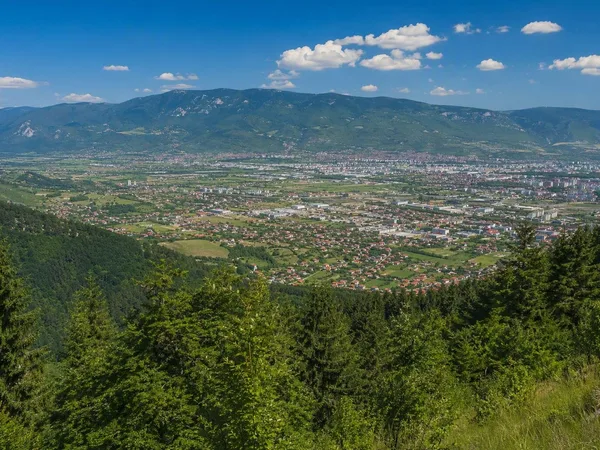
Sarajevsko polje
2 linked stories and routes
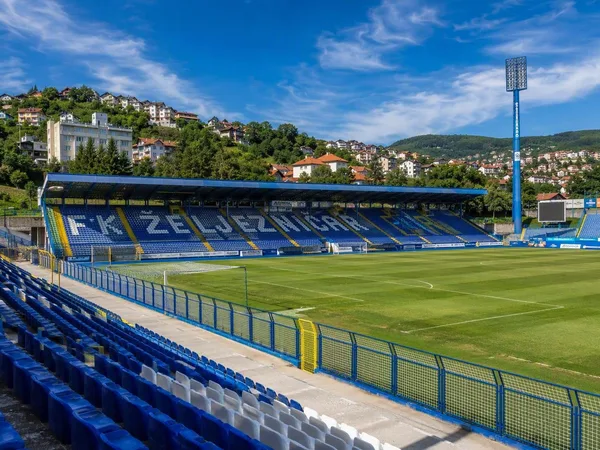
Novo Sarajevo
2 linked stories and routes
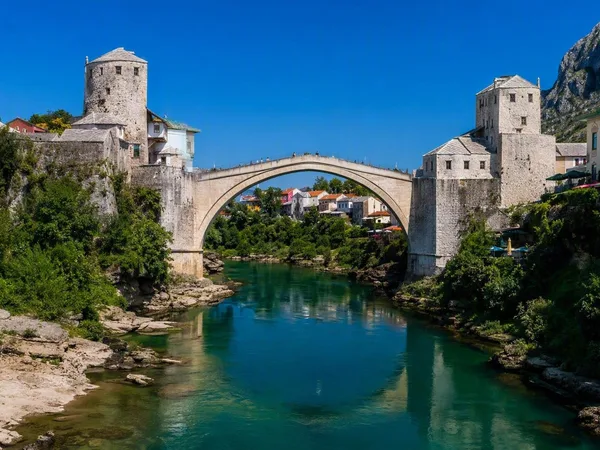
Stari Most (Old Bridge)
1 linked stories and routes
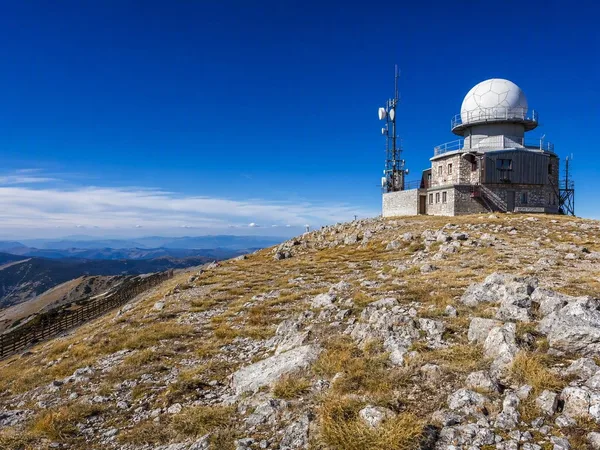
Bjelašnica Mountain
1 linked stories and routes
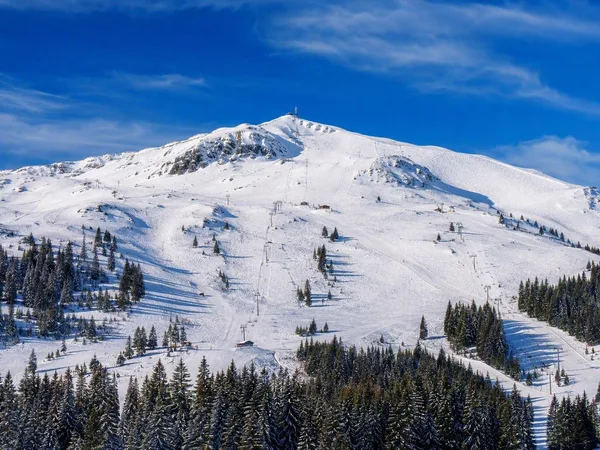
Jahorina
1 linked stories and routes
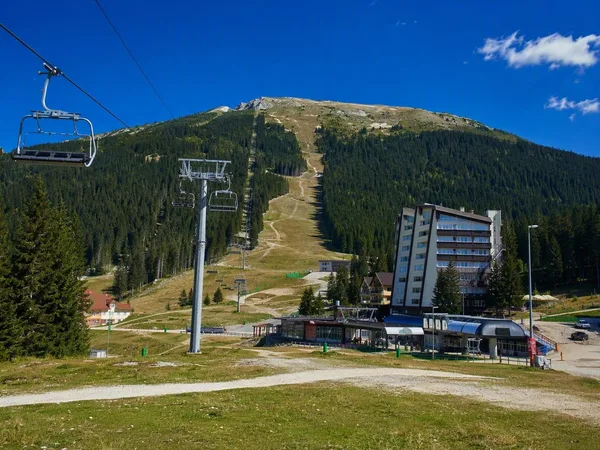
Babin Do, Bjelašnica
1 linked stories and routes
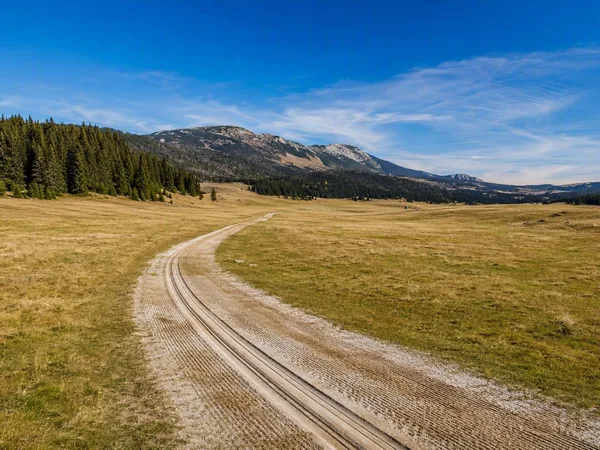
Veliko Polje, Igman
1 linked stories and routes
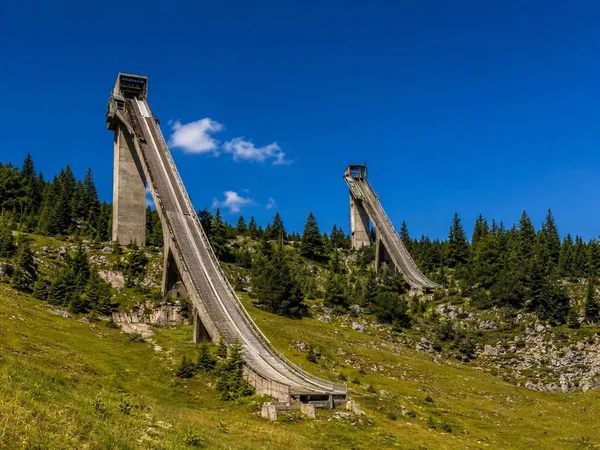
Malo Polje Ski Jumps
1 linked stories and routes
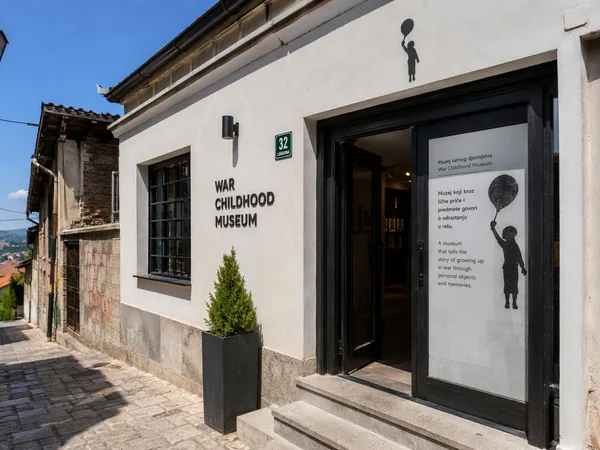
War Childhood Museum
1 linked stories and routes
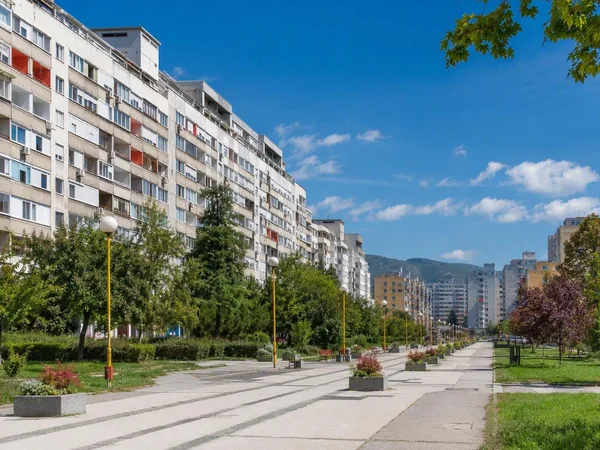
Dobrinja
1 linked stories and routes
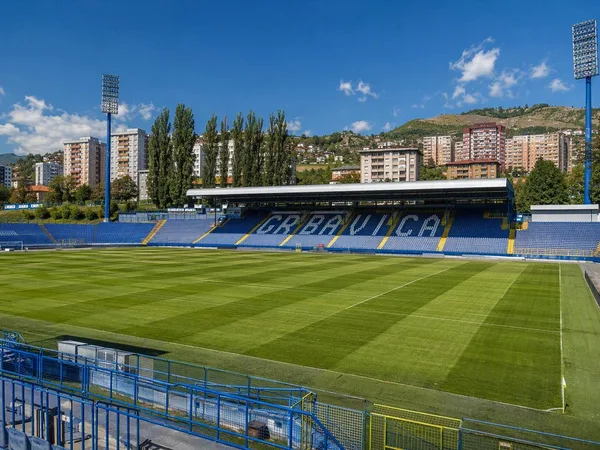
Grbavica
1 linked stories and routes
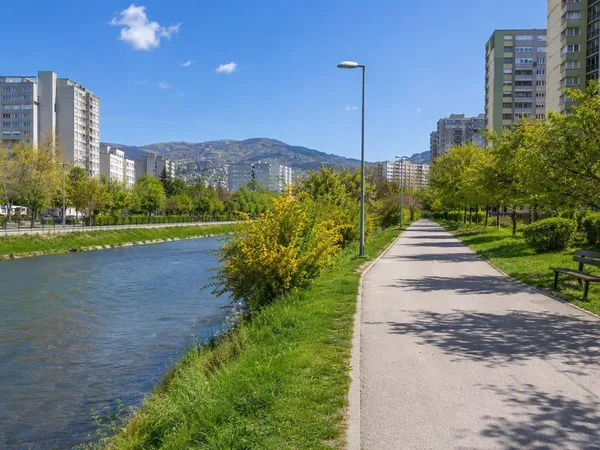
Hrasno, Sarajevo
1 linked stories and routes
Novi Grad, Sarajevo
1 linked stories and routes
Mojmilo
1 linked stories and routes
Vijećnica (Sarajevo City Hall)
1 linked stories and routes
Latin Bridge
1 linked stories and routes
Vrelo Bosne
1 linked stories and routes
Ilidža
1 linked stories and routes
Mostar
0 linked stories and routes