
Neighbourhood · Bosnia and Herzegovina
Stari Grad, Sarajevo
Stari Grad is Sarajevo’s historic core, running from the Ottoman-era Baščaršija bazaar along the Miljacka and up into steep residential mahale. It is the city’s most concentrated area for old religious buildings, craft streets, museums and layered urban history.
Know the area
Stari Grad means “Old Town”, but it is more than the compact bazaar around Baščaršija. The municipality covers Sarajevo’s oldest urban fabric: the market streets by the river, the City Hall end of the centre, and hillside neighbourhoods including Vratnik and Logavina.
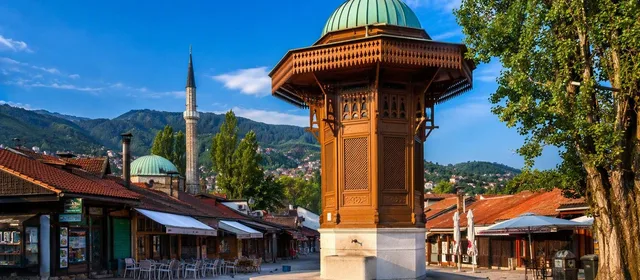
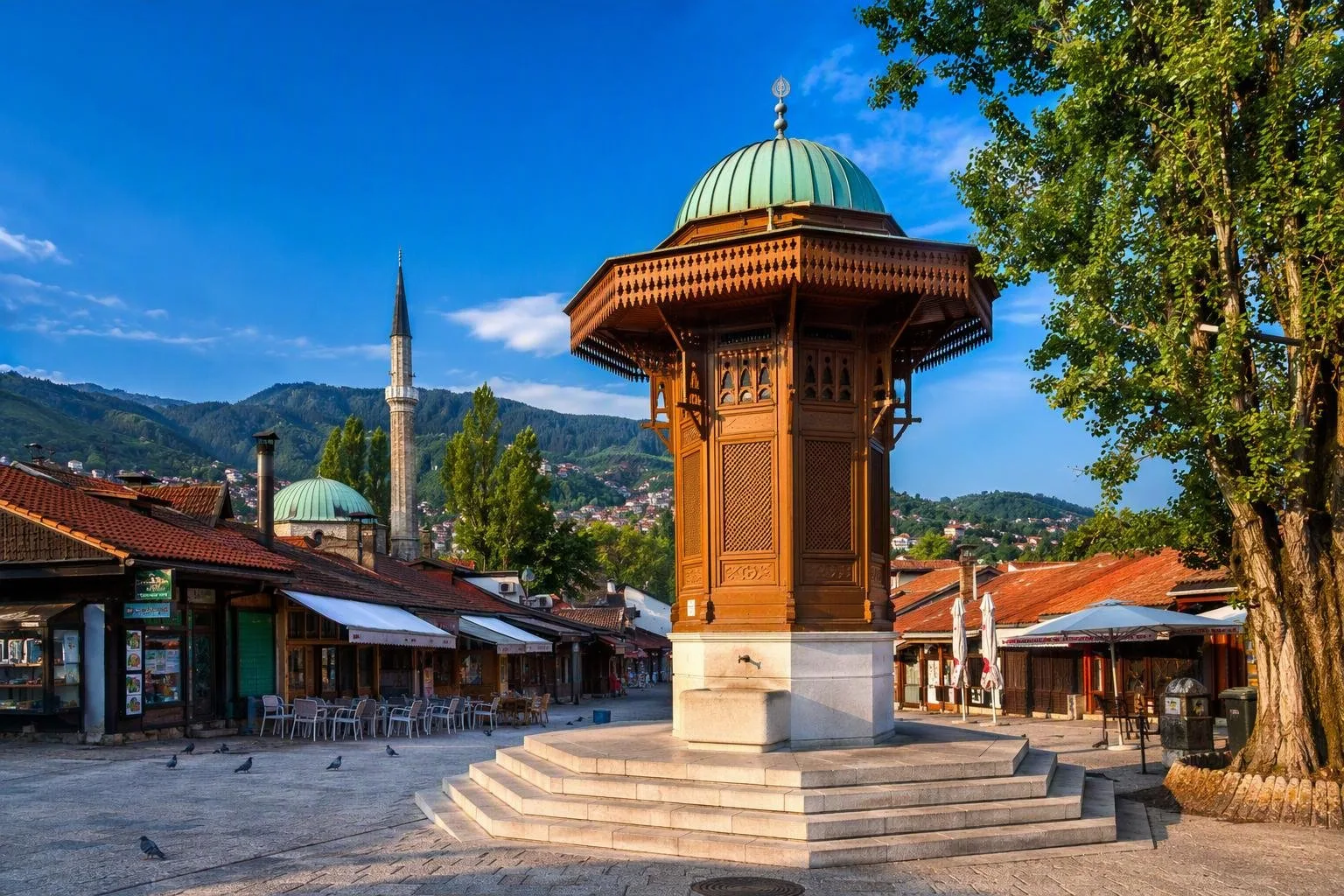
Use Baščaršija Square and the Sebilj fountain as your bearing point. West lies the dense commercial centre; east, the Miljacka bends past Vijećnica (City Hall); north, lanes rise quickly into the old residential slopes.
The old bazaar
Baščaršija took shape in the 15th century as Sarajevo developed under Ottoman rule. Its layout still follows the logic of specialised trades: streets such as Kazandžiluk, Sarači and Kovači retain craft names, while workshops, small shops and food counters occupy the ground floors.
Do not treat the district as one sight. Walk its short lanes in sequence:
- Start at the Sebilj, the kiosk-like public fountain on the main square.
- Continue west through the bazaar to the Gazi Husrev-beg Mosque complex, with its mosque, clock tower, medresa and covered market.
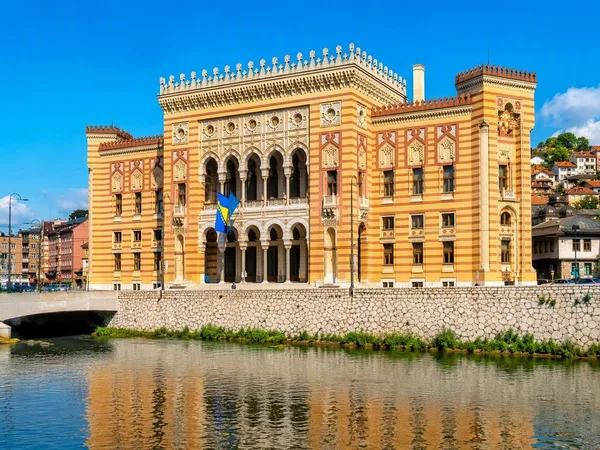
- Follow the river east to Vijećnica, Sarajevo’s late-19th-century City Hall.
- Cross toward the Latin Bridge and the museum covering Sarajevo from 1878 to 1918.
Faith, architecture and memory
Stari Grad’s religious buildings sit unusually close together. The Gazi Husrev-beg Mosque, Old Orthodox Church, Old Synagogue and Sacred Heart Cathedral are all within the wider old-town walk. They reflect Ottoman and Austro-Hungarian layers rather than a single architectural style.
For a quieter, more personal account of the city’s recent past, head uphill on Logavina to the War Childhood Museum. Its permanent exhibition combines objects with first-person stories of childhood affected by war; allow time to read rather than rushing through. The museum is open daily, with final entry before closing time.
Walk the slopes
The bazaar streets are compact and largely level; the mahale above them are not. Logavina, Kovači and Vratnik climb sharply from the centre. Wear shoes with grip, particularly on worn paving or in wet weather, and build uphill detours into a separate part of the day.
For the clearest contrast in Stari Grad, move from the narrow commercial lanes to the hillside streets: the market was where Sarajevo traded, while the slopes developed as residential quarters.
Getting around
Baščaršija is the practical arrival point, served by the tram stop of the same name. From there, the main old-town landmarks are best reached on foot. Taxis are useful for upper slopes, but cars add little in the bazaar’s tight streets.
Keep visits to active places of worship respectful and low-key. The old town works best early in the day for its architecture and later for its street life; museums and individual monuments keep their own hours.
From the magazine
Stories about Stari Grad, Sarajevo
Editorial stories linked directly to Stari Grad, Sarajevo.
No stories about Stari Grad, Sarajevo have been published yet.
Routes from our editors
Travel through Stari Grad, Sarajevo
Editorial routes connecting Stari Grad, Sarajevo with other countries, cities and hotspots.
No routes through Stari Grad, Sarajevo have been published yet.
More in Bosnia and Herzegovina
Related hotspots
Other cities, nature areas and places within Bosnia and Herzegovina.
Sarajevo
3 linked stories and routes
Stari Most (Old Bridge)
1 linked stories and routes
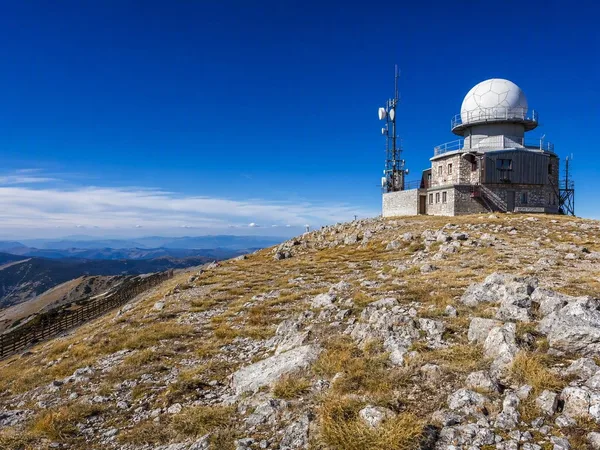
Bjelašnica Mountain
1 linked stories and routes
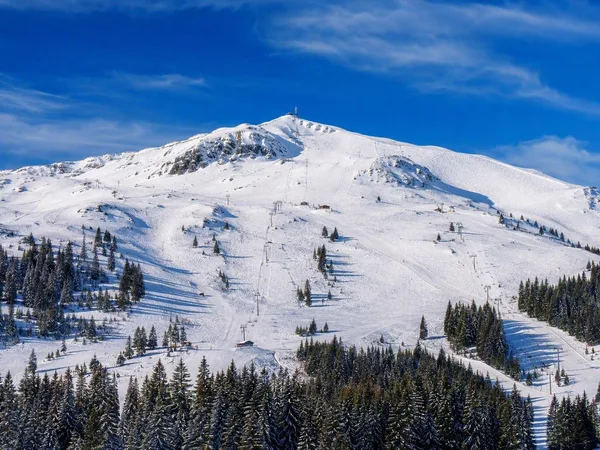
Jahorina
1 linked stories and routes
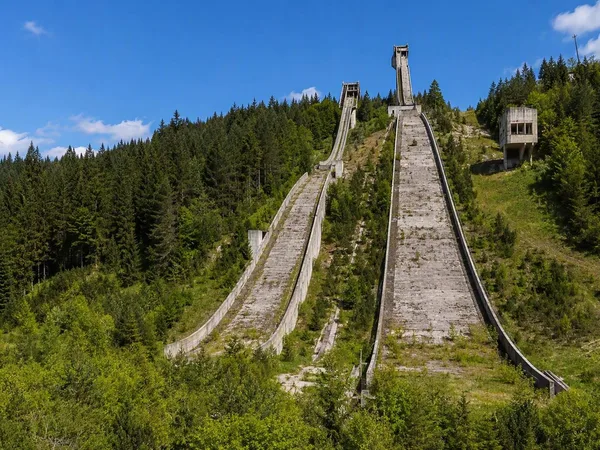
Igman
1 linked stories and routes
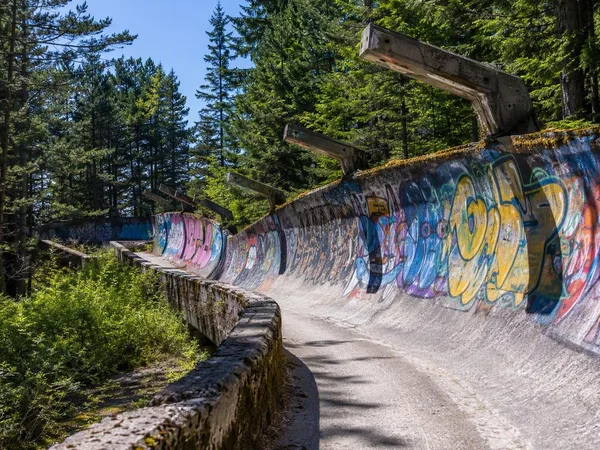
Trebević
1 linked stories and routes
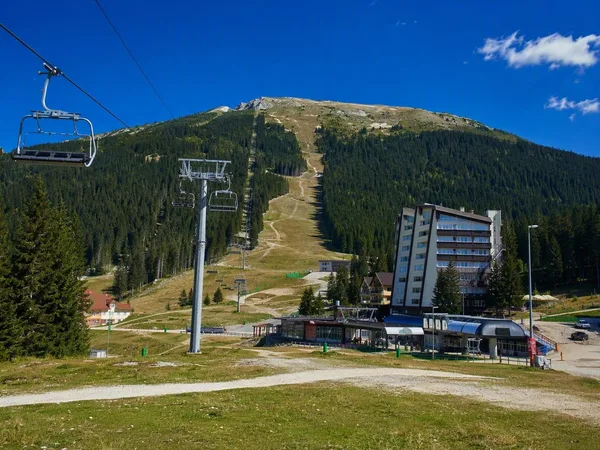
Babin Do, Bjelašnica
1 linked stories and routes
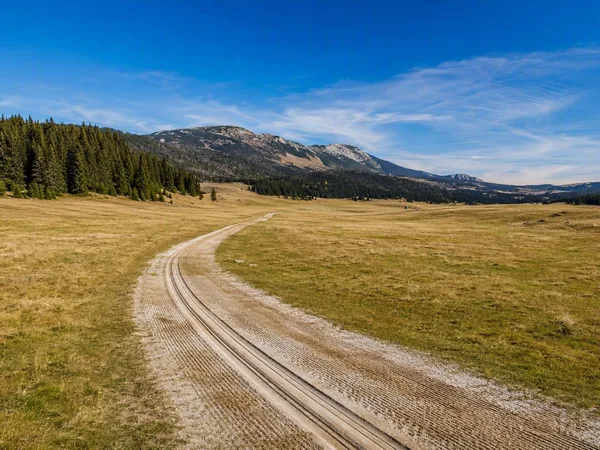
Veliko Polje, Igman
1 linked stories and routes
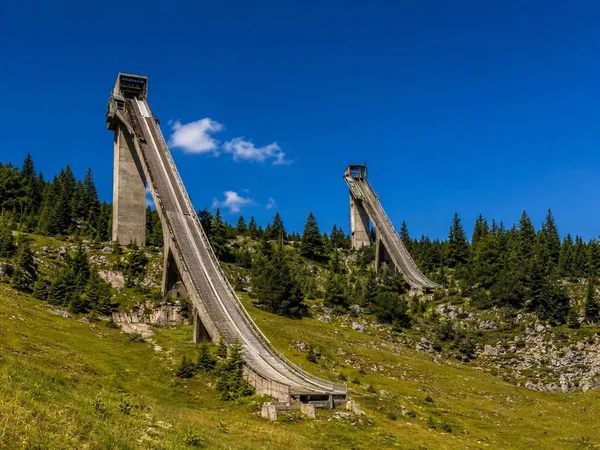
Malo Polje Ski Jumps
1 linked stories and routes
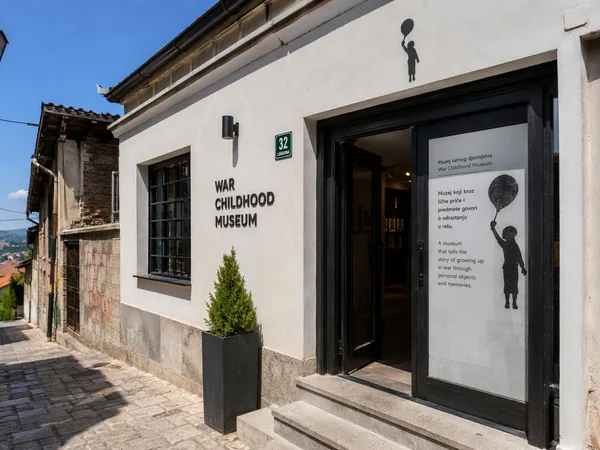
War Childhood Museum
1 linked stories and routes
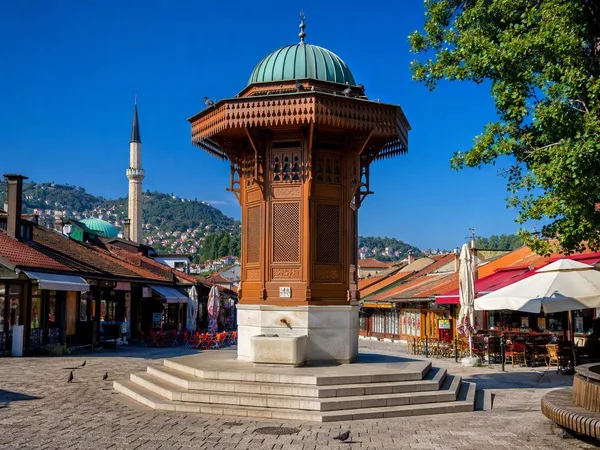
Baščaršija, Sarajevo
1 linked stories and routes
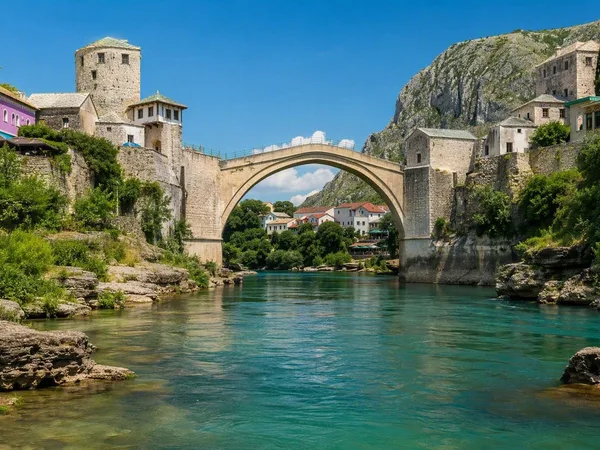
Mostar
0 linked stories and routes