
Town · Bosnia and Herzegovina
Ilidža
Ilidža is Sarajevo’s western spa town, at the foot of Mount Igman. Its thermal-spring heritage, Austro-Hungarian resort architecture and the Bosna’s source make it a practical green counterpoint to the old city.
Orientation
Ilidža sits where Sarajevo’s long urban valley opens into the Sarajevo plain, below Mount Igman. It is a town and municipality within Sarajevo Canton, physically linked to the capital but with a distinct spa-quarter centre, parks and broad residential streets.
The place name comes from the Turkish word for a warm spring. Thermal and sulphurous waters made this a Roman settlement and later a nineteenth-century Austro-Hungarian resort. That history is still legible in the older hotels, villas, parks and the former Hotel Igman building, now the municipal headquarters.
The essential walk: Velika Aleja
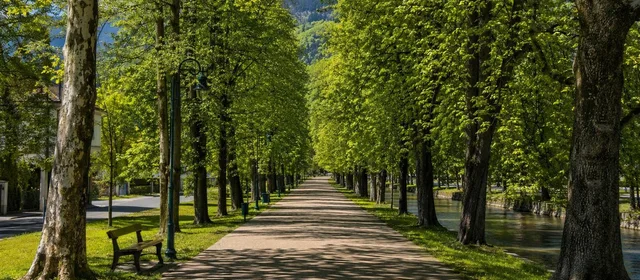
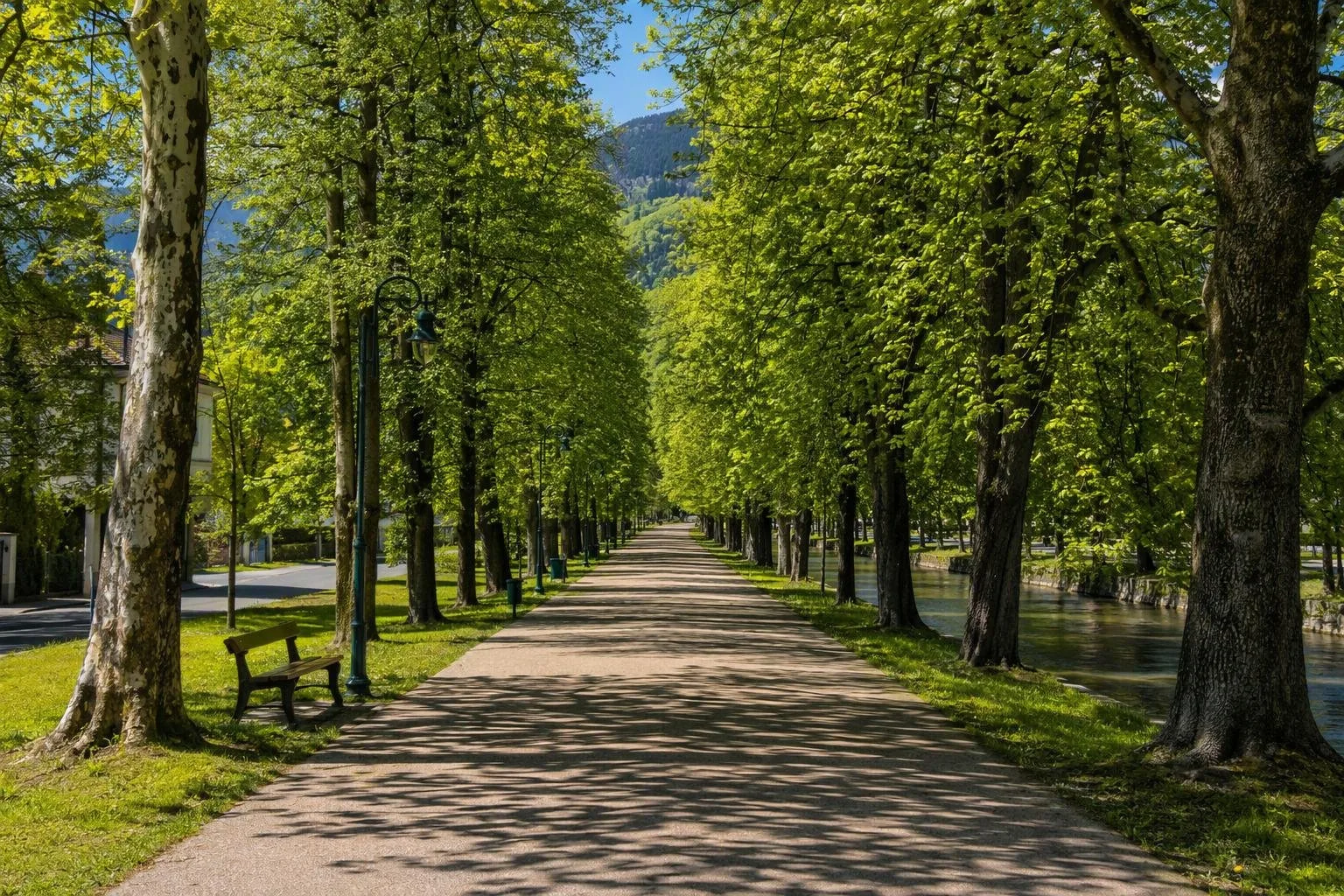
Velika Aleja is Ilidža’s defining route: a 3.5km straight avenue of plane and horse-chestnut trees running from the spa district to Vrelo Bosne. It is closed to motor traffic, making it the obvious route on foot or by horse-drawn carriage.
At the far end, Vrelo Bosne is the protected spring landscape where the Bosna rises in several powerful karst springs at the foot of Igman. Follow the paths and small bridges between channels, pools and wooded islands. Allow a half-day if walking the avenue both ways; the return distance, rather than the park itself, sets the pace.
Water, archaeology and the spa quarter
Start around the spa district to see the resort-era fabric before heading to the springs. The story goes deeper than the Habsburg facades: a Roman settlement developed around the thermal waters, and Butmir, within the municipality, is the archaeological area that gave its name to the Neolithic Butmir culture.
For a separate historical stop, go west to Rimski most. Despite its name, the low seven-arch stone bridge is largely Ottoman in its present form, incorporating material from Roman buildings. It is no longer in use, so treat it as a riverside monument rather than a crossing.
Reaching Ilidža
Tram line 3 is the simplest connection from central Sarajevo and Baščaršija; Ilidža is its western terminus beside the bus station. The full ride crosses the city’s length without a change and typically takes about 45 minutes from the old bazaar.
The airport is nearby, but it is not within easy walking distance of the spring park. Use a taxi or local transport for airport transfers and for mountain trips toward Igman.
Practical timing
Choose a morning or late afternoon for Velika Aleja in warm weather. Spring brings strong water flow; autumn gives the avenue its best colour. In winter, allow extra time for short daylight and potentially icy paths.
Good to know: Velika Aleja is level, but a round trip on foot is substantial. Carriages operate on the avenue; agree the route and price before setting off. Keep clear of wildlife at Vrelo Bosne and do not feed the birds.
From the magazine
Stories about Ilidža
Editorial stories linked directly to Ilidža.
No stories about Ilidža have been published yet.
Routes from our editors
Travel through Ilidža
Editorial routes connecting Ilidža with other countries, cities and hotspots.
No routes through Ilidža have been published yet.
More in Bosnia and Herzegovina
Related hotspots
Other cities, nature areas and places within Bosnia and Herzegovina.
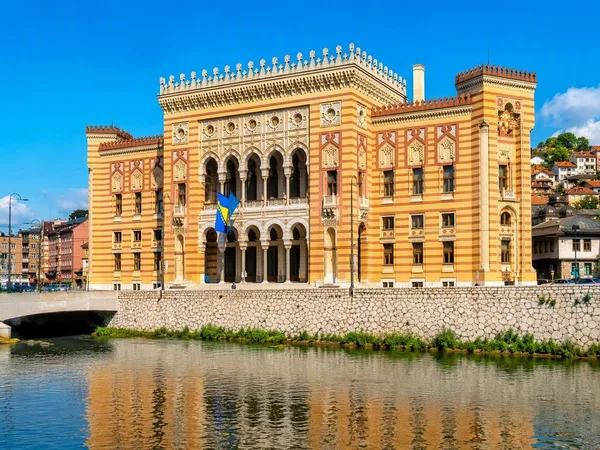
Sarajevo
6 linked stories and routes
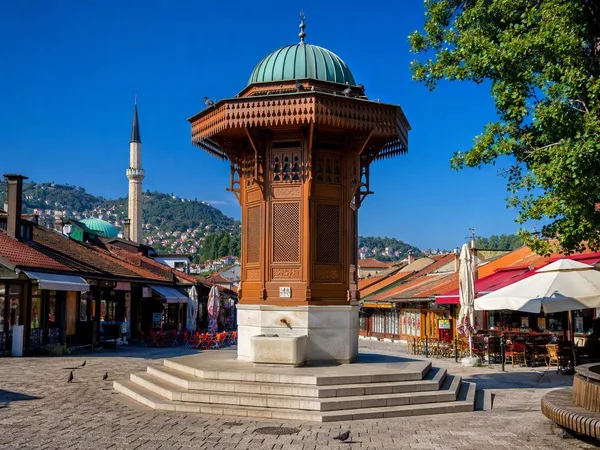
Baščaršija, Sarajevo
4 linked stories and routes
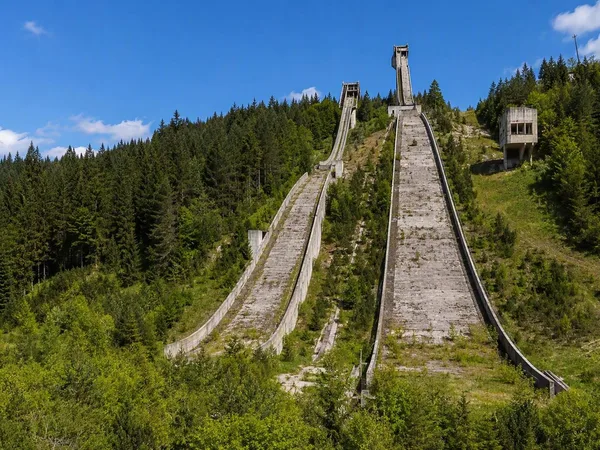
Igman
2 linked stories and routes
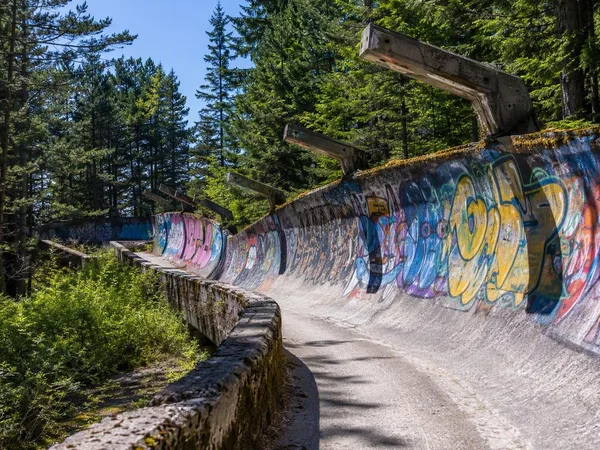
Trebević
2 linked stories and routes
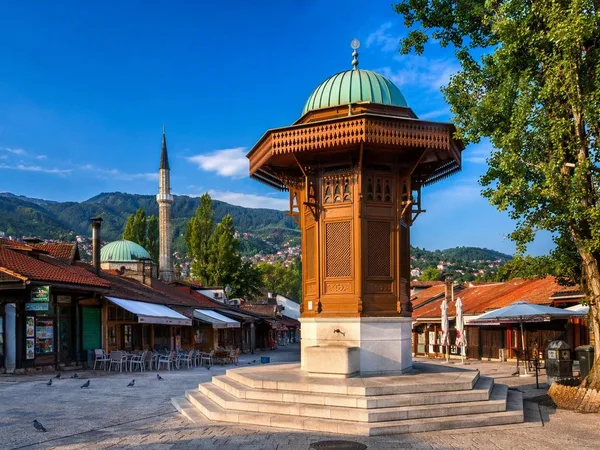
Stari Grad, Sarajevo
2 linked stories and routes
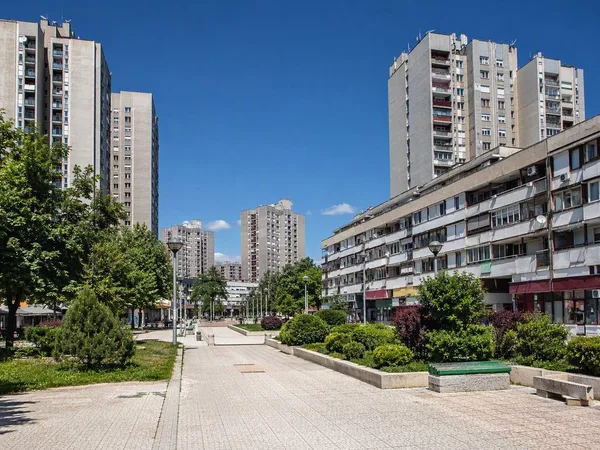
Alipašino Polje
2 linked stories and routes
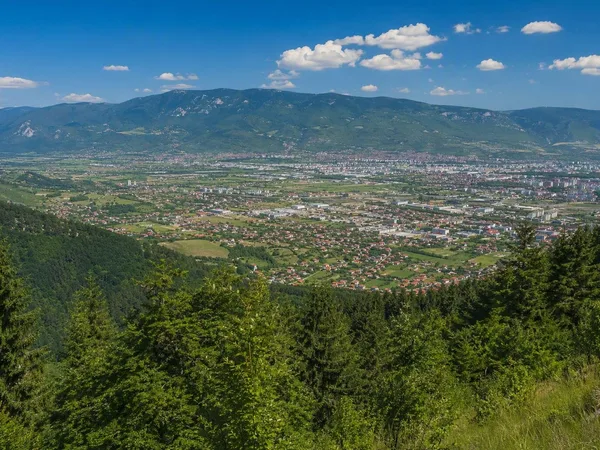
Sarajevsko polje
2 linked stories and routes
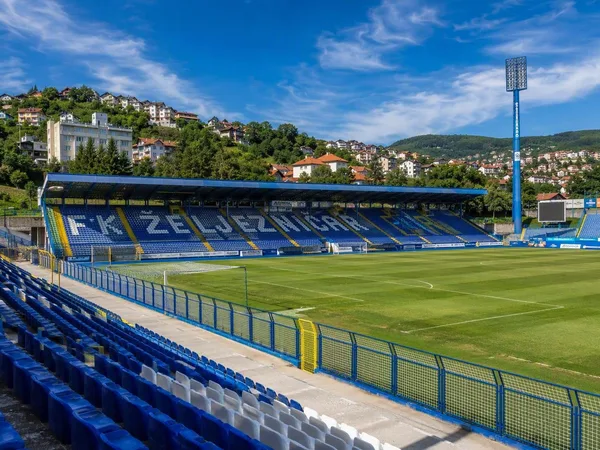
Novo Sarajevo
2 linked stories and routes
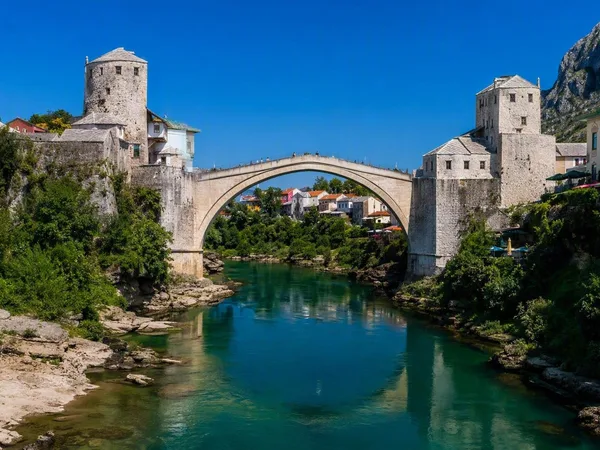
Stari Most (Old Bridge)
1 linked stories and routes
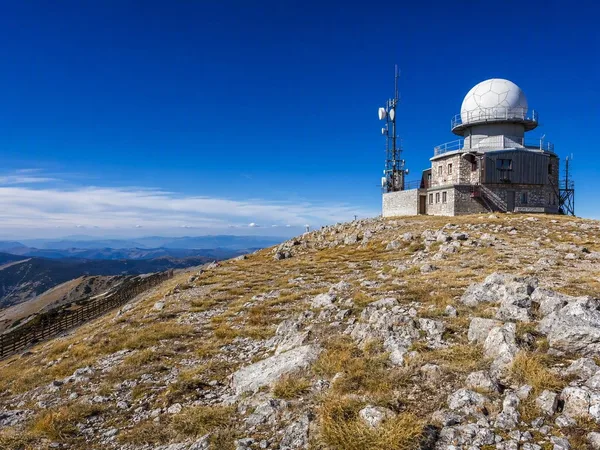
Bjelašnica Mountain
1 linked stories and routes
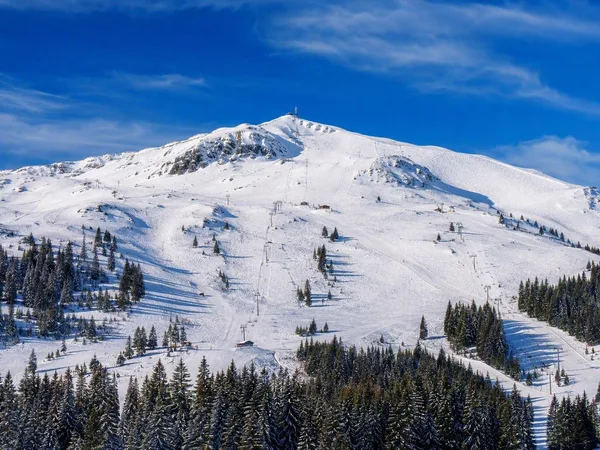
Jahorina
1 linked stories and routes
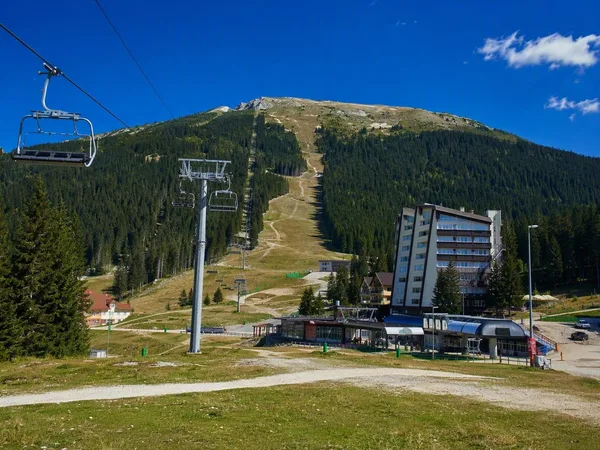
Babin Do, Bjelašnica
1 linked stories and routes
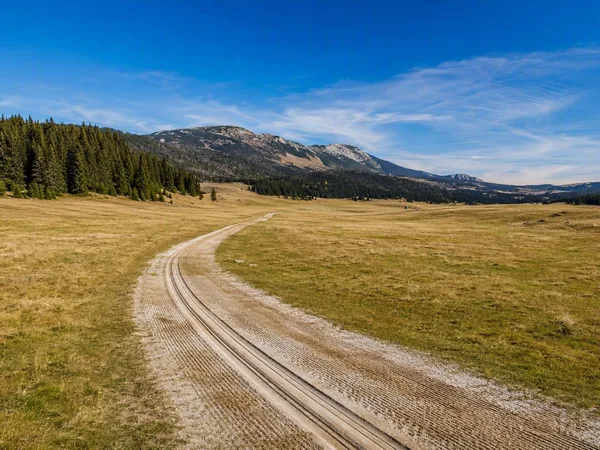
Veliko Polje, Igman
1 linked stories and routes
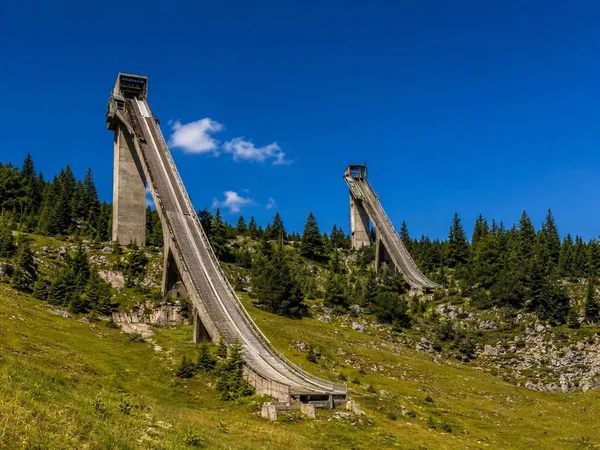
Malo Polje Ski Jumps
1 linked stories and routes
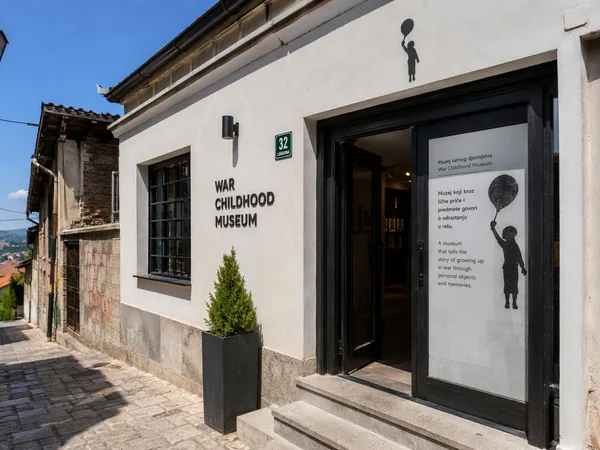
War Childhood Museum
1 linked stories and routes
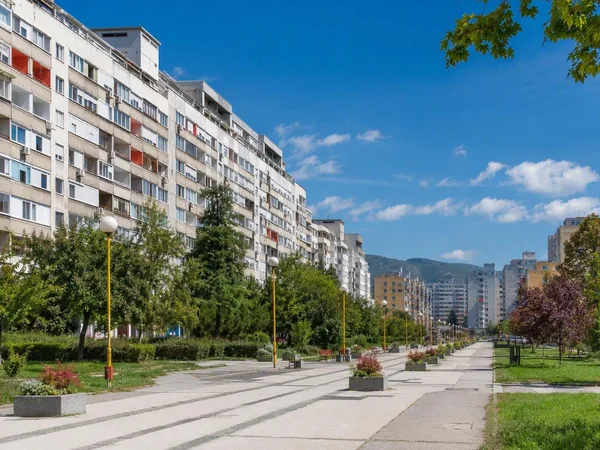
Dobrinja
1 linked stories and routes
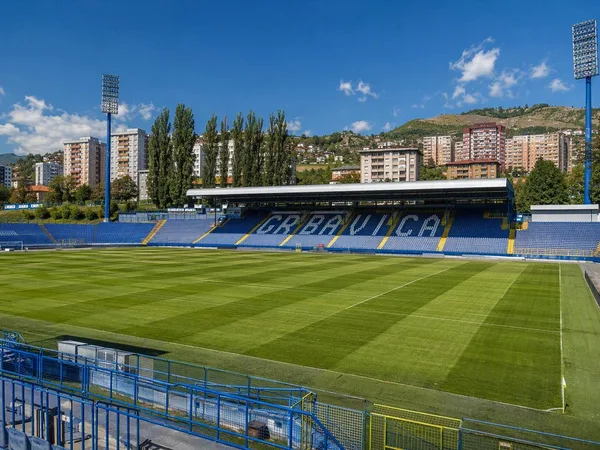
Grbavica
1 linked stories and routes
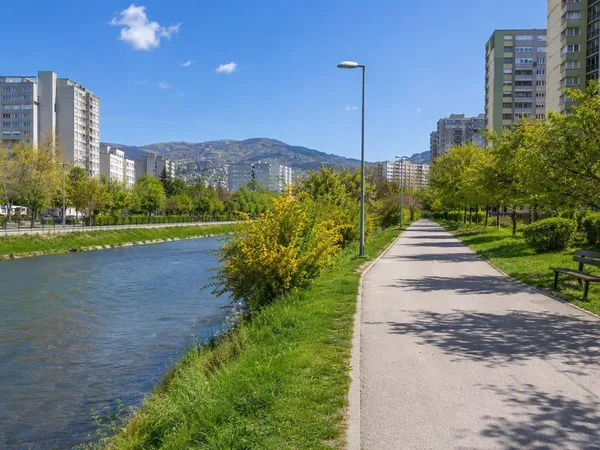
Hrasno, Sarajevo
1 linked stories and routes
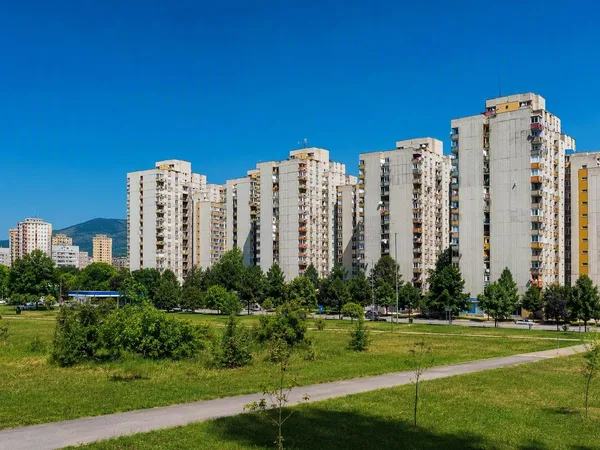
Novi Grad, Sarajevo
1 linked stories and routes
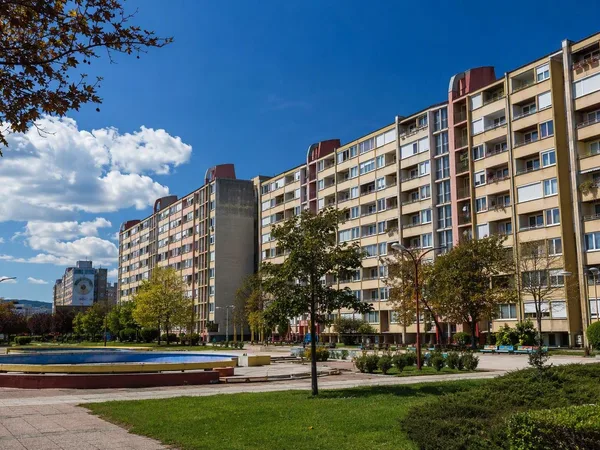
Mojmilo
1 linked stories and routes
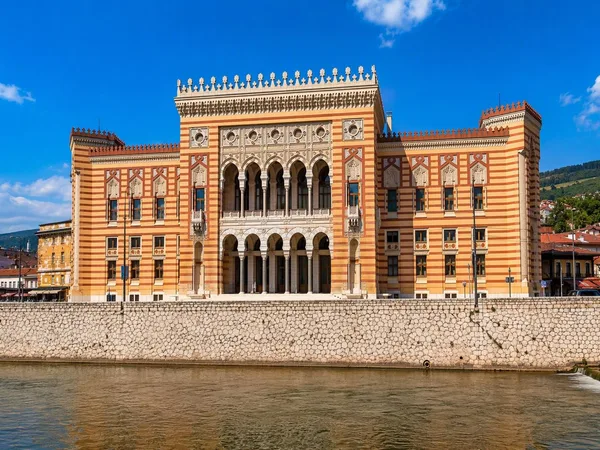
Vijećnica (Sarajevo City Hall)
1 linked stories and routes
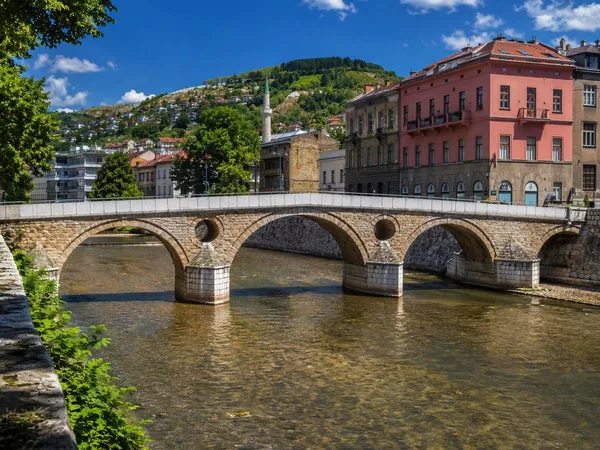
Latin Bridge
1 linked stories and routes
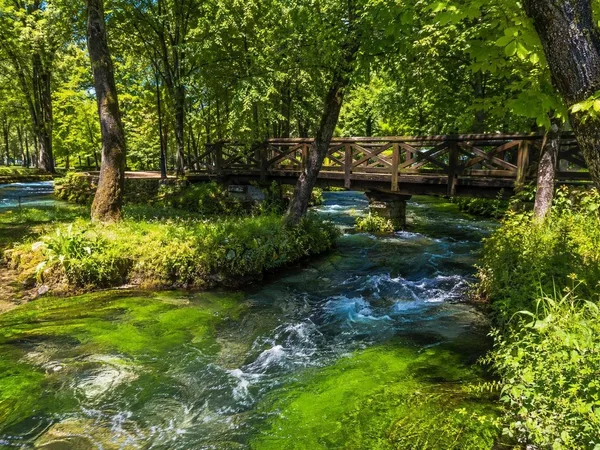
Vrelo Bosne
1 linked stories and routes
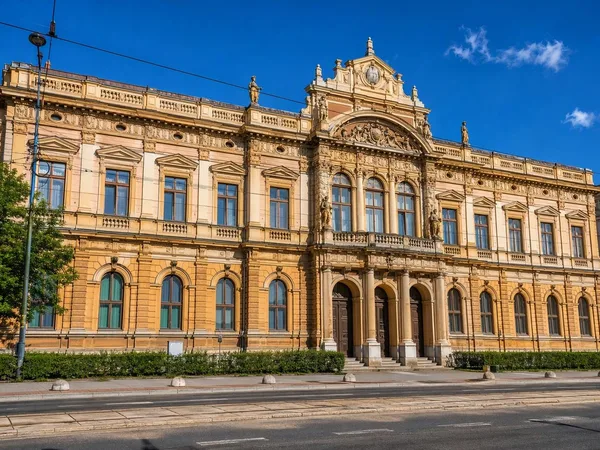
Marijin Dvor
1 linked stories and routes
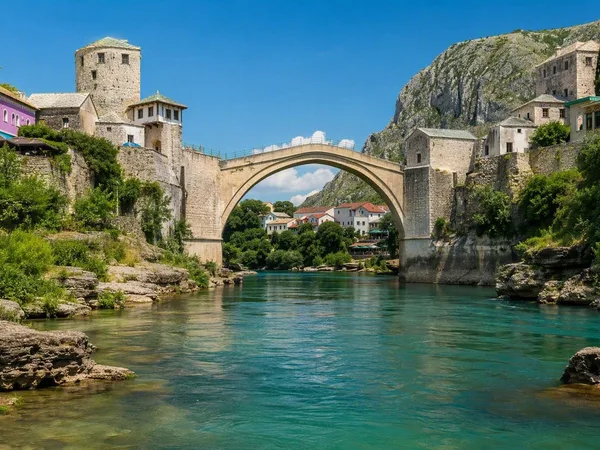
Mostar
0 linked stories and routes