Japan

Bullet trains, temple paths and island shores

Japan

Bullet trains link vast cities, temple towns, volcanic mountains and fishing ports across Japan’s long island chain.

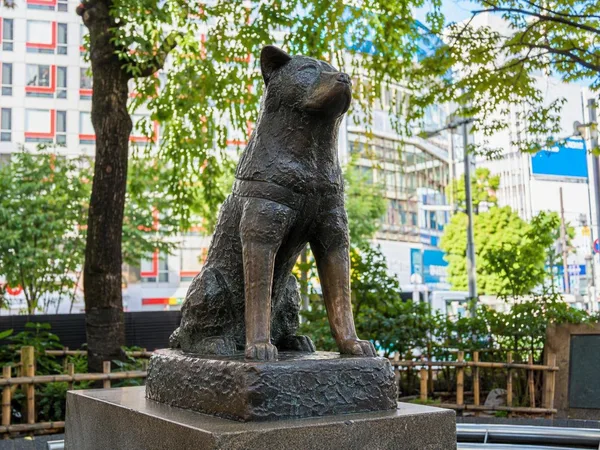
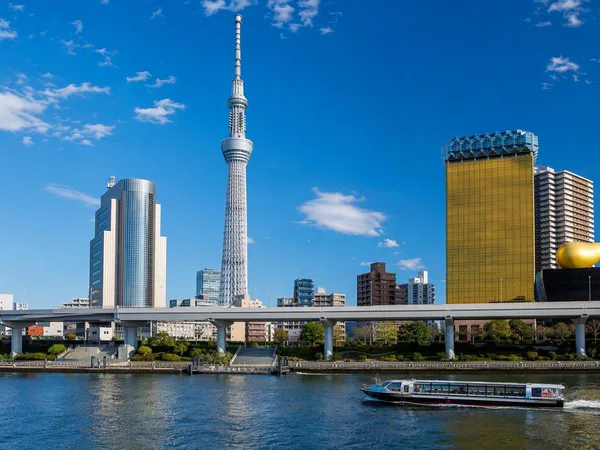
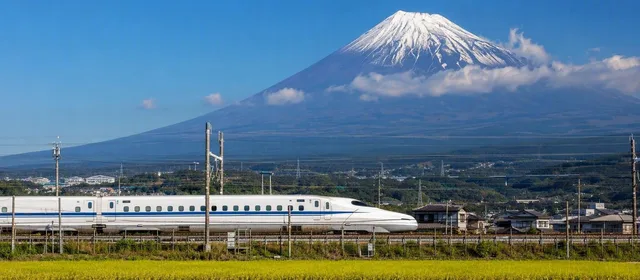
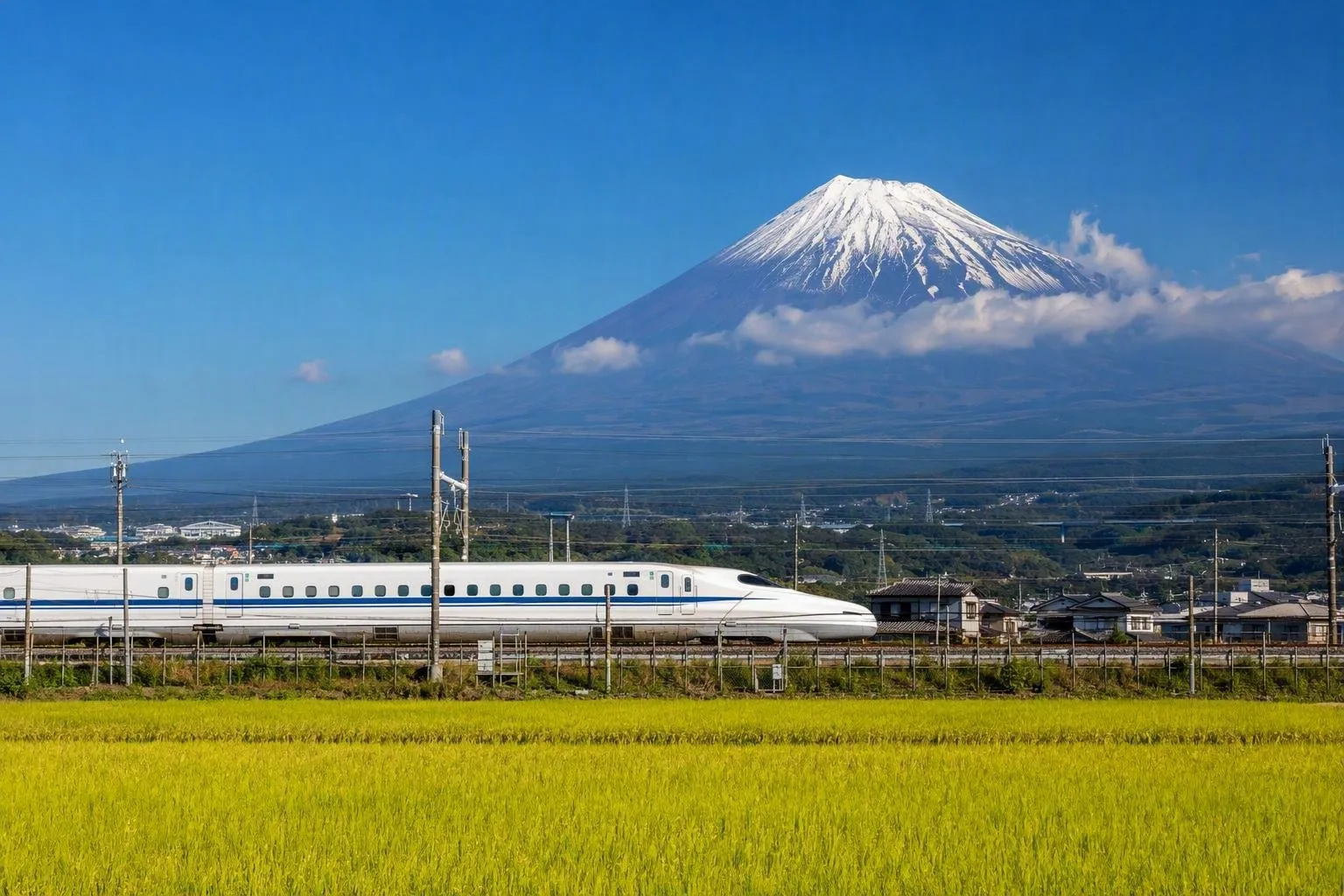
Tokyo packs commuter platforms beneath towers of flashing signs, yet worshippers still rinse their hands at shrine basins a few streets away. A Shinkansen races across Honshu, passing rice fields, tiled farmhouses and, on clear days, Mount Fuji. In workshops across the country, makers shape lacquerware, paper and ceramics with long-established techniques. Elsewhere, engineers build rail systems and develop cameras, robots and games. These contrasts appear in daily life: a festival procession can pass through a shopping street, and a convenience store can stand beside a wooden temple gate.

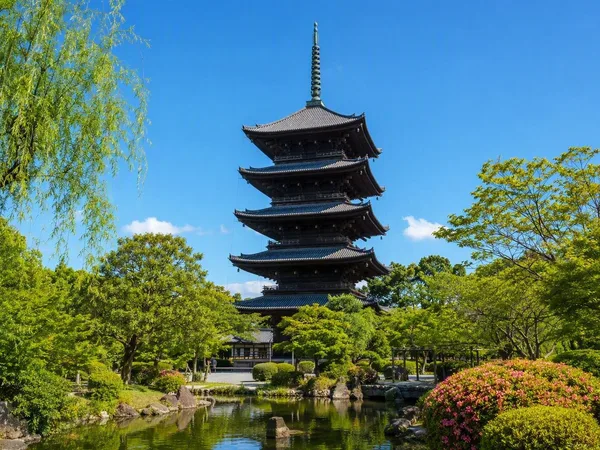
Kyoto’s carpenters and gardeners care for temple grounds that have served local communities for centuries. Restaurant kitchens match seasonal food with particular ceramics. In Osaka, diners take counter seats for takoyaki, okonomiyaki and bowls of noodles. Hiroshima’s Peace Memorial Park records the destruction of 1945, while ferries carry visitors across the bay to Miyajima, where a shrine gate stands in the tidal shallows.

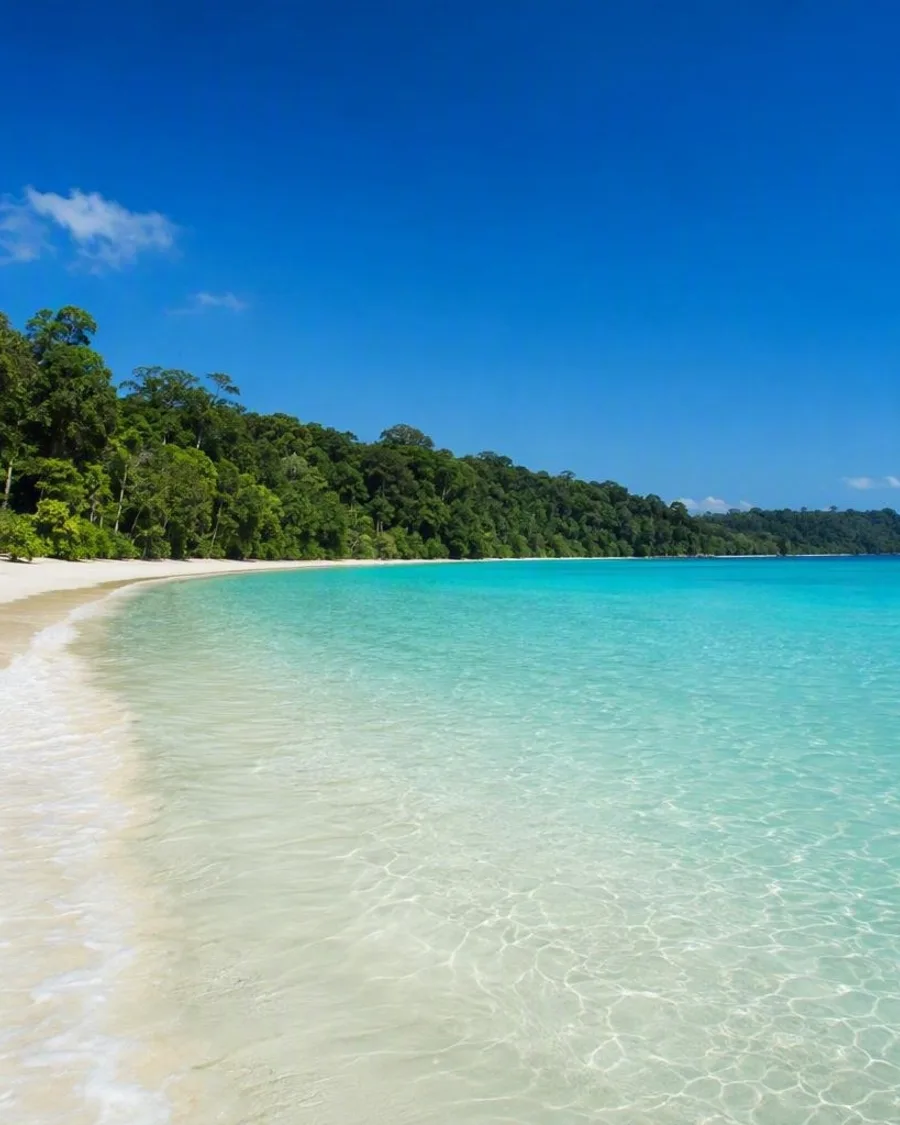
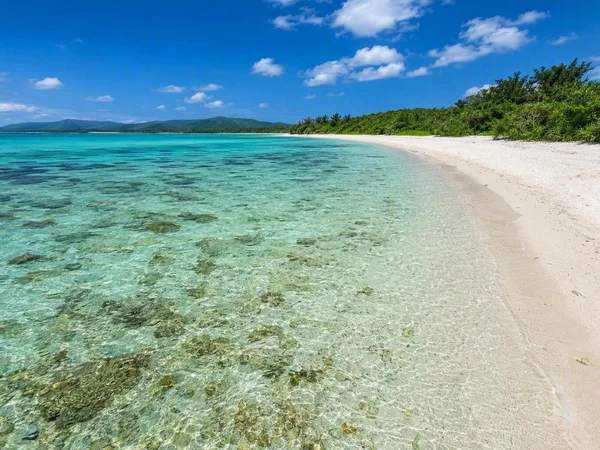
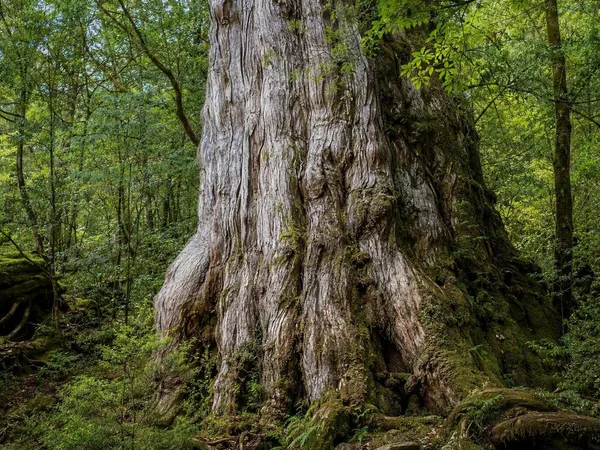
Beyond the Tokyo–Kyoto corridor, cedar forests cover the Kii Peninsula and art museums sit among fishing villages on Seto Inland Sea islands. Hot-spring towns cluster near Kyushu’s volcanoes. Hokkaido brings deep winter snow, broad summer fields and large national parks, while Okinawa has subtropical shores and a Ryukyuan culture shaped by trade with China and Southeast Asia. Food changes with the region, from Hokkaido seafood to Sanuki udon and Okinawan goya champuru. Leave room for smaller towns, local markets and a long meal; Japan gives patient travellers plenty to return to.

When to go

Best time to travel

Monthly values are indicative average maximum temperatures for Tokyo. Japan stretches across several climate zones, so conditions vary considerably between Hokkaido, central Honshu, the mountains and subtropical Okinawa. Monthly values are indicative average maximum temperatures for Tokyo. Japan stretches across several climate zones, so conditions vary considerably between Hokkaido, central Honshu, the mountains and subtropical Okinawa.

jan10°C feb11°C mar14°C apr19°C may24°C jun26°C jul30°C aug31°C sep27°C oct22°C nov17°C dec12°C

Weather in the capital

Practical Japan

On every country page we show the current weather for the capital.

Tokyo
Morning16°Covercast
Afternoon9°Cclear
Evening6°Cclear
today17°C / 5°Chigh and low

Current forecast by Open-Meteo

Visa and entry

Requirements depend on your nationality, purpose of travel and length of stay. Check current information with the Ministry of Foreign Affairs of Japan before departure.

Getting around

Trains cover most major routes, while buses serve rural districts and smaller towns. IC cards work on many urban trains, buses and convenience-store purchases; some regions require separate tickets or passes.

Paying in Japan

Cards and contactless payments are common in cities, but cash remains useful at small restaurants, temples and rural businesses. Convenience-store and post-office ATMs often accept international cards.

Where to stay

Choices include business hotels, hostels, ryokan inns, minshuku guesthouses and temple lodgings. Ryokan rates often include dinner and breakfast. Rooms can book up early during major holidays and blossom season.

Before you leave

Worth knowing

A practical starting point for your trip. Check current conditions and local information before you leave.

01

Official language

Japanese is the de facto official language and the main language used in government, education and daily life.

02

International calling code

Japan’s international calling code is +81. Drop the initial 0 from a Japanese area or mobile code when calling from abroad.

03

Driving side

Traffic drives on the left. Most cars have the steering wheel on the right.

04

Railway etiquette

Queue at the marked boarding lines and let passengers leave first. Keep phones silent and avoid voice calls in train carriages.

05

Tickets and IC cards

Tap an IC card at the gates when entering and leaving. Insert paper tickets at both gates and keep the ticket during the journey.

06

Tipping customs

Tipping is not customary. Staff may refuse extra cash, and some restaurants or hotels add a service charge to the bill.

07

Removing shoes

Remove shoes at a raised entrance or whenever slippers are provided. Keep toilet slippers inside the toilet area.

08

Queueing etiquette

Use marked lines at stations, shops and lifts. Wait for people to leave before boarding a train or entering a lift.

09

Typical business hours

Many shops open around 10am and close between 7pm and 9pm. Convenience stores often operate 24 hours; banks usually keep weekday business hours.

10

Mobile connectivity

Prepaid SIMs, eSIMs and pocket Wi-Fi rentals are widely available. Check that your phone is unlocked and supports Japanese mobile networks.

11

Onsen etiquette

Wash thoroughly before entering the bath, wear no swimwear and keep towels out of the water. Tattoo policies vary between bathhouses.

12

Bicycle parking

Leave bicycles in designated parking areas rather than beside stations or on busy pavements. Authorities may remove bicycles parked in restricted zones.

From the magazine

Stories about Japan

Editorial stories connected to Japan and the places in this country.

The world’s ten greatest bridges, ranked
Article

The world’s ten greatest bridges, ranked

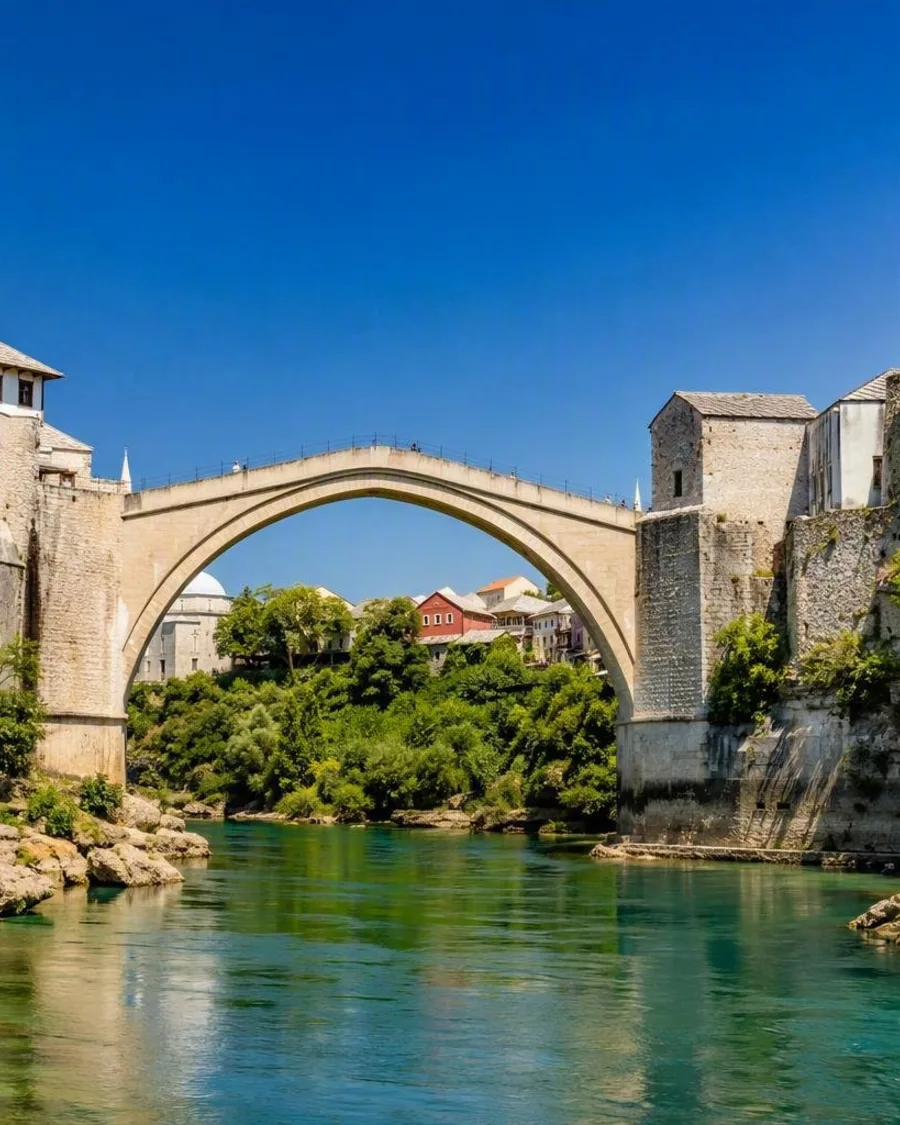
These ten bridges are ranked by three things: the force of their design, the history held in their fabric, and the precision with which they meet their river, strait, valley or city. Pont du Gard starts the list; Stari Most finishes it above the Neretva.

Eight cities where winter changes the streets
Article

Eight cities where winter changes the streets

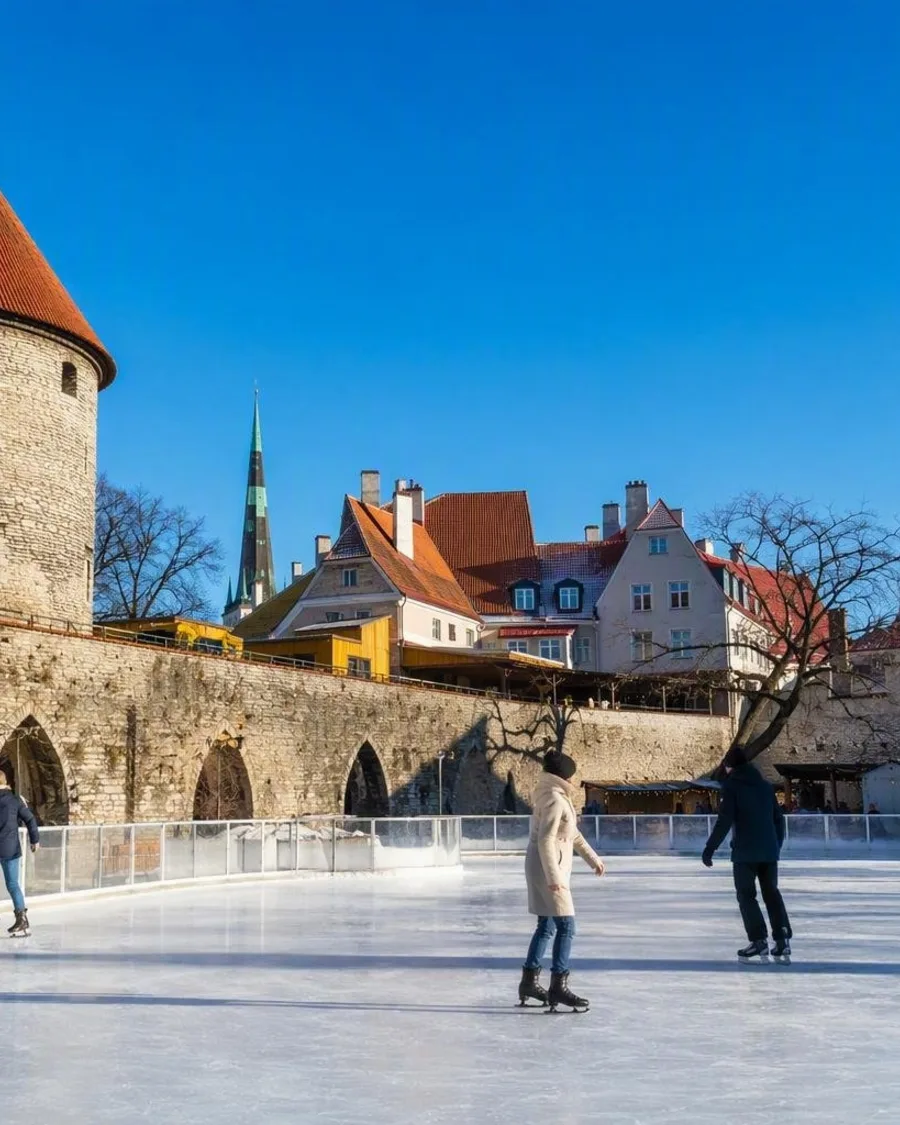
Tallinn’s medieval lanes, Tromsø’s blue midday twilight and Kyoto’s frost-bright temple steps belong to the cold months. In these eight cities, winter changes how public spaces look, how residents use them and what visitors can see.

Ten Squares That Change After Dark
Article

Ten Squares That Change After Dark

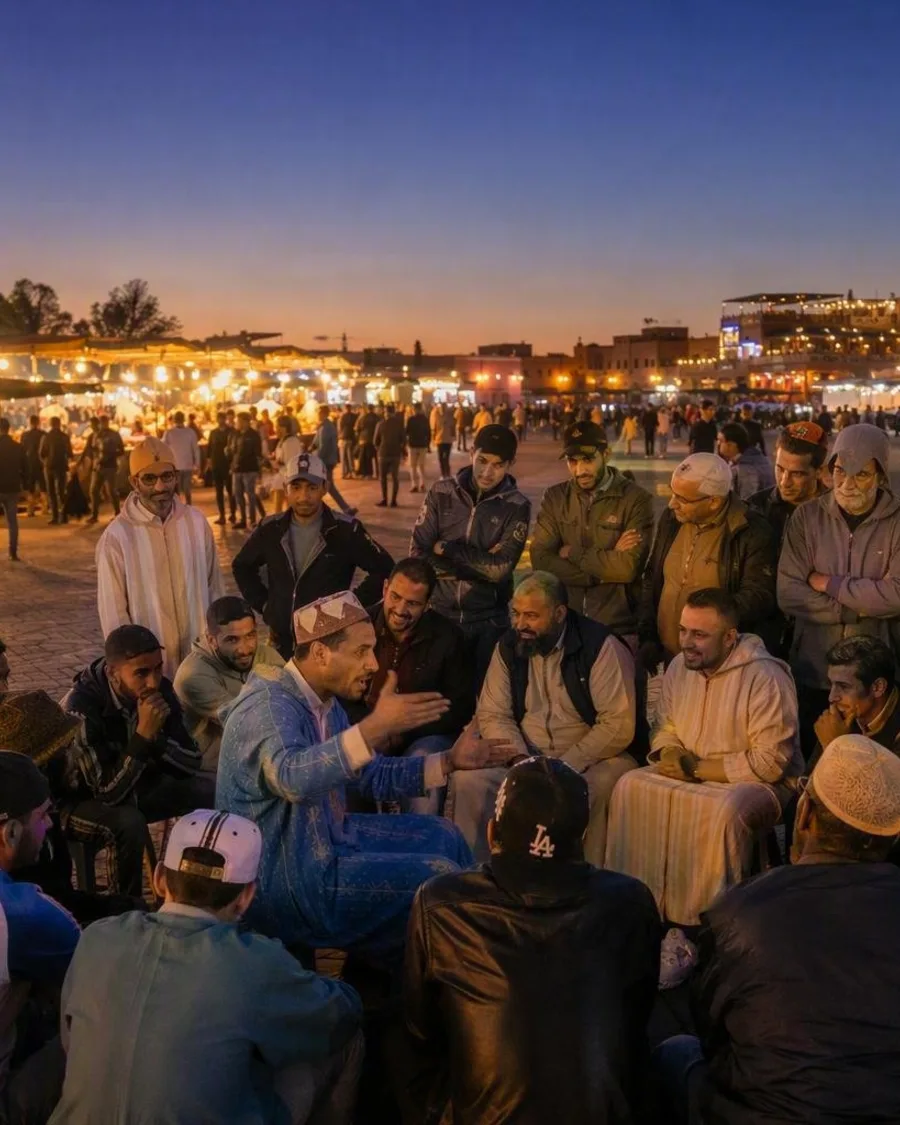
At sunset, restaurant stalls fill Jemaa el-Fna and listeners close around storytellers who adjust each performance to the crowd. Elsewhere, evening brings aperitivo tables, commuter tides, street food, ceremonies and concert audiences to public ground.

Eight islands for taking the long way round
Article

Eight islands for taking the long way round

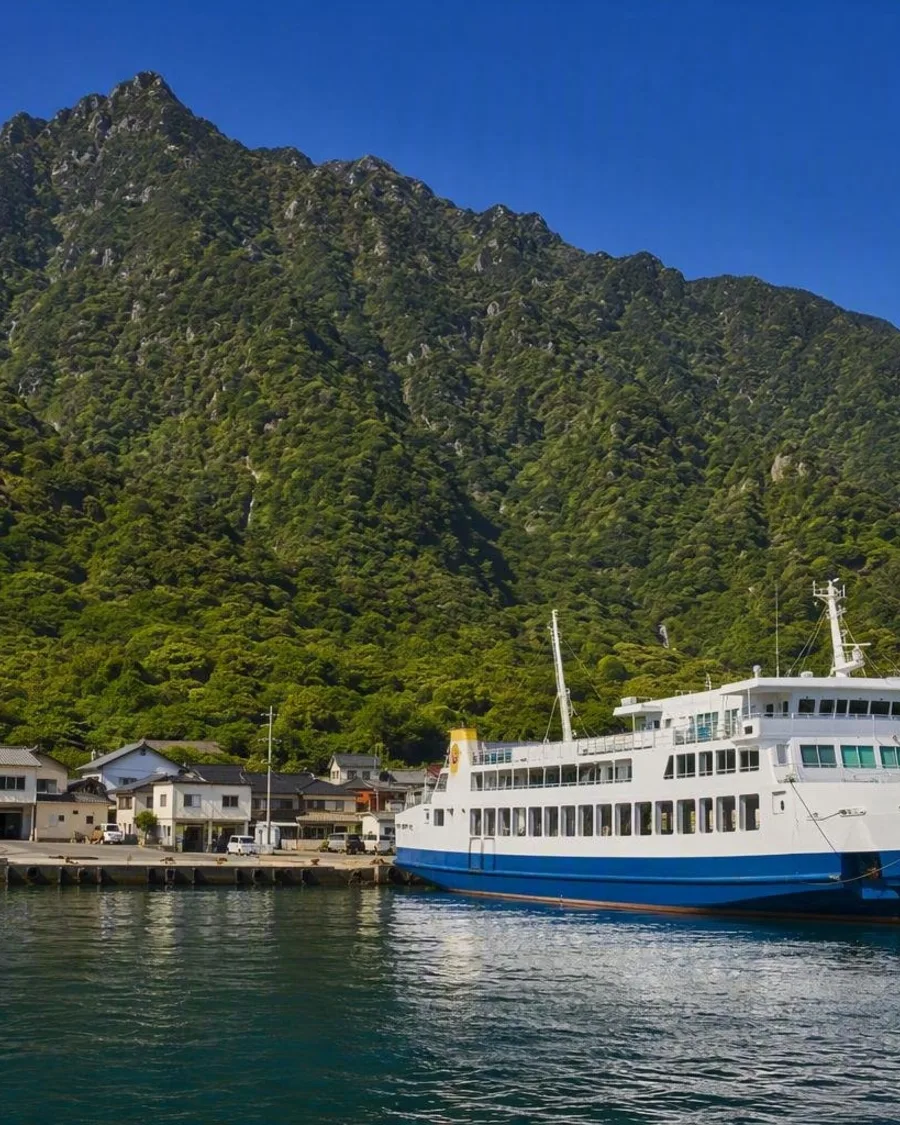
On Schiermonnikoog, low tide exposes the mudflats. On Yakushima, rain feeds cedar forest above the ferry ports. These eight islands suit travellers who would rather follow a path, a shore or a working harbour than race between sights.

Asia’s five most exceptional beaches, ranked
Article

Asia’s five most exceptional beaches, ranked

Natural beauty alone does not settle this ranking. These five beaches are judged equally on scenery, swimming or snorkelling, access, crowd levels and the season in which each one is at its best.