City · Japan
Tokyo
Tokyo is Japan’s capital on the Kanto Plain, a vast urban destination organized around rail hubs, distinct wards and neighborhoods. Its range runs from Edo-period temple districts to towers, museums, shopping streets and late-night dining.
Read the city by area
Tokyo is not a single walkable center. Build each day around one rail-connected area, then move on. East Tokyo suits temples, museums and the Sumida waterfront; central Tokyo covers Tokyo Station, Marunouchi and the Imperial Palace area; west Tokyo brings Shinjuku, Shibuya, Harajuku and major nightlife; south and bay-side districts add Tokyo Tower, Odaiba and the waterfront.
The metropolitan area also reaches well beyond the dense core: Tama’s western suburbs lead toward mountains and valleys, while Tokyo’s administration includes island groups in the Pacific. For a first stay, treat the 23 wards as the practical city.
Core sights and city texture
Start with a few anchors rather than attempting a checklist.
- Asakusa: Sensoji, Tokyo’s oldest temple, is approached through Kaminarimon and Nakamise-dori.
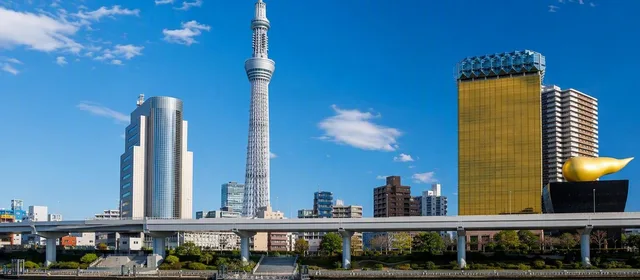
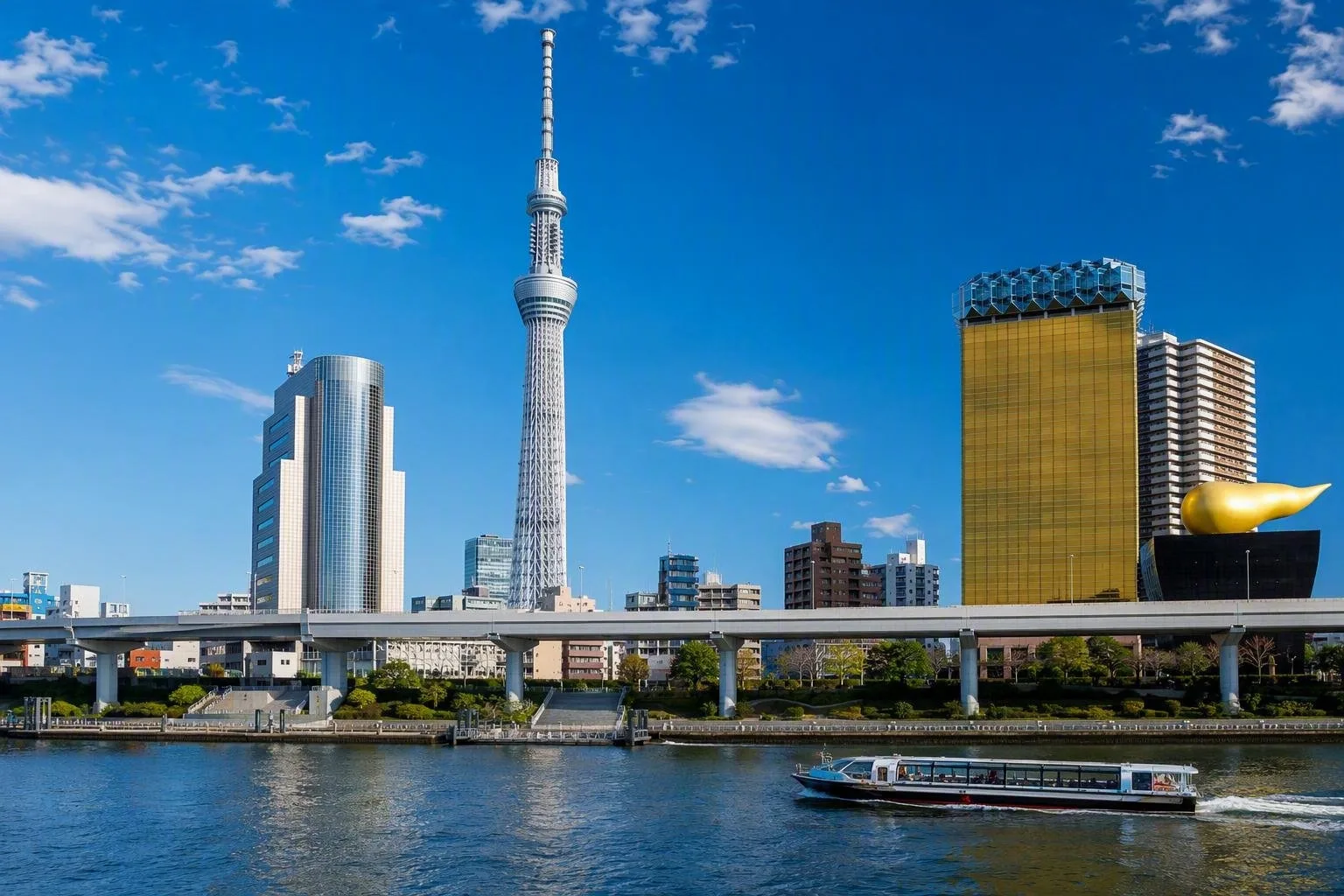
- Sumida: Tokyo Skytree rises 634 metres and has two observation decks; the surrounding complex includes shops, restaurants and an aquarium.
- Imperial Palace area: the Emperor’s main residence occupies the former Edo Castle site, with extensive grounds and palace facilities.
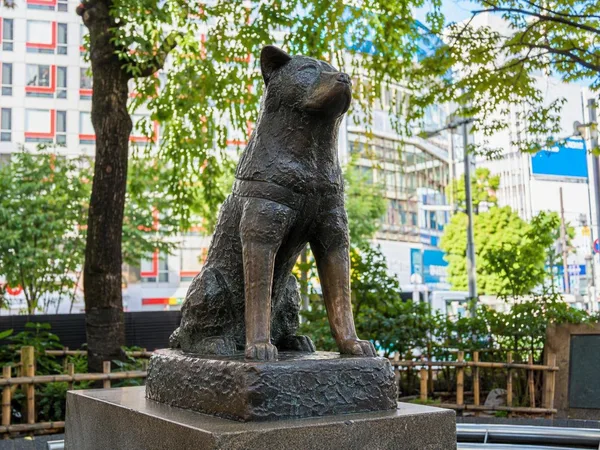
- Shibuya: cross by the station, find the Hachikō statue in its small forecourt, then continue into the shopping and entertainment streets.
- Shinjuku: use the station district for rail connections, high-rise views and evening food streets.
Tokyo rewards a split itinerary: combine old Asakusa and Ueno on one day; pair Shibuya with Harajuku or Shinjuku on another. Leave museums and gardens for the quieter part of the day, and save station districts for late afternoon and evening.
Arriving and moving around
International arrivals commonly use Haneda or Narita. Haneda is roughly 15 km from central Tokyo; Terminal 3 connects to Shinagawa by Keikyu rapid express in 11 minutes, or to Hamamatsucho by monorail in as little as 13 minutes. From elsewhere in Japan, Tokyo Station is a principal shinkansen gateway.
Within the city, rely on JR trains plus Tokyo Metro and Toei Subway. A rechargeable Suica or PASMO IC card works on trains and buses and is accepted at many everyday payment points. Station exits matter: follow the exit number closest to your destination instead of surfacing at random. Central areas are compact enough to connect on foot once you are out of the station.
Timing and practical rhythm
Spring brings cherry-blossom viewing; autumn is the main foliage season. Summer is hot and humid, so schedule outdoor walks early or after dark and use museums, department stores and underground station passages in the middle of the day.
Avoid peak commuter trains on weekday mornings and early evenings when carrying luggage. On escalators, stand to the left in Tokyo unless local signs say otherwise. Keep voices and phone calls subdued on trains, and do not eat or drink while walking through crowded streets.
Useful base choices
Choose accommodation for the station, not simply the district name. Tokyo Station/Marunouchi works for shinkansen travel; Shinjuku offers broad rail and bus connections; Shibuya puts shopping and late hours close by; Ueno or Asakusa provide direct access to the older east side. A Tokyo Tourist Information Center can supply route advice, maps and multilingual help.
From the magazine
Stories about Tokyo
Editorial stories linked directly to Tokyo.
No stories about Tokyo have been published yet.
Routes from our editors
Travel through Tokyo
Editorial routes connecting Tokyo with other countries, cities and hotspots.
No routes through Tokyo have been published yet.
More in Japan
Related hotspots
Other cities, nature areas and places within Japan.