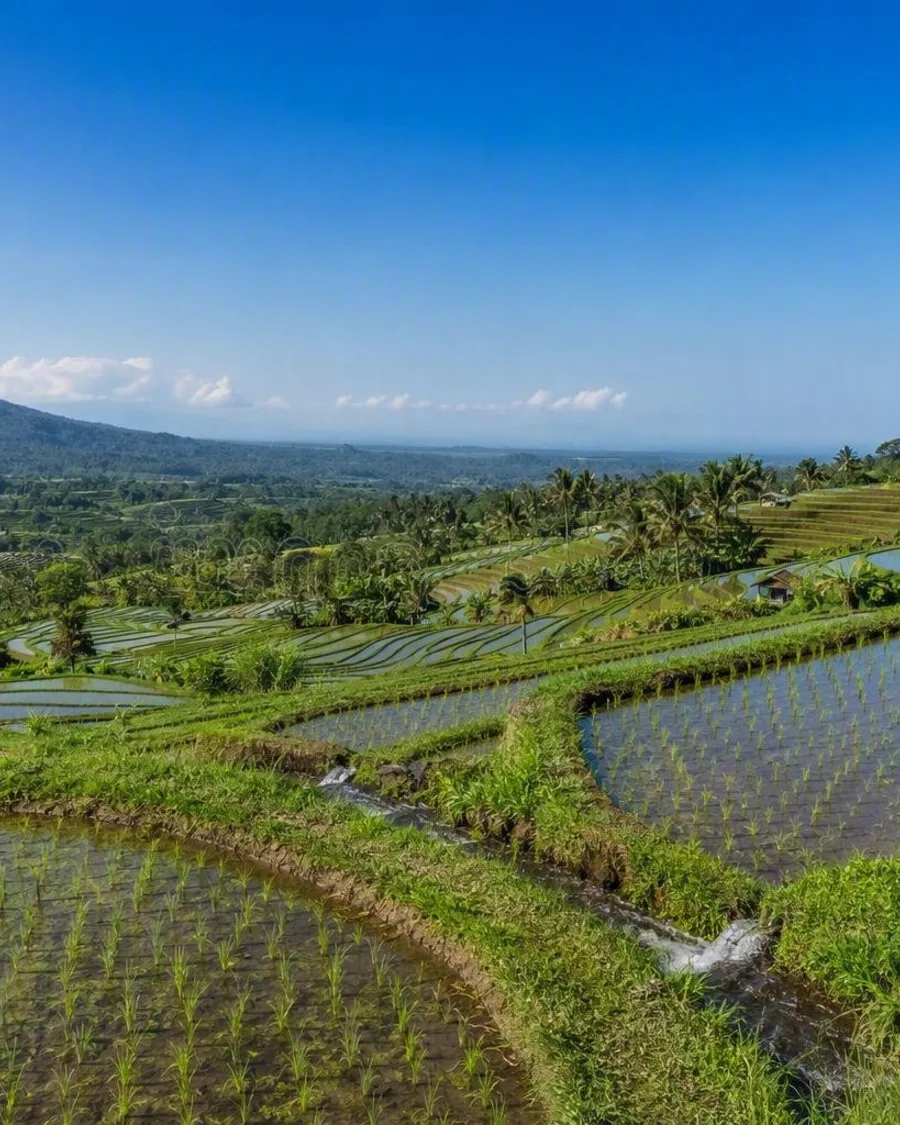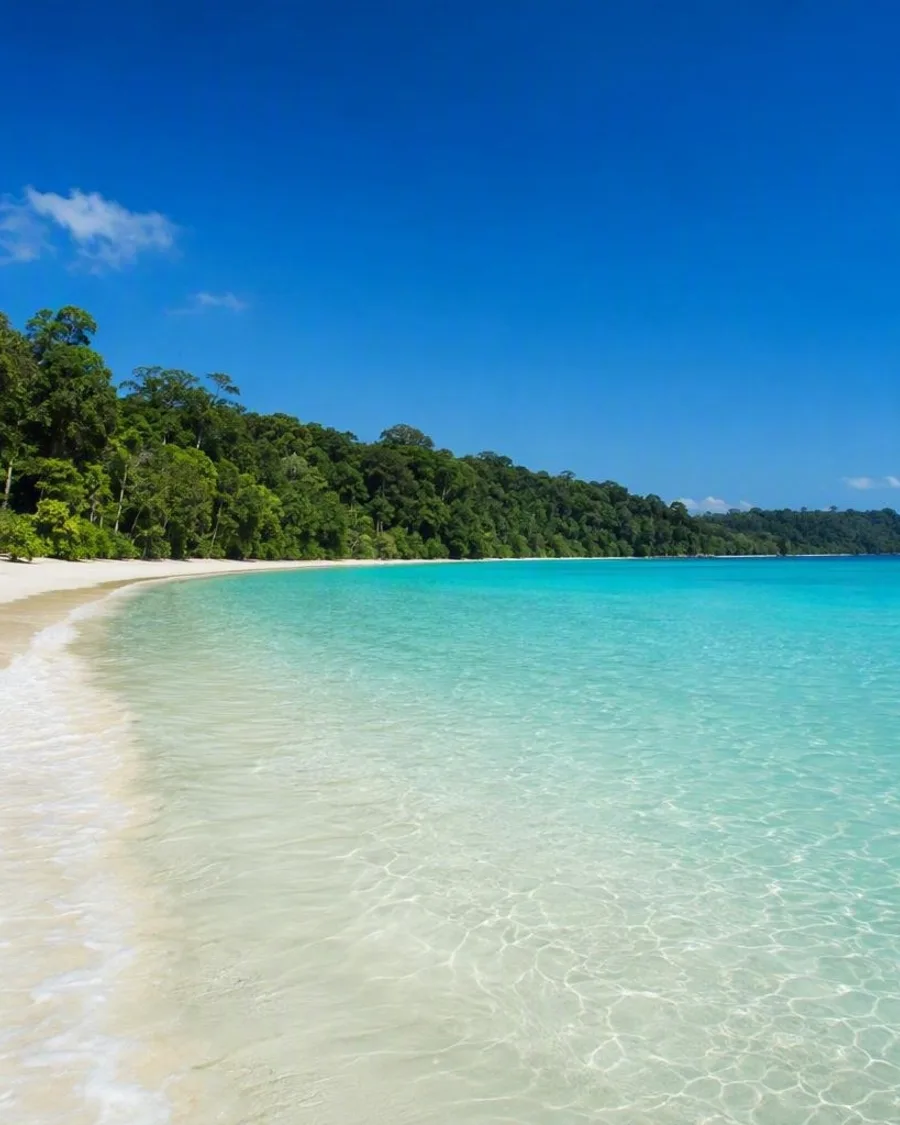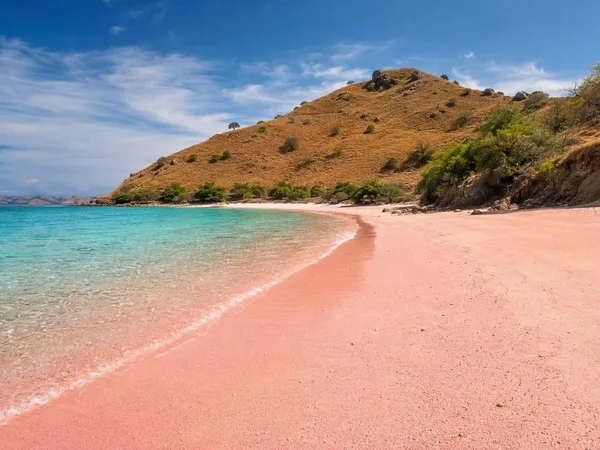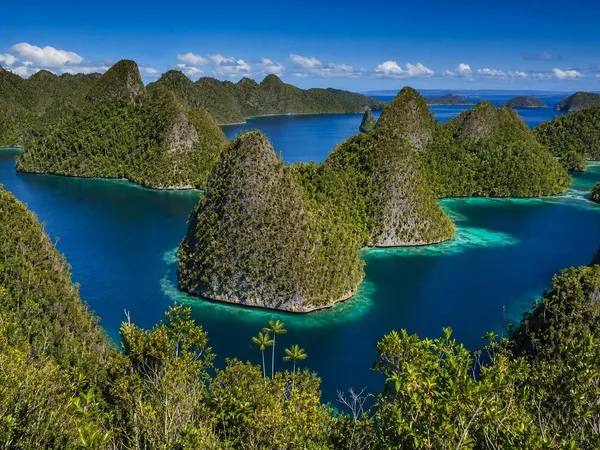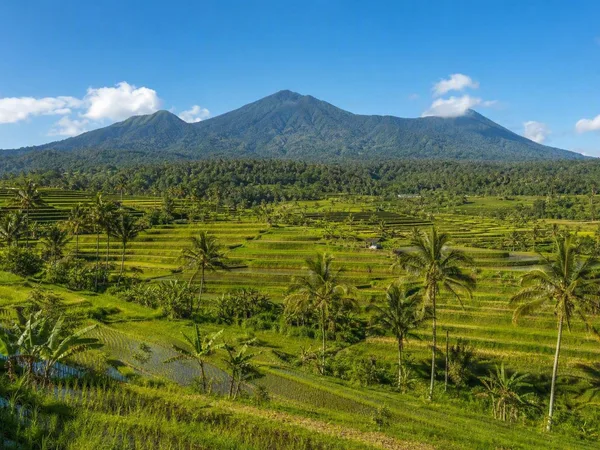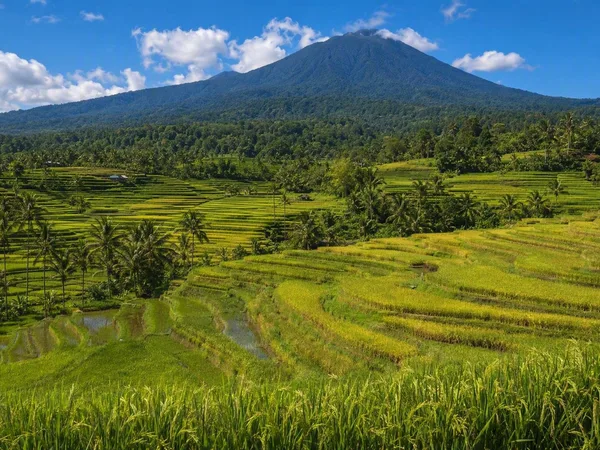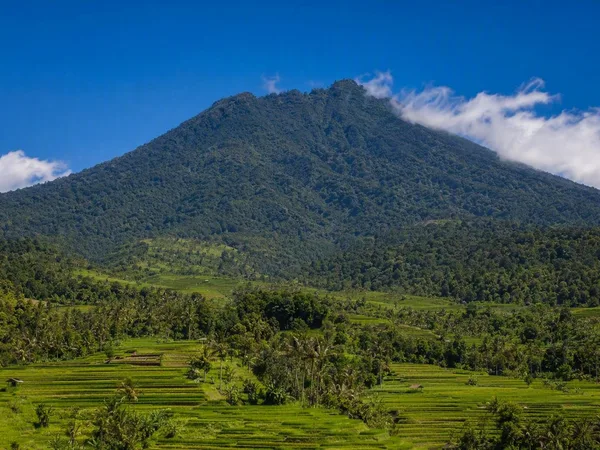
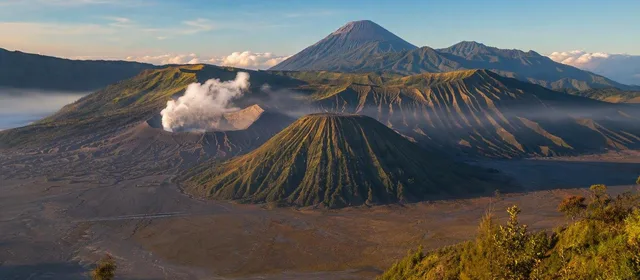
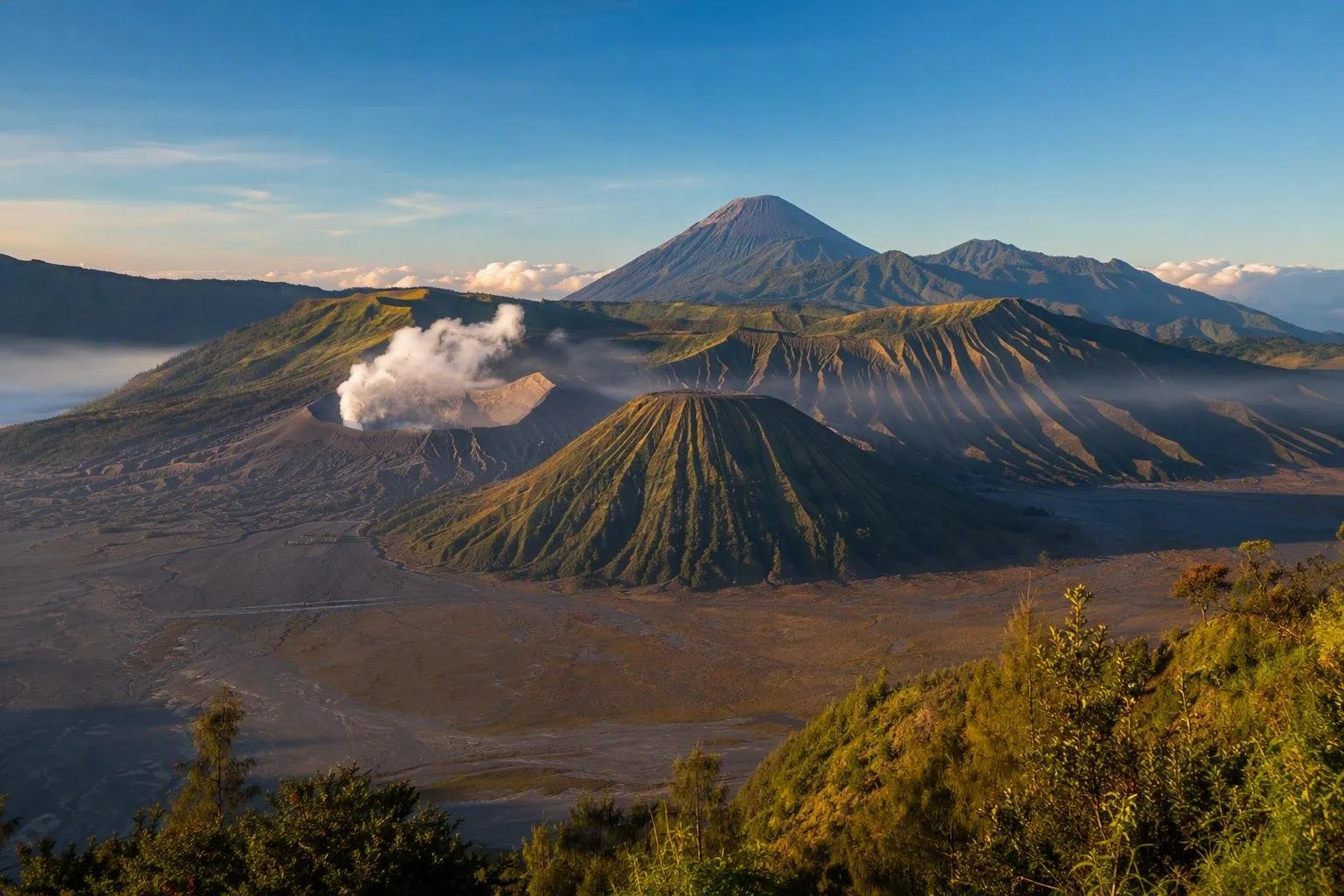
Indonesia makes most sense when you look beyond a single island. Java packs volcanoes, rice fields and some of the country’s largest cities into a relatively small space. At dawn, Mount Bromo stands above the Tengger caldera while farmers work the cooler slopes nearby. East of Java, Bali pairs temple courtyards with rice terraces fed by shared irrigation channels. Further east, boats cross the clear water between Raja Ampat’s limestone islands. Each place has its own pace, food and customs, shaped by the sea as much as by the land.
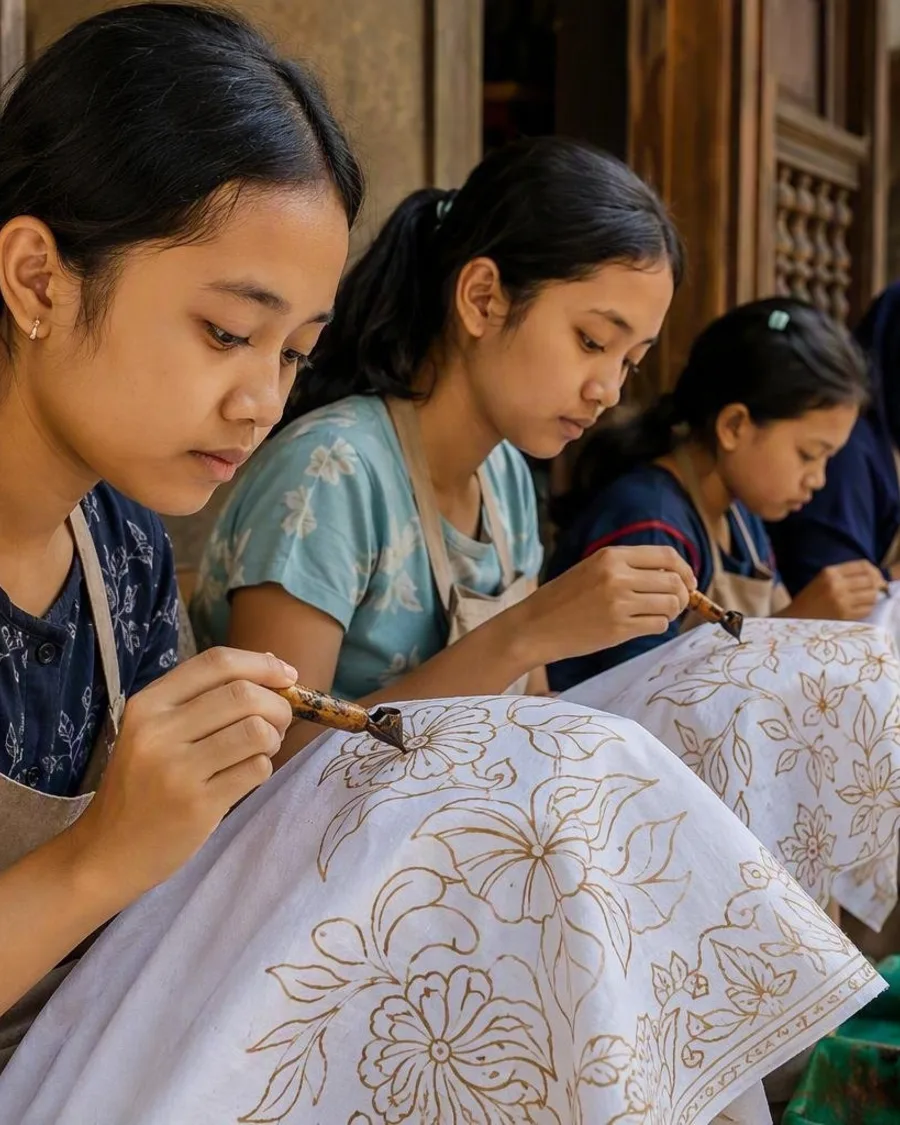
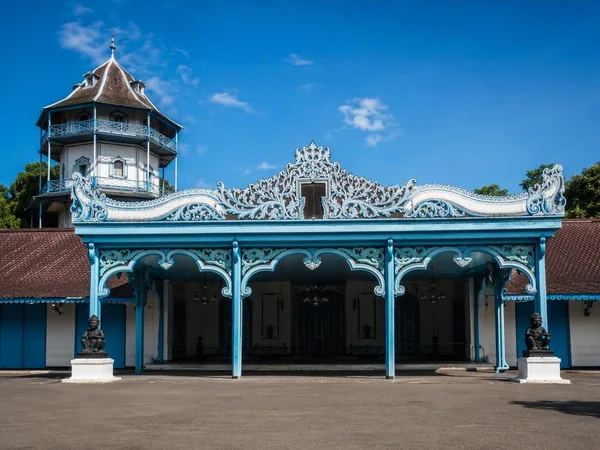
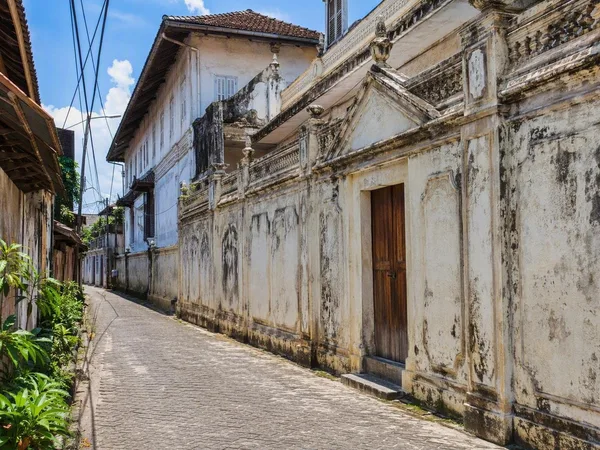
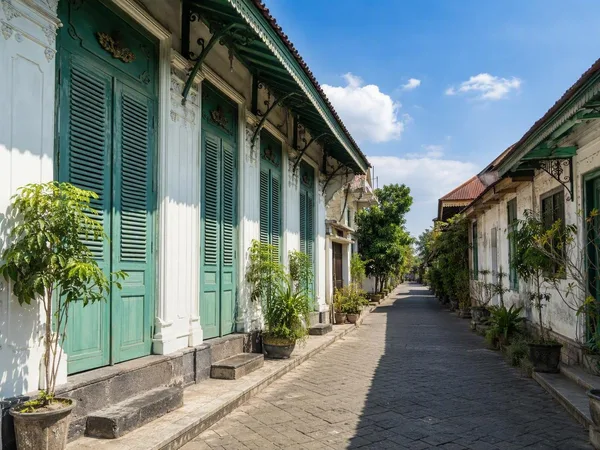
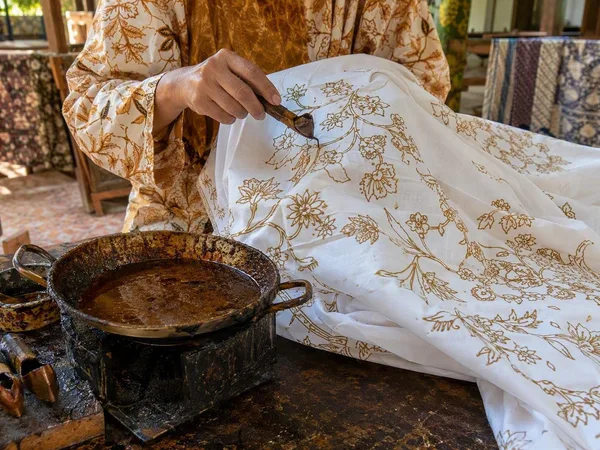
Java’s old cities add another layer. Stone reliefs cover the terraces at Borobudur, and the tall Hindu towers of Prambanan stand near Yogyakarta. In Yogyakarta’s workshops, makers apply wax and dye to cloth to produce batik patterns. Food shifts just as clearly between regions: Padang restaurants set out small dishes rich with chilli and coconut, while Balinese cooks use turmeric, lemongrass and other spices in roast pork. In Sulawesi’s Toraja highlands, families build tongkonan houses with sweeping roofs and maintain funeral customs that bring whole communities together.
Mosque courtyards, temple processions, crowded streets and terraced fields all sit within daily life. Bahasa Indonesia helps people communicate across the archipelago, but regional languages, cooking and architecture change from island to island. Give Indonesia time, and visit more than one place; the differences are part of the pleasure.