
City · Indonesia
Solo
Solo, formally Surakarta, is a city in Central Java, Indonesia, shaped by the Surakarta court, living batik districts and compact historic quarters.
Start with the court city
Solo is the everyday name for Surakarta, a city formed when the Mataram court moved from Kartasura to the village of Sala in 1745. That court history still gives the centre its structure and its strongest landmarks.
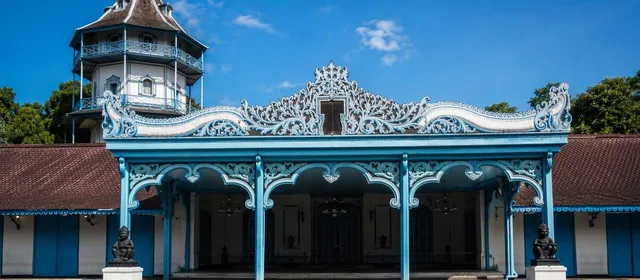
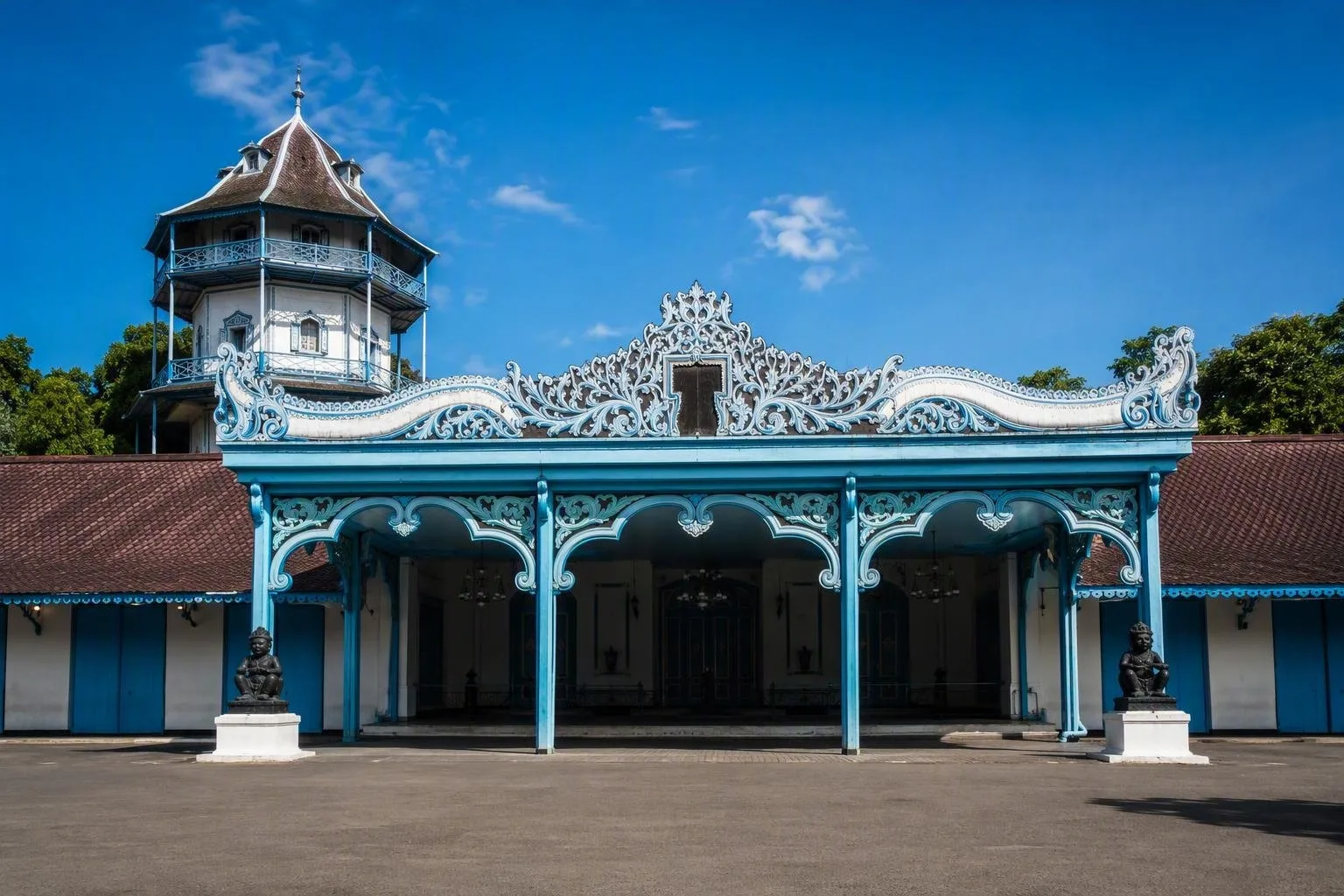
Begin around Keraton Surakarta Hadiningrat, the royal palace. The nearby Great Mosque and the lanes of Kauman make this the most useful area for understanding how court life, religion and batik production overlap. Keep expectations precise: this is a functioning urban district, not a sealed heritage precinct.
Read the city through batik
Batik is not confined to one market or museum in Solo. Two districts give it distinct settings:
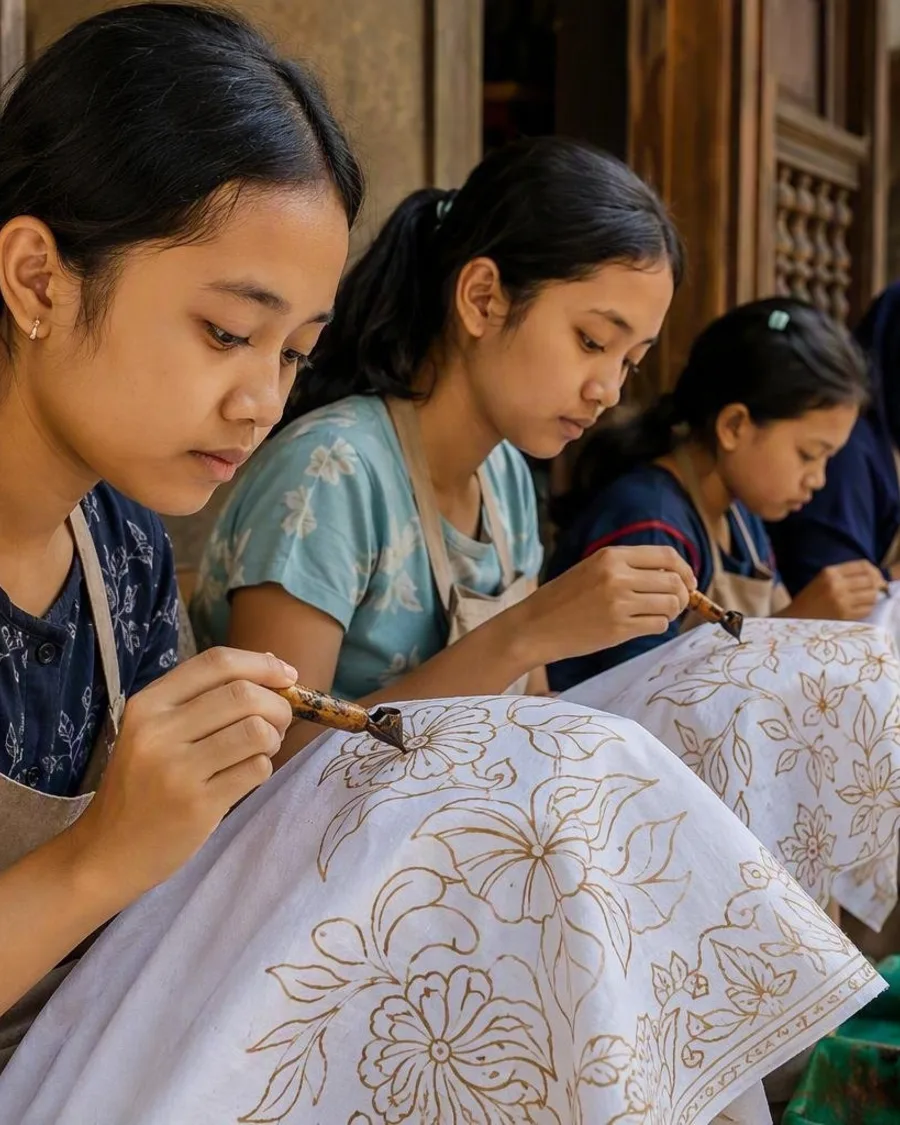
- Kampung Batik Kauman sits close to the palace area. Its makers are associated with classical motifs following Surakarta court conventions; its narrow lanes are best covered on foot.
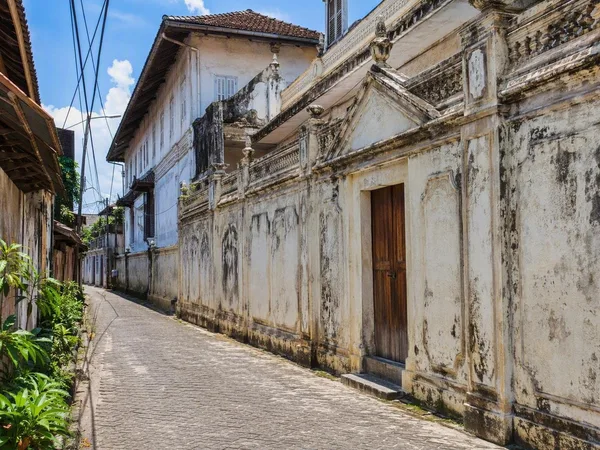
- Kampung Batik Laweyan, in the Laweyan district, combines workshops with old merchant houses and a broader neighbourhood walk. It is a designated heritage area and a practical place to see batik-making demonstrations or take a short class.
When buying, ask one direct question: is the piece batik tulis (hand-drawn with wax), batik cap (wax applied with a stamp), or printed fabric? These are different processes, not interchangeable labels. A workshop is useful before shopping because it makes the stages—drawing, waxing, dyeing and wax removal—legible.
Add the other palace
Pura Mangkunegaran is Solo’s second major royal compound. It comes from the 1757 division that created the Mangkunegaran principality alongside the Surakarta court. Pair it with the Keraton rather than treating it as a substitute: together they explain why royal institutions remain such a visible part of the city.
Allow time between the two rather than trying to turn the central sights into a checklist. Palace visits are best planned around their current opening arrangements and ceremonial use.
Build a practical route
Use the centre as a walking cluster: Keraton, Great Mosque, Kauman and Pasar Klewer lie in the same general palace-area orbit. Pasar Klewer is the place for breadth and comparison; Kauman is the more focused stop for court-linked batik context.
Give Laweyan its own half-day. Its streets, workshops and historic houses reward a slower circuit, and the district is not simply an extension of the palace centre.
Start outdoor walking early or later in the afternoon. In Kauman especially, lanes are narrow and residential: park outside where possible, walk quietly, and do not treat workspaces or homes as open sets for photography.
From the magazine
Stories about Solo
Editorial stories linked directly to Solo.
Routes from our editors
Travel through Solo
Editorial routes connecting Solo with other countries, cities and hotspots.
No routes through Solo have been published yet.
More in Indonesia
Related hotspots
Other cities, nature areas and places within Indonesia.
Kampung Batik Laweyan
1 linked stories and routes
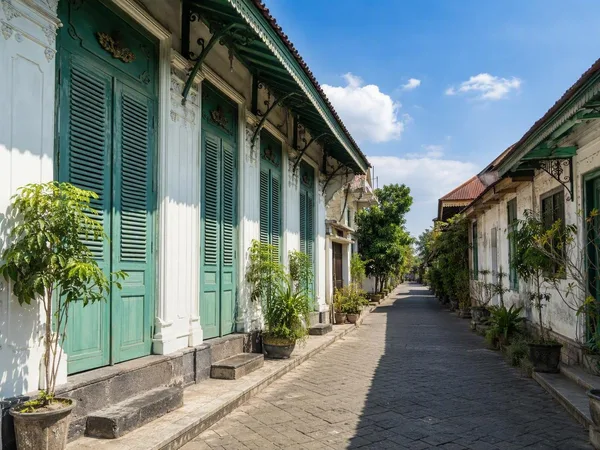
Kauman Batik Village
1 linked stories and routes
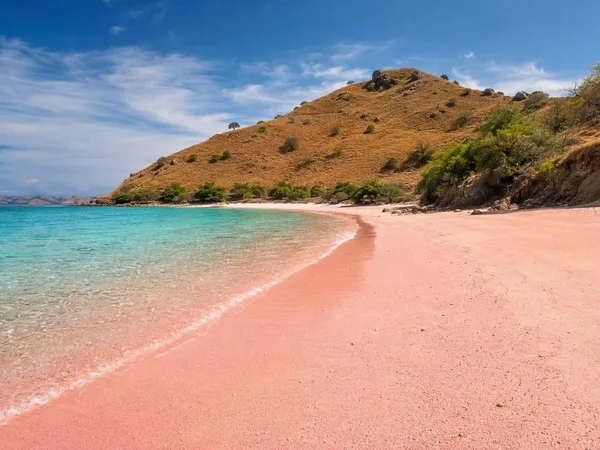
Pink Beach (Pantai Merah), Komodo Island
1 linked stories and routes

Komodo National Park
1 linked stories and routes

Komodo Island
1 linked stories and routes

Rinca Island
1 linked stories and routes
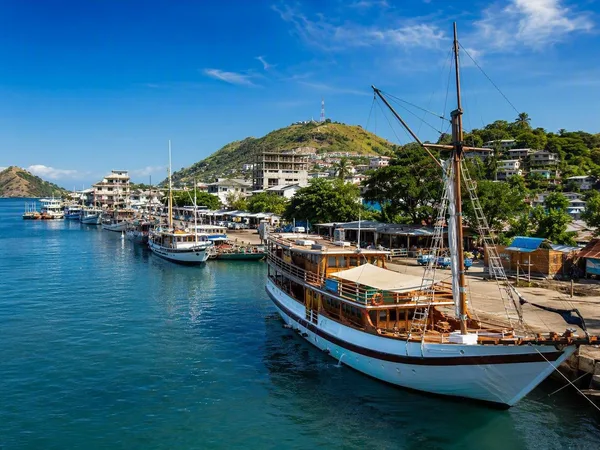
Labuan Bajo
1 linked stories and routes
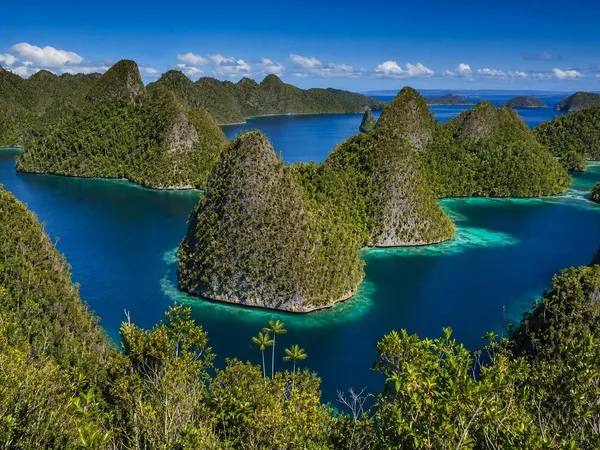
Raja Ampat
1 linked stories and routes
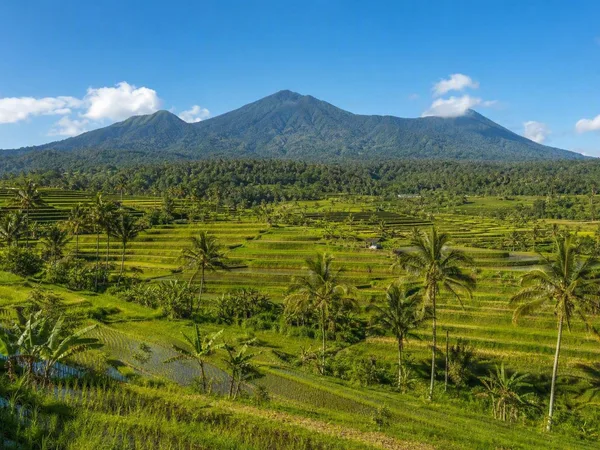
Jatiluwih Rice Terraces
1 linked stories and routes
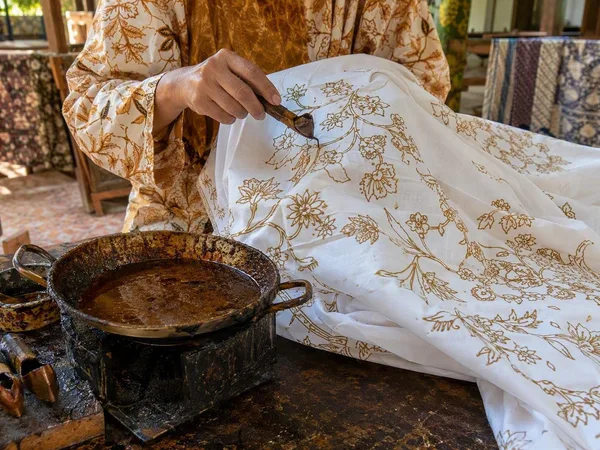
Laweyan Batik Village
0 linked stories and routes
Bali
0 linked stories and routes
Mount Batukaru
0 linked stories and routes