
Neighbourhood · Indonesia
Kampung Batik Laweyan
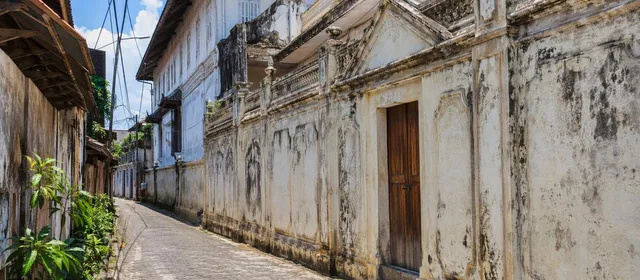
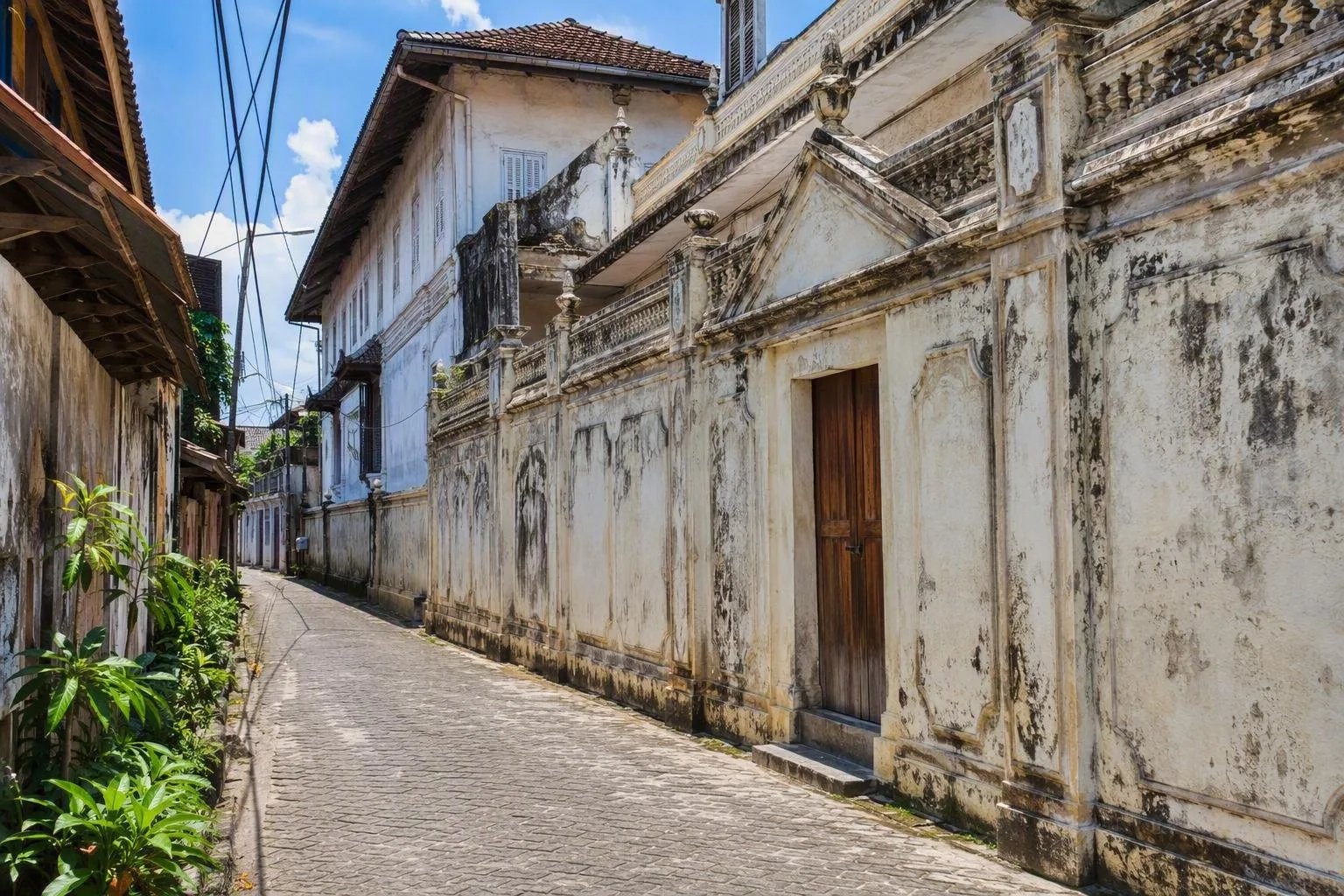
Laweyan is Solo’s historic batik-making neighbourhood, west of the city centre. Its narrow lanes combine working batik workshops and showrooms with the substantial old houses of former batik merchants.
Why Laweyan matters
Laweyan is a batik district rather than a single museum or market. This roughly 25-hectare neighbourhood grew around textile trade and production, and it remains a place to see, buy and sometimes try batik in the setting that made the craft economically important to Solo.
Its streets retain the physical evidence of that history: high compound walls, large wooden regol gates and former merchants’ houses. The architecture mixes Javanese, European, Chinese and Islamic influences. Treat the area as a living neighbourhood, not a display set.
Walk the lanes
Start around Jalan Sidoluhur and continue on foot through the adjoining alleys. The lanes are narrow and are best explored slowly; cars are not useful once you are inside the neighbourhood.
Look for the contrast between enclosed street fronts and the larger compounds behind them. Some historic houses now contain batik showrooms, while others remain private or working premises. Do not enter a courtyard or production area without an invitation.
Understand what you are buying
Laweyan shops carry several kinds of cloth and clothing. Ask clearly how a piece was made before comparing prices.
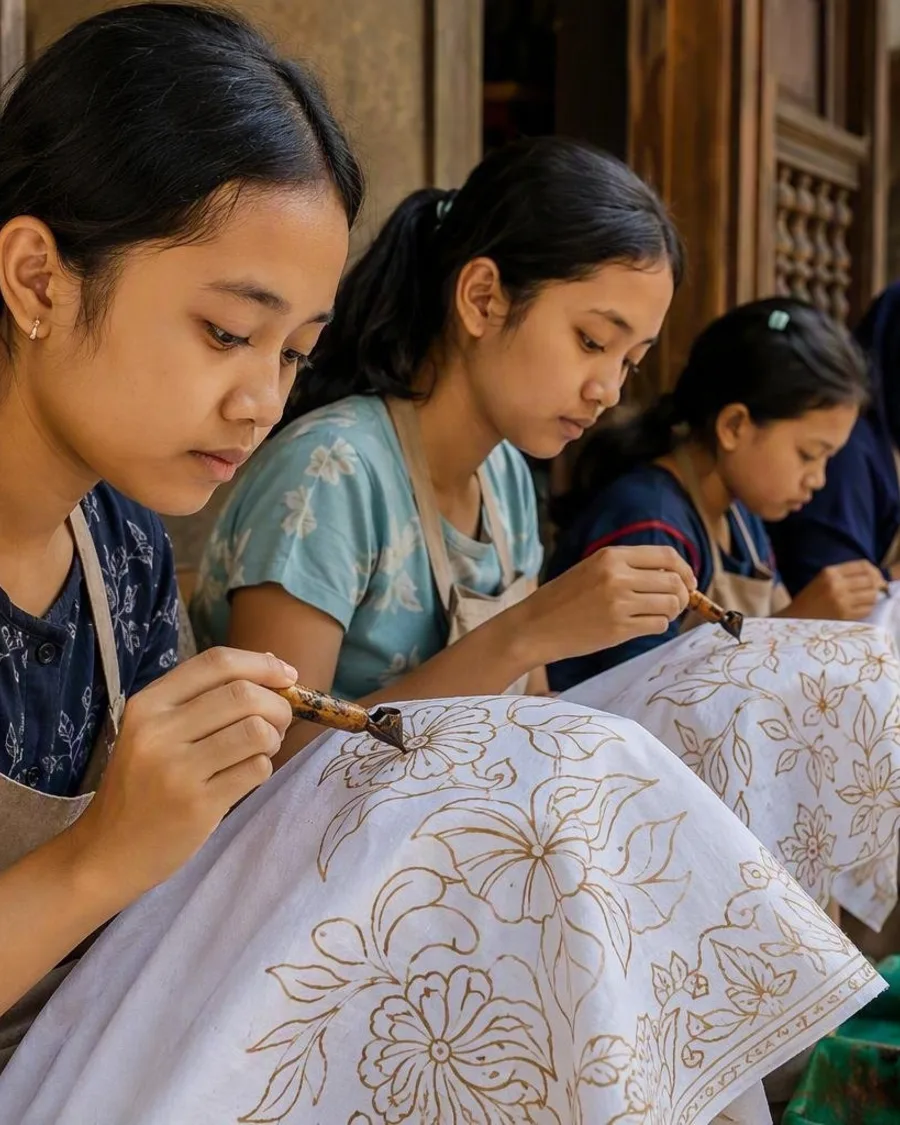
- Batik tulis: hand-drawn wax-resist work, made with a canting.
- Batik cap: wax-resist batik made with a stamp.
- Printed fabric: a batik-style pattern printed on cloth, rather than wax-resist batik.
A hand-drawn piece may show fine irregularities and takes longer to make; a stamped piece has its own legitimate process and is usually quicker to produce. Check the reverse side of the cloth, ask about fibre and washing, and compare equivalent items in more than one showroom.
See the process
Some batik businesses offer short hands-on sessions. A typical introductory class covers drawing a pattern, applying wax and direct hand-colouring with the colet technique; the workshop team handles later fixing and wax removal. These sessions suit travellers who want a practical introduction rather than a full production course.
In a working studio, hot wax, burners and unfinished cloth are part of the job. Keep clear of tools and wet work, and ask before photographing makers or their work.
Practical approach
Use a taxi or ride-hailing service to reach the Laweyan area, then walk. Give the driver a specific showroom, workshop or the Kampung Batik Laweyan area as the destination; the internal lanes are not designed for easy vehicle access.
Allow one to two hours for a walk and several shop visits, longer if taking a workshop. The neighbourhood itself can be entered freely; shopping, classes and any parking are separate costs.
From the magazine
Stories about Kampung Batik Laweyan
Editorial stories linked directly to Kampung Batik Laweyan.
Routes from our editors
Travel through Kampung Batik Laweyan
Editorial routes connecting Kampung Batik Laweyan with other countries, cities and hotspots.
No routes through Kampung Batik Laweyan have been published yet.
More in Indonesia
Related hotspots
Other cities, nature areas and places within Indonesia.
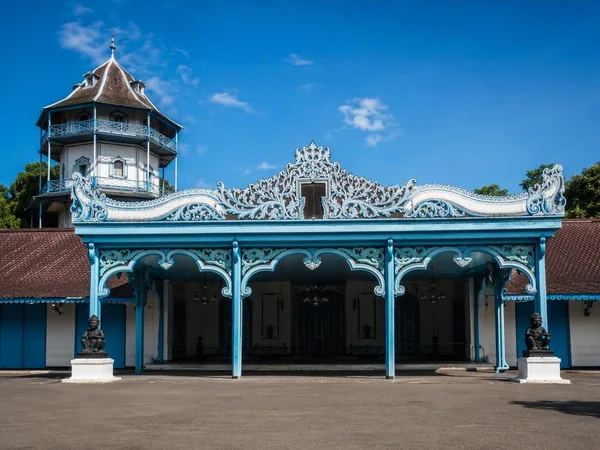
Solo
1 linked stories and routes
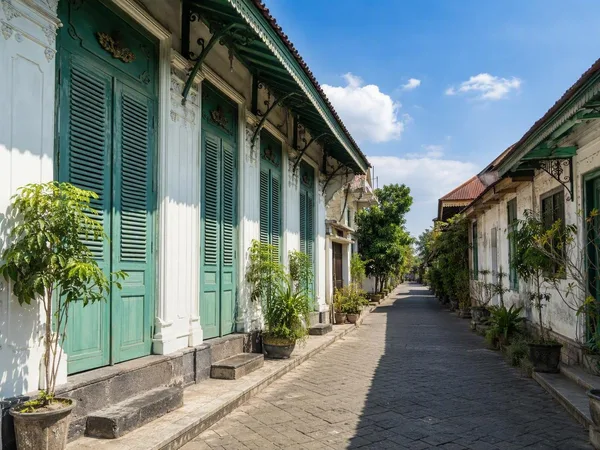
Kauman Batik Village
1 linked stories and routes

Pink Beach (Pantai Merah), Komodo Island
1 linked stories and routes

Komodo National Park
1 linked stories and routes

Komodo Island
1 linked stories and routes

Rinca Island
1 linked stories and routes

Labuan Bajo
1 linked stories and routes

Raja Ampat
1 linked stories and routes

Jatiluwih Rice Terraces
1 linked stories and routes
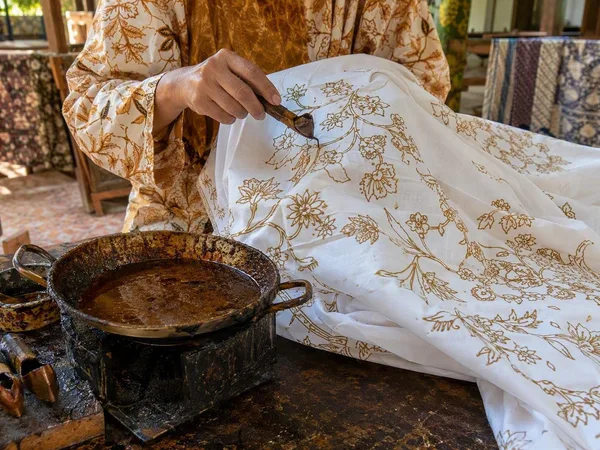
Laweyan Batik Village
0 linked stories and routes

Bali
0 linked stories and routes
Mount Batukaru
0 linked stories and routes