
Island · Indonesia
Bali
Bali is an Indonesian island between Java and Lombok, where volcanic highlands, rice terraces and water temples meet surf beaches and dense southern towns. Its defining cultural landscape is the living subak irrigation system.
Read the island by region
Bali is not a single resort strip. The south—Kuta, Seminyak, Canggu, Sanur and the Bukit Peninsula—holds the busiest beaches, dining and most accommodation. Inland Ubud is the practical cultural base for galleries, temples and nearby paddies. The central highlands around Bedugul and Kintamani are cooler and volcanic; the north and east bring quieter coasts, mountain roads and diving bases such as Amed.
Do not treat short map distances as short journeys. Traffic can dominate a day, particularly between the south coast and Ubud. Choose one base for the coast and another inland or in the highlands rather than crossing the island repeatedly.
Rice, water and temples
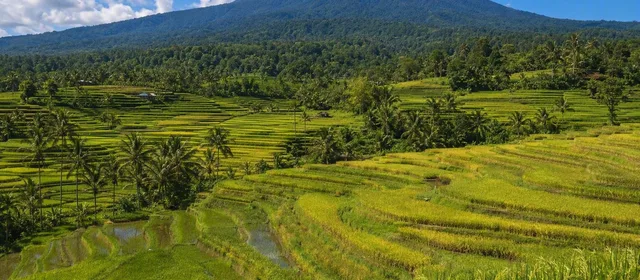
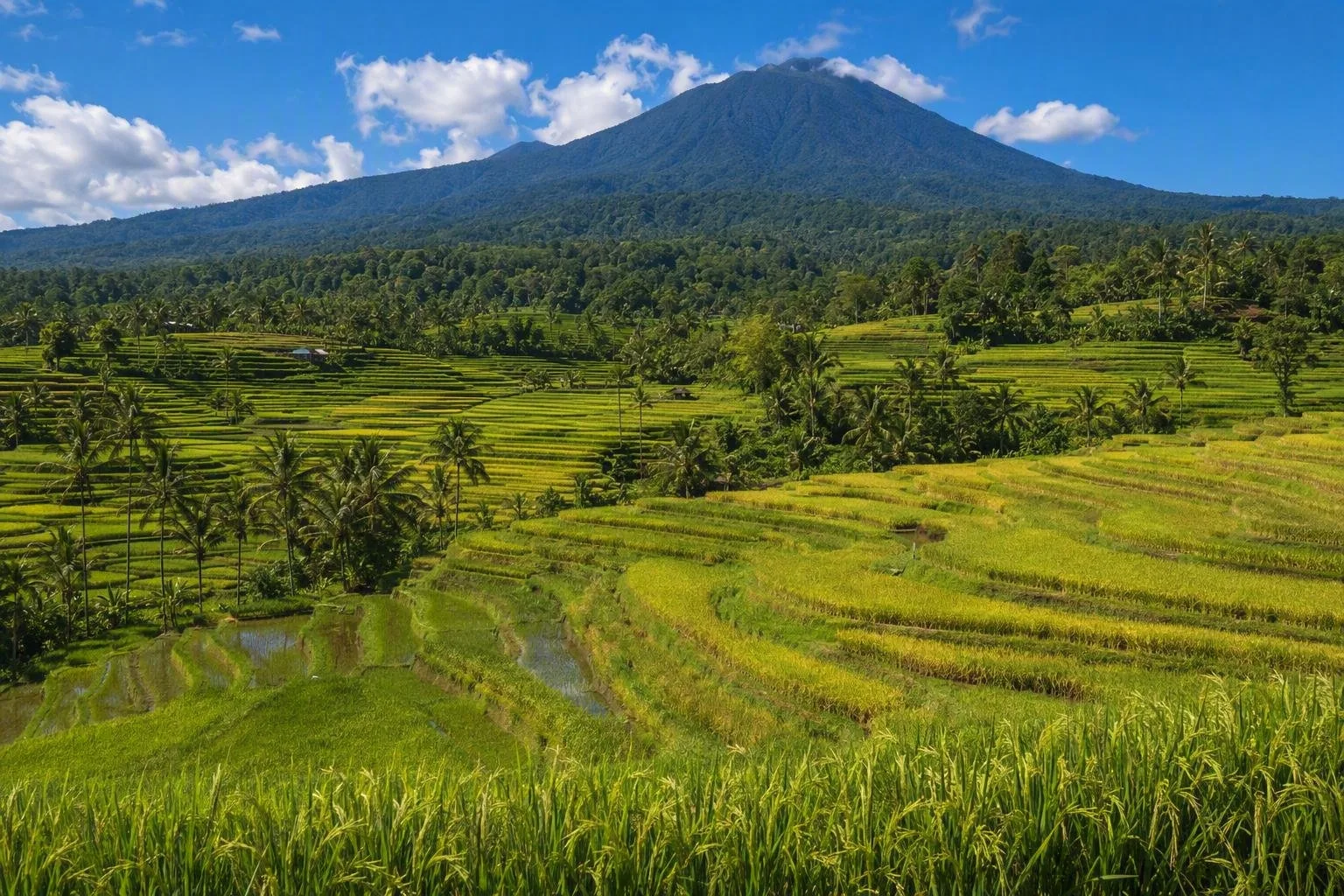
Bali’s terraces are working agricultural land, not scenery arranged for visitors. The subak system directs water from springs and rivers through canals, weirs and water temples to the paddies. It joins farming, ritual and cooperative water management, and embodies Tri Hita Karana: the relationship between the spiritual realm, people and nature.
For the clearest large-scale view, go to Jatiluwih in Tabanan. Its terraces form part of the UNESCO-listed Cultural Landscape of Bali Province. Walk only on marked paths and narrow bunds; do not enter planted fields or disturb shrines. Rice changes through the growing cycle, so fields may be flooded, green or ready for harvest rather than uniformly emerald.
Water temples make the system legible. Pura Ulun Danu Batur stands beside Lake Batur, while Pura Taman Ayun is a major royal water temple. At any temple, cover shoulders and knees, wear a sarong when required, and give ceremonies priority over sightseeing.
Coast, volcanoes and culture
For a classic coastal temple setting, Tanah Lot sits on a sea rock on the west coast. Uluwatu Temple occupies a clifftop above the Indian Ocean. Both are best approached as religious sites first; sunset crowds are substantial.
Mount Batur’s caldera and lake provide the volcanic counterpoint to the coast. Ubud offers a useful base for the Tegalalang terraces, Tirta Empul’s spring-fed temple pools, and performing arts. Keep these areas separate in your itinerary: a south-coast beach day, an Ubud day and a highland day are more realistic than combining all three.
Arrival, timing and essentials
Fly into I Gusti Ngurah Rai International Airport near Denpasar. Cars with drivers suit multi-stop days and highland routes; ride-hailing is useful for simpler trips where available. Rent a scooter only if you are an experienced, properly licensed rider and comfortable with left-side traffic.
The drier months generally run from May to October; July and August bring the heaviest visitor numbers. Wet-season rain can make terrace paths slick and obscure mountain views. Nyepi, the Balinese Day of Silence in March or April, closes the airport and stops normal movement across the island for 24 hours. Plan flights and transfers around it.
Drink sealed or treated water rather than tap water. Step around daily offerings on pavements, and keep a respectful distance from processions and temple worship.
From the magazine
Stories about Bali
Editorial stories linked directly to Bali.
No stories about Bali have been published yet.
Routes from our editors
Travel through Bali
Editorial routes connecting Bali with other countries, cities and hotspots.
No routes through Bali have been published yet.
More in Indonesia
Related hotspots
Other cities, nature areas and places within Indonesia.
Solo
1 linked stories and routes
Kampung Batik Laweyan
1 linked stories and routes
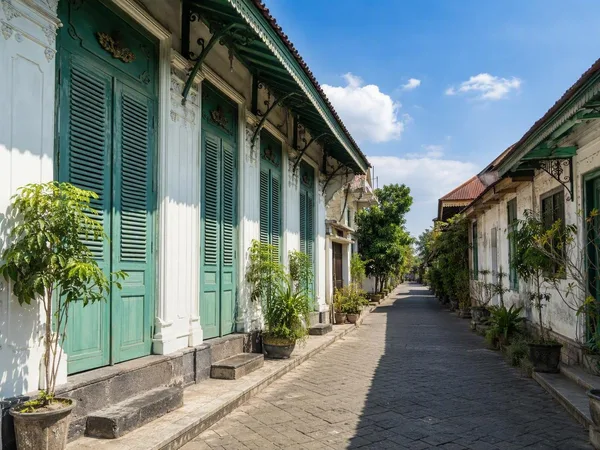
Kauman Batik Village
1 linked stories and routes
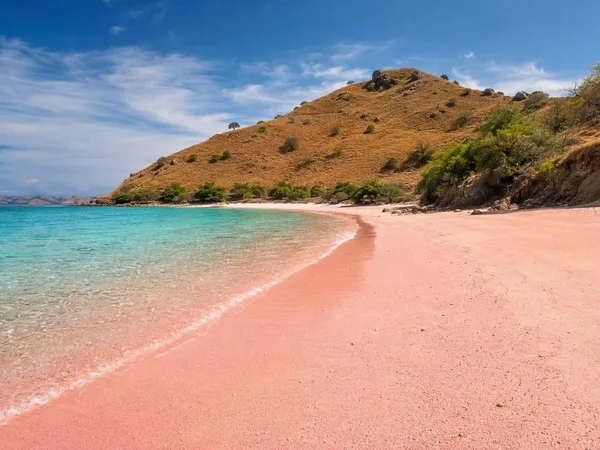
Pink Beach (Pantai Merah), Komodo Island
1 linked stories and routes
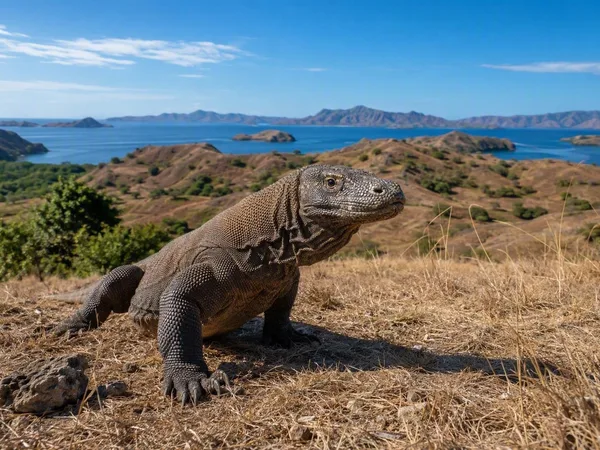
Komodo National Park
1 linked stories and routes
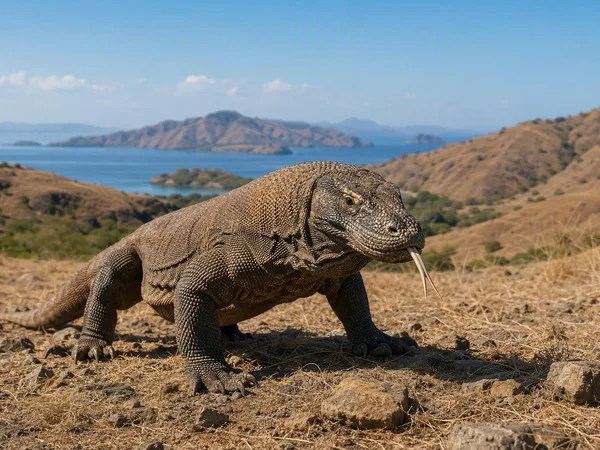
Komodo Island
1 linked stories and routes
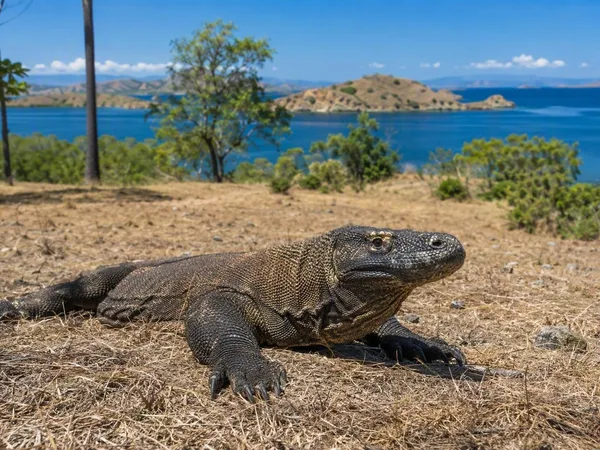
Rinca Island
1 linked stories and routes
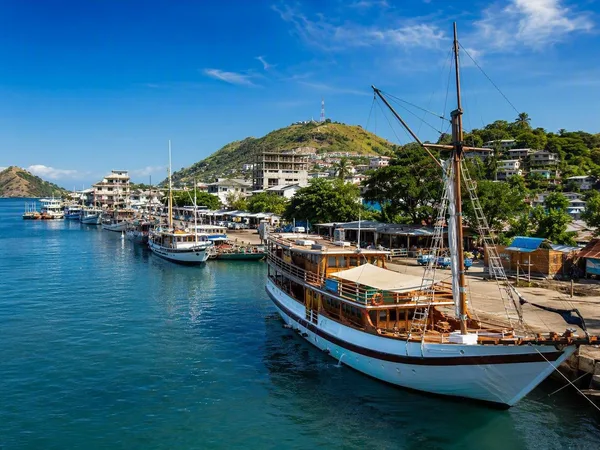
Labuan Bajo
1 linked stories and routes
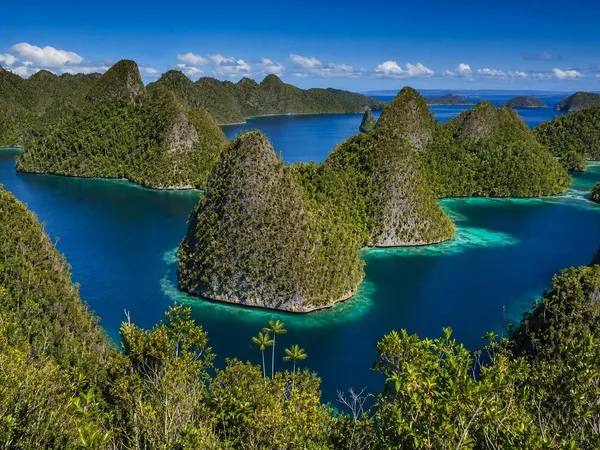
Raja Ampat
1 linked stories and routes
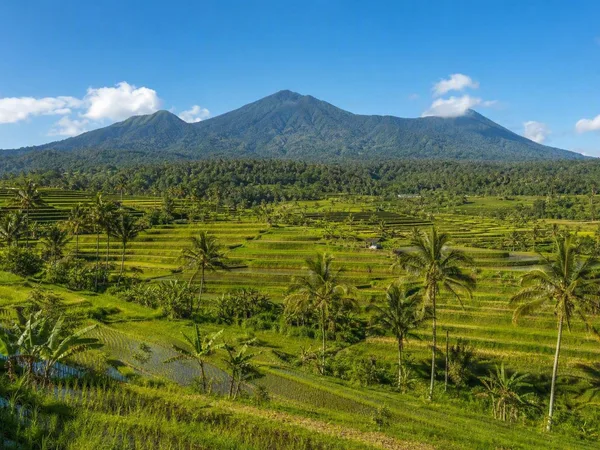
Jatiluwih Rice Terraces
1 linked stories and routes
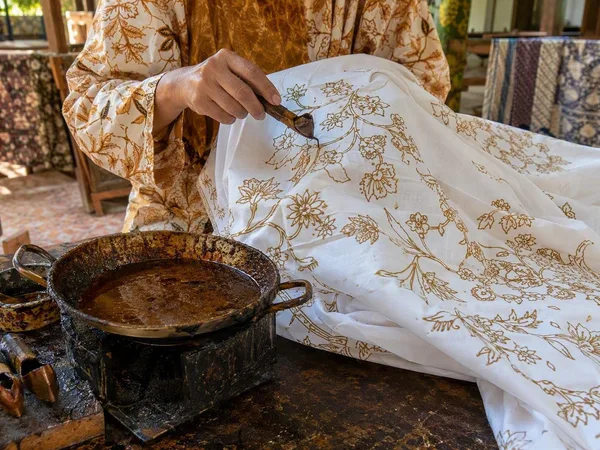
Laweyan Batik Village
0 linked stories and routes
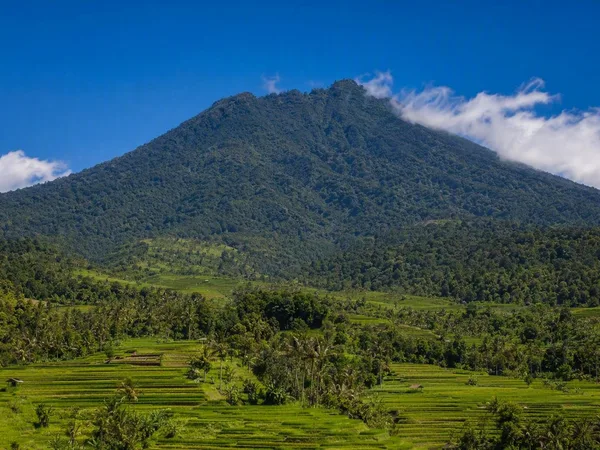
Mount Batukaru
0 linked stories and routes