Turkey

Ferry crossings, rock valleys and long tables

Turkey

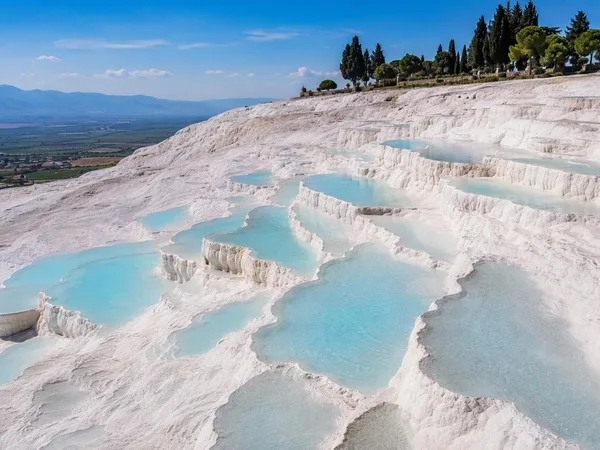
Turkey brings Roman ruins, Ottoman cities and distinct regional kitchens into the life of a modern republic.

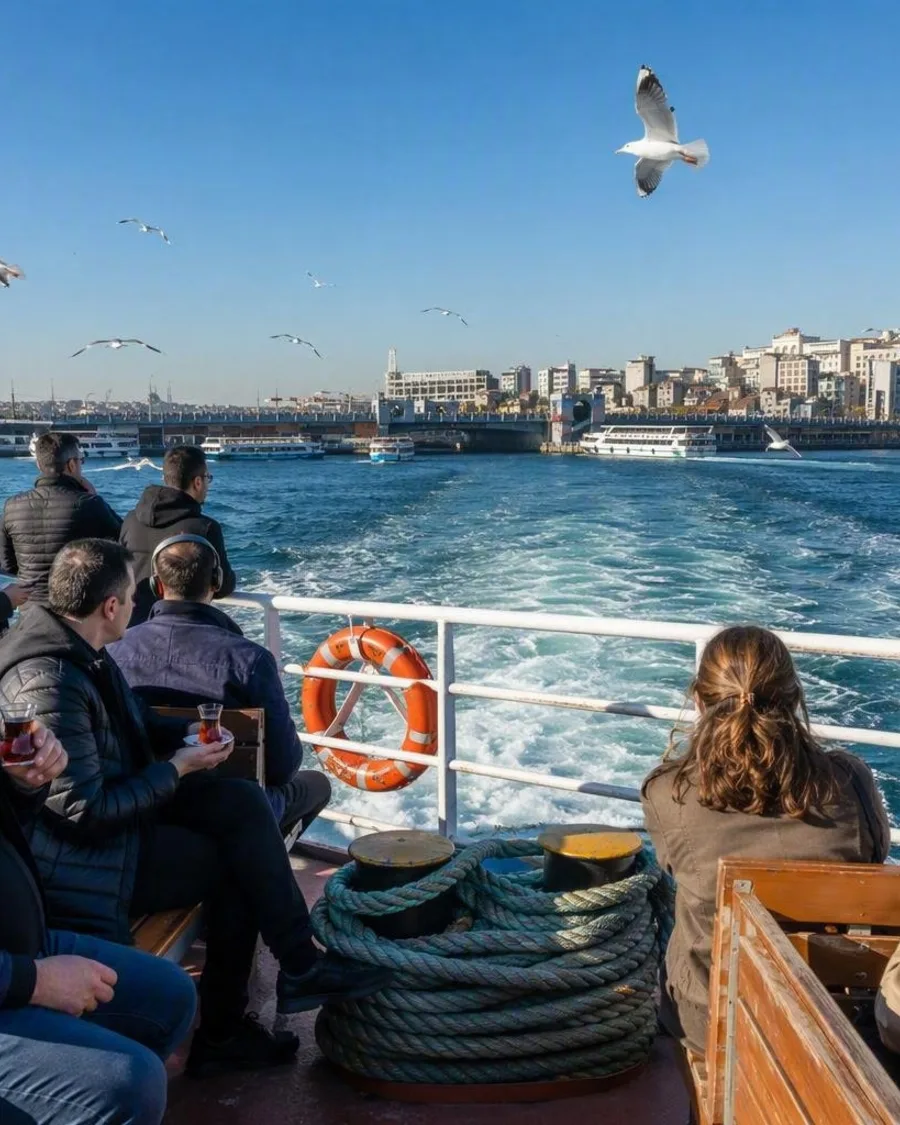
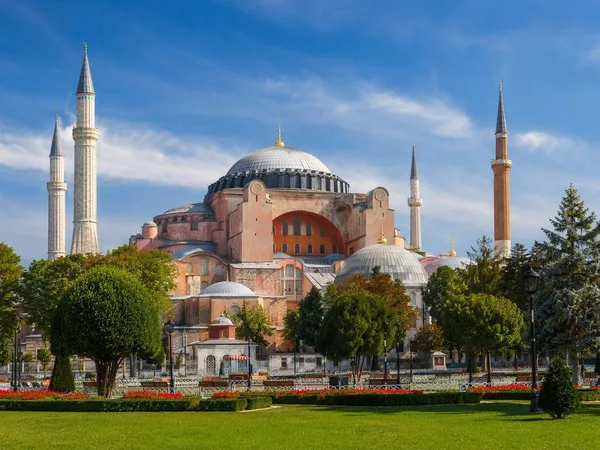
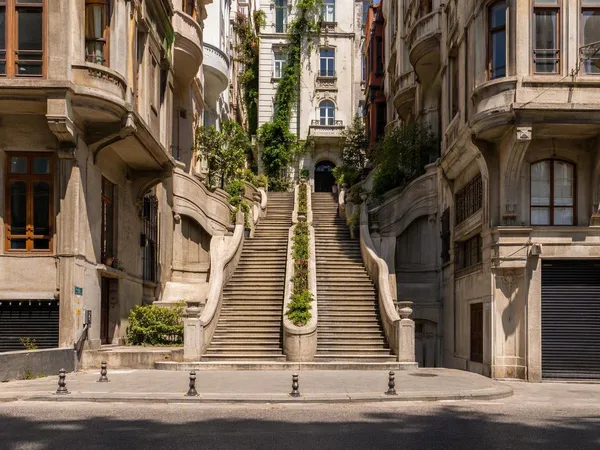
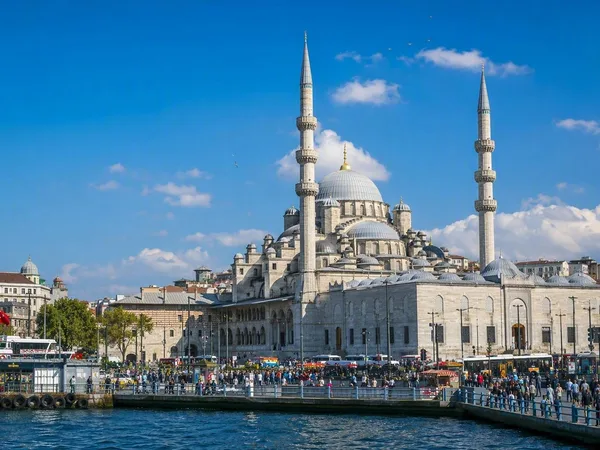
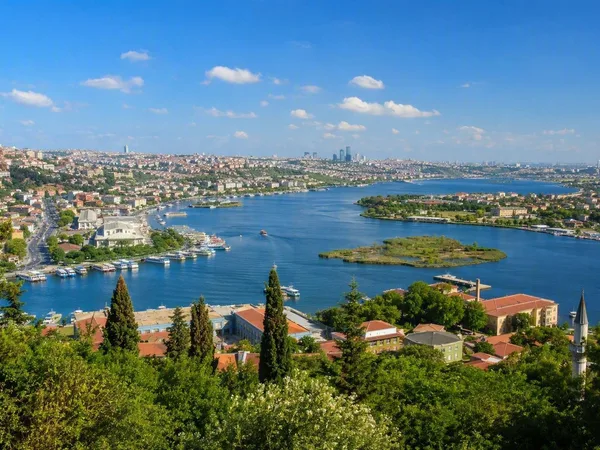
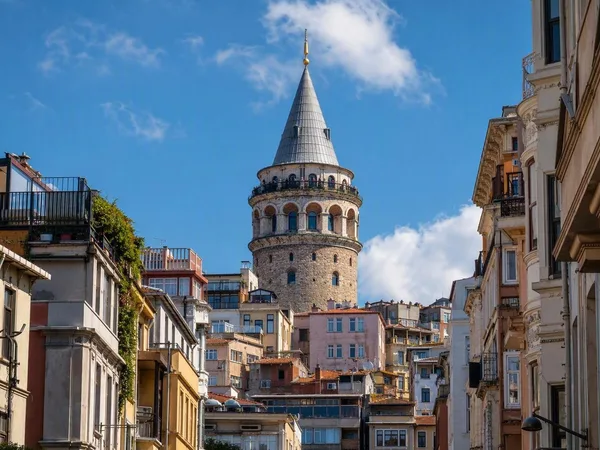
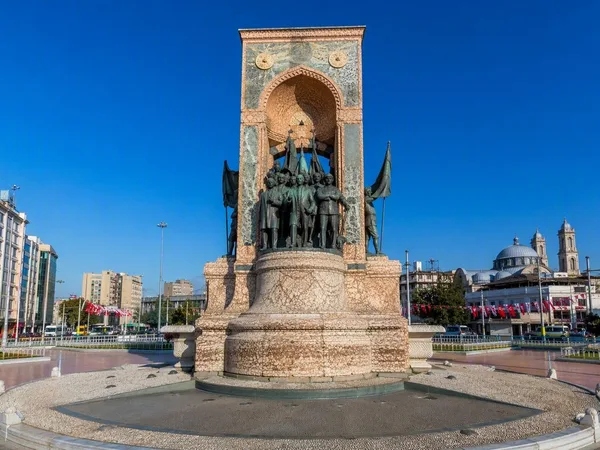
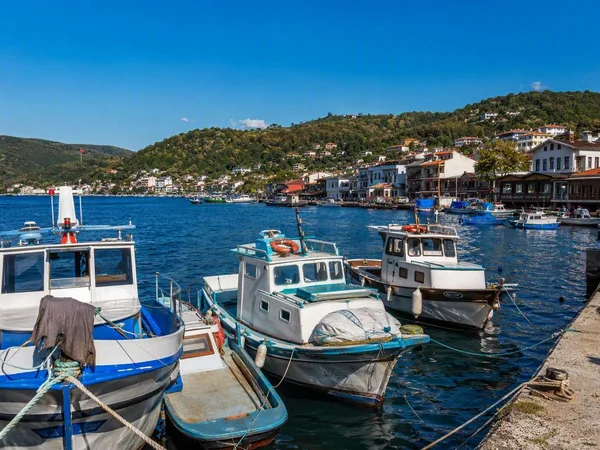
Start in Istanbul, where commuter ferries cross the Bosphorus between Europe and Asia and gulls wheel behind them. Hagia Sophia and the Blue Mosque stand above Sultanahmet, yet fish markets, tea gardens and neighbourhood bakeries show the city at street level. Beyond Istanbul, the country holds very different landscapes and histories. Greek and Roman theatres stand beside working towns on the Aegean coast, while Seljuk caravanserais and stone buildings trace old trade routes across central Anatolia.

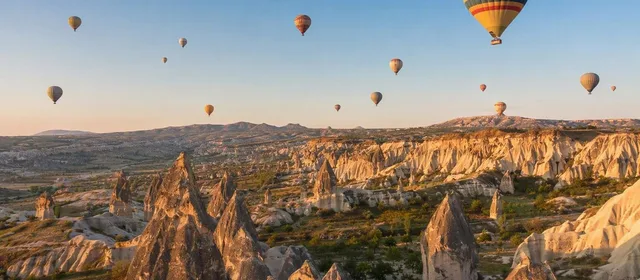
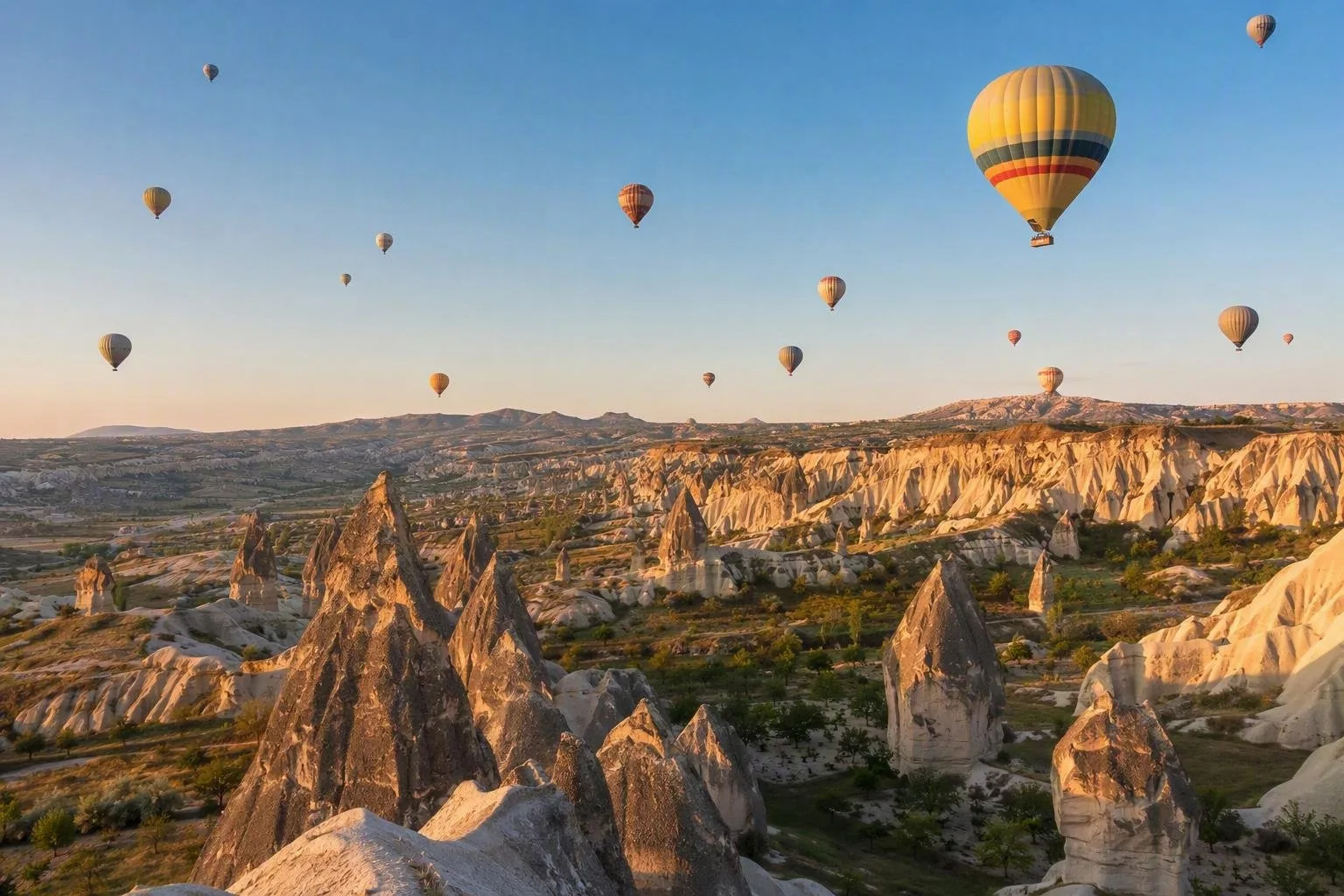
In Cappadocia, wind and rain cut volcanic rock into cones and narrow valleys. Early communities carved churches, homes and underground shelters into the soft stone. Along the Mediterranean, pine-covered mountains run down to small coves, where the ruins of Lycian towns sit above the water. Far to the east, Lake Van lies below high plateaus, and Akdamar Island holds an Armenian church with carved biblical scenes.

Food changes with the landscape. Cooks in Gaziantep use pistachios in baklava and pair kebabs with sharp salads. Black Sea kitchens cook anchovies with corn and dark greens. At breakfast, plates of cheese, olives, eggs, tomatoes and bread gather around small glasses of tea. Leave time for neighbourhoods beyond the headline sights, linger over a meal, and see more of Turkey.

When to go

Best time to travel

Monthly values are indicative average maximum temperatures for Istanbul and the Marmara coast. Conditions vary meaningfully across Turkey, from the warmer Mediterranean and Aegean coasts to the colder central and eastern plateaus. Monthly values are indicative average maximum temperatures for Istanbul and the Marmara coast. Conditions vary meaningfully across Turkey, from the warmer Mediterranean and Aegean coasts to the colder central and eastern plateaus.

jan9°C feb10°C mar12°C apr17°C may22°C jun27°C jul29°C aug29°C sep25°C oct20°C nov15°C dec11°C

Weather in the capital

Practical Turkey

On every country page we show the current weather for the capital.

Ankara
Morning16°Cclear
Afternoon33°Cclear
Evening28°Cpartly cloudy
today34°C / 14°Chigh and low

Current forecast by Open-Meteo

Visa and entry

Entry requirements depend on nationality, travel purpose and length of stay. Check the official immigration information before departure.

Getting around

Intercity buses serve most towns, and domestic flights link major cities. High-speed trains run between Istanbul, Ankara, Eskişehir and Konya. Ferries are useful in Istanbul and around the Marmara region.

Paying locally

Cards are widely accepted in cities and resorts, but cash helps at markets, small cafés and on rural transport. ATMs dispense Turkish lira; check fees and exchange rates before confirming a withdrawal.

Where to stay

Options include city hotels, coastal pensions, cave rooms in Cappadocia and restored stone houses in historic towns. Book early for summer resorts and major holiday periods.

Before you leave

Worth knowing

A practical starting point for your trip. Check current conditions and local information before you leave.

01

Language

Turkish is the official language. English is common in major visitor areas but less widely spoken in smaller towns. Kurdish and other regional languages are also spoken.

02

Calling code

Turkey’s international calling code is +90.

03

Driving

Traffic keeps to the right, and drivers overtake on the left. Road signs use kilometres and generally follow European conventions.

04

Measurements

Turkey uses the metric system: kilometres, metres, litres and degrees Celsius.

05

Tipping

In restaurants, a tip of about 5–10% is customary when service is not included. People often round up taxi fares and tip hotel staff in cash.

06

Meal times

Breakfast often runs from 08:00 to 10:00, lunch from around noon to 14:00, and dinner from 19:00 onwards. Restaurants in busy areas may serve throughout the day.

07

Business hours

Many shops open around 09:00 or 10:00 and close between 19:00 and 22:00. Banks and public offices generally open on weekdays, while malls and tourist shops often open daily.

08

Transport cards

Large cities use rechargeable local cards, including Istanbulkart, AnkaraKart and İzmirim Kart. Buy and top them up at stations, kiosks or ticket machines.

09

Mobile connection

Turkcell, Vodafone Türkiye and Türk Telekom sell prepaid SIMs and tourist packages. A passport is usually required for registration; eSIM availability depends on the provider and device.

10

Taxis

Licensed taxis use meters. Check that the driver starts the meter, and carry Turkish lira because card payment is not universal. Taxi apps usually dispatch licensed local cabs.

11

Visiting mosques

Remove your shoes before entering the prayer area. Cover shoulders and knees; women should also cover their hair. Keep quiet and avoid visiting during congregational prayers, when access may be restricted.

12

Bargaining

Bargaining is common in bazaars and some souvenir or carpet shops. It is not expected in supermarkets, restaurants or other fixed-price businesses. Agree the final price before buying.

From the magazine

Stories about Turkey

Editorial stories connected to Turkey and the places in this country.

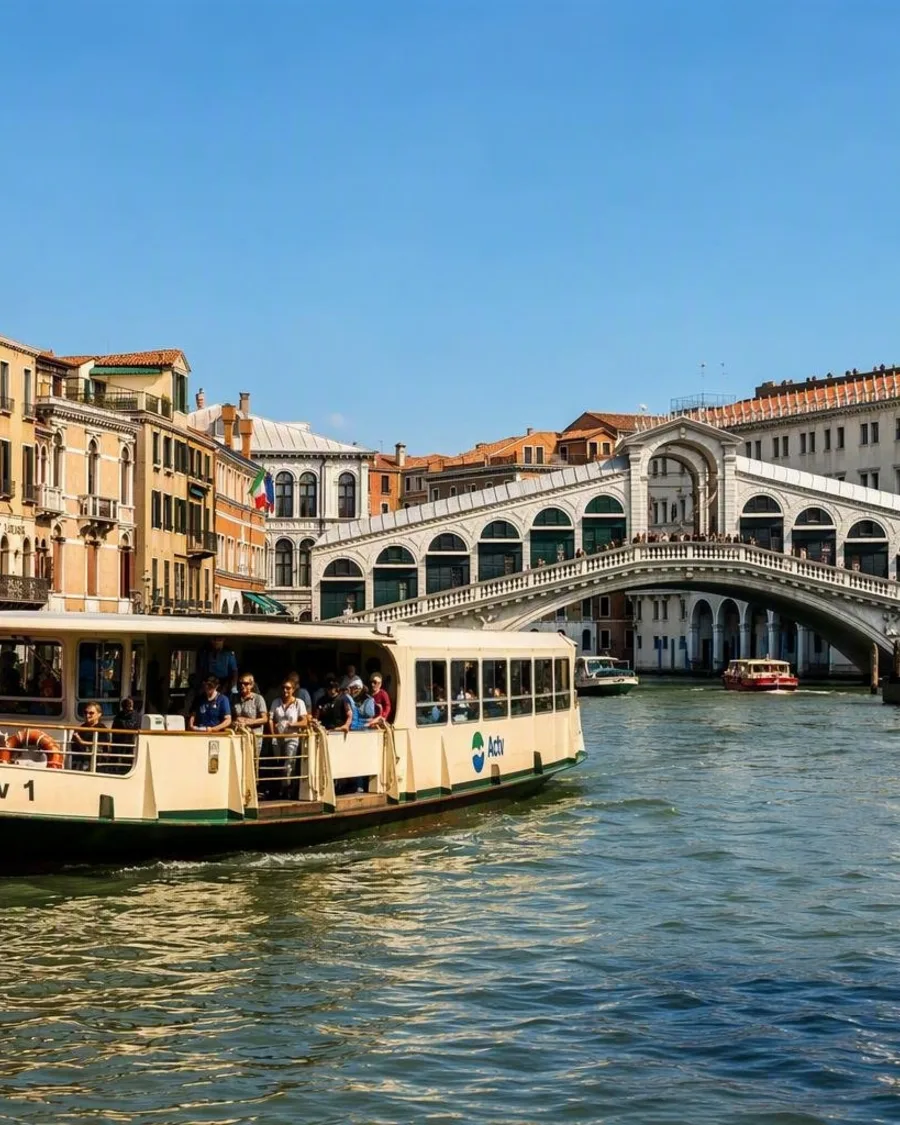
The 10 Cities Best Understood from the Water
Article

The 10 Cities Best Understood from the Water

A fine skyline is not enough. In these ten cities, a ferry or small boat reveals how trade, terrain, buildings and daily travel grew around a river, canal or bay.

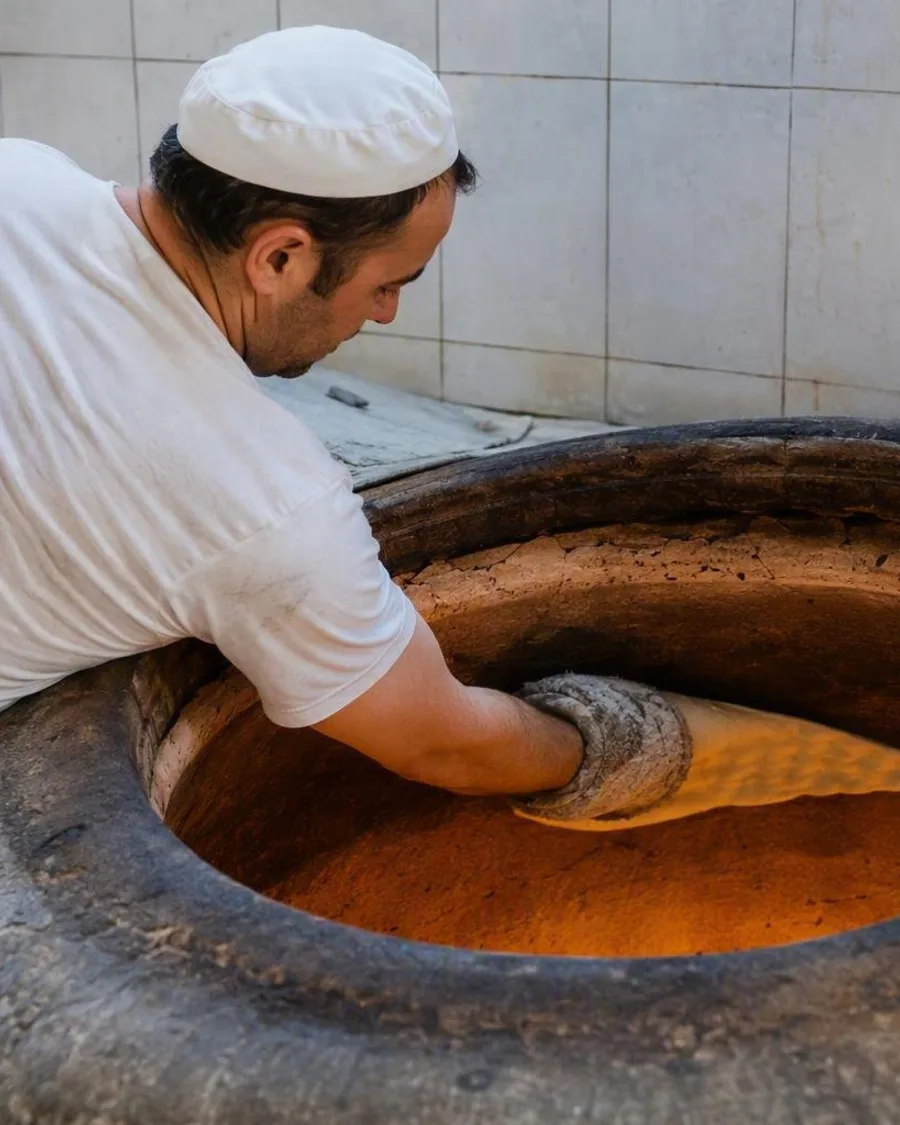
Ten places where local bread is still made by hand
Article

Ten places where local bread is still made by hand

Bread shows the daily work behind a neighbourhood meal: a household’s marked dough at a Marrakesh communal oven, dark rye beside sourdough in Copenhagen, and bolillos from brick ovens in Mexico City. These ten working addresses and market settings sell local bread made through distinct local practices.

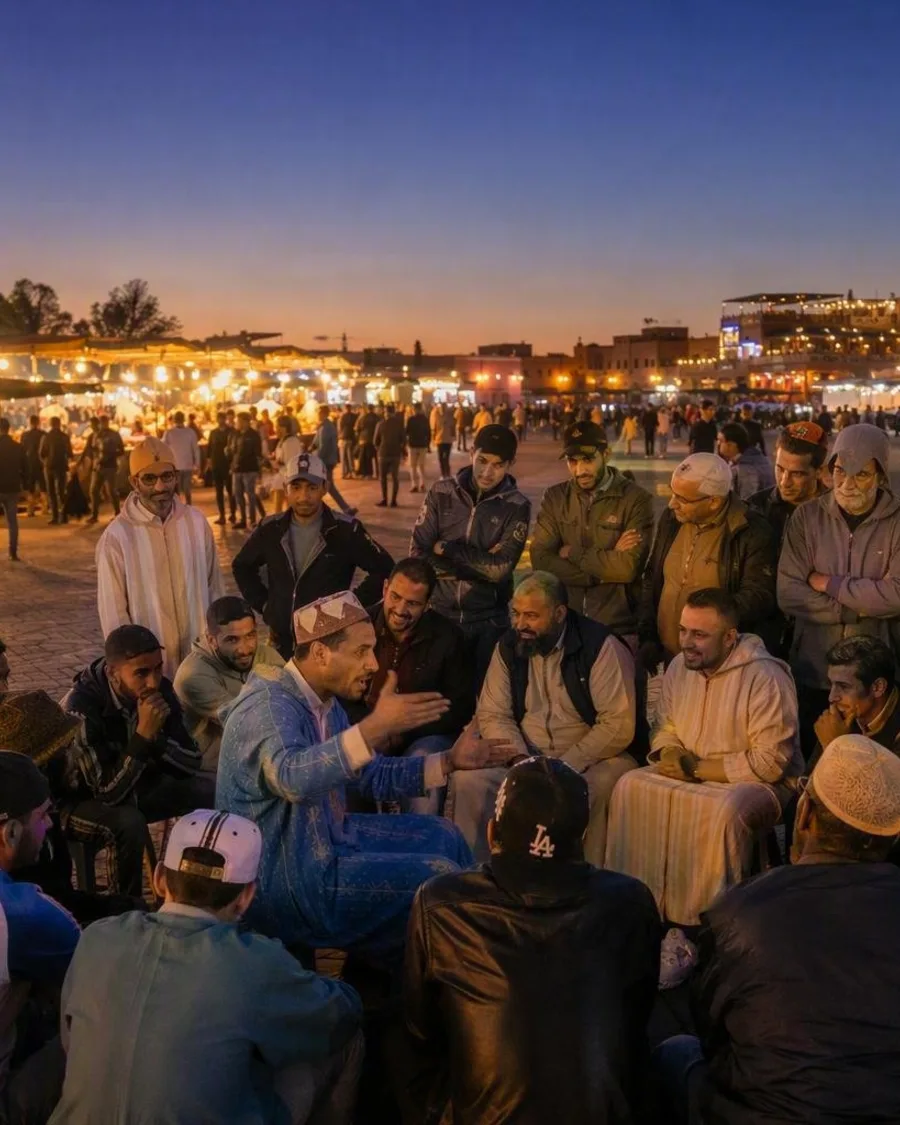
Ten Squares That Change After Dark
Article

Ten Squares That Change After Dark

At sunset, restaurant stalls fill Jemaa el-Fna and listeners close around storytellers who adjust each performance to the crowd. Elsewhere, evening brings aperitivo tables, commuter tides, street food, ceremonies and concert audiences to public ground.

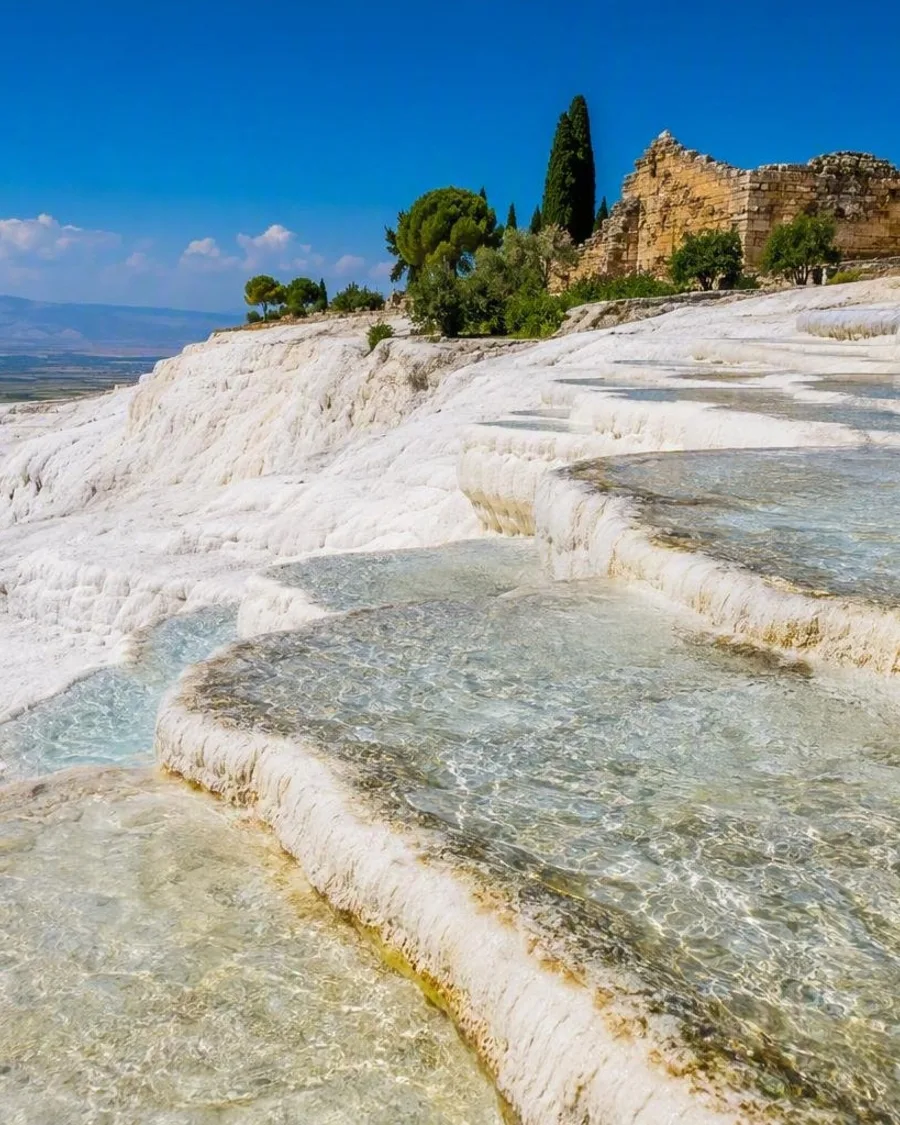
Eight mineral landscapes shaped by salt, iron and hot water
Article

Eight mineral landscapes shaped by salt, iron and hot water

On Bolivia’s Salar de Uyuni, a hard white crust runs towards an empty horizon. Elsewhere, iron colours whole mountains red, hot springs build terraces, and Roman miners have left cliffs behind.

Eight cities where cultures still share the street
Article

Eight cities where cultures still share the street

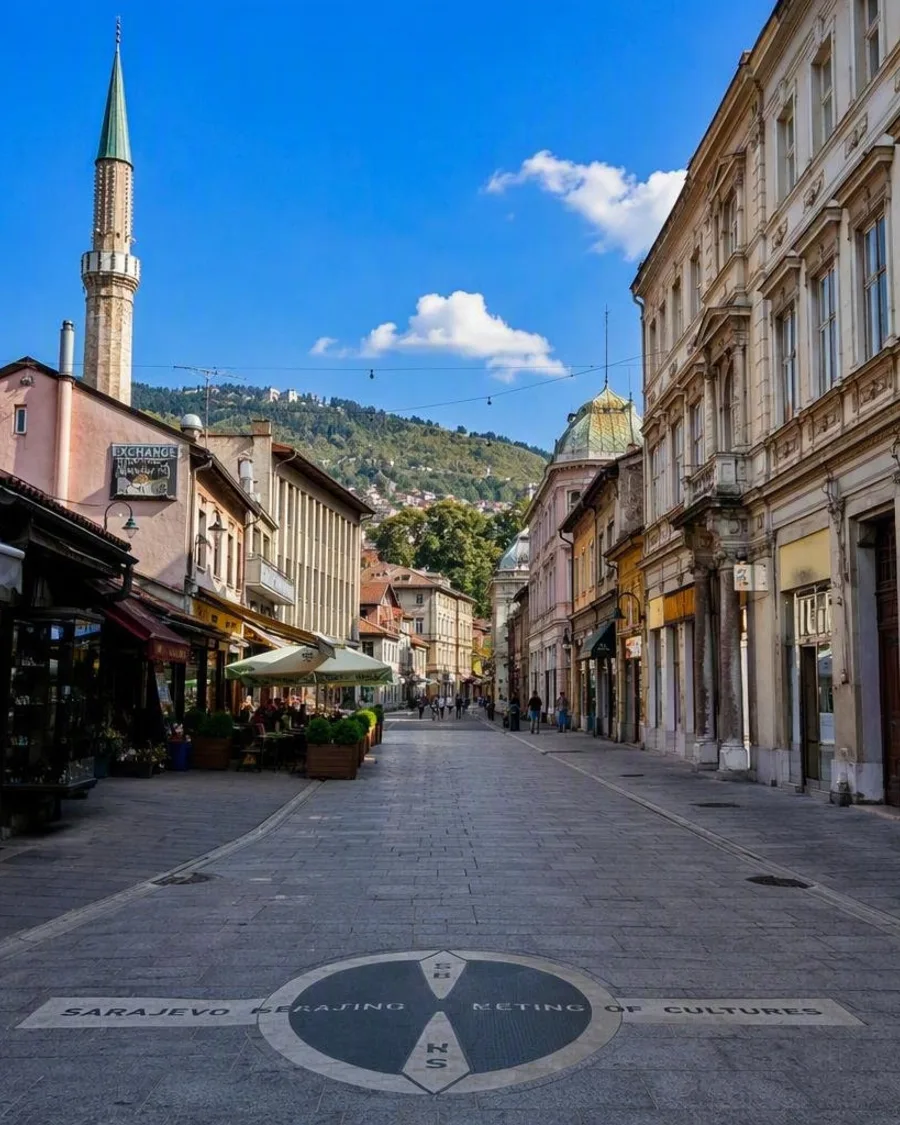
A Hindu temple and a mosque stand among the shophouses of Singapore’s Chinatown. In Sarajevo, a short walk runs from an Ottoman bazaar to Habsburg-era façades. In these eight cities, history still shapes worship, trade, food and ordinary street life.

Twenty-Five Minutes to Karaköy
Article

Twenty-Five Minutes to Karaköy

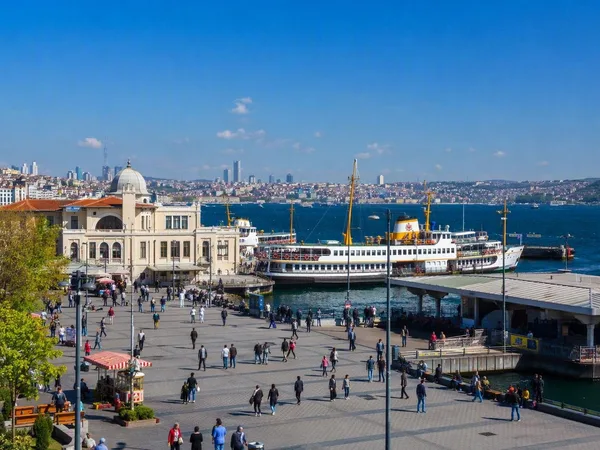
At Kadıköy’s tiled ferry pier, the humid air still softens the water and the far bank. Commuters tap through the gates with laptop bags, phones and İstanbulkarts, then step aboard for Karaköy before the day has properly gathered speed.