
City · Turkey
Istanbul
Istanbul is Türkiye’s transcontinental metropolis, spread across the Bosphorus between Europe and Asia. Its historic peninsula packs Byzantine and Ottoman landmarks between the Golden Horn and the Sea of Marmara.
Start with the water
The Bosphorus is Istanbul’s organising line: it separates the European and Asian sides and links the Black Sea with the Sea of Marmara. The Golden Horn, the deep inlet north of the old city, made a protected harbour; the Historic Peninsula sits between it, the Bosphorus and the Marmara coast.
For orientation, treat Istanbul as several connected districts rather than one walkable centre. Sultanahmet and Fatih hold the imperial core; Eminönü is the waterside market and ferry zone; Galata and Beyoğlu rise across the Golden Horn; Üsküdar and Kadıköy are on the Asian shore.
The imperial core
The Historic Areas of Istanbul are a World Heritage site with layers from the Eastern Roman and Ottoman capitals. Begin in Sultanahmet, where major monuments are close together but visits take time.
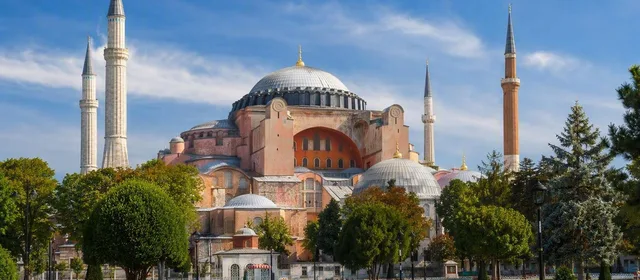
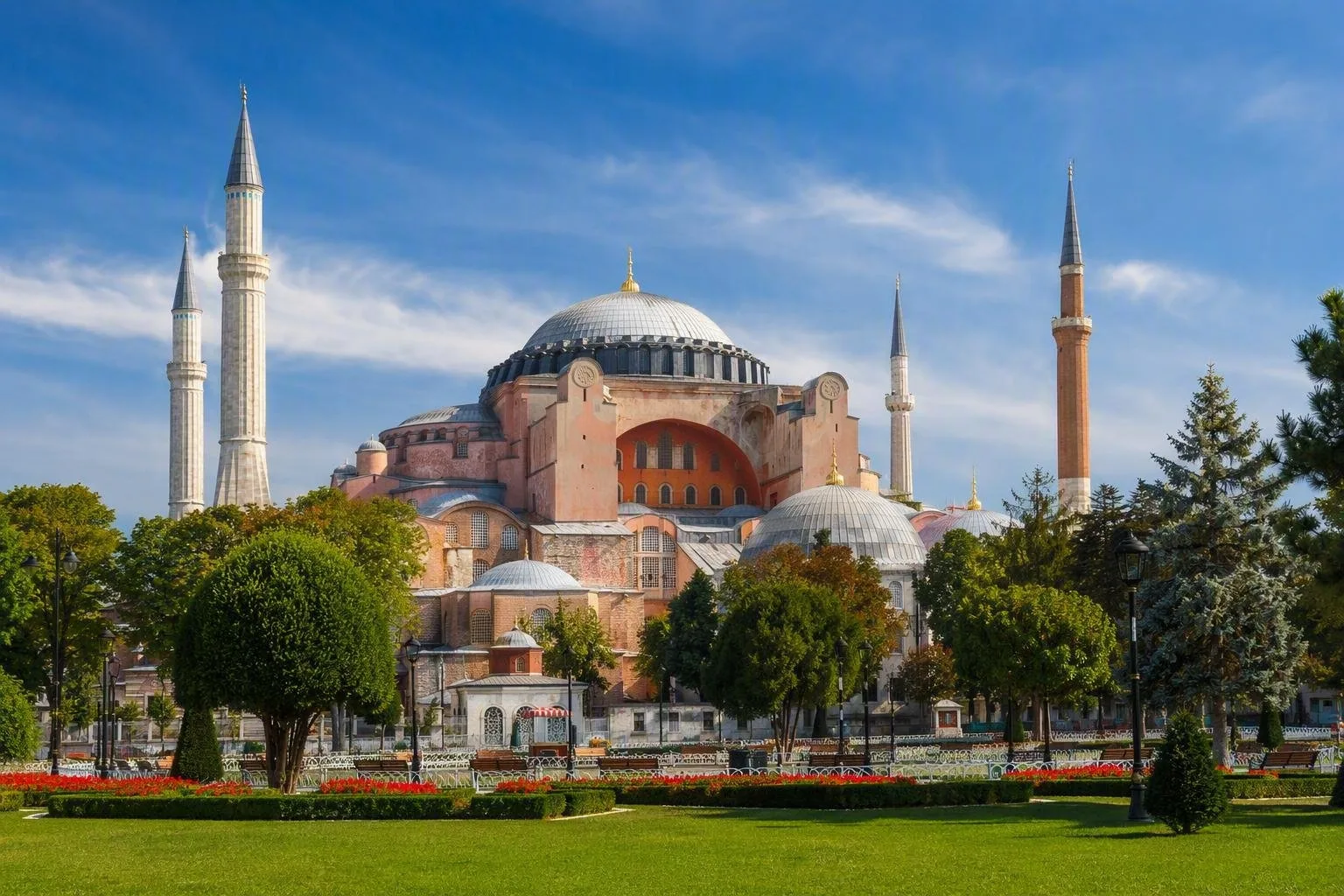
- Hagia Sophia: the sixth-century monument whose vast dome defines the old-city skyline. It is an active mosque; visitor access and movement can change around prayers.
- Sultan Ahmed Mosque: facing Hagia Sophia, this early-17th-century mosque is recognised by its six minarets and İznik-tile interior.
- Topkapı Palace: the Ottoman court’s palace complex on the promontory above the Bosphorus and Golden Horn. Allow several hours for its courtyards, collections and waterfront terraces.
- Basilica Cistern: a sixth-century underground reservoir supported by rows of reused marble columns.
Add the Hippodrome area and walk west toward the Grand Bazaar. The covered market is a functioning commercial quarter, not a museum: compare quality and prices before buying ceramics, textiles, jewellery or antiques.
Beyond Sultanahmet
Cross the Golden Horn to Galata, where the medieval stone Galata Tower gives a clear read of the peninsula, water and hills. Follow the waterfront through Karaköy or take the historic Tünel up toward Beyoğlu and İstiklal Avenue.
For a different Ottoman scale, visit Süleymaniye Mosque on its hill above the Golden Horn. Its complex is a major work of the 16th-century architect Sinan. Along the Bosphorus, waterfront palaces, mosques, wooden waterside houses and fortresses make the ferry ride part of the sightseeing rather than just transport.
Move efficiently
Use trams, metro and ferries rather than trying to cover the city by taxi or on foot. Sultanahmet’s principal sights are walkable, but its slopes and cobbles are tiring. Ferries make the European–Asian crossing direct and useful: take one to Üsküdar for views back to the historic skyline, or to Kadıköy for its market streets and food shops.
Allow at least two full days for the historic peninsula and a separate half-day for the Bosphorus or Asian side. Start major indoor sights early; security lines and prayer periods can interrupt a tightly packed schedule.
Visiting mosques
Mosques are places of worship, not just monuments. Dress modestly, remove shoes where required, and do not enter visitor areas during prayer. Friday midday is particularly disruptive for sightseeing. Keep voices low and avoid photographing worshippers.
From the magazine
Stories about Istanbul
Editorial stories linked directly to Istanbul.
The 10 Cities Best Understood from the Water
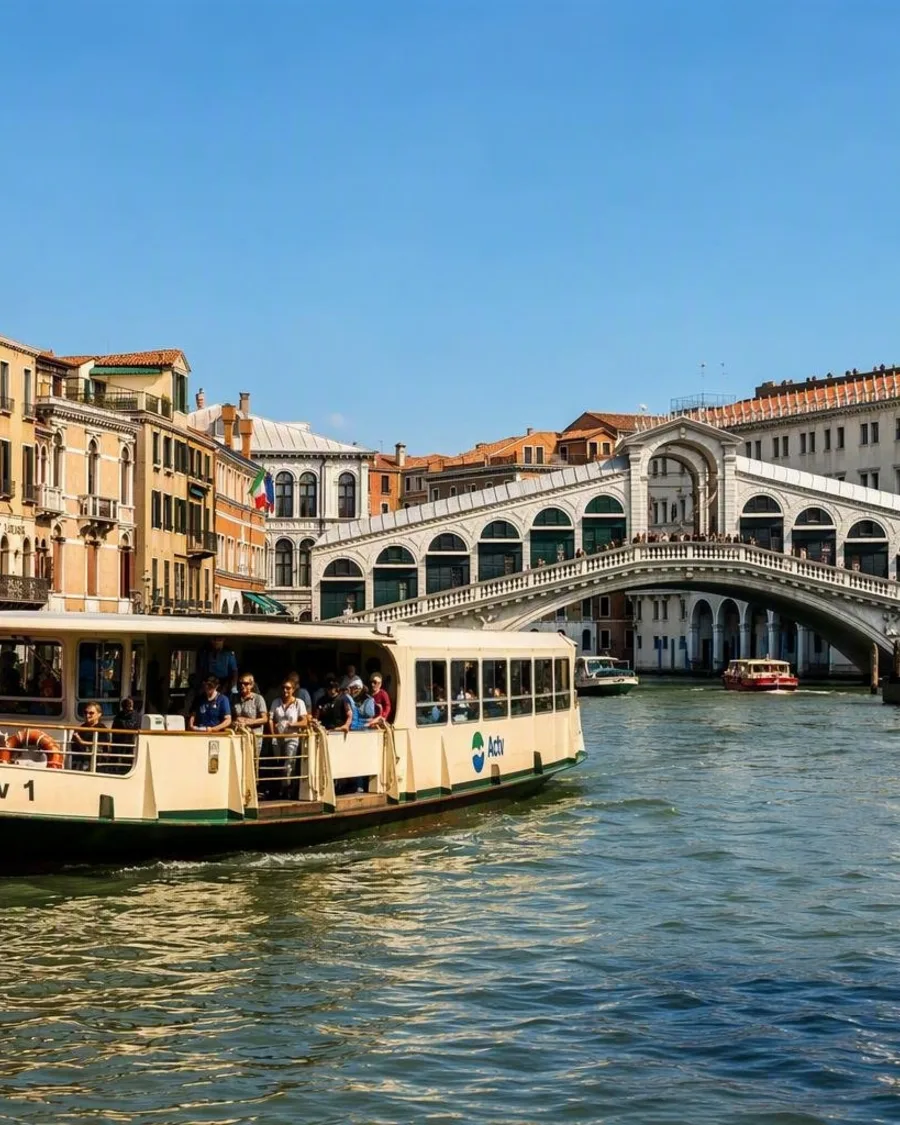
A fine skyline is not enough. In these ten cities, a ferry or small boat reveals how trade, terrain, buildings and daily travel grew around a river, canal or bay.
Eight cities where cultures still share the street
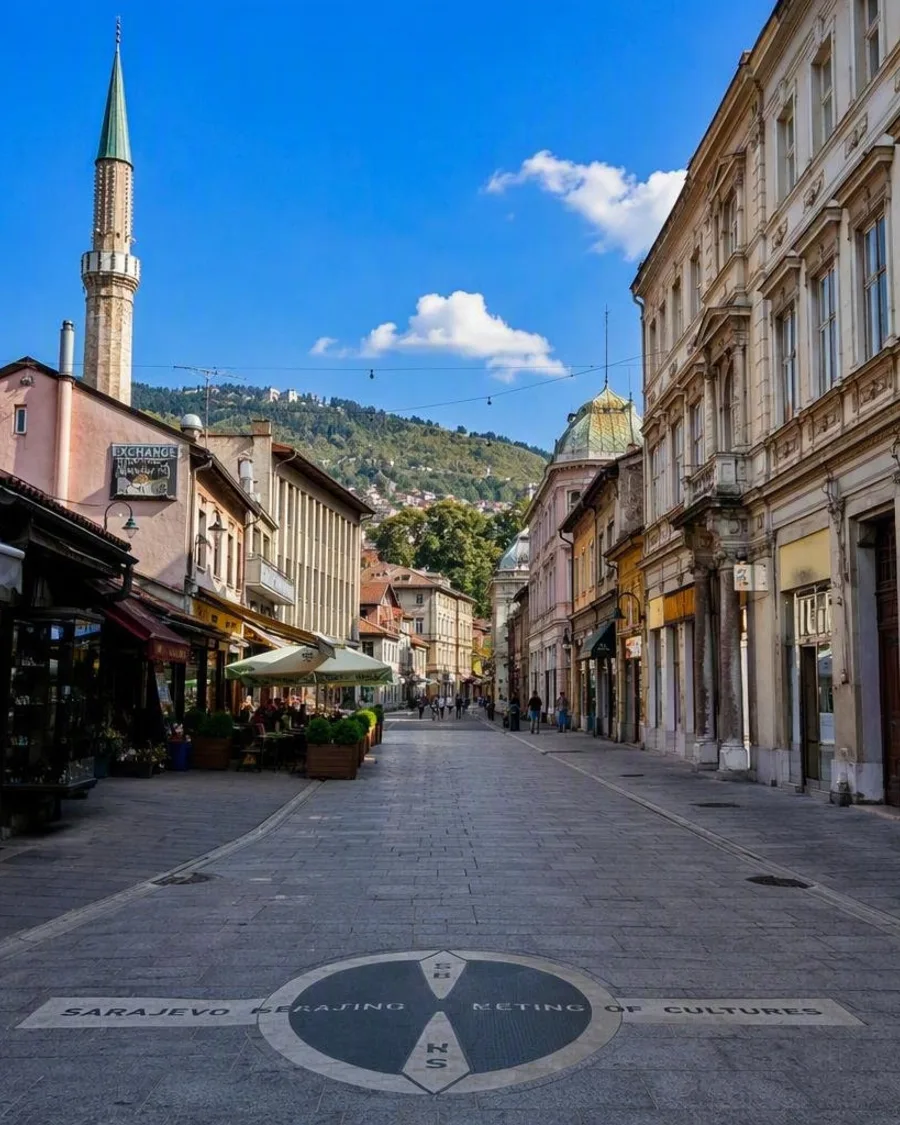
A Hindu temple and a mosque stand among the shophouses of Singapore’s Chinatown. In Sarajevo, a short walk runs from an Ottoman bazaar to Habsburg-era façades. In these eight cities, history still shapes worship, trade, food and ordinary street life.
Routes from our editors
Travel through Istanbul
Editorial routes connecting Istanbul with other countries, cities and hotspots.
No routes through Istanbul have been published yet.
More in Turkey
Related hotspots
Other cities, nature areas and places within Turkey.
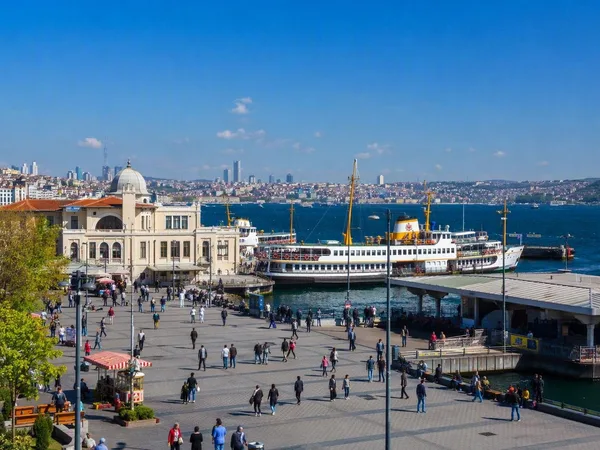
Kadıköy
1 linked stories and routes
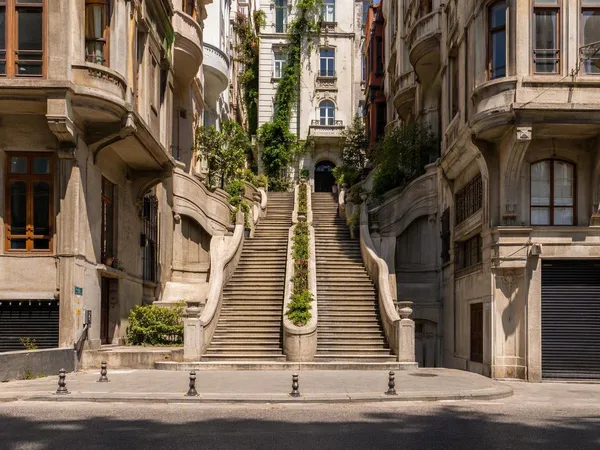
Karaköy
1 linked stories and routes
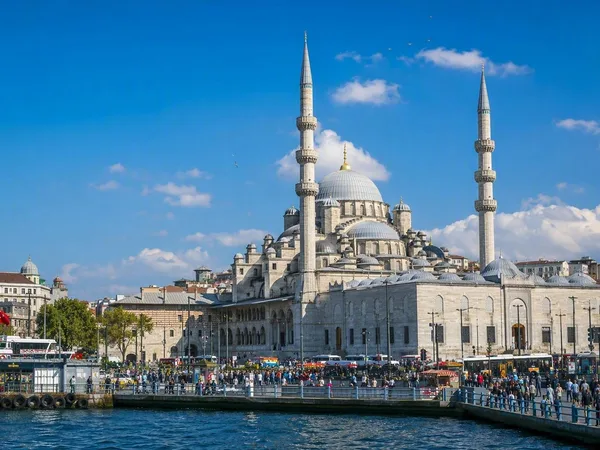
Eminönü
1 linked stories and routes
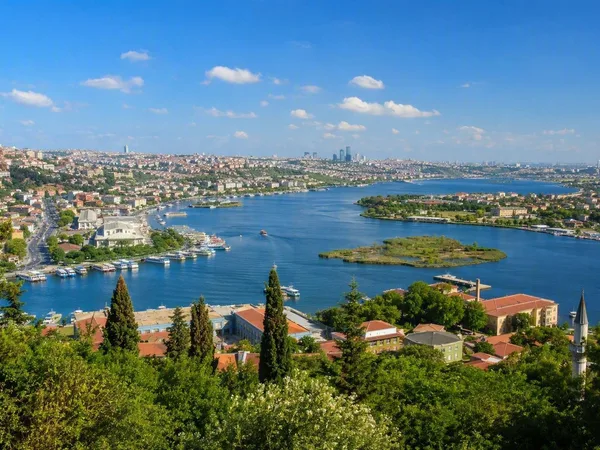
Golden Horn
1 linked stories and routes
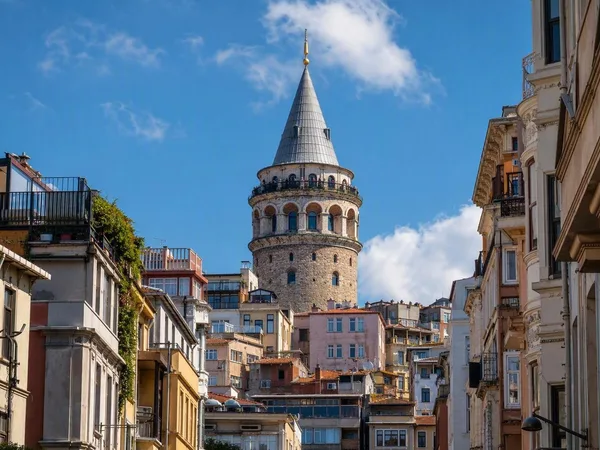
Galata
1 linked stories and routes
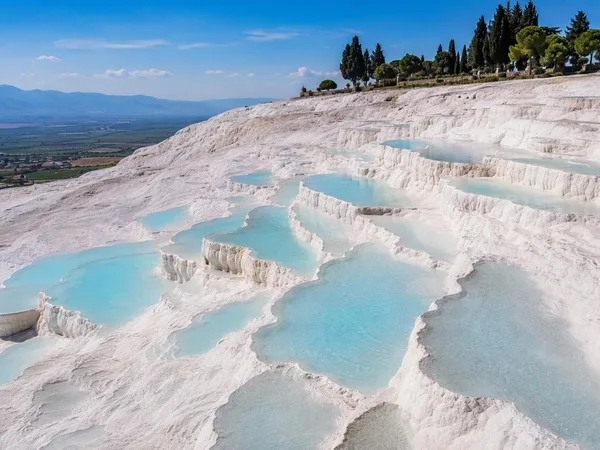
Pamukkale
1 linked stories and routes
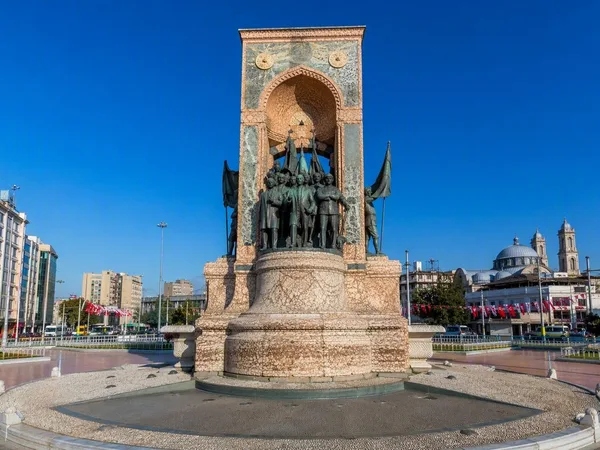
Taksim Square
1 linked stories and routes
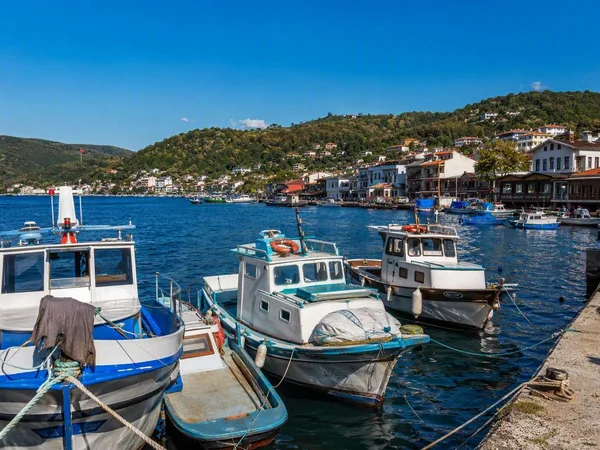
Sarıyer, Istanbul
1 linked stories and routes