
Neighbourhood · Israel
Yemin Moshe
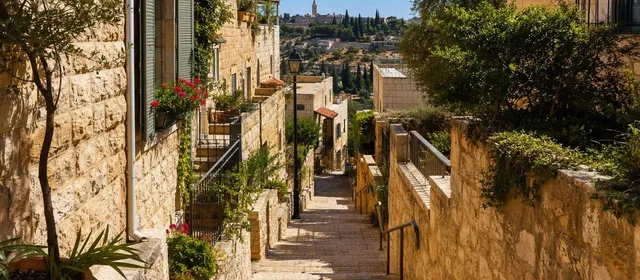
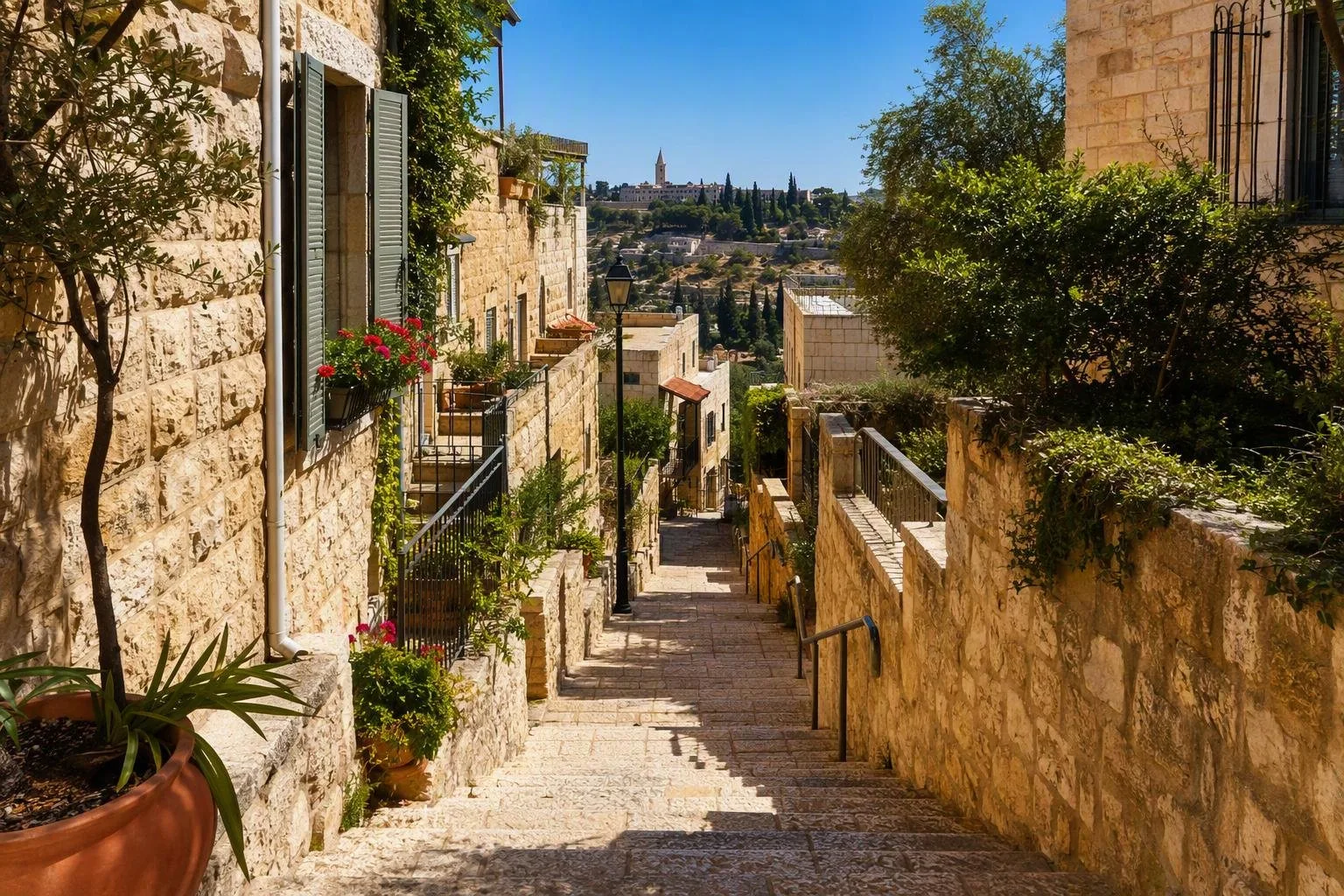
Yemin Moshe is a late-19th-century hillside neighbourhood in Jerusalem, above the Hinnom Valley and facing the Old City. Its stepped lanes and modest stone houses record Jerusalem’s expansion beyond the walls—and a later, consequential restoration.
Orientation
Yemin Moshe occupies a steep slope west of Jerusalem’s Old City, above the Hinnom Valley and near Mount Zion. It is a residential neighbourhood, not a museum precinct: come to read its lanes, retaining walls and small houses rather than expect a list of ticketed sights.
The terrain determines the experience. Narrow paved lanes run along the contour; stone stairways connect their upper and lower levels. Cars have limited access, so explore on foot and allow time for sustained climbing. The steps make the area difficult for wheels and anyone with limited mobility.
What the streets show
The neighbourhood was built in the 1890s beside the earlier Mishkenot Sha’ananim compound. It followed the first Jewish housing development outside the Old City walls, completed in 1860, when crowding and poor sanitary conditions inside the walls drove the search for housing beyond them.
Yemin Moshe did not copy the older compound’s long communal blocks. Its fabric is a sequence of small, mostly two-storey limestone houses, originally with two rooms and a rear kitchen. Residents adapted their homes over time, which explains the varied doors, walls and rooflines within otherwise coherent rows.
The name means “the right hand of Moses,” referring both to Moses Montefiore and to a verse in Isaiah. The quarter was developed with support from the Montefiore Fund by Jews of Turkish origin from the Old City.
Buildings and views
Walk the lanes for the built form, then pause where the slope opens towards the valley and the Old City walls. The nearby Montefiore Windmill is the area’s clearest landmark, but it predates Yemin Moshe; it belongs to the earlier Montefiore initiative on this hillside.
The Great Sephardi Synagogue, inaugurated in 1897, was built for the neighbourhood’s Sephardi community. It remains an active synagogue. Treat it as a working religious building: admire the exterior quietly and enter only when access is appropriate.
Below the houses, the Abraham Gozlan Orchard extends the hillside’s terraced geometry with lawns, paths, pergolas and fruit trees including olives, figs, pomegranates, dates and almonds.
A changed neighbourhood
Yemin Moshe began as modest housing tied to relief from Old City overcrowding. Its exposed position became dangerous in 1948; the area stood close to no-man’s-land until 1967. The synagogue itself was used as a military post during the war.
Post-1967 restoration preserved the stone-built appearance but transformed the social makeup of the area. Residents were moved out, homes were restored, and Yemin Moshe became an affluent residential quarter. That history matters: the tidy lanes are evidence of preservation, displacement and reinvention—not an untouched nineteenth-century streetscape.
From the magazine
Stories about Yemin Moshe
Editorial stories linked directly to Yemin Moshe.
No stories about Yemin Moshe have been published yet.
Routes from our editors
Travel through Yemin Moshe
Editorial routes connecting Yemin Moshe with other countries, cities and hotspots.
No routes through Yemin Moshe have been published yet.
More in Israel
Related hotspots
Other cities, nature areas and places within Israel.
Jerusalem
6 linked stories and routes
Qumran
1 linked stories and routes
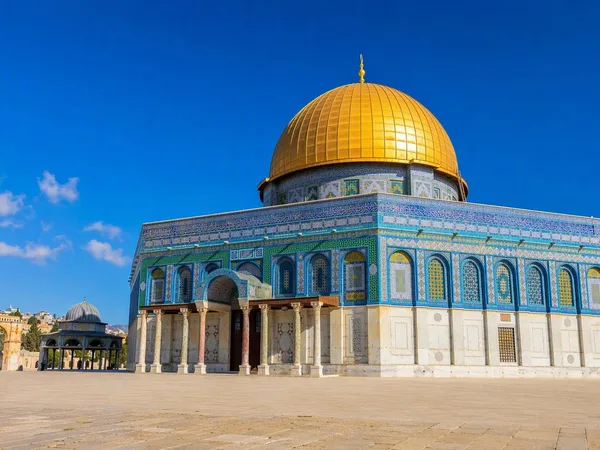
Temple Mount (Haram al-Sharif)
1 linked stories and routes
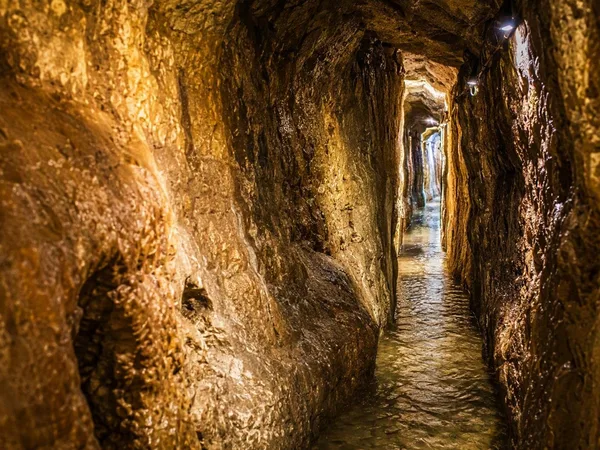
City of David
1 linked stories and routes
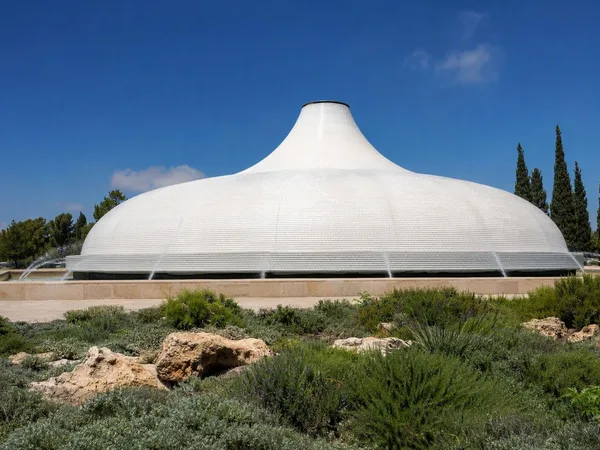
Givat Ram, Jerusalem
1 linked stories and routes
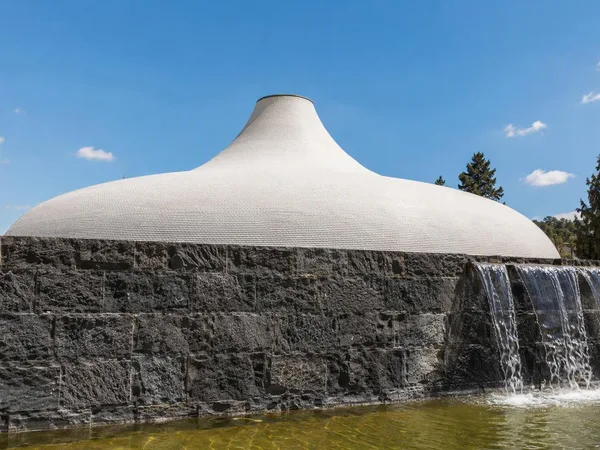
Israel Museum
1 linked stories and routes
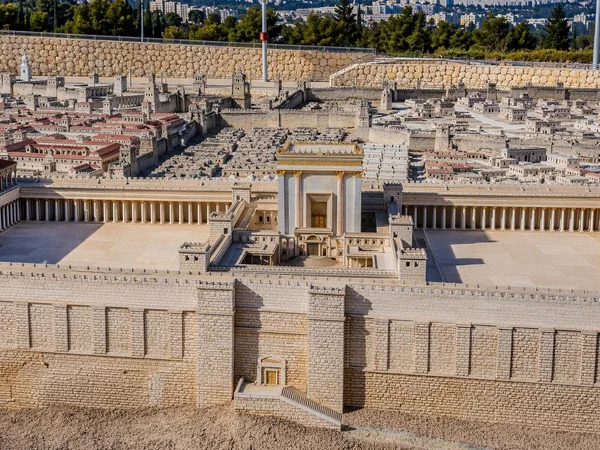
Second Temple Model
1 linked stories and routes
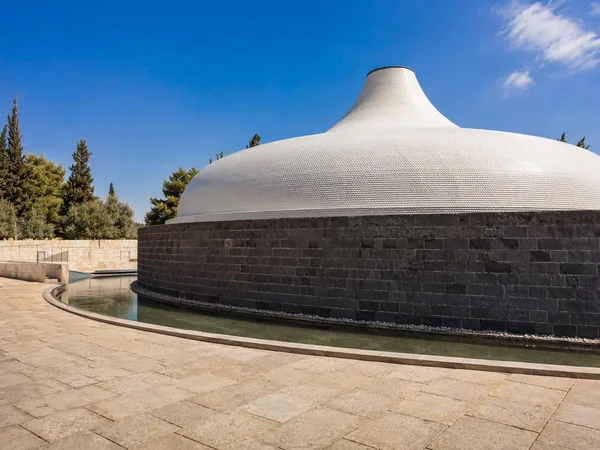
Shrine of the Book
1 linked stories and routes
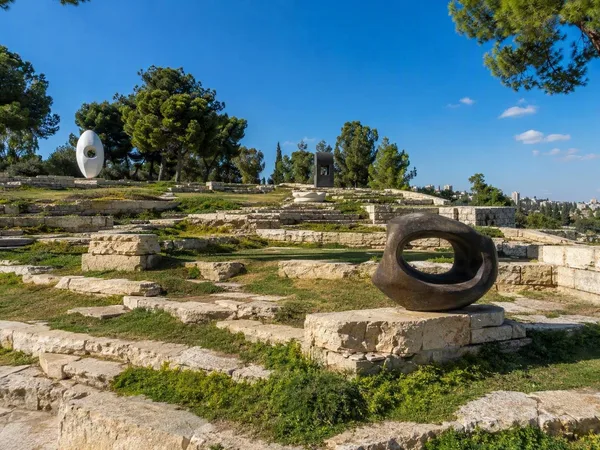
Billy Rose Art Garden
1 linked stories and routes
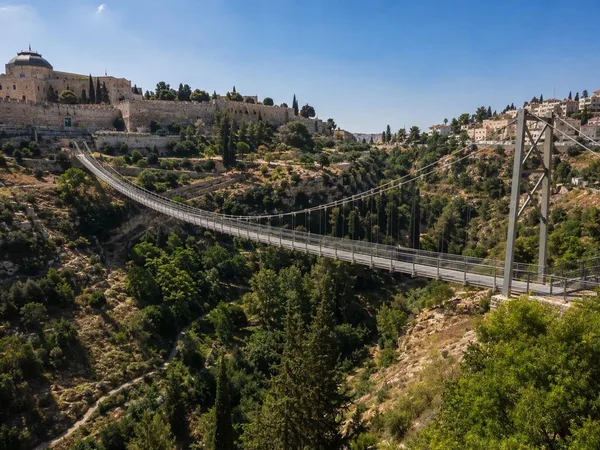
Hinnom Valley
1 linked stories and routes
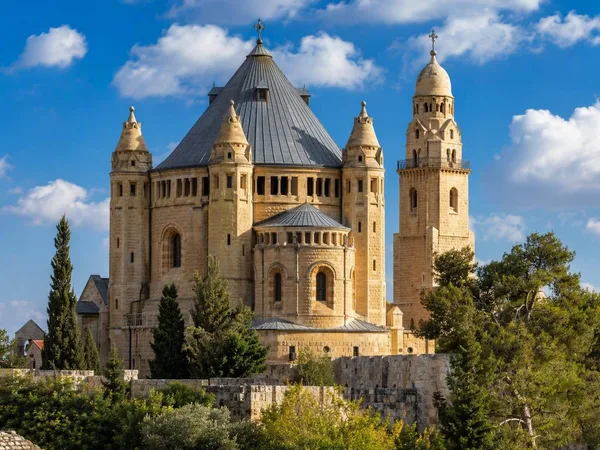
Mount Zion, Jerusalem
1 linked stories and routes
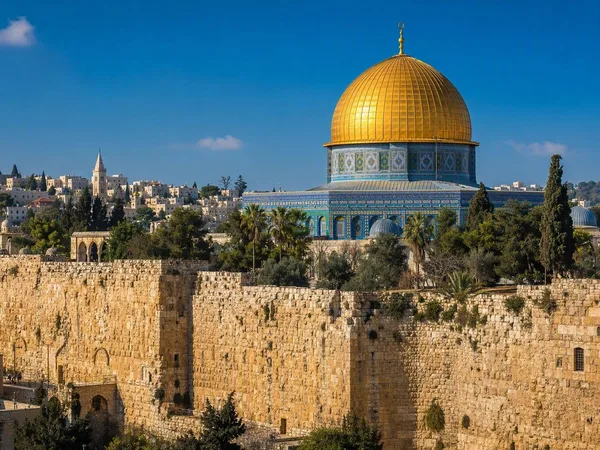
Jerusalem’s Old City
1 linked stories and routes
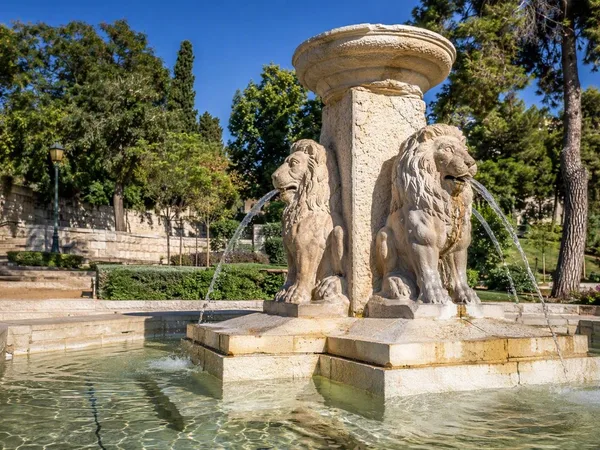
Bloomfield Garden
1 linked stories and routes
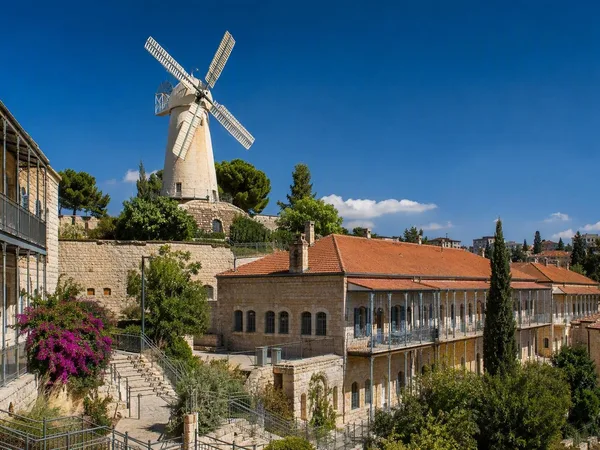
Mishkenot Sha’ananim, Jerusalem
1 linked stories and routes
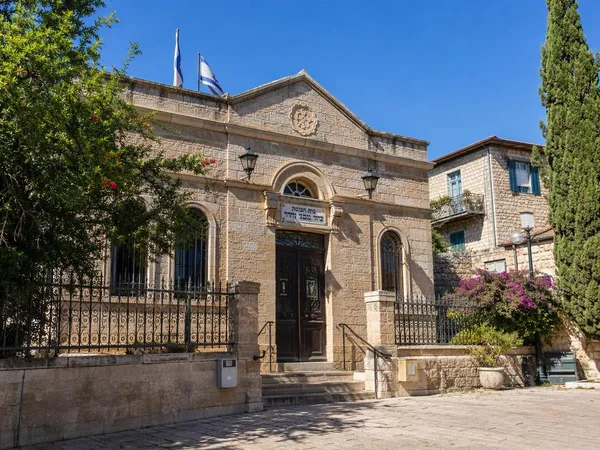
Great Sephardi Synagogue
1 linked stories and routes
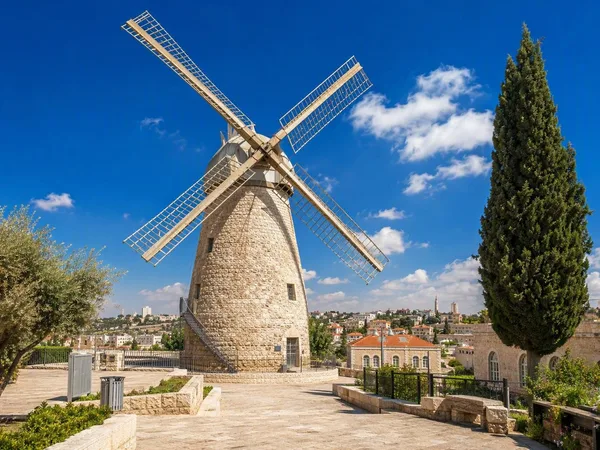
Montefiore Windmill
1 linked stories and routes
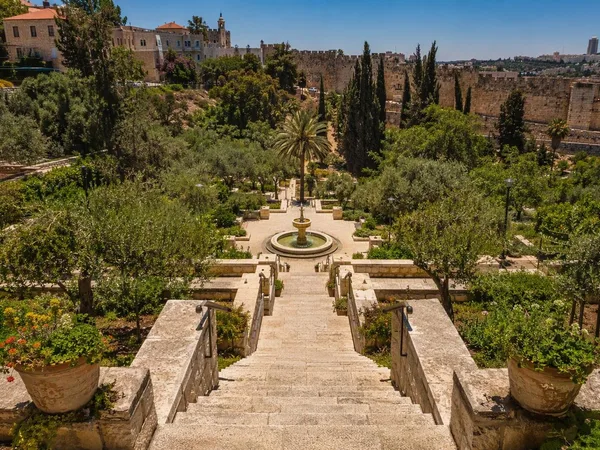
Abraham Gozlan Orchard
1 linked stories and routes
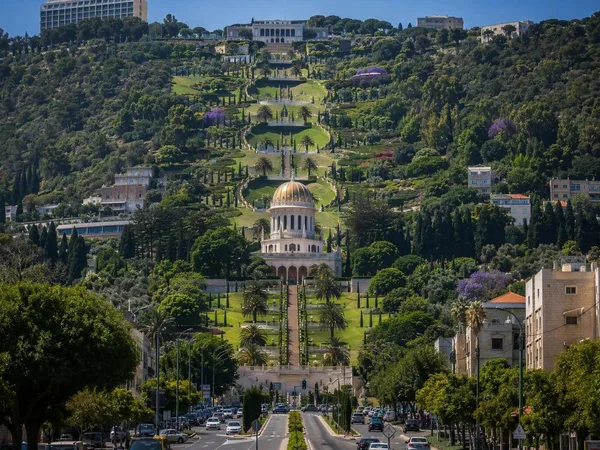
Haifa
1 linked stories and routes
Al-Birweh (Al-Birwa)
1 linked stories and routes
Galilee
1 linked stories and routes