
City · Israel
Haifa
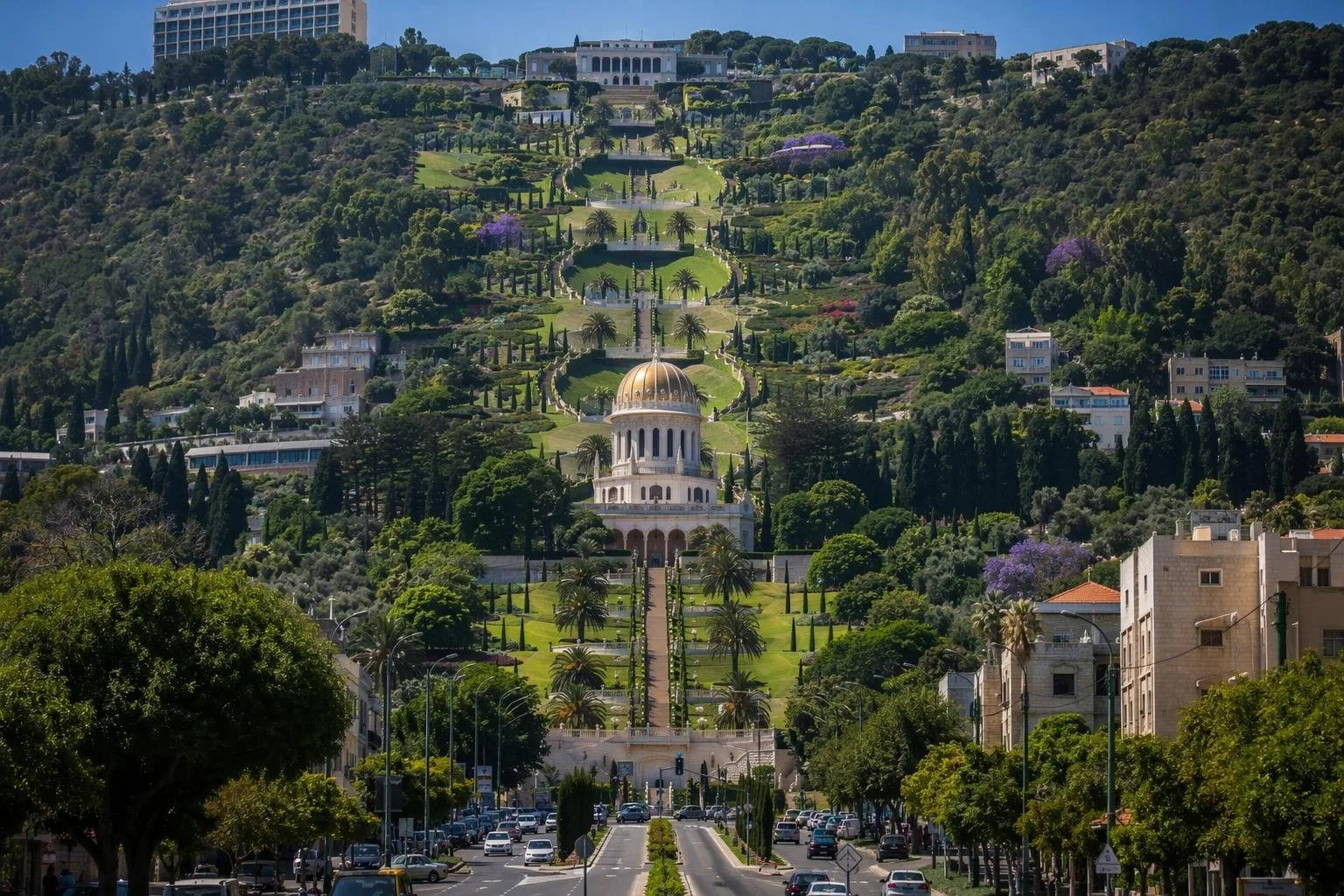
Haifa is a Mediterranean port city in northern Israel, built up the northern slopes of Mount Carmel around Haifa Bay. Its defining axis runs from the Bahá’í Gardens and the German Colony down to the working waterfront.
Read the city vertically
Haifa is not a flat, compact port break. The harbour and Lower Town sit at sea level; Hadar occupies the middle slope; Carmel Centre and residential districts reach the ridge. That steep geography is the organising fact of a visit: combine areas by altitude rather than zigzagging across the hill.
Use the Carmelit, the underground funicular, to link the Lower Town with Hadar and Carmel Centre. It has six stations, runs roughly two kilometres, and makes the full journey in about eight minutes. Buses cover the wider city; walking is best kept for one level at a time.
The Bahá’í Gardens axis
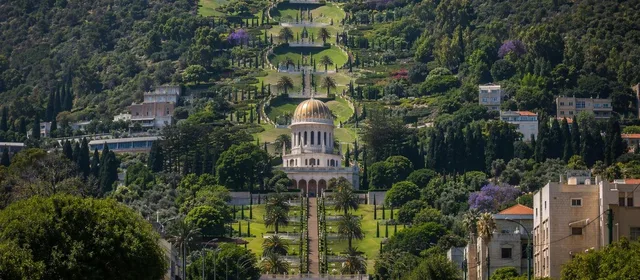
The city’s essential sight is the terraced garden complex on Mount Carmel, focused on the golden-domed Shrine of the Báb. It is part of the Bahá’í Holy Places in Haifa and the Western Galilee, inscribed as a World Heritage site in 2008. This is a sacred pilgrimage place, not simply a formal park.
See the whole composition from Ben-Gurion Boulevard in the German Colony: the restored nineteenth-century Templer buildings frame the avenue, while the gardens rise directly above. The upper viewpoints give the wider payoff—Haifa Bay, port infrastructure and the coastline beyond.
Site etiquette: dress modestly for the shrine and gardens, stay on permitted paths, and follow access instructions. Garden and shrine access can vary with religious observances and weather.
Lower Town, German Colony and Wadi Nisnas
The Lower Town is the practical base for rail connections, the port edge and the bottom Carmelit station. Its western side holds the German Colony, founded by Templers in the nineteenth century and now defined by Ben-Gurion Boulevard’s direct garden view.
For street-level city life, walk into Wadi Nisnas, an Arab neighbourhood of small shops, food businesses and market streets. It is close enough to pair with the German Colony but feels entirely different from the formal boulevard. Keep the visit focused on the neighbourhood’s daily trade rather than treating it as a backdrop.
Sea, harbour and culture
Haifa remains a working maritime and industrial city. The port is most rewarding from above, where cranes, quays and the broad bay explain the city’s scale. At ground level, choose the waterfront or beaches for a change of pace; Dado and Zamir beaches are the main southern public strands, with seasonal lifeguards.
For indoor time, the city offers the National Maritime Museum, Haifa Museum of Art, Madatech science museum and the Haifa City Museum in a restored Templer building. Pick one that matches the day rather than trying to cover them all.
Getting in and timing
Rail services connect Haifa with the national network; Haifa Merkaz HaShmona is useful for the Lower Town, while Hof HaCarmel serves the southern coast. Start early for the gardens and viewpoints, then descend through the German Colony and Wadi Nisnas. In summer, reserve exposed ridge walks for later in the day; the bay and slopes offer little continuous shade.
From the magazine
Stories about Haifa
Editorial stories linked directly to Haifa.
No stories about Haifa have been published yet.
Routes from our editors
Travel through Haifa
Editorial routes connecting Haifa with other countries, cities and hotspots.
No routes through Haifa have been published yet.
More in Israel
Related hotspots
Other cities, nature areas and places within Israel.
Jerusalem
6 linked stories and routes
Qumran
1 linked stories and routes
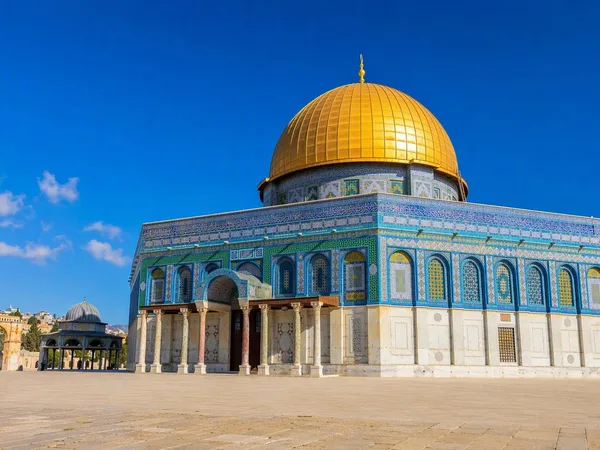
Temple Mount (Haram al-Sharif)
1 linked stories and routes
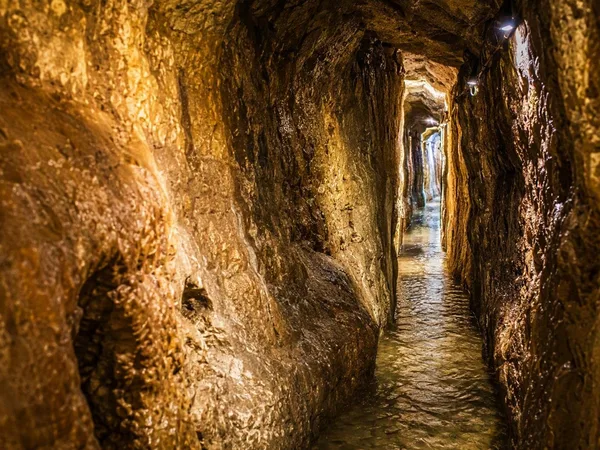
City of David
1 linked stories and routes
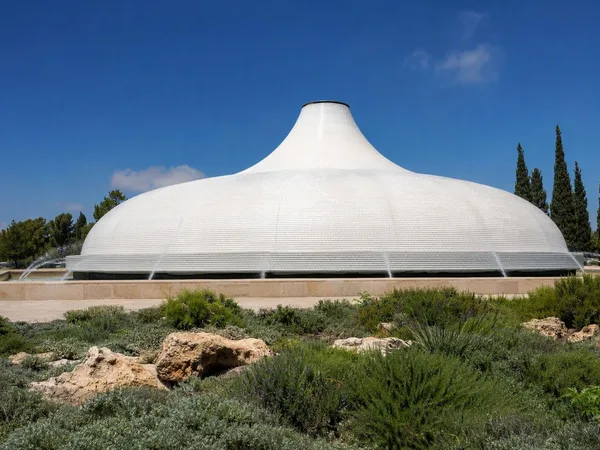
Givat Ram, Jerusalem
1 linked stories and routes
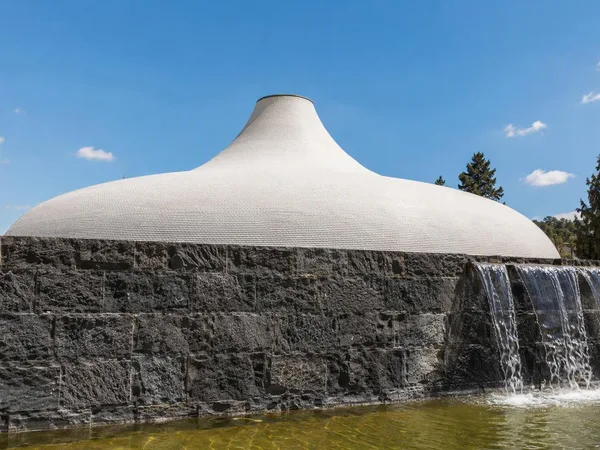
Israel Museum
1 linked stories and routes
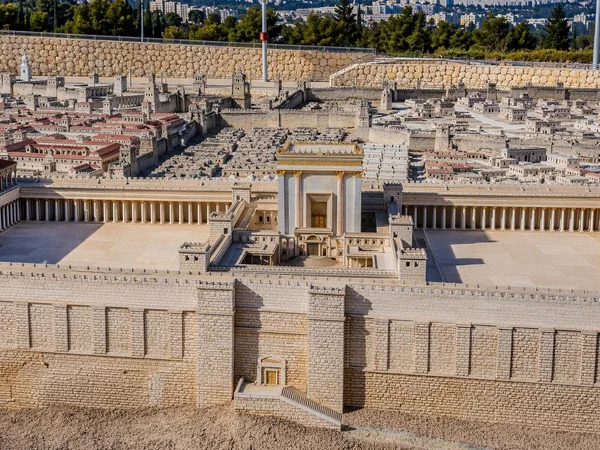
Second Temple Model
1 linked stories and routes
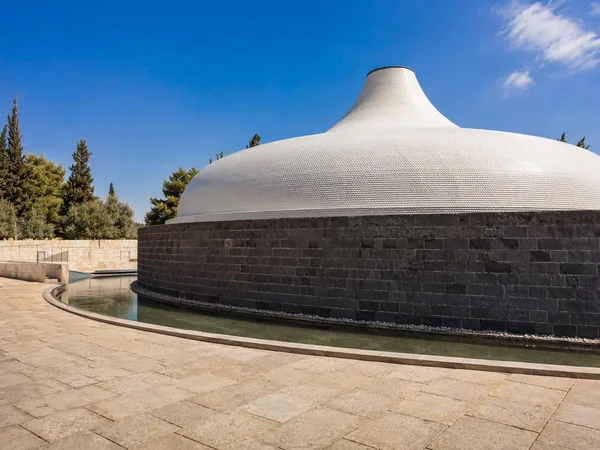
Shrine of the Book
1 linked stories and routes
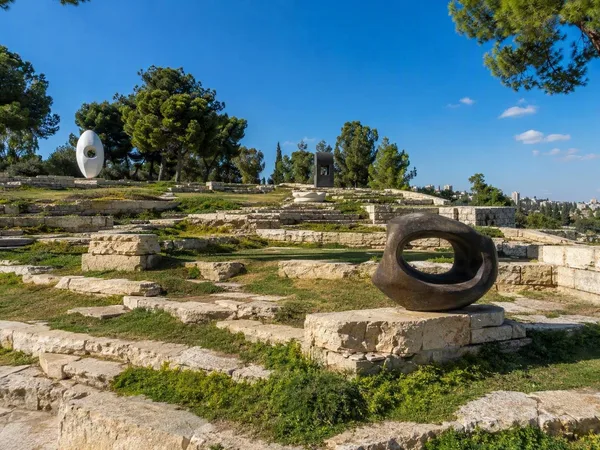
Billy Rose Art Garden
1 linked stories and routes
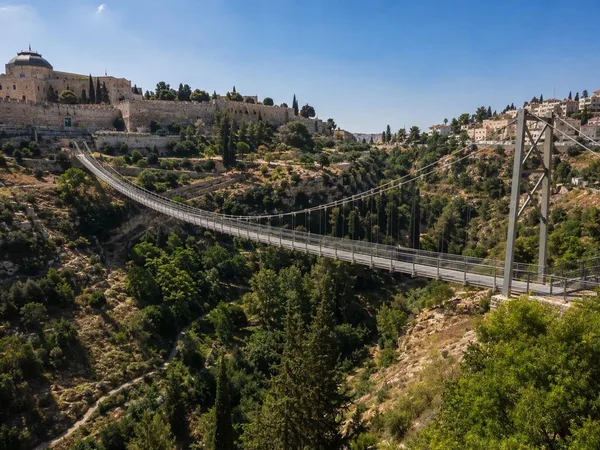
Hinnom Valley
1 linked stories and routes
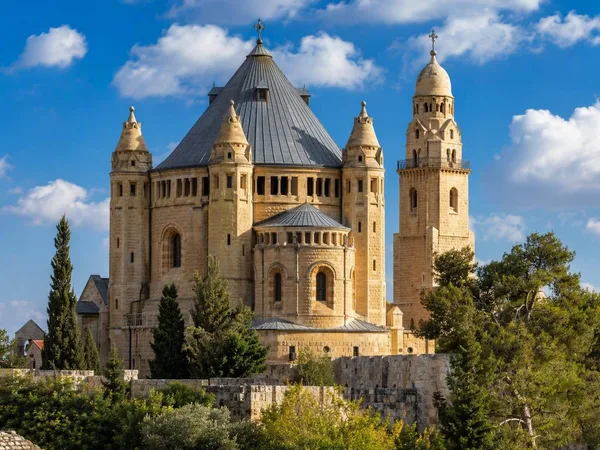
Mount Zion, Jerusalem
1 linked stories and routes
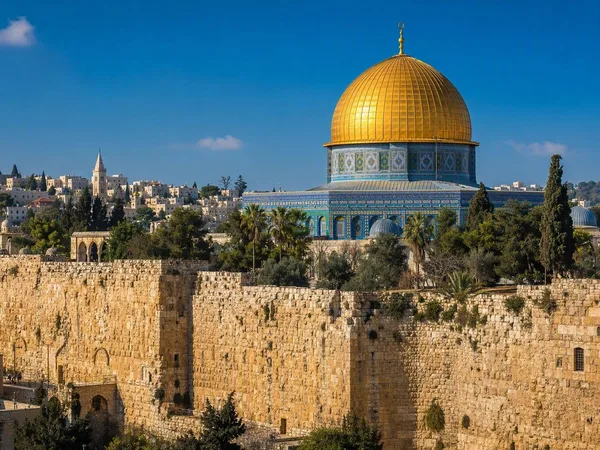
Jerusalem’s Old City
1 linked stories and routes
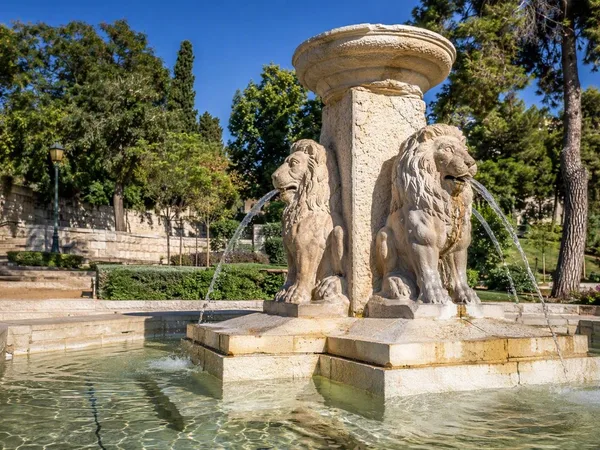
Bloomfield Garden
1 linked stories and routes
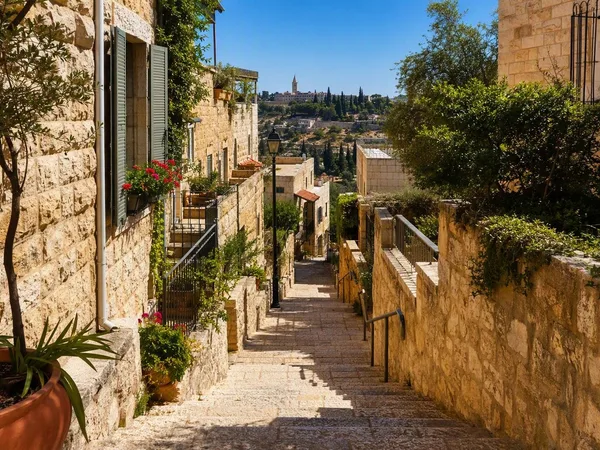
Yemin Moshe
1 linked stories and routes
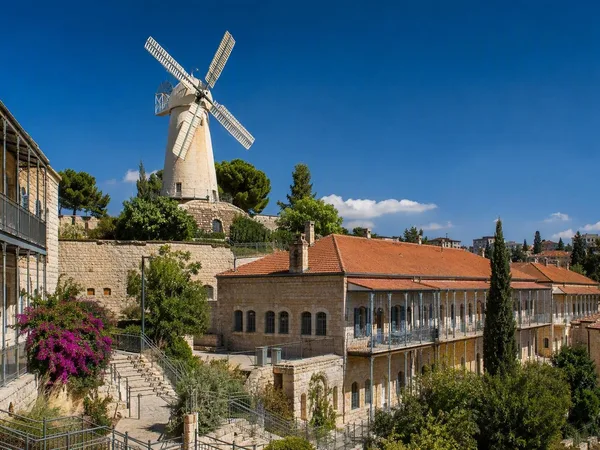
Mishkenot Sha’ananim, Jerusalem
1 linked stories and routes
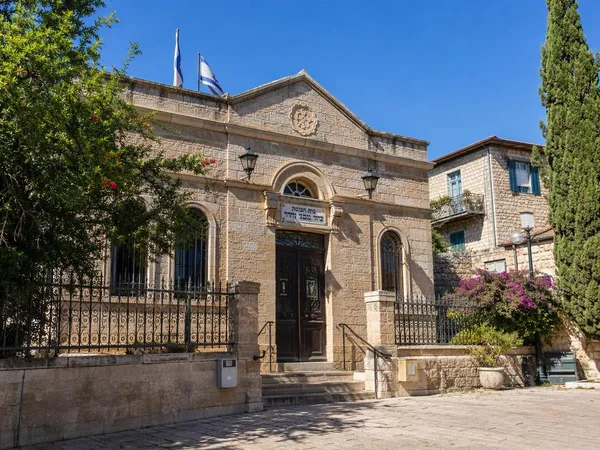
Great Sephardi Synagogue
1 linked stories and routes
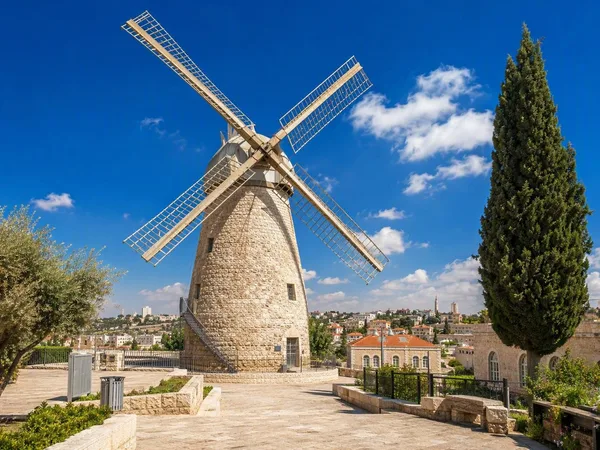
Montefiore Windmill
1 linked stories and routes
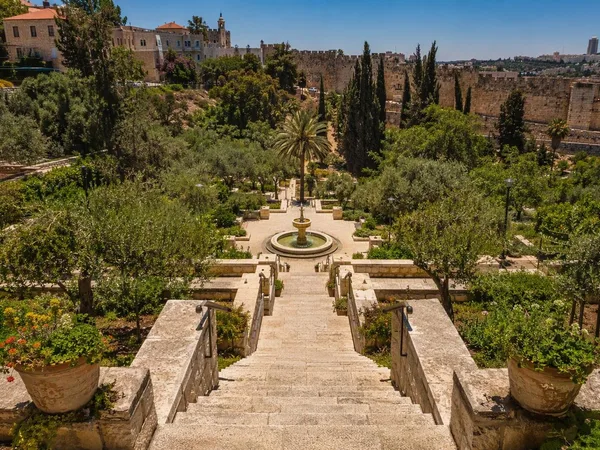
Abraham Gozlan Orchard
1 linked stories and routes
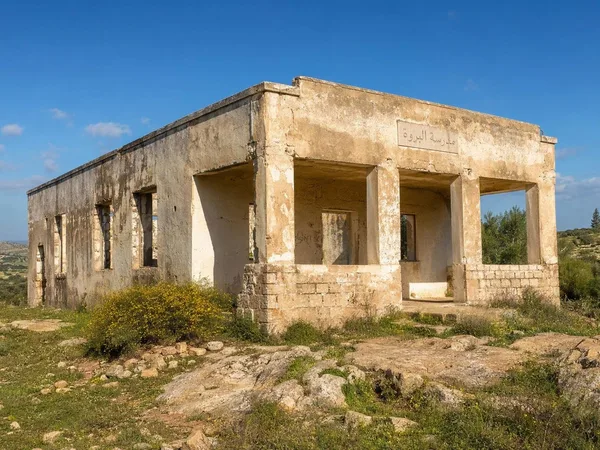
Al-Birweh (Al-Birwa)
1 linked stories and routes
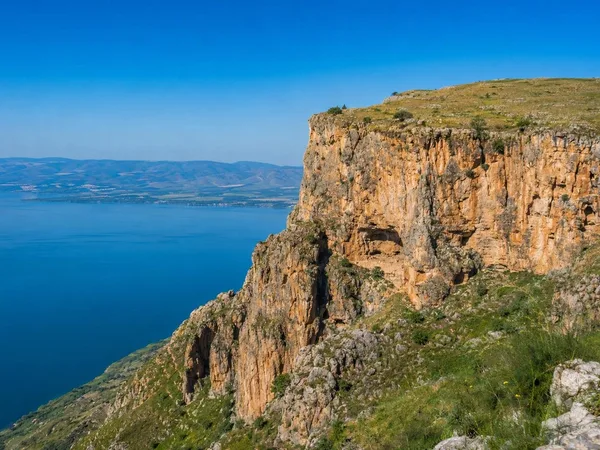
Galilee
1 linked stories and routes