
Sight · Israel
Qumran
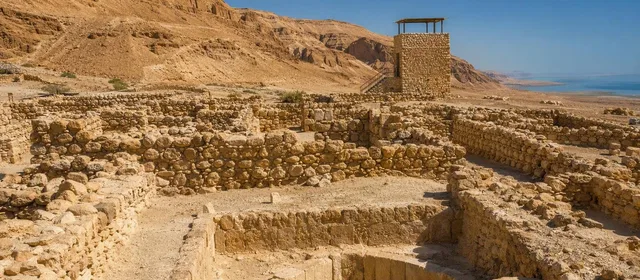
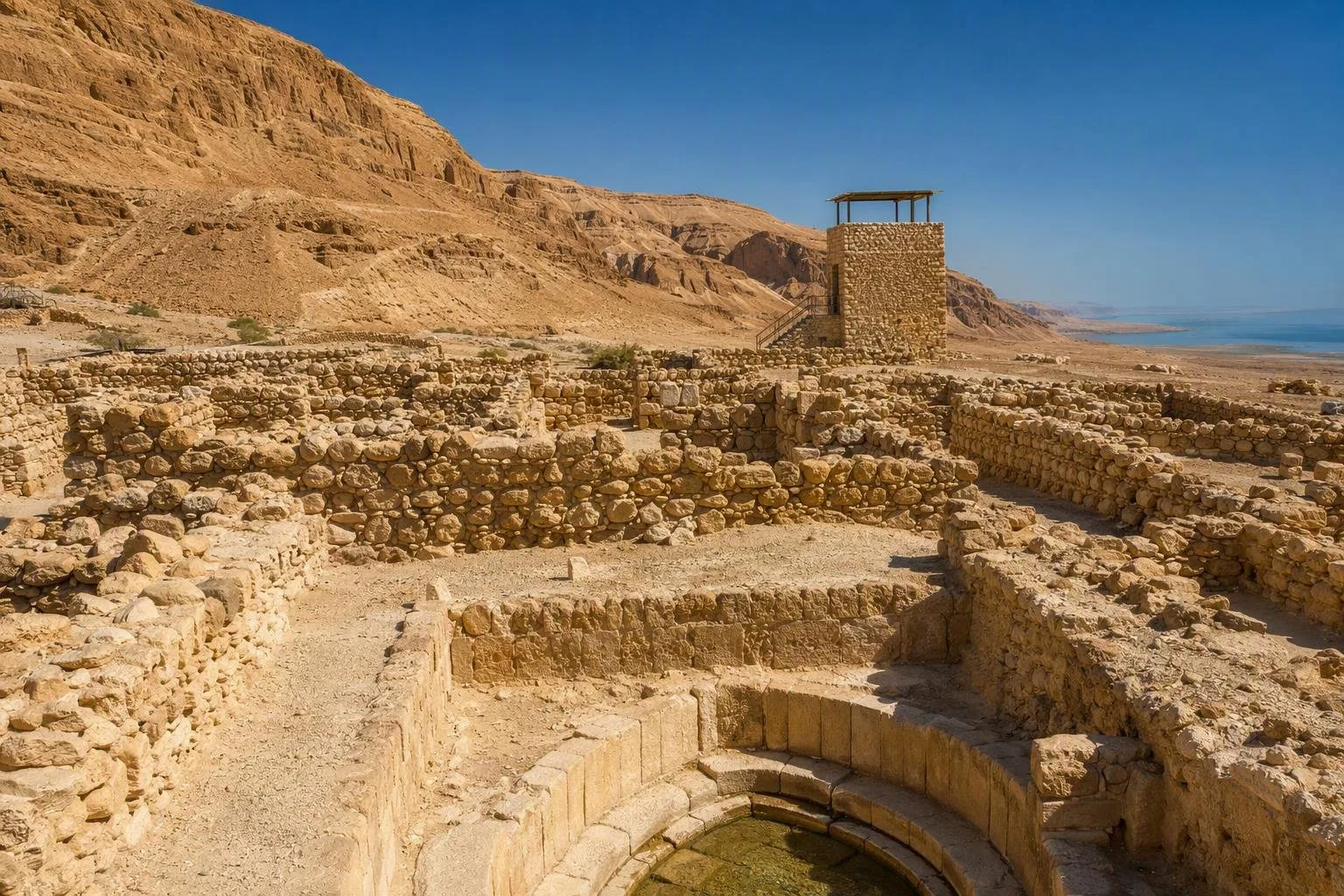
Qumran is an archaeological settlement on the north-western shore of the Dead Sea, below the Judean Desert escarpment. Its caves yielded the Dead Sea Scrolls, while the ruins reveal a carefully managed desert settlement.
Why Qumran matters
Qumran is the archaeological site associated with the caves where the Dead Sea Scrolls were discovered between 1947 and 1956. The manuscripts include biblical, apocryphal and community texts, dating from the third century BCE to the first century CE.
The excavated settlement was occupied mainly from the Hellenistic period until 68 CE. It is commonly linked with an Essene community, but the exact relationship between the settlement, its inhabitants and the scrolls remains debated. Treat the site as evidence of a distinctive Second Temple-period settlement, not as a settled answer to every question about the manuscripts.
What to look for
The compact ruins are best read as a working system built around water in an arid place. Follow the marked circuit through:
- Aqueduct and reservoirs: channels collected seasonal floodwater from Wadi Qumran and fed cisterns.
- Stepped pools: numerous plastered basins are interpreted as ritual baths, underlining the importance of purity practices.
- Assembly and dining areas: large communal rooms point to organised shared life.
- Tower, workshops and kiln: practical infrastructure for a self-sufficient settlement.
- The scriptorium: a room associated with writing through the discovery of inkstands; it is a key stop, though its exact function is still interpreted.
Look up to the desert cliffs and across the marl terrace for the caves. They are part of the story, but the marked visitor route does not take you inside them.
Visit route and facilities
Start with the visitor presentation and small archaeological display, then continue on the signed archaeological trail. The site has shade, viewpoints, toilets, parking and a wheelchair-accessible circuit through the ruins; the film has subtitles in several languages.
The original scrolls are not displayed at Qumran. Major examples, including the Great Isaiah Scroll, are held at the Shrine of the Book in Jerusalem. Qumran supplies the landscape and settlement context.
Getting there and timing
Qumran lies beside the northern Dead Sea. Drive on Road 90, turn west near Kibbutz Kalya, and follow the signs to Qumran National Park. Admission is timed and requires advance reservation. Entry closes an hour before the park’s listed closing time; the film hall and museum stop admitting visitors earlier.
The exposed route is most comfortable early in the day. Carry water, wear sun protection and allow time for the outdoor circuit rather than treating the stop as a quick roadside viewpoint.
From the magazine
Stories about Qumran
Editorial stories linked directly to Qumran.
No stories about Qumran have been published yet.
Routes from our editors
Travel through Qumran
Editorial routes connecting Qumran with other countries, cities and hotspots.
No routes through Qumran have been published yet.
More in Israel
Related hotspots
Other cities, nature areas and places within Israel.
Jerusalem
3 linked stories and routes
Temple Mount (Haram al-Sharif)
1 linked stories and routes
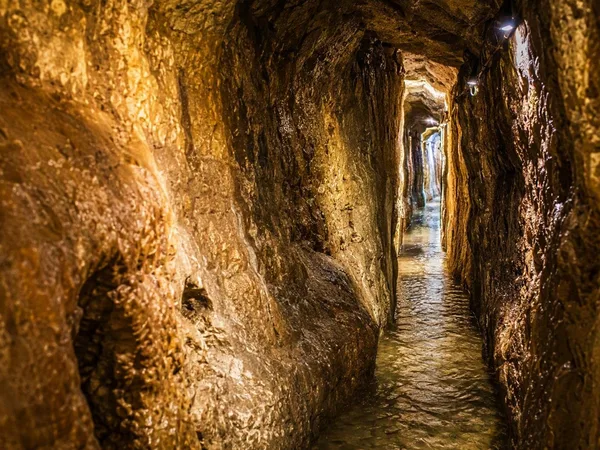
City of David
1 linked stories and routes
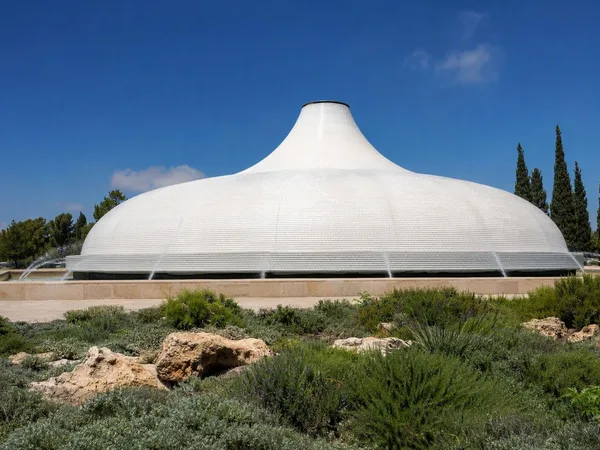
Givat Ram, Jerusalem
1 linked stories and routes
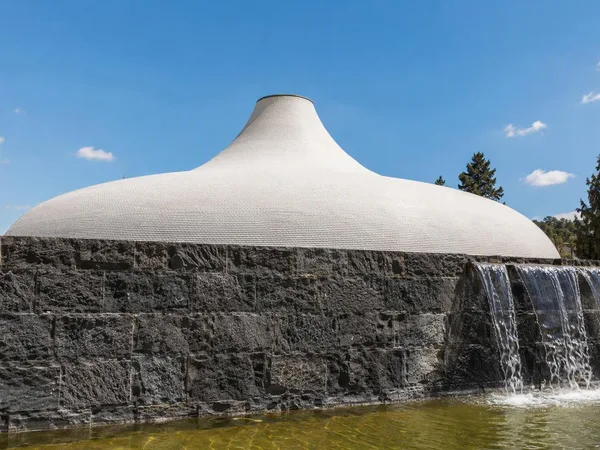
Israel Museum
1 linked stories and routes
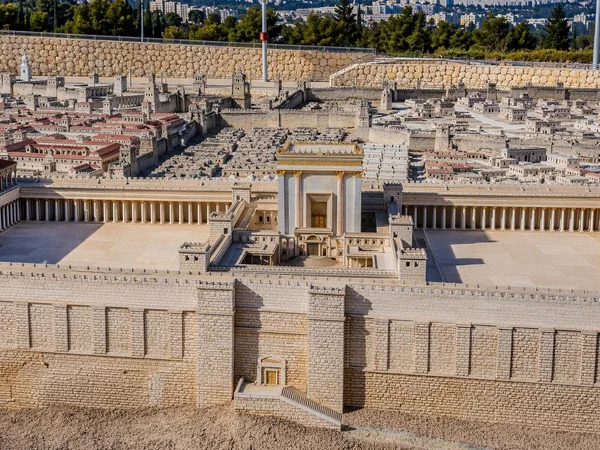
Second Temple Model
1 linked stories and routes
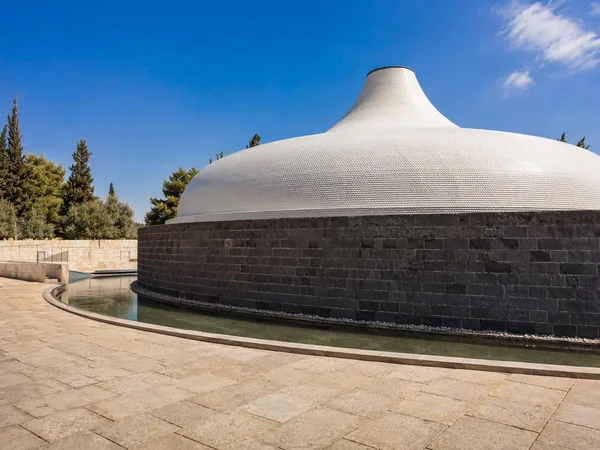
Shrine of the Book
1 linked stories and routes
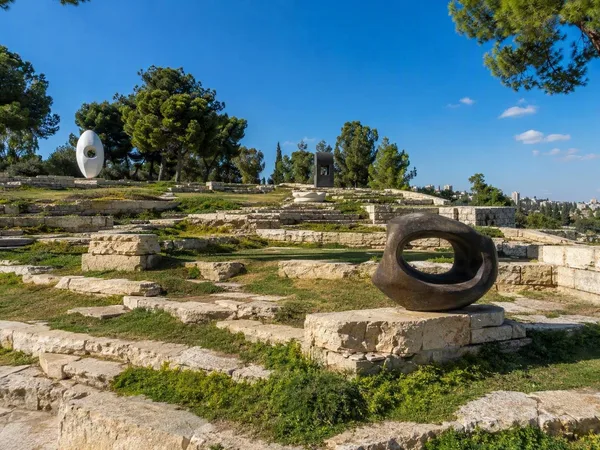
Billy Rose Art Garden
1 linked stories and routes