
Sight · Israel
Temple Mount (Haram al-Sharif)
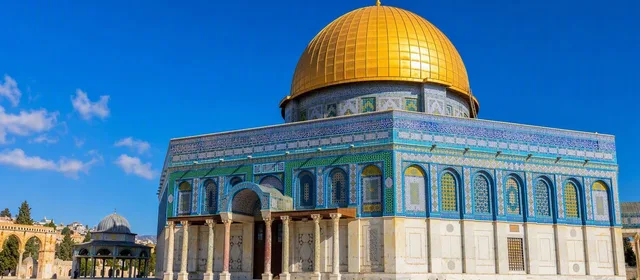
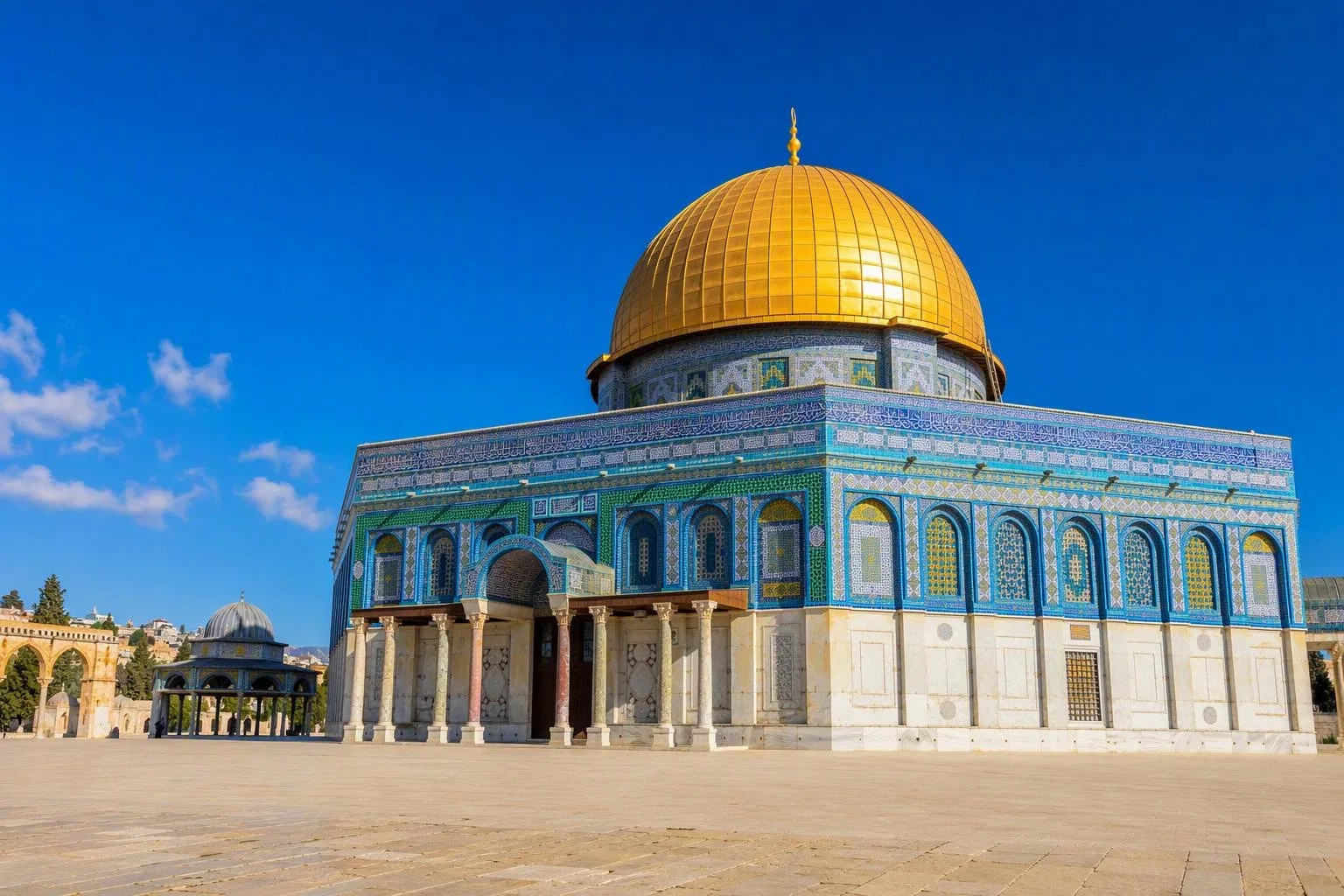
Temple Mount is the elevated sacred precinct in Jerusalem’s Old City, known in Arabic as Haram al-Sharif. Its vast stone esplanade contains the Dome of the Rock and Al-Aqsa Mosque.
Orientation
Temple Mount occupies the southeastern quarter of Jerusalem’s Old City. Temple Mount is the usual English name; Haram al-Sharif—the Noble Sanctuary—is the established Islamic name. Both refer to the same walled, elevated precinct.
This is a living place of worship, not an archaeological park. It is central to Jewish religious tradition as the site of the ancient Temples, and to Islam as the sanctuary containing Al-Aqsa Mosque and the Dome of the Rock. Christian tradition also connects the wider Temple precinct with events in the life of Jesus.
Read the site
The present plateau is an immense engineered platform, supported by retaining walls expanded under Herod in the late first century BCE. The Western Wall forms part of its western retaining wall, below the esplanade rather than on it.
On the platform, the visual order is clear:
- Dome of the Rock: the seventh-century octagonal shrine with a gilded dome, standing on the raised central terrace. Look closely at the geometric and floral tilework on its exterior.
- Al-Aqsa Mosque: the silver-domed congregational mosque at the southern end of the enclosure.
- Open esplanade: broad paving, trees, fountains, arcades and smaller domed structures give the site its scale. From the eastern side, the ground falls away toward the Kidron Valley and the Mount of Olives.
The two principal buildings are separate: the Dome of the Rock is a shrine, while Al-Aqsa is the congregational mosque.
Entry and timing
For non-Muslim visitors, access is normally through the Mughrabi Gate, reached by the wooden ramp beside the Western Wall Plaza. Entry is free, but security screening is compulsory.
The usual non-Muslim visiting pattern is Sunday to Thursday, with short morning and afternoon sessions. In the published seasonal schedule, summer sessions run 07:00–11:00 and 13:30–14:30; winter sessions are shorter. Visitors are normally excluded on Friday, Saturday and Muslim holidays. Access can be reduced or suspended at short notice, so confirm the day’s opening status before building an itinerary around it.
Arrive at the start of the morning session: the entrance queue can use much of the available window. The platform is fully outdoors, with little shade across the paving.
Rules that matter
Dress conservatively: shoulders and knees must be covered. Visitors enter the open precinct, not the religious interiors; non-Muslims may not enter the Dome of the Rock, Al-Aqsa Mosque or other buildings.
Non-Muslim prayer, bowing, singing and religious ritual are prohibited. Do not bring religious objects, flags or musical instruments. Keep voices low, follow security and Waqf staff immediately, and do not treat worshippers as photographic subjects. These rules are integral to access at one of Jerusalem’s most sensitive religious sites.
From the magazine
Stories about Temple Mount (Haram al-Sharif)
Editorial stories linked directly to Temple Mount (Haram al-Sharif).
No stories about Temple Mount (Haram al-Sharif) have been published yet.
Routes from our editors
Travel through Temple Mount (Haram al-Sharif)
Editorial routes connecting Temple Mount (Haram al-Sharif) with other countries, cities and hotspots.
No routes through Temple Mount (Haram al-Sharif) have been published yet.
More in Israel
Related hotspots
Other cities, nature areas and places within Israel.
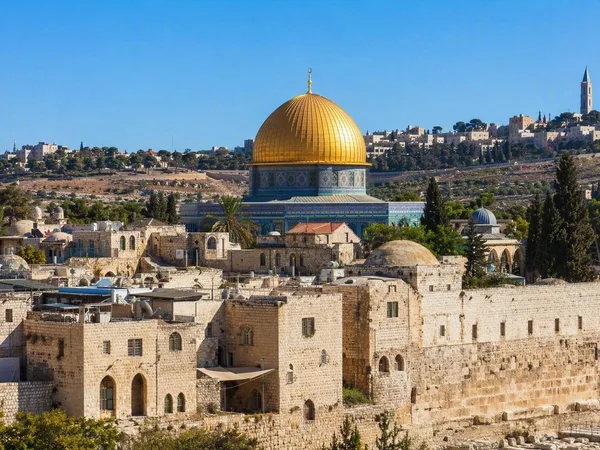
Jerusalem
3 linked stories and routes
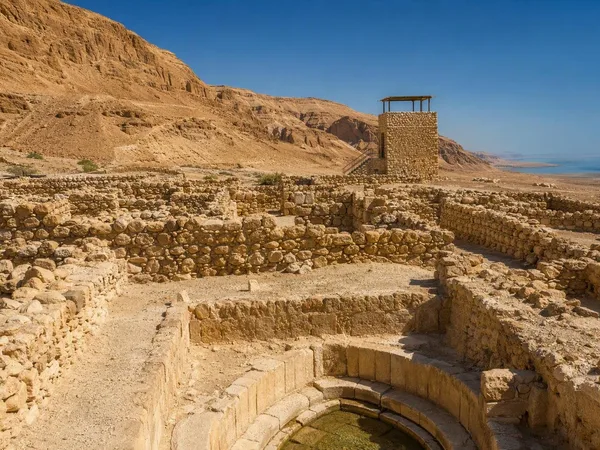
Qumran
1 linked stories and routes
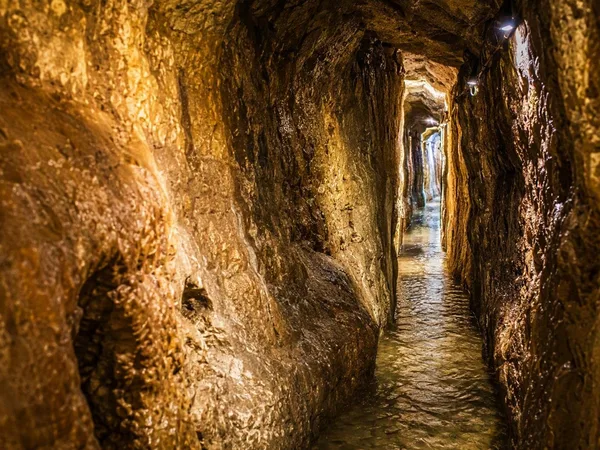
City of David
1 linked stories and routes
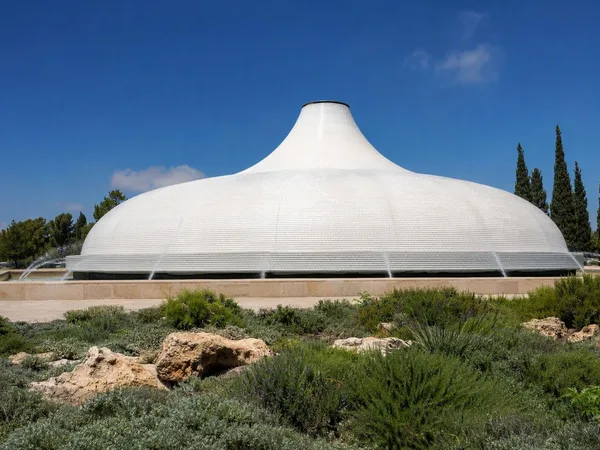
Givat Ram, Jerusalem
1 linked stories and routes
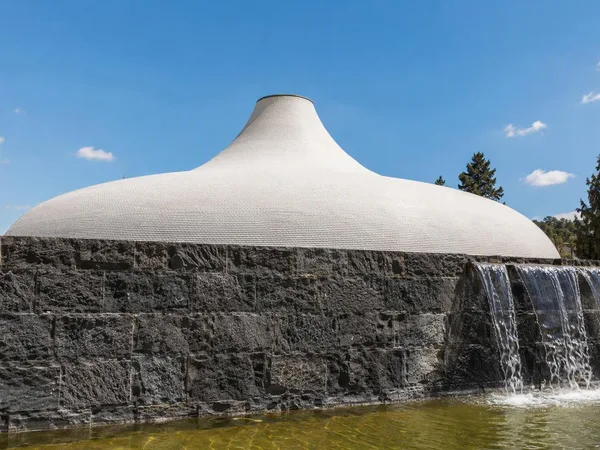
Israel Museum
1 linked stories and routes
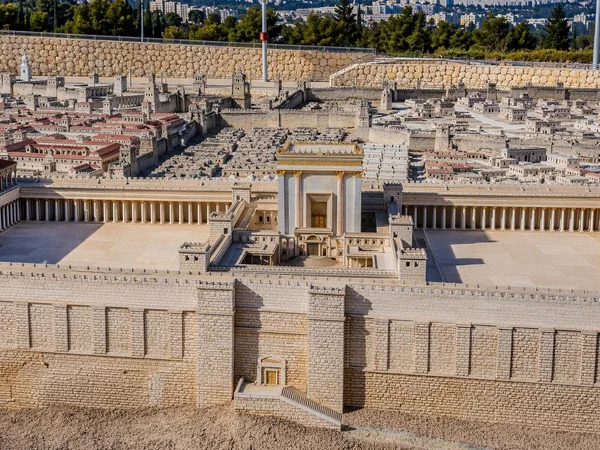
Second Temple Model
1 linked stories and routes
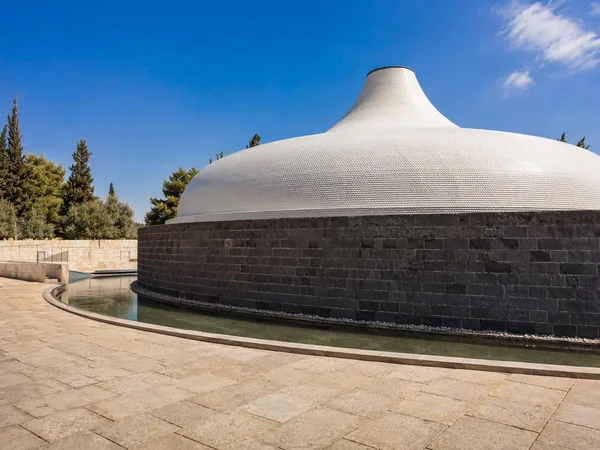
Shrine of the Book
1 linked stories and routes
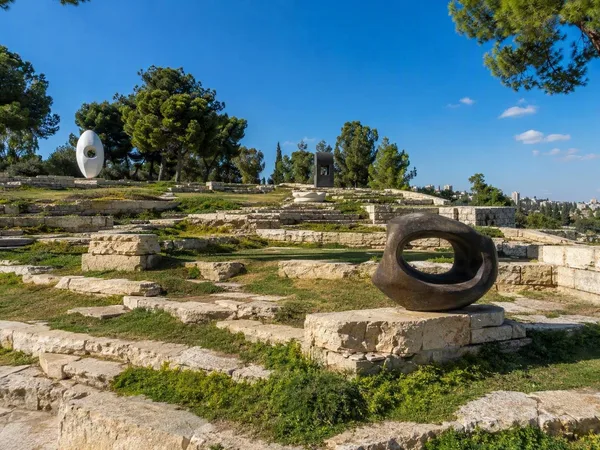
Billy Rose Art Garden
1 linked stories and routes