
Sight · Israel
City of David
The City of David is Jerusalem’s principal archaeological site for its earliest urban core, on the ridge south of the Old City. Its excavations, spring fortifications and water tunnels trace the city from the Bronze Age through the Second Temple period.
Get your bearings
The City of David occupies a narrow ridge south of the Old City walls, between the Kidron Valley to the east and the former Tyropoeon Valley to the west. The archaeological park sits within the modern Silwan/Wadi Hilweh area. Its defining asset was the Gihon Spring: a reliable water source that made permanent settlement possible here.
This is not a reconstructed ancient town. Expect excavated walls, cut bedrock, stepped structures, tunnels and viewing points spread along a steep slope. The site is part of Jerusalem Walls National Park.
Read the layers
The visible remains cover a long sequence rather than one biblical moment.
- Spring Citadel and fortified passage: substantial Middle Bronze Age defences protected access to the Gihon Spring.
- Eastern-slope fortifications: excavations have identified sections of an Iron Age city wall and buildings, showing intensive settlement around the spring.
- Stepped Stone Structure: a monumental terraced stone construction on the eastern slope. Its precise date and function remain debated; do not treat a palace identification as settled fact.
- Siloam Pool and Stepped Street: at the southern end, later remains relate to Jerusalem’s Second Temple-period urban infrastructure. The paved, stepped street ran north from the pool toward the Temple Mount.
The ridge’s importance is clearest underground, where water engineering turns geology into urban infrastructure.
Choose the water route
The standard route leads downhill through the water-system area, past Warren’s Shaft and the spring installations, then offers two alternatives.
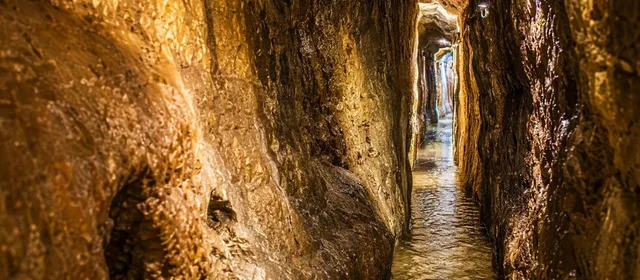
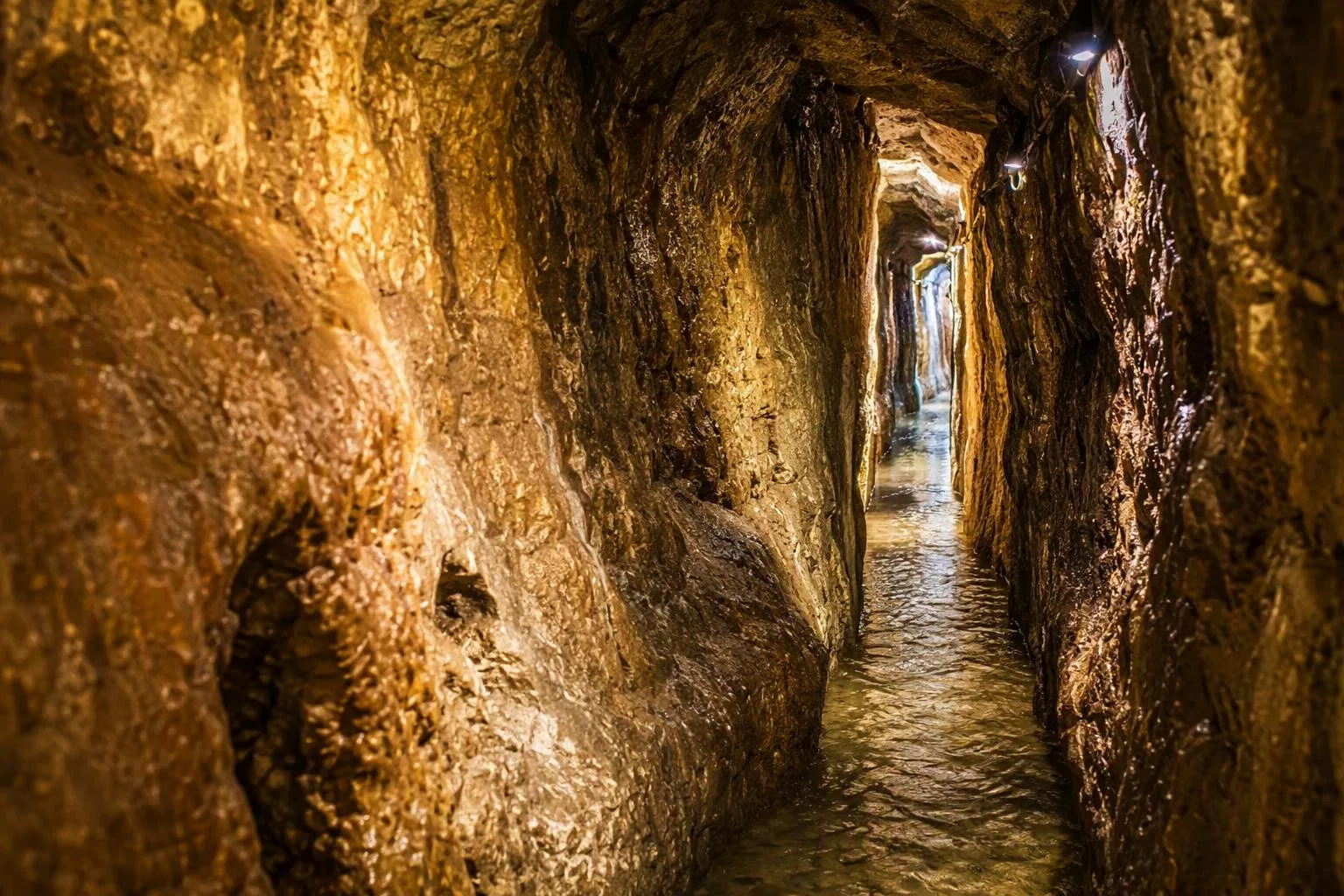
Hezekiah’s Tunnel is the full experience: a 533-metre rock-cut channel carrying spring water toward the Pool of Siloam. The passage is narrow and dark; visitors wade through water that can reach 70 cm. Wear water-friendly shoes, take a light, protect electronics and bring dry clothes.
The Canaanite Channel is the dry alternative. Choose it if you do not want to wade or are uncomfortable in a confined, unlit passage. Both routes end low on the ridge, so factor in the uphill return; a paid shuttle is available from the pool area.
Plan the visit
Allow about 90 minutes for the self-guided route; a guided visit takes longer and helps make sense of the fragmented remains. The entrance is near Dung Gate, roughly a two-minute walk from the Western Wall area. Bus routes serving the Western Wall and taxis are more practical than driving, as nearby parking is limited.
The route includes many steps, uneven surfaces and an underground passage, and is not wheelchair or stroller accessible. Tunnel entry is recommended from age five. The exposed upper slope is hot in summer, so start early. Opening times, ticket options and water-route access vary by season and holidays.
From the magazine
Stories about City of David
Editorial stories linked directly to City of David.
No stories about City of David have been published yet.
Routes from our editors
Travel through City of David
Editorial routes connecting City of David with other countries, cities and hotspots.
No routes through City of David have been published yet.
More in Israel
Related hotspots
Other cities, nature areas and places within Israel.
Jerusalem
3 linked stories and routes
Qumran
1 linked stories and routes
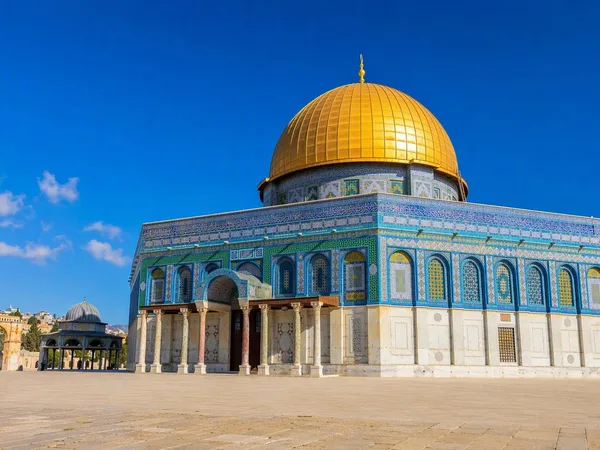
Temple Mount (Haram al-Sharif)
1 linked stories and routes
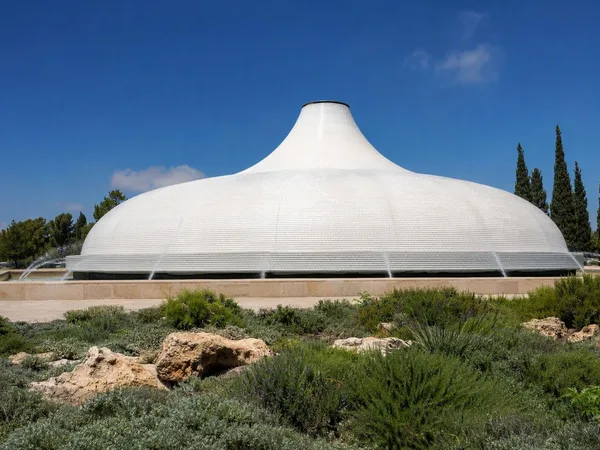
Givat Ram, Jerusalem
1 linked stories and routes
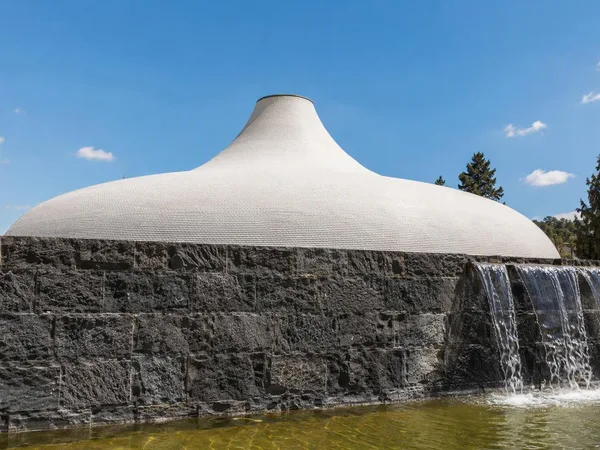
Israel Museum
1 linked stories and routes
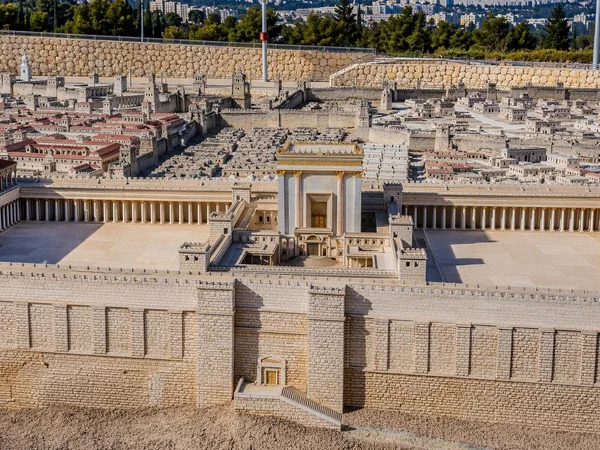
Second Temple Model
1 linked stories and routes
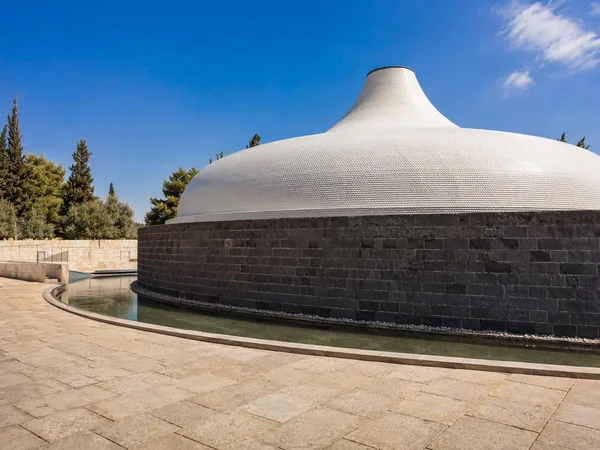
Shrine of the Book
1 linked stories and routes
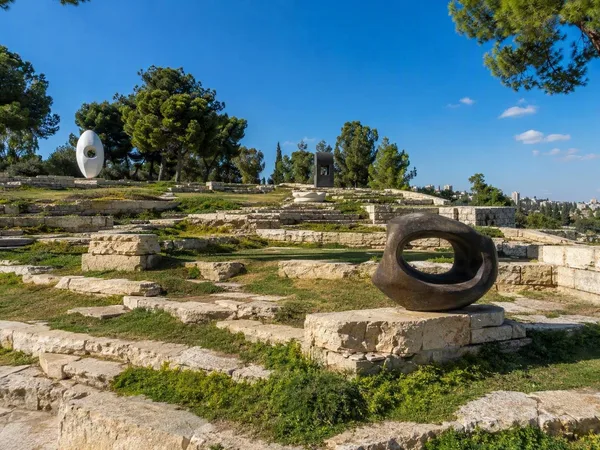
Billy Rose Art Garden
1 linked stories and routes