
Sight · Israel
Billy Rose Art Garden
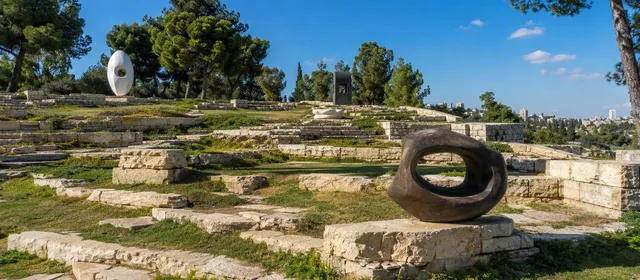
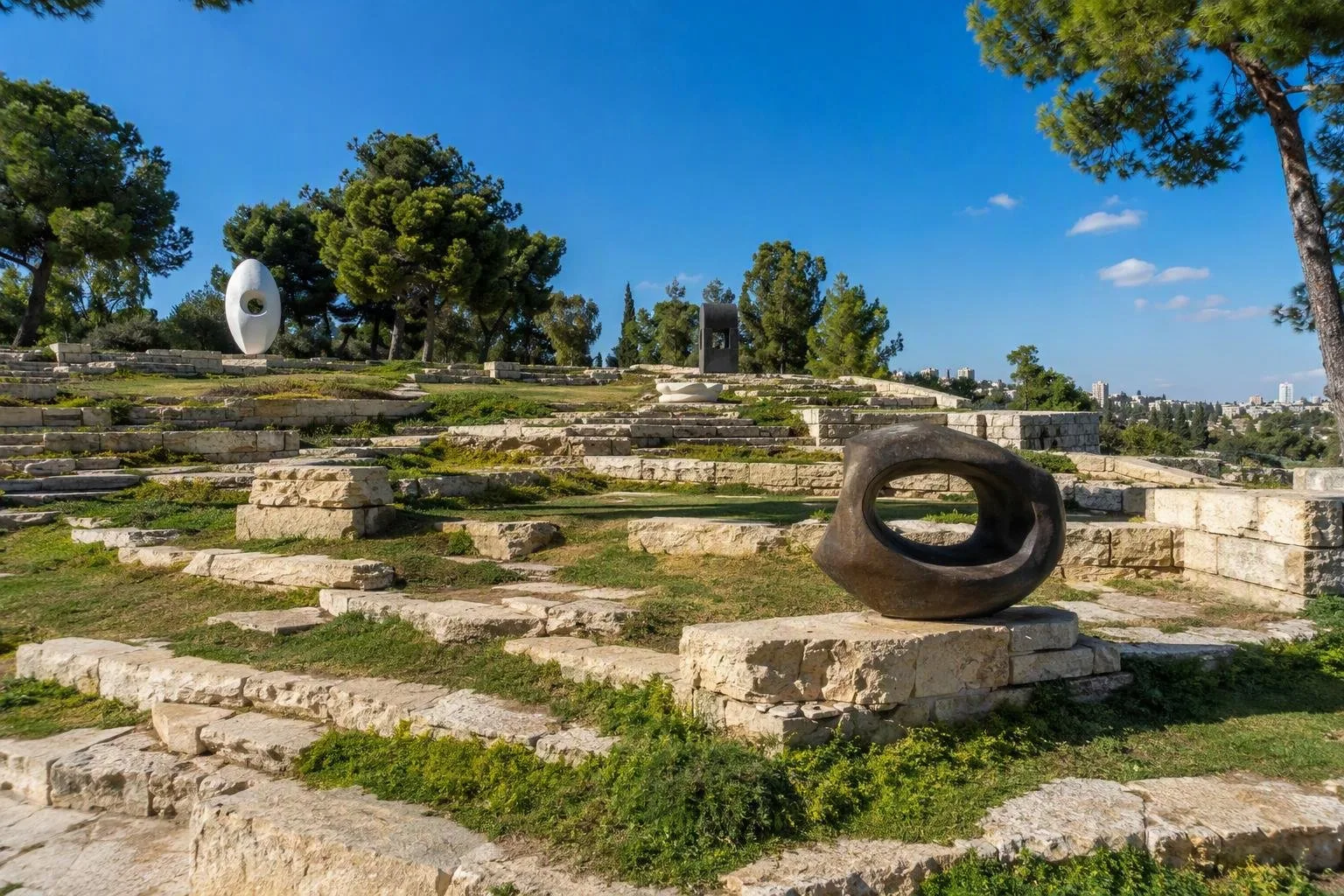
The Billy Rose Art Garden is the Israel Museum’s outdoor sculpture garden in Givat Ram, Jerusalem. Designed by Isamu Noguchi and opened in 1965, it makes the hillside itself part of the artwork.
Orientation
The Billy Rose Art Garden occupies the western side of the Israel Museum campus in Jerusalem’s Givat Ram district. It is not a conventional sculpture lawn: Japanese-American artist Isamu Noguchi designed the whole five-acre slope as an environmental sculpture, using ground, water, stone, planting and views as part of one composition.
Billy Rose financed the garden and gave the first group of sculptures. It opened with the museum in 1965.
Read the landscape first
Start by noticing the structure before focusing on individual works. Rough fieldstone walls divide the incline into terraces and smaller spaces; gravel surfaces, planted routes and open ground change the pace of the walk. The layout echoes the terraced hills around Jerusalem while drawing on Japanese garden principles.
The garden was conceived as a sequence rather than a gallery with a fixed route. Walk its paths slowly and look back from the next terrace: sculpture, wall, ground and skyline are meant to be seen together.
Sculpture on the slope
The collection combines nineteenth- and twentieth-century sculpture with later contemporary additions. Works by Auguste Rodin, Aristide Maillol, Henry Moore, Pablo Picasso, Jean Tinguely, Sol LeWitt, Donald Judd, Richard Serra and Israeli artists appear among the garden’s changing sightlines.
Do not treat the garden as a checklist of famous names. Noguchi placed art so that scale, material and the space around each work matter as much as the object itself. A bronze, steel or stone piece may first appear across a wall or at the end of a path, then alter as you approach.
How to visit
Enter through the Israel Museum at 11 Derech Ruppin. The garden is part of the museum campus and is best paired with the fine-art galleries rather than treated as a separate city park.
Allow 45–60 minutes for the garden alone, more if you want to study individual works. The site is outdoors and terraced, so wear shoes suited to uneven paving and slopes. Use the museum’s current visitor information for same-day admission, opening hours and any access changes.
A useful route
Begin at the upper museum level, descend through the terraces, then pause at intervals to look west toward Givat Ram. This direction matters: the garden expands toward the horizon rather than closing itself off as an enclosed courtyard. Finish by returning to the galleries; the contrast between the controlled indoor display and Noguchi’s open-air setting clarifies the point of the garden.
From the magazine
Stories about Billy Rose Art Garden
Editorial stories linked directly to Billy Rose Art Garden.
No stories about Billy Rose Art Garden have been published yet.
Routes from our editors
Travel through Billy Rose Art Garden
Editorial routes connecting Billy Rose Art Garden with other countries, cities and hotspots.
No routes through Billy Rose Art Garden have been published yet.
More in Israel
Related hotspots
Other cities, nature areas and places within Israel.

Jerusalem
3 linked stories and routes
Qumran
1 linked stories and routes
Temple Mount (Haram al-Sharif)
1 linked stories and routes
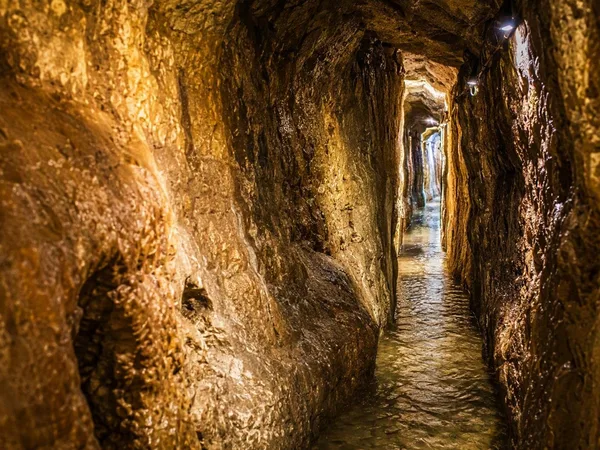
City of David
1 linked stories and routes
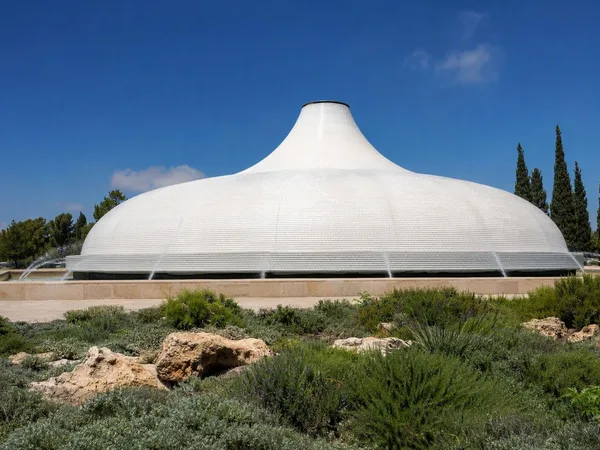
Givat Ram, Jerusalem
1 linked stories and routes
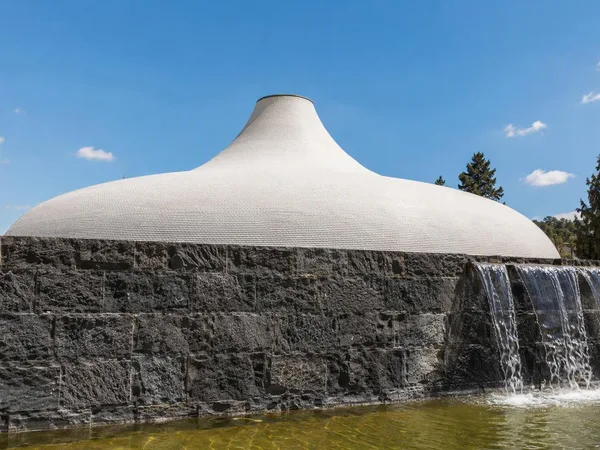
Israel Museum
1 linked stories and routes
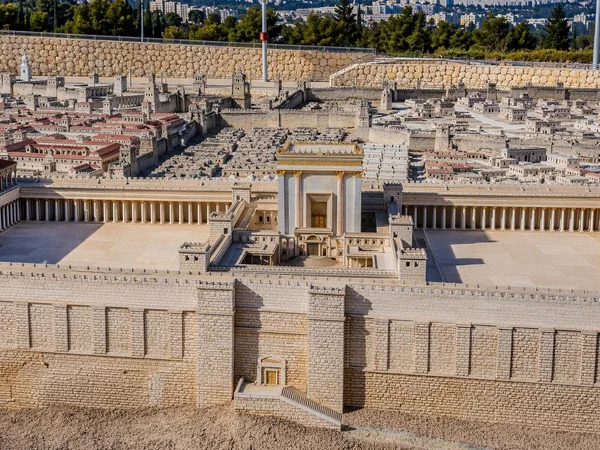
Second Temple Model
1 linked stories and routes
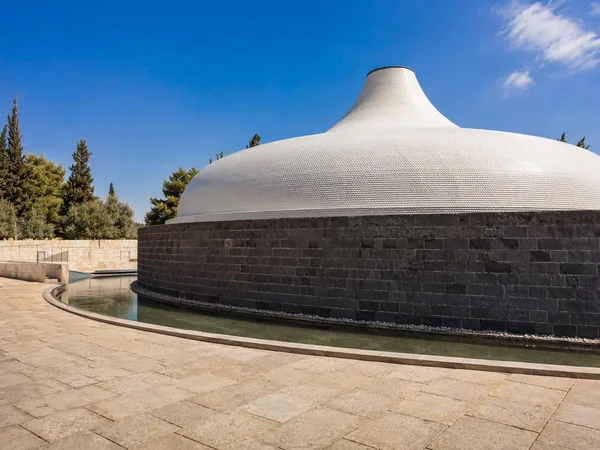
Shrine of the Book
1 linked stories and routes