
Mountain · Israel
Mount Zion, Jerusalem
Mount Zion is Jerusalem’s compact western hill, immediately south of the Old City walls by Zion Gate. It brings the Cenacle, the traditional Tomb of King David and Dormition Abbey into one short, intensely layered walk.
Orientation
Mount Zion lies just outside the Old City’s southern wall, beside Zion Gate and the Armenian Quarter. Although the name Zion has referred to different places in Jerusalem over the centuries, it now commonly identifies this western hill.
The hill is small enough to explore on foot, but it is not a single monument. It is a tight group of places of worship, memorials and religious institutions with distinct rules and rhythms.
The essential stops
The Cenacle, or Room of the Last Supper, is traditionally associated with the Last Supper and Pentecost. The upper hall is reached by an exterior stair and is a Gothic space rather than a first-century room. Look for the ribbed vaulting, slender columns and the surviving prayer niche from the building’s period as a mosque.
King David’s Tomb occupies the lower level of the same complex. It is a working Jewish prayer site, with separate areas for men and women. The tomb is a long-venerated traditional site; it should not be confused with an archaeologically established burial place.
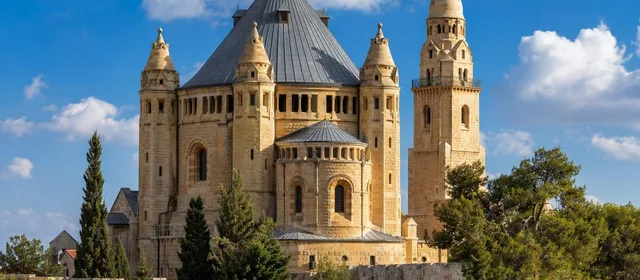
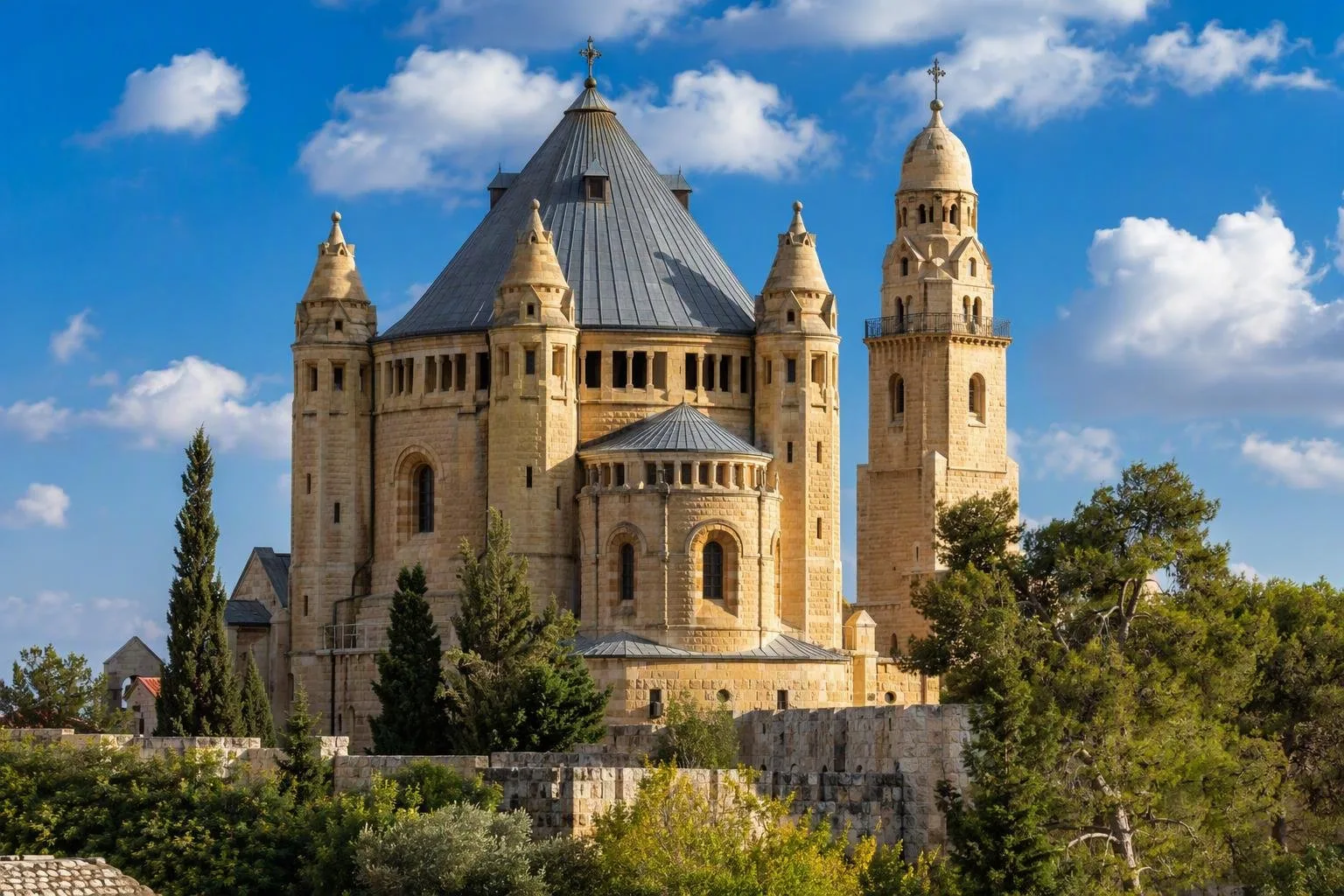
Dormition Abbey is the hill’s clearest skyline marker: a Benedictine church with a rounded body, conical roof and bell tower. It commemorates the Christian tradition of Mary’s Dormition. Inside, the circular church and the crypt below are the main focus.
A practical walking order
Start at Zion Gate, whose stonework still bears marks from twentieth-century fighting. Continue to the David’s Tomb–Cenacle complex, then walk a few minutes to Dormition Abbey. This sequence keeps the sites close together and makes the hill an easy extension of a walk through the Armenian Quarter.
Allow about 60 to 90 minutes for the three principal stops, longer if you pause for worship or visit additional sites on the slopes. The terrain is walkable but includes inclines and stairs.
Access and etiquette
These are active sacred places, not museum rooms. Wear clothing that covers shoulders and knees. At King David’s Tomb, men should cover their heads and follow the separate prayer arrangements. Keep voices low and do not interrupt services or worshippers.
Opening patterns differ between the Cenacle, the tomb and the abbey; services and religious holidays can restrict entry. Visit earlier in the day when possible, especially if you want to see all three interiors.
Why the hill matters
Mount Zion condenses Jewish, Christian and Muslim histories within a few hundred metres. The Cenacle and tomb complex has served different communities over time, while the nearby abbey stands on ground associated with earlier Byzantine and Crusader churches. The value of the visit is this concentration: the buildings make Jerusalem’s overlapping religious traditions physically legible.
From the magazine
Stories about Mount Zion, Jerusalem
Editorial stories linked directly to Mount Zion, Jerusalem.
No stories about Mount Zion, Jerusalem have been published yet.
Routes from our editors
Travel through Mount Zion, Jerusalem
Editorial routes connecting Mount Zion, Jerusalem with other countries, cities and hotspots.
No routes through Mount Zion, Jerusalem have been published yet.
More in Israel
Related hotspots
Other cities, nature areas and places within Israel.
Jerusalem
6 linked stories and routes
Qumran
1 linked stories and routes
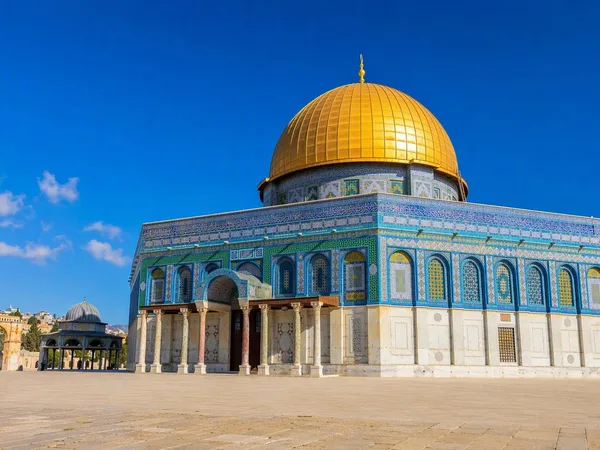
Temple Mount (Haram al-Sharif)
1 linked stories and routes
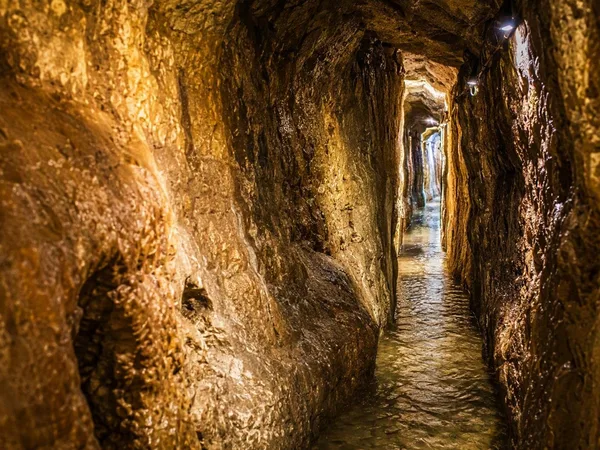
City of David
1 linked stories and routes
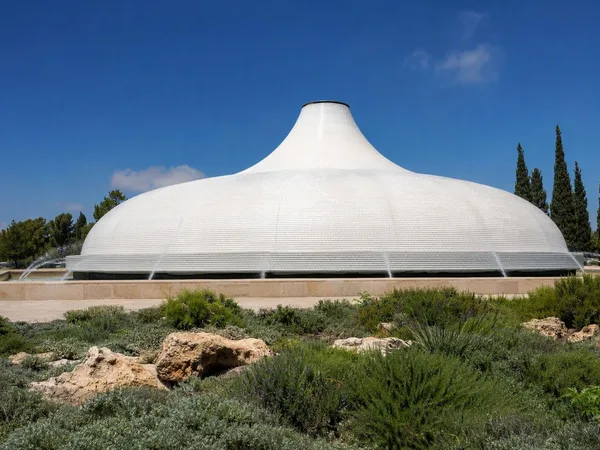
Givat Ram, Jerusalem
1 linked stories and routes
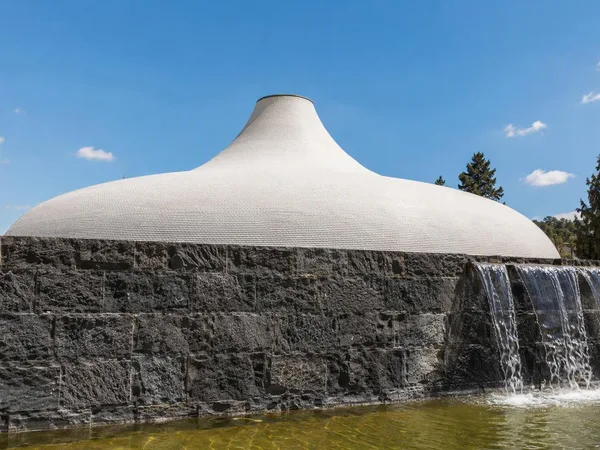
Israel Museum
1 linked stories and routes
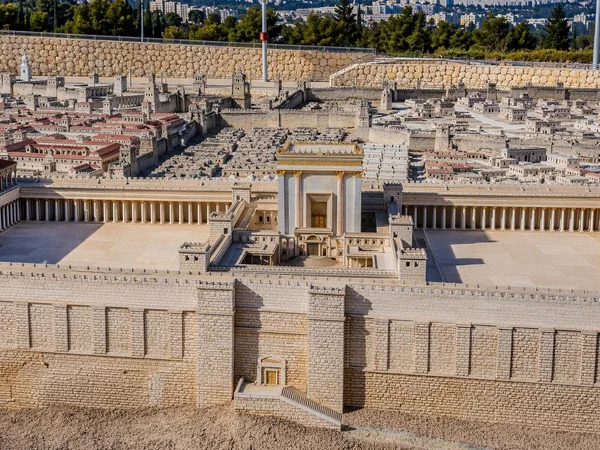
Second Temple Model
1 linked stories and routes
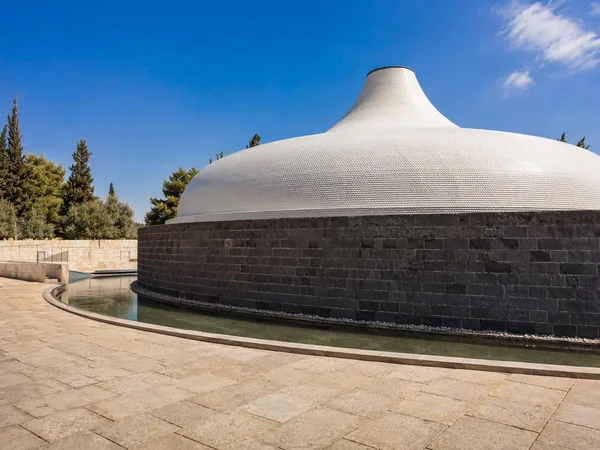
Shrine of the Book
1 linked stories and routes
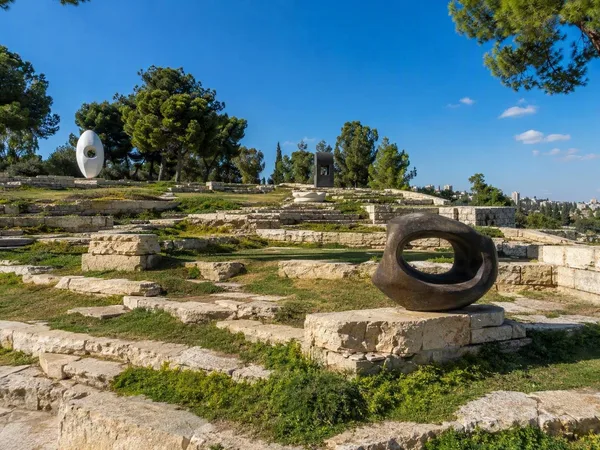
Billy Rose Art Garden
1 linked stories and routes
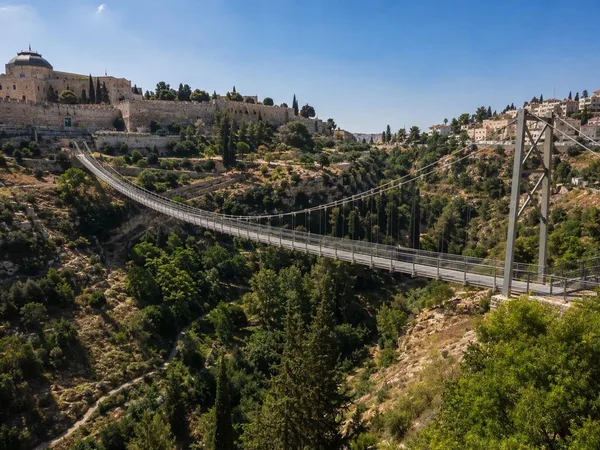
Hinnom Valley
1 linked stories and routes
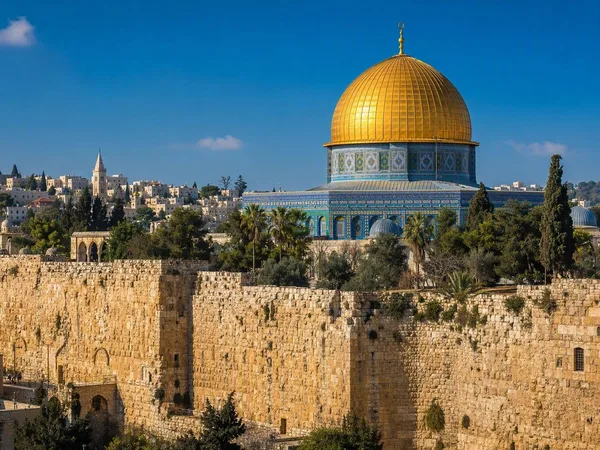
Jerusalem’s Old City
1 linked stories and routes
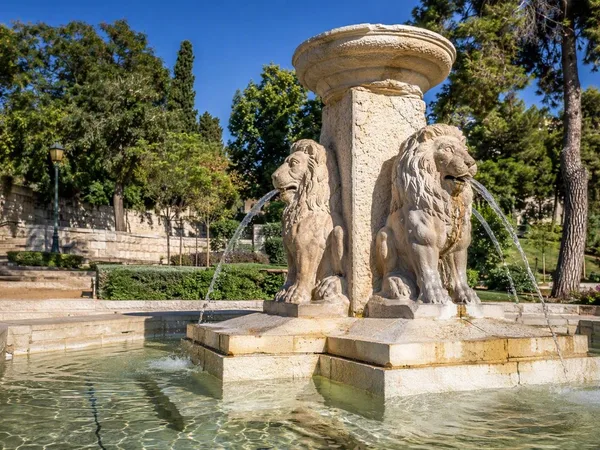
Bloomfield Garden
1 linked stories and routes
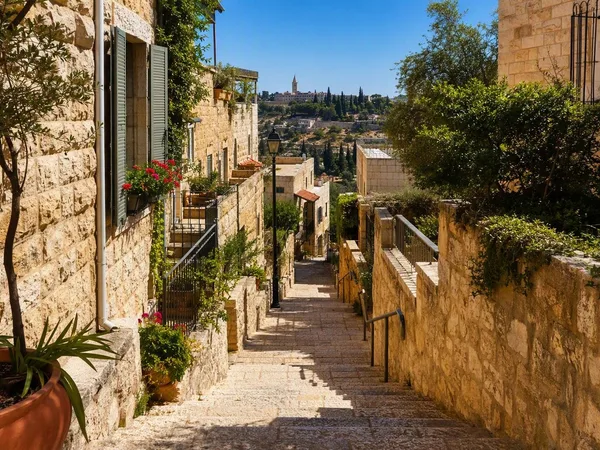
Yemin Moshe
1 linked stories and routes
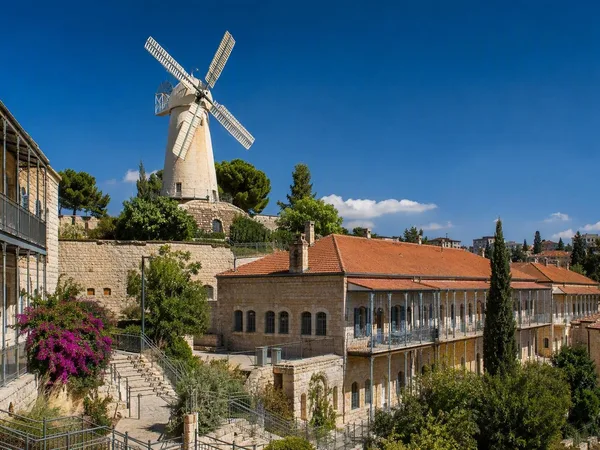
Mishkenot Sha’ananim, Jerusalem
1 linked stories and routes
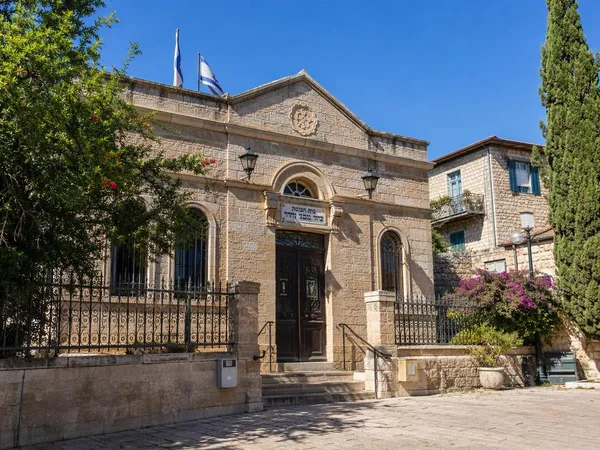
Great Sephardi Synagogue
1 linked stories and routes
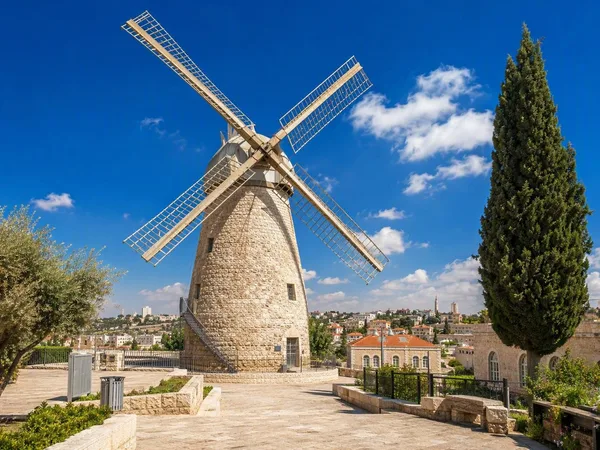
Montefiore Windmill
1 linked stories and routes
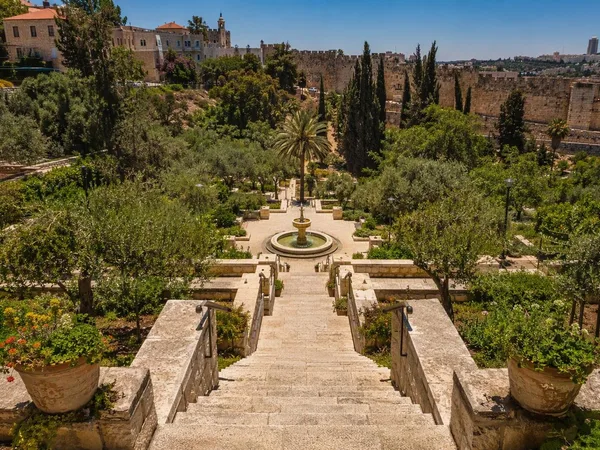
Abraham Gozlan Orchard
1 linked stories and routes
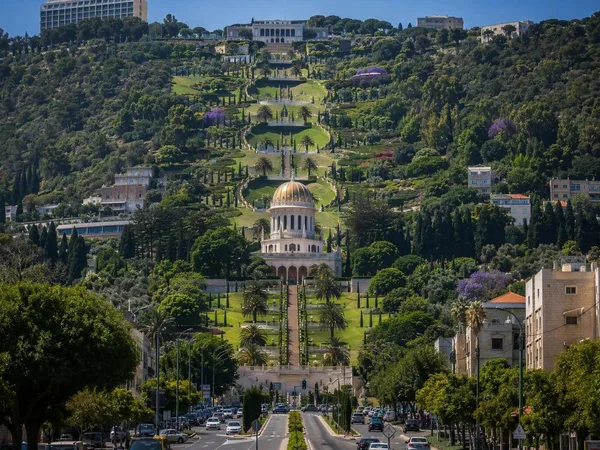
Haifa
1 linked stories and routes
Al-Birweh (Al-Birwa)
1 linked stories and routes
Galilee
1 linked stories and routes