
Village · Israel
Al-Birweh (Al-Birwa)
Al-Birweh was a Palestinian village on a rocky rise east of Acre in the western Galilee, in present-day Israel. Destroyed and depopulated in 1948, it is the birthplace of Palestinian poet Mahmoud Darwish.
Orientation
Al-Birweh—also spelled Al-Birwa—stood about 10.5 km east of Acre, on a rocky hill sloping toward the Acre Plain. The coordinates identify the former village site, not a functioning town centre. It is a place of historical memory rather than a conventional sightseeing stop.
Before 1948, the village lay near roads toward Acre and Haifa. Its 1944–45 population was 1,460: 1,330 Muslims and 130 Christians. The settlement included a mosque, a church, two elementary schools, shops and three olive presses.
A farming village
Agriculture shaped Al-Birweh’s layout and economy. Its lands covered 13,542 dunams; cereals, olives, fruit and irrigated plots were central to village life. Around 1,500 dunams were olive groves, while wheat, barley, maize, sesame and melons were also cultivated.
The village had deep roots. It was recorded in 1047, appeared in Ottoman tax registers in 1596, and grew substantially in the late Ottoman and British Mandate periods. By the 1931 census, 996 people lived in 224 houses.
1948 and what remains
Fighting reached Al-Birweh in June 1948. The village changed hands during that month; Israeli control was consolidated in mid-July, and its Palestinian inhabitants were displaced. Yas'ur was established on village land in 1949 and Ahihud in 1950.
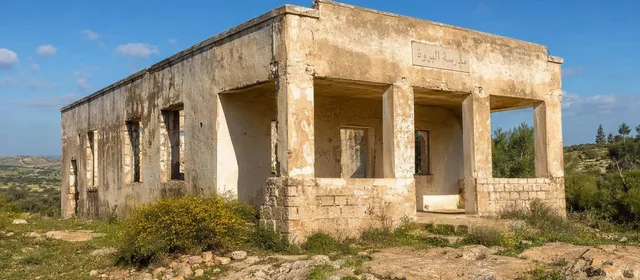
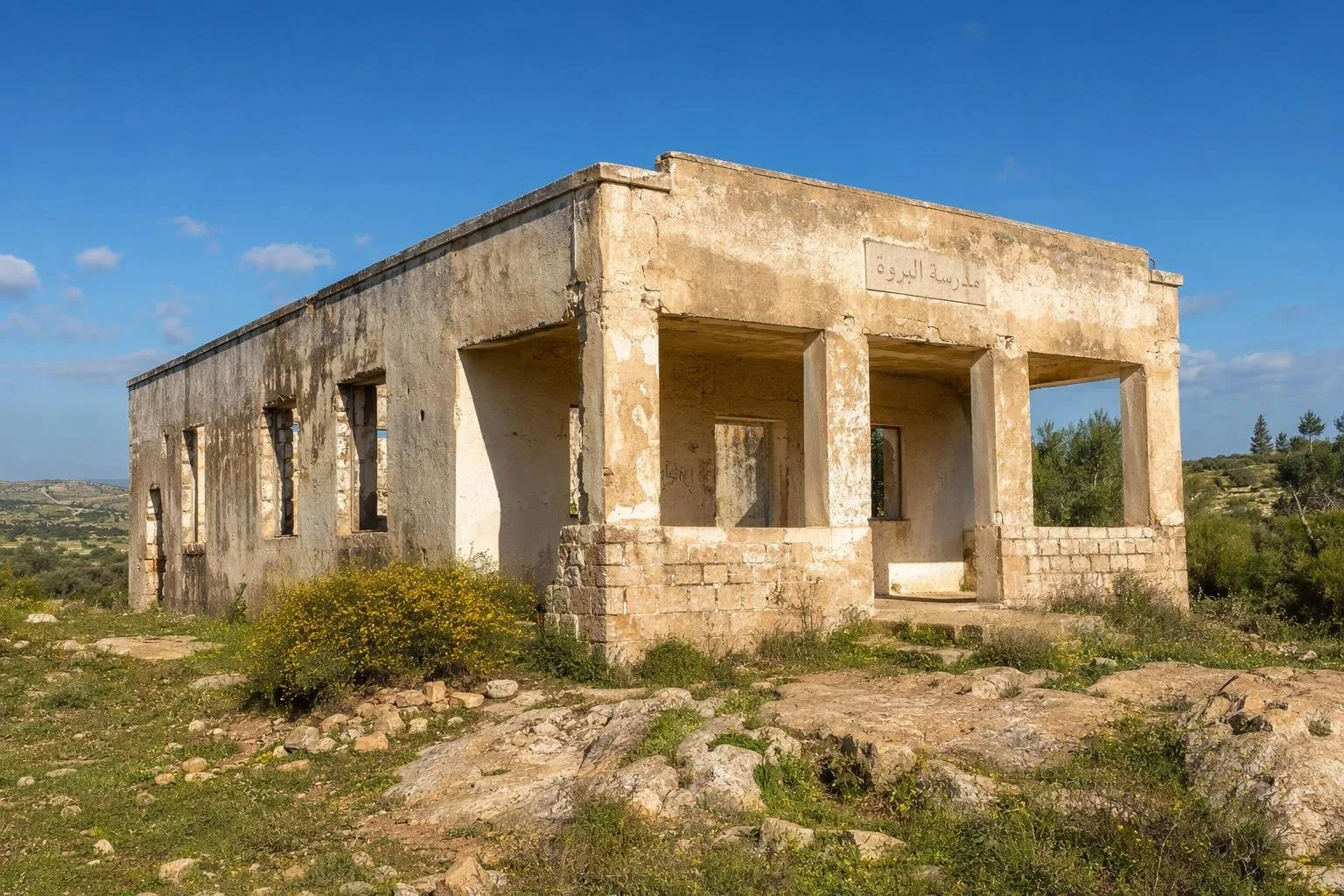
Much of the built village was demolished. Surviving traces documented at the site include the former school, several houses, two shrines, graves, rubble and mature trees. The mosque and church no longer stand. Read the landscape as a former village site, not as an archaeological park with a signed circuit.
Mahmoud Darwish
Mahmoud Darwish was born here in 1941. His family fled to Lebanon during the 1948 war and returned clandestinely the following year, finding Al-Birweh destroyed. The village became a lasting reference point in his life and work: an origin that could not be resumed as a home.
Visiting respectfully
There is no public museum or visitor centre at Al-Birweh. Parts of the former village area lie within or alongside present-day communities, farmland and private property. The former school has been documented inside Ahihud rather than as an open public monument.
- Do not enter private land or closed compounds.
- Do not disturb graves, shrines, vegetation or building remains.
- Use Acre as the practical base for understanding the wider historical geography; do not mistake it for Al-Birweh itself.
- Allow for limited on-site interpretation. The essential experience is the surviving landscape and the history attached to it.
From the magazine
Stories about Al-Birweh (Al-Birwa)
Editorial stories linked directly to Al-Birweh (Al-Birwa).
No stories about Al-Birweh (Al-Birwa) have been published yet.
Routes from our editors
Travel through Al-Birweh (Al-Birwa)
Editorial routes connecting Al-Birweh (Al-Birwa) with other countries, cities and hotspots.
No routes through Al-Birweh (Al-Birwa) have been published yet.
More in Israel
Related hotspots
Other cities, nature areas and places within Israel.
Jerusalem
6 linked stories and routes
Qumran
1 linked stories and routes
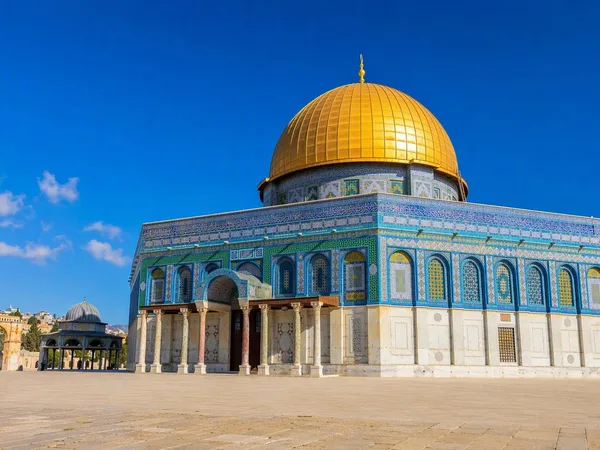
Temple Mount (Haram al-Sharif)
1 linked stories and routes
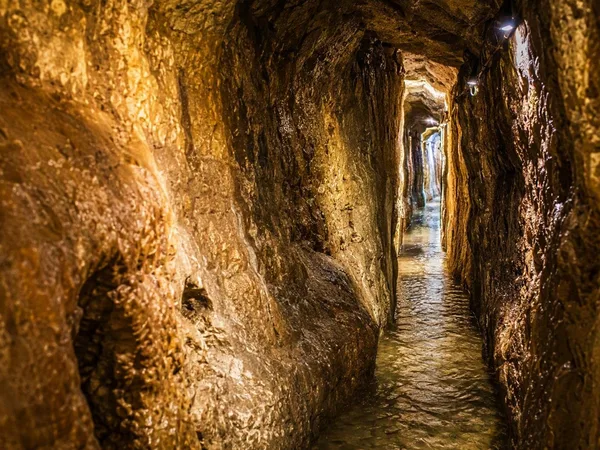
City of David
1 linked stories and routes
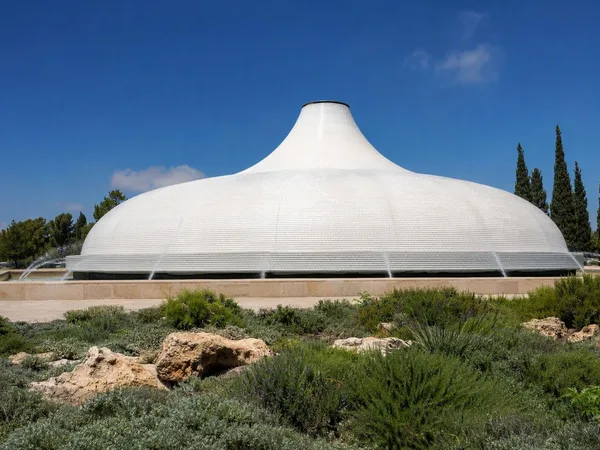
Givat Ram, Jerusalem
1 linked stories and routes
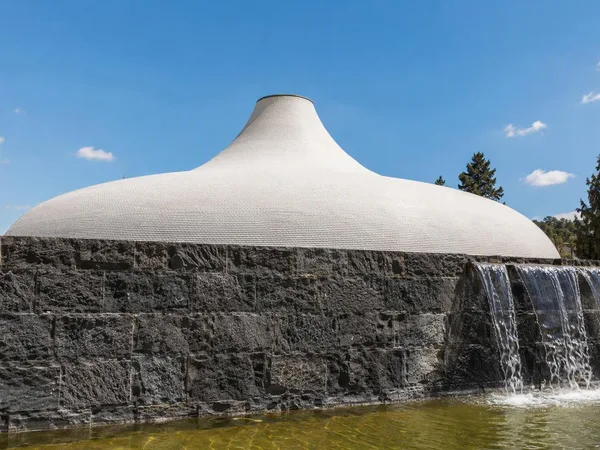
Israel Museum
1 linked stories and routes
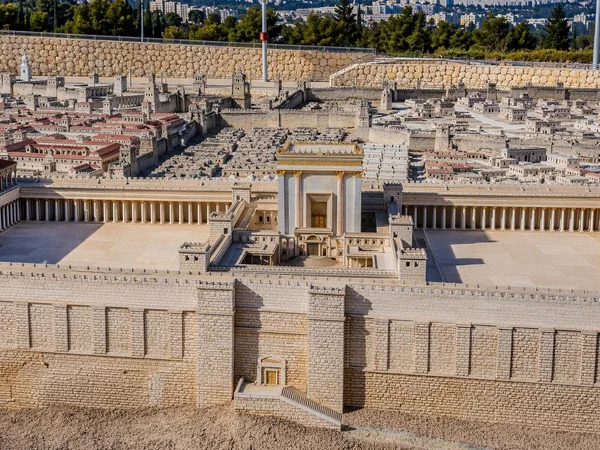
Second Temple Model
1 linked stories and routes
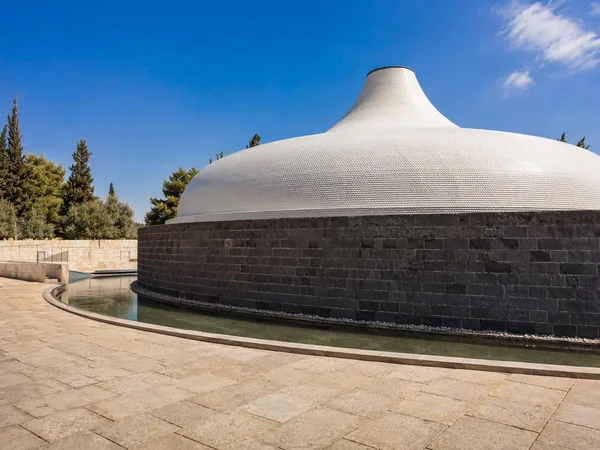
Shrine of the Book
1 linked stories and routes
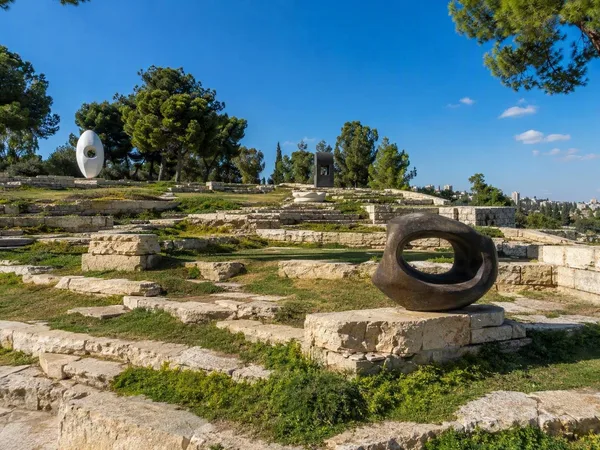
Billy Rose Art Garden
1 linked stories and routes
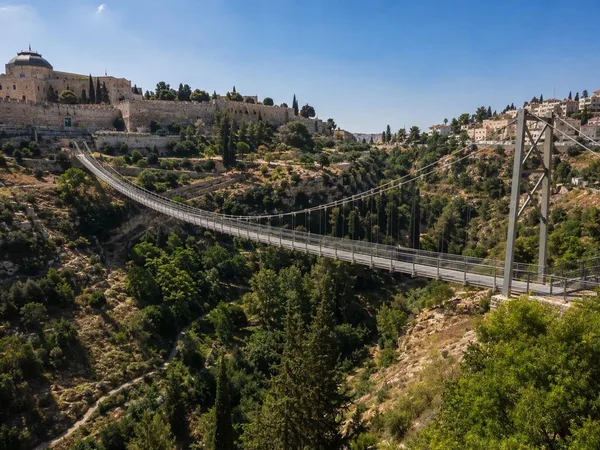
Hinnom Valley
1 linked stories and routes
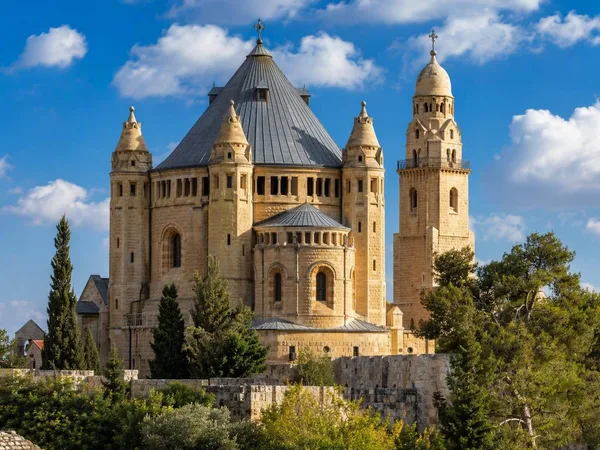
Mount Zion, Jerusalem
1 linked stories and routes
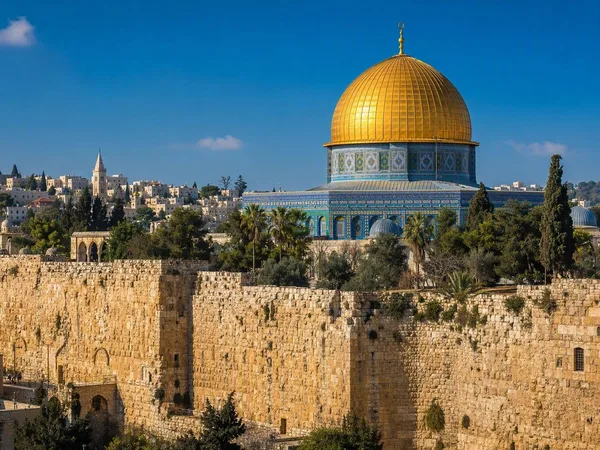
Jerusalem’s Old City
1 linked stories and routes
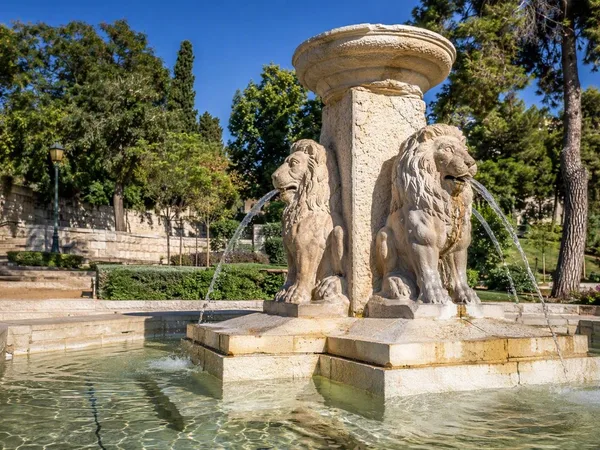
Bloomfield Garden
1 linked stories and routes
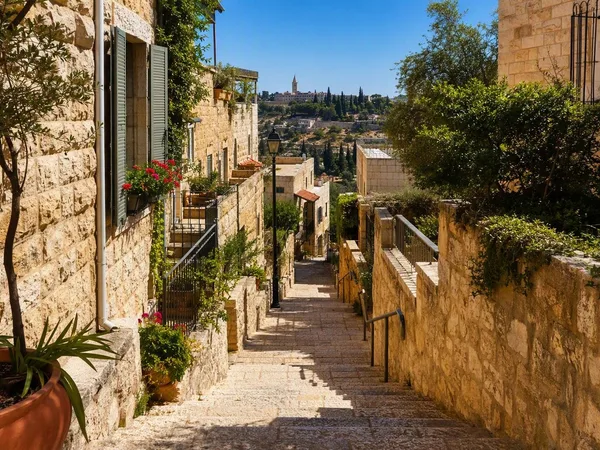
Yemin Moshe
1 linked stories and routes
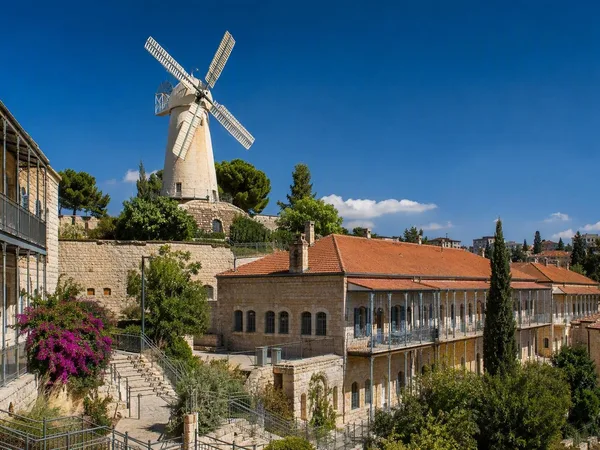
Mishkenot Sha’ananim, Jerusalem
1 linked stories and routes
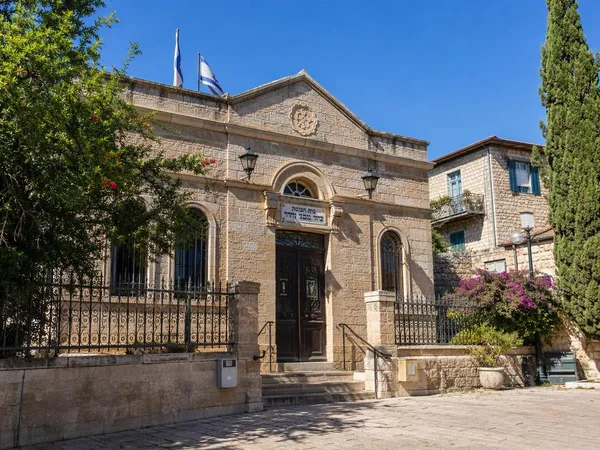
Great Sephardi Synagogue
1 linked stories and routes
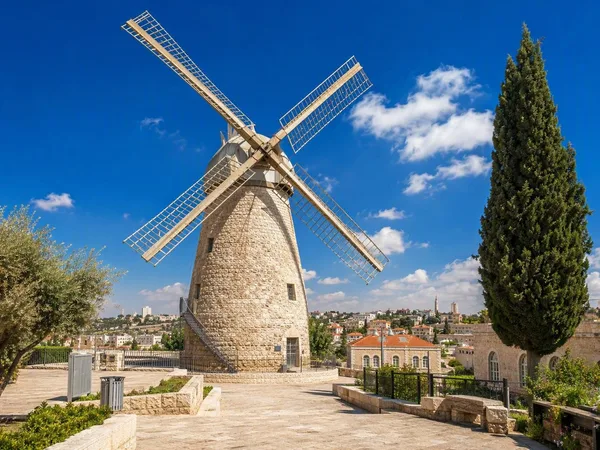
Montefiore Windmill
1 linked stories and routes
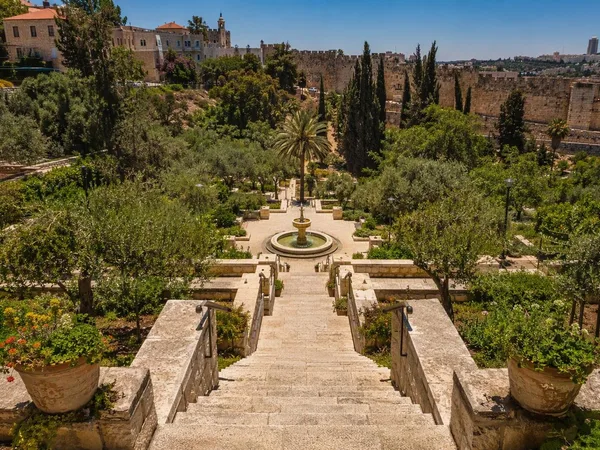
Abraham Gozlan Orchard
1 linked stories and routes
Haifa
1 linked stories and routes
Galilee
1 linked stories and routes