
Nature area · Israel
Hinnom Valley
Hinnom Valley is the steep ravine that curves around the south and west of Jerusalem’s Old City, below Mount Zion. Known in Hebrew as Gei Ben Hinnom, it combines biblical geography, ancient burial landscapes and modern walking routes.
Orientation
Hinnom Valley follows the southern and southwestern edge of Jerusalem’s historic core. It begins west of the Old City, passes below Mount Zion and turns east toward its meeting with the Kidron Valley. The terrain is markedly lower than the surrounding ridges: expect limestone slopes, terraces, paths and sharp changes in level.
The Hebrew name is Gei Ben Hinnom; the later form Gehenna grew from this place name. The valley is not a single gated attraction, but a long urban landscape with several access points and distinct sections.
Why the valley matters
The valley appears in biblical texts as a boundary near ancient Jerusalem. Later passages associate it with Topheth and condemn rites involving fire; these associations helped turn the name Gehenna into a religious image of punishment. Treat this as a landscape of textual tradition as well as archaeology: no definitive Topheth precinct has been identified here.
Burial grounds are another enduring layer. Rock-cut tombs occupy parts of the slopes. At Ketef Hinnom, on the valley’s western shoulder, excavations found two tiny silver amulets inscribed with the Priestly Blessing, dated to roughly 2,600 years ago. They are among the oldest surviving biblical-text finds.
What to see
- The valley floor and slopes: Walk for the change in perspective on Mount Zion, the Old City’s southern edge and the surrounding ridges—not for a conventional monument sequence.
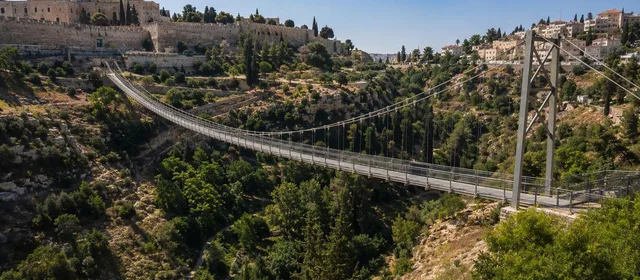
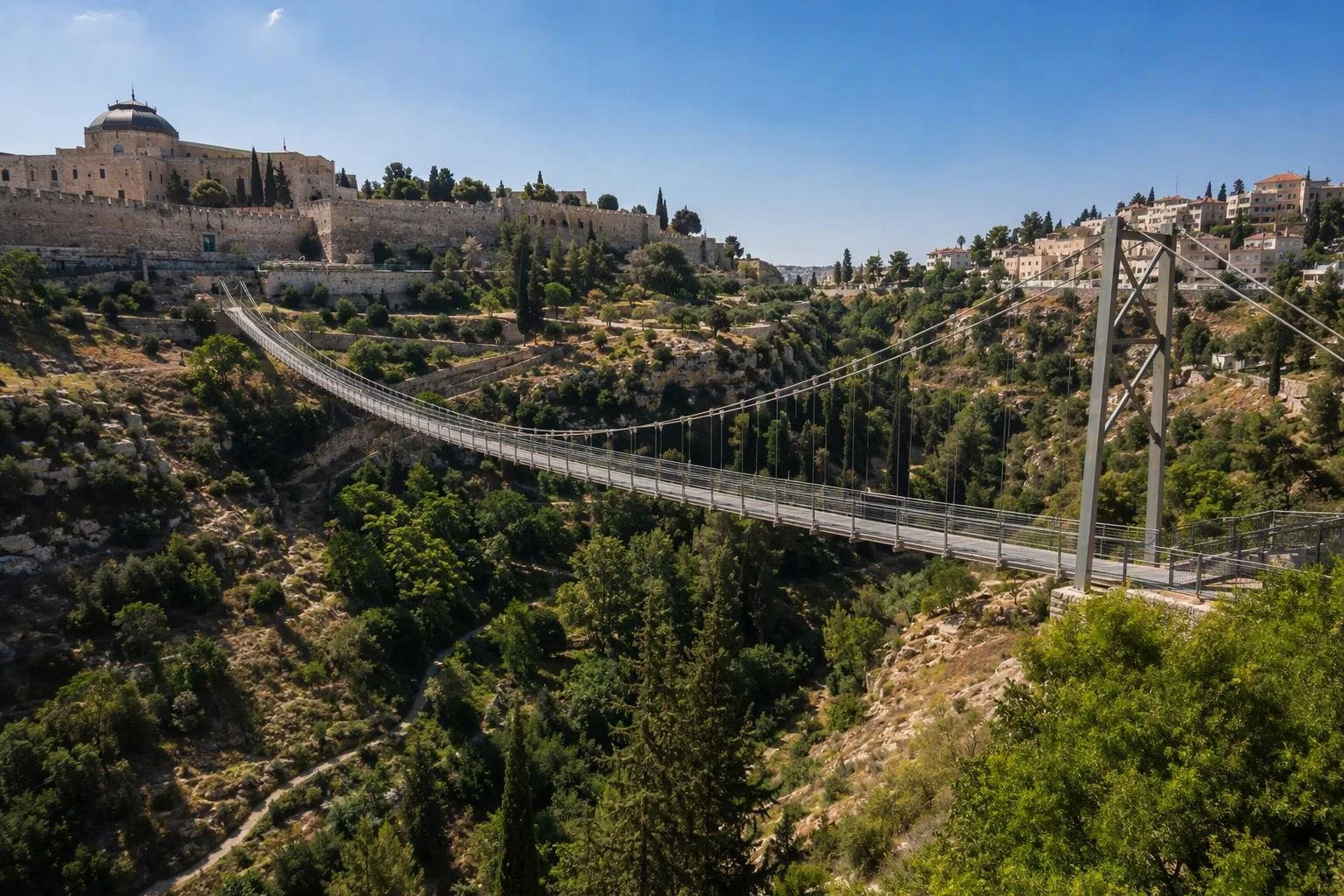
- Suspension bridge: A 202-metre pedestrian bridge links the slopes of Hinnom Valley and Mount Zion. It gives a direct overhead view of the ravine and is a useful crossing rather than a substitute for walking the valley.
- Sultan’s Pool: At the upper end of the valley, this historic reservoir is now used as an outdoor performance venue.
- Farm in the Valley: This area within the valley presents ancient agricultural crafts and is part of the park landscape around Jerusalem’s walls.
Walking it well
Approach on foot from the Mount Zion or Sultan’s Pool side, then use the paths and bridge to connect viewpoints. The route is best handled as a flexible walk rather than a fixed circuit: roads, slopes and separate sites divide the valley into sections.
Wear shoes with grip. Paths and approaches include uneven ground, steps and sustained climbs. The open valley is exposed in hot weather, while winter rain can make surfaces slick.
Access notes
The bridge is for pedestrians only; its operating hours and access arrangements can change. Some religious and archaeological places on or beside the slopes are independently managed, so do not assume that every gate or tomb is open. Respect barriers, graves and cultivated areas; the valley’s heritage is dispersed across an active city landscape.
From the magazine
Stories about Hinnom Valley
Editorial stories linked directly to Hinnom Valley.
No stories about Hinnom Valley have been published yet.
Routes from our editors
Travel through Hinnom Valley
Editorial routes connecting Hinnom Valley with other countries, cities and hotspots.
No routes through Hinnom Valley have been published yet.
More in Israel
Related hotspots
Other cities, nature areas and places within Israel.
Jerusalem
6 linked stories and routes
Qumran
1 linked stories and routes
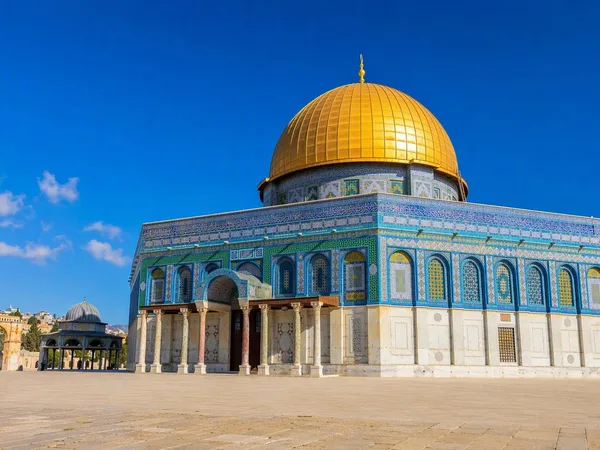
Temple Mount (Haram al-Sharif)
1 linked stories and routes
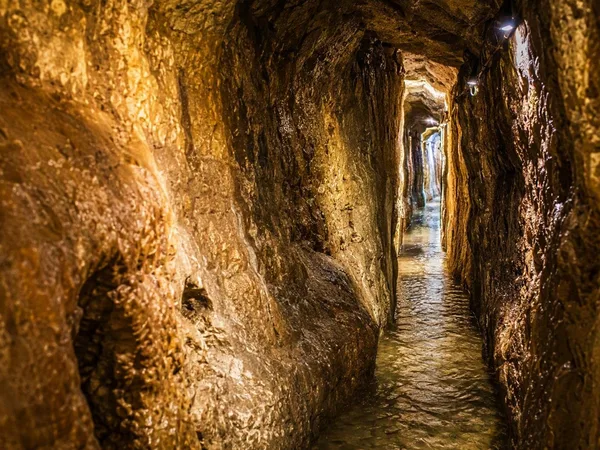
City of David
1 linked stories and routes
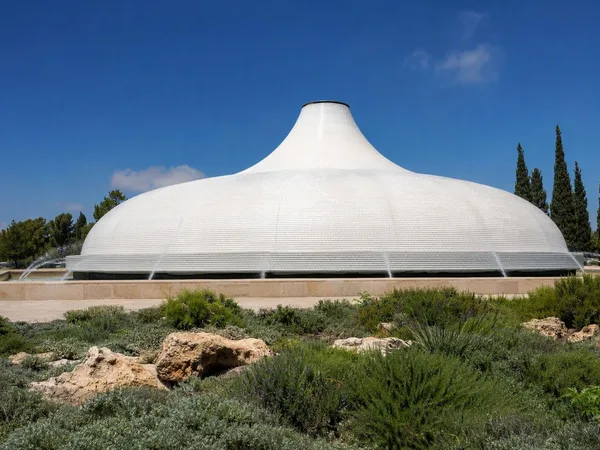
Givat Ram, Jerusalem
1 linked stories and routes
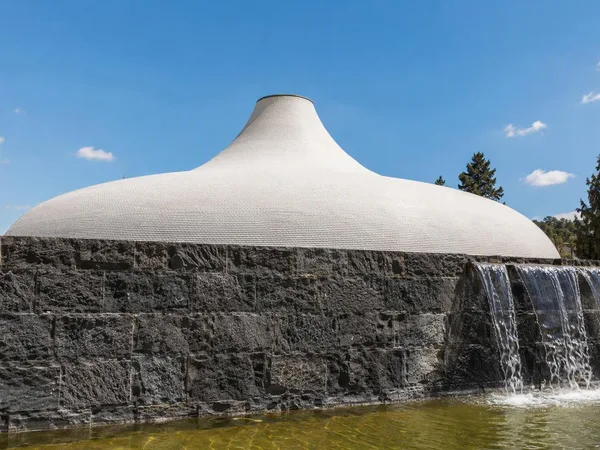
Israel Museum
1 linked stories and routes
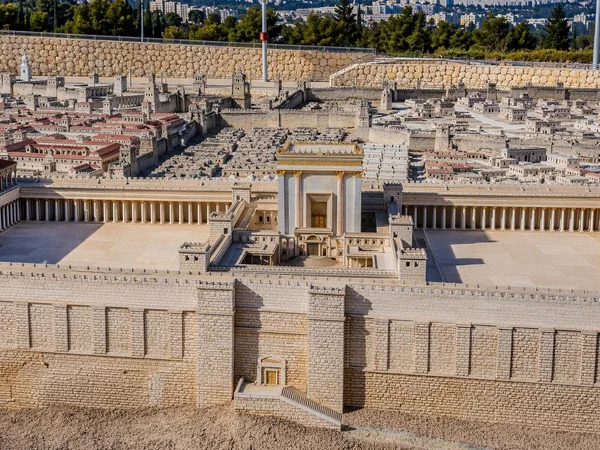
Second Temple Model
1 linked stories and routes
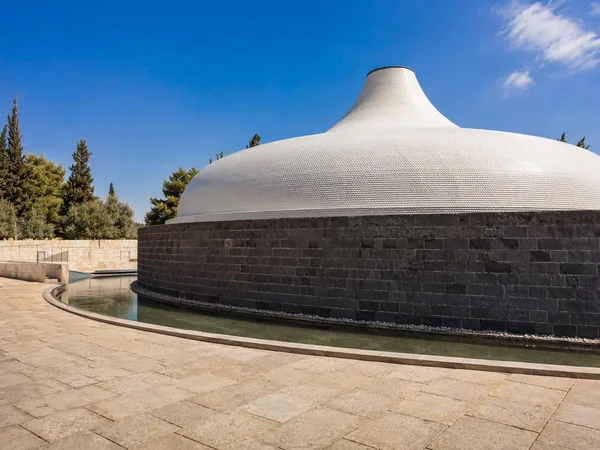
Shrine of the Book
1 linked stories and routes
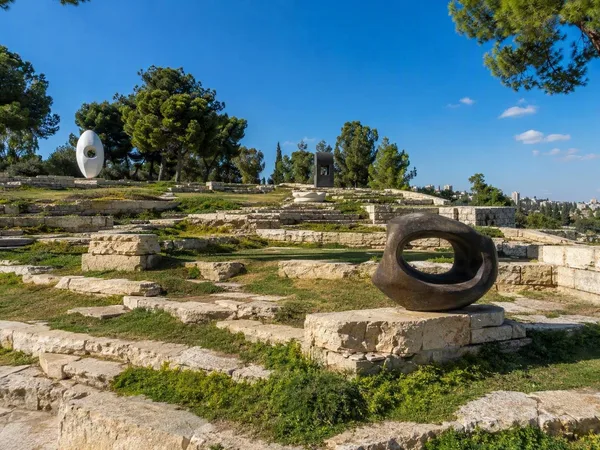
Billy Rose Art Garden
1 linked stories and routes
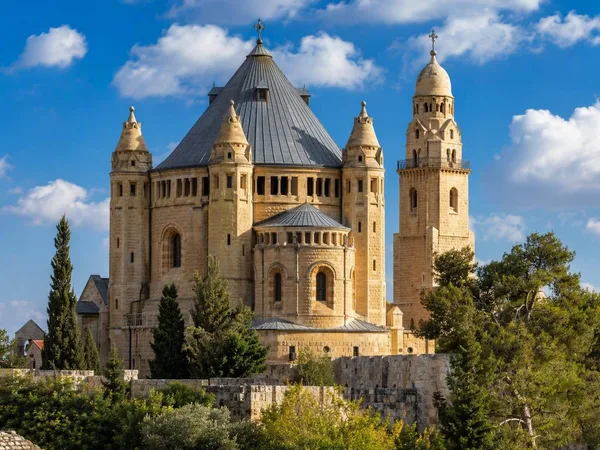
Mount Zion, Jerusalem
1 linked stories and routes
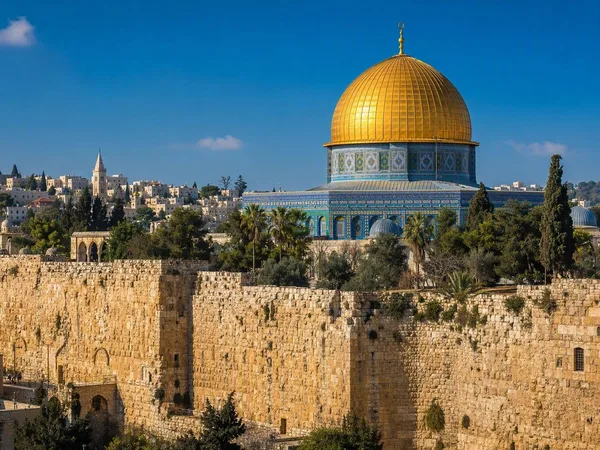
Jerusalem’s Old City
1 linked stories and routes
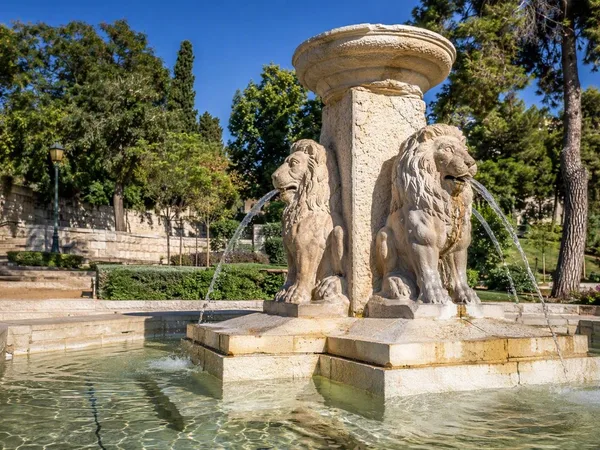
Bloomfield Garden
1 linked stories and routes
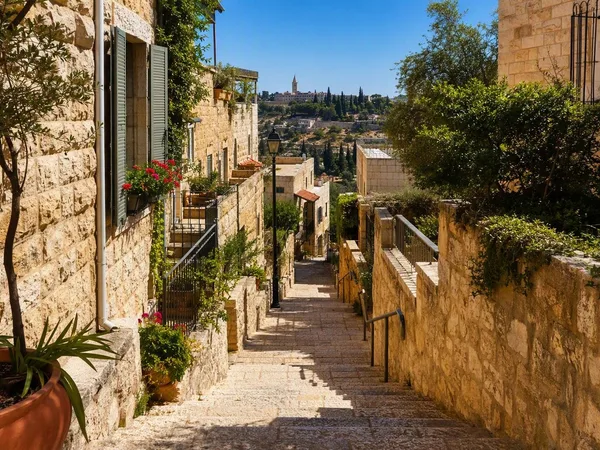
Yemin Moshe
1 linked stories and routes
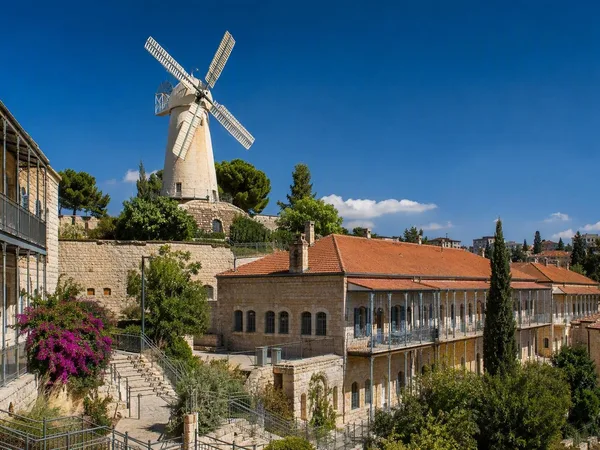
Mishkenot Sha’ananim, Jerusalem
1 linked stories and routes
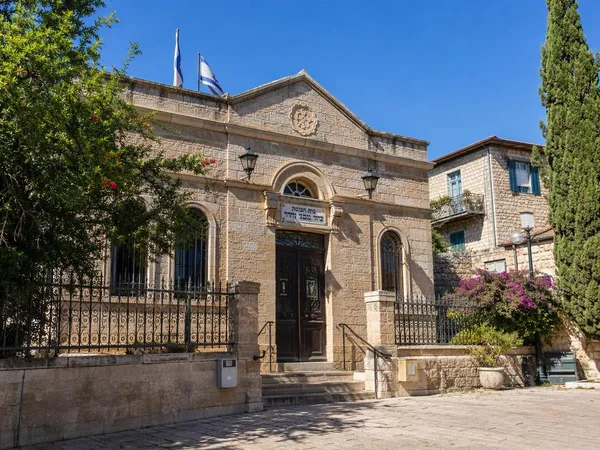
Great Sephardi Synagogue
1 linked stories and routes
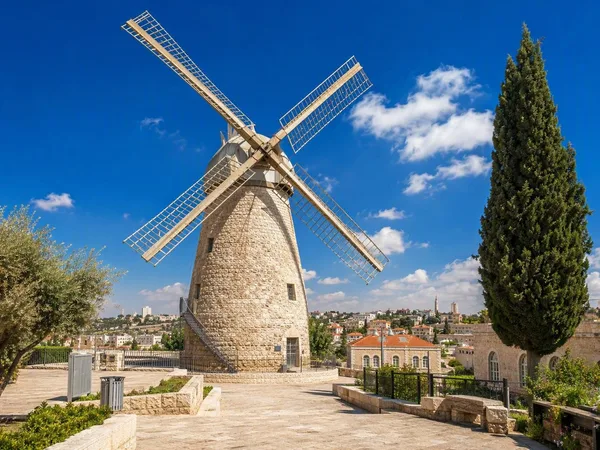
Montefiore Windmill
1 linked stories and routes
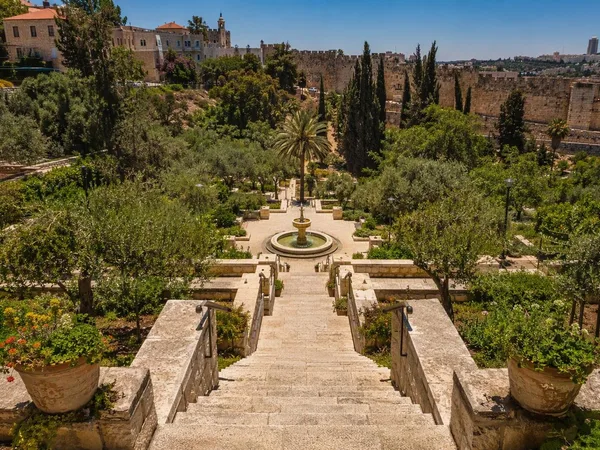
Abraham Gozlan Orchard
1 linked stories and routes
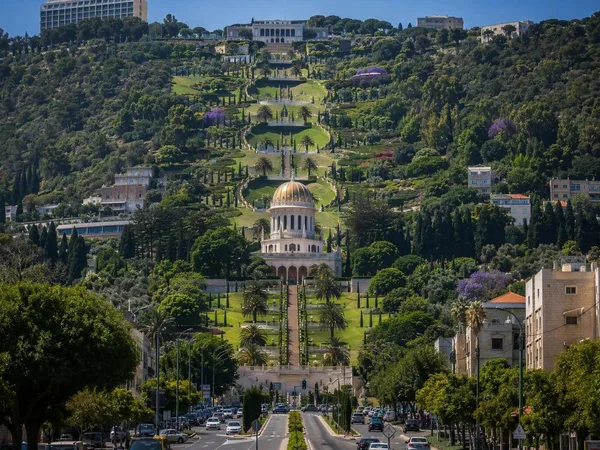
Haifa
1 linked stories and routes
Al-Birweh (Al-Birwa)
1 linked stories and routes
Galilee
1 linked stories and routes