
Region · Israel
Galilee
Galilee is the hilly northern region of Israel, stretching from the Mediterranean side towards the Jordan Valley and the Sea of Galilee. Its Upper and Lower Galilee landscapes combine historic towns, archaeological sites, religious landmarks and protected nature.
Get oriented
Galilee is a region, not a single town or attraction. Its boundaries vary by historical and geographical definition, but this guide covers the northern Israeli landscape commonly divided into Upper Galilee and Lower Galilee.
Upper Galilee is the higher, more rugged north, with narrow valleys and Mount Meron as its highest peak. Lower Galilee, around Nazareth and the Sea of Galilee, has lower hills, wider valleys and major historic sites. Build an itinerary around one area rather than treating the whole region as a day trip.
Choose the right base
- Nazareth: best for the Basilica of the Annunciation, Zippori and Lower Galilee’s archaeological landscape.
- Tiberias and the Sea of Galilee: practical for Capernaum, Tabgha, the Mount of Beatitudes and lakeside sites.
- Safed: a base for Upper Galilee, old synagogues, galleries and mountain roads.
A car makes the region substantially easier to explore. Roads cross hills and valleys rather than running in straight lines, so short distances can take longer than expected. Public transport connects the main towns, but is less useful for reserves, hilltop ruins and rural trailheads.
Major landscapes and sites
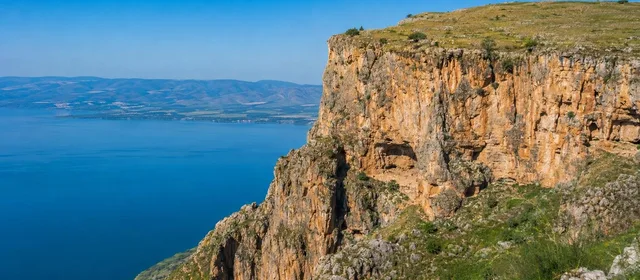
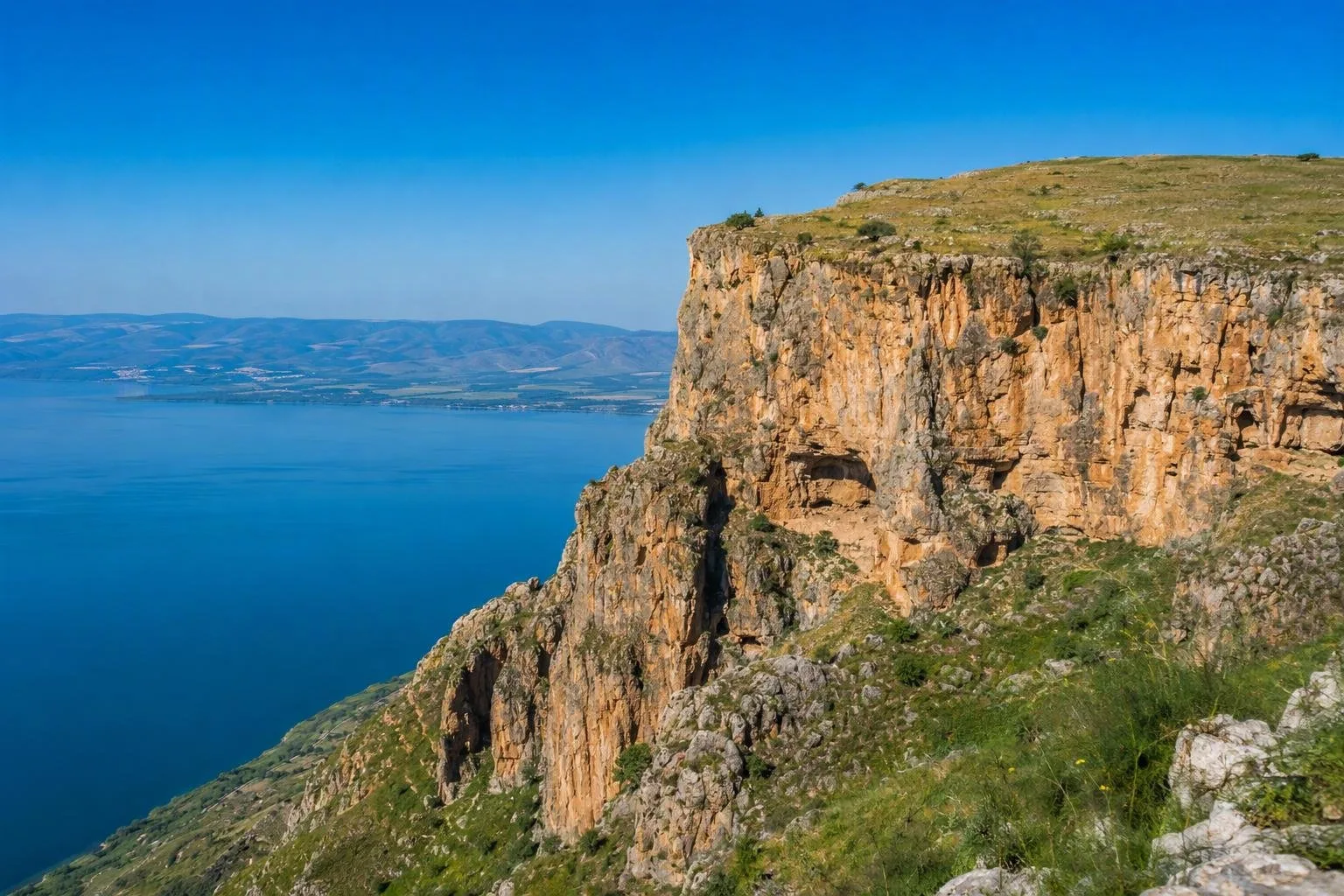
Mount Arbel is the sharpest introduction to eastern Lower Galilee: its limestone-and-dolomite cliff stands about 390 metres above the Sea of Galilee. The reserve combines wide lake views, marked walks, cliff caves and remains of an ancient settlement and synagogue. The cliff descent uses fixed aids and is for confident hikers; the lookout routes are the simpler option.
For urban history, visit Zippori National Park, a hilltop archaeological site with Roman-era streets, theatre remains and Byzantine mosaics. Safed is the historic centre of Jewish mysticism in Upper Galilee; walk its old lanes, synagogues and artists’ quarter rather than trying to cover it by car.
The Sea of Galilee is a freshwater lake in the Jordan Rift Valley. Its northwestern shore concentrates several Christian sites, while Tiberias provides the most developed lakeside base. Keep the lake itself distinct from the larger Galilee region: it is one important part of it, not another name for it.
History without shortcuts
Galilee has been a meeting ground for Jewish, Christian, Muslim and Druze heritage over many centuries. It is associated with the childhood and public ministry of Jesus, and after the destruction of the Second Temple became a major centre of Jewish scholarship. These histories sit in living towns and villages as well as in excavated sites; treat religious buildings and active places of worship with appropriate dress and quiet conduct.
Timing and access
Spring is the strongest season for green hills and walking. Summer is dry and can be hot, especially near the lake and lower valleys; start exposed walks early. Winter brings rain, cooler uplands and occasional trail closures. In reserves, stay on marked routes and take official warnings seriously: cliff and stream routes can close in wet weather. Opening times, reservations and access conditions vary by site.
From the magazine
Stories about Galilee
Editorial stories linked directly to Galilee.
No stories about Galilee have been published yet.
Routes from our editors
Travel through Galilee
Editorial routes connecting Galilee with other countries, cities and hotspots.
No routes through Galilee have been published yet.
More in Israel
Related hotspots
Other cities, nature areas and places within Israel.
Jerusalem
6 linked stories and routes
Qumran
1 linked stories and routes
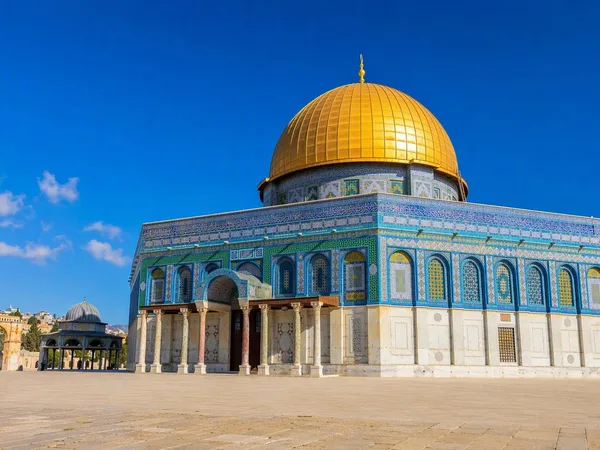
Temple Mount (Haram al-Sharif)
1 linked stories and routes
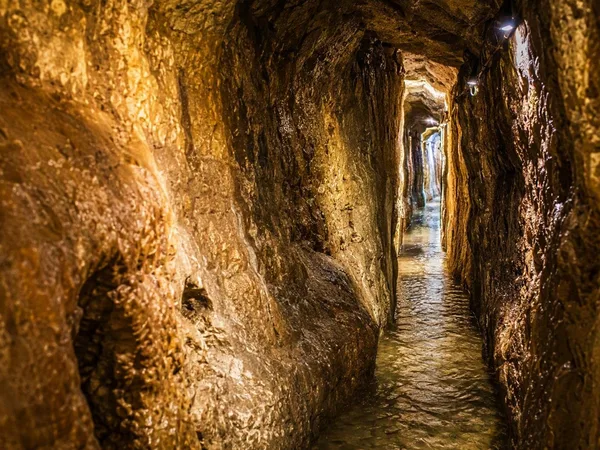
City of David
1 linked stories and routes
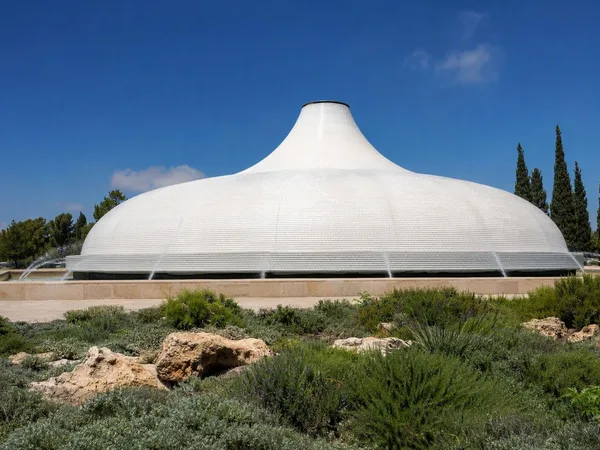
Givat Ram, Jerusalem
1 linked stories and routes
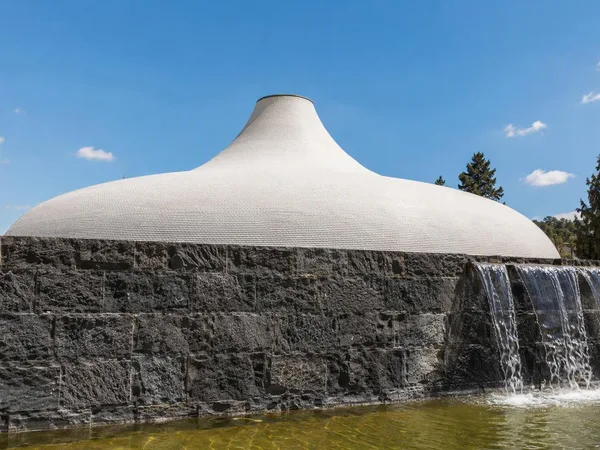
Israel Museum
1 linked stories and routes
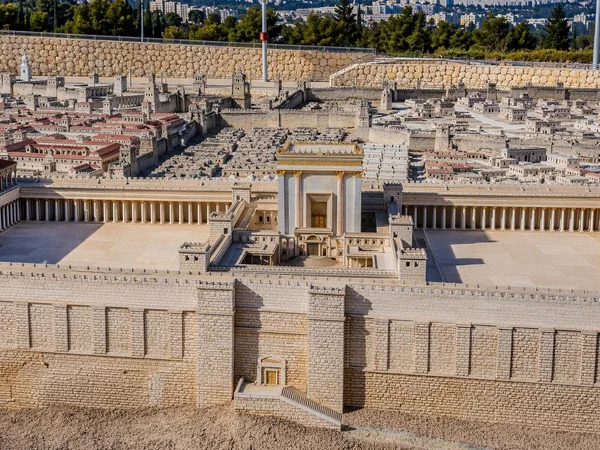
Second Temple Model
1 linked stories and routes
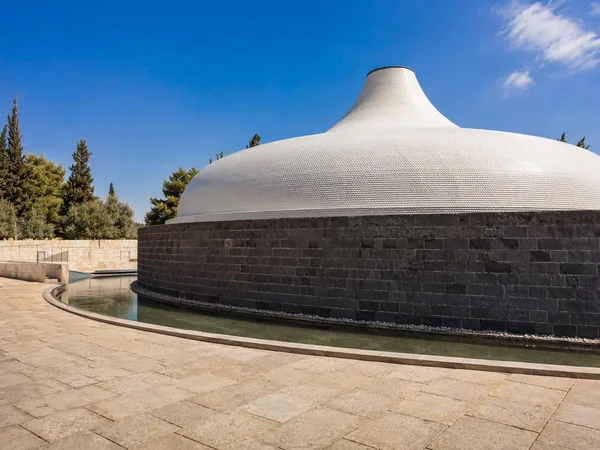
Shrine of the Book
1 linked stories and routes
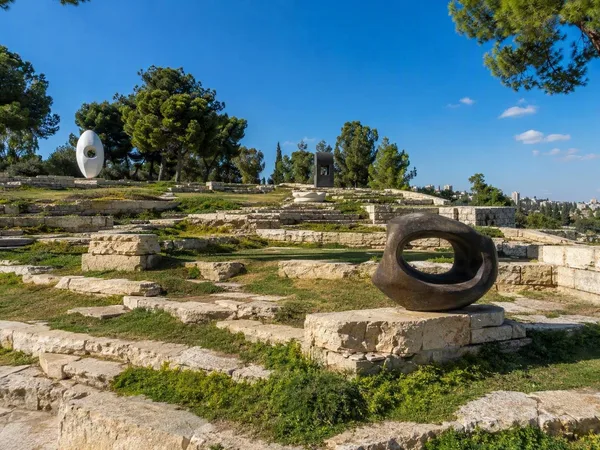
Billy Rose Art Garden
1 linked stories and routes
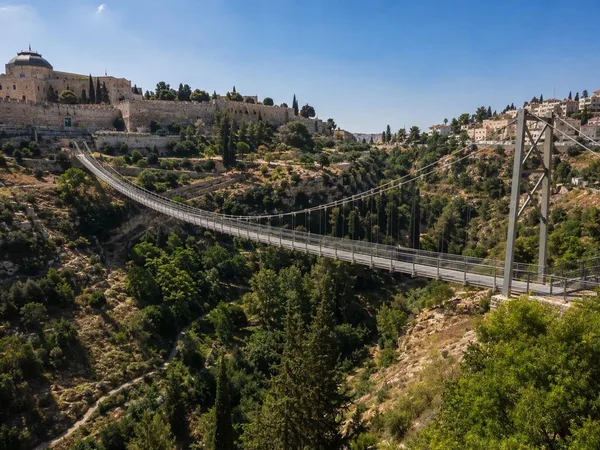
Hinnom Valley
1 linked stories and routes
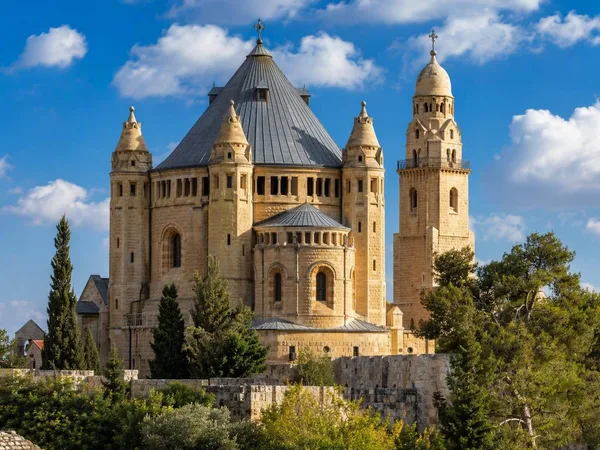
Mount Zion, Jerusalem
1 linked stories and routes
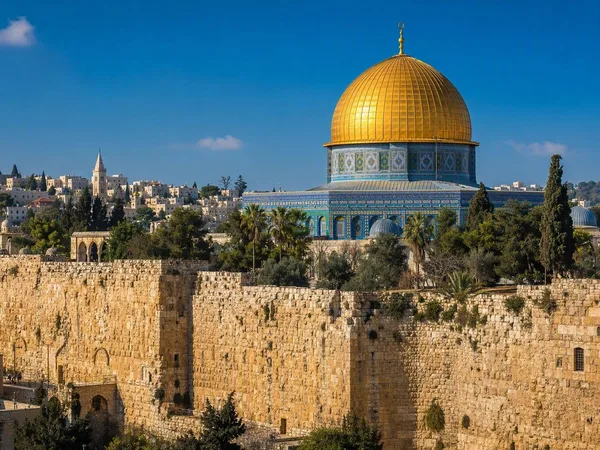
Jerusalem’s Old City
1 linked stories and routes
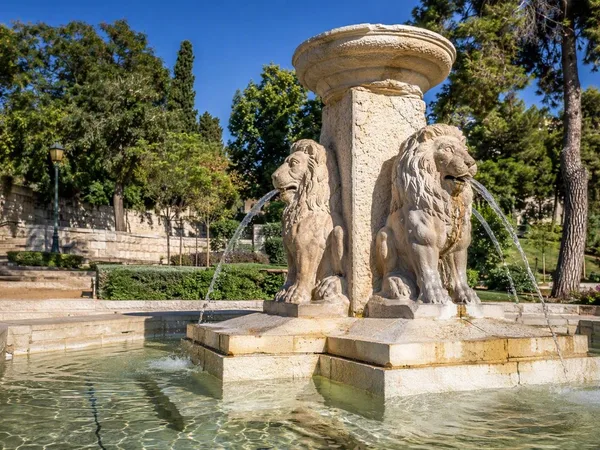
Bloomfield Garden
1 linked stories and routes
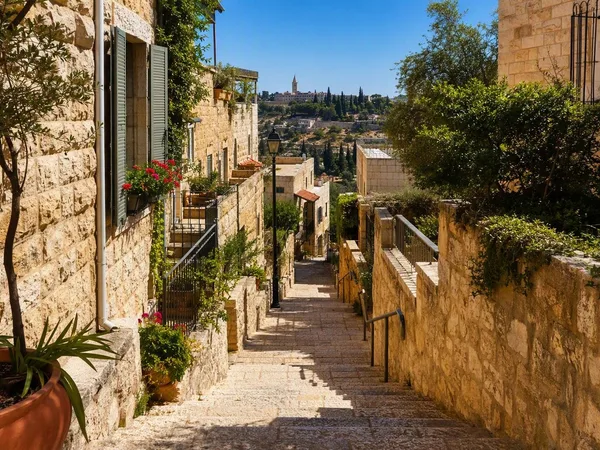
Yemin Moshe
1 linked stories and routes
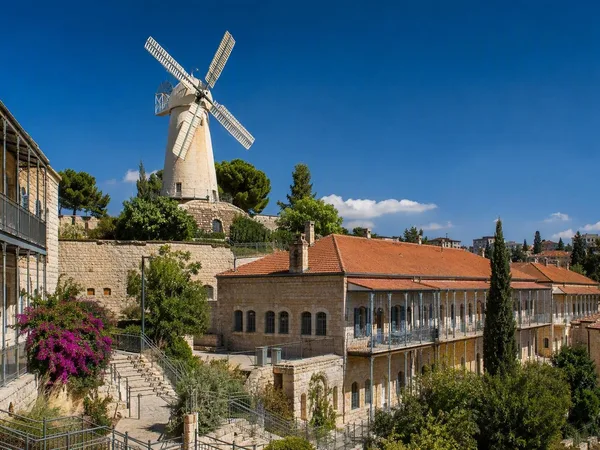
Mishkenot Sha’ananim, Jerusalem
1 linked stories and routes
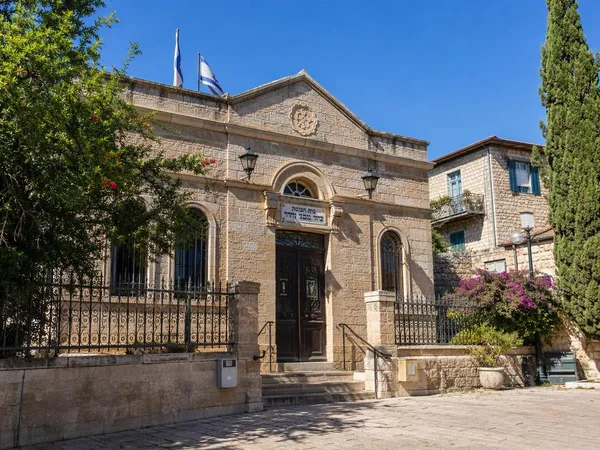
Great Sephardi Synagogue
1 linked stories and routes
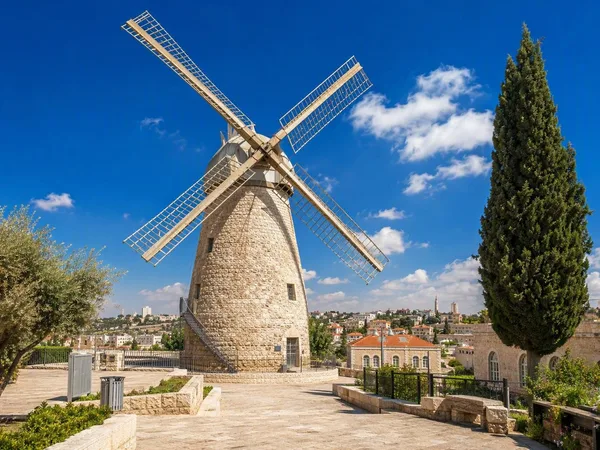
Montefiore Windmill
1 linked stories and routes
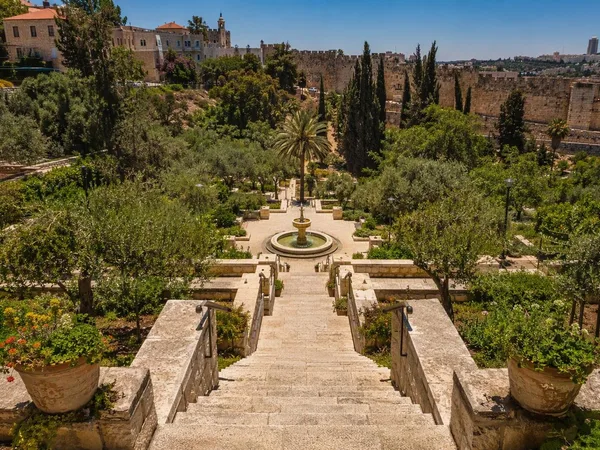
Abraham Gozlan Orchard
1 linked stories and routes
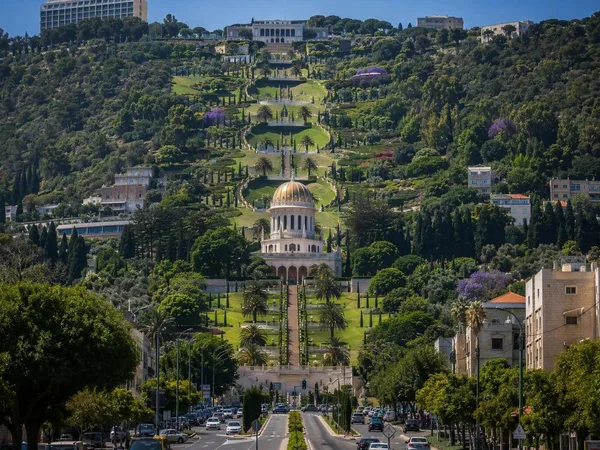
Haifa
1 linked stories and routes
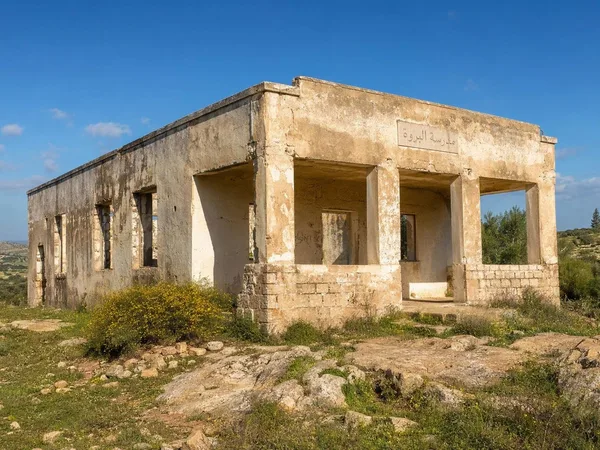
Al-Birweh (Al-Birwa)
1 linked stories and routes