
Nature area · United Kingdom
Queen Elizabeth Olympic Park
Queen Elizabeth Olympic Park is the 560-acre former London 2012 Olympic and Paralympic site in Stratford, east London. It combines public parkland and waterways with major sports venues, the ArcelorMittal Orbit and East Bank’s cultural buildings.
Orientation
This is a large, open urban park rather than a single attraction. The former Olympic site stretches across Stratford and the Lower Lea Valley, with the River Lea and other waterways dividing its parkland, paths and venues. Entry to the park is free and it is open daily; individual buildings, activities and events run separately.
Use the park map before setting out. A walk between the northern and southern ends takes longer than the compact central cluster of Olympic landmarks suggests.
Olympic landmarks and sport
The clearest starting point is the south of the park, where several London 2012 structures remain in everyday use.
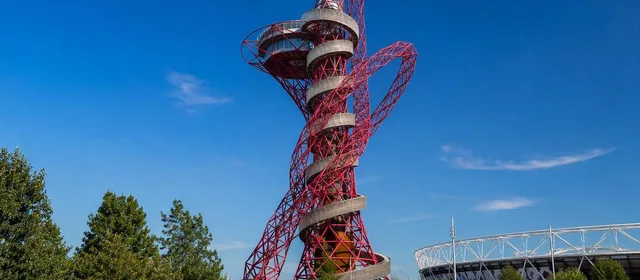
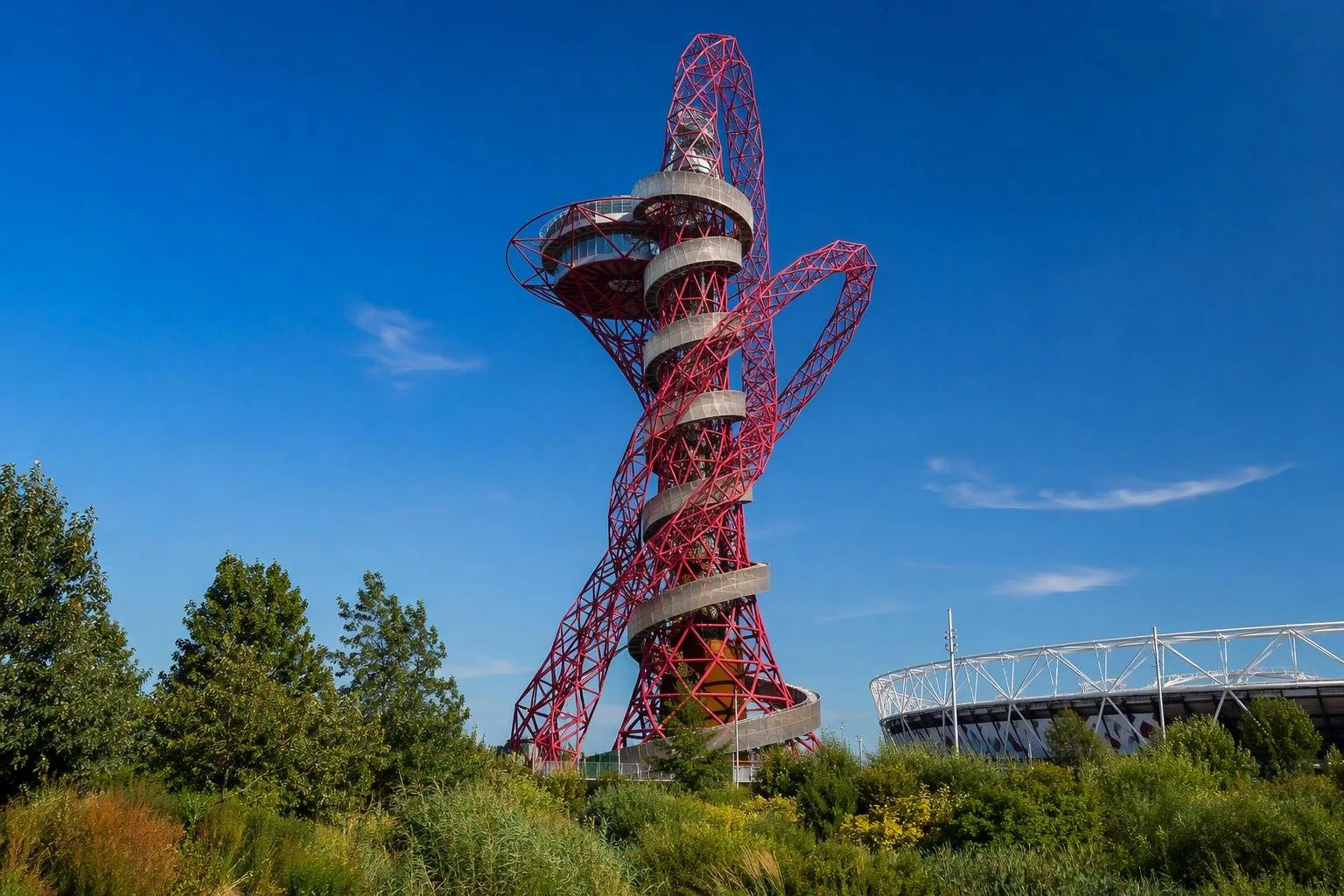
- ArcelorMittal Orbit: Anish Kapoor and Cecil Balmond’s looping red tower is the park’s defining landmark. Its viewing levels and the Helix slide are paid attractions with their own operating hours and entry conditions.
- London Stadium: The former Olympic Stadium hosts football, athletics, concerts and other large events. Tours and event tickets are separate from park access.
- London Aquatics Centre: The Olympic swimming and diving venue is now a public leisure centre with two 50-metre pools and a diving pool.
- Copper Box Arena and Lee Valley VeloPark: These retain the active sporting character of the site; bookable sessions and spectator events vary by venue.
Parkland, water and culture
Leave time for the landscape between the venues. Riverside paths, bridges, gardens, lawns and playgrounds make the park workable as a walk even without a ticket. The northern parkland around Timber Lodge and Tumbling Bay Playground is the quieter counterweight to the stadium district.
East Bank at Stratford Waterfront adds cultural institutions and performance spaces to the southern edge. Treat these as separate visits: exhibition, performance and venue access depend on the programme.
Getting in and around
Choose your station by the part of the park you want to reach. Stratford is best for the southern entrance, Aquatics Centre and Westfield side; it is served by the Central, Jubilee and Elizabeth lines, DLR, London Overground and National Rail. Stratford International serves the eastern side, while Hackney Wick is useful for the north-west and canalside approach. Pudding Mill Lane is closest to the south-east.
Buses 388, 308, 339 and 108 serve stops in or beside the park. General parking is limited; venue car parks are for venue users, so public transport is usually the straightforward option.
Access and event-day practicalities
Much of the park has step-free routes, firm surfaces, regular seating, accessible toilets and Blue Badge parking at venues. A mobility service operates within the park for visitors with mobility needs; arrange this in advance if required.
On West Ham home-match days and during major events, roads and paths around London Stadium can close and transport is markedly busier. Riverside paths, particularly in the north, can flood after heavy rain. Follow closure signs and do not use paths beside high water.
From the magazine
Stories about Queen Elizabeth Olympic Park
Editorial stories linked directly to Queen Elizabeth Olympic Park.
No stories about Queen Elizabeth Olympic Park have been published yet.
Routes from our editors
Travel through Queen Elizabeth Olympic Park
Editorial routes connecting Queen Elizabeth Olympic Park with other countries, cities and hotspots.
No routes through Queen Elizabeth Olympic Park have been published yet.
More in United Kingdom
Related hotspots
Other cities, nature areas and places within United Kingdom.
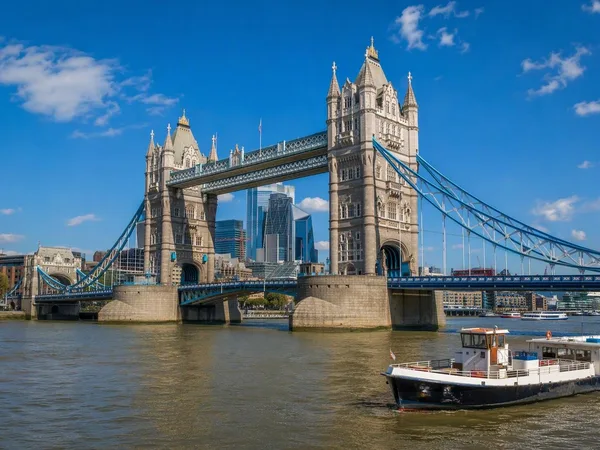
London
4 linked stories and routes
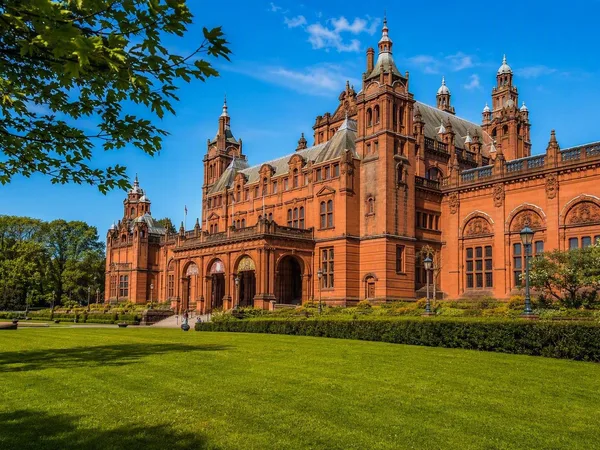
Glasgow
2 linked stories and routes
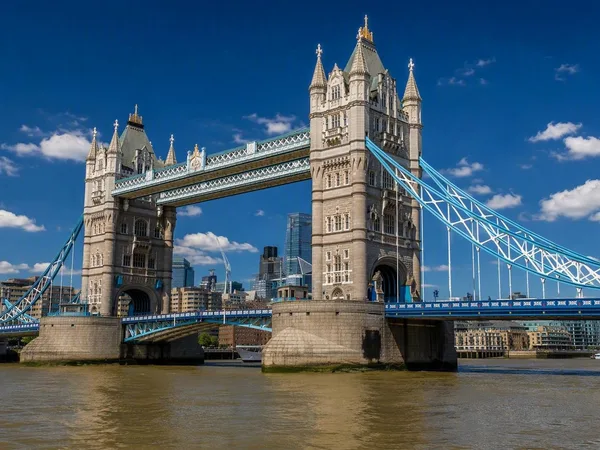
Tower Bridge
2 linked stories and routes
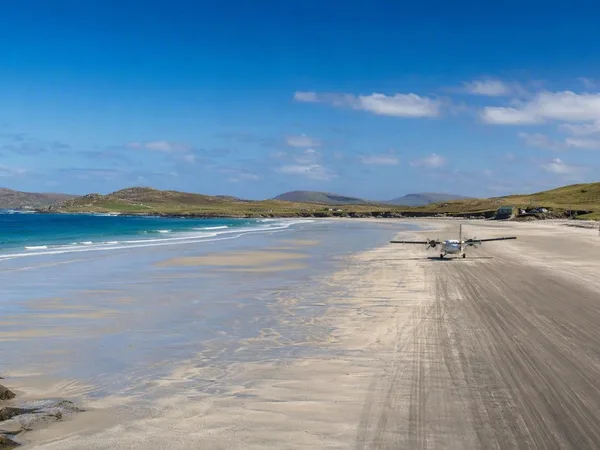
Outer Hebrides
1 linked stories and routes
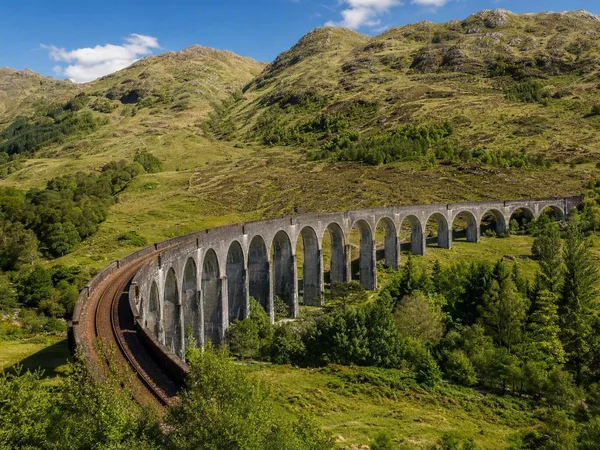
West Highland Line
1 linked stories and routes
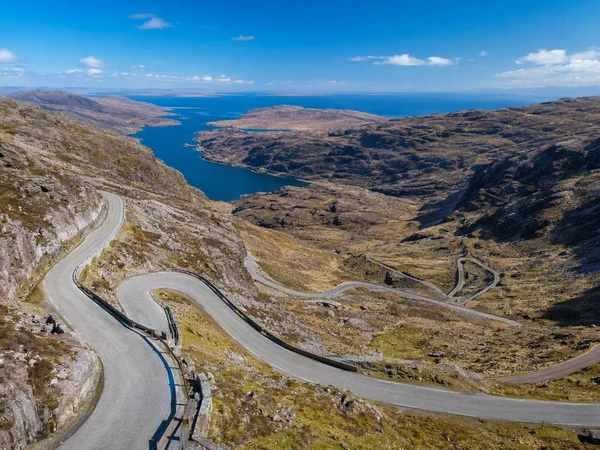
North Coast 500
1 linked stories and routes
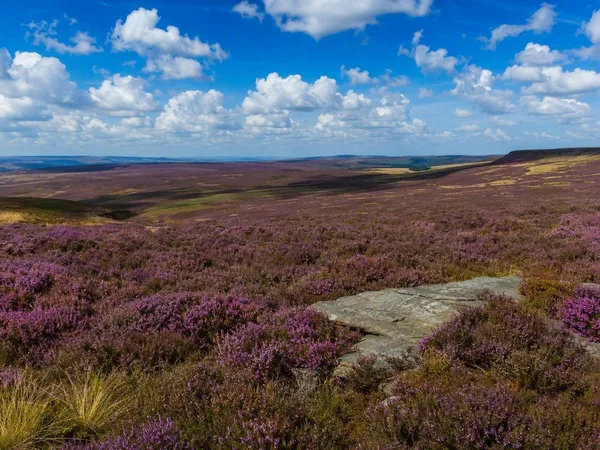
North York Moors National Park
1 linked stories and routes
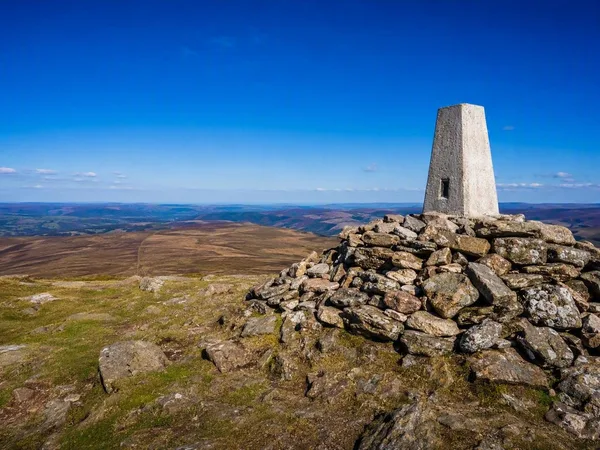
Exmoor National Park
1 linked stories and routes
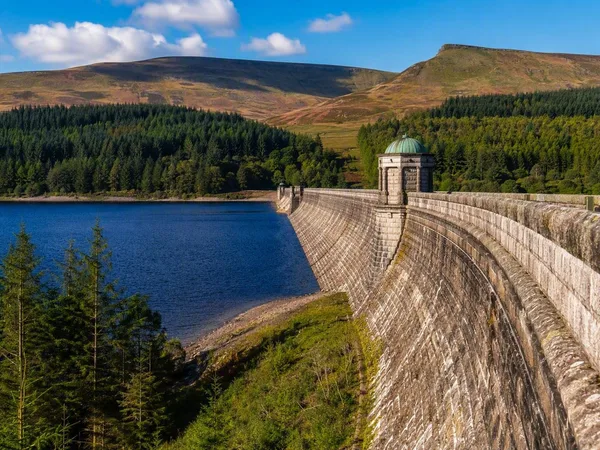
Bannau Brycheiniog National Park (Brecon Beacons)
1 linked stories and routes
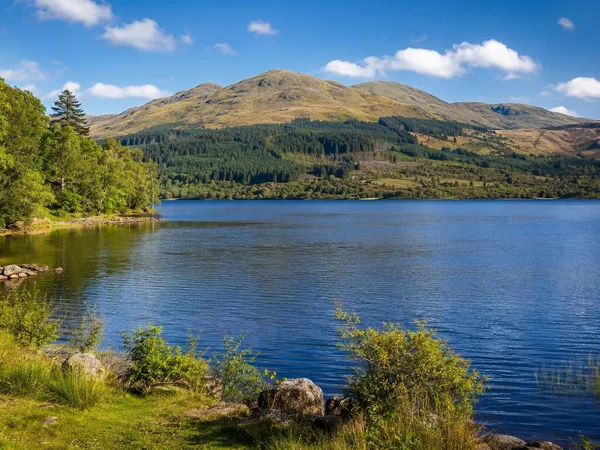
Galloway, Scotland
1 linked stories and routes
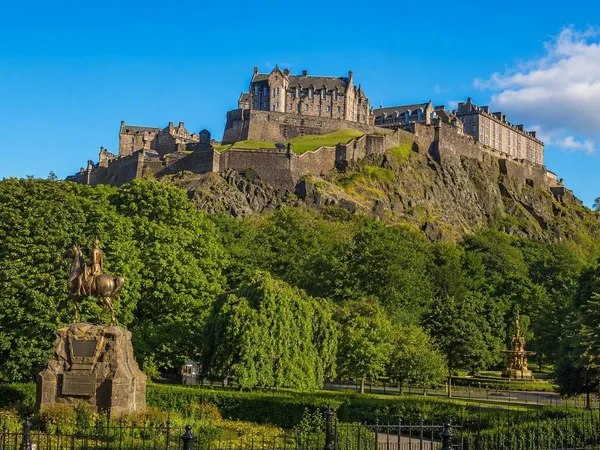
Edinburgh
1 linked stories and routes
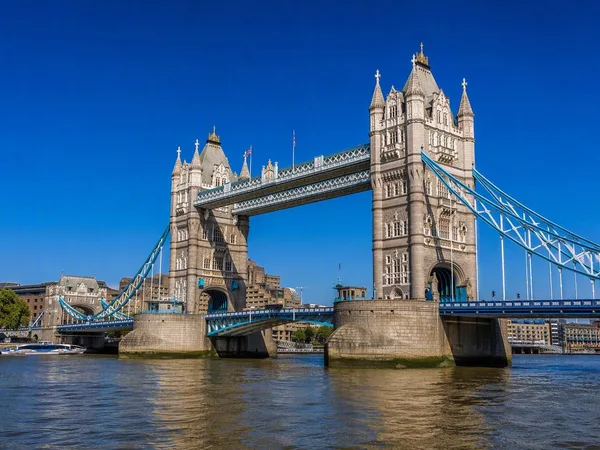
Thames
1 linked stories and routes
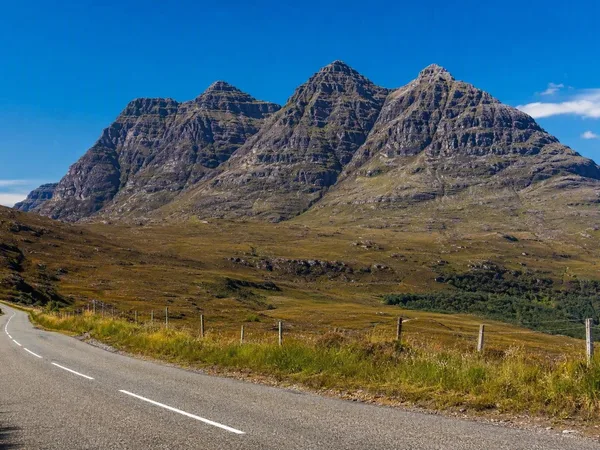
Wester Ross
1 linked stories and routes
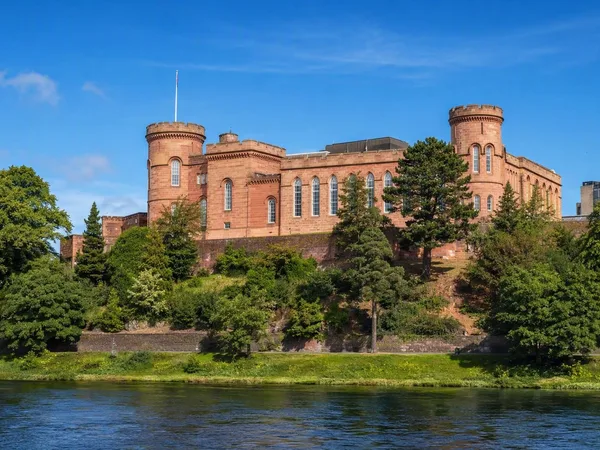
Inverness
1 linked stories and routes
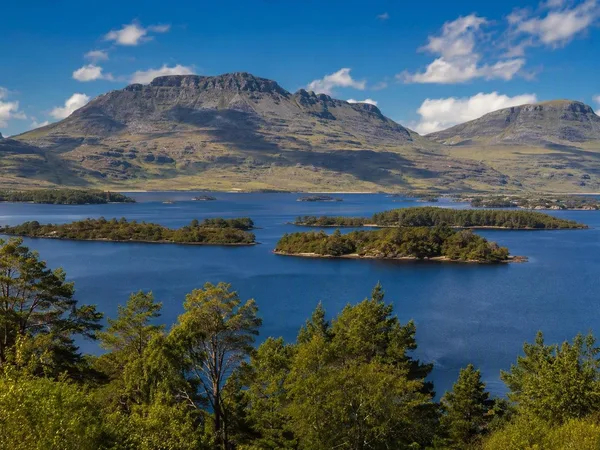
Loch Maree
1 linked stories and routes
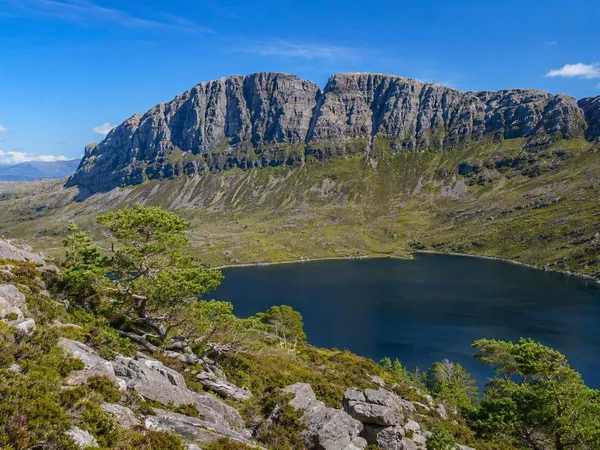
Beinn Eighe
1 linked stories and routes
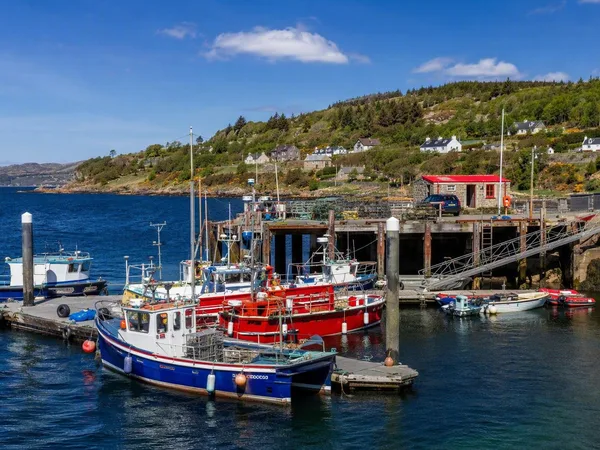
Gairloch
1 linked stories and routes
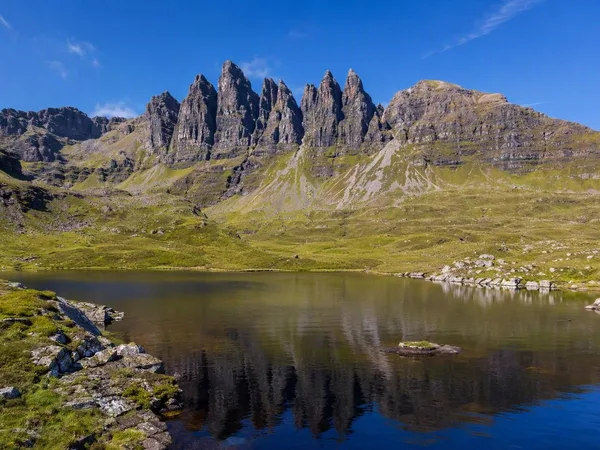
An Teallach
1 linked stories and routes
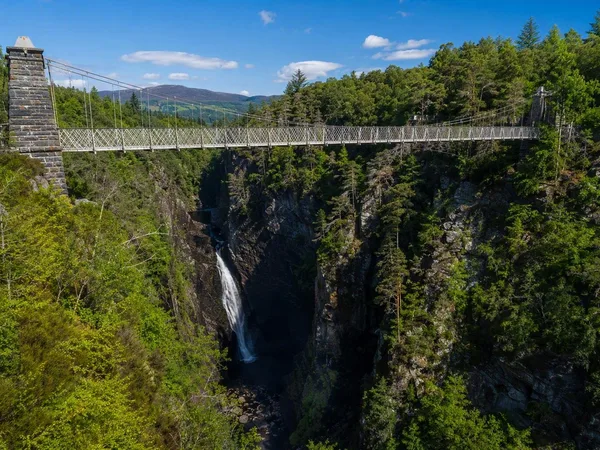
Corrieshalloch Gorge
1 linked stories and routes
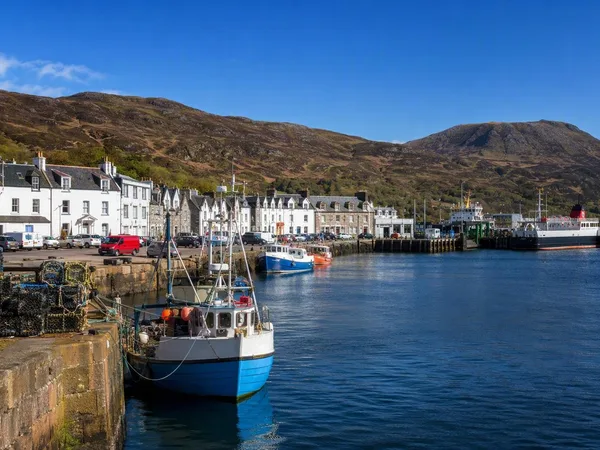
Ullapool
1 linked stories and routes
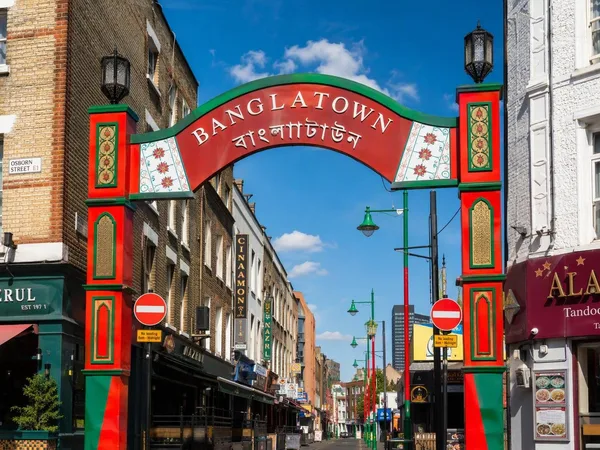
Banglatown, London
1 linked stories and routes
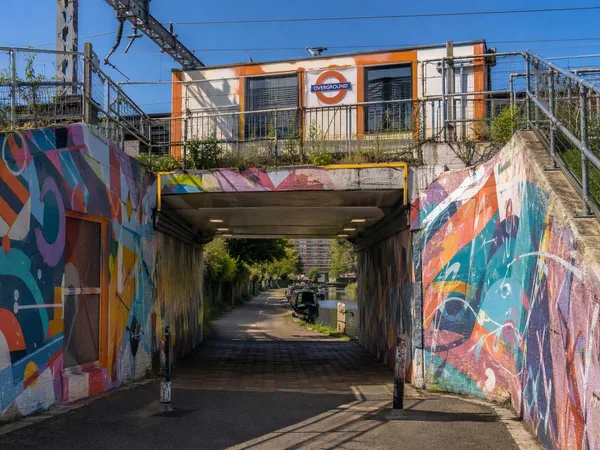
Hackney Wick
1 linked stories and routes
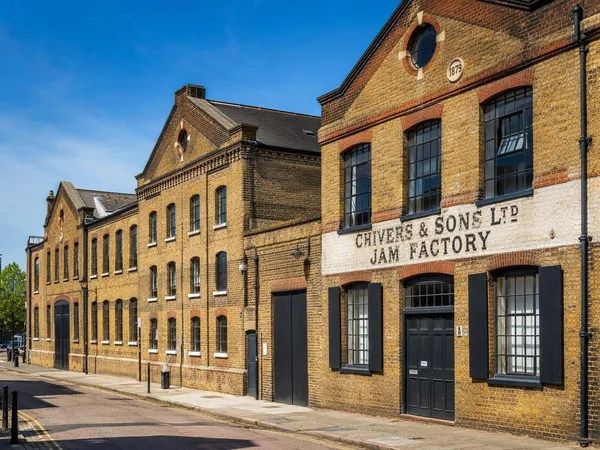
Fish Island
1 linked stories and routes
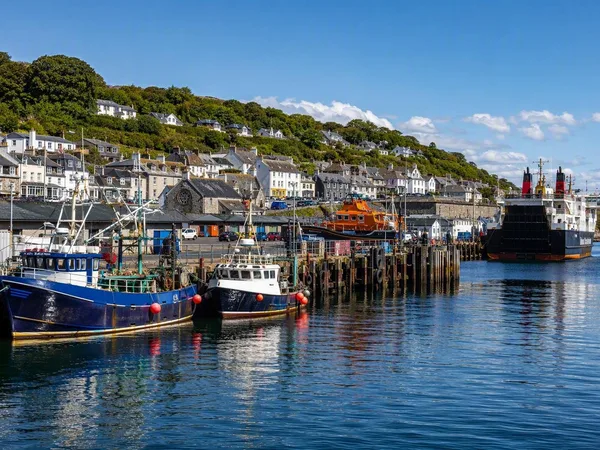
Mallaig
0 linked stories and routes