
City · United Kingdom
London
London is the United Kingdom’s capital on the River Thames, combining state landmarks, major museums and distinct neighbourhoods across a vast, walkable-and-rail-connected city.
Start with the river and the centre
The Thames is London’s clearest orientation line. Westminster, the South Bank, the City and Tower Bridge make a strong first route, linking parliament, museums, theatres and river views without treating the city as one compact centre.
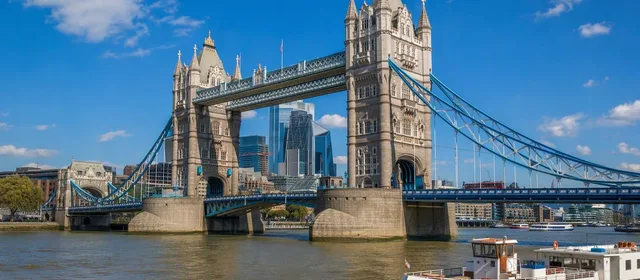
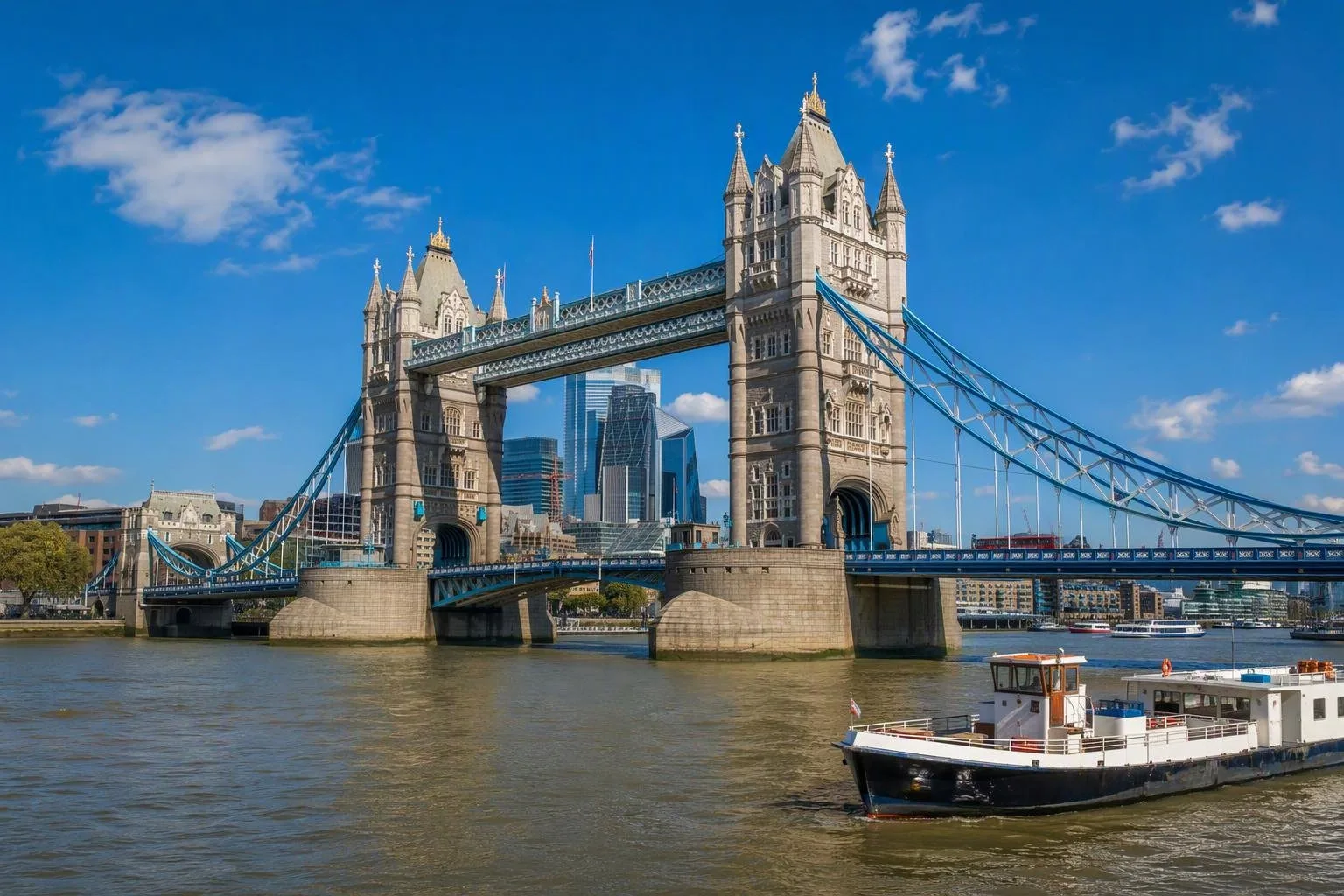
For the classic civic core, begin around Westminster: the Palace of Westminster, Westminster Abbey and St Margaret’s Church form a World Heritage Site. East along the river, the Tower of London and Tower Bridge mark the historic eastern edge of central sightseeing.
Choose neighbourhoods, not a checklist
London rewards concentrating on one or two adjoining areas per day. The Underground makes long cross-city trips easy, but frequent changes consume time.
- Westminster and South Bank: major landmarks, galleries, theatres and riverside walking.
- The City and Spitalfields: medieval street patterns, the Tower area and former market streets.
- Shoreditch and Brick Lane: street art, independent shops, markets and East London food culture.
- Greenwich: maritime history, parkland and the Prime Meridian; reach it by rail, DLR or river service.
Brick Lane and nearby Spitalfields deserve time beyond a quick meal. Their streets carry layers of Huguenot silk weaving, Jewish garment trade and Bangladeshi settlement. Bengali cafés, groceries and sweet shops remain part of everyday local life; treat them as working neighbourhood businesses, not a themed attraction.
Museums, history and culture
Use London’s major institutions to anchor a day, then explore the streets around them. In the historic core, the Tower of London is a fortress complex built around the White Tower, while Westminster’s Gothic buildings place monarchy and parliament side by side.
For a less formal programme, pair a market or neighbourhood walk with a museum, gallery or performance. Central London concentrates prominent sights, but places such as Shoreditch, Greenwich, Camden and Kensington work better as separate districts than as detours squeezed between landmarks.
Getting around
The Tube, buses, DLR, London Overground, Elizabeth line and river services form one practical network. Contactless bank cards, mobile payment and Oyster work pay-as-you-go across most services; use the same card or device to touch in and out on rail journeys. On buses, touch in only.
Walk between nearby sights: Westminster to the South Bank or the Tower area to Spitalfields is more revealing on foot than underground. For longer distances, plan by station rather than borough; London’s neighbourhood names cover large areas. Step-free access varies by station, so use the network accessibility map when it matters.
Timing and useful habits
Book timed entry for major paid sights when your schedule depends on them. Markets, shops, religious buildings and small venues keep their own hours, while Sunday can reshape streets and trading patterns around Brick Lane.
Stand on the right of escalators, let passengers leave trains before boarding, and keep your payment card ready at barriers. London is busy, but a focused daily area, a realistic walking route and public transport between districts make it manageable.
From the magazine
Stories about London
Editorial stories linked directly to London.
No stories about London have been published yet.
Routes from our editors
Travel through London
Editorial routes connecting London with other countries, cities and hotspots.
No routes through London have been published yet.
More in United Kingdom
Related hotspots
Other cities, nature areas and places within United Kingdom.
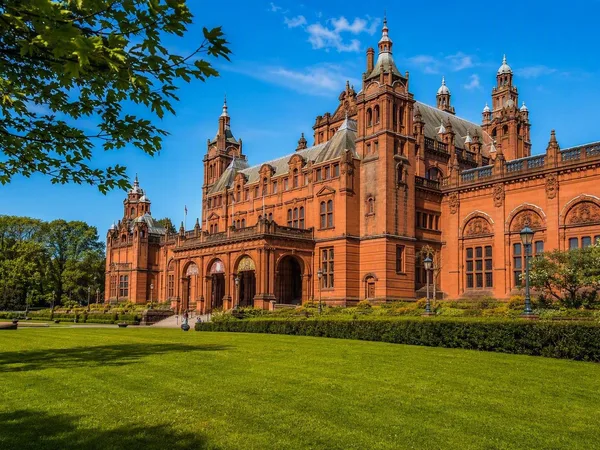
Glasgow
2 linked stories and routes
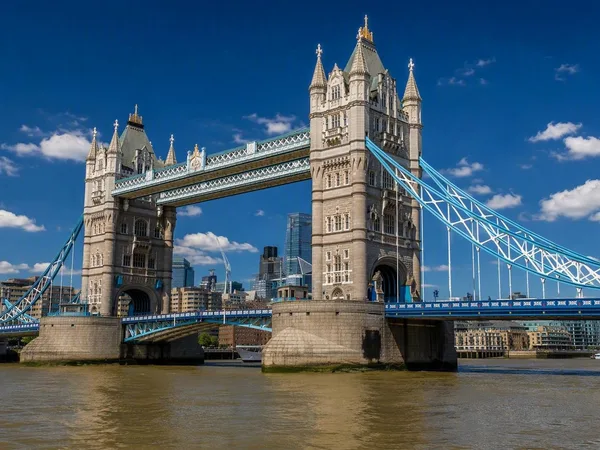
Tower Bridge
2 linked stories and routes
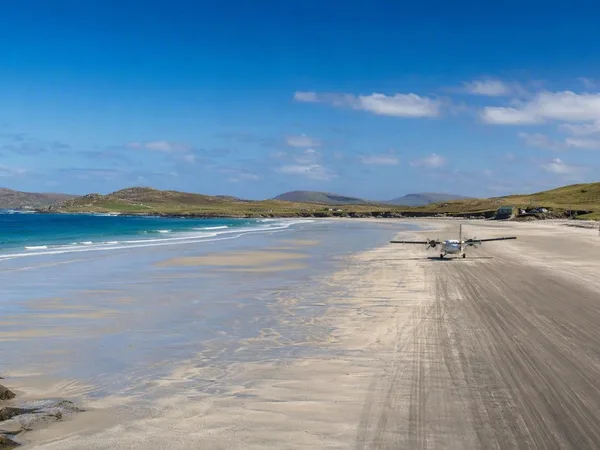
Outer Hebrides
1 linked stories and routes
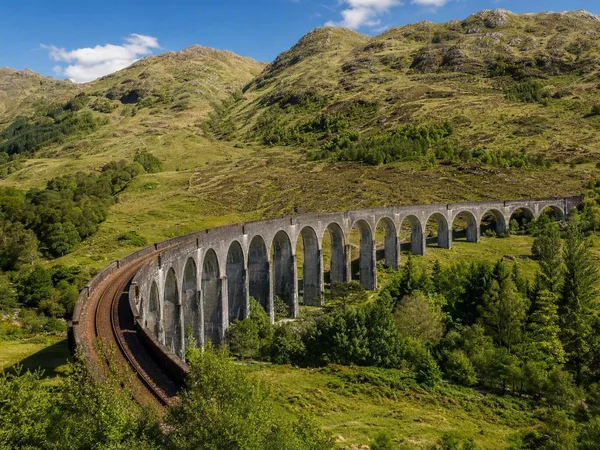
West Highland Line
1 linked stories and routes
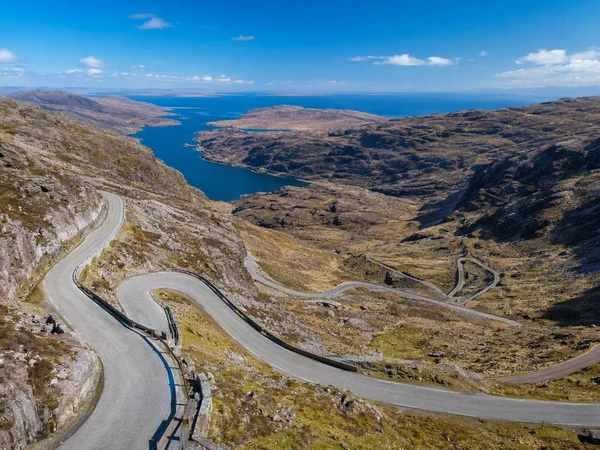
North Coast 500
1 linked stories and routes
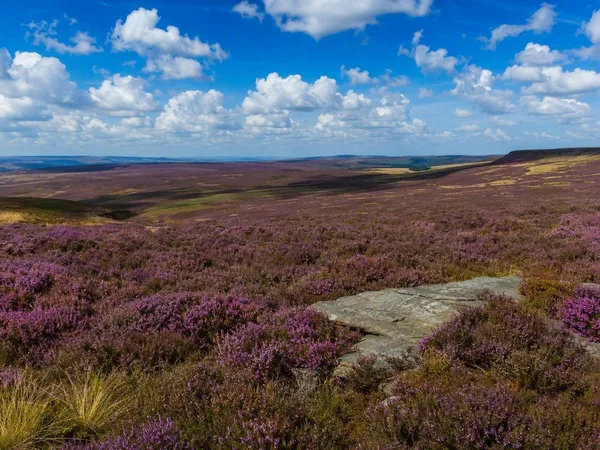
North York Moors National Park
1 linked stories and routes
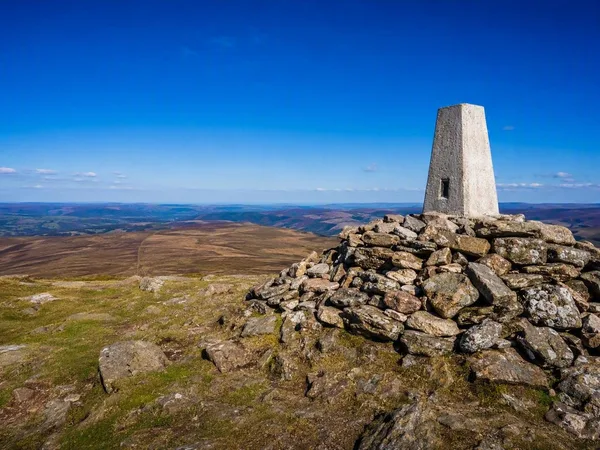
Exmoor National Park
1 linked stories and routes
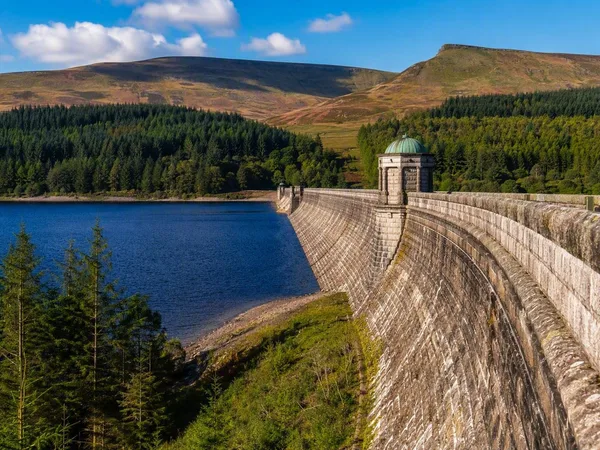
Bannau Brycheiniog National Park (Brecon Beacons)
1 linked stories and routes
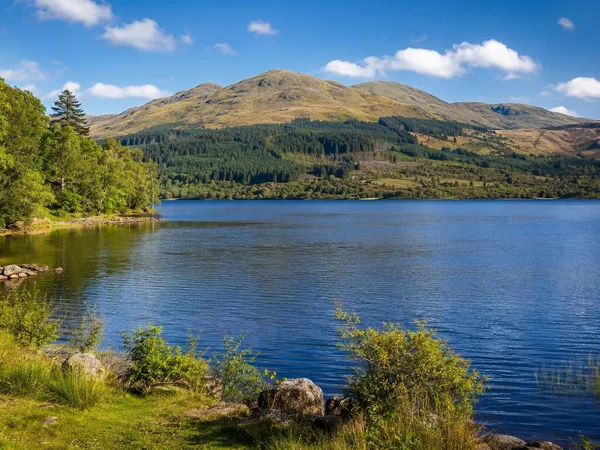
Galloway, Scotland
1 linked stories and routes
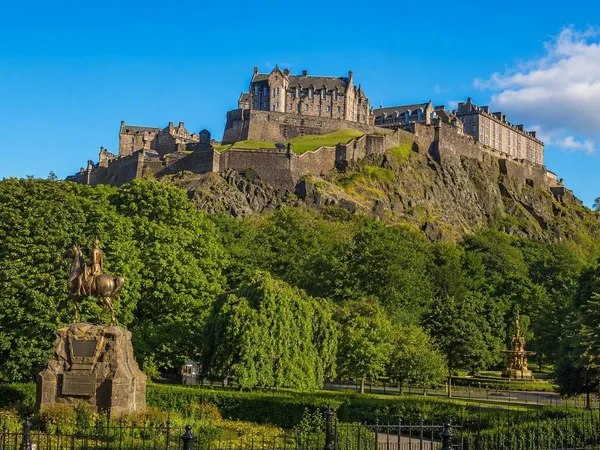
Edinburgh
1 linked stories and routes
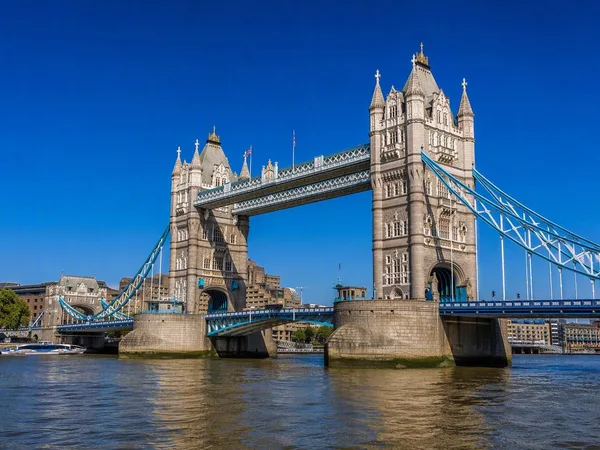
Thames
1 linked stories and routes
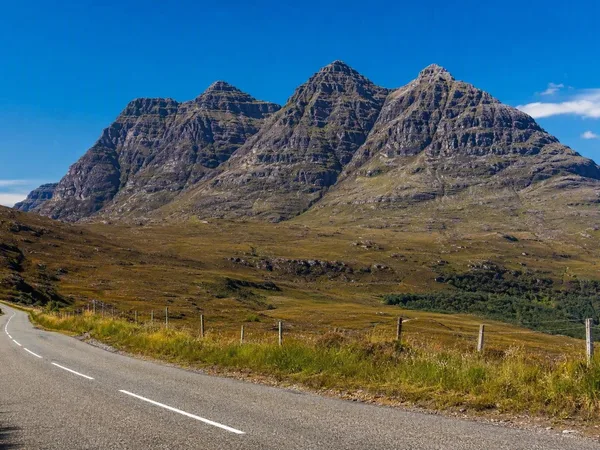
Wester Ross
1 linked stories and routes
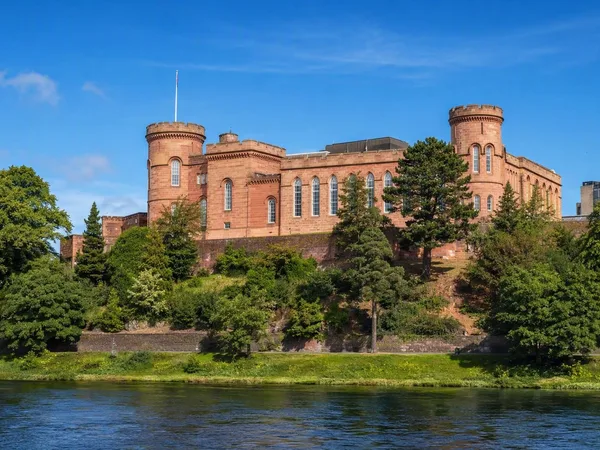
Inverness
1 linked stories and routes
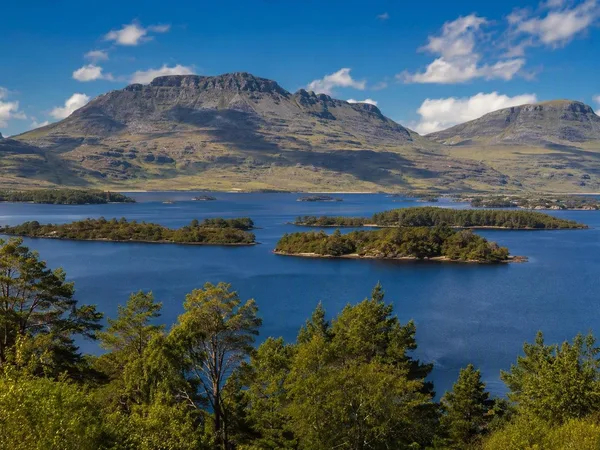
Loch Maree
1 linked stories and routes
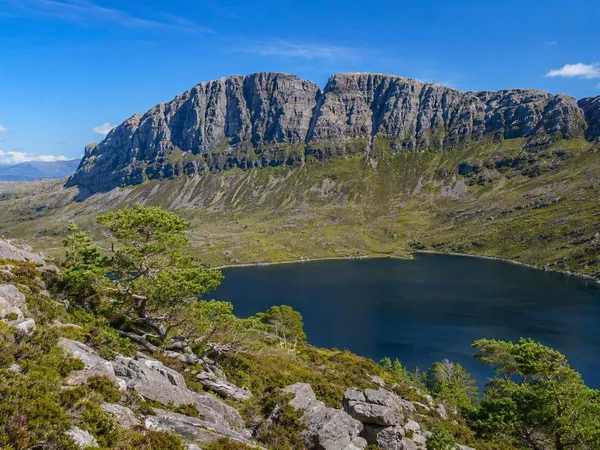
Beinn Eighe
1 linked stories and routes
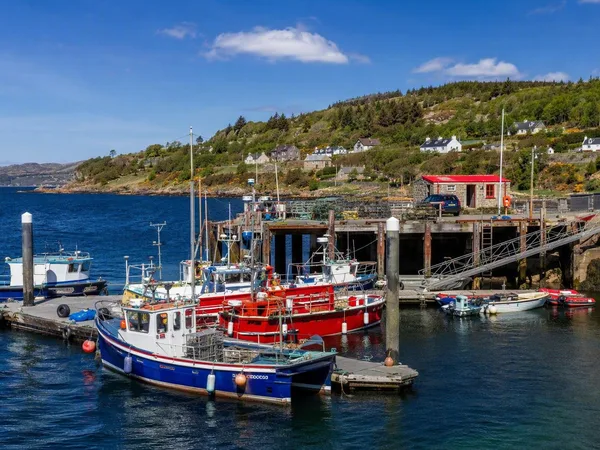
Gairloch
1 linked stories and routes
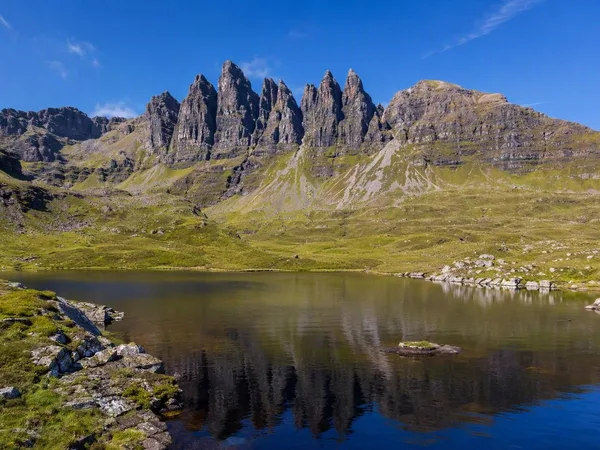
An Teallach
1 linked stories and routes
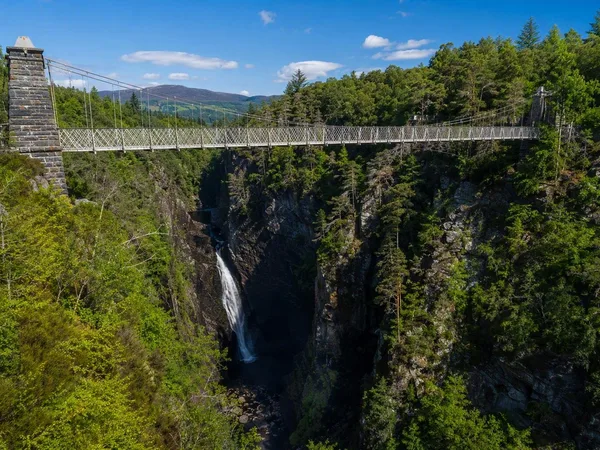
Corrieshalloch Gorge
1 linked stories and routes
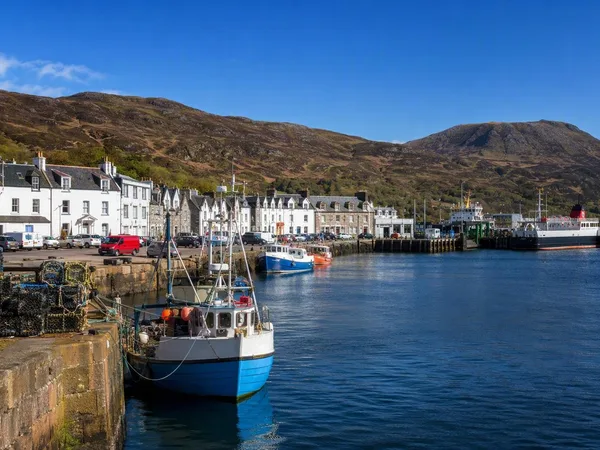
Ullapool
1 linked stories and routes
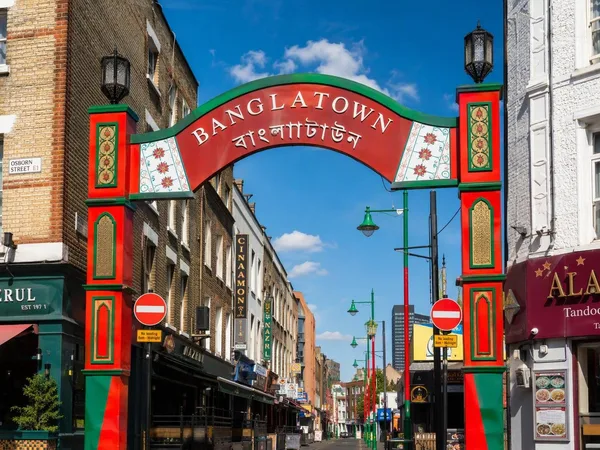
Banglatown, London
1 linked stories and routes
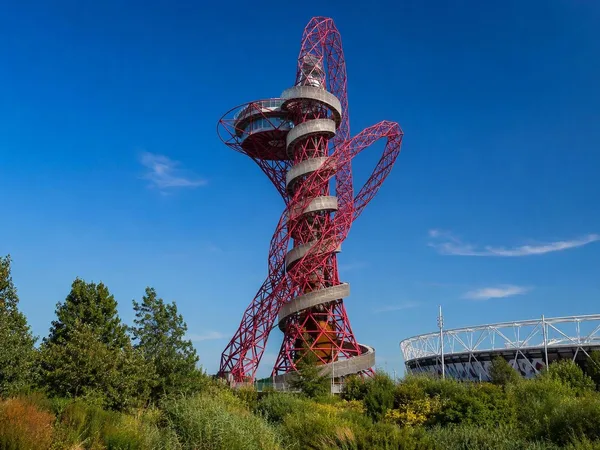
Queen Elizabeth Olympic Park
1 linked stories and routes
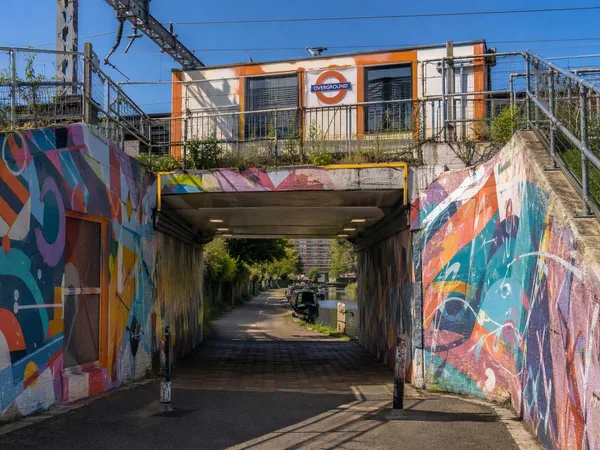
Hackney Wick
1 linked stories and routes
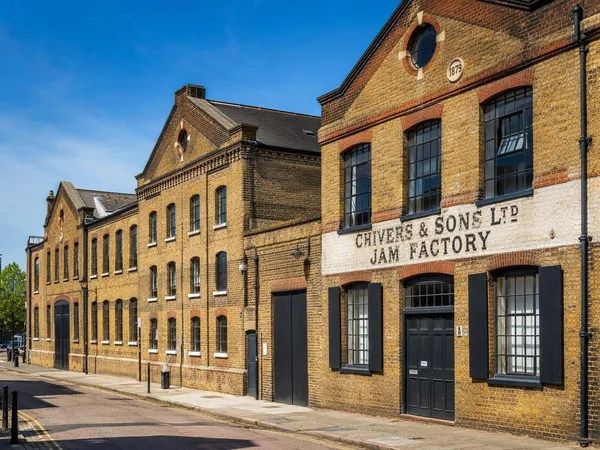
Fish Island
1 linked stories and routes
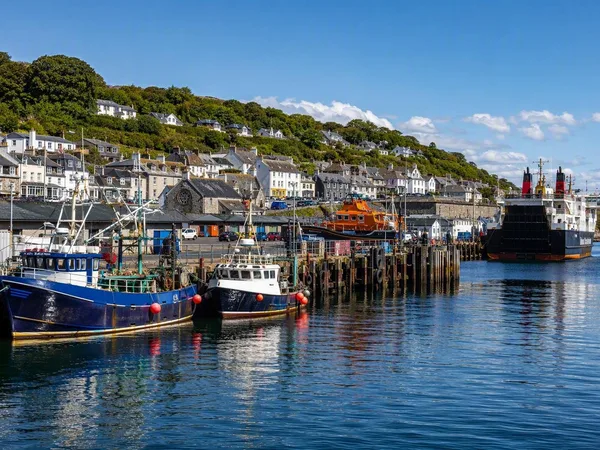
Mallaig
0 linked stories and routes