
Neighbourhood · United Kingdom
Banglatown, London
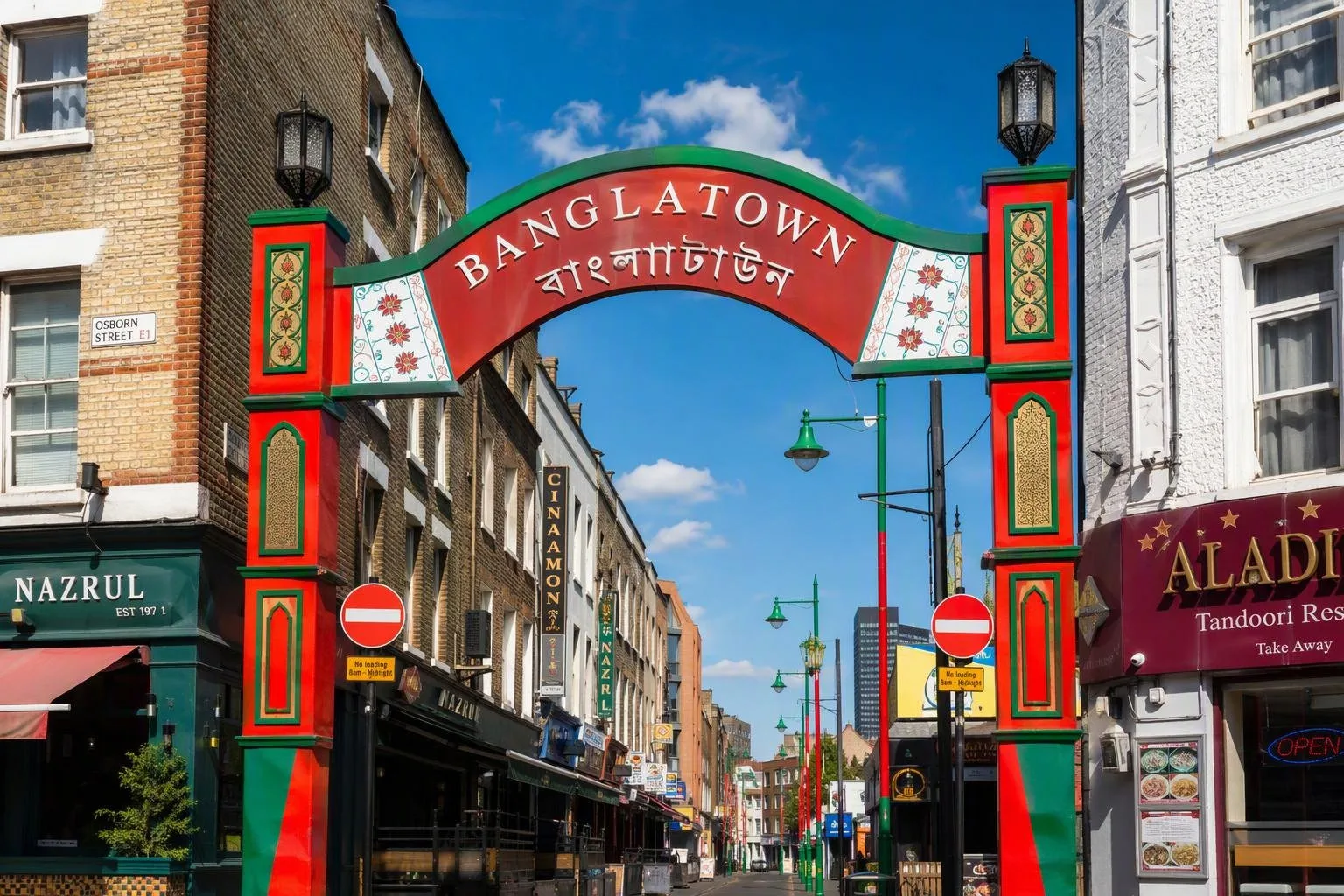
Banglatown is the Bangladeshi cultural and restaurant quarter on the southern stretch of Brick Lane in Spitalfields, East London. Its Bengali signage, flag-coloured street furniture and food businesses make a compact but consequential part of the East End visible.
Find the quarter
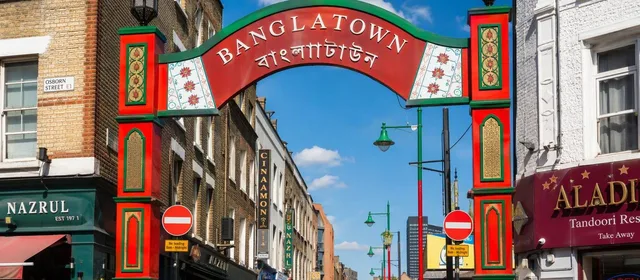
Banglatown is not all of Brick Lane. It is the southern, restaurant-led section, running north from the red-and-green gateway near Osborn Street towards the Truman Brewery. The arch, Bengali-and-English street signs and green-and-red lamp columns provide the clearest markers.
The name was formally applied in 1997, recognising a district shaped by Bangladeshi migration, particularly from Sylhet. It remains a working neighbourhood as well as a visitor street; treat the signage and businesses as a living community infrastructure, not themed décor.
Read the street
Walk north from the Banglatown Arch, pausing at the bilingual plaques above street names. Brick Lane changes quickly: the southern blocks hold curry houses, cafés and South Asian groceries, while vintage shops, coffee counters and market activity become more prominent nearer the brewery.
At the corner of Fournier Street, Brick Lane Jamme Masjid condenses the area's longer migration history. Built as a Huguenot chapel in 1743–44, it later became a synagogue and has served as a mosque since 1976. Its minaret is an unmistakable local landmark.
Eat with some precision
Banglatown's classic restaurant trade developed around Anglo-Bangla curry menus, but look beyond the familiar British curry-house standards for Sylheti and Bengali cooking. Useful menu words include:
- Bhorta: a pungent mashed preparation, often made with vegetables or fish.
- Shatkora: a bitter aromatic citrus from Sylhet, commonly paired with meat.
- Fish dishes: a central part of Bengali cooking, often with mustard, chilli or sour notes.
- Biryani and rice: better indicators of the kitchen's regional range than a generic curry alone.
Grocers and sweet shops are as relevant as restaurants. They are the practical food backbone of the quarter and a good place to see the ingredients behind the menus.
Markets and the changing street
Brick Lane's weekend markets pull in a different rhythm: stalls, vintage retail and street food crowd the northern and central stretches. Sunday is best for market browsing but also the busiest time; choose a weekday if the aim is to study the quarter's architecture, signs and food businesses at a slower pace.
The restaurant cluster has contracted substantially from its mid-2000s peak, while new food and retail uses have filled former premises. That contrast is central to Banglatown: do not expect a sealed-off heritage district.
Getting there and moving around
Start at Aldgate East for the shortest approach to the southern gateway; Whitechapel and Liverpool Street are also walkable. The core is compact and best covered on foot, from the arch to Fournier Street and north along Brick Lane.
Keep pavement space clear around shop entrances and do not photograph inside mosques or businesses without permission. If visiting Brick Lane Jamme Masjid, dress and behave appropriately for an active place of worship.
From the magazine
Stories about Banglatown, London
Editorial stories linked directly to Banglatown, London.
No stories about Banglatown, London have been published yet.
Routes from our editors
Travel through Banglatown, London
Editorial routes connecting Banglatown, London with other countries, cities and hotspots.
No routes through Banglatown, London have been published yet.
More in United Kingdom
Related hotspots
Other cities, nature areas and places within United Kingdom.
London
4 linked stories and routes
Glasgow
2 linked stories and routes
Tower Bridge
2 linked stories and routes
Outer Hebrides
1 linked stories and routes
West Highland Line
1 linked stories and routes
North Coast 500
1 linked stories and routes
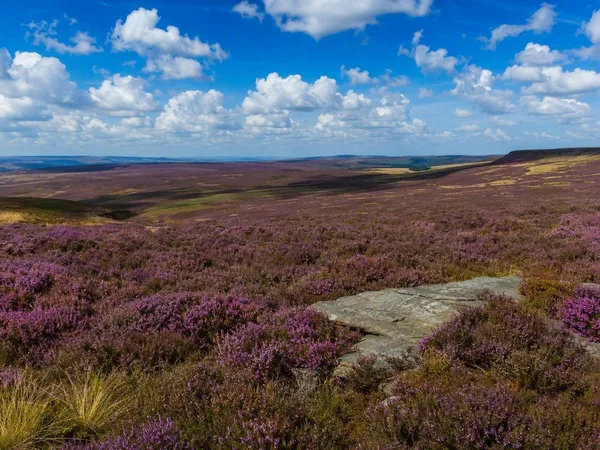
North York Moors National Park
1 linked stories and routes
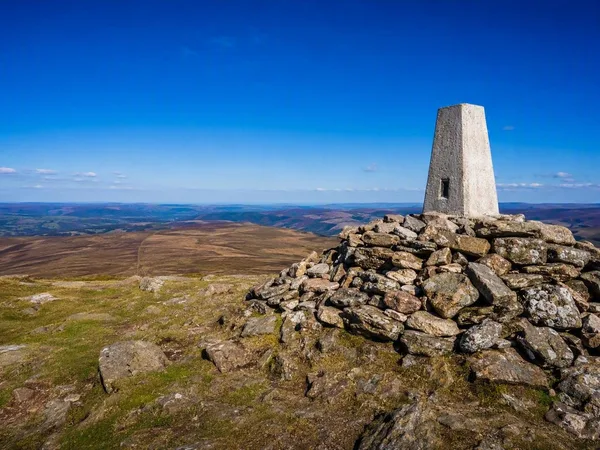
Exmoor National Park
1 linked stories and routes
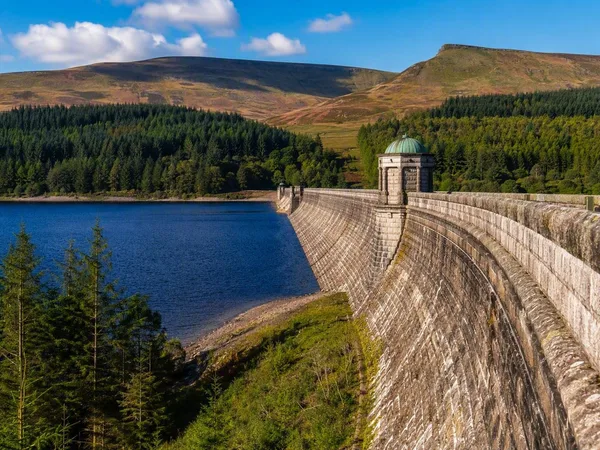
Bannau Brycheiniog National Park (Brecon Beacons)
1 linked stories and routes
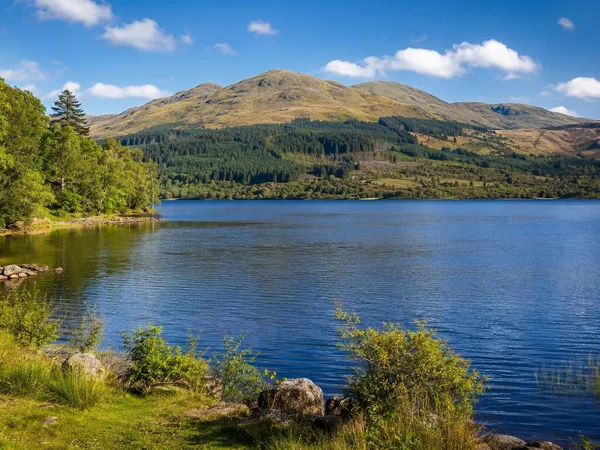
Galloway, Scotland
1 linked stories and routes
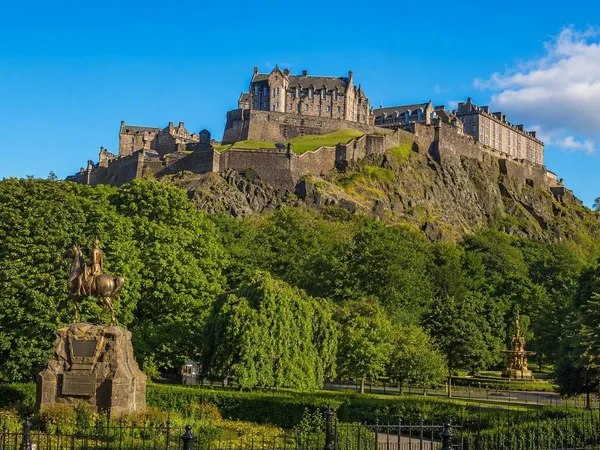
Edinburgh
1 linked stories and routes
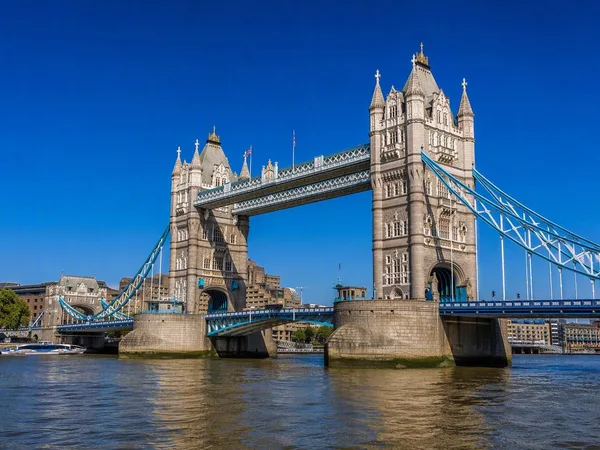
Thames
1 linked stories and routes
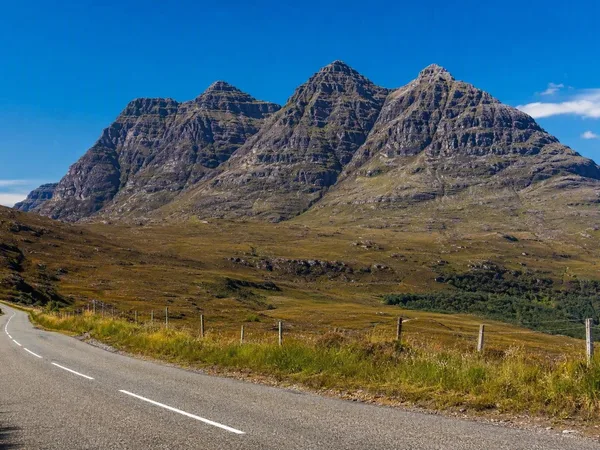
Wester Ross
1 linked stories and routes
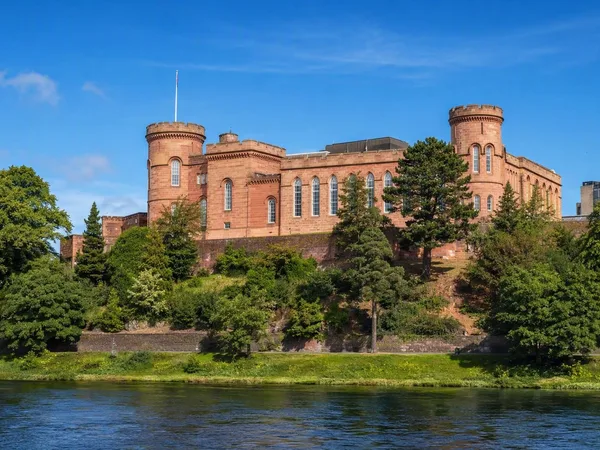
Inverness
1 linked stories and routes
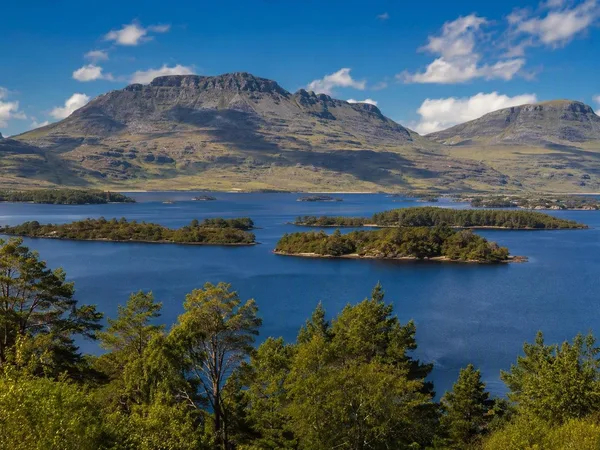
Loch Maree
1 linked stories and routes
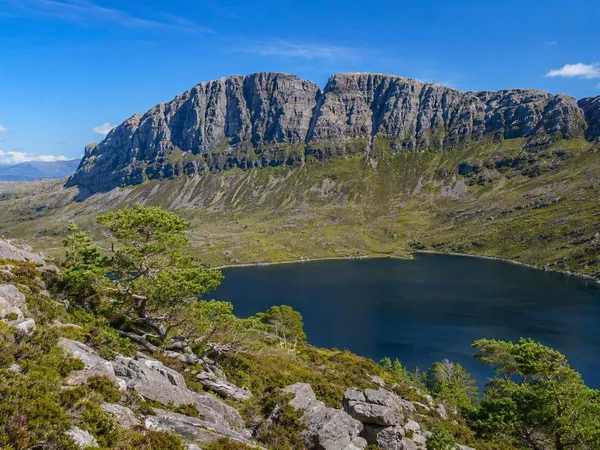
Beinn Eighe
1 linked stories and routes
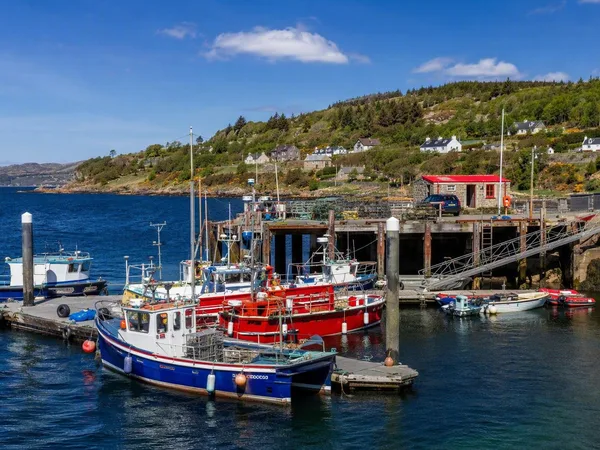
Gairloch
1 linked stories and routes
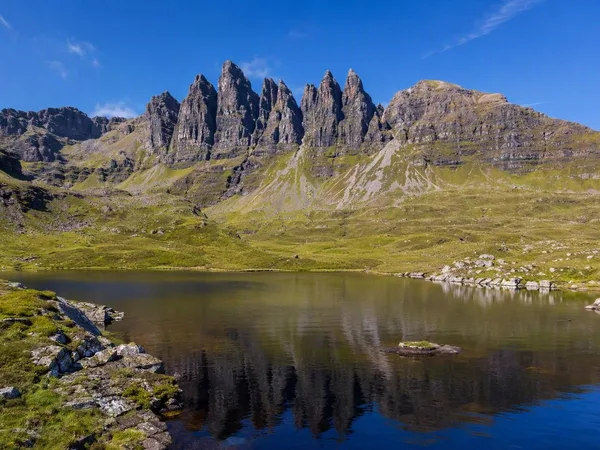
An Teallach
1 linked stories and routes
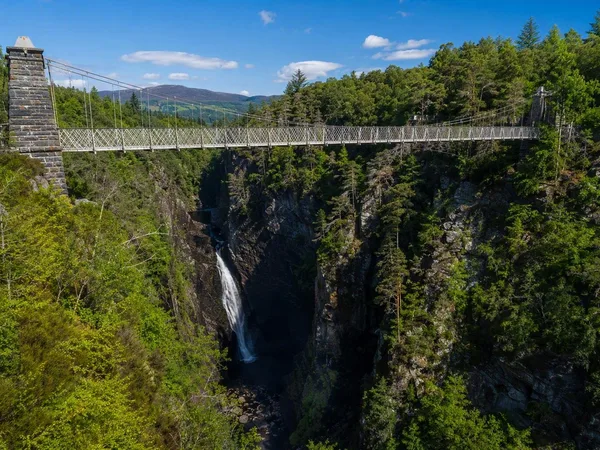
Corrieshalloch Gorge
1 linked stories and routes
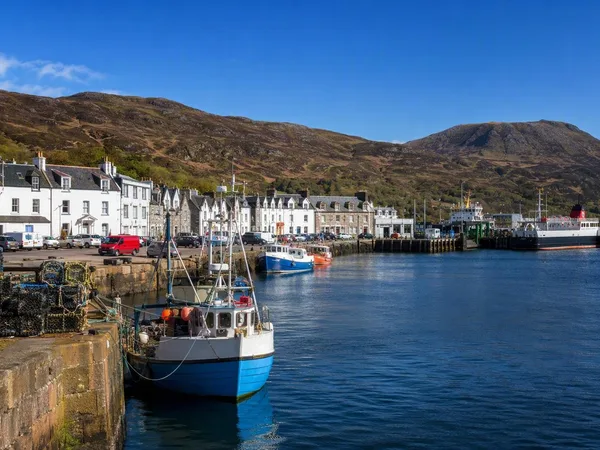
Ullapool
1 linked stories and routes
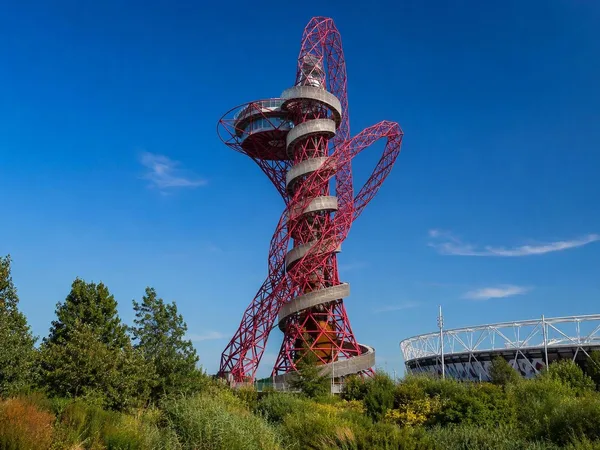
Queen Elizabeth Olympic Park
1 linked stories and routes
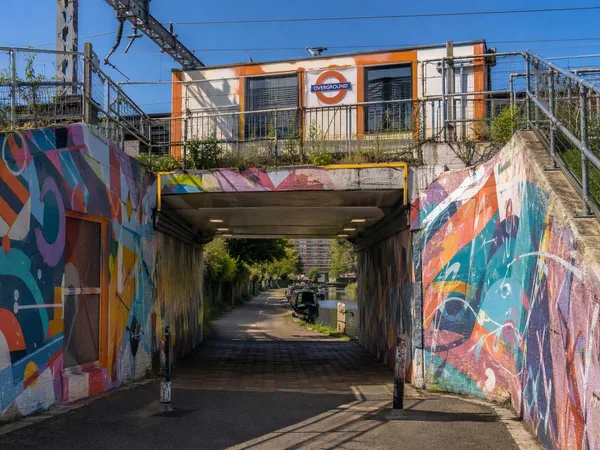
Hackney Wick
1 linked stories and routes
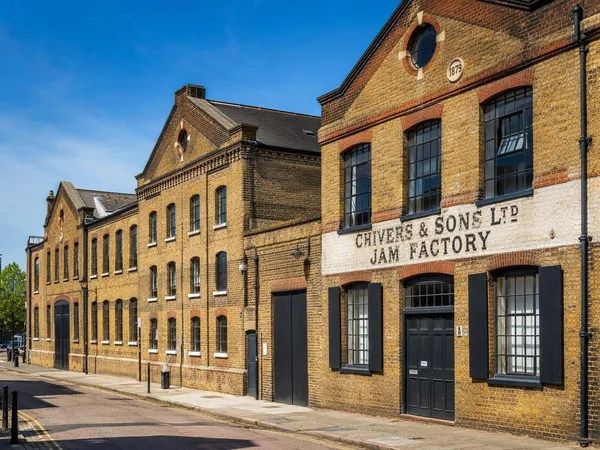
Fish Island
1 linked stories and routes
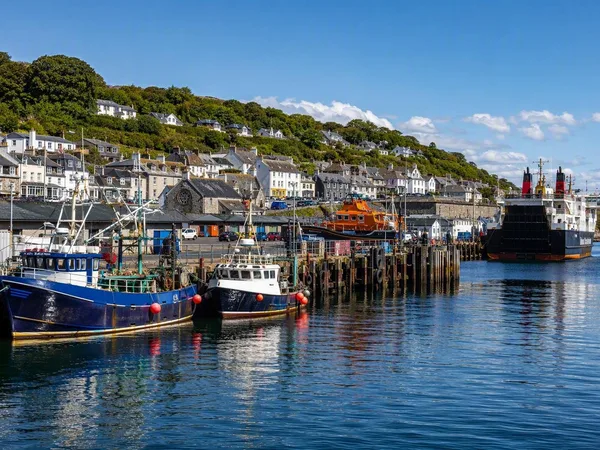
Mallaig
0 linked stories and routes