
City · France
Pantin
Pantin is a canal-side city immediately northeast of Paris, in Seine-Saint-Denis. Its Canal de l’Ourcq frontage combines working-waterway infrastructure, former mills and warehouses, and major dance architecture.
Orientation
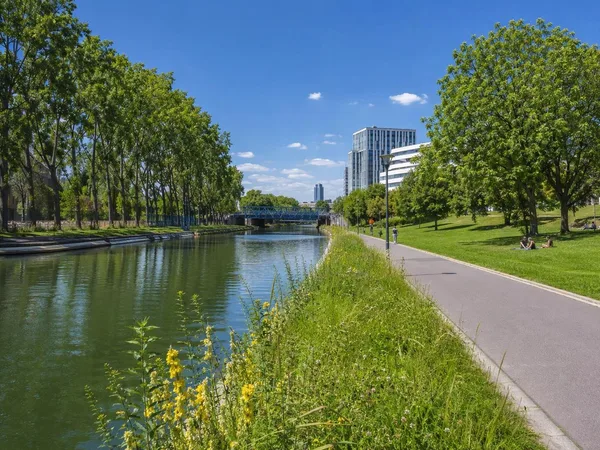
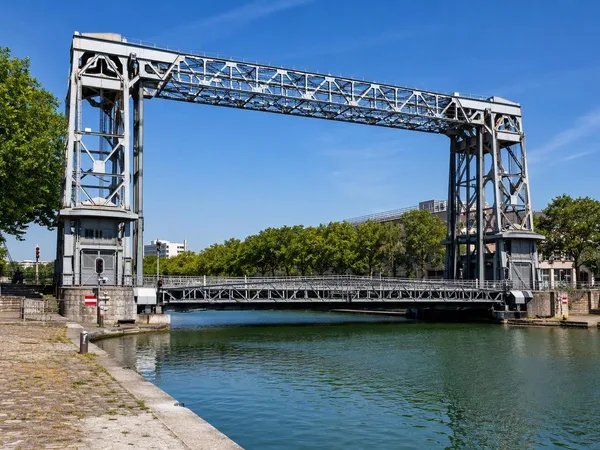
Pantin begins beyond Paris’s périphérique on the Canal de l’Ourcq. The canal is the practical spine: it cuts across the city and links the former industrial waterfront with Paris to the west and Bobigny to the east. Its navigation opened in 1822, and factories followed, using the waterway for transport and supply.
For a focused visit, work along the canal between the Centre national de la danse (CN D), the Grands Moulins, and Place de la Pointe. This is an urban walk, not a park circuit: expect wide water, paved quays, rail infrastructure and large-scale brick and concrete buildings.
The canal-side landmarks
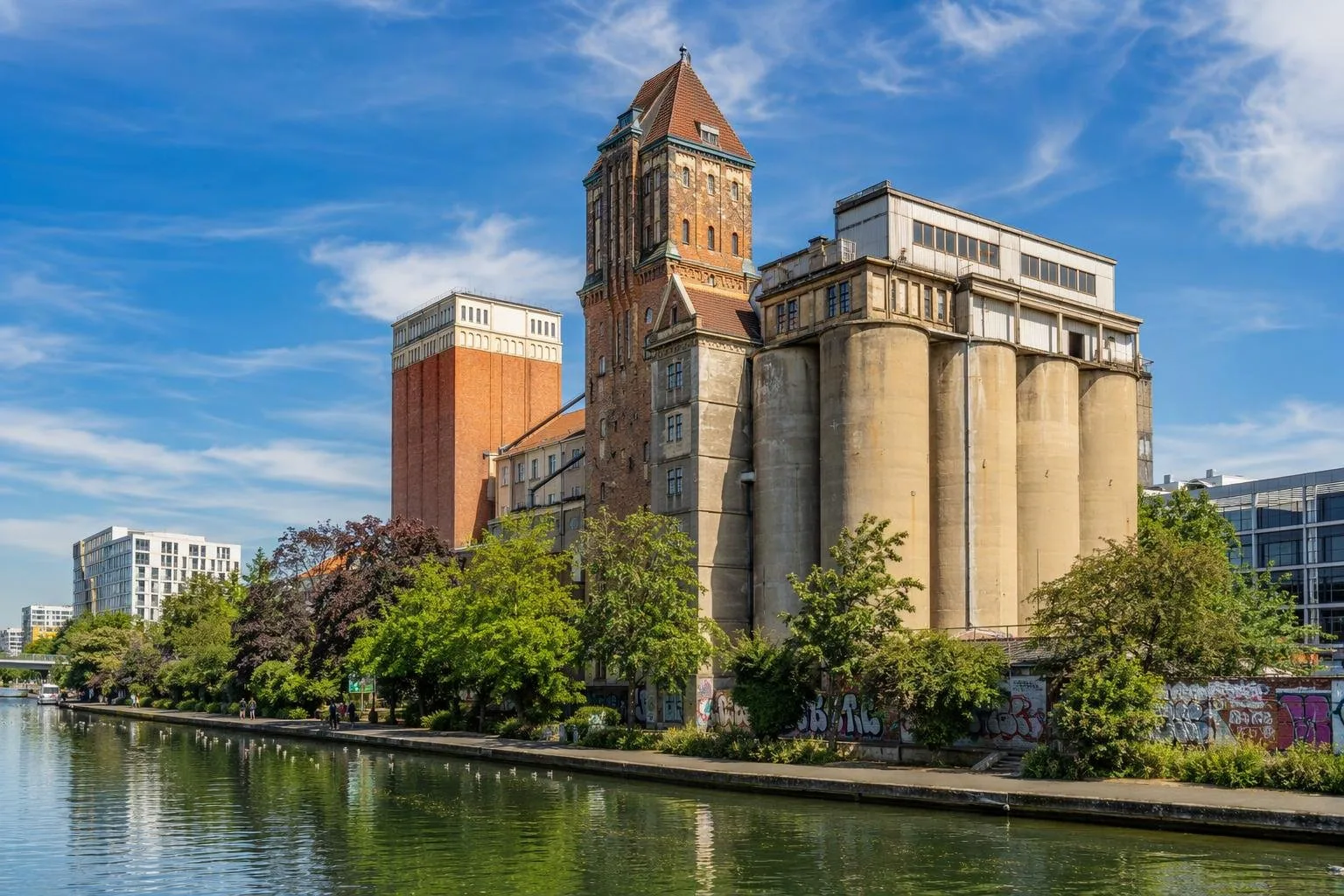
The Grands Moulins de Pantin are the defining sight. The mill complex was rebuilt from 1923 and retains its tall mill, towers, steep roofs and brick-faced silo. Flour production ceased in the early 2000s; the restored complex is now offices. It is best read from the canal bank: the interior is not open for visits.
A short walk west stands the CN D, a massive concrete-and-glass former administrative centre designed by Jacques Kalisz and repurposed for dance. Its exterior makes the contrast with the mills clear: industrial brick on one stretch of canal, late-modern concrete on the next. Check the programme separately for performances and public activity.
At Place de la Pointe, the former Magasins Généraux warehouses mark another change of use. The canal broadens here, with waterfront public space and converted industrial buildings around it.
Walk the waterway
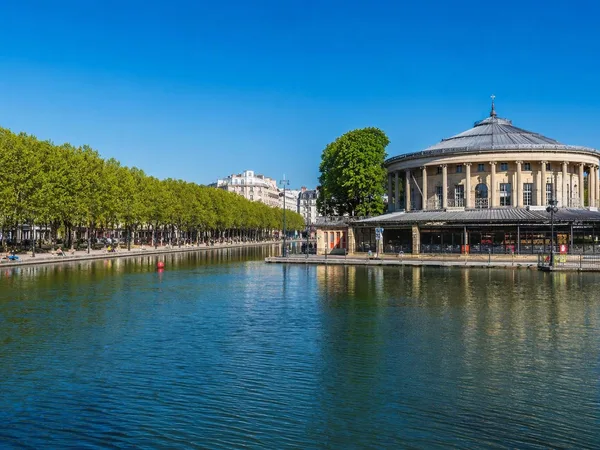
Follow the canal east or west rather than treating Pantin as a single monument stop. Westbound, the route leads towards Parc de la Villette and the Bassin de la Villette. Eastbound, the setting gradually opens towards Bobigny.
- For the architecture: walk the Pantin section slowly, crossing at available bridges for views of both banks.
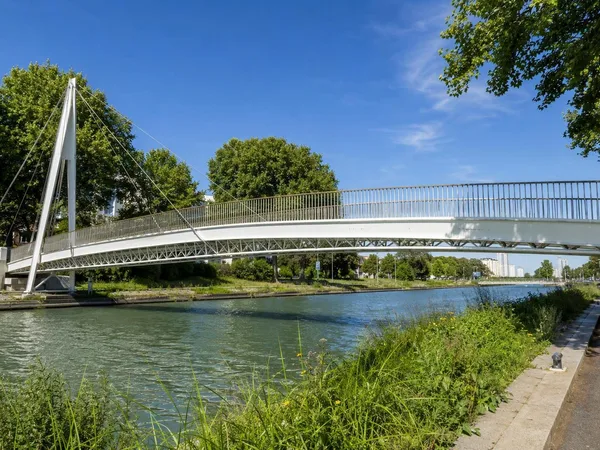
- For a longer outing: continue east along the canal towards Parc de la Bergère in Bobigny.
- On the path: pedestrians share parts of the route with cyclists; keep right and watch for faster traffic, especially where the towpath narrows.
The canal remains a managed waterway used for freight as well as leisure, so do not treat quays or industrial edges as unrestricted access.
Getting there
RER E Pantin is the most useful rail arrival for the mills and canal. Hoche on Métro line 5 serves the CN D; Delphine Seyrig on tram T3b is close to both the canal and mills. From central Paris, start at the Bassin de la Villette and walk northeast, or use Pantin as the start and head west.
The canal banks are free to use. Individual cultural venues, boat activities and seasonal installations operate on their own schedules and terms.
From the magazine
Stories about Pantin
Editorial stories linked directly to Pantin.
No stories about Pantin have been published yet.
Routes from our editors
Travel through Pantin
Editorial routes connecting Pantin with other countries, cities and hotspots.
No routes through Pantin have been published yet.
More in France
Related hotspots
Other cities, nature areas and places within France.
Paris
20 linked stories and routes
Martinique
5 linked stories and routes
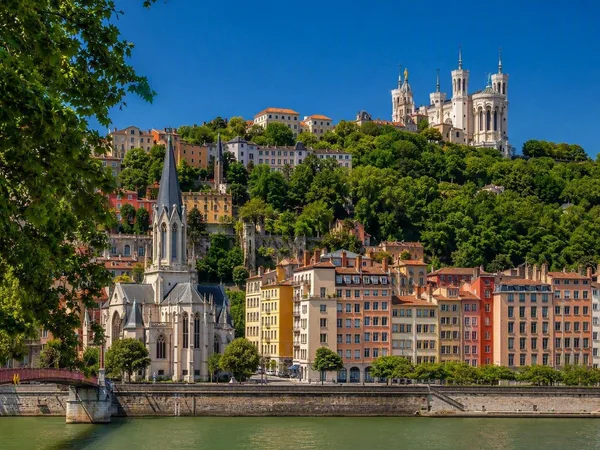
Lyon
1 linked stories and routes
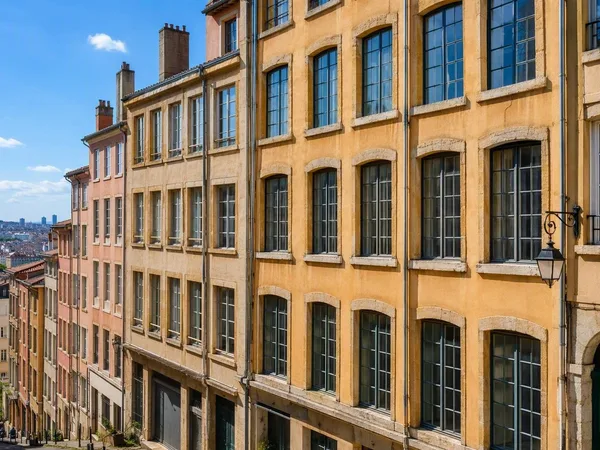
Croix-Rousse
1 linked stories and routes
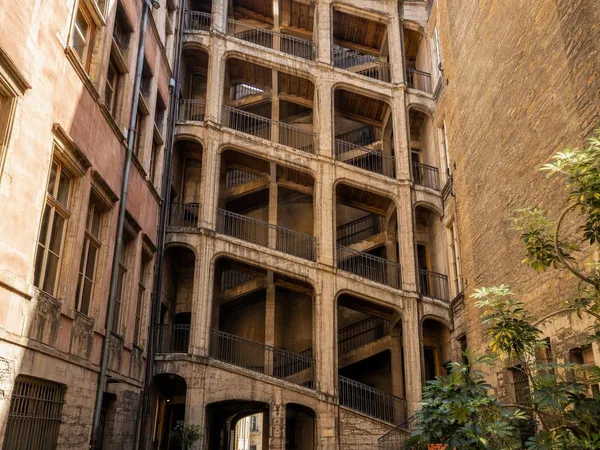
Cour des Voraces
1 linked stories and routes
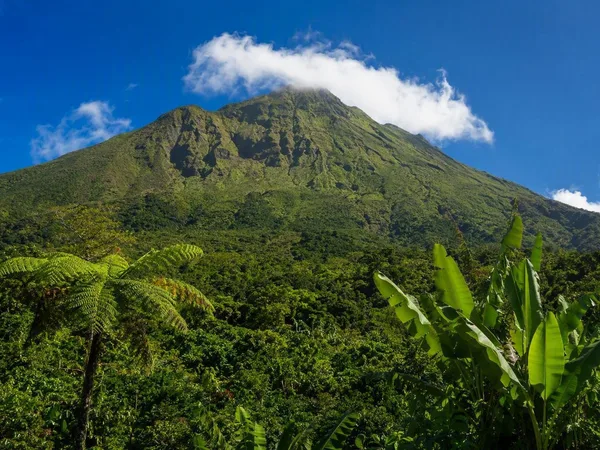
Guadeloupe
1 linked stories and routes
Route des Grandes Alpes
1 linked stories and routes

Île de Bréhat
1 linked stories and routes
Pont du Gard
1 linked stories and routes
Viaduc de Millau
1 linked stories and routes
Bobigny
1 linked stories and routes
Parc de la Bergère
1 linked stories and routes
Bassin de la Villette
1 linked stories and routes
Canal de l’Ourcq
1 linked stories and routes
Parc de la Villette
1 linked stories and routes
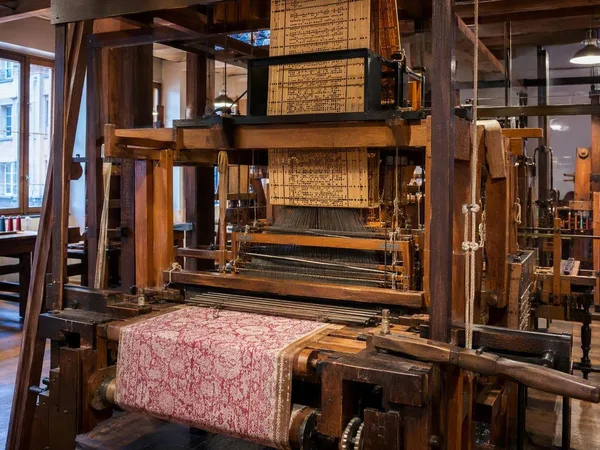
Maison des Canuts
0 linked stories and routes