
Sight · France
Canal de l’Ourcq
The Canal de l’Ourcq is the Paris waterway running northeast from the Bassin de la Villette towards Seine-Saint-Denis and the Ourcq valley. Its city stretch combines working navigation, industrial heritage and long waterside routes.
Orientation
Start at the Bassin de la Villette in Paris’s 19th arrondissement, where the canal meets the Saint-Martin and Saint-Denis canals. Walk north-east along the water through Parc de la Villette, Pantin and Bobigny; the dense city gradually gives way to wider, greener banks farther out.
The canal proper runs for 97 km from Mareuil-sur-Ourcq to Paris. Together with its canalised upstream river section, it forms a 108-km waterway. For an urban outing, the Paris–Bobigny section is the most direct and varied introduction.
What to see along the urban section
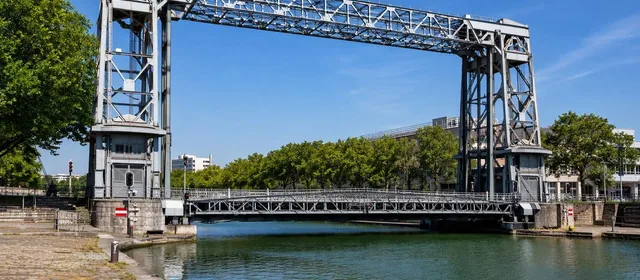
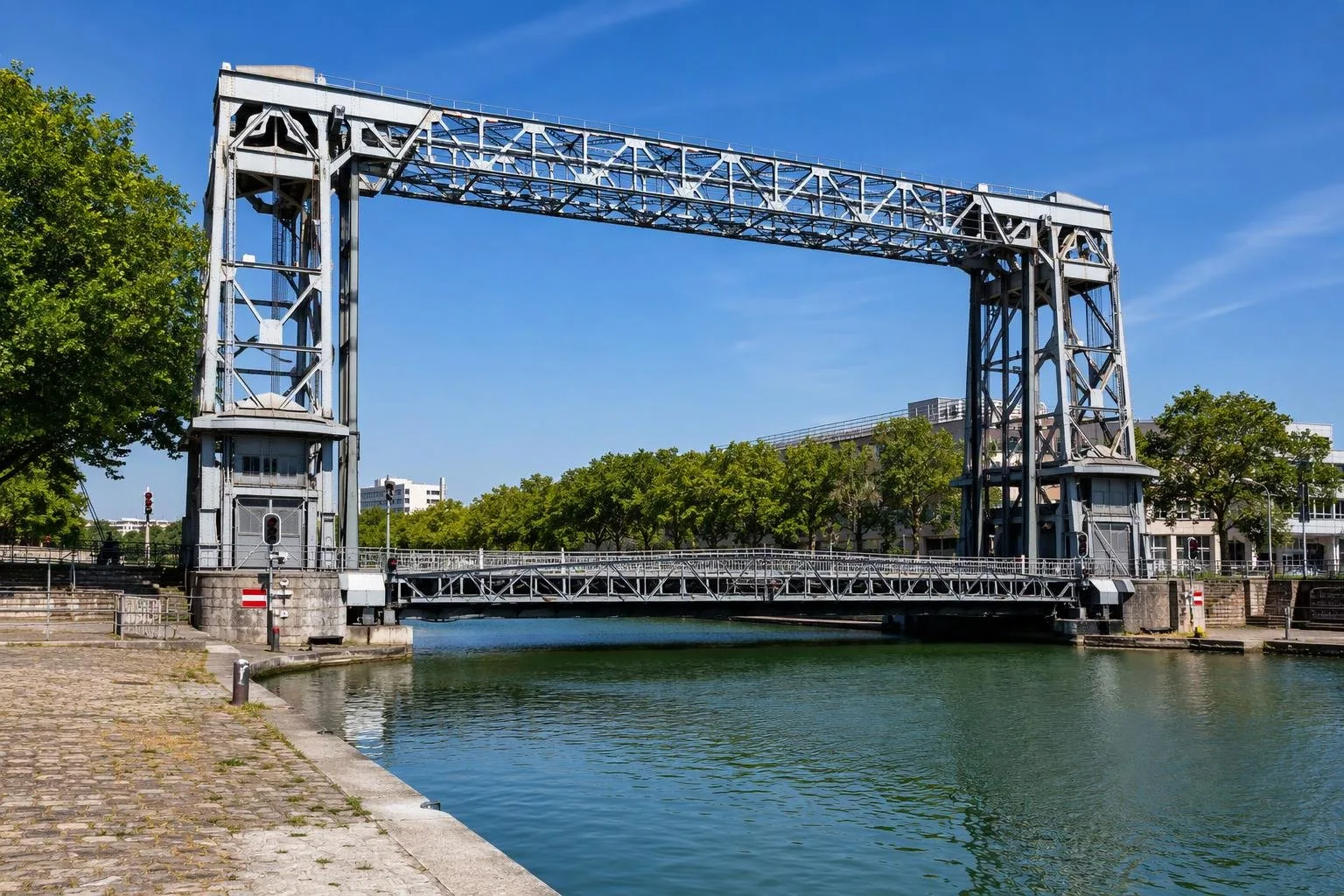
The Bassin de la Villette, filled in 1808, was built as a port before it became a waterside public space. At its northern end, the 1885 Crimée lift bridge rises to let boats pass: it is the last working lift bridge in Paris.
Continue through Parc de la Villette, then cross into Pantin. The red-brick Grands Moulins de Pantin are the strongest industrial landmark on the route. Farther along, the canal-side path reaches the Centre National de la Danse and the landscaped Parc départemental de la Bergère in Bobigny. Murals and changing street art appear on several walls between Pantin and Bobigny, but the canal, bridges and former working buildings are the enduring sights.
Walk or cycle it
A practical one-way walk runs from the Rotonde de la Villette via the Bassin de la Villette and Parc de la Villette to Pantin; allow about an hour to reach the Église de Pantin area. Continue to Parc de la Bergère for a longer walk.
For cycling, follow the signed, largely separated route beside the canal. It continues beyond Bobigny towards the smaller-scale canal and eventually more rural scenery. The broad section from the Bassin de la Villette to Les Pavillons-sous-Bois is 11 km long and lock-free, so expect freight craft as well as leisure and passenger boats.
Access and canal rules
Metro 5 and 7 serve the Bassin de la Villette; Metro 5 follows the corridor towards Bobigny. Pantin RER E is a short walk from the canal and works well for a one-way route.
The canal is active infrastructure, not a swimming area. Swimming and jumping from bridges are prohibited except during specifically authorised events. Stay on the quays and paths, and give space around bridge mechanisms, moorings and freight operations.
Why the canal matters
Work began in 1802 to bring Ourcq water to Paris and improve navigation; the through navigation link between Mareuil and Paris opened in 1822. The canal no longer supplies drinking water, but it remains part of Paris’s non-potable water network, used for street cleaning, public greenery and the lakes in the Bois de Boulogne and Bois de Vincennes.
From the magazine
Stories about Canal de l’Ourcq
Editorial stories linked directly to Canal de l’Ourcq.
No stories about Canal de l’Ourcq have been published yet.
Routes from our editors
Travel through Canal de l’Ourcq
Editorial routes connecting Canal de l’Ourcq with other countries, cities and hotspots.
No routes through Canal de l’Ourcq have been published yet.
More in France
Related hotspots
Other cities, nature areas and places within France.
Paris
20 linked stories and routes
Martinique
5 linked stories and routes
Lyon
1 linked stories and routes
Croix-Rousse
1 linked stories and routes
Cour des Voraces
1 linked stories and routes
Guadeloupe
1 linked stories and routes
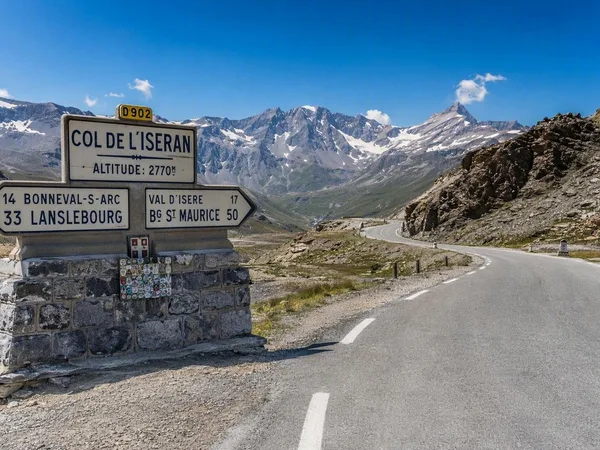
Route des Grandes Alpes
1 linked stories and routes

Île de Bréhat
1 linked stories and routes
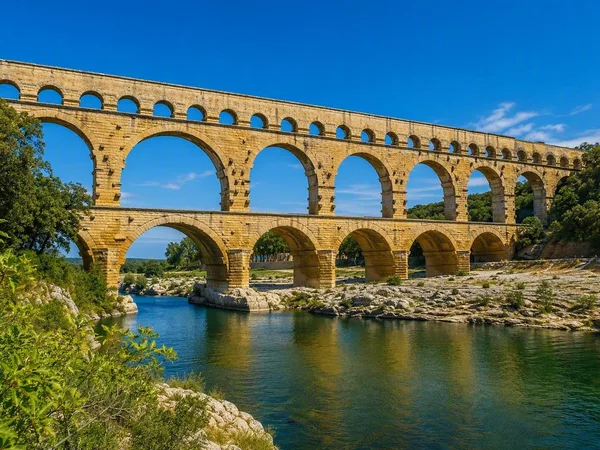
Pont du Gard
1 linked stories and routes
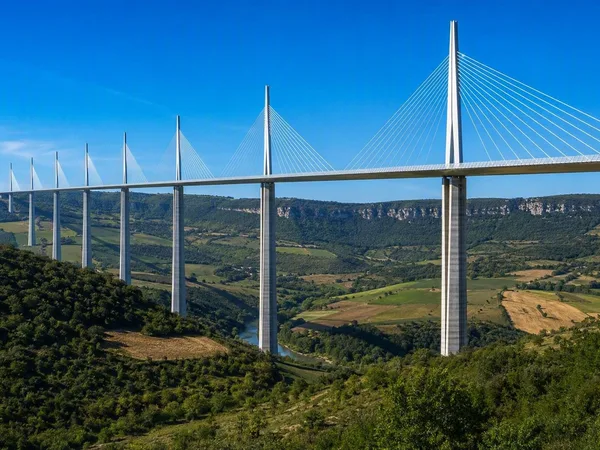
Viaduc de Millau
1 linked stories and routes
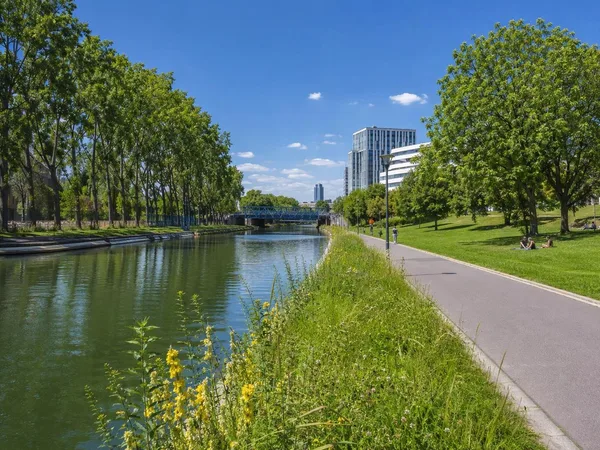
Bobigny
1 linked stories and routes
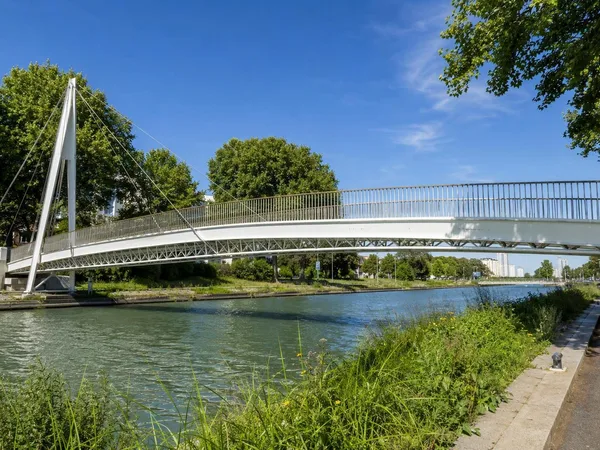
Parc de la Bergère
1 linked stories and routes
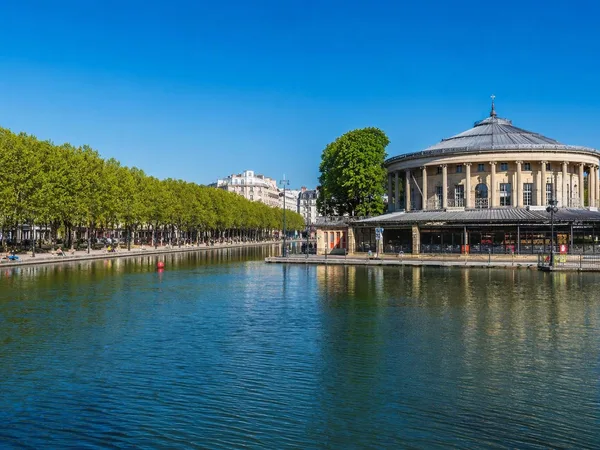
Bassin de la Villette
1 linked stories and routes
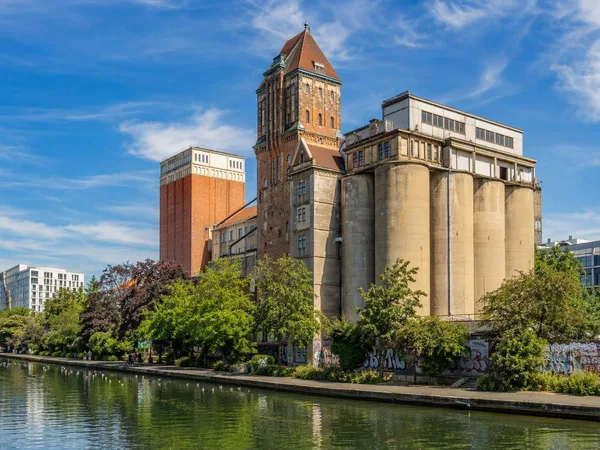
Pantin
1 linked stories and routes
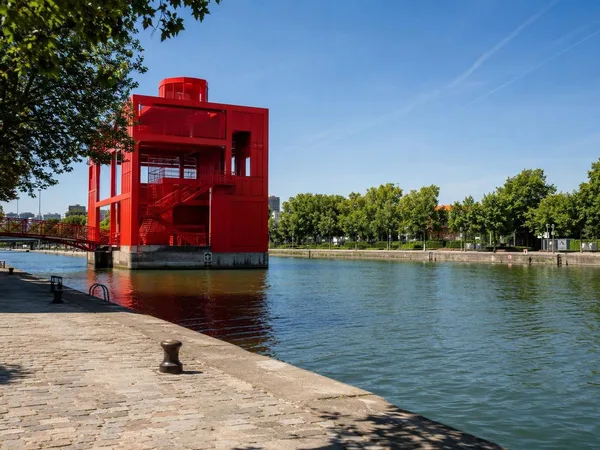
Parc de la Villette
1 linked stories and routes
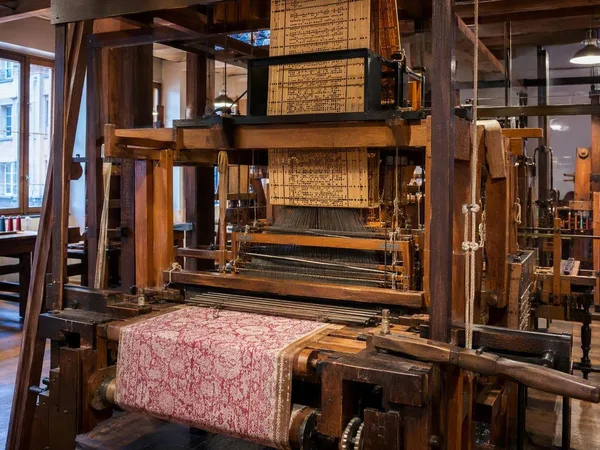
Maison des Canuts
0 linked stories and routes