South Korea puts palace gates, apartment blocks and forested peaks within a short ride of one another. In Seoul, hikers take to Bukhansan in the morning, then ride the subway to Gyeongbokgung’s painted timber halls or the late-night restaurants of Euljiro. Bukchon’s steep lanes still hold tiled hanok roofs, while nearby streets carry office workers, students and delivery scooters. Korean designers, musicians and cooks draw on older forms without treating them as museum pieces.
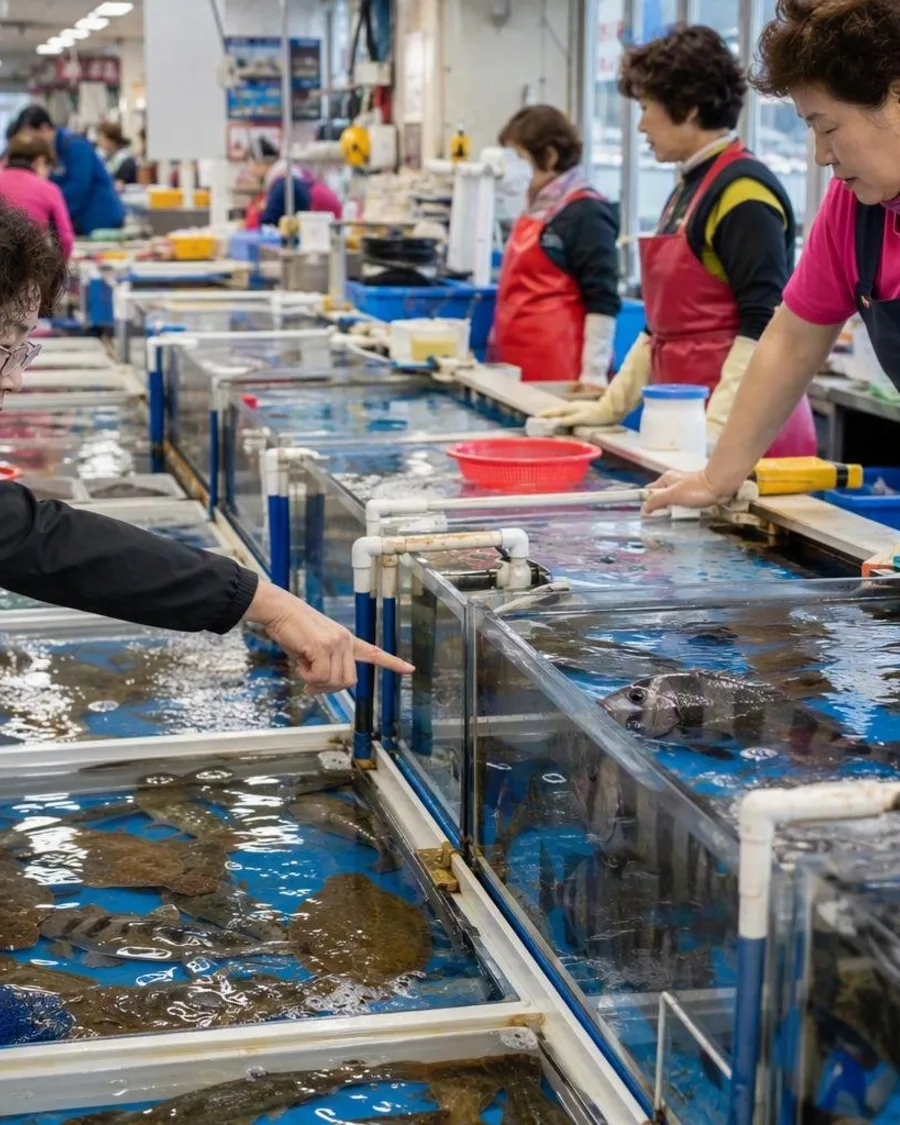
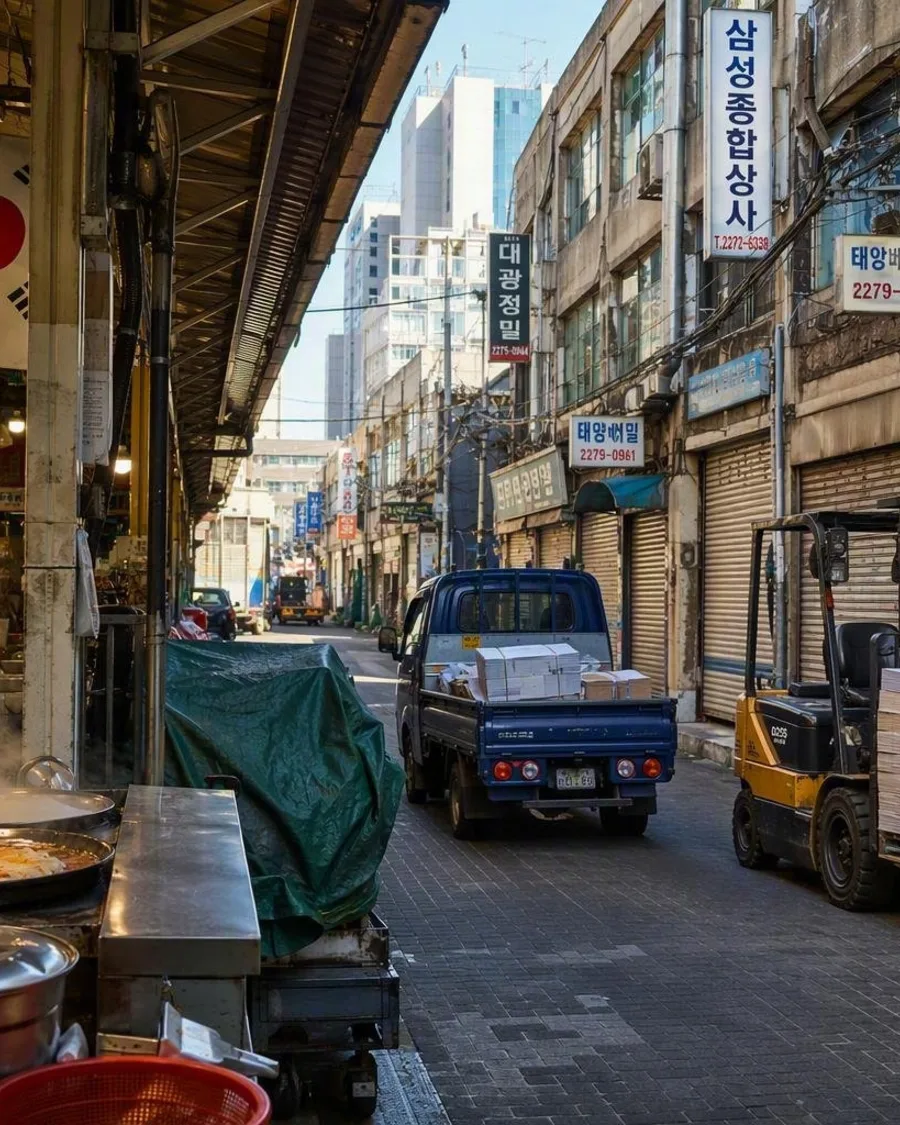
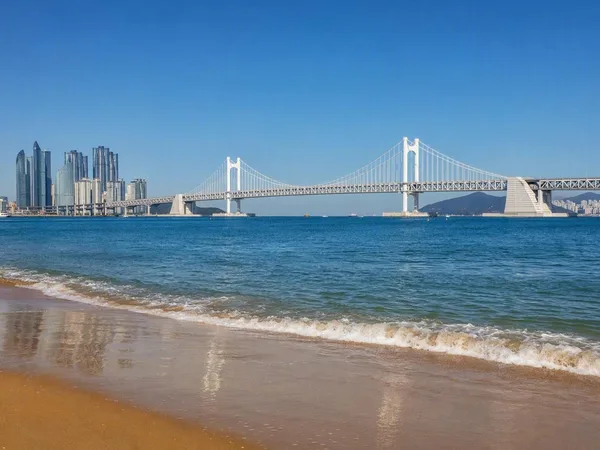
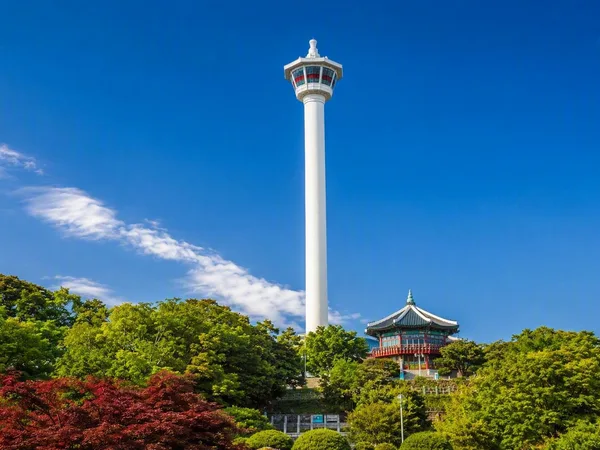
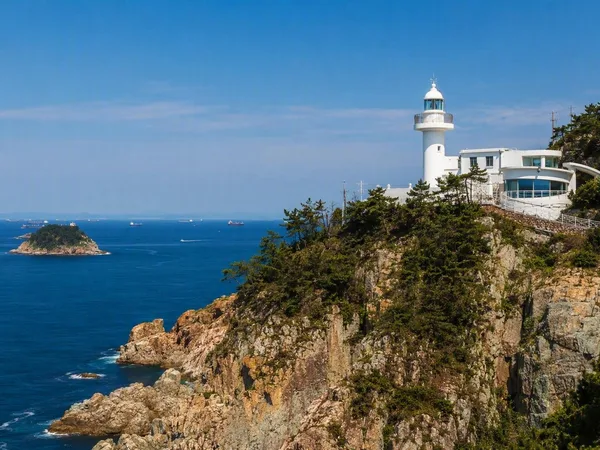
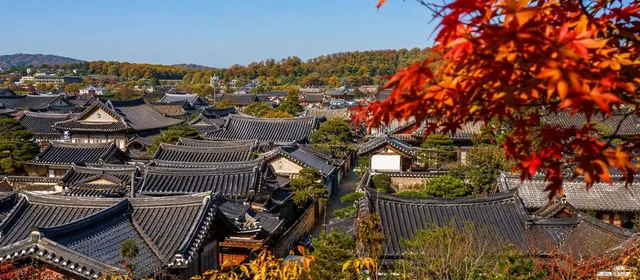
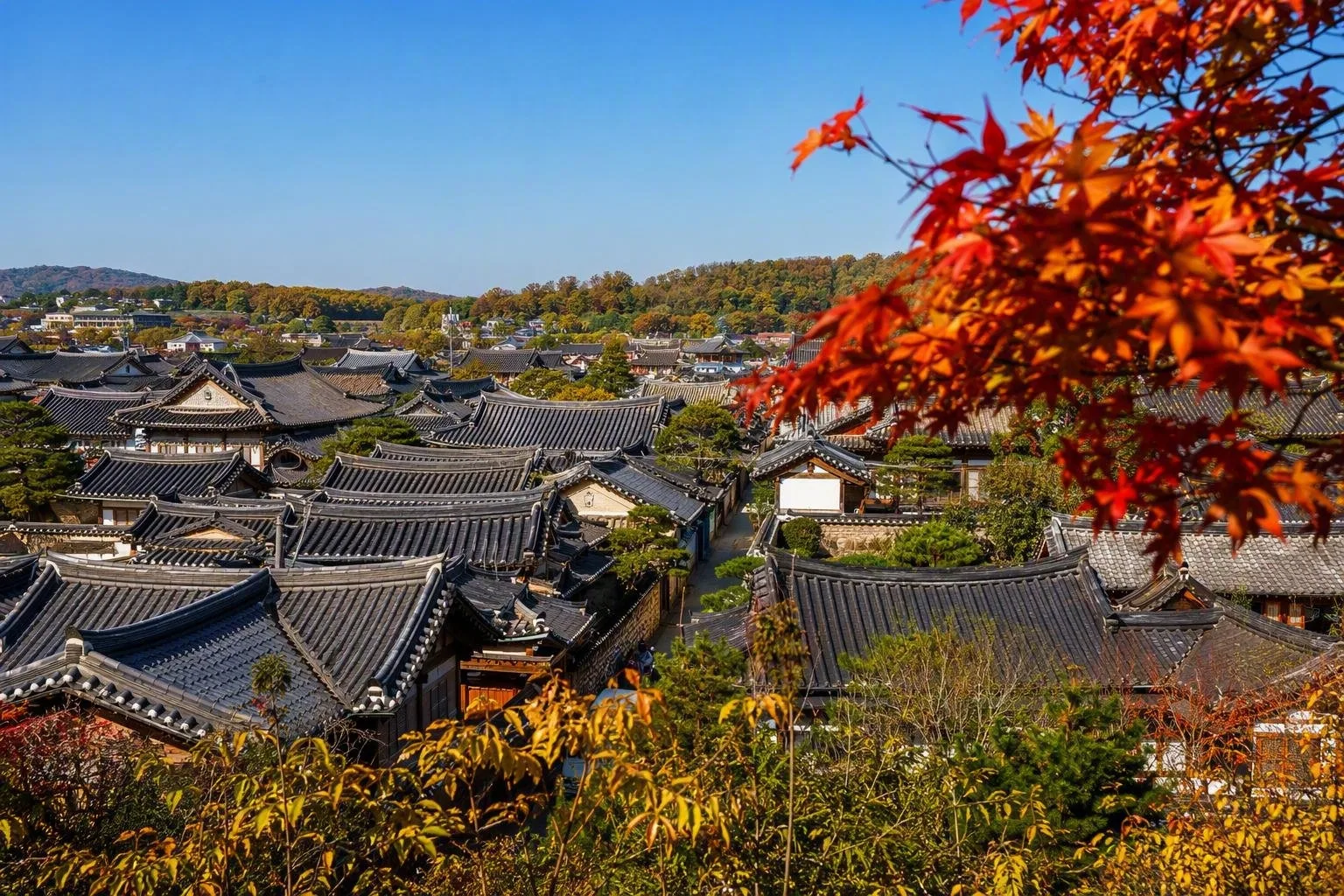
Gyeongju shows the scale of the Silla kingdom in its grassy royal tombs, stone pagodas and the terraces of Bulguksa. In Jeonju, hanok courtyards, paper workshops and bibimbap restaurants fill the old quarter. Busan grew around its harbour, and Jagalchi Fish Market, steep hillside neighbourhoods and the port’s docks show the city’s long ties to trade and migration.
Food gives each region its own markers. Cooks use fermented jang in stews, barbecue marinades and temple dishes. Tables fill with banchan, and kimchi recipes shift with the season and the local ingredients. On Jeju, black volcanic rock lines the coast, lava tubes run underground, and haenyeo divers harvest from the sea. Take time for a neighbourhood meal, a hillside walk or a quieter historic town, and South Korea opens up well beyond its headline sights.