
Island · South Korea
Jeju
Jeju is South Korea’s largest volcanic island, south of the Korean Peninsula. Its basalt coast is the workplace of the haenyeo, women who free-dive for seafood without oxygen tanks.
The island and its coast
Jeju is a volcanic island about 90 km off the southwestern Korean Peninsula. Its interior rises to Hallasan; its villages and working coasts ring the island. For haenyeo culture, look beyond the resort shoreline to the east-coast communities around Gujwa, Sehwa, Gimnyeong and Hado, and to Beophwan near Seogwipo in the south.
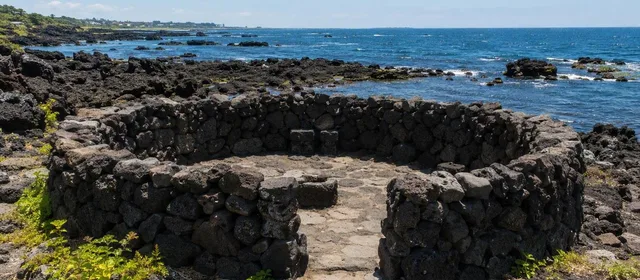
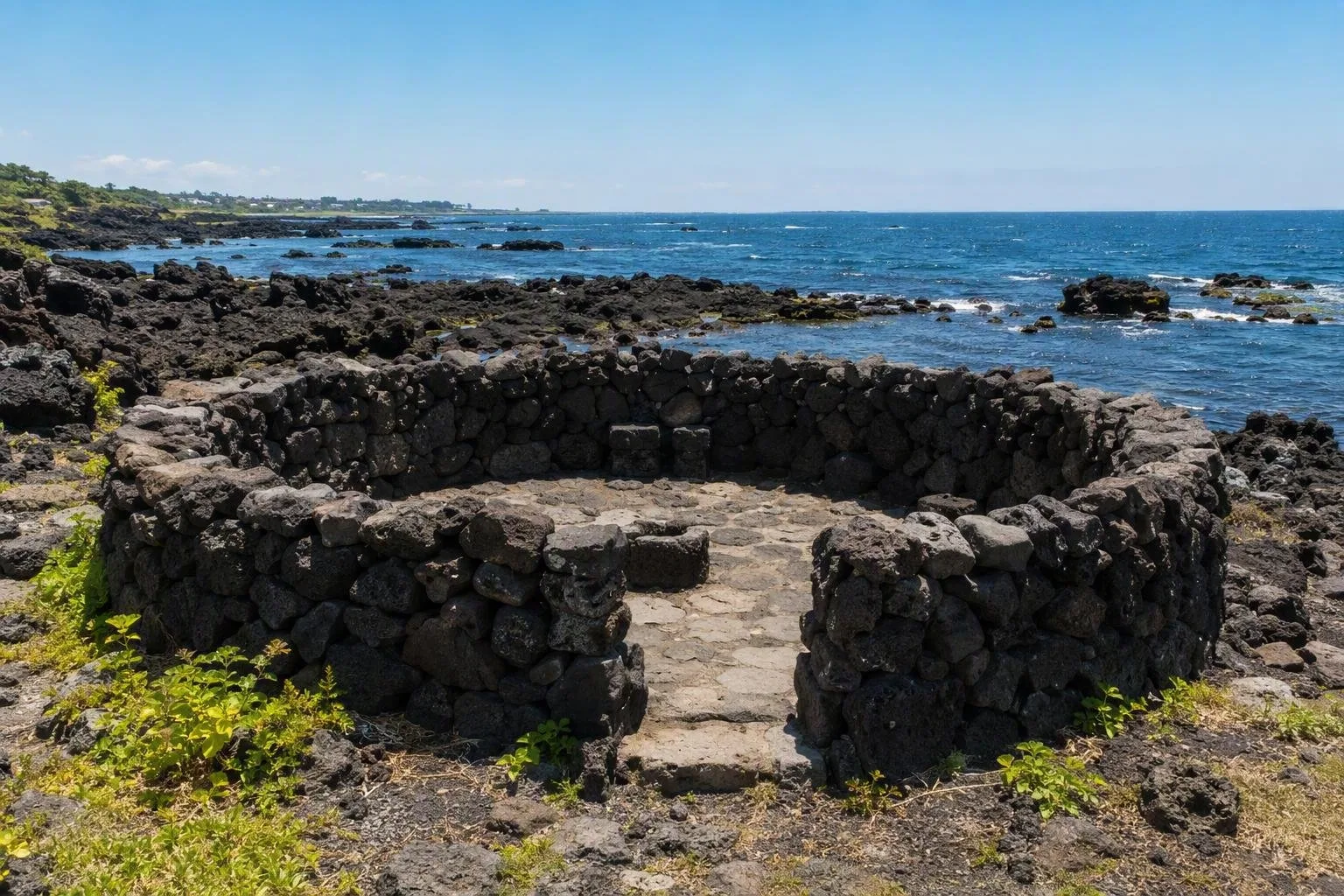
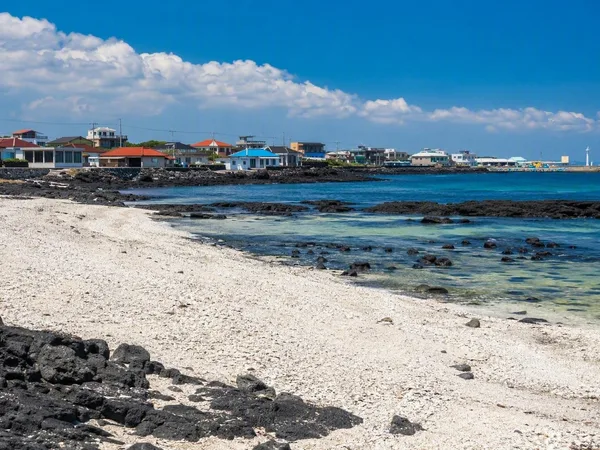
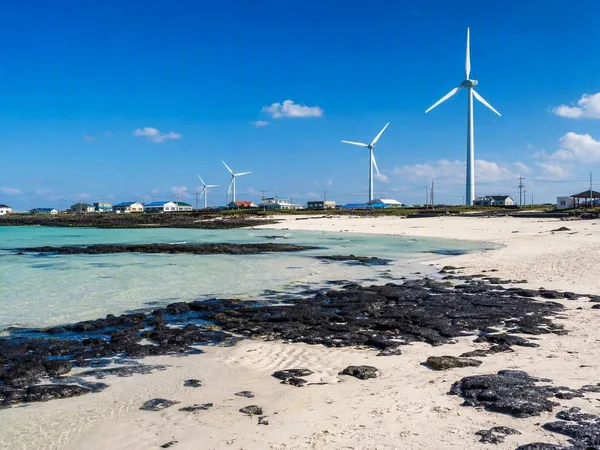
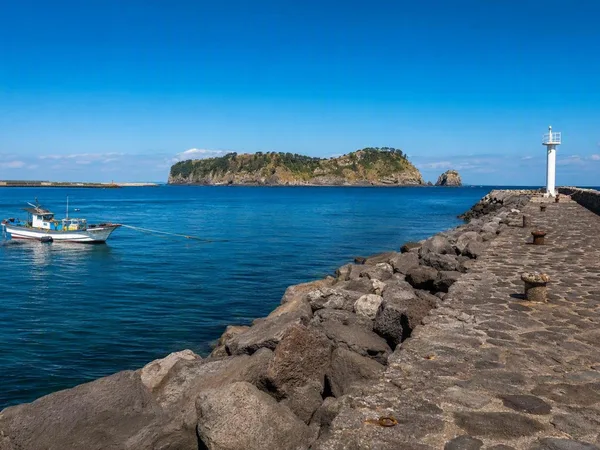
The dark basalt is not scenery alone. It forms the shore where divers enter the water, sort their catch and maintain the small coastal spaces that support their work.
Haenyeo: working divers, not a show
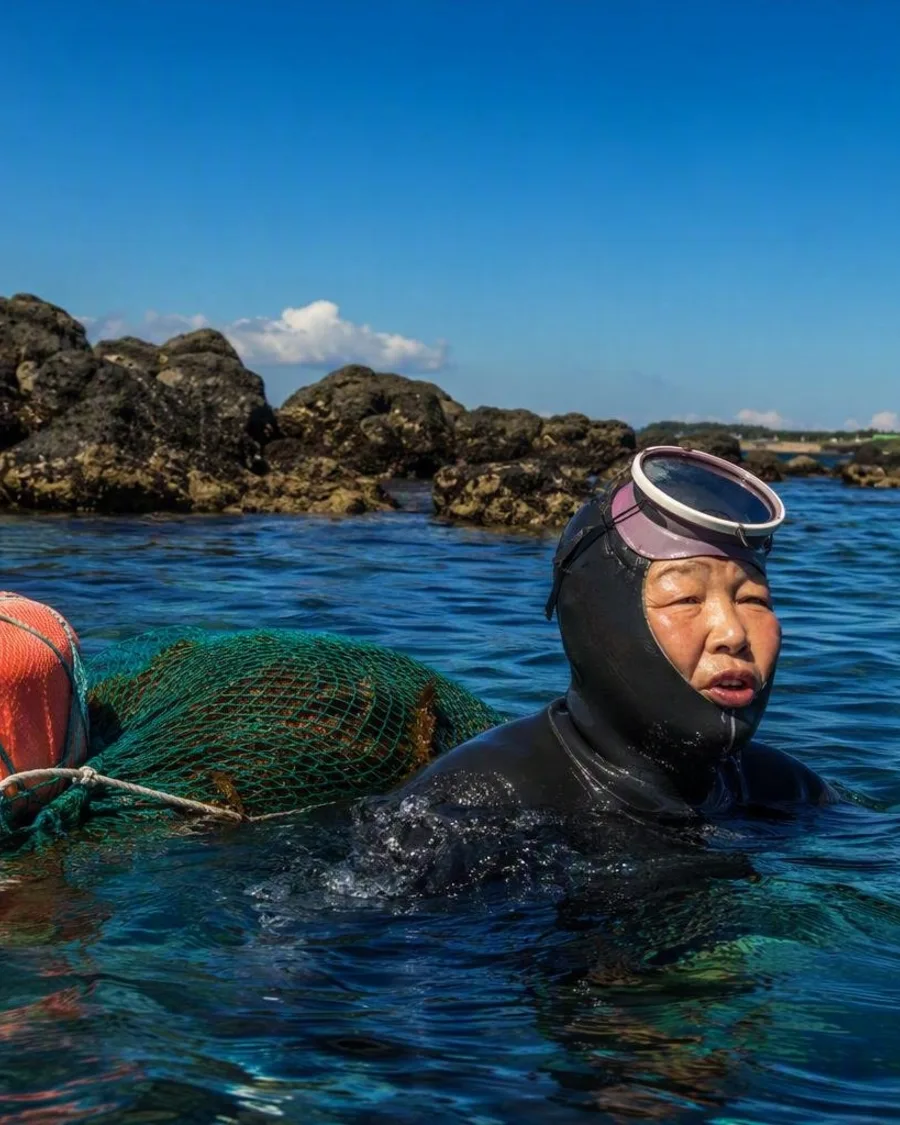
Haenyeo harvest abalone, sea urchins, sea cucumbers and seaweed on breath-hold dives, without oxygen masks or tanks. The sharp exhalation heard on resurfacing is the sumbisori. It belongs to a demanding livelihood governed by sea conditions, skill and local fishing rights.
Divers work in experience grades, with senior sangun divers guiding others. Their knowledge includes currents, weather, marine life and seasonal limits. The culture was inscribed on UNESCO’s Representative List of the Intangible Cultural Heritage of Humanity in 2016.
Treat a work dive as work. Do not expect one to run to a visitor timetable, approach divers in the water, or enter changing and preparation areas without an invitation.
Read the coastal landscape
A bulteok is the low, circular stone enclosure traditionally used as a windbreak, changing place and warming spot. It was also where divers exchanged conditions and made decisions about the fishing ground. These structures explain why haenyeo culture is communal rather than an individual sport.
Fishing cooperatives manage access and harvesting practices. Size and seasonal restrictions matter: undersized catch is returned to the sea. The practice depends on the health of the coastal ecosystem as much as on the divers’ skill.
Start at the Haenyeo Museum
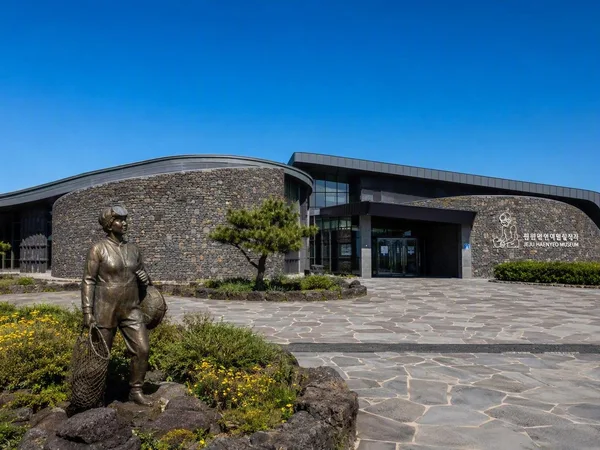
The Jeju Haenyeo Museum, at 26 Haenyeobangmulgwan-gil in Gujwa-eup, is the most useful introduction before visiting a fishing village. Its displays cover the divers’ tools, work environment, fishing villages, folk culture and economic role.
Allow time for the three exhibition rooms rather than treating it as a quick photo stop. The museum gives context to the orange floats, black suits and basalt shore you will see elsewhere on the island.
Ways to engage respectfully
- East coast: Visit the museum, then explore the surrounding coast on foot; this area retains many active diving communities.
- Guided activities: Choose programmes led by local operators or haenyeo communities. A visitor lesson is separate from commercial harvesting.
- Beophwan: The Haenyeo Experience Center runs guided water programmes roughly from June through October. Basalt rocks can be sharp; follow the instructors’ safety rules and do not collect marine life unless the programme explicitly permits it.
Outdoor programmes can change with weather and sea conditions.
From the magazine
Stories about Jeju
Editorial stories linked directly to Jeju.
Routes from our editors
Travel through Jeju
Editorial routes connecting Jeju with other countries, cities and hotspots.
No routes through Jeju have been published yet.
More in South Korea
Related hotspots
Other cities, nature areas and places within South Korea.
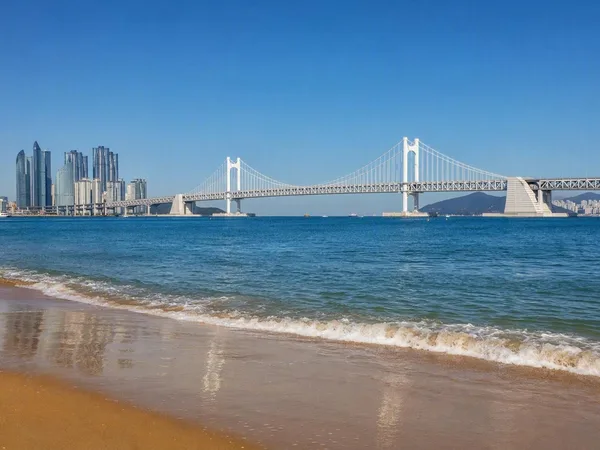
Busan
2 linked stories and routes

Jagalchi Market
1 linked stories and routes
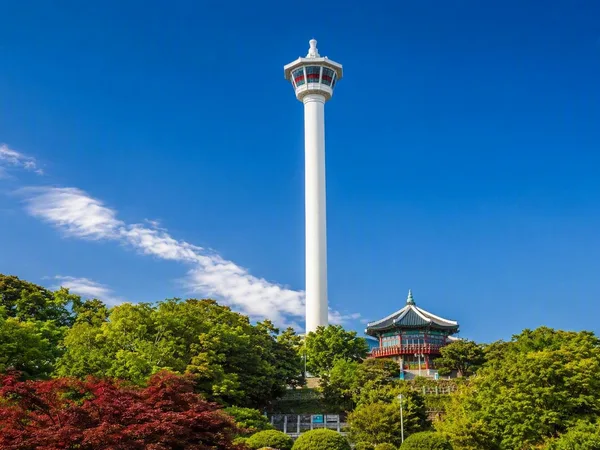
Nampo-dong
1 linked stories and routes
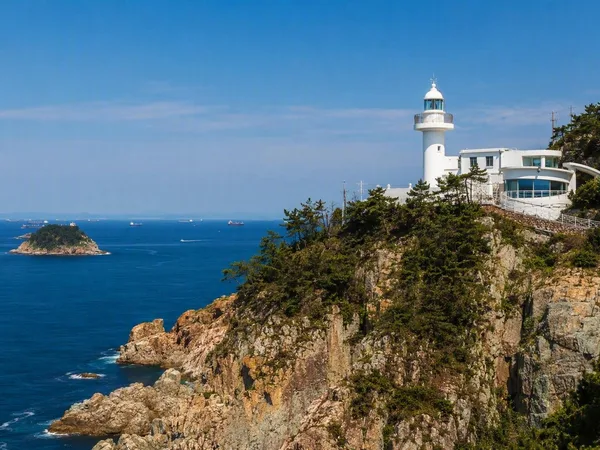
Yeongdo Island
1 linked stories and routes
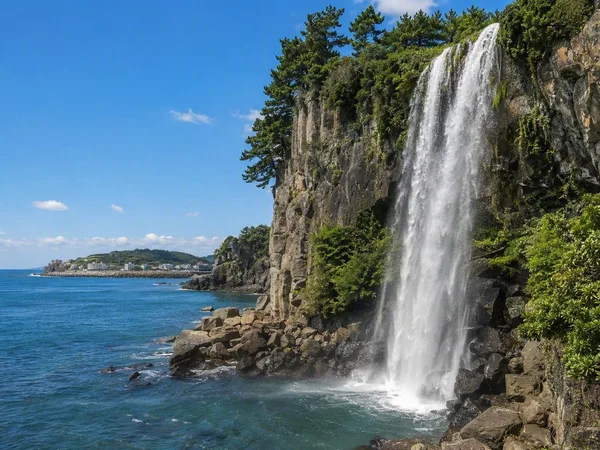
Seogwipo
1 linked stories and routes
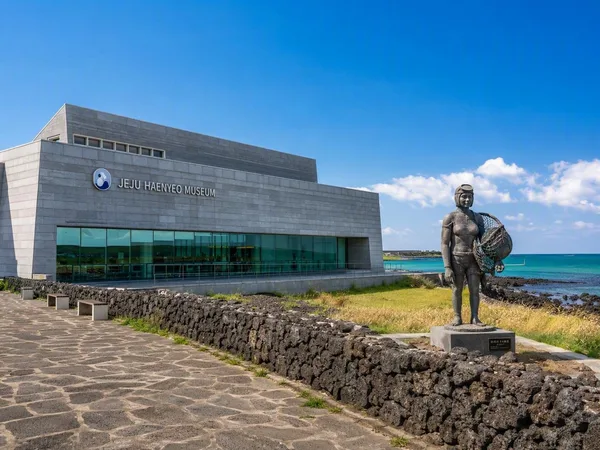
Gujwa
1 linked stories and routes
Jeju Haenyeo Museum
1 linked stories and routes
Sehwa, Jeju
1 linked stories and routes
Gimnyeong
1 linked stories and routes
Beophwan
1 linked stories and routes