
Town · South Korea
Gujwa
Gujwa is a broad coastal town in northeastern Jeju, South Korea, where fishing villages, carrot fields, volcanic cones and haenyeo culture meet. Use Sehwa as the practical base for its museum, shore and local services.
Get oriented
Gujwa-eup covers a sizeable section of northeastern Jeju rather than one compact centre. Its coastal villages include Gimnyeong, Woljeong, Sehwa, Hado and Jongdal; Songdang sits inland among volcanic cones. Sehwa is the most useful place to start: it has the town office, a beach, the Haenyeo Museum and everyday shops.
The landscape changes quickly. The north and east are low, basalt-edged coast; inland are dry fields, stone boundaries and oreum—Jeju’s small volcanic cones. Gujwa is an agricultural area as well as a fishing district, particularly associated with carrots, onions and garlic.
Start with haenyeo culture
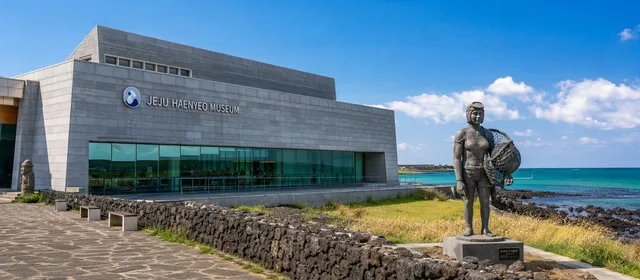
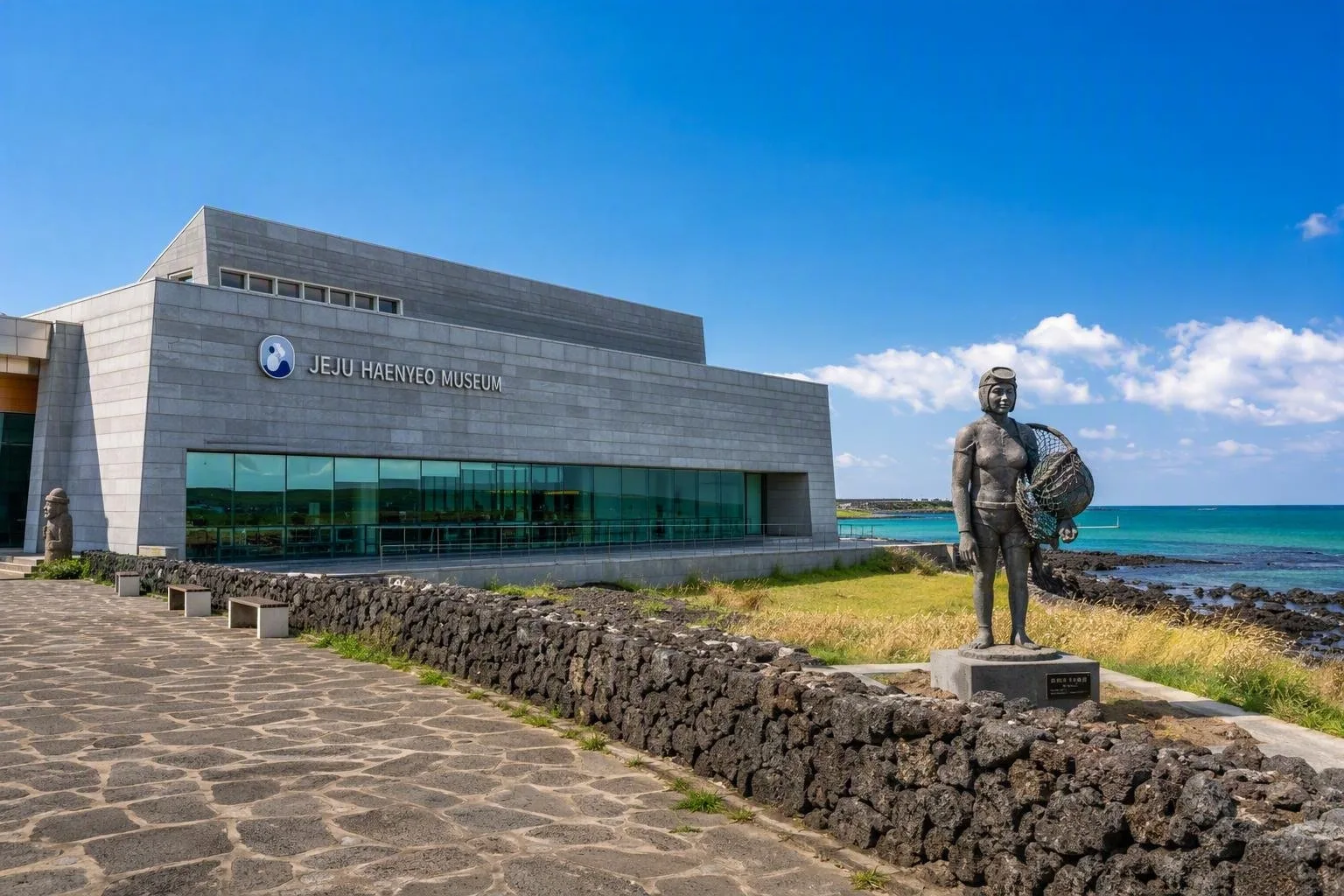
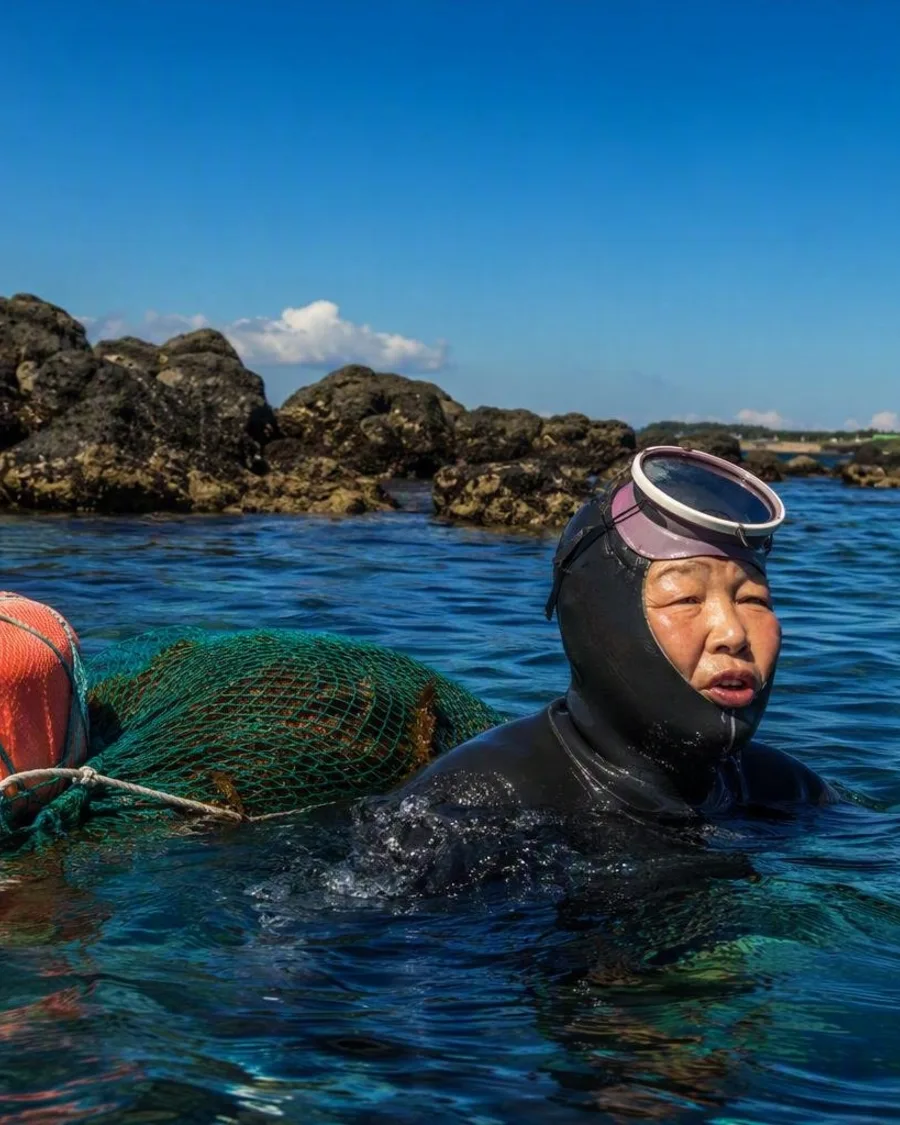
The Jeju Haenyeo Museum at 26 Haenyeobangmulgwan-gil is the essential introduction to the women free-divers who harvest seafood without breathing apparatus. Its displays cover working tools, fishing villages, folk culture and the economic role of haenyeo, with a reconstructed home among the exhibits.
Allow time for the nearby Sehwa shore after the museum. The coast makes the connection between the exhibitions and the working seascape clear, but do not treat divers’ changing shelters or harvesting areas as visitor facilities. Join only properly run local programmes where access is offered.
Museum basics: open 09:00–18:00; last admission is 17:00. It is normally closed on Mondays, New Year’s Day, Lunar New Year and Chuseok; a public-holiday Monday shifts the closure to the next working day. Parking is available.
Coast, fields and cones
For a low-key coastal stop, use Sehwa and the villages along the shore as places to walk, eat and watch the water. Their black volcanic rock, small harbours and field edges are characteristic of Gujwa.
Inland, Yongnuni Oreum is a grass-covered volcanic cone with three craters and broad ridgelines. It is a good short hike when access is open. Some oreum are on private land or periodically restricted for restoration, so do not assume that every mapped trail is accessible.
Getting around
A car is the most efficient way to link Gujwa’s dispersed coast, fields and interior. Public buses serve the main villages and the Haenyeo Museum area, but connections are less convenient for cone trailheads and smaller rural stops.
Use the museum or Sehwa as a fixed point when navigating: the town extends far beyond either. On foot, keep plans local—Sehwa’s museum, shoreline and centre work well together. For inland walks, carry water, wear shoes with grip and allow for exposed wind.
Timing and access
Spring and autumn suit walking and coastal touring; summer is humid and wet weather can disrupt sea-based activities. The shore is often windy in any season. Build outdoor plans around conditions, especially for guided haenyeo experiences and oreum walks.
Respect marked closures, private-property notices and working fishing areas. Gujwa’s appeal is its lived-in coast and countryside, not a single attraction strip.
From the magazine
Stories about Gujwa
Editorial stories linked directly to Gujwa.
Routes from our editors
Travel through Gujwa
Editorial routes connecting Gujwa with other countries, cities and hotspots.
No routes through Gujwa have been published yet.
More in South Korea
Related hotspots
Other cities, nature areas and places within South Korea.
Busan
2 linked stories and routes

Jagalchi Market
1 linked stories and routes
Nampo-dong
1 linked stories and routes
Yeongdo Island
1 linked stories and routes
Jeju
1 linked stories and routes
Seogwipo
1 linked stories and routes
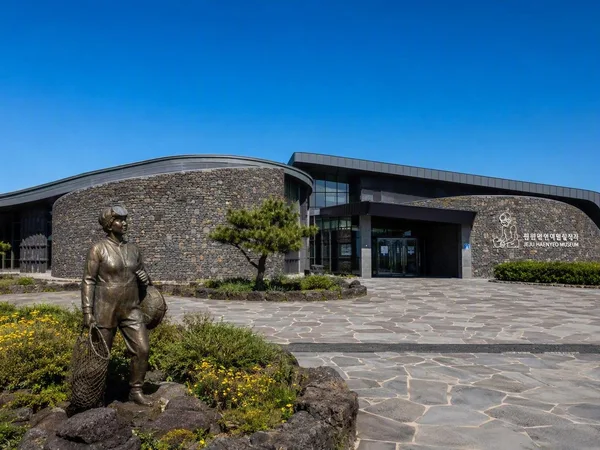
Jeju Haenyeo Museum
1 linked stories and routes
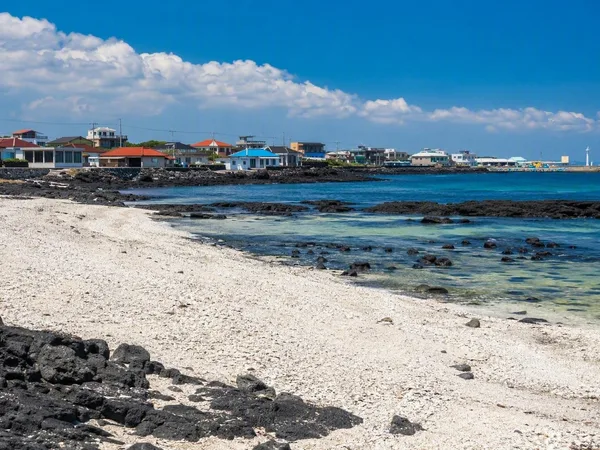
Sehwa, Jeju
1 linked stories and routes
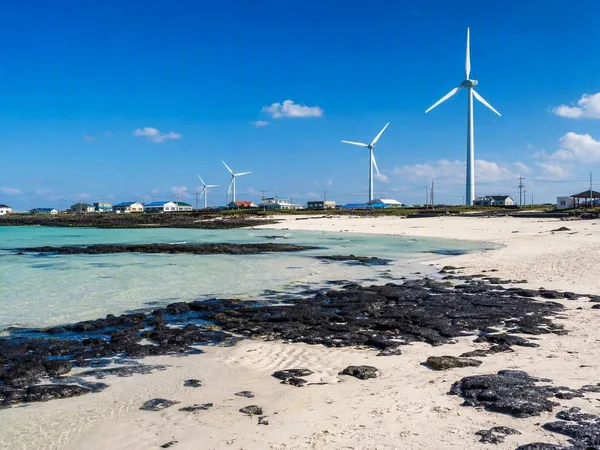
Gimnyeong
1 linked stories and routes
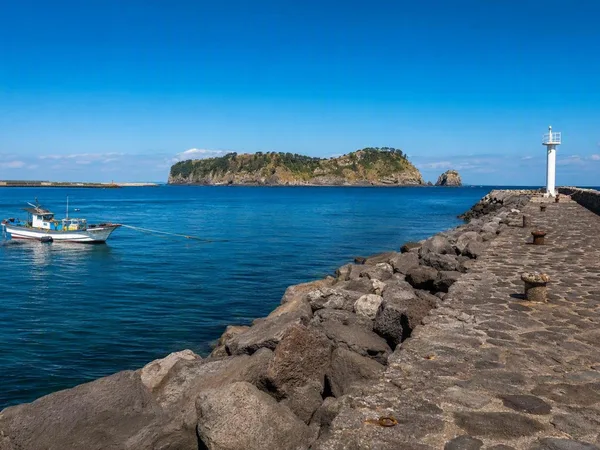
Beophwan
1 linked stories and routes