
Sight · Nepal
Patan Durbar Square
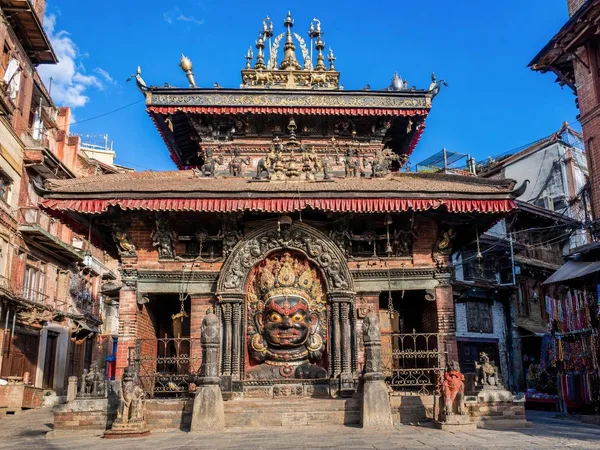
Patan Durbar Square is the former royal centre of Lalitpur, Nepal, a concentrated ensemble of Newar palaces, temples and public space in the Kathmandu Valley World Heritage property.
Orientation
Patan Durbar Square is the historic core of Patan, now part of Lalitpur on the south side of the Kathmandu Valley. It is one of the seven monument zones that make up the UNESCO-listed Kathmandu Valley. This is not a sealed-off ruin: worship, trade and daily movement still run through its brick-paved spaces.
The square took much of its present form under the Malla kings between the 16th and 18th centuries. The former royal palace forms one side; temples, shrines and freestanding monuments face it across the open square.
Read the square
Start with a slow circuit of the main plaza before entering the palace complex. The value is in the ensemble as much as in any one building: dark carved timber, fired brick, stone sculpture, gilded details and tiered roofs are set at close range.
Look for:
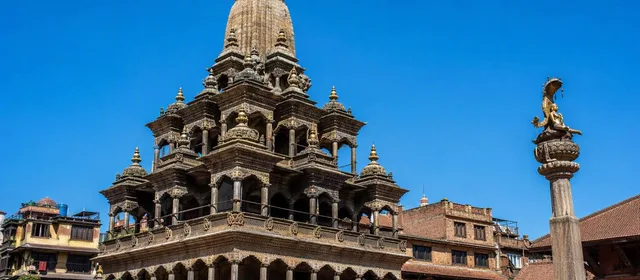
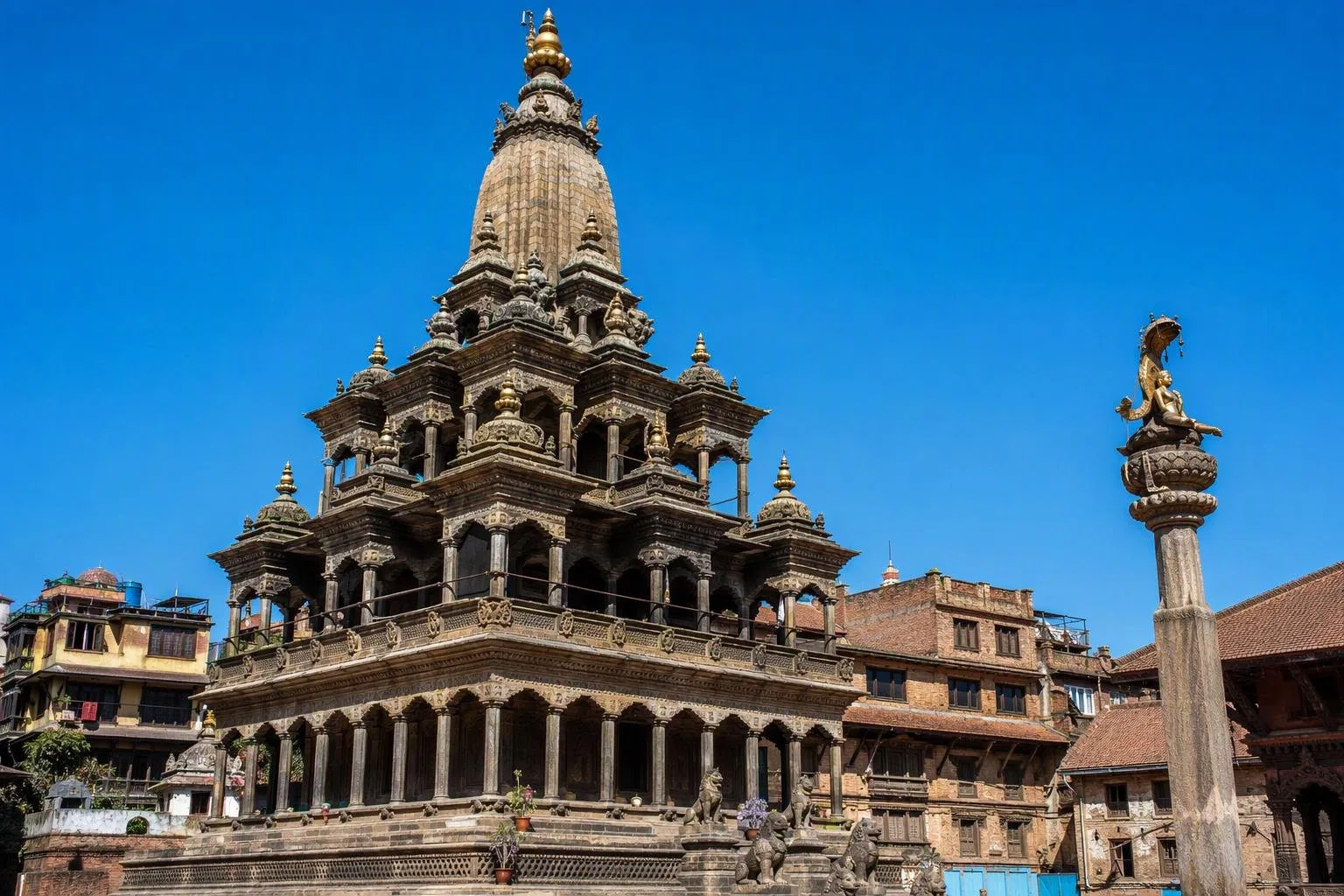
- Krishna Mandir: the square’s defining landmark, a three-storey stone shikhara temple built in 1637. Its arcades carry carved scenes from the Mahabharata and Ramayana.
- Vishwanath Temple: a Shiva temple marked by the pair of stone elephants at its entrance.
- Bhimsen Temple: dedicated to the deity associated with trade; note its three linked gilded windows.
- Yoganarendra Malla’s column: the royal statue stands high above the square beneath a cobra canopy.
Palace courtyards and museum
The old palace contains three principal courtyards: Keshav Narayan Chowk, Mul Chowk and Sundari Chowk. Patan Museum occupies part of the palace, making it the most useful place to decode the religious art and metalwork visible outside. Allow time for both the galleries and the palace architecture rather than treating the museum as a quick add-on.
Sundari Chowk contains Tusha Hiti, an elaborate sunken royal bath. Its dense stone carving rewards a close look; it is a compact contrast to the open square outside.
Access and timing
Foreign visitors pay NPR 1,000 for Patan Durbar Square, including Patan Museum. The listed rate for SAARC and BIMSTEC nationals is NPR 500; Chinese visitors also pay NPR 500. Keep your ticket with you while in the monument zone.
Come early for a clearer view of the temple line and a quieter square. Give the site at least two hours; add another hour or more for the museum and palace courtyards. The surrounding old-town lanes are narrow and easy to explore on foot, but the square itself is the priority.
Visiting a living sacred place
Temples here remain places of worship. Dress modestly, follow instructions at doorways and remove shoes where required. Do not touch carvings, sculptures or offerings. During religious activity, give worshippers space and keep your camera unobtrusive.
From the magazine
Stories about Patan Durbar Square
Editorial stories linked directly to Patan Durbar Square.
No stories about Patan Durbar Square have been published yet.
Routes from our editors
Travel through Patan Durbar Square
Editorial routes connecting Patan Durbar Square with other countries, cities and hotspots.
No routes through Patan Durbar Square have been published yet.
More in Nepal
Related hotspots
Other cities, nature areas and places within Nepal.
Durbar Square, Kathmandu
4 linked stories and routes
Kathmandu
4 linked stories and routes
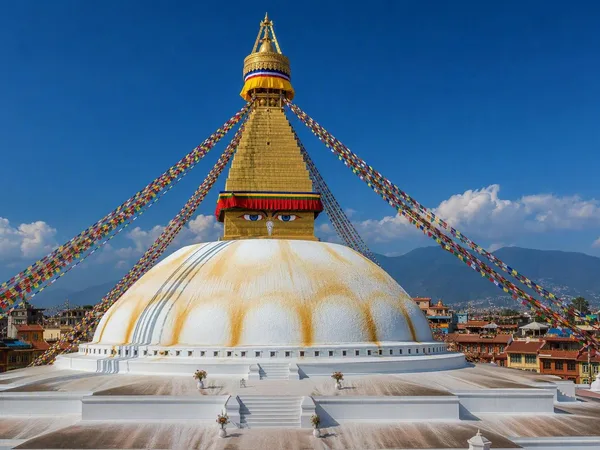
Kathmandu Valley
3 linked stories and routes
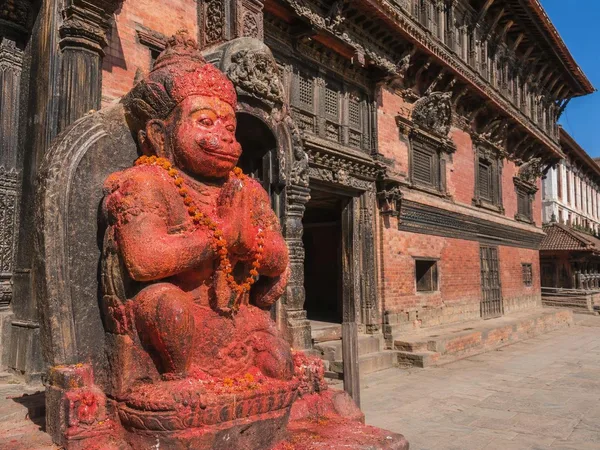
Hanuman Dhoka Durbar Square
2 linked stories and routes
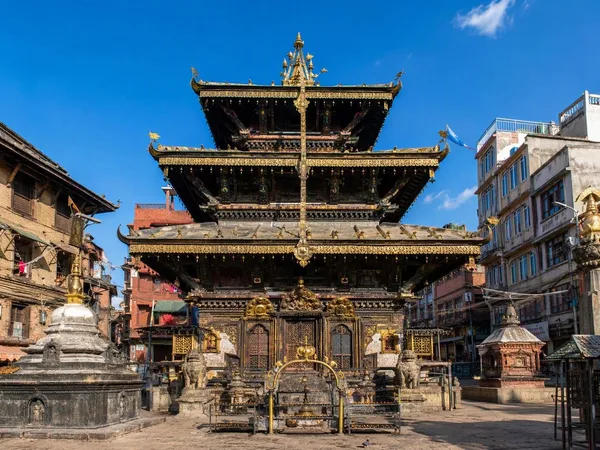
Asan Tole
2 linked stories and routes
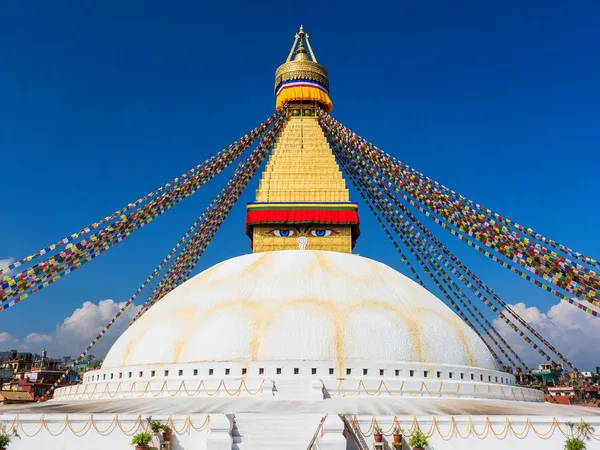
Boudhanath
1 linked stories and routes
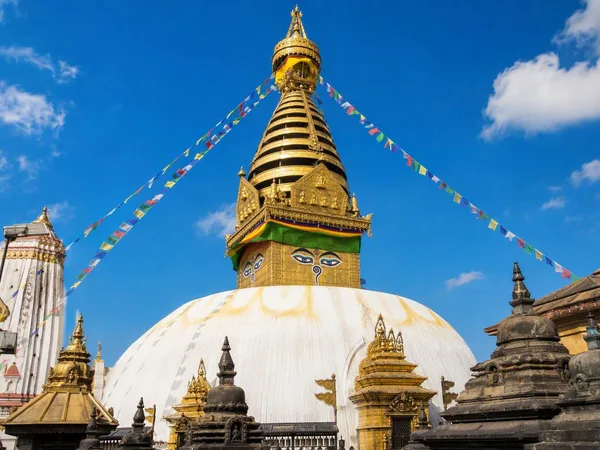
Swayambhunath Stupa
1 linked stories and routes
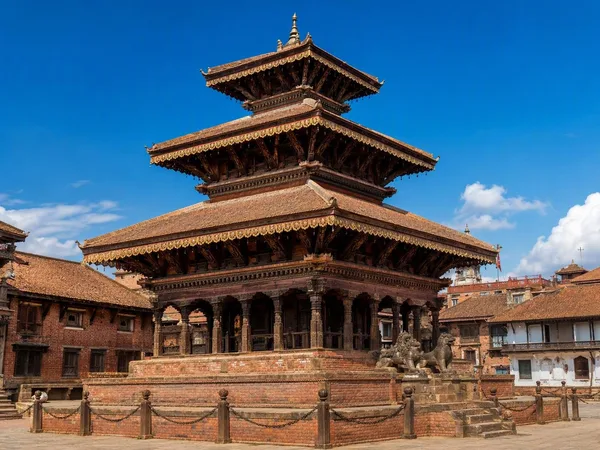
Kasthamandap
1 linked stories and routes
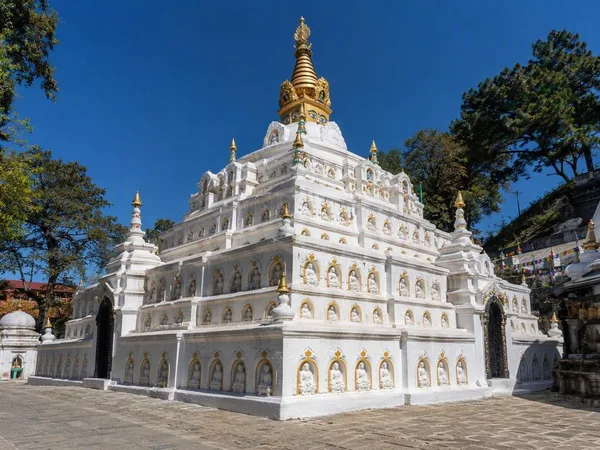
Mangal Bahudwar (Tashi Gomang Stupa)
1 linked stories and routes
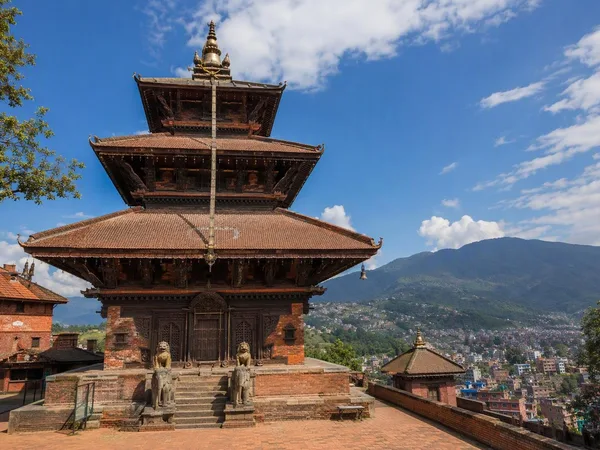
Kirtipur
1 linked stories and routes
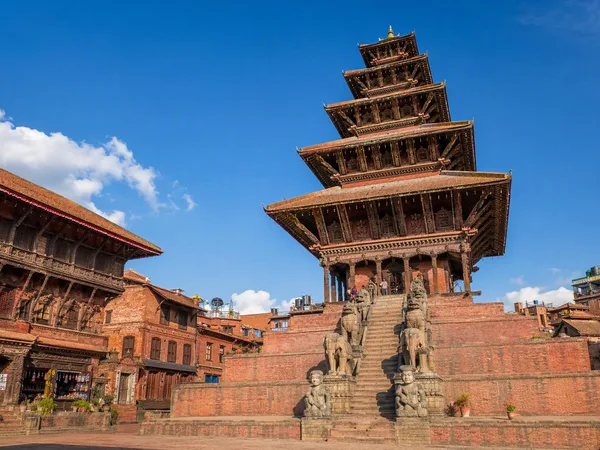
Bhaktapur
1 linked stories and routes
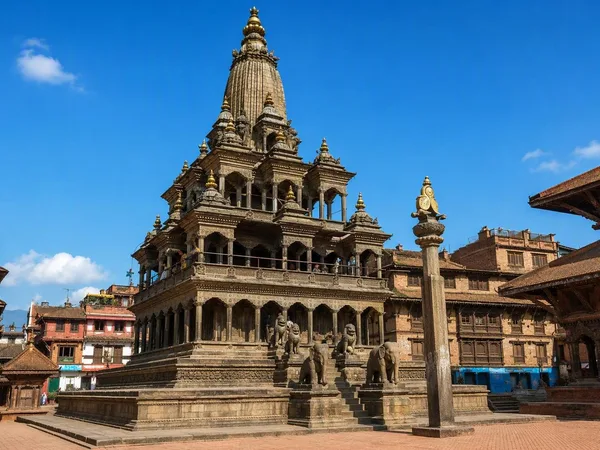
Patan
1 linked stories and routes
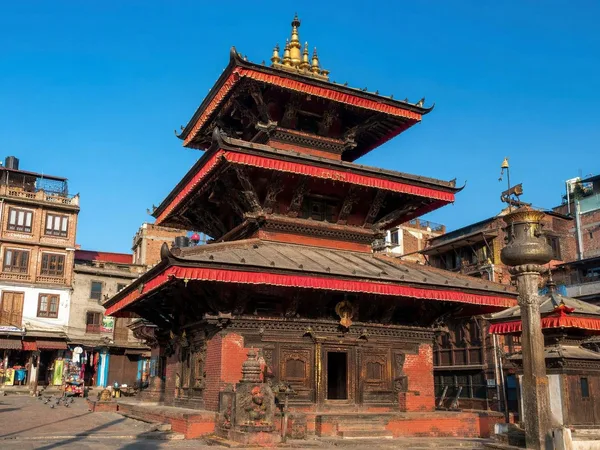
Annapurna-Ajima Temple
1 linked stories and routes
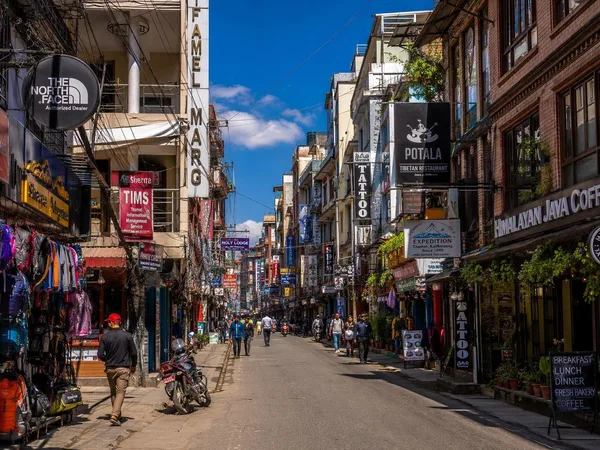
Thamel
1 linked stories and routes
Indra Chowk
1 linked stories and routes
Thimi
1 linked stories and routes