
Sight · Nepal
Annapurna-Ajima Temple
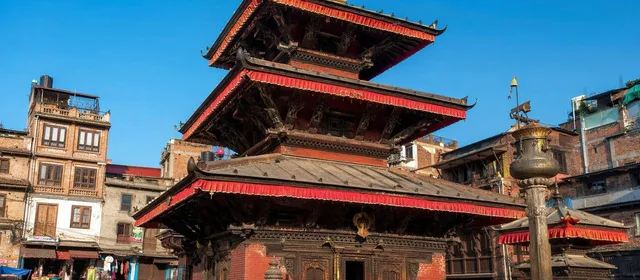
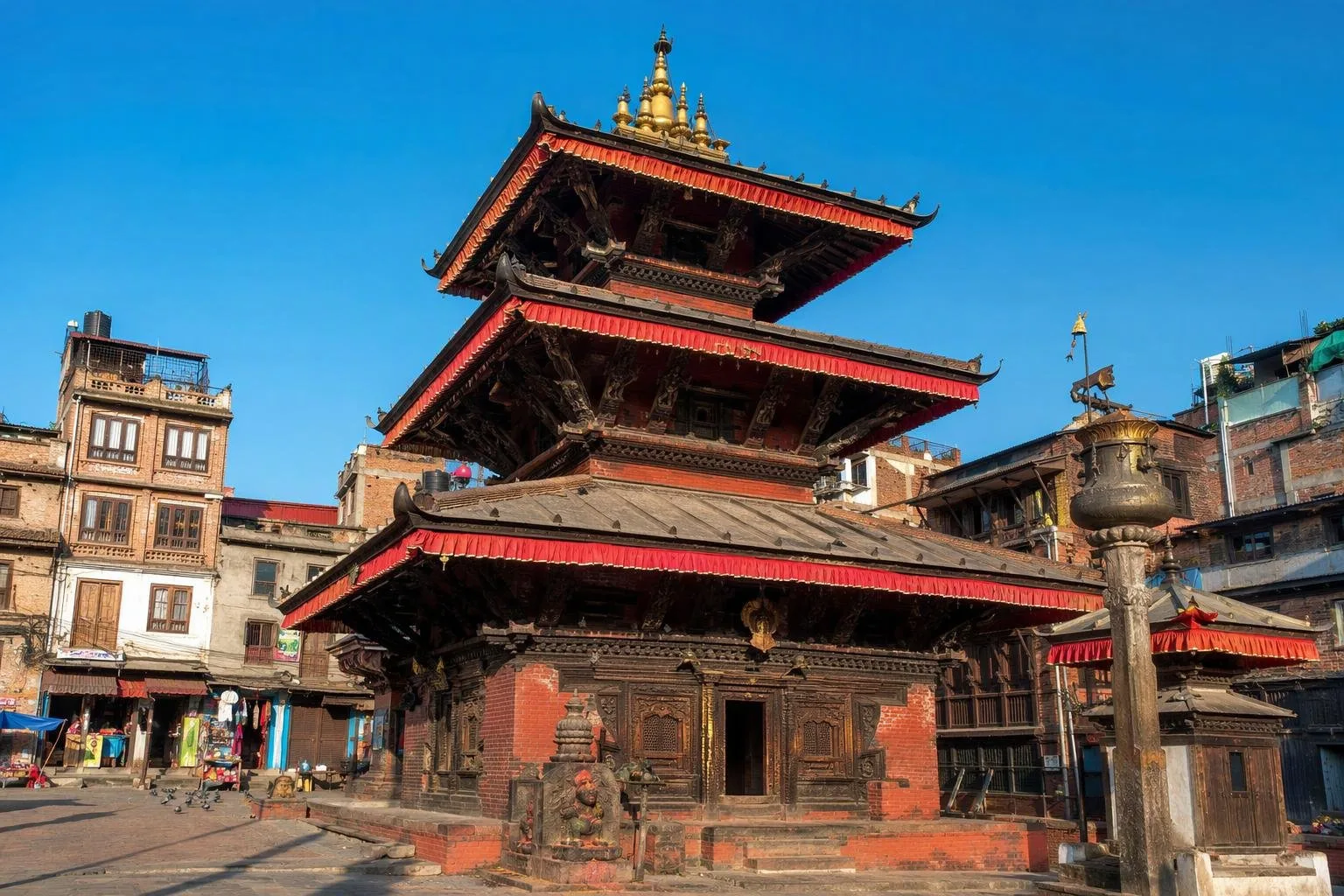
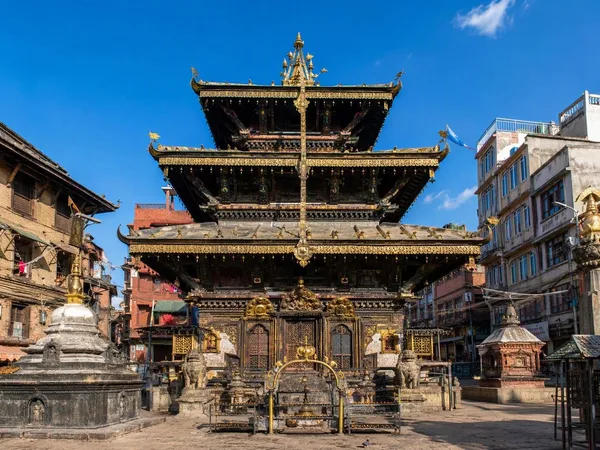
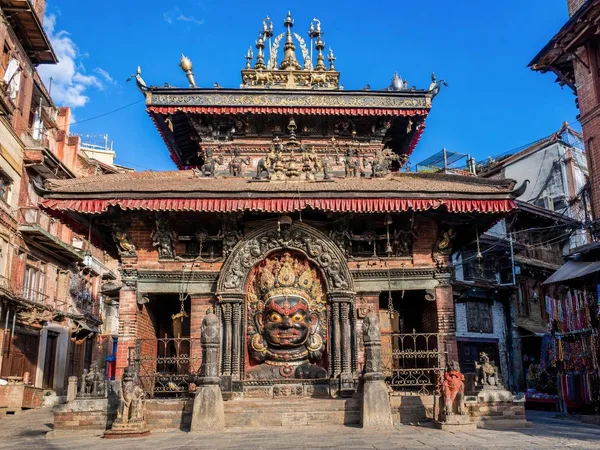
Annapurna-Ajima is a three-tiered Hindu pagoda at Asan, Kathmandu’s historic market square. Dedicated to the neighbourhood’s guardian goddess of abundant grain, it places worship directly within the daily food trade.
Why it matters
Annapurna-Ajima presides over Asan, a historic market square in central Kathmandu where several streets meet. The shrine is dedicated to Annapurna Ajima, the neighbourhood’s protective mother goddess and a deity of nourishment and abundance. Its setting is the point: this is not a temple set apart from commerce, but a pagoda surrounded by the ingredients and household goods traded in the bazaar.
The name joins anna—food or grain—with purna—fullness. At the shrine, the goddess is represented by a silver kalash, a sacred vessel associated with a full measure of grain. The object makes the temple’s link to food security unusually direct.
What to look for
The compact, three-tiered pagoda is a fine example of Kathmandu Valley temple architecture. Pause at street level rather than trying to isolate it from its surroundings: produce, spices, dried pulses and other provisions are part of the visual context of the shrine.
Look for:
- the stacked pagoda roofs and carved timber detailing;
- lamps and offerings placed by worshippers;
- the silver vessel representing Annapurna Ajima;
- the close relationship between the temple, market stalls and the neighbouring Ganesh shrine.
A nearby carved fish stone, Nyalon, is another useful marker within the Asan square, but Annapurna-Ajima remains the square’s principal goddess shrine.
Visiting in Asan
Come as part of a walk through Asan rather than as a stand-alone monument stop. The lanes are narrow and working traffic, shoppers and porters move through them continuously. Arrive on foot through the old-city market streets; Indra Chowk lies to the south, while the streets north and west lead toward Thamel and other central neighbourhoods.
Give the temple a few minutes, then continue through the food market. The changing stock around the pagoda—from fresh vegetables to spices and dried goods—explains the temple’s role more clearly than a distant viewpoint could.
Worship and photography
This is an active sacred site. Keep clear of people making offerings or ringing bells, and do not step into a ritual space simply for a photograph. Dress modestly, speak quietly around worshippers and ask before photographing anyone at close range. The best photographs show the pagoda in its actual setting: framed by the market, not emptied of it.
Festival context
Annapurna Ajima is central to Asan’s ritual calendar. During the October Annapurna Jatra, the goddess’s image is carried in procession through the old city before returning to Asan. If a procession or worship is under way, stand back and let the route remain open; this is a neighbourhood observance, not a staged performance.
From the magazine
Stories about Annapurna-Ajima Temple
Editorial stories linked directly to Annapurna-Ajima Temple.
No stories about Annapurna-Ajima Temple have been published yet.
Routes from our editors
Travel through Annapurna-Ajima Temple
Editorial routes connecting Annapurna-Ajima Temple with other countries, cities and hotspots.
No routes through Annapurna-Ajima Temple have been published yet.
More in Nepal
Related hotspots
Other cities, nature areas and places within Nepal.
Durbar Square, Kathmandu
4 linked stories and routes
Kathmandu
4 linked stories and routes
Kathmandu Valley
3 linked stories and routes
Hanuman Dhoka Durbar Square
2 linked stories and routes
Asan Tole
2 linked stories and routes
Boudhanath
1 linked stories and routes
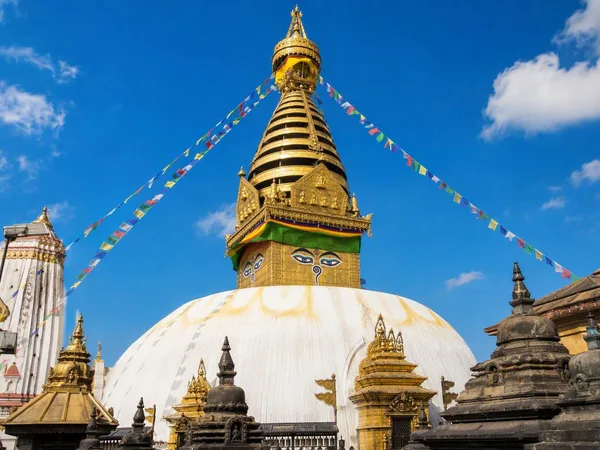
Swayambhunath Stupa
1 linked stories and routes
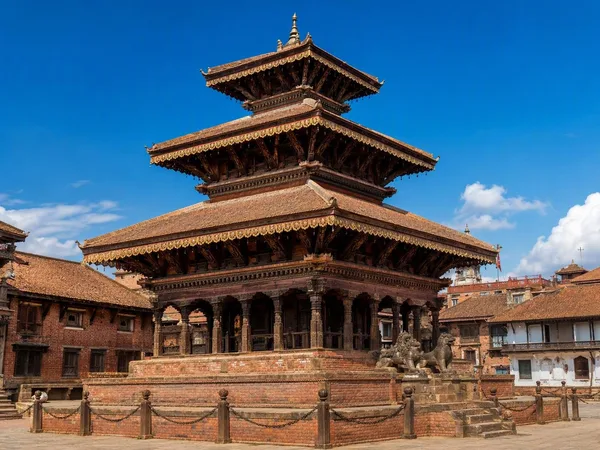
Kasthamandap
1 linked stories and routes
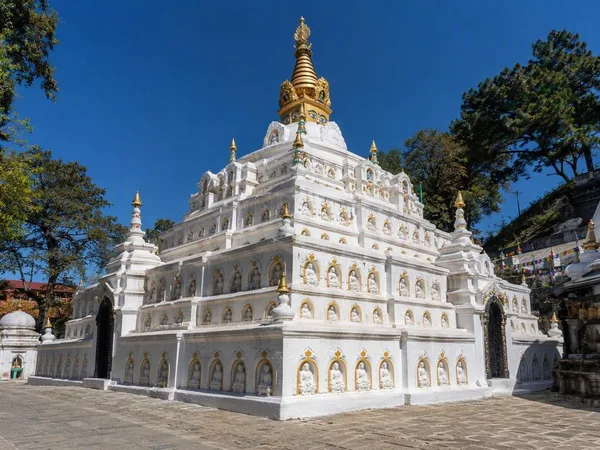
Mangal Bahudwar (Tashi Gomang Stupa)
1 linked stories and routes
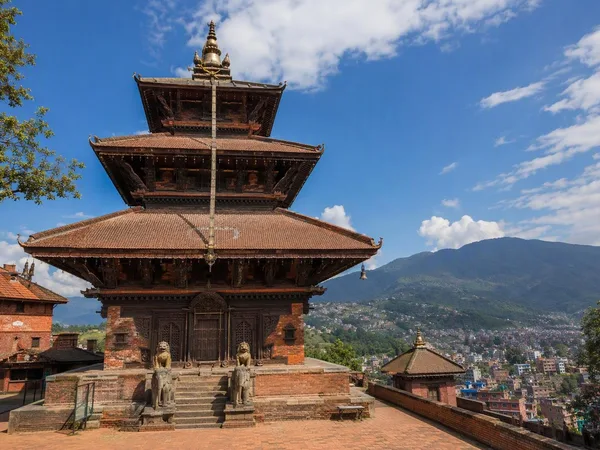
Kirtipur
1 linked stories and routes
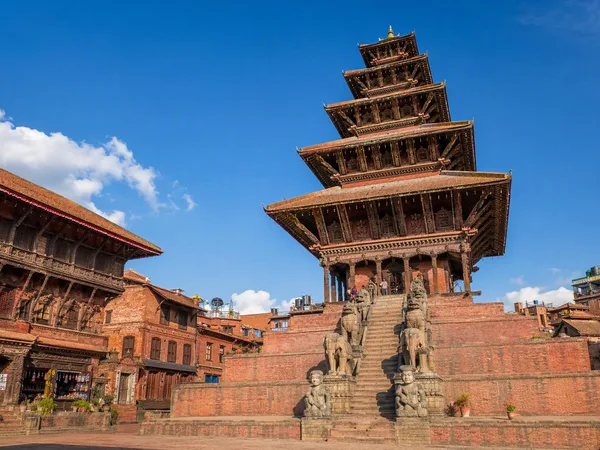
Bhaktapur
1 linked stories and routes
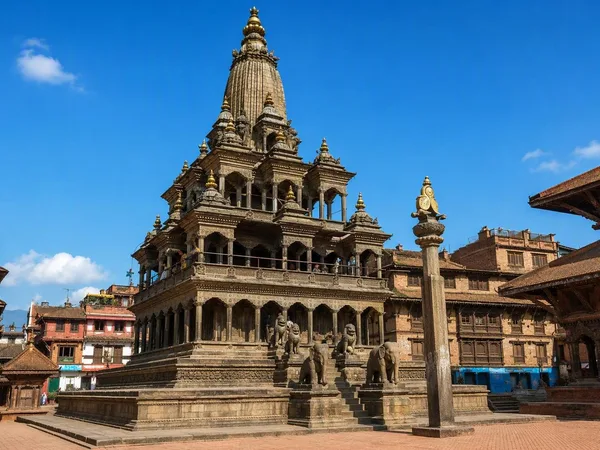
Patan
1 linked stories and routes
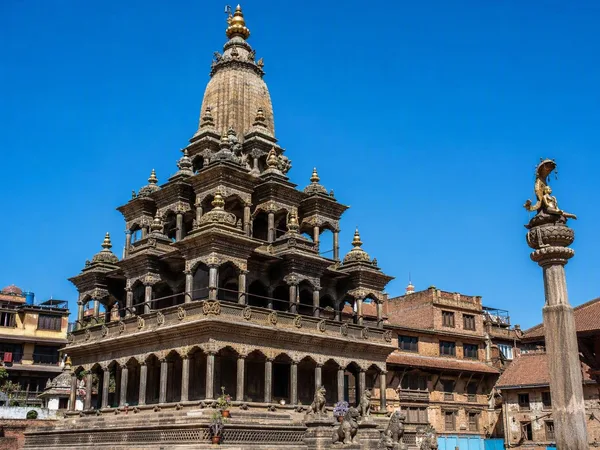
Patan Durbar Square
1 linked stories and routes
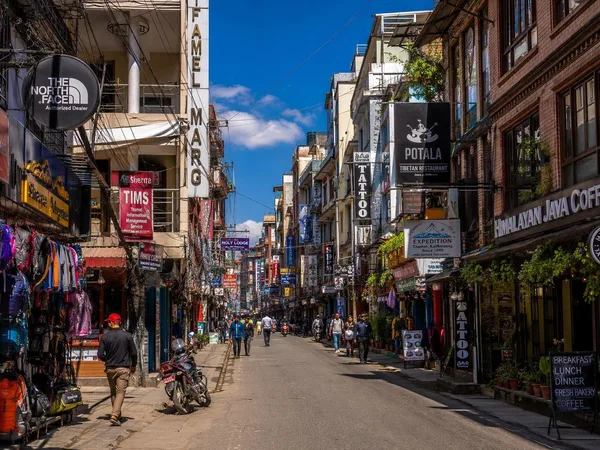
Thamel
1 linked stories and routes
Indra Chowk
1 linked stories and routes
Thimi
1 linked stories and routes